Feeds:
Posts
Comments

Archive for the ‘Wind Energy’ Category

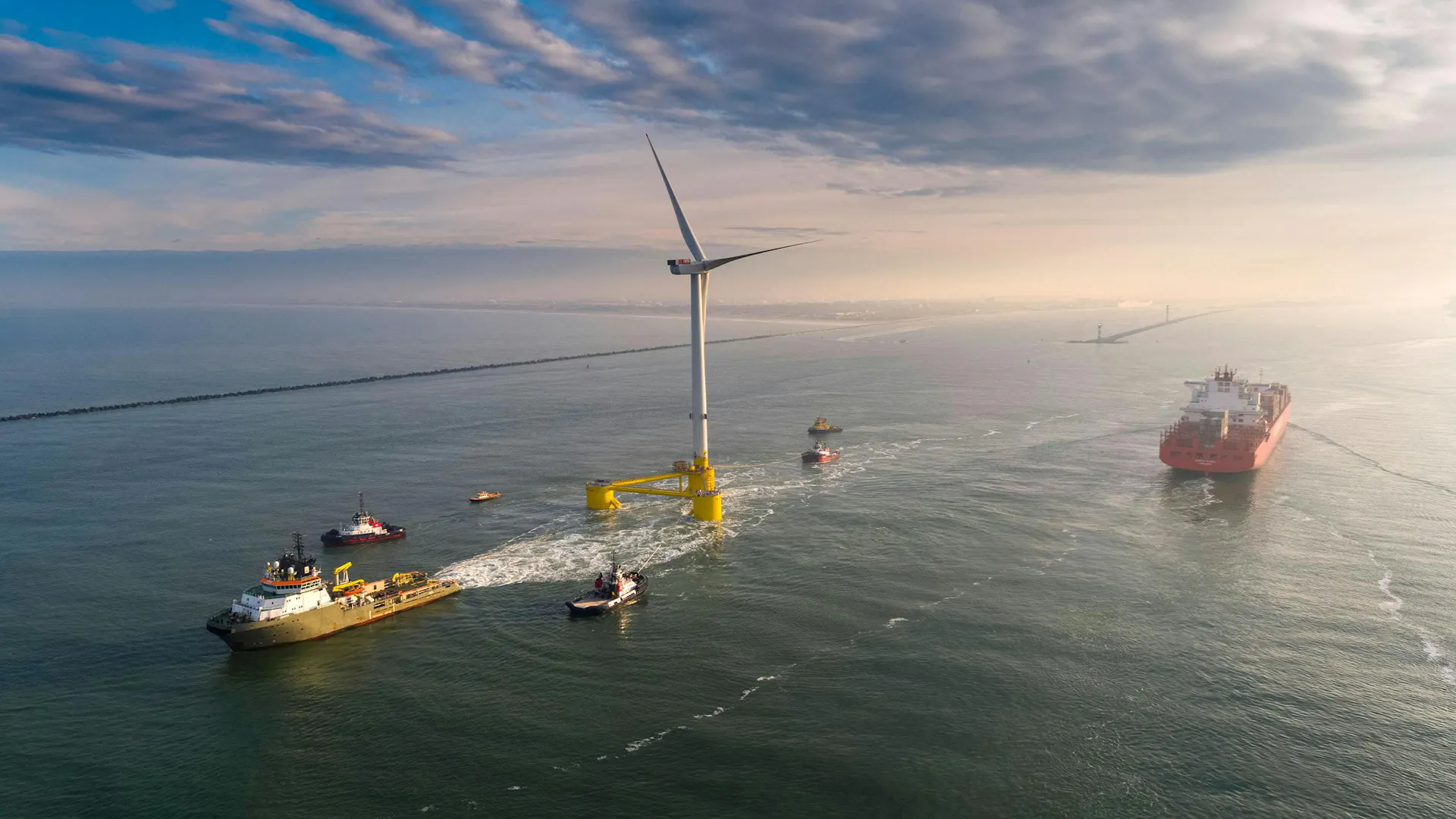
floating turbine being positioned in Kincardine wind farm

The 50 MW Kincardine Offshore Windfarm, which is billed as the “world’s largest floating wind farm,” experienced a £30 million loss in 2023 following a £18 million loss in 2022. The turbines are located 15 km off the coast of Aberdeenshire, in water depths ranging from 60 m to 80 m.

The graphic below summarizes the 2023 financial results, which were even worse than those for the prior years of operation. For those who want more detail, I have attached the 2023 audited financial statement for the wind farm. You can also view audited statements for prior years.

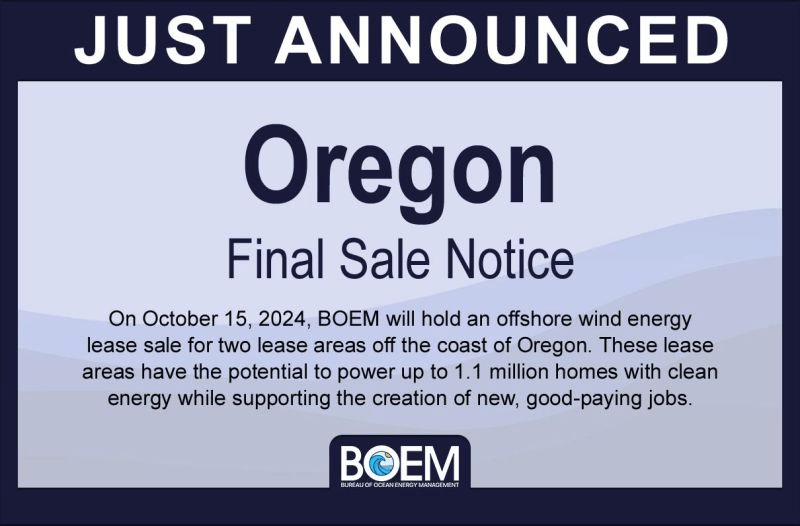
Although BOEM was forced to “postpone” the Oregon wind sale given the absence of bidders, opposition from tribes and county governments, and a last minute letter from the Governor (political cover?), California still seems to be all in on the development of the 5 deepwater wind leases in Federal waters.

Read Full Post »

The Nantucket non-profit ACK for Whales (ACK is the FAA abbreviation for Nantucket Airport) has petitioned the Supreme Court to review the 1st Circuit’s ruling on the Vineyard Wind project. Per the Supreme Court filing (full document attached):

Despite the agencies’ explicit statutory duty to consider all “best information available,” regarding the impacts its actions might have on an endangered or threatened species and those habitats, the National Marine Fisheries Service (NMFS) and the Bureau of Ocean Energy Management (BOEM), did not consider the cumulative impacts of other planned projects when they authorized and issued permits to construct the Vineyard Wind 1 Project.

Will the Supreme Court accept the case?

  • “Hail Mary:” Per the Nantucket Current, the odds that the Supreme Court justices will accept the case are exceedingly slim. Of the 7,000 cases that the Supreme Court is asked to review each year, only 100 to 150 of them – about 2 percent – are accepted.
  • “Really good chance:Per Val Oliver, ACK for Whales founding director, “In light of the recent Chevron decision, we think we have a really good chance. That was about government overreach and that is what this (Vineyard Wind) has felt like since the beginning: go, go, go, and we’ll figure it out as we go. That’s just not responsible.

Regardless of the outcome of this case, there is a profound inconsistency in the administration of the Endangered Species Act as evidenced by our comparison of the operating restrictions for the Right whale (Atlantic wind) and Rice’s whale (Gulf of Mexico oil and gas). Note that the more onerous Rice’s whale restrictions were removed by court order.

Read Full Post »

I am disappointed that BOEM’s accelerated process over the last year has further divided stakeholder communities, and put the Confederated Tribes of the Coos, Lower Umpqua and Siuslaw Indians in the position of challenging BOEM in federal district court. Oregon’s legislative Coastal Caucus is likewise now in full opposition to BOEM’s proposed lease.

Despite the usual hype about the number of homes that could be powered and “good-paying jobs,” the upcoming Oregon wind lease appears to be very much in doubt. If legal action by Oregon tribes doesn’t halt or delay the sale, the absence of bidders may.

OregonLive reports that only one company, NewSun Energy, continues to be interested in participating in the sale. NewSun is primarily a solar energy developer with no apparent offshore wind experience.

Wind development offshore Oregon would be complex and very expensive given the need for floating turbines and new high-voltage transmission lines over the Coast Range. At least two counties, Coos and Curry, are set to vote on whether to publicly oppose offshore wind development off their coast.

If the sale is delayed such that BOEM is not able to issue leases before 12/20/2024, the leases cannot be issued until a qualifying oil and gas lease sale is held.

Read Full Post »

The Confederated Tribes of the Coos, Lower Umpqua and Siuslaw Indians (“Tribe”) filed a lawsuit against BOEM in Oregon Federal District Court.   The lawsuit (attached) challenges BOEM’s cursory environmental review for the development of private offshore wind energy facilities in two areas off the Oregon Coast near Coos Bay and Brookings.  

The Tribe has consistently urged that BOEM delay moving forward with wind energy development until a better understanding is made of the impacts to fish, wildlife, the marine environment, and cultural resources important to the Tribe,” said Tribal Council Chair Brad Kneaper.  “No one, including BOEM has an understanding on how wind development will impact the fragile marine environment.  BOEM developed an environmental assessment document that narrowly focused on the impacts of the lease sale and completely turned a blind eye to the inevitable impacts that construction and operation of these private energy facilities will have on Coastal resources, the Tribe, and other residents.”

The timeframe for wind development appears to be driven by politics, rather than what is best for Coastal residents and the environmental,” said Chair Kneaper.

This suit and the Aquinnah Wampanoag tribe’s call for a moratorium on offshore wind development have to be uncomfortable for Secretary of the Interior Deb Haaland given her Native American heritage.

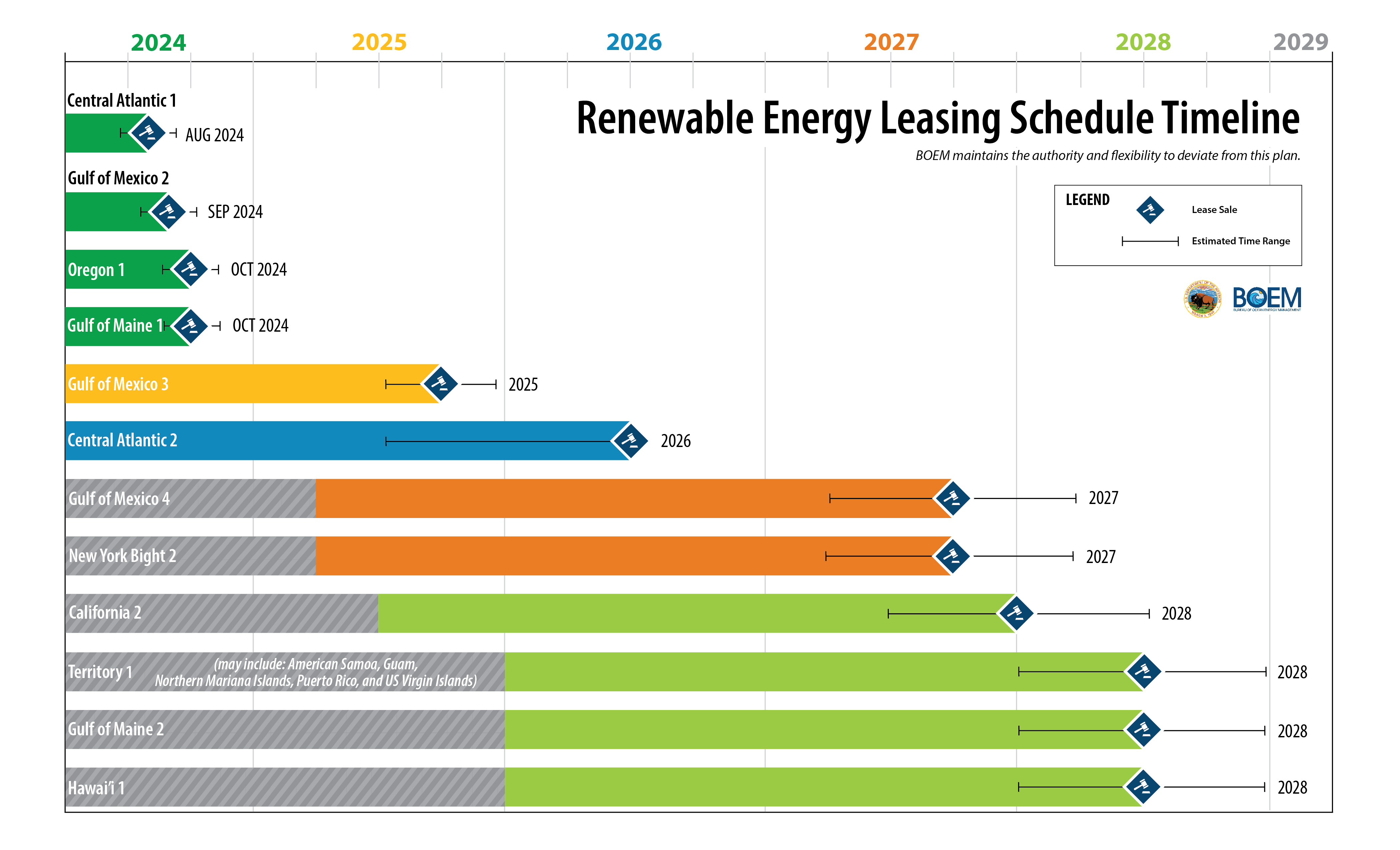
BOEM’s front-loaded 5 year wind leasing plan (graphic below) may have been influenced by (1) the possibility that the upcoming elections could affect offshore wind policy, and (2) the legislative prohibition on issuing wind leases after 12/20/2024 unless an oil and gas lease sale is held prior to that date.

Given that the next oil and gas lease sale will be in 2025 or later, BOEM was perhaps motivated to hold wind sales prior to the 12/20/2024 deadline (with a bit of a buffer to issue the lease documents). Indeed, the wind leasing plan proposed 4 sales between August and October of 2024 and only a single 2025 sale. That 2025 wind sale is in the Gulf of Mexico, where industry interest in wind leases is, at best, tepid.

Read Full Post »

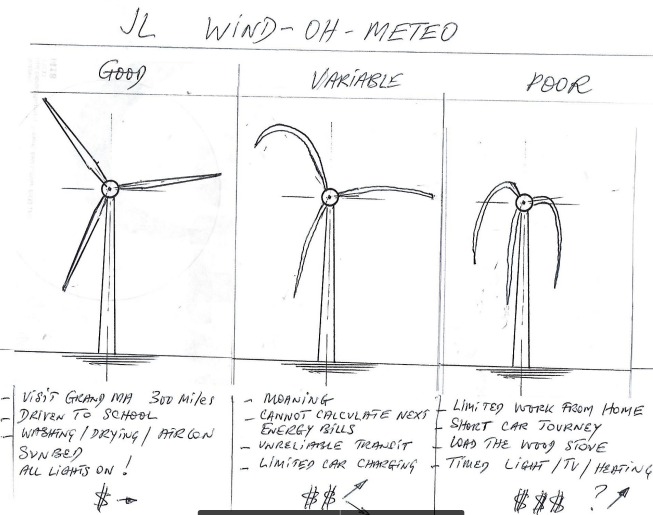
JL Daeschler reports that there has been no wind for the past 4 days at his home in Scotland, and his wind gauge is droopy. (See his sketch below and read the fine print 😉)

Read Full Post »

As previously noted, these power generation realities cannot be ignored:

  • Wind and solar power are intermittent, such that demand must respond to variable supply (not a prescription for economic growth).
  • Assuming sufficient capacity, gas power plants respond to variable demand.
  • Power grids can function effectively with only natural gas, but not with only wind/solar.
  • Integrated wind, solar, and gas systems can reduce, but not eliminate, demand for gas-generated power.

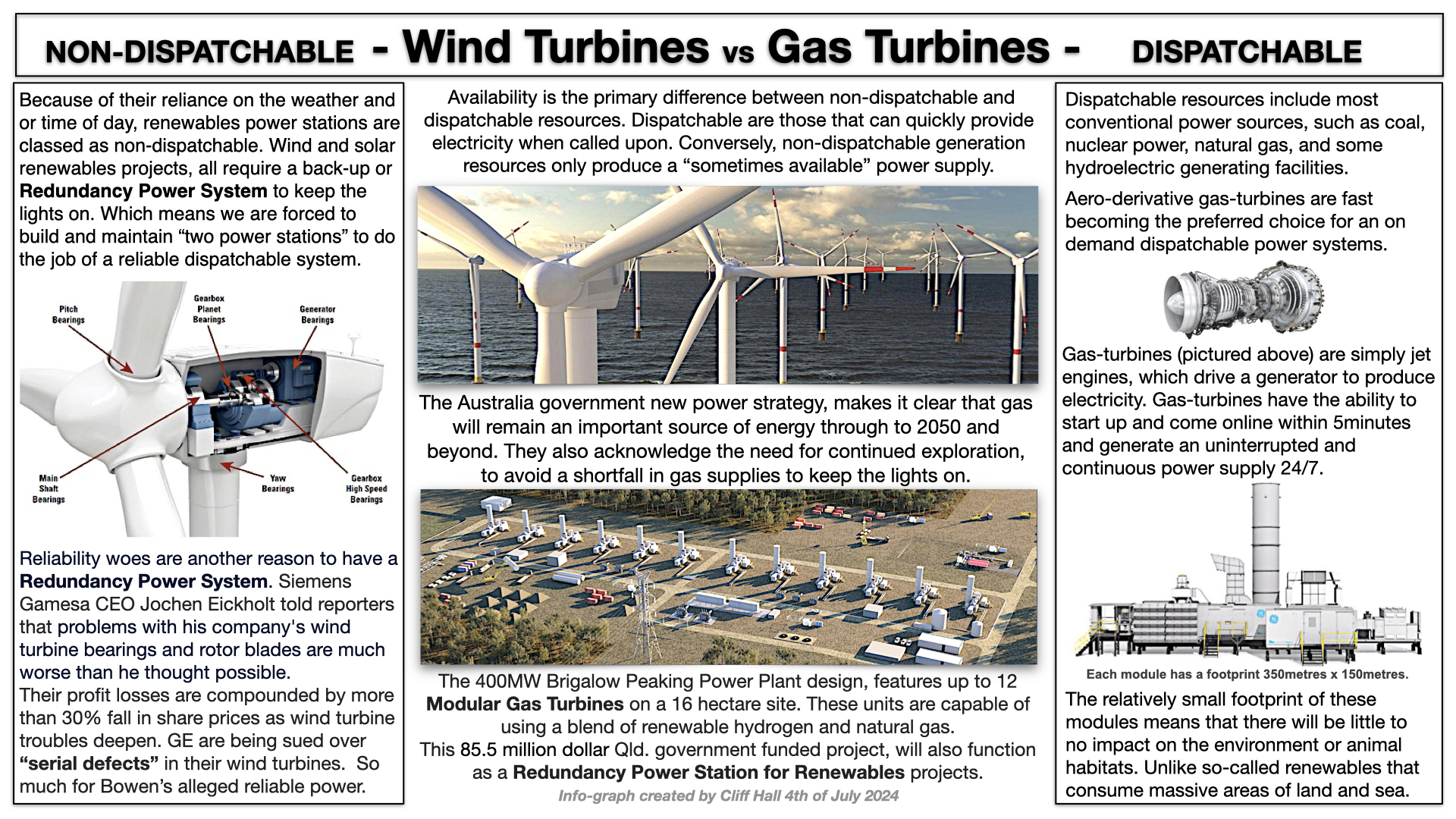
This graphic by Australian Cliff Hall explains the importance of “dispatchable” power. Of course, imported electricity, on which wind-leader Denmark relies heavily, is an alternative to dispatchable power. However, that option is less than optimal from economic growth and energy security standpoints.

Read Full Post »

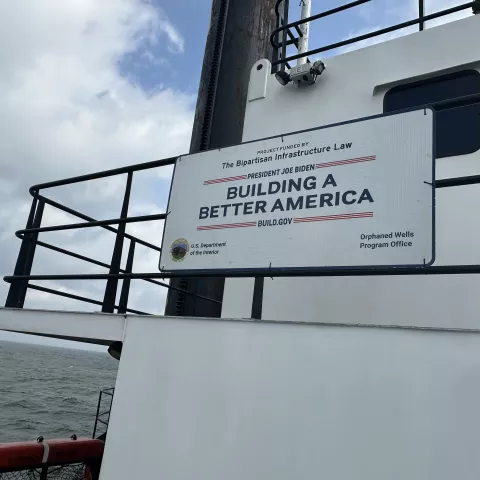
Federally funded decommissioning in the Matagorda Island area of the Gulf of Mexico. Not a success story.

I’m not typically aligned with the sponsors of the attached “Plug Offshore Wells Act,” but the call for transparency is understandable given that taxpayer funds are, for the first time, being used to decommission offshore platforms in the Matagorda Island area of the Gulf of Mexico, massive liabilities associated with the Cox bankruptcy loom, and the Hogan and Houchin saga drags on without resolution.

The bill would require an annual report on well, platform, and pipeline decommissioning including applications, deadlines, and enforcement actions. BSEE does have a good facility infrastructure page for the GoM, but much of the information called for in H.R. 9168 is not publicly available.

Improved oversight of decommissioning requirements for offshore wind projects should also be considered in light of the precedent setting waiver granted to Vineyard Wind and BOEM’s “modernization rule” that relaxes financial assurance requirements for wind development.

Read Full Post »

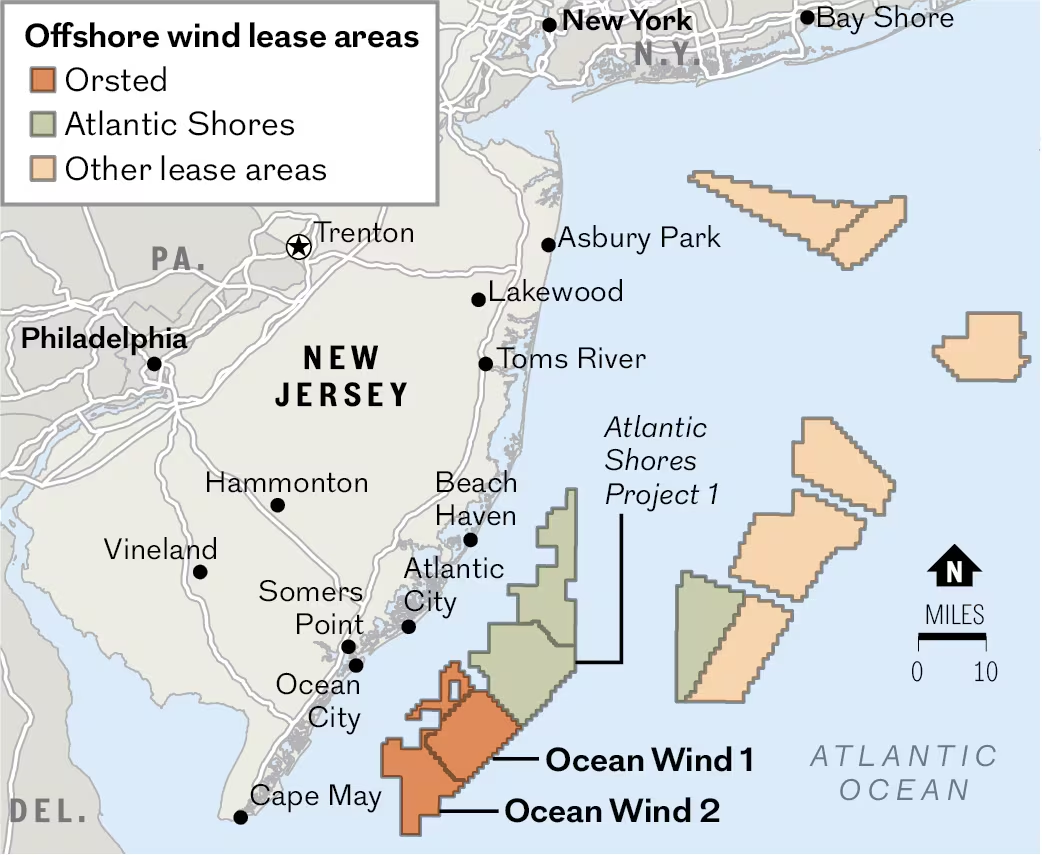
A media report informs that, as expected, Orsted is marketing the suspended Ocean Wind 1 and 2 leases. BOEM should deny any request to assign these leases. Here’s why:

  • As discussed in a previous post, those leases should have been terminated when Orsted announced that they would “cease development of the Ocean Wind 1 and Ocean Wind 2 projects.”
  • Absent termination, these inactive leases would have expired were it not for BOEM’s approval of a 2 year suspension of operations.
  • For the first time in the history of the US OCS program, the lease suspensions were approved without any work commitment on the part of the operator.
  • Per the approval letter (attached), the suspensions were granted so Orsted could get “full enjoyment” of the leases by waiting for economic conditions to improve.
  • The approval relieves Orsted from complying with any deadlines in their approved Construction and Operations Plan.
  • Under the approved suspensions, Orsted’s only obligations are to reply to requests for information and participate in meetings or consultations as requested. Note that for suspensions of operations on oil and gas leases, the operator must provide “a reasonable schedule of work leading to the commencement or restoration of the suspended activity.”
  • Subsequent to BOEM’s approval of the lease suspensions, the New Jersey Board of Public Utilities correctly vacated all of its Orders that approved the Ocean Wind One and Ocean Wind Two offshore wind projects.

Suspensions of Operations are for the purpose of providing additional time, where necessary, for diligent operators to meet development milestones and initiate energy production. They are not for the purpose of waiting for improved economic conditions or providing time to sell your leases.

Any request by Orsted to assign these leases should be denied. If BOEM wants to reissue the leases, they may do so at a future sale in accordance with their regulations at 30 CFR Part 285.

Read Full Post »

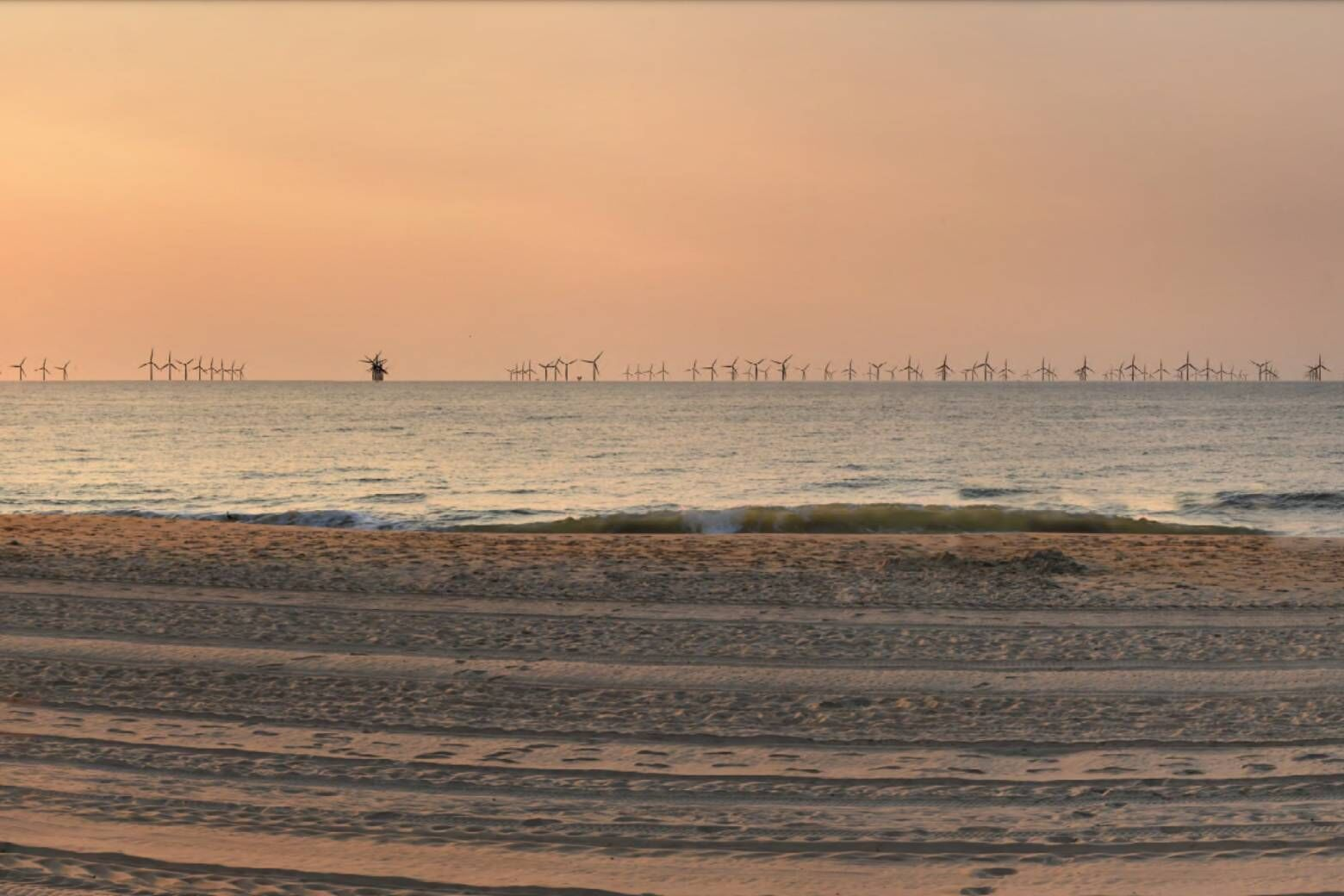
Rendering of Ocean City MD morning view per US Wind project plan submitted to BOEM
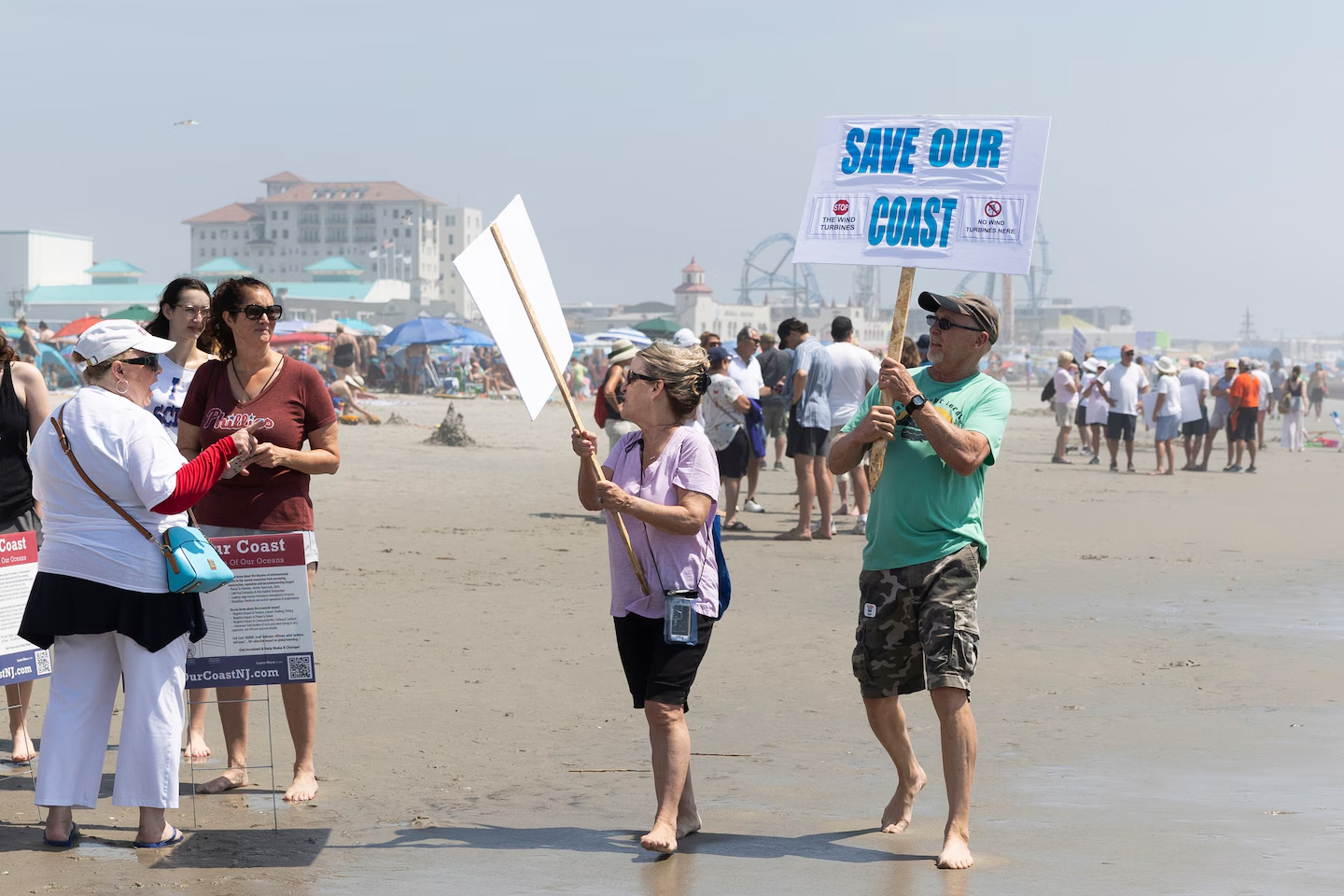
Ocean City NJ offshore wind protest

To those of us from Philly, Ocean City is in New Jersey. To those living in the DMV, Ocean City is in Maryland. These popular beach resorts have distinct personalities, but both are heavily dependent on tourism. They are also aligned against offshore wind development.

OCNJ and surrounding Cape May County have been called the epicenter of resistance to offshore wind. They sued the Federal government over the approval of the Construction and Operations Plan and issuance of the Incidental Harassment Authorization for the Ocean Wind 1 project. Orsted has since elected not to pursue that project, but somehow the leases have remained in effect.

On Aug. 5, Ocean City MD Mayor Rick Meehan said the town has hired a law firm, and will join several local co-plaintiffs in suing BOEM if it issues a federal permit to US Wind to construct the US Wind project offshore Maryland. Exactly one month later (9/5/2024), BOEM approved the project. (The 2 US Wind leases have been consolidated, and the project is now known as the Maryland Offshore Wind project).

Halting Atlantic wind projects has been a difficult proposition for local governments, tribes, and grass roots environmental groups given that the wind industry, State and Federal govt, and the large environmental NGOs have been firmly aligned against them. Indeed, the Federal govt considers wind developers to be their partners.

Disputes between State and local governments regarding offshore wind policy are becoming increasingly strident. Such disconnects are not common for offshore oil and gas given that State and local govts are typically aligned either for or against.

The growing level of discord is neither in the best interest of wind developers nor their opponents. Unfortunately, election year politics probably stand in the way of a pause in wind leasing that would facilitate open and unpressured collaboration with coastal residents, power customers, tribes, and fishing organizations on the best path forward.

Read Full Post »

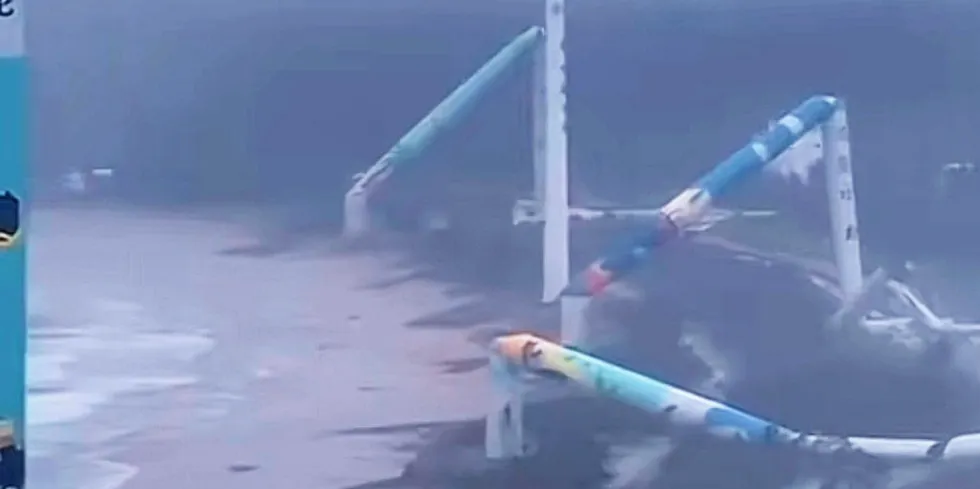
Photo: GUANGDONG NEWS

Read Full Post »

« Newer Posts - Older Posts »