“I am disappointed that BOEM’s accelerated process over the last year has further divided stakeholder communities, and put the Confederated Tribes of the Coos, Lower Umpqua and Siuslaw Indians in the position of challenging BOEM in federal district court. Oregon’s legislative Coastal Caucus is likewise now in full opposition to BOEM’s proposed lease.“
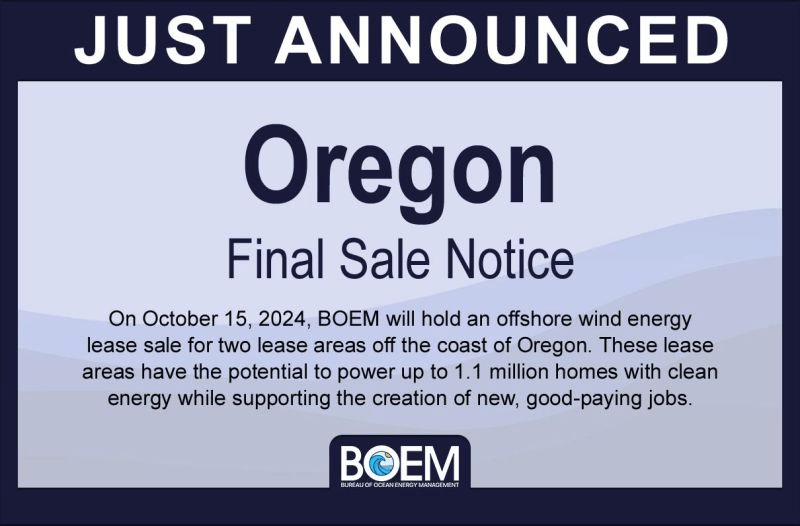
Despite the usual hype about the number of homes that could be powered and “good-paying jobs,” the upcoming Oregon wind lease appears to be very much in doubt. If legal action by Oregon tribes doesn’t halt or delay the sale, the absence of bidders may.
OregonLive reports that only one company, NewSun Energy, continues to be interested in participating in the sale. NewSun is primarily a solar energy developer with no apparent offshore wind experience.
“The Tribe has consistently urged that BOEM delay moving forward with wind energy development until a better understanding is made of the impacts to fish, wildlife, the marine environment, and cultural resources important to the Tribe,” said Tribal Council Chair Brad Kneaper. “No one, including BOEM has an understanding on how wind development will impact the fragile marine environment. BOEM developed an environmental assessment document that narrowly focused on the impacts of the lease sale and completely turned a blind eye to the inevitable impacts that construction and operation of these private energy facilities will have on Coastal resources, the Tribe, and other residents.”
“The timeframe for wind development appears to be driven by politics, rather than what is best for Coastal residents and the environmental,” said Chair Kneaper.
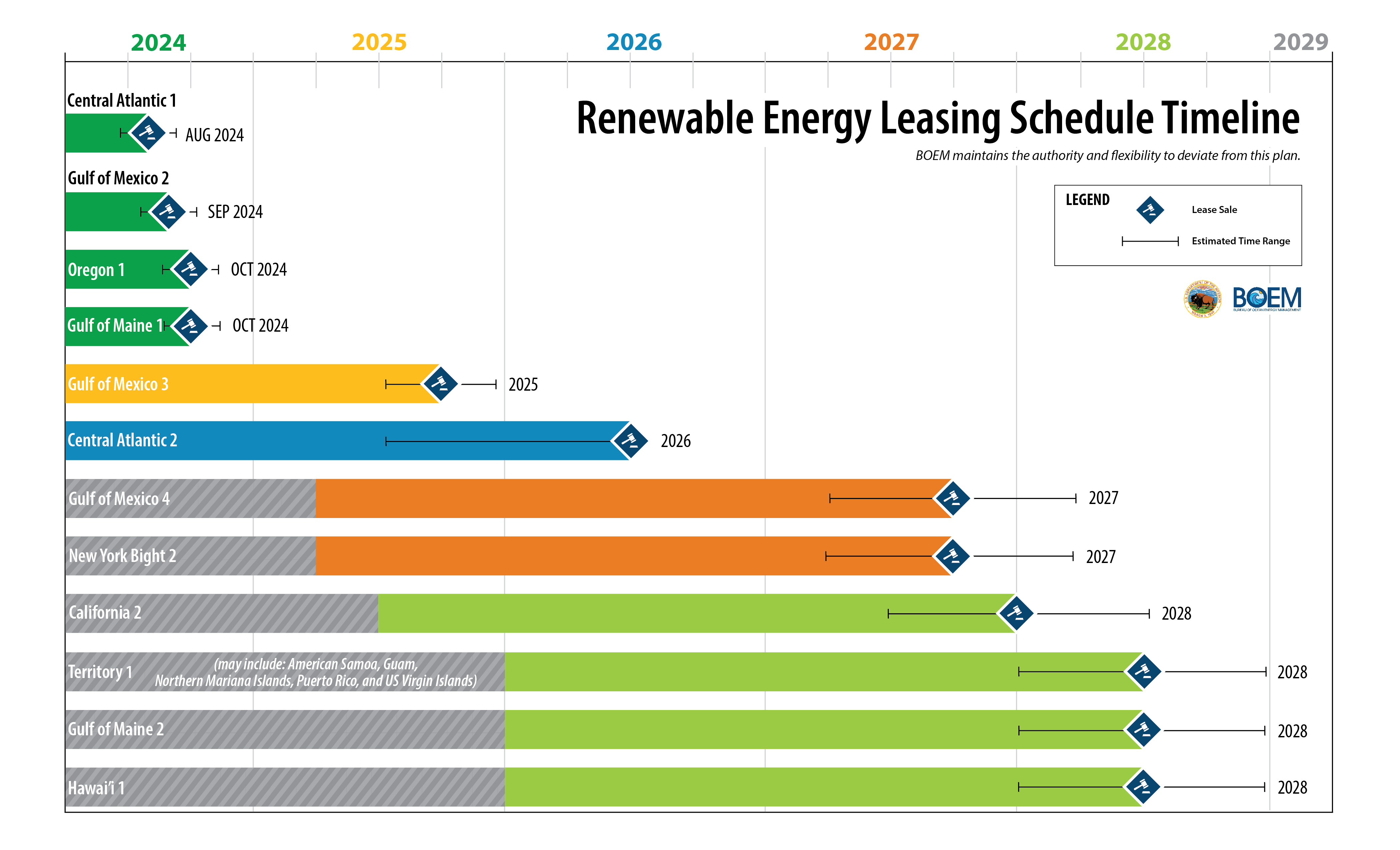
BOEM’s front-loaded 5 year wind leasing plan (graphic below) may have been influenced by (1) the possibility that the upcoming elections could affect offshore wind policy, and (2) the legislative prohibition on issuing wind leases after 12/20/2024 unless an oil and gas lease sale is held prior to that date.
Given that the next oil and gas lease sale will be in 2025 or later, BOEM was perhaps motivated to hold wind sales prior to the 12/20/2024 deadline (with a bit of a buffer to issue the lease documents). Indeed, the wind leasing plan proposed 4 sales between August and October of 2024 and only a single 2025 sale. That 2025 wind sale is in the Gulf of Mexico, where industry interest in wind leases is, at best, tepid.
As previously noted, these power generation realities cannot be ignored:
Wind and solar power are intermittent, such that demand must respond to variable supply (not a prescription for economic growth).
Assuming sufficient capacity, gas power plants respond to variable demand.
Power grids can function effectively with only natural gas, but not with only wind/solar.
Integrated wind, solar, and gas systems can reduce, but not eliminate, demand for gas-generated power.
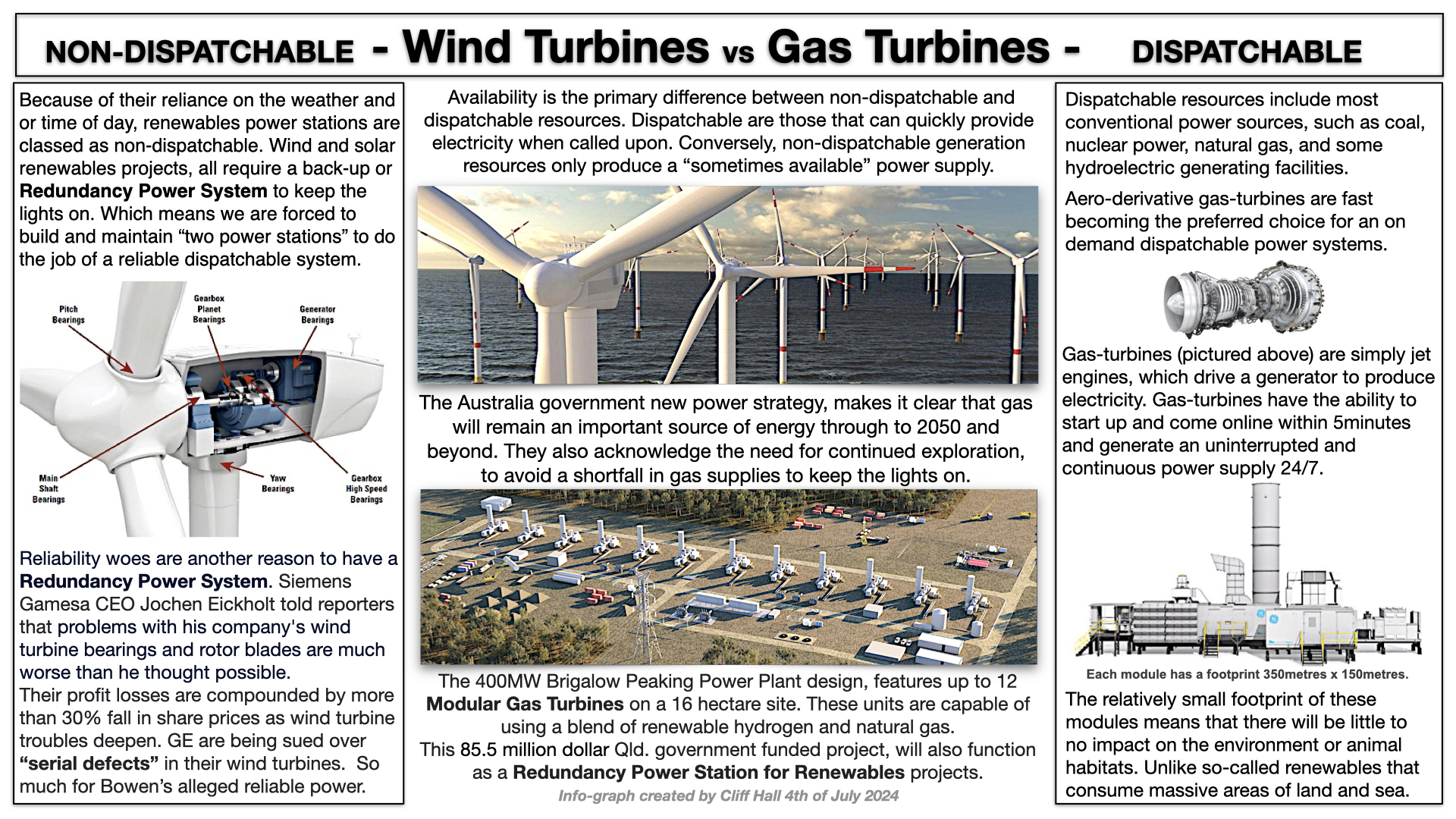
This graphic by Australian Cliff Hall explains the importance of “dispatchable” power. Of course, imported electricity, on which wind-leader Denmark relies heavily, is an alternative to dispatchable power. However, that option is less than optimal from economic growth and energy security standpoints.
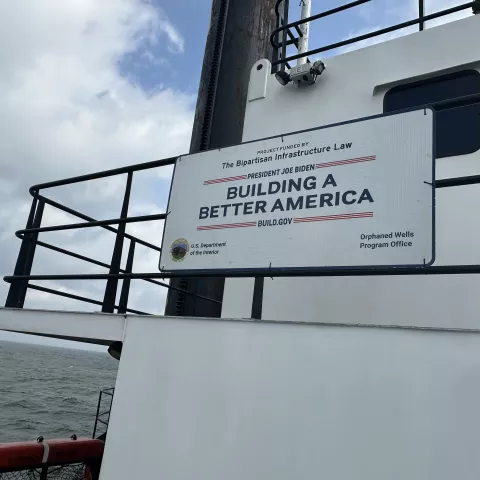
I’m not typically aligned with the sponsors of the attached “Plug Offshore Wells Act,” but the call for transparency is understandable given that taxpayer funds are, for the first time, being used to decommission offshore platforms in the Matagorda Island area of the Gulf of Mexico, massive liabilities associated with the Cox bankruptcy loom, and the Hogan and Houchin saga drags on without resolution.
The bill would require an annual report on well, platform, and pipeline decommissioning including applications, deadlines, and enforcement actions. BSEE does have a good facility infrastructure page for the GoM, but much of the information called for in H.R. 9168 is not publicly available.
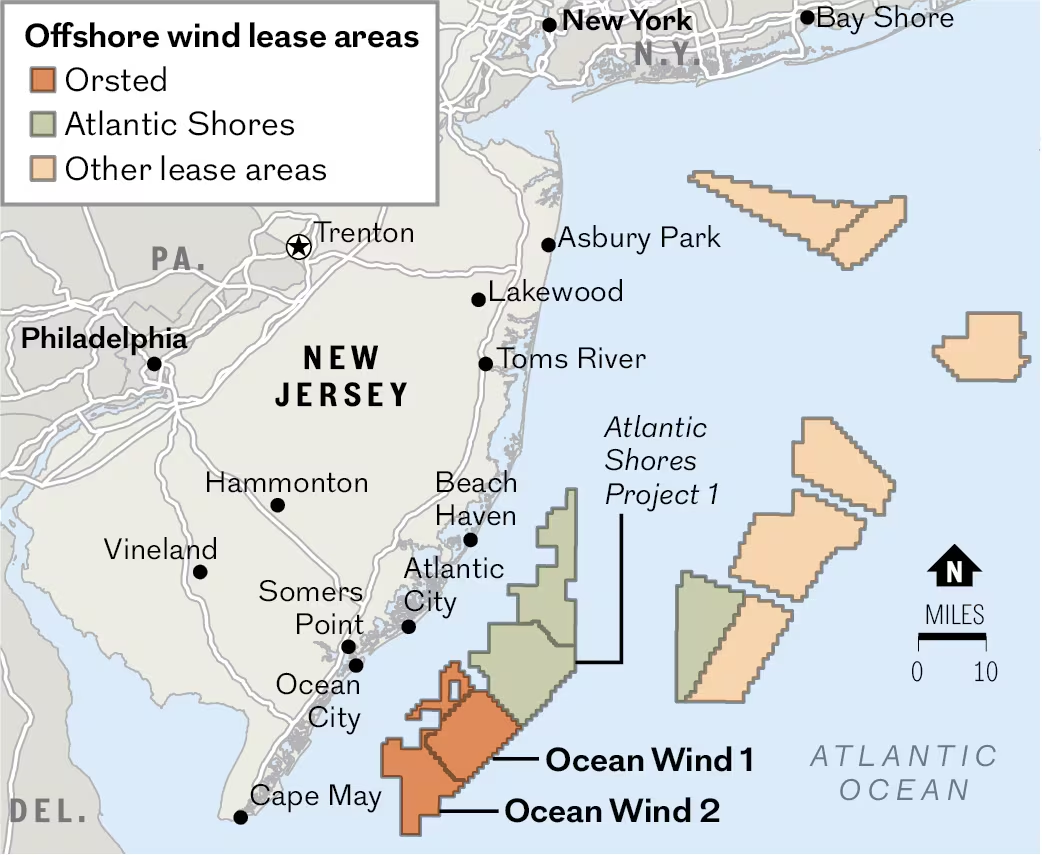
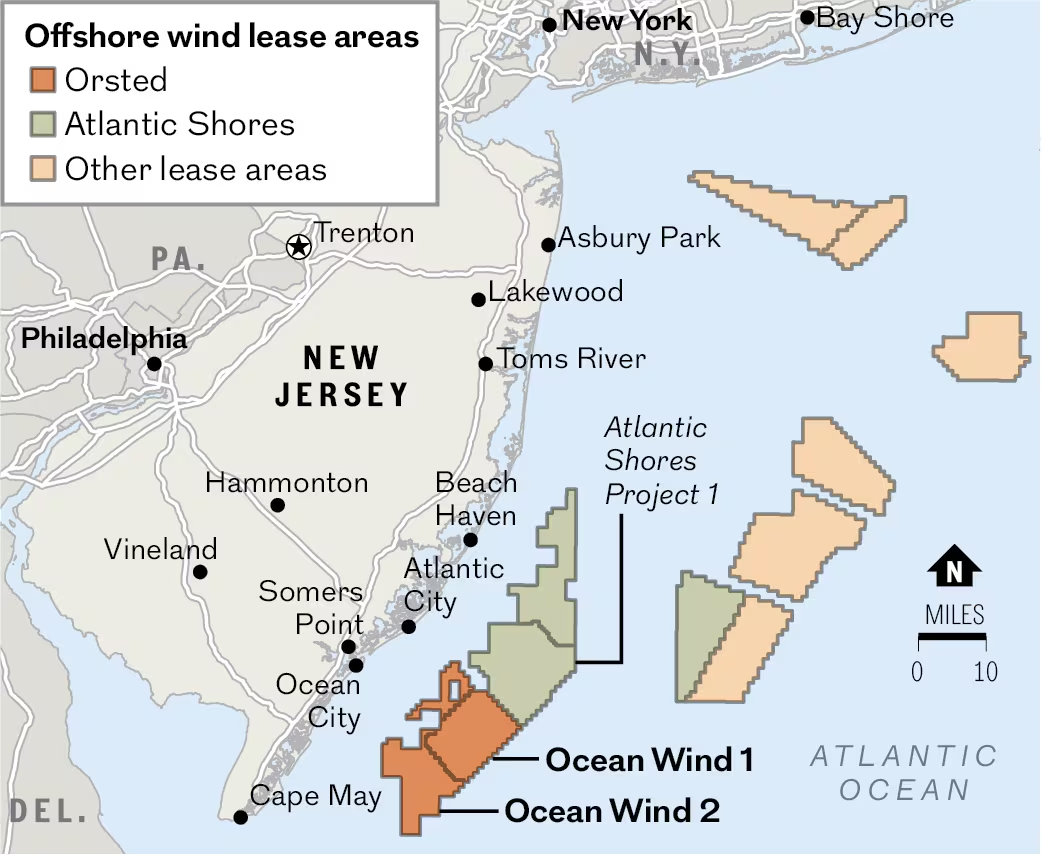
A media report informs that, as expected, Orsted is marketing the suspended Ocean Wind 1 and 2 leases. BOEM should deny any request to assign these leases. Here’s why:
As discussed in a previous post, those leases should have been terminated when Orsted announced that they would “cease development of the Ocean Wind 1 and Ocean Wind 2 projects.”
For the first time in the history of the US OCS program, the lease suspensions were approved without any work commitment on the part of the operator.
Per the approval letter (attached), the suspensions were granted so Orsted could get “full enjoyment” of the leases by waiting for economic conditions to improve.
The approval relieves Orsted from complying with any deadlines in their approved Construction and Operations Plan.
Under the approved suspensions, Orsted’s only obligations are to reply to requests for information and participate in meetings or consultations as requested. Note that for suspensions of operations on oil and gas leases, the operator must provide “a reasonable schedule of work leading to the commencement or restoration of the suspended activity.”
Suspensions of Operations are for the purpose of providing additional time, where necessary, for diligent operators to meet development milestones and initiate energy production. They are not for the purpose of waiting for improved economic conditions or providing time to sell your leases.
Any request by Orsted to assign these leases should be denied. If BOEM wants to reissue the leases, they may do so at a future sale in accordance with their regulations at 30 CFR Part 285.
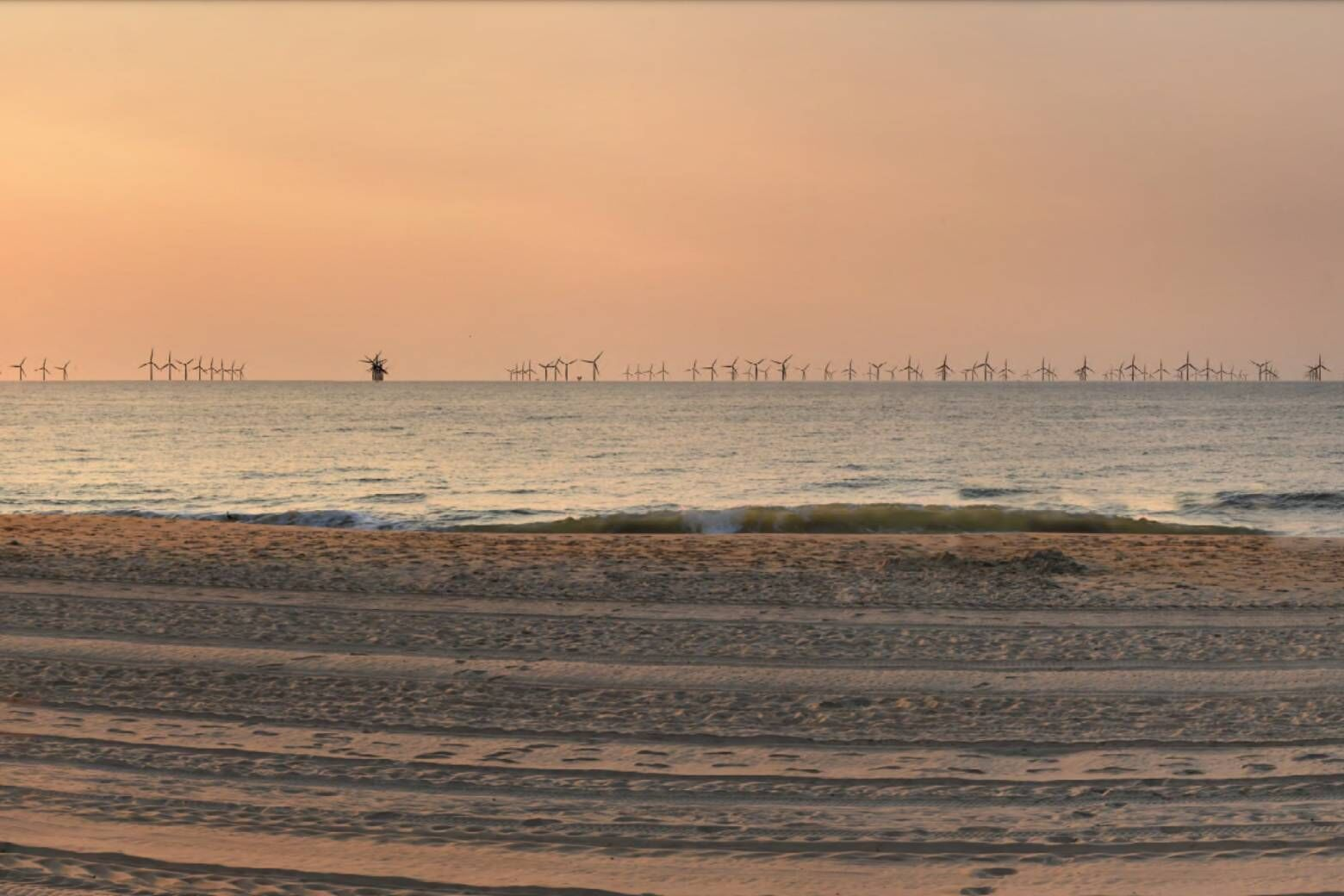
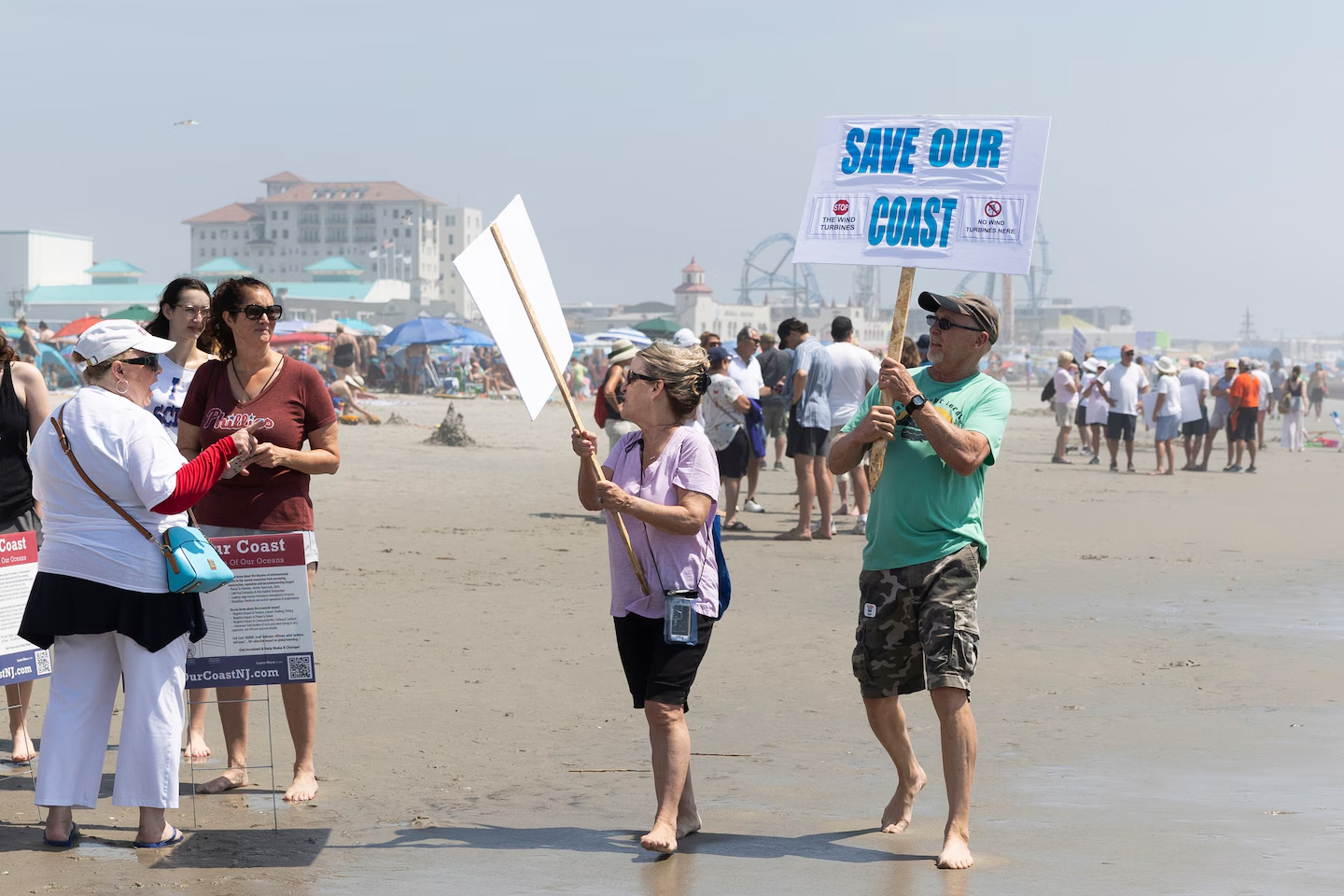
Rendering of Ocean City MD morning view per US Wind project plansubmitted to BOEMOcean City NJ offshore wind protest
To those of us from Philly, Ocean City is in New Jersey. To those living in the DMV, Ocean City is in Maryland. These popular beach resorts have distinct personalities, but both are heavily dependent on tourism. They are also aligned against offshore wind development.
On Aug. 5, Ocean City MD Mayor Rick Meehan said the town has hired a law firm, and will join several local co-plaintiffs in suing BOEM if it issues a federal permit to US Wind to construct the US Wind project offshore Maryland. Exactly one month later (9/5/2024), BOEM approved the project. (The 2 US Wind leases have been consolidated, and the project is now known as the Maryland Offshore Wind project).
Halting Atlantic wind projects has been a difficult proposition for local governments, tribes, and grass roots environmental groups given that the wind industry, State and Federal govt, and the large environmental NGOs have been firmly aligned against them. Indeed, the Federal govt considers wind developers to be their partners.
Disputes between State and local governments regarding offshore wind policy are becoming increasingly strident. Such disconnects are not common for offshore oil and gas given that State and local govts are typically aligned either for or against.
The growing level of discord is neither in the best interest of wind developers nor their opponents. Unfortunately, election year politics probably stand in the way of a pause in wind leasing that would facilitate open and unpressured collaboration with coastal residents, power customers, tribes, and fishing organizations on the best path forward.
A new NOAA biological opinion finds that that pile-driving noise associated with the Vineyard Wind project is likely to adversely affect, but not likely to jeopardize, the continued existence of whales, fish or sea turtles listed under the Endangered Species Act (ESA).
This opinion was predictable. On the one hand, denying the adverse effects from extensive pile driving would have been unacceptable to NOAA scientists. On the other hand, a jeopardy finding would have been unacceptable to their political leadership.
If you are wondering how NOAA managed to thread that needle, you will have to wait until their report is publicly available. On Aug. 23, NOAA said the opinion would be available in their library in about 10 days, but the opinion has still not been posted. How do you announce such significant findings without, at the same time, releasing the report?
Understandably, the Nantucket environmental organization ACK for whales is not pleased with either NOAA’s announcement or their failure to release the report:
“We are disappointed NOAA announced the conclusions of its bi-op on the Vineyard Wind 1 construction without releasing the report or the data on which it relied,” ACK For Whales stated. “NOAA’s own data show that in 2023, there were 151 marine mammal strandings in Massachusetts alone with 75 occurring from Jun 2023 to Dec 2023, the months that pile driving was active. This compares to 77 strandings for all of 2015, before OSW activity started – essentially a 100 percent increase. Most of those strandings in 2023 (n=55) occurred from Oct to Dec when VW was racing to get foundations installed. Out of the 47 bases installed in 2023, 68 percent were installed in the last three months of the year.”
In January, BOE raised concerns about the collaborative BOEM-NOAA-wind industry strategy to protect the right whale. Per that strategy, BOEM and NOAA view themselves as partners with the wind industry. Is this biological opinion an example of NOAA working with their partners in accordance with their joint strategy? While regulator-industry collaboration is essential for effective offshore development, be it wind or oil and gas, regulators and operating companies have distinctly different missions and responsibilities, and should not be viewed as partners.
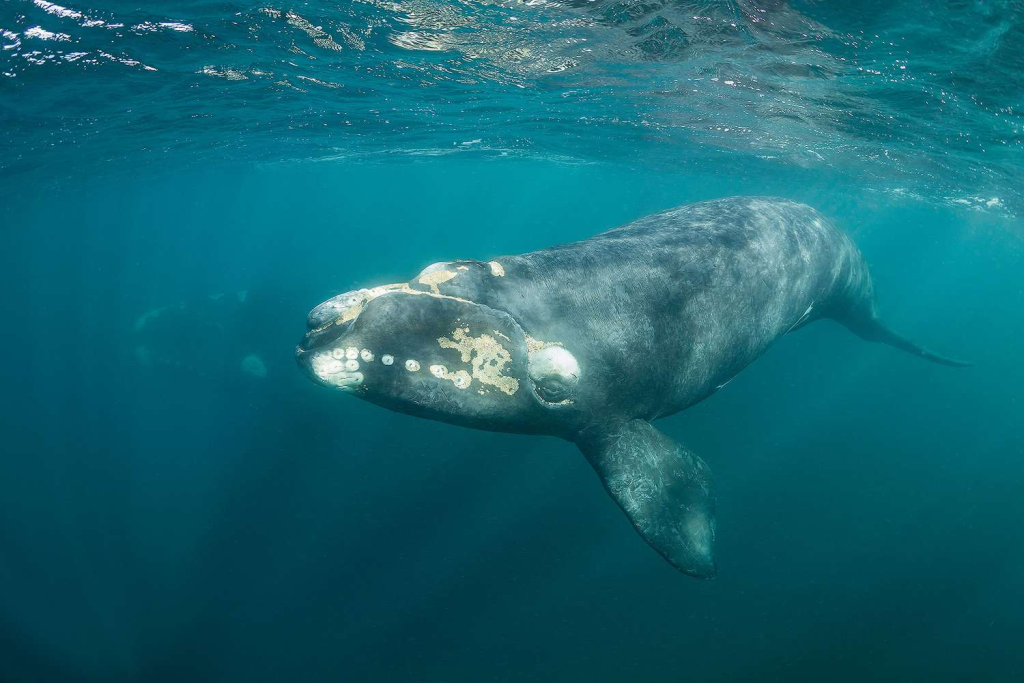
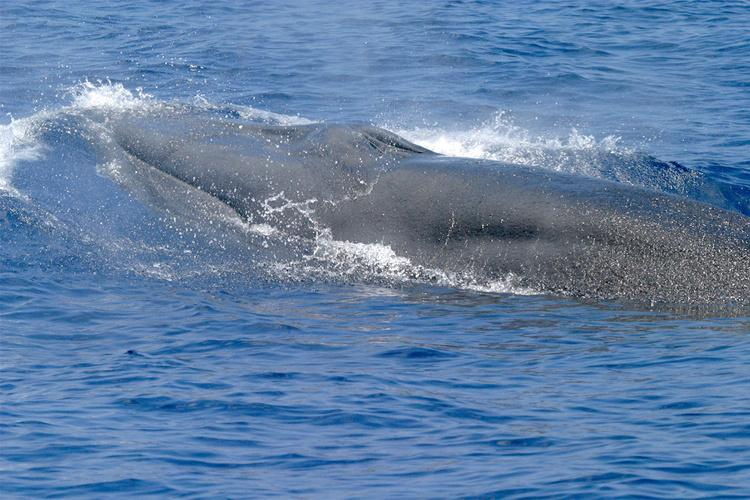
In response to a lawsuit filed by the Sierra Club et al, a Federal judge in Maryland vacated a 2020 biological opinion by the National Marine Fisheries Service (part of NOAA) that addressed risks to endangered species, most notably Rice’s whale, from oil and gas operations in the Gulf of Mexico. The decision by Federal Judge Deborah Boardman, who was appointed to her position in 2021, is attached.
Judge Boardman’s ruling is effective on Dec. 20, 2024. After that date, no new GoM leases may be issued and no new operating plans may be approved pending a new biological opinion. Existing GoM operations could also be affected. In other words, the ruling could have unprecedented effects on the OCS oil and gas program. (If you wonder how a Maryland judge can issue a ruling that could have major consequences for Louisiana and Texas, it is presumably because NOAA’s headquarters office is in Silver Spring, MD.)
The biological opinion process will likely be lengthy given the political considerations in an election year and the prospects for related litigation.
The judge’s ruling could also affect wind leasing in a manner that was perhaps unforeseen. Offshore wind leasing, which the plaintiffs strongly support despite the risks to the critically endangered North Atlantic Right Whale, could be delayed. Per a provision in the “Inflation Reduction Act,” no offshore wind leases may be issued after 12/20/2024, the one year anniversary of the last oil and gas lease sale (no. 261). Ironically, this is the same date as the effective date of the judge’s ruling.
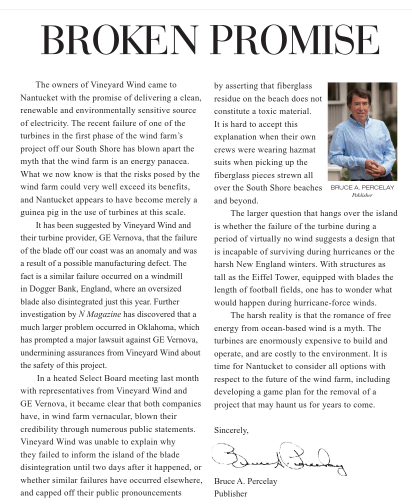
The judge’s decision will likely further delay the next oil and gas lease sale (no. 262) well into 2025 or later, and extend the pause in issuing wind leases that begins on 12/20/2024. Perhaps with that in mind, BOEM has been forging ahead with wind auctions despite the troubling Vineyard Wind blade failure, economic challenges for the wind industry, and growing opposition from coastal residents. An editorial by the publisher of Nantucket Magazine expresses concerns that should not be overlooked in the rush to auction wind leases.
(More on a new biological opinion related to the Right Whale in a future post.)
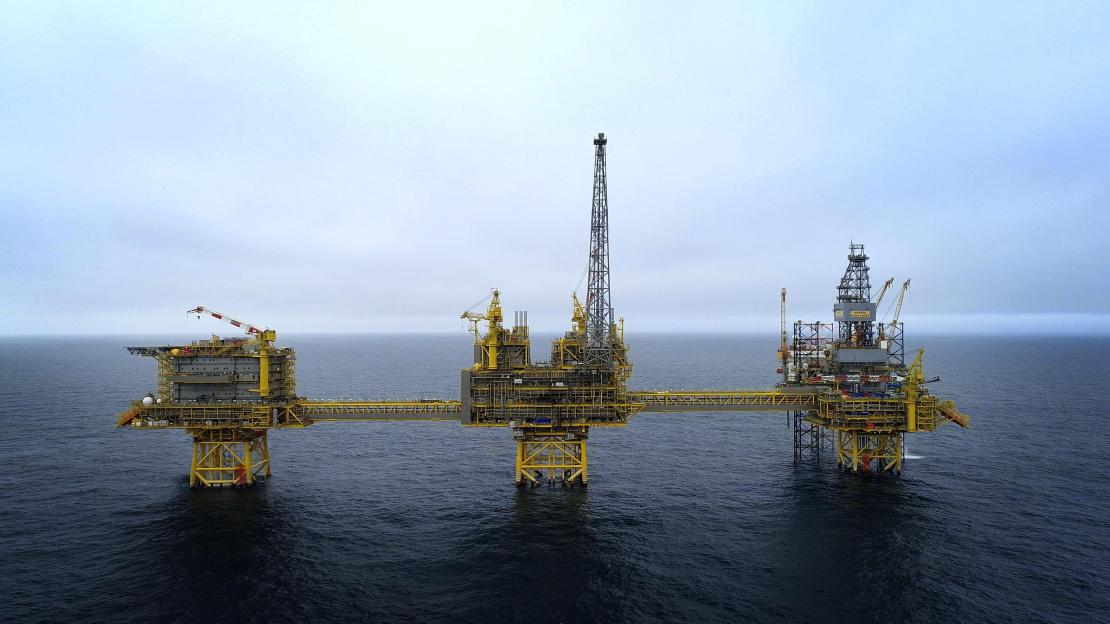
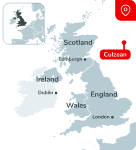
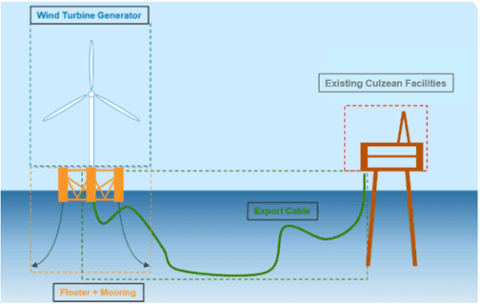
Total has announced plans to install a 3 MW floating wind turbine 2 km west of the Culzean platform, 220 km off the coast of Scotland. This turbine, expected to be fully operational by the end of 2025, will supply around 20% of Culzean’s power requirement. This project is interesting from an R&D standpoint, but makes little sense otherwise. Here’s why:
Culzean is a gas condensate field that is capable of meeting 5% of the UK’s gas demand. There is thus ample produced gas to reliably and economically power the platform.
Gas will be required to meet 80% of the power requirement even after the wind turbine is operating.
In light of installation, maintenance, and decommissioning costs for the floating turbine, the cost of the intermittent wind power will no doubt be much higher than the cost of the power generated by platform gas.
Some tax benefits may be associated with adding the wind turbine, but this won’t affect the real costs, other than to perhaps make them higher.
In addition to affecting profitability, higher operational costs could reduce the ultimate recovery of gas and condensate from the field.
Gas not consumed at the offshore facilities will be marketed and consumed onshore, so there is essentially no net reduction in global CO2 emissions.
As JL Daeschler reminds me, the floating turbine complicates operations and could create safety issues: obstruction for helicopters and supply boats to avoid, trenching and installing power cable in a spare “J” tube, and feeding power to an electrical distribution system in accordance with standards and platform specifications. As JL notes, “I think we have plenty to do offshore already!”
And what if there are mooring failures and the turbine drifts toward the platforms? Turbine blade failures?
Bottom line: adding costs and risks for no apparent benefit.
10/31/2023: Citing economic factors, Orsted announces they “will cease development of the Ocean Wind 1 and Ocean Wind 2 projects.” (This should have resulted in termination of the leases.)
1/19/2024: Orsted requests a 2 year “suspension of operations” to extend the leases they had ceased developing. (Presumably, this was a hedge with hopes of marketing the leases or getting better terms.)
2/29/2024: True to form, BOEM approves the questionable 2 year suspension request. The approval letter was dated one day before the leases’ 8th anniversary when they would have presumably expired. (This is unconfirmed because the lease document and BOEM’s wind regulations lack clarity regarding lease expiration.)
BOEM’s approval letter (attached) curiously asserts that “suspension of the operations term is necessary for the Lessee’s full enjoyment of the lease in this circumstance to ensure sufficient time for project operations in support of the Project’s economic viability.” (Interesting wording that expresses the accommodative and promotional philosophy of the Federal wind program.)
8/14/2024: Cape May County comments that they are likely to amend their Federal Court filings “since the actions of the NJBPU would appear to have nullified Orsted’s federal permits.”
8/27/2024: Despite the fact that Orsted has ceased development and New Jersey has vacated its approvals, the Federal leases are still active.
Good luck keeping an oil and gas lease if you cease development and request a suspension of operations. BSEE will rightfully deny your request.

 Bud's Offshore Energy (BOE)