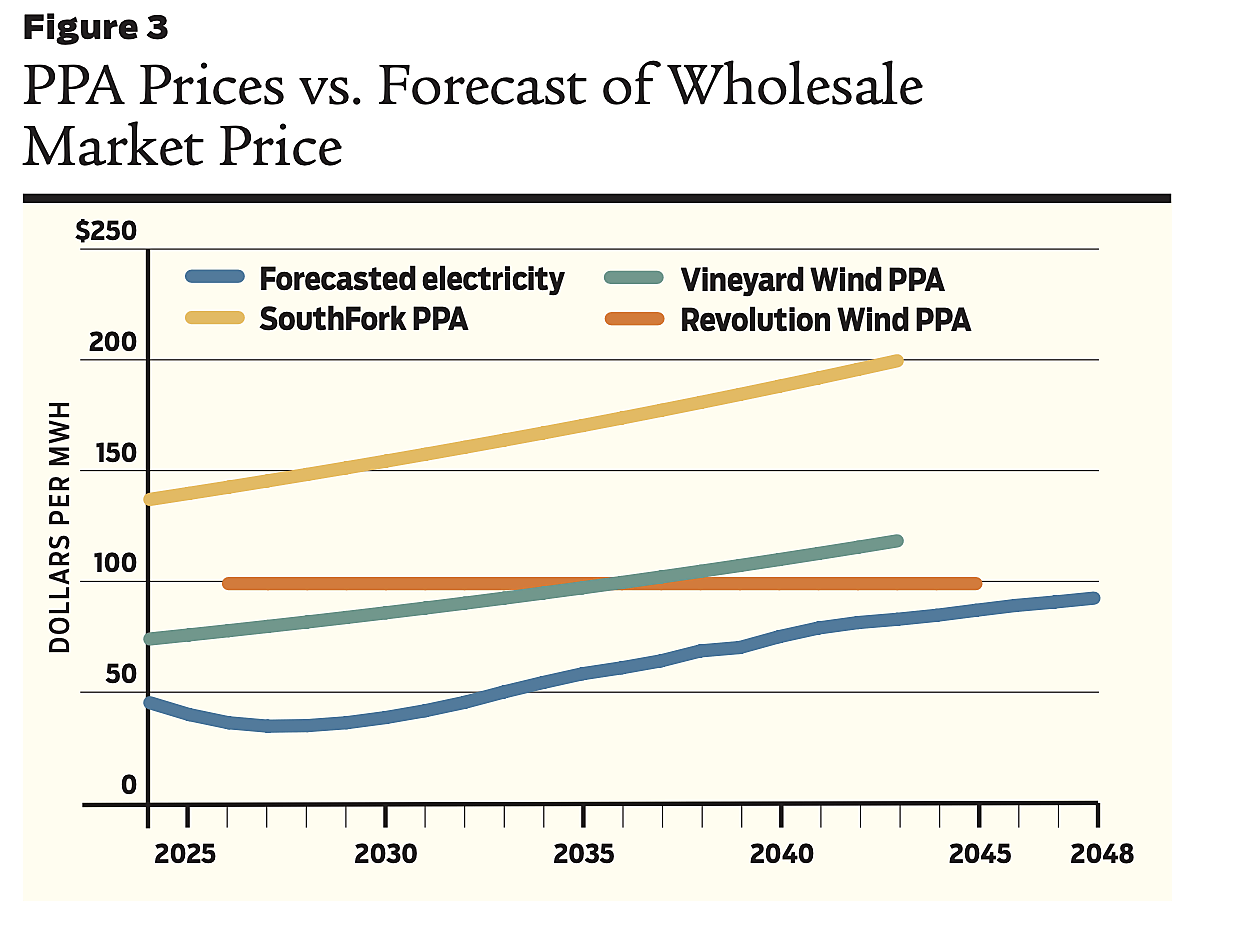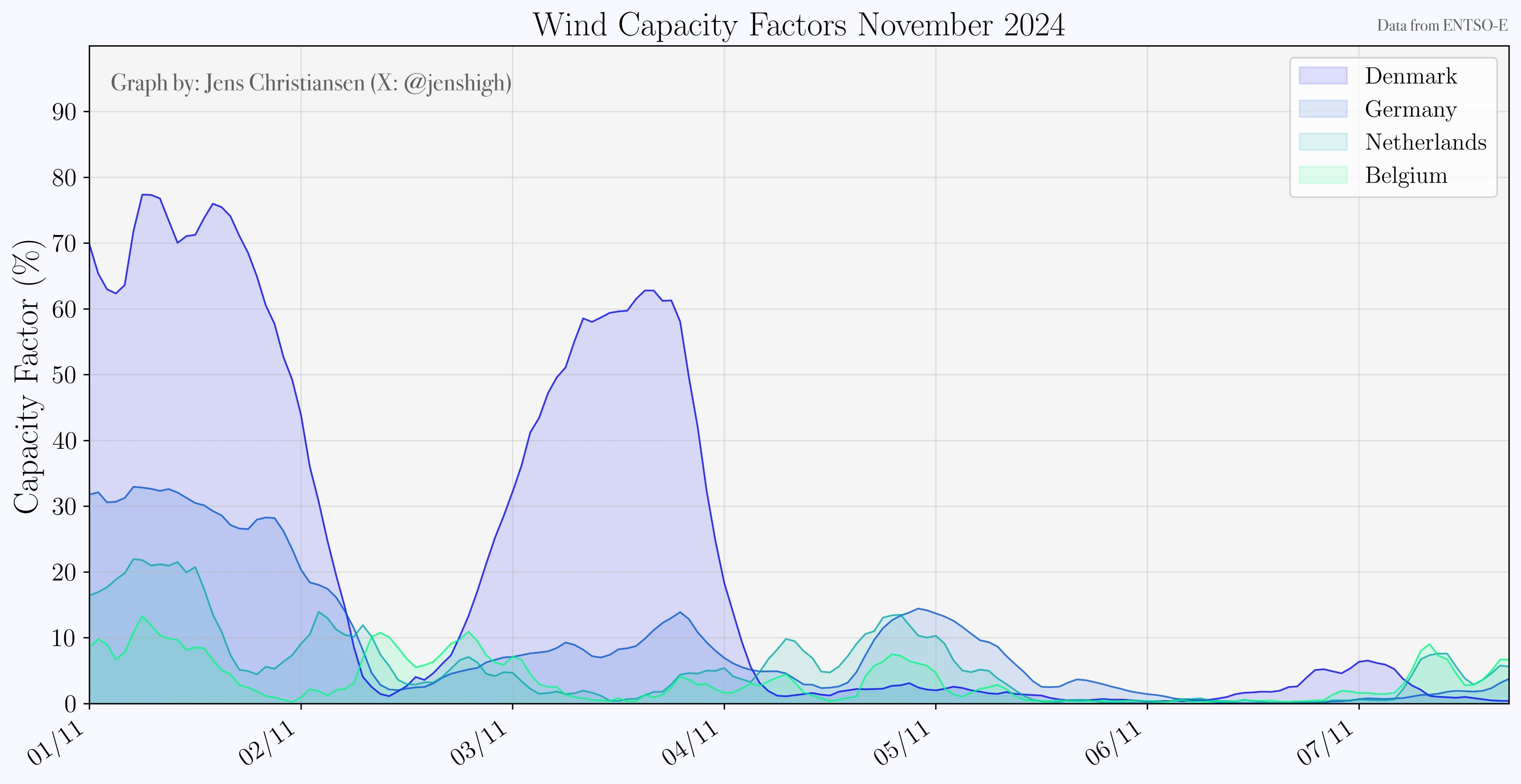
Vom Winde verweht: Germany will pay as much as €20 billion to wind and solar operators through the end of 2024, twice what grid operators had forecast in last October.
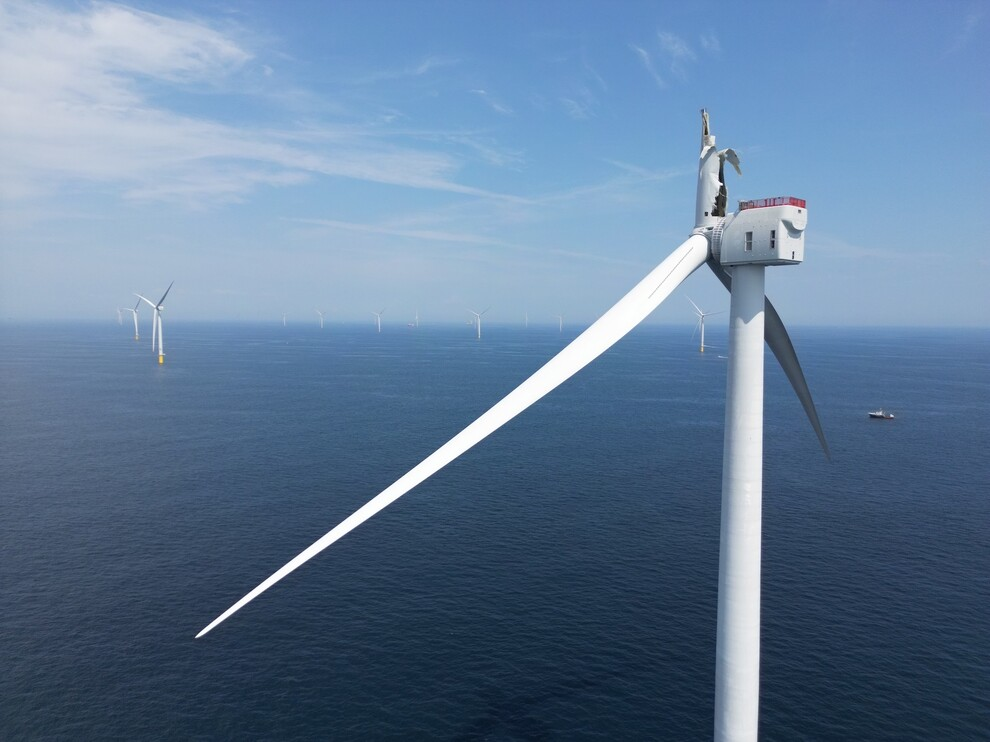
Neither Vineyard Wind nor BSEE, the Federal safety regulator for the Vineyard Wind project, has commented on the matter. BSEE’s investigation of the blade failure is still pending and has seemingly gotten more complicated as a result of the manufacturing issues.
In addition to legal proceedings in Quebec, GE Vernova and Vineyard Wind are subject to possible civil and criminal penalties in the US. Civil penalties, which are administered by BSEE, seem likely given the extensive pollution from turbine blade fragments.
Criminal penalties, which are possible if the data falsification charges are proven true, are imposed by the Dept. of Justice. The applicable criminal penalties statute is pasted below.
Any person who knowingly and willfully (1) violates any provision of this subchapter, any term of a lease, license, or permit issued pursuant to this subchapter, or any regulation or order issued under the authority of this subchapter designed to protect health, safety, or the environment or conserve natural resources, (2) makes any false statement, representation, or certification in any application, record, report, or other document filed or required to be maintained under this subchapter, (3) falsifies, tampers with, or renders inaccurate any monitoring device or method of record required to be maintained under this subchapter, or (4) reveals any data or information required to be kept confidential by this subchapter shall, upon conviction, be punished by a fine of not more than $100,000, or by imprisonment for not more than ten years, or both. Each day that a violation under clause (1) of this subsection continues, or each day that any monitoring device or data recorder remains inoperative or inaccurate because of any activity described in clause (3) of this subsection, shall constitute a separate violation.
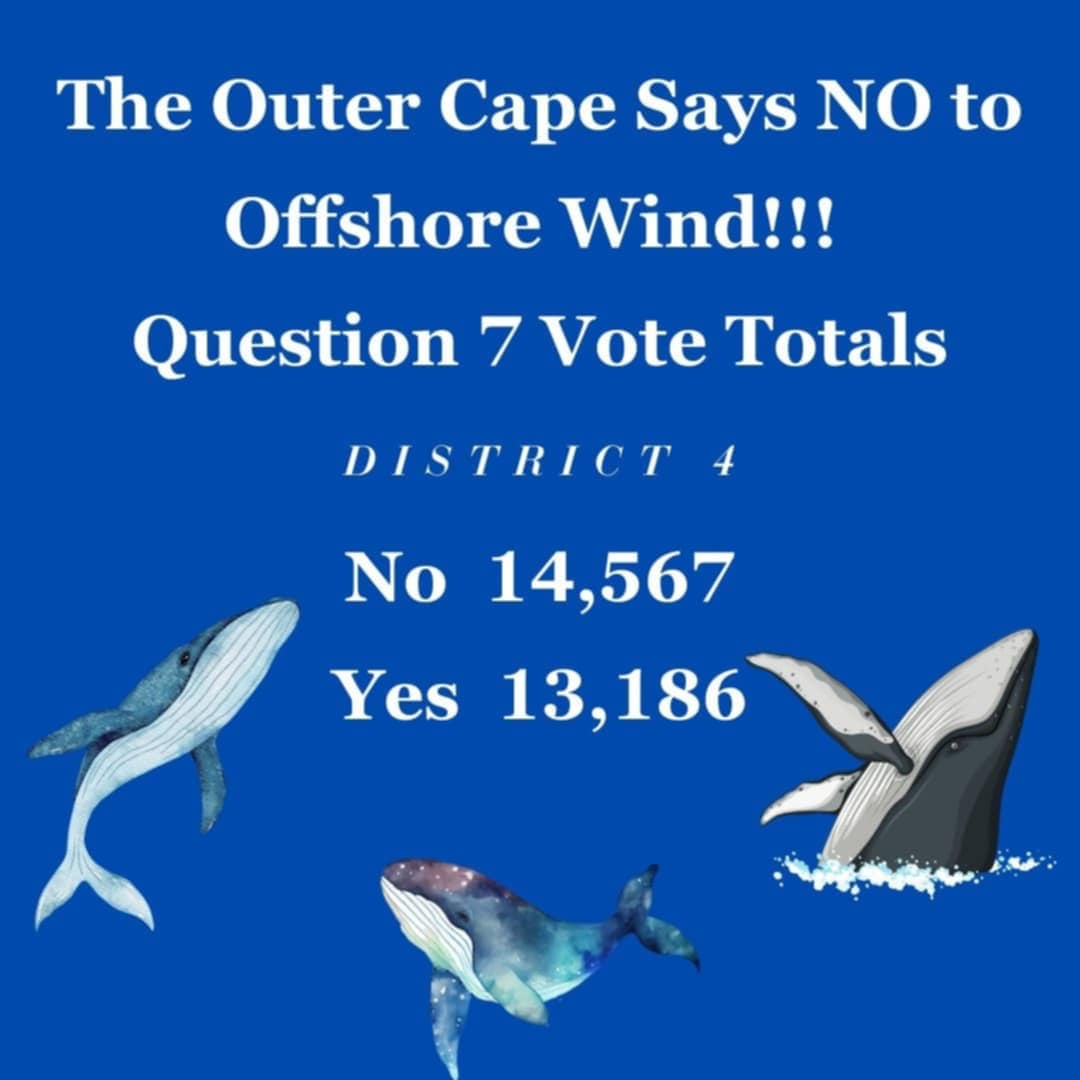
Ballot Question 7: Shall the State Representative from this district be instructed to vote in favor of legislation that would support the development of SouthCoast Wind and Commonwealth Wind and other possible future offshore and onshore wind power developments in Massachusetts?
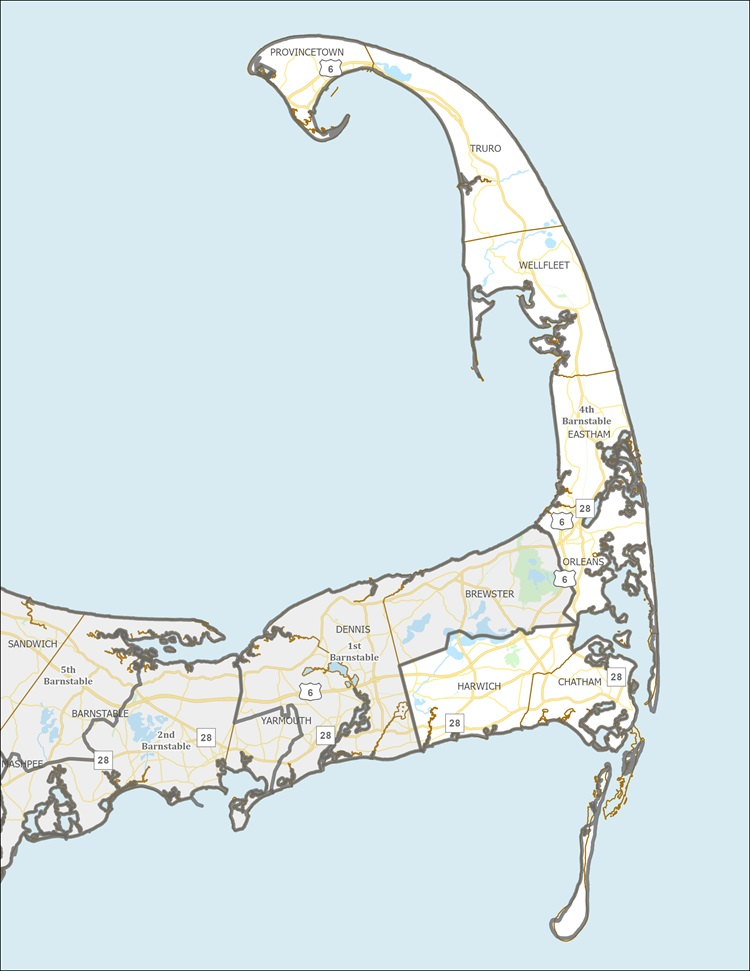
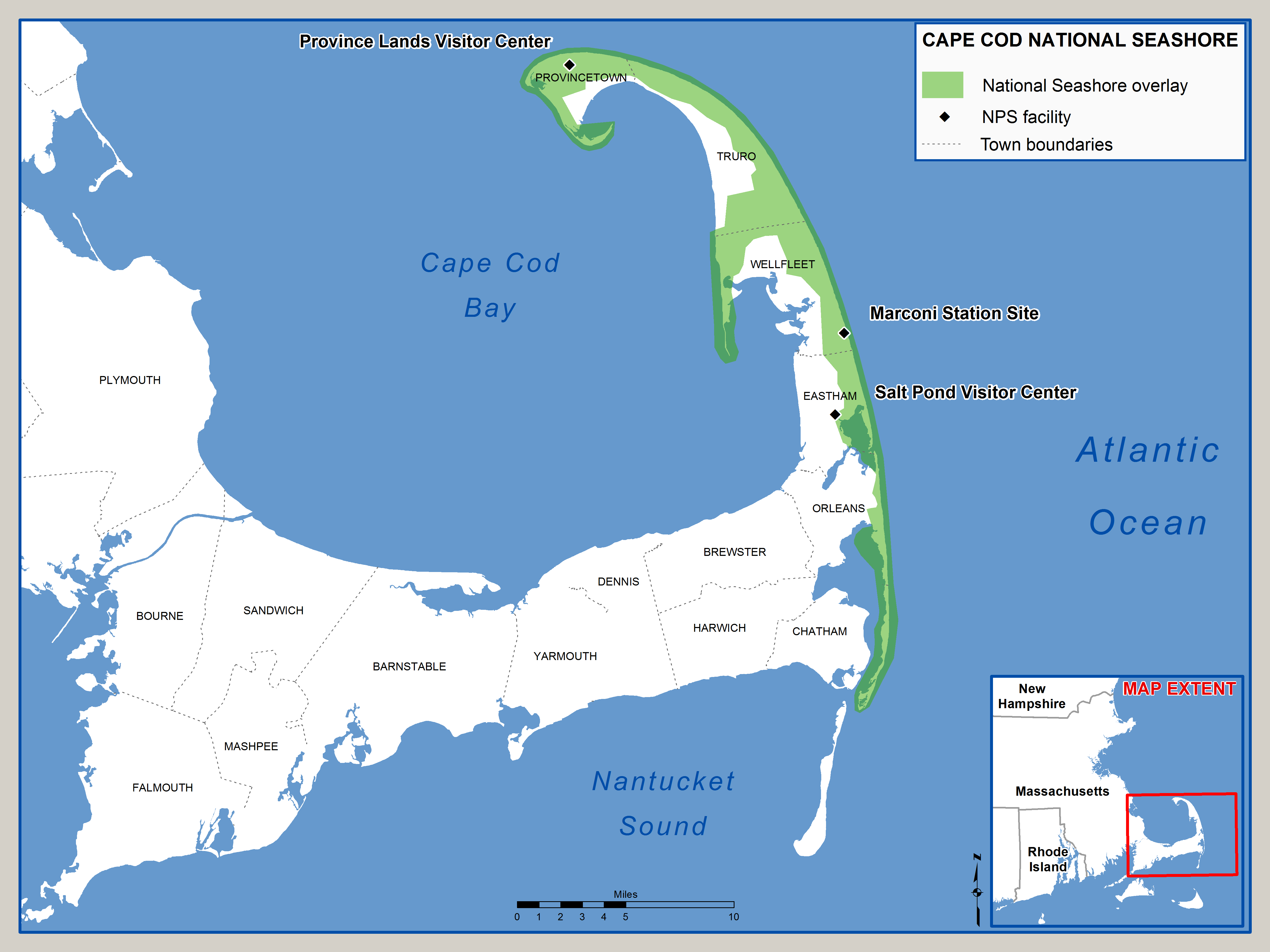
This nonbinding initiative, which was reportedly the work of an individual wind advocate, was a surprise addition to the ballot for residents of the 4th Barnstable District of the Massachusetts House. That district includes the Outer Cape towns of Chatham, Eastham, Harwich, Orleans, Provincetown, Truro, and Wellfleet (see map above).
While nonbinding, the ballot initiative was intended to demonstrate support among Outer Cape residents for offshore wind development. However, perhaps unexpectedly, the initiative failed with 52.4% voting against (graphic below). It’s noteworthy that 82% of South Shore (Massachusetts) voters supported offshore wind development when a similar initiative was on the ballot in 2008. That’s a massive decline in support albeit in a different coastal area of the state.
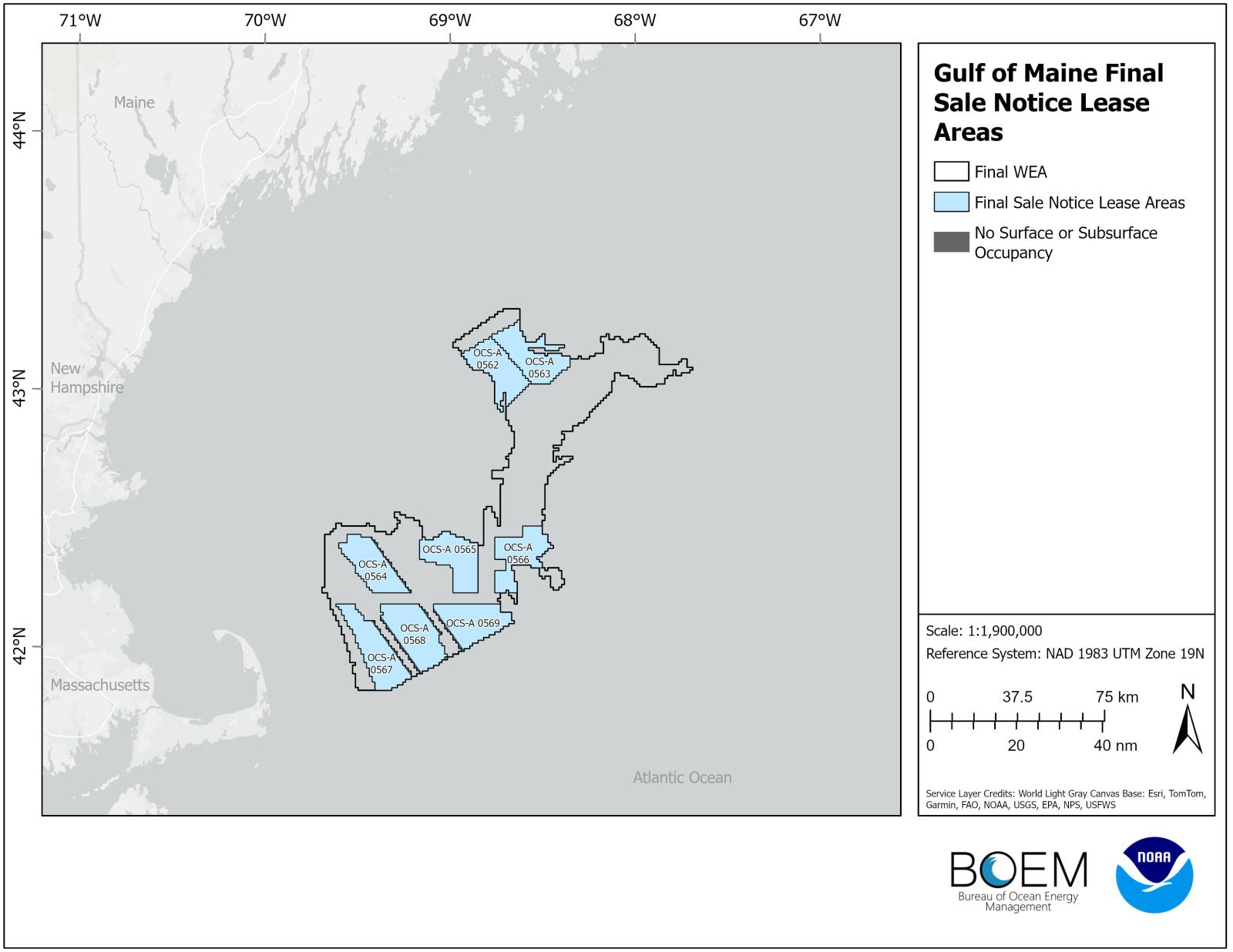
The opinion of Outer Cape residents is important because their towns are the closest to 3 of the 4 leases (0564, 0567, and 0568 in the graphic below) receiving bids at the Gulf of Maine sale. Those leases are directly offshore from the Cape Cod National Seashore.
The investigation, led by GE Vernova’s lawyers, reportedly revealed that employees were asked by senior company executives to falsify quality control data. Data associated with a well-made blade was then associated with poorly made blades. Our sources indicate that this is a widespread practice in the industry.
The new program will include at least one Gulf of Mexico lease sale annually.
Where there is State support (e.g. Alaska), other offshore areas may be added to the program.
Reversal of the Beaufort Sea Presidential withdrawals, either by executive order or, if necessary, by congressional action, is a distinct possibility.
A Gulf of Mexico oil and gas sale will be held during the first half of 2025. This can be accomplished under the Biden administration’s 5 year plan.
Judge Boardman’s ruling requiring a new biological opinion under the Endangered Species Act (ESA) has created some uncertainty regarding the timing of a GoM sale. Her decision is being litigated and the effective date of her ruling is now 5/21/2024 (see attached). Congressional action could also reverse this decision.
Expect other litigation on NEPA and ESA grounds with the intent of stalling oil and gas leasing. Congressional action could reverse or limit such litigation.
Offshore wind:
Expect offshore wind leasing to be “paused.”
Current leaseholders are contractually entitled to continue developing and operating their leases. Expect construction and operation plans to be more closely scrutinized.
Expect BSEE’s report on the Vineyard Wind turbine blade failure to receive added attention and publicity.
Expect considerable tension between North Atlantic governors, strong supporters of offshore wind, and the new administration.
The table below illustrates the dramatic decline in bidding for Atlantic wind leases over the past 2 years. (The California sale is also included in the table.)
offshore area
sale date
leases sold
acres leased
bonus bids ($ millions)
$/acre
NY/NJ
2/2022
6
488,000
4,370
8955
California
12/2022
5
373,268
757.1
2028
Central Atl.
8/2024
2
277,948
92.65
333
Gulf of Maine
10/2024
4
439,096
21.9
50
Accepting that bidding at the 2/2022 sale, which averaged nearly $9000/acre, was irrationally exuberant, bidding at this week’s sale was still incredibly weak. Even the bids at the Central Atlantic sale, just 2 months ago, averaged $333/acre, 6.7 times higher than the Gulf of Maine bids.
Do the Gulf of Maine bids pass BOEM’s fair market value tests? Apparently so; the sale notice established $50/acre as the minimum bid, and that is where the bidding started and ended. Invenergy and Avangrid had no competition and presumably got the tracts they wanted at the lowest possible price. We’ll see how this works out for the companies and power consumers.
As promised, Ocean City, Maryland, neighboring towns, counties, fishing groups, the Save Right Whales Coalition, and a long list of commercial entities have sued BOEM for approving the Construction and Operations Plan (COP) for the Maryland Offshore Wind project. The complete filing is attached.
The plaintiffs’ discussion of BOEM’s failure to consider true alternatives (begins on p. 43) is particularly interesting. They contend that “BOEM rejected out-of-hand all true alternatives, and selected alternatives with only minor differences in number of turbines and the route for the power cables from the proposed action.“
The plaintiffs also assert (p. 44) that “BOEM flatly rejected the option of not authorizing the Maryland Offshore Wind Project—as though approval were foreordained, with only the details to be determined.“
The plaintiffs’ argue further (p. 46) that BOEM failed to analyze the 3 phases of the project, particularly the third phase which is open-ended at this time.
Blade failure concerns are discussed beginning on p. 49. Excerpt:
“Missing from BOEM’s Final EIS is any discussion or analysis of the environmental impacts in the event of blade and turbine failure and the degradation of Project components, which are known and foreseeable possibilities that should have been reviewed and analyzed by BOEM. Risks of blade and turbine failure and component degradation are not hypothetical. Rather, they pose real dangers to the water quality of the ocean, fish and essential fish habitats, marine mammals, benthic resources, and recreational and commercial boaters.”