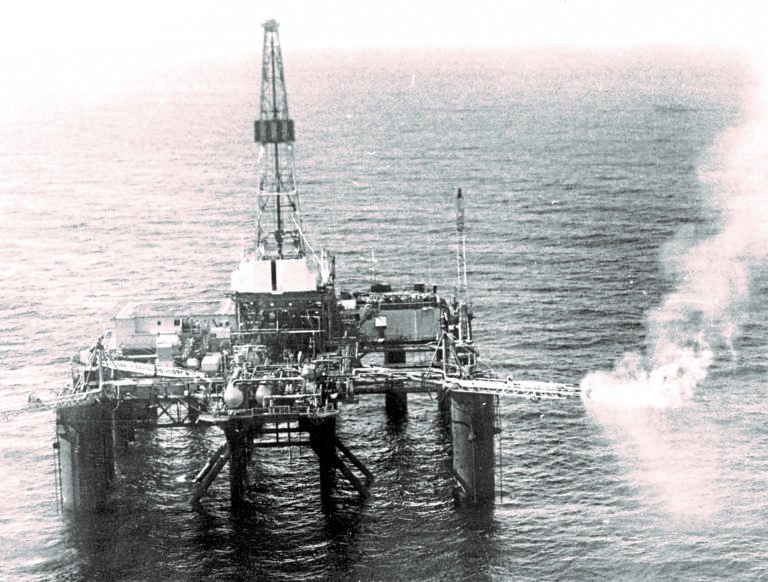
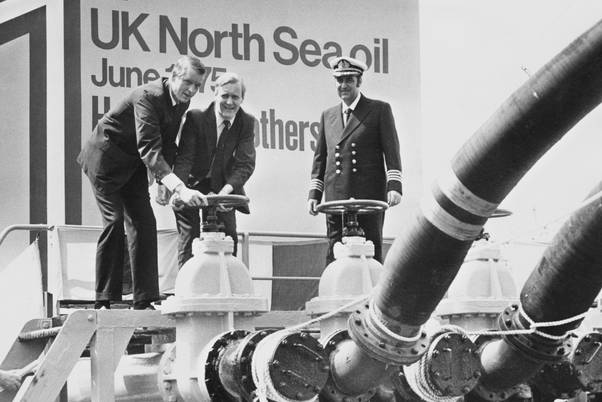
Congratulations to JL Daeschler and other North Sea pioneers! Your important contributions to the UK and the world have not been forgotten.
See the attached summary shared by JL and a related 2023 post.
Posted in Offshore Energy - General, UK, tagged 50th anniversary, Argyll field, first oil production, Hamilton Brothers, Scotland, UK North Sea on June 17, 2025| Leave a Comment »
Congratulations to JL Daeschler and other North Sea pioneers! Your important contributions to the UK and the world have not been forgotten.
See the attached summary shared by JL and a related 2023 post.
Posted in climate, energy policy, UK, tagged decarbonization, expensive renewables, financial costs, Kathryn Porter, UK on May 16, 2025| Leave a Comment »
Kathryn Porter is a well informed and articulate energy consultant. This video linked below is highly recommended.
Posted in energy policy, UK, tagged Aberdeen, emergency funding, energy transition, loss of jobs, oil capital, training workers on May 15, 2025| Leave a Comment »

JL Daeschler comments that after crucifying the North Sea oil workers who saved the country in the 1970’s, the perpetrators are calling for £1.9 billion in emergency funding to help their victims transition to green energy jobs. How noble of them! How much of the funding will be provided by those responsible for the industry’s premature death? 😡
Times columnist Gillian Blowditch got it right:
“It is difficult to imagine a world in which it makes sense to import oil and gas but not produce it, while forcing our skilled workforce to work offshore in far flung corners of the globe, especially when we are importing from Norway, which is extracting oil and gas from the same seabed for which we are refusing to grant licences.”
How many jobs are being created by government-driven energy transitions that seem to be moving in reverse? Where are those jobs?
Posted in energy policy, UK, tagged energy, energy policy, gas production, green agenda, news, North Sea gas, politics, Scotland, travel on May 12, 2025| Leave a Comment »

Our Scottish contributor, JL Daeschler, brought this brilliant Sunday Times piece by Gillian Blowditch (pictured) to my attention. A few excerpts follow, but I recommend that you read the entire column.
“I’m writing this column from Applecross in the Scottish Highlands, where the view from the window is of the Cuillins. These immutable behemoths squat beneath an expanse of sky in which the light is invariably diffuse. It never gets old.” (I second that emotion!)
“Renewables are a vital part of our energy mix, but they require gas-fired back-ups. Yet, instead of tapping into our North Sea reserves, we’re committed to importing foreign gas. It’s not just an issue around energy security and cost, it affects our trade deficit and competitiveness against countries using cheaper, home-grown supplies. It increases our dependence on foreign supply chains.”
“Meanwhile, we risk losing the valuable skills and expertise we have built up over 50 years of North Sea exploration. We are all paying the price for this obsession through higher energy bills and job losses.”
“It is difficult to imagine a world in which it makes sense to import oil and gas but not produce it, while forcing our skilled workforce to work offshore in far flung corners of the globe, especially when we are importing from Norway, which is extracting oil and gas from the same seabed for which we are refusing to grant licences.”
“According to a Survation poll commissioned by the Aberdeen & Grampian Chamber of Commerce and published last week, 68 per cent of voters want the country’s demand for oil and gas to be produced domestically, rather than imported.”
“We all want to protect our environment and Scotland, with its vast natural resources and expertise in energy, should be leading the way. Instead, we have squandered an opportunity in favour of a facile show of moral posturing.”
Posted in energy policy, Norway, Offshore Energy - General, UK, tagged Barents Sea, largest offering, Norway, offshore oil and gas, Terje Aasland on May 10, 2025| Leave a Comment »
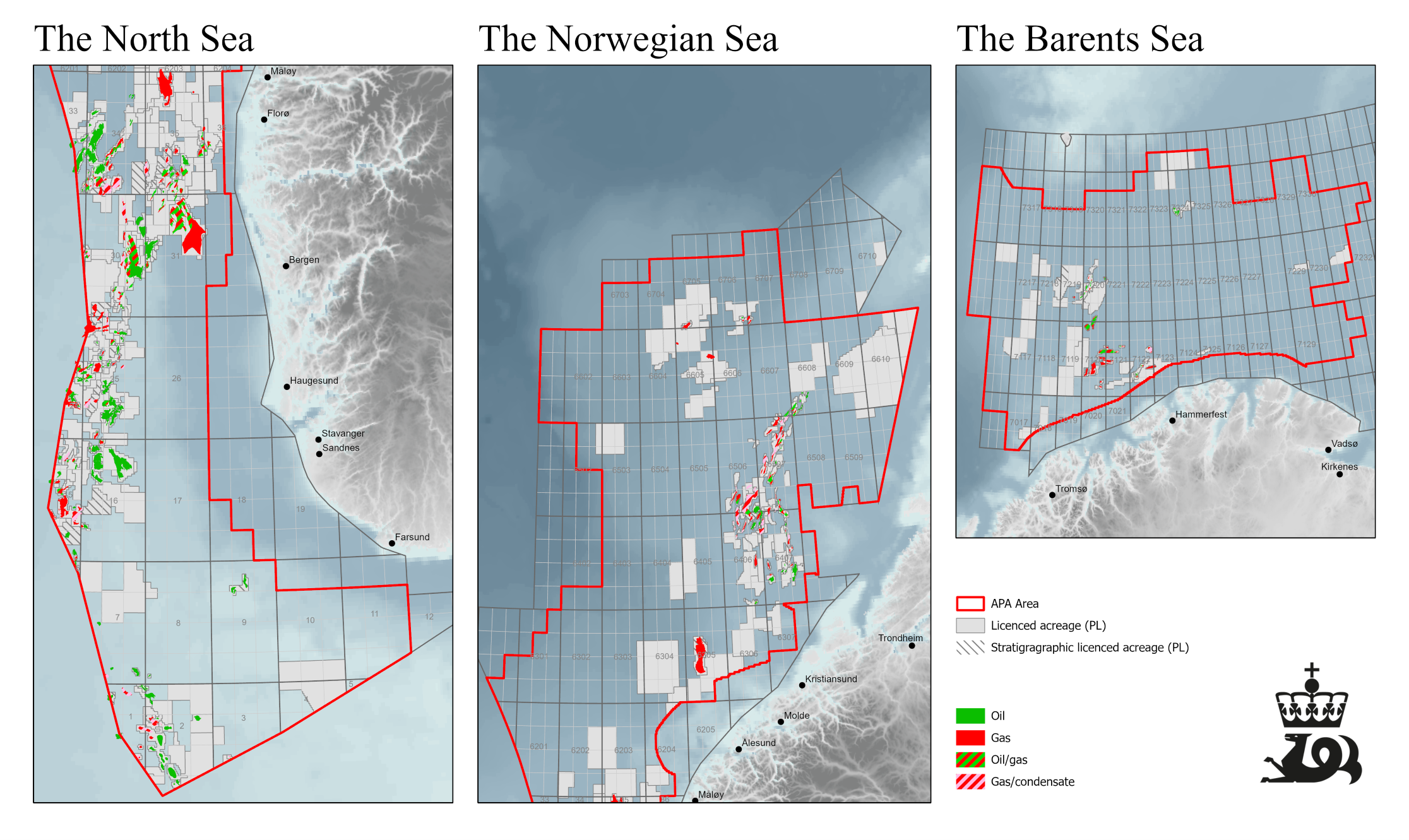
“We will explore more, find more and extract more. Therefore, it is important to ensure that companies have stable access to exploration areas. Never before has a larger area been advertised in a licensing round. It is good for Norway and for Europe,” Energy Minister Terje Aasland said in a statement.
Further exploration and more discoveries are crucial to limiting the decline in production on the continental shelf after 2030. The expansion this year gives companies access to significant new acreage in the Barents Sea and we are thus even better positioned to clarify the resource base in the north,” added Aasland.
Comments:

Posted in energy policy, Offshore Energy - General, Offshore Wind, UK, tagged commercial fishing, conflicts, David v Goliath, Offshore Wind, UK on May 7, 2025| Leave a Comment »
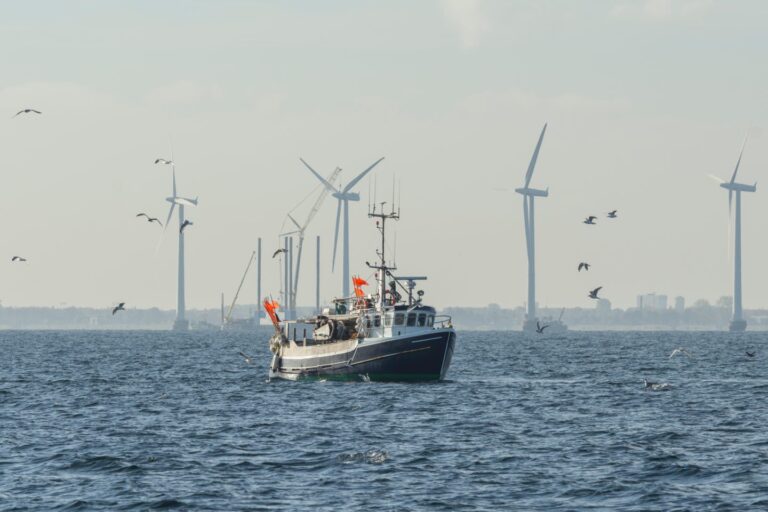
“David is small, semi-nomadic and works across a vast sea area; Goliath is massive and growing rapidly.”
Energy Voice describes the challenges offshore wind poses for the small but culturally important UK commercial fishing industry, highlighting the findings of a fisheries research lab report.
Per Elspeth Macdonal of the Scottish Fishermen’s Federation:
“How it often feels to us is that government says all the right things, has this blue economy vision and all of those great things but, at the end of the day, it actually feels like government is picking winners and losers and, at the moment they seem unable to see past the wind industry as the only game in town.“
This comment on the evolution of the relationship between the fishing and oil industries in the North Sea also aptly describes the US offshore experience:
“The fishing industry eventually learned to live with Big Oil, which is now on the wane, but living with territory-guzzling offshore wind farms – fixed and floating – may prove a lot more challenging.”
Posted in Canada, energy policy, Gulf of Mexico, Offshore Energy - General, UK, tagged Appomattox, CNOOC, Gulf of America, INEOS Energy, Stampede on April 11, 2025| Leave a Comment »
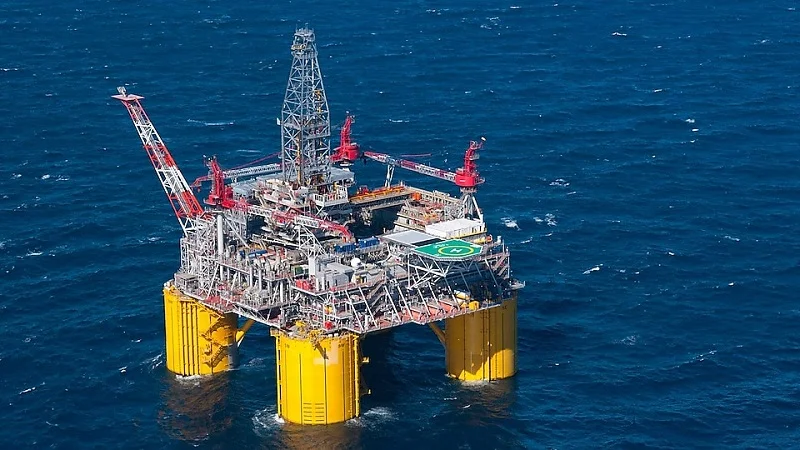
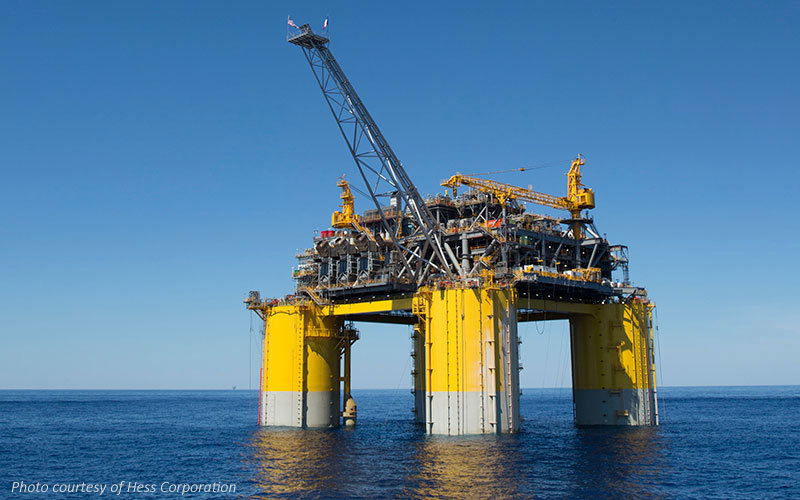
China National Offshore Oil Corp. (CNOOC) has surrendered its 21% interest in the Appomattox (Mississippi Canyon 391, 392, and 393) project and its 25% stake in Stampede (Green Canyon 468, 511, and 512). Those ownership positions were acquired in CNOOC’s takeover of Calgary-based Nexen in 2013.
CNOOC had been quite positive about the prospects for Appomattox and Stampede, which are producing at higher than expected rates. However, because of sanctions concerns, an exit from operations in the US, Canada, and the UK had been under consideration for at least 2 years.
CNOOC’s shares of Appomattox and Stampede were acquired by INEOS Energy, a UK company.
The transaction is also discussed in CNOOC’s 2024 Annual Report (p.19).
Posted in energy policy, Offshore Energy - General, UK, tagged JL Daeschler, North Sea oil and gas, sad state of affairs, Scotland on March 28, 2025| Leave a Comment »
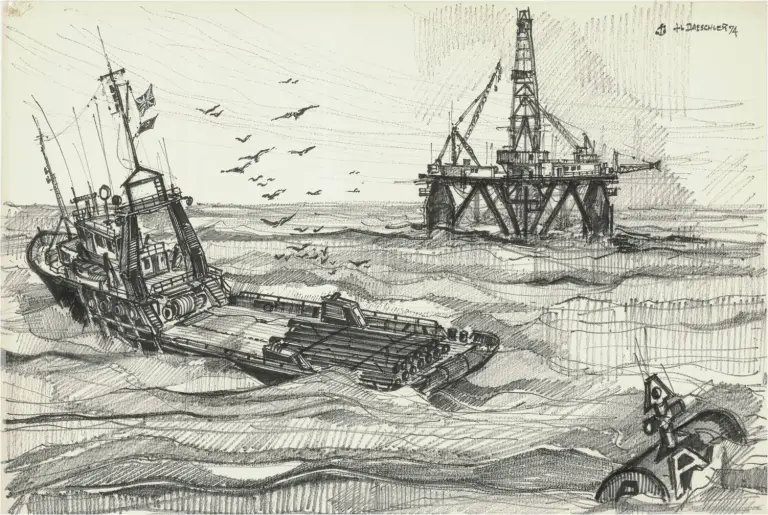
JL Daeschler, pioneering subsea engineer, outstanding artist, and BOE contributor, lives in Scotland. He shared these concerns about the state of the UK offshore industry:
Since projects have been shelved, contractors have left the country – so no drill rigs, no exploration, no pipelines, and no crane barges. The list of disciplines put out of work is far longer.
The big international operators have left looking for better opportunities overseas with milder environments and cheaper manpower support. Air travel, modern communication systems, and immediate electronic access to information and support facilitate operations anywhere in the world.
So what is left in the UK sector of the North Sea are the few installations running towards the end of production. Their years are numbered.
The North Sea could have had a sustainable greener and safer project profile if the momentum had been kept. It’s like an oil & gas pandemic, except you do not work from home if you operate rigs and vessels. No research, no strategy, and no money !!!
Posted in energy policy, Offshore Energy - General, UK, tagged energy policy, North Sea, offshore oil and gas, Scotland, UK on March 27, 2025| Leave a Comment »
Scotsman letter
Industry sources tell us, authoritatively, that the North Sea could produce around half of all the oil and gas the UK will need up until at least 2050 – if new projects are developed. Meanwhile, as instead we shut down our existing wealth, China continues burning dirty coal and making us more dependent on their products.
As it stands, Offshore Energies UK (OEUK) says the UK is on track to produce just four billion of the 13-15bn barrels of oil and gas the country will need over the next 25 years.
It is time for those making decisions in London and Edinburgh to put away all the green zealotry nonsense and get the UK powerhouse moving again. Given 25 years they could make a good start on installing small, clean, nuclear plants dotted across the UK to help in great part to pick up the load.
We need planning, not zealotry. It is now even more clear the green emperor is not wearing clothes. When will Energy Secretary David Miliband be convinced?
Alexander Mckay
Edinburgh
And from an offshore worker @Deano9981:
As someone who actually works in the North Sea on oil rigs I have heard almost all my life how the oil and gas will be gone in 10 years. 35 years in this industry and the first time I am likely to be unemployed is because of the government. Not the end of oil fields.
Posted in energy policy, Offshore Energy - General, Offshore Wind, UK, tagged Aberdeen, carbon capture, energy jobs, GB Energy, hydrogen, Juergen Maier, Keystone Pipeline, Louise Gilmour, North Sea oil and gas, Offshore Wind, the Scotsman on March 19, 2025| Leave a Comment »

Juergen Maier, chairman of GB Energy, “a planned British government-owned renewable energy investment body,” is promising to revive Aberdeen with “green energy” jobs, and to create “something special for the years ahead.”
Maier: “Floating offshore wind, green hydrogen, and carbon capture should be as synonymous with Aberdeen’s future as oil and gas have been with its past.” This is an interesting comment given that the success of the industries he is promoting is far from assured; nor is the continuation of government edicts and subsidies on which they are dependent.
How many times have we been told that the government driven energy transition would create thousands of jobs? How many workers in economically important industries have been told to transition to politically favored professions? How many Keystone Pipeline workers found the promised “green energy jobs?” Why were coal miners condescendingly told to “learn to code?”
Perhaps Mr. Maier should broaden his message by showing support for development of the Rosebank and Jackdaw fields, and for sustaining production of oil and gas, on which the UK will be dependent for many years. As Louise Gilmour wisely opined in her column in the Scotsman:
“We need more of it because even the most ardent supporters of renewable energy, the most vocal proponents of net zero, quietly admit oil and, especially, gas will be needed for a couple of decades at least. That obvious truth, that inarguable necessity, is not, apparently, enough for ministers to encourage UK production, however, or temper their rhetoric around renewables.“
“Allowing our rigs and refineries to power down and relying on other countries to keep the lights on still seems a little, well, counter-intuitive. We will import oil and gas but not produce it while happily exporting contracts, skills and jobs overseas? The practical impact of Labour’s refusal to grant new exploration licences in the North Sea might remain unclear but the message it sent was absolutely crystal.“

