Feeds:
Posts
Comments

Archive for the ‘UK’ Category

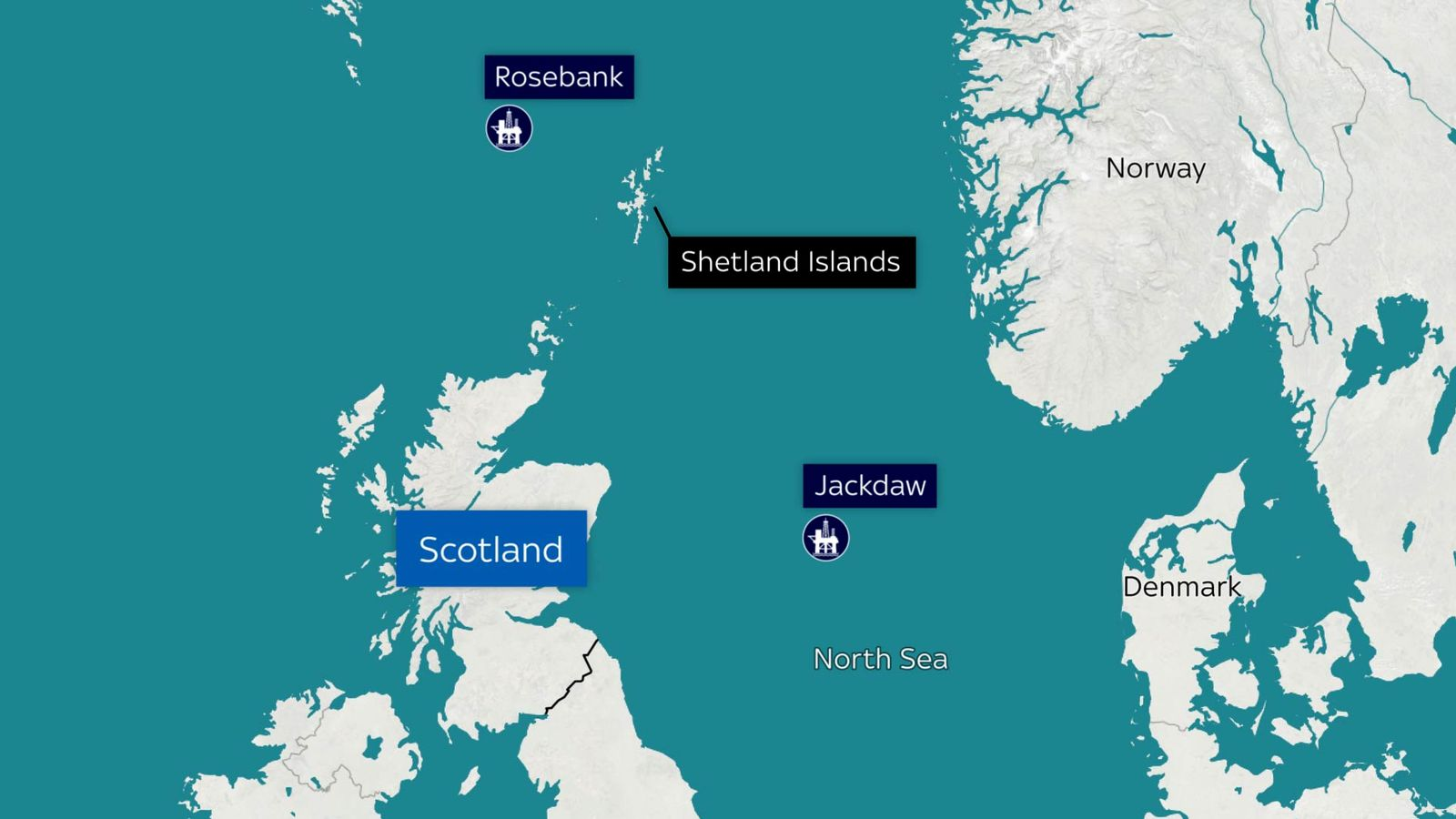
The recent Rosebank and Jackdaw decision in the UK is similar to the OCS Sale 257 fiasco in the US. In both cases, the court ruled that downstream GHG emissions weren’t adequately considered in the environmental reviews.

In the case of the Rosebank and Jackdaw fields, Lord Ericht ruled that the environmental assessment must take into account the climate effect of downstream emissions resulting from the consumption of oil and gas produced at those fields.

The Sale 257 decision was even more extreme in that Judge Contreras ruled that BOEM failed to consider the “positive” effect that higher prices (which might result from lower US offshore production) would have in reducing worldwide demand and the associated GHG emissions.

Regardless of one’s opinion on the extent to which GHGs affect the climate, halting UK and US projects will have virtually no effect on international oil and gas demand. That demand will be satisfied by other suppliers who will reap the economic benefits.

The Sale 257 decision was overturned by legislative action.

Presumably, revised environmental assessments, will allow the previously approved UK projects, for which some facilities have already been constructed and installed, to go forward. The UK government has been considering how to calculate downstream emissions. The model will no doubt yield outcomes that are highly uncertain.

In the meantime, the UK sector of the North Sea, unlike its Norwegian counterpart, continues to flounder.

Wisdom from the Scotsman regarding UK offshore production:

We need more of it because even the most ardent supporters of renewable energy, the most vocal proponents of net zero, quietly admit oil and, especially, gas will be needed for a couple of decades at least. That obvious truth, that inarguable necessity, is not, apparently, enough for ministers to encourage UK production, however, or temper their rhetoric around renewables.

Allowing our rigs and refineries to power down and relying on other countries to keep the lights on still seems a little, well, counter-intuitive. We will import oil and gas but not produce it while happily exporting contracts, skills and jobs overseas? The practical impact of Labour’s refusal to grant new exploration licences in the North Sea might remain unclear but the message it sent was absolutely crystal.

Read Full Post »

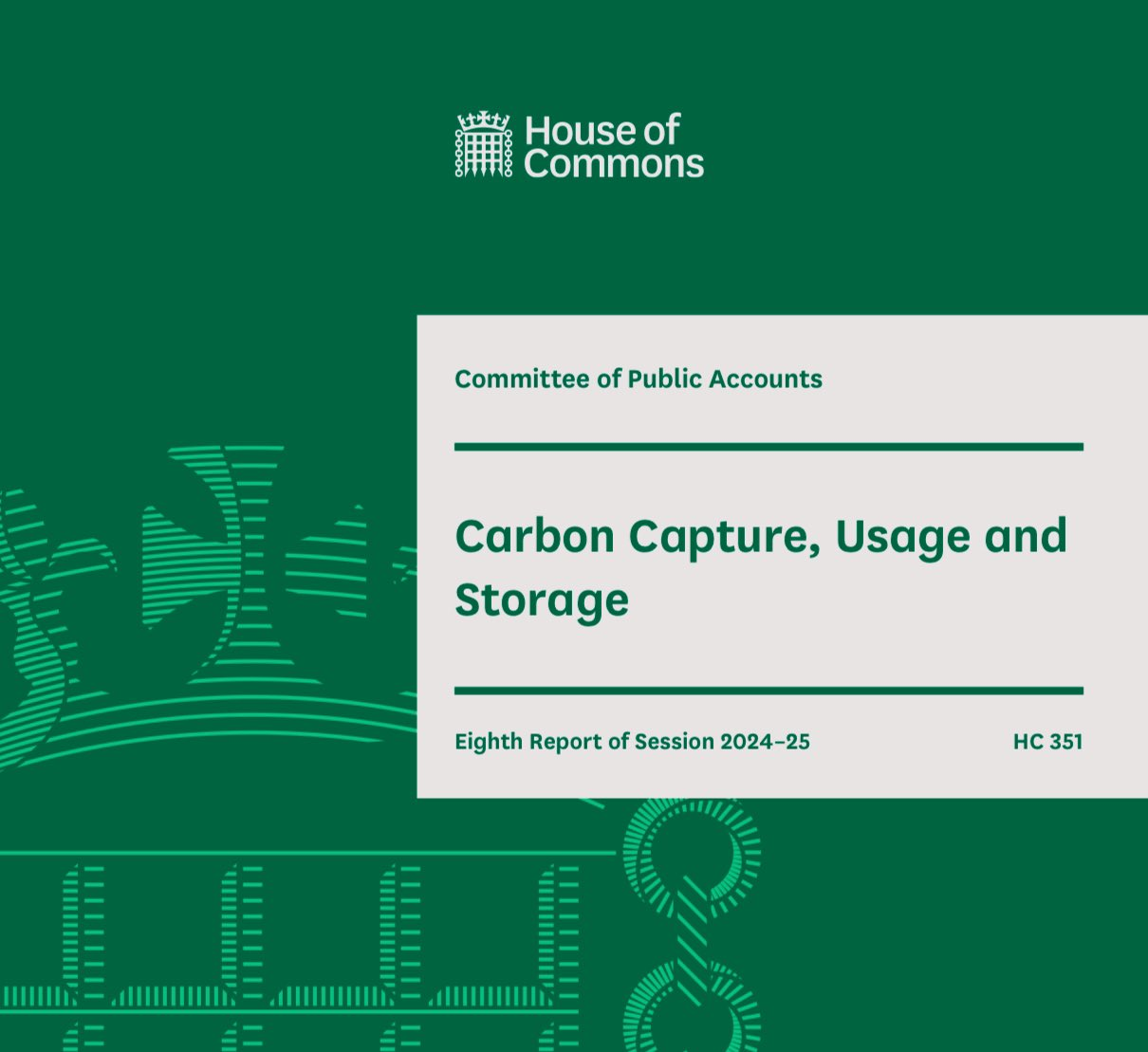
Key points (the full report is attached):

  • Government’s backing of unproven, first-of-a-kind technology to reach net zero is high-risk.
  • Government should assess whether its full carbon capture, usage and storage (CCUS) program will be affordable for taxpayers and consumers, given wider pressures on energy bills and the cost of living. 
  • There are no examples of CCUS technology operating at scale in the UK.
  • CCUS may not capture as much carbon as expected.
  • International examples show that CCUS performanc expectations are far from guaranteed.  
  • 3/4 of the almost £22bn envisaged to support the projects will come from levies on consumers who are already facing some of the highest energy bills in the world.
  • The Government’s downgraded target of storing 20 to 30 million tonnes per year of CO2 by 2030 is now seen as no longer achievable

How will the Trump administration view offshore carbon disposal? Some elements of the oil industry see CCUS as a lucrative business opportunity. Budget and inflation hawks, along with most environmental organizations, are strongly (and rightfully in my opinion) opposed.

CCS/carbon disposal posts on BOE.

Read Full Post »

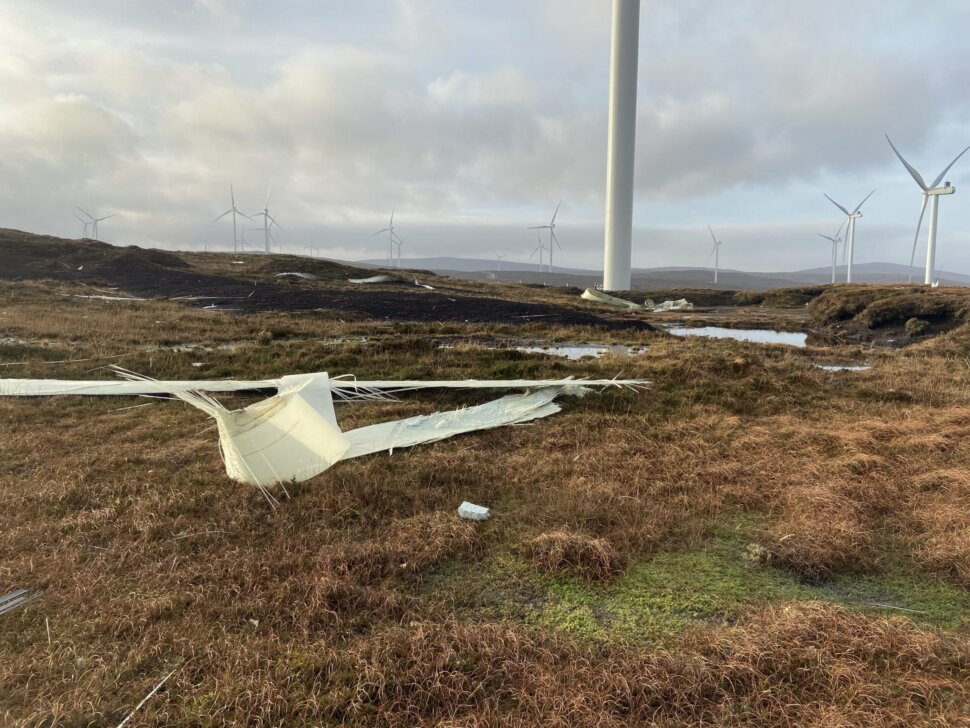
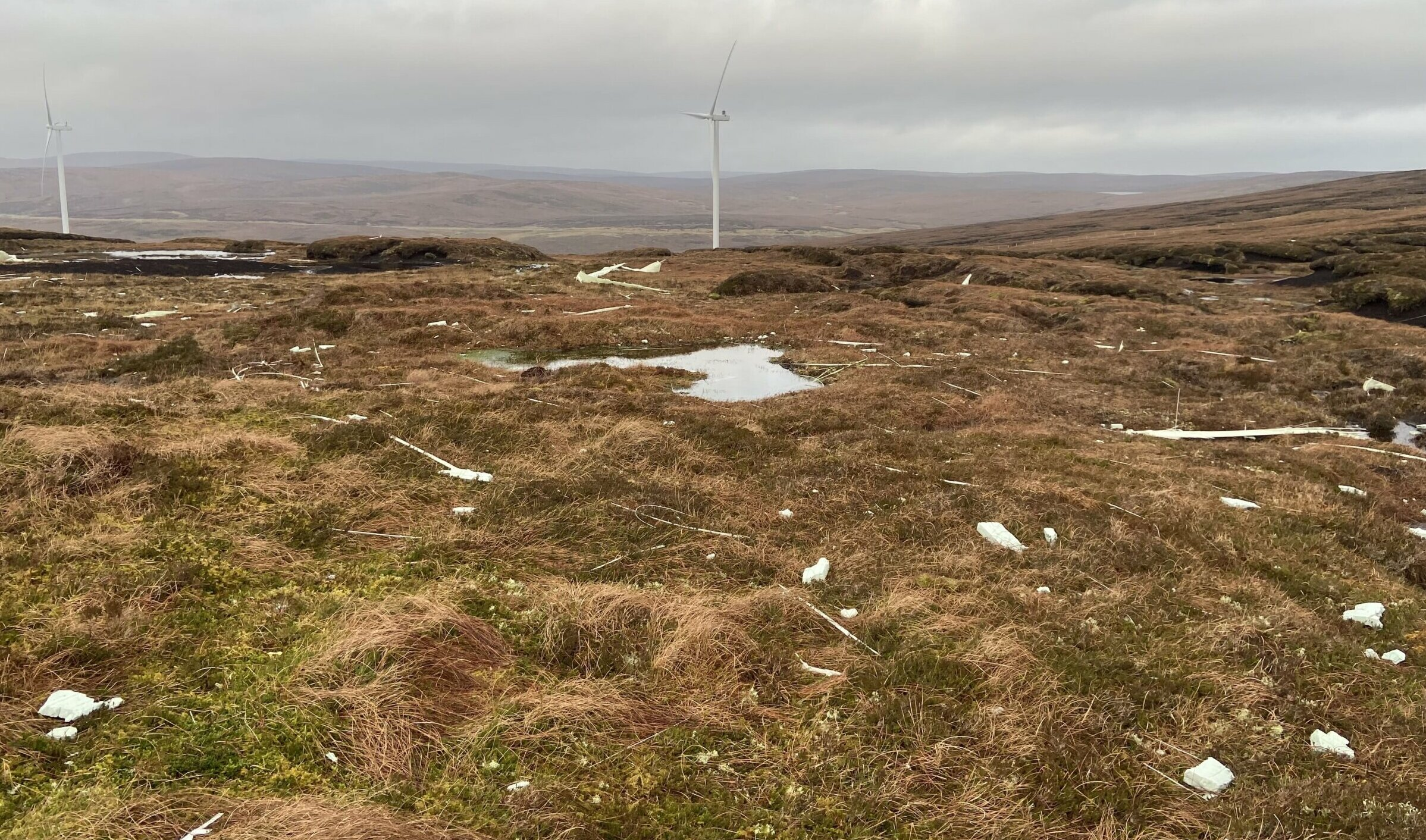
Shetland News: Parts of a Viking turbine blade which broke in October remain on the hills around the wind farm site – almost three months later.

Too many of these incidents are occurring, and this one is particularly troubling:

Shetland News received a number of photos from the site, with the person who sent them – who wished to remain anonymous – saying there was “truly a monumental mess of fibreglass and plastic blowing through the hills.”

They said “some of the debris was as far as 700m away from the turbine.”

Shouldn’t the operators have contingency plans (ala oil spill response plans) that provide for prompt and complete cleanup after turbine system failures?

Debris can still be seen strewn around, some distance from the turbines.”

Read Full Post »

Given the absence of industry and government data on wind turbine incidents, Scotland Against Spin (SAS) has done yeoman’s work in filling the void. SAS gathers information from press reports and official releases. A PDF of the latest SAS update summary (through 2024) is attached. You can view their complete incident compilation (324 pages) here. Kudos to SAS for their diligence.

Be sure to see the introductory text at the top of the attached table. Some key points:

  • The table includes all documented cases of wind turbine incidents which could be found and confirmed through press reports or official information releases.
  • SAS believes that this compendium of accident information may be the most comprehensive available anywhere.
  • SAS believes their table is only the “tip of the iceberg” in terms of numbers of accidents and their frequency:
    • On 11 March 2011 the Daily Telegraph reported that RenewableUK confirmed that there had been 1500 wind turbine incidents in the UK alone in the previous 5 years.
    • In July 2019 EnergyVoice and the Press and Journal reported a total of 81 cases where workers had been injured on the UK’s windfarms since 2014. SAS data includes only 15 of these (<19%).
    • In February 2021, the industry publication Wind Power Engineering and Development admitted to 865 offshore accidents during 2019. SAS data include only 4 of these (<0.5%).
    • SAS includes other examples supporting their “tip of the iceberg” claim.

Although SAS is committed to reforming the Scottish government’s wind energy policy, their incident data summaries are credible. It’s disappointing that the wind industry is unwilling to publish comprehensive incident data that would help protect lives and the environment, and improve the performance of all participants.

Read Full Post »

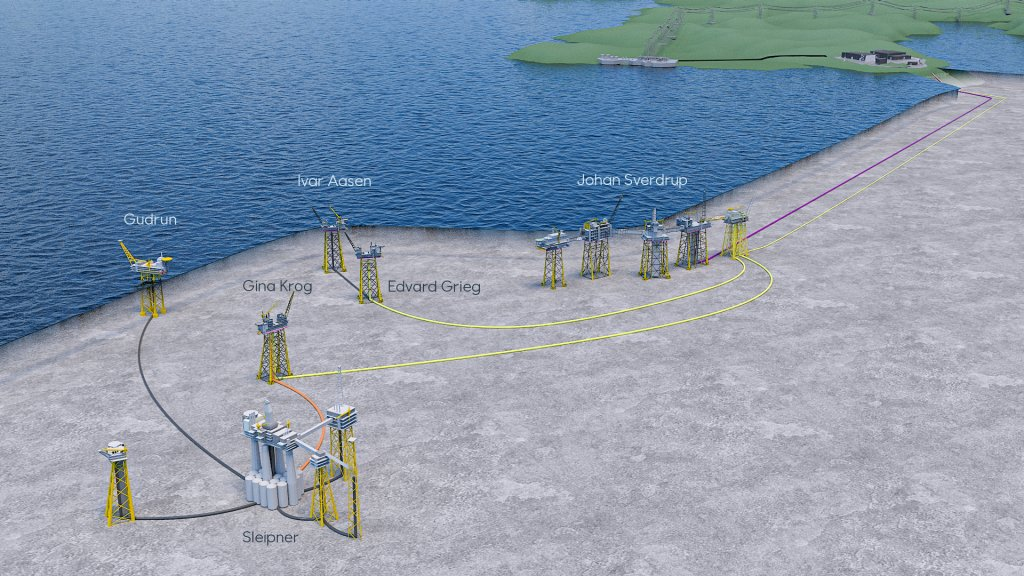
Equinor diagram: power cables from shore to Johan Sverdrup field

“It’s an absolutely sh*t situation,” said Norway’s energy minister Terje Aasland reacting to electricity prices in the country that are six times that of the EU average.

The two ruling parties in Norway want to cut the two power inter-connectors that link the country with Denmark when they come up for renewal in 2026. The smaller coalition party, the Center Party, wants to revisit similar energy links with the UK and Europe.

A related matter is Norway’s push to power offshore platforms with electricity from shore. This policy makes neither economic nor environmental sense, and introduces new safety and operational risks.

This BOE post cites the obvious (per NPD): “The power from shore projects will lead to an increase in electricity prices in Norway.” The post also presents seven other reasons why powering those facilities from shore is not a good idea.

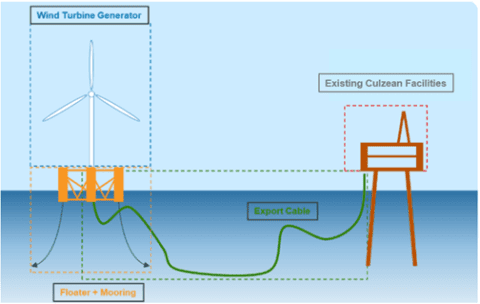
Meanwhile, Total’s plan to partially power the Culzean field (UK) with a floating turbine is similarly irrational. The scheme adds costs and risks with no apparent benefit.

Read Full Post »

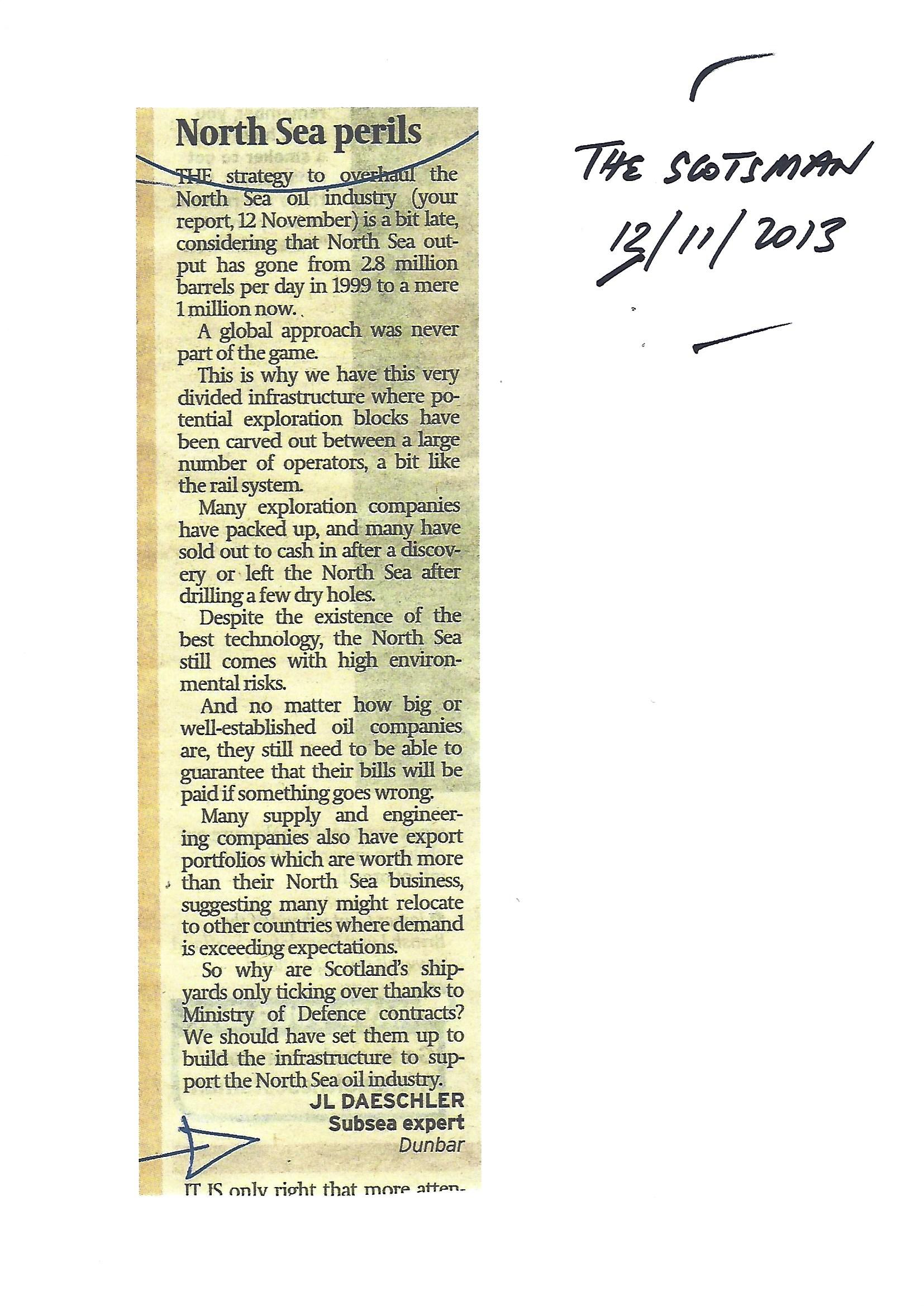
JL Daeschler, a BOE contributor, subsea engineer, and resident of Scotland, warned 11 years ago (see clip below) about the demise of North Sea infrastructure and the exit of important companies. JL now comments as follows:

“We have unfortunately taken down all the support facilities needed to conduct a complete offshore sequence – finding, engineering, and producing – even under a more favorable tax climate. We will have to call on Norway to do anything!”

Read Full Post »

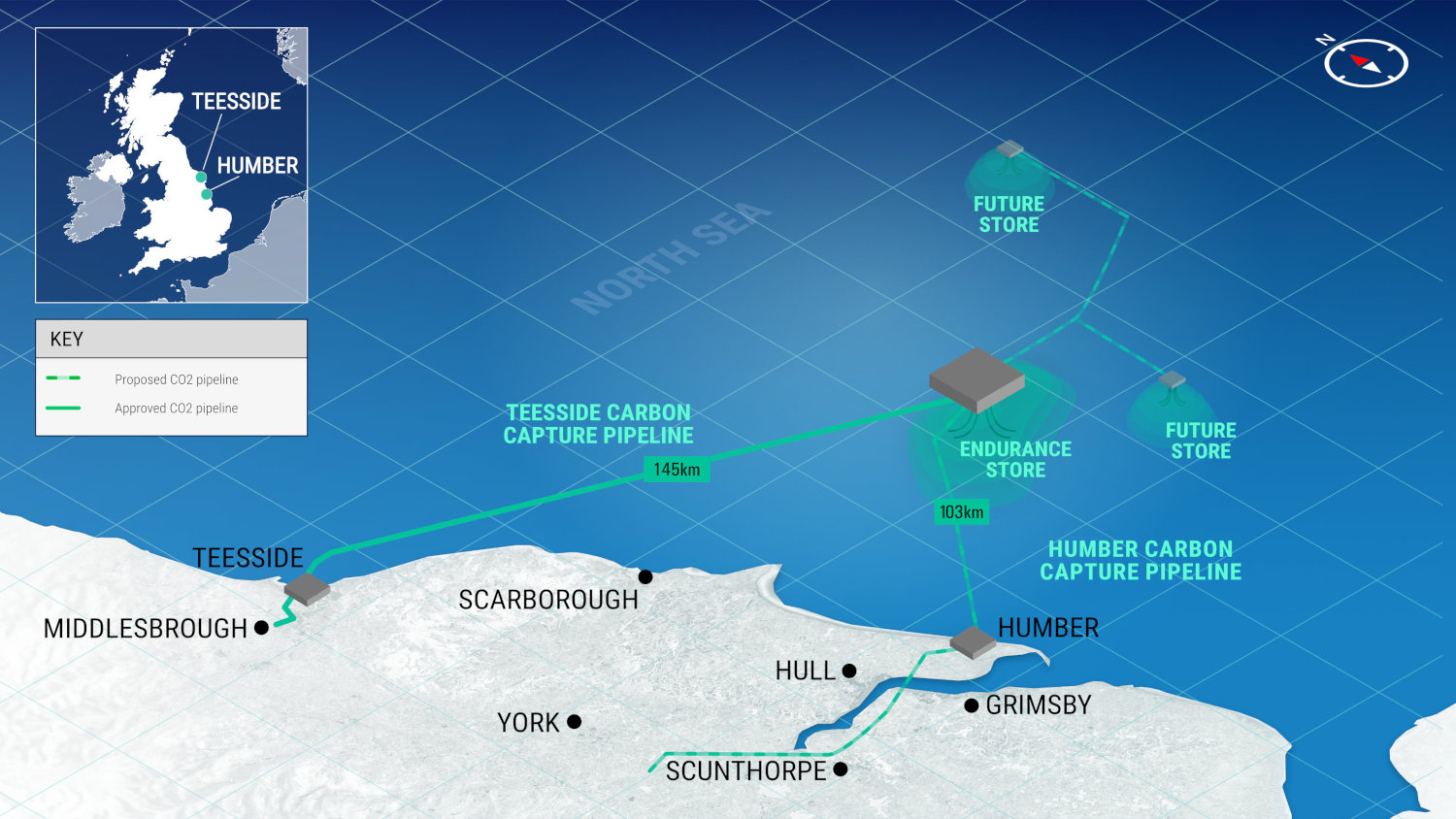
Northern Endurance Partnership (bp, Equinor, and Total) has been awarded the UK’s first permit to “store” CO2 beneath the North Sea. NEP plans to begin construction in the middle of 2025 with start-up expected in 2028 (bet the over!). Climate solution or costly virtue signaling at the public’s expense?

Fortunately, from the standpoint of US consumers and taxpayers, the push for carbon disposal in the Federal waters of the Gulf of Mexico has stalled, perhaps permanently. Oct.1 marked the 2 year anniversary of the 94 leases improperly acquired by Exxon at Sale 257 for carbon disposal purposes. Those leases will expire in 33 months (with the remaining 105 rogue leases expiring 1-2 years later) barring another legislative maneuver by industry advocates.

All of the previously posted questions about carbon disposal in the Gulf of Mexico remain, and most apply elsewhere. In particular, detailed cost-benefit analyses and risk assessments for these projects have not been provided. The intended permanency of offshore, subsurface carbon disposal raises complex monitoring, maintenance, liability, and decommissioning issues.

What are the carbon disposal proponents selling and why should governments be buying? If CO2 emissions are a significant threat to society (and informed opinions differ), is carbon disposal a cost effective solution? Policy decisions on subsidies for carbon disposal will be a good indication of how serious the new administration is about cutting Federal spending.

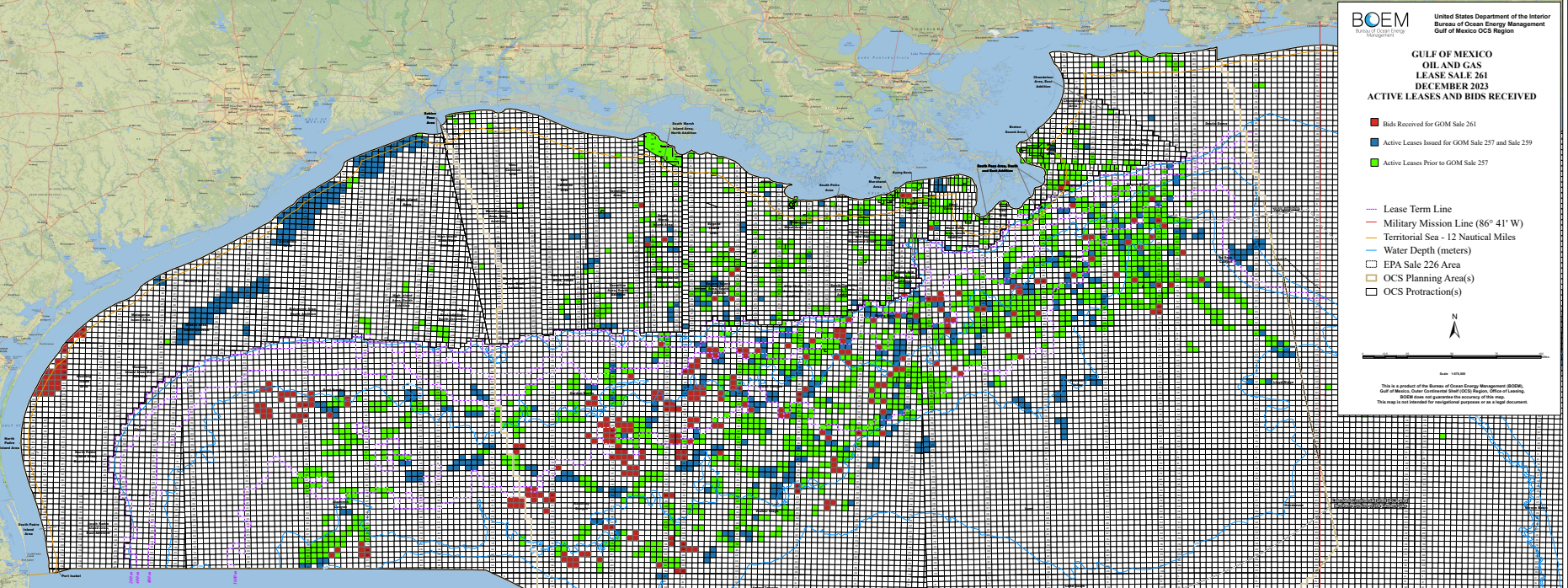
199 GoM oil and gas leases were wrongfully acquired for carbon disposal purposes. At Sale 261, Repsol acquired 36 nearshore Texas tracts in the Mustang Island and Matagorda Island areas (red blocks at the western end of the map above). Exxon had acquired 163 nearshore Texas tracts (blue in map above) at Sales 257 (94) and 259 (69).

Read Full Post »

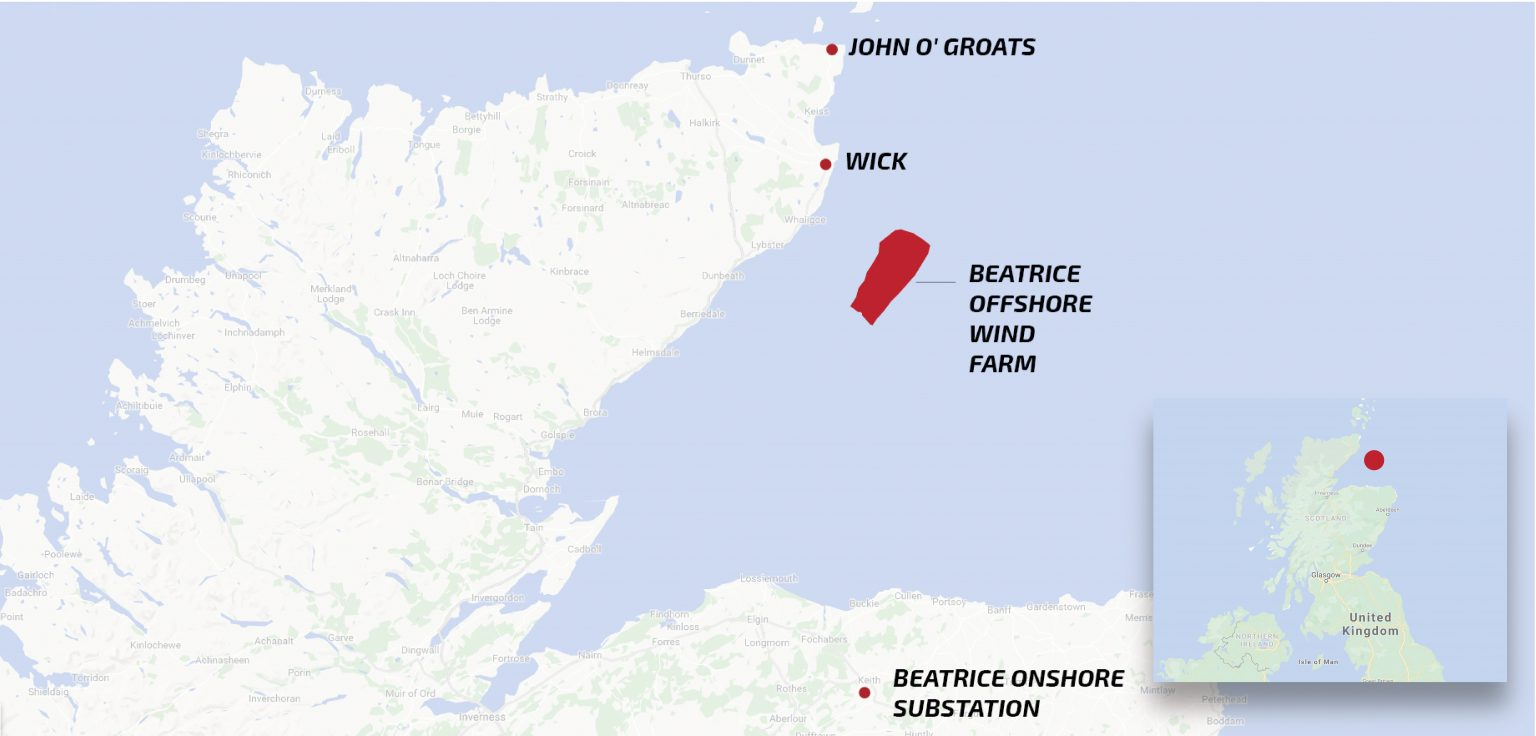
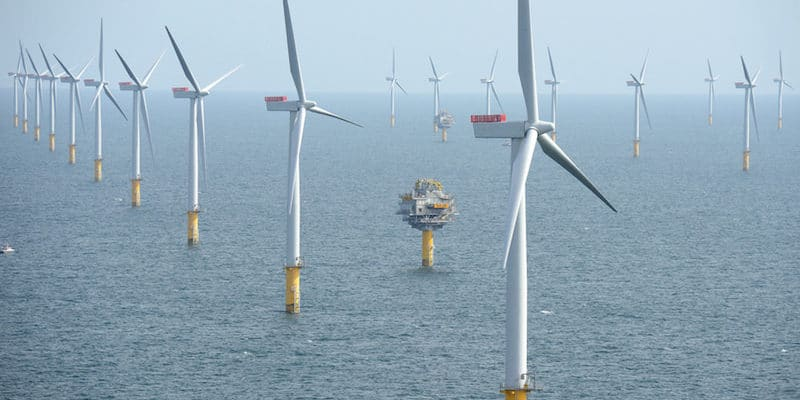
The Beatrice Offshore Windfarm has become the fourth UK windfarm to have received more than £1 billion in subsidy payments. The landmark was reached in just its seventh year of operation, suggesting that it could reach £2 billion over the course of its subsidy agreement.

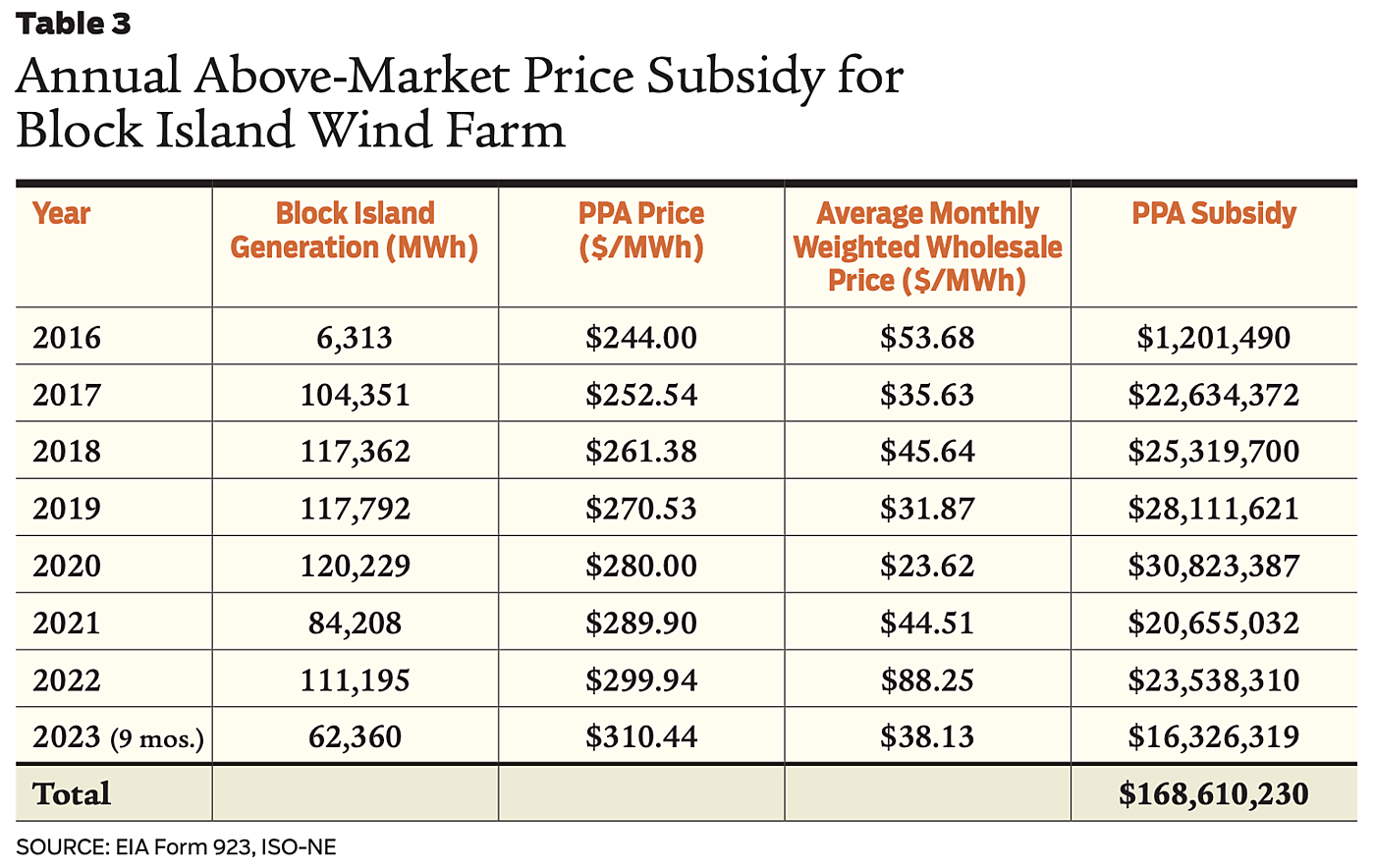
Block Island Wind Farm – “America’s Starting Five” (first 5 offshore turbines) – reliably generates subsidies (table below).

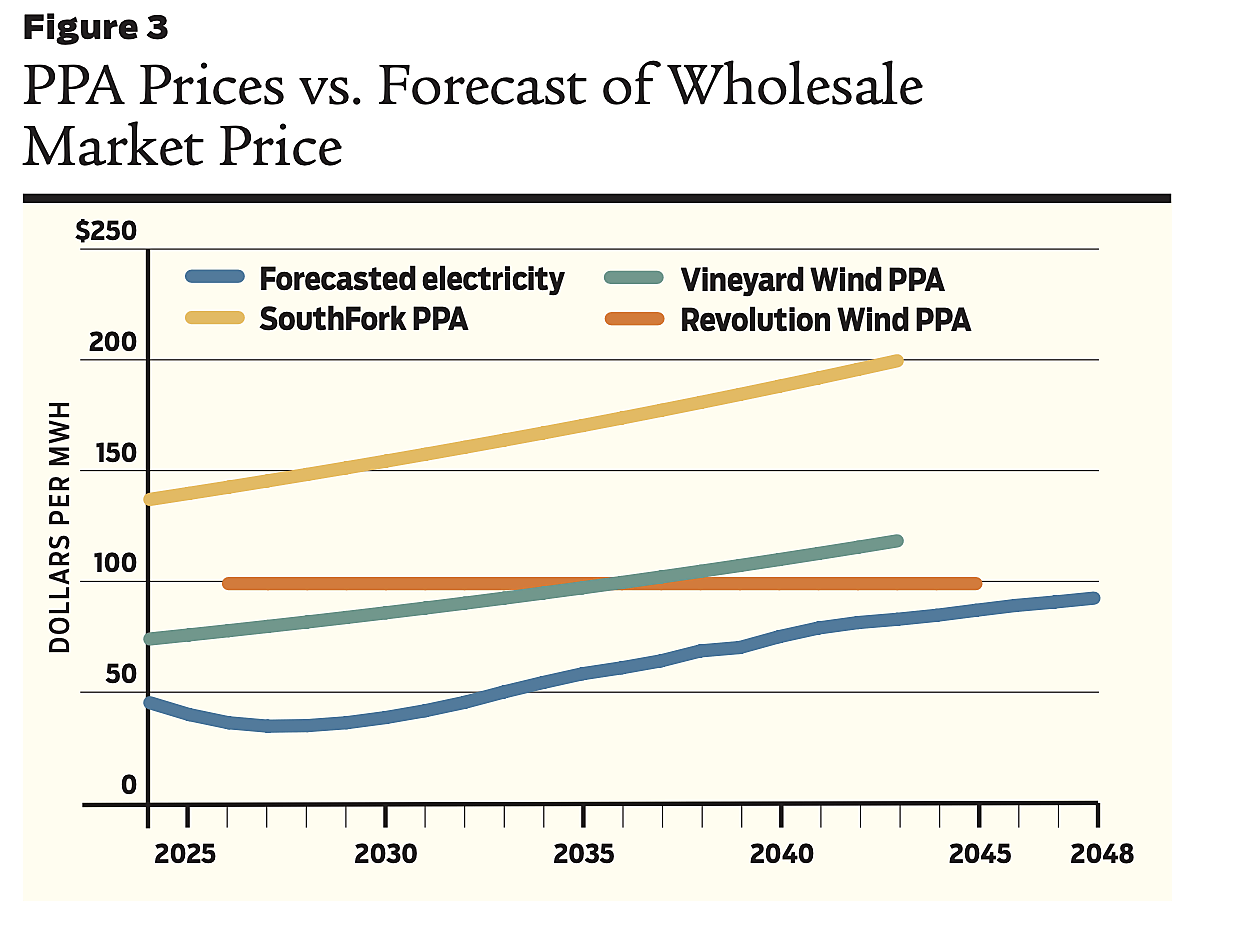
Projected PPA subsidies for other Atlantic wind projects:

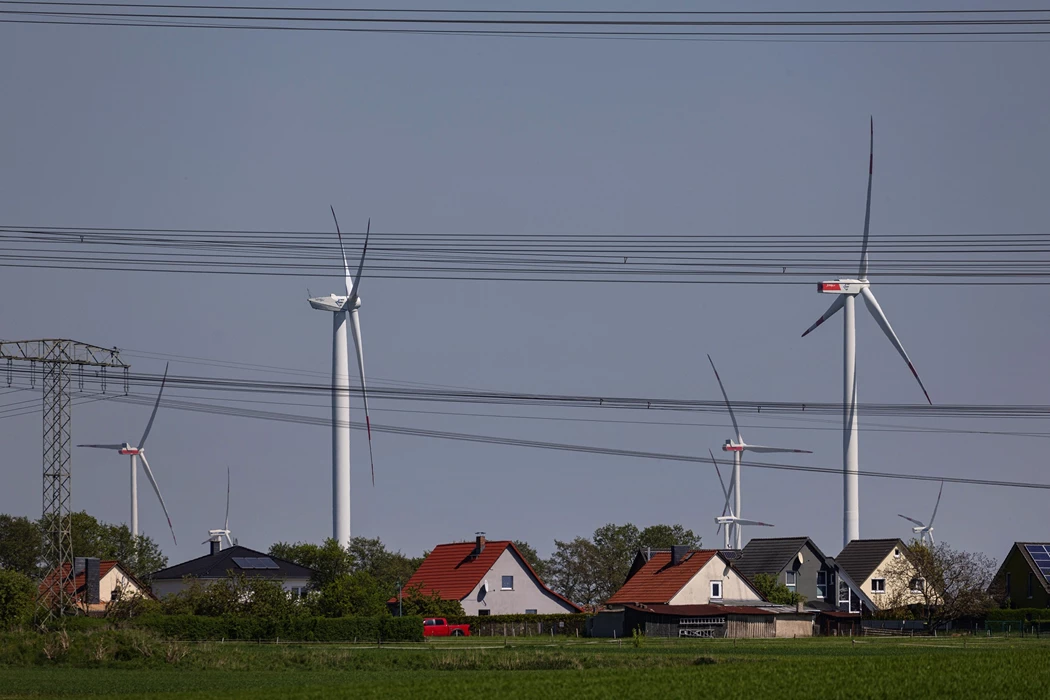
Vom Winde verweht: Germany will pay as much as €20 billion to wind and solar operators through the end of 2024, twice what grid operators had forecast in last October.

Wind turbines in Lindenberg, Germany

Read Full Post »

Hywind Scotland, Equinor

Equinor reports that all 5 Hywind turbines have been returned to service after being towed to Norway as part of a 4-month maintenance campaign.

Even though the turbines had only been in operation since 2017, Equinor puts a positive spin on the 4-month maintenance outage, declaring total victory:

“The successful completion of the maintenance campaign on Hywind Scotland is a testament to the collaborative efforts of our teams and partners. As the world’s first floating offshore wind farm, Hywind Scotland has demonstrated the immense potential of floating wind. Through this maintenance campaign, we’ve gained valuable insights that will help us refine maintenance practices and optimise this technology for the future. By sharing our learnings, we aim to contribute to the growth and development of the floating wind industry.”

Some of the folks in Scotland have a different take as evidenced in this video:

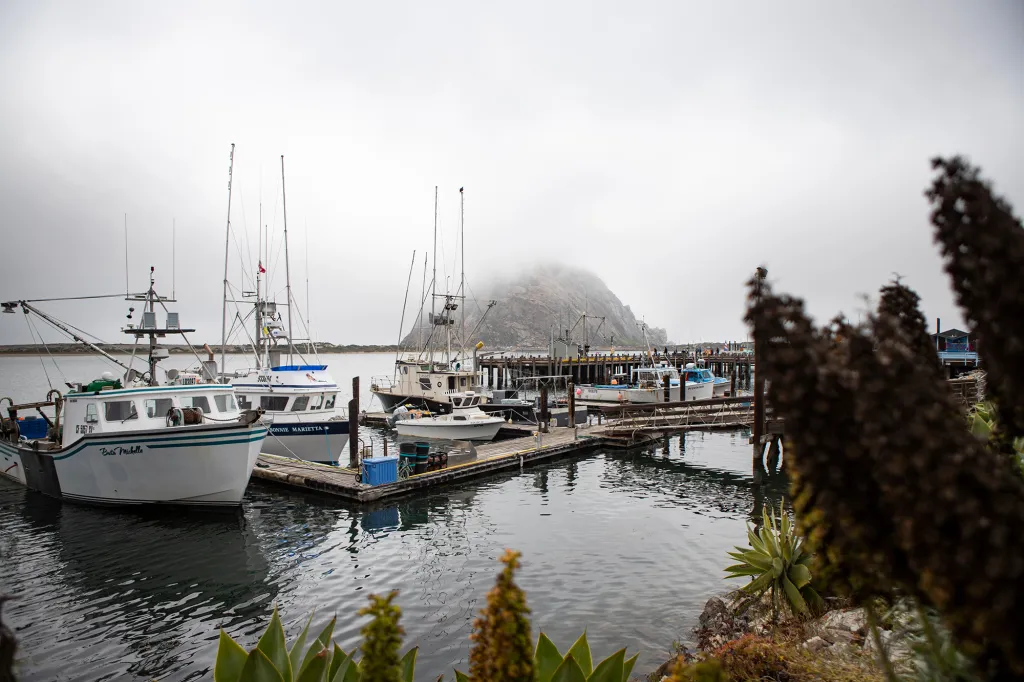
Meanwhile, the turbines planned for offshore Central California will also have to be towed to shore for major maintenance. Nearby harbor areas like Morro Bay (pictured below) would be overwhelmed by the large structures and the maintenance and repair operations. Central Coast residents are not enamored with “another attempt to industrialize the coast.” Towing the towers to LA/Long Beach, albeit rather distant from the leases, would seem to be the preferred option for such work.

Looking forward, the first power generation from floating wind turbines on the Central Coast is forecast for 2034. Betters may want to take the over!

Read Full Post »

Given the absence of industry and government data on wind turbine incidents, Scotland Against Spin (SAS) has done yeoman’s work in filling the void. SAS gathers information from press reports and official releases. A PDF of the latest SAS update summary is attached. You can view their complete incident compilation (318 pages) here. Kudos to SAS for their diligence.

As good as their work has been, SAS acknowledges that their information is far from complete and may only represent the tip of the wind turbine incident iceberg. Per SAS:

  • In 2011, RenewableUK confirmed that there had been 1500 wind turbine incidents in the UK alone in the previous 5 years.
  • In July 2019, EnergyVoice reported a total of 81 cases where workers had been injured on UK windfarms since 2014. The SAS table includes only 15 of these incidents (<19%).
  • In February 2021, the industry publication Wind Power Engineering and Development admitted to 865 offshore accidents during 2019. SAS captured only 4 (<0.5%).
  • A 13 August 2018 publication by Power Technology reported 737 incidents from UK offshore windfarms during 2016 alone, with the majority occurring during operations rather than development. 44% of medical emergencies were turbine related. In comparison, only 4 UK offshore incidents are listed in the SAS data – equivalent to 0.5%.

    Lars Herbst had previously reported, based on the Wind Power article cited above, that “with an estimated 700,000 blades in operation globally, there are, on average, 3,800 incidents of blade failure each year.” Lars noted that the annual blade failure rate of about 0.5% translates to 1.5% of all operating wind turbines experiencing a blade failure every year, a remarkably high failure frequency.

    A sad irony is that one of the five operational Vineyard Wind turbines experienced a very impactful blade failure less than 5 months after the project had begun delivering a limited amount of power and government officials were patting themselves on their backs and declaring victory.

    “This marks a turning point in the clean energy transition. After many decades of advocacy, research, policymaking, and finally construction, America’s offshore wind industry has gone from a dream to reality,” said Governor Maura Healey. “Across Massachusetts, in 30,000 homes and businesses, when you turn on the light, you will now be using clean, affordable energy. This will make the air we breathe safer and healthier, save customers money, and bring us one step closer to achieving net-zero emissions.” 

    Read Full Post »

    « Newer Posts - Older Posts »