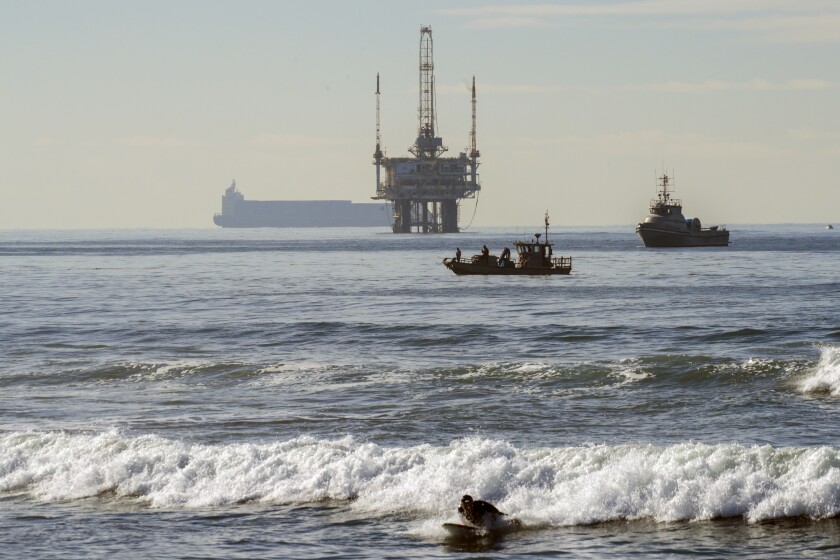

Per the LA Times, a DCOR pipeline has been identified as the source of a sheen in California State waters near Bolsa Chica State Beach. The pipeline transports oil from Platform Eva. All platform and pipeline operations in the vicinity have ceased.
Posted in California, Offshore Energy - General, pipelines, tagged California, pipeline spill, Platform Eva on December 27, 2021| 2 Comments »
Per the LA Times, a DCOR pipeline has been identified as the source of a sheen in California State waters near Bolsa Chica State Beach. The pipeline transports oil from Platform Eva. All platform and pipeline operations in the vicinity have ceased.
Posted in energy policy, pipelines, Regulation, tagged IMP, PHMSA, pipelines, Regulation on December 21, 2021| Leave a Comment »
At the behest of Congress, coastal areas and beaches are now designated as Unusually Sensitive Areas (USAs). Given that any offshore liquids pipeline has the potential to affect coastal waters or beaches, the rule would seem to require that all such pipelines be included in Integrity Management Programs, which are mandatory for pipelines that could affect USAs. (The IMP requirements would almost certainly apply to all DOT regulated offshore pipelines. Their applicability to DOI/producer pipelines is less certain. Of course, very little is clear and consistent in US offshore pipeline regulation.)
As one would expect, the recent Huntington Beach pipeline spill is among the incidents cited in the justification for this regulation. More surprisingly, the Santa Barbara well blowout was also cited. This incident occurred 53 years ago, was the result of a reckless drilling program, and had nothing to do with production operations or pipelines.
As noted in a recent BOE post, the regulatory regime for offshore pipelines is badly in need of overhaul. DOT and DOI, with inconsistent jurisdictional boundaries, regulations, and approaches, have primary responsibility and multiple regulatory entities have roles.
Lastly, PHMSA seems to have inadvertently posted a highlighted copy of the new regulation. Nothing at all scandalous (looks like someone was highlighting potential talking points), but possibly amusing to other regulation nerds. 😃
Posted in accidents, California, pipelines, tagged anchor dragging, Beta Unit, Huntington Beach, leak detection, pipeline spill on December 16, 2021| Leave a Comment »
This will be an interesting case given that the root cause of the leak appears to be anchor dragging and the responsible shipping company has yet to be identified. Also, these informed quotes about leak detection from a previous post are highly pertinent:
“My experience suggests this would be a darned hard leak to remotely determine quickly,” said Richard Kuprewicz, a private pipeline accident investigator and consultant. “An opening of this type, on a 17-mile-long (27-kilometer) underwater pipe is very hard to spot by remote indications. These crack-type releases are lower rate and can go for quite a while.”
The type of crack seen in the Coast Guard video is big enough to allow some oil to escape to potentially trigger the low pressure alarm, Kuprewicz said. But because the pipeline was operating under relatively low pressure, the control room operator may have simply dismissed the alarm because the pressure was not very high to begin, he said.
ABC News
Posted in accidents, California, Offshore Energy - General, pipelines, tagged Amplify, Beta Unit, Huntington Beach, NTSB, pipeline spill, US Coast Guard on December 9, 2021| Leave a Comment »
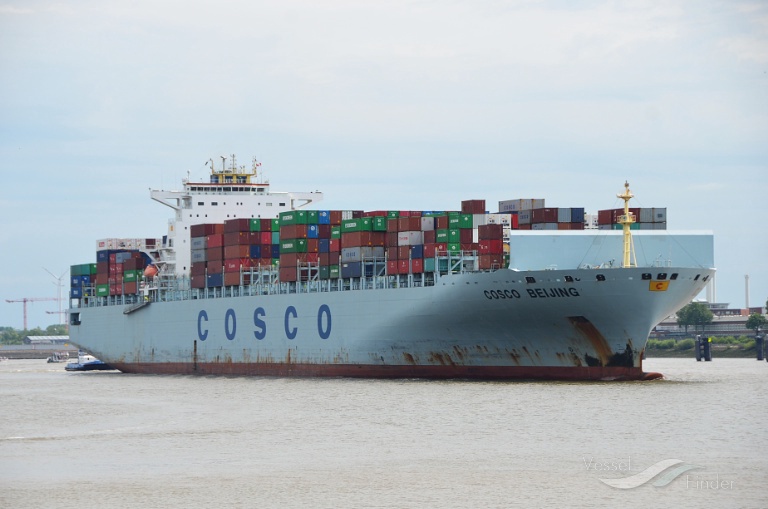
According to the Coast Guard, investigators determined the ship “was involved in an anchor dragging incident on Jan. 25, 2021 during a heavy weather event that impacted the Ports of L.A. and Long Beach.” The anchor- dragging occurred “in close proximity” to an underwater pipeline later determined to be the source of the October leak that spilled thousands of gallons of oil into the ocean, forcing the closure of beaches and harbors across Orange County.
CBS-LA
The hearings and the liability battles that follow will be most interesting. Those lined up to sue the pipeline operator (Amplify), such as this Huntington Beach disc jockey, may have difficulties.
Posted in accidents, California, Offshore Energy - General, oil, pipelines, tagged Coast Guard, Huntington Beach, pipeline spill, spill response on October 27, 2021| Leave a Comment »
Due to water currents and a robust emergency clean-up effort, local beaches and ocean were re-opened on Oct. 11. By mid October, walking along the wide, sandy beaches there’s no sign of the spill as dolphins and surfers share the waves against a backdrop of cargo ships, oil rigs and the soft silhouette of Catalina Island.
Santa Cruz Sentinel
Further confirmation of the lower spill volume:
“Right now, there’s high confidence that the spill was approximately 24,696 gallons. The exact number won’t be able to be verified until the investigation has been completed. But there’s high confidence in that number,” Shaye said.
LCDR Shaye to the Sentinel
“Our world environment is very resilient, which is a positive thing,” Shaye said. “As far as the birds and wildlife; there have been some deaths, as happens in this kind of situation. But quite a few have been rehabilitated and released back into their environment.
LCDR Shaye to the Sentinel
Kudos to the responders. The training and response exercises worked!
Posted in accidents, California, Offshore Energy - General, pipelines, tagged Beta Unit, California, lease cancellation, pipeline spill on October 22, 2021| Leave a Comment »

A group of environmental organizations demanded Wednesday that the Biden administration suspend and cancel oil and gas leases in federal waters off the California coast after a recent crude oil spill.
NBC LA
While not the disaster that some had predicted, this spill is another setback for California offshore production. However, cancellation of the remaining producing leases would be a very difficult and costly proposition for the Federal government. At this time, the Beta Unit operator appears to be minimally responsible for the spill, so what would be the basis for cancelling those leases? Cancelling other producible leases would be even more problematic.
Posted in decommissioning, energy policy, Offshore Energy - General, pipelines, Regulation, tagged decommissioning, pipelines, Regulation, Scandpower on October 19, 2021| Leave a Comment »
Scandpower study (2004) for MMS:
Overall Conclusion
Currently, there are no regulations that require removal of subsea pipelines if they are not an obstruction to navigation. Based on the high costs for removing the pipelines, the personnel risk involved in the removal operations, the negative effect on overall emissions to air and the very limited reduction in discharges to sea, the overall conclusion is that it is better to leave the pipelines in place. If possible, re-use of the pipelines is the optimal solution.
Environmental Impacts
The impacts on the environment and the marine environment from pipelines and cables left in place were found to be very minor. Conversely recovery operations will have a negative impact on the environment. The number of vessels required for removal operations and long operating hours will result in considerably more releases and emissions than leaving the pipelines in place. In addition the energy savings benefit from recycling the pipeline materials will be exceeded by the energy required to remove the pipelines and separate the materials.
Pipeline Decommissioning: Environmental Impact Metric (per Scandpower)
| Remove/ recycle | Remove/ landfill | Reuse or preserve | Bury | Abandon in place | |
| Energy | High | High | Low | Moderate | None |
| Emissions | High | High | Low | Low | Low |
| Discharges | Low | Low | Moderate | Low | Low |
| Habitat | Low | Low | Moderate | Low | Low |
| Aesthetics | Low | Moderate | None | None | None |
| Resource Utilization | High | None | High | None | None |
| Littering | Low | Low | Low | Low | Moderate |
The “Habitat” impacts row seems questionable. Pipeline removal certainly has a greater impact on habitat than abandonment in place, particularly for buried pipelines.
Posted in accidents, California, energy policy, pipelines, tagged age, INGAA, pipelines on October 18, 2021| Leave a Comment »

A: Not according to this 2012 INGAA study:
 Bud's Offshore Energy (BOE)