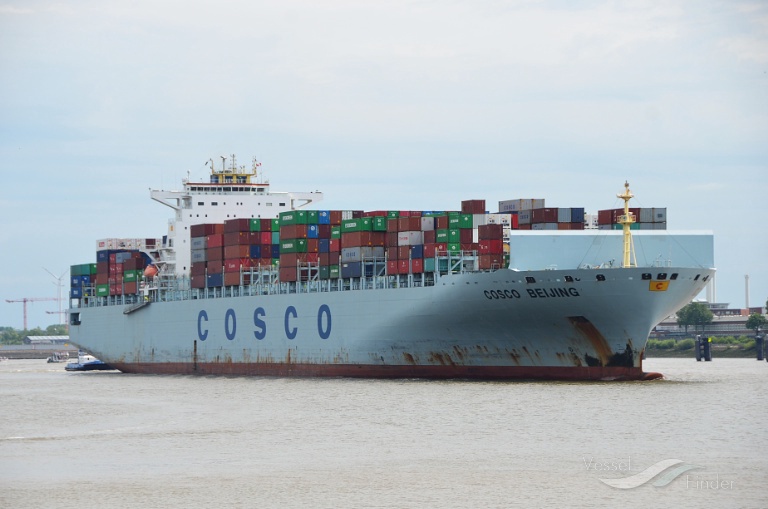
According to the Coast Guard, investigators determined the ship “was involved in an anchor dragging incident on Jan. 25, 2021 during a heavy weather event that impacted the Ports of L.A. and Long Beach.” The anchor- dragging occurred “in close proximity” to an underwater pipeline later determined to be the source of the October leak that spilled thousands of gallons of oil into the ocean, forcing the closure of beaches and harbors across Orange County.
The hearings and the liability battles that follow will be most interesting. Those lined up to sue the pipeline operator (Amplify), such as this Huntington Beach disc jockey, may have difficulties.
Due to water currents and a robust emergency clean-up effort, local beaches and ocean were re-opened on Oct. 11. By mid October, walking along the wide, sandy beaches there’s no sign of the spill as dolphins and surfers share the waves against a backdrop of cargo ships, oil rigs and the soft silhouette of Catalina Island.
“Right now, there’s high confidence that the spill was approximately 24,696 gallons. The exact number won’t be able to be verified until the investigation has been completed. But there’s high confidence in that number,” Shaye said.
“Our world environment is very resilient, which is a positive thing,” Shaye said. “As far as the birds and wildlife; there have been some deaths, as happens in this kind of situation. But quite a few have been rehabilitated and released back into their environment.
A group of environmental organizations demanded Wednesday that the Biden administration suspend and cancel oil and gas leases in federal waters off the California coast after a recent crude oil spill.
While not the disaster that some had predicted, this spill is another setback for California offshore production. However, cancellation of the remaining producing leases would be a very difficult and costly proposition for the Federal government. At this time, the Beta Unit operator appears to be minimally responsible for the spill, so what would be the basis for cancelling those leases? Cancelling other producible leases would be even more problematic.
Overall Conclusion Currently, there are no regulations that require removal of subsea pipelines if they are not an obstruction to navigation. Based on the high costs for removing the pipelines, the personnel risk involved in the removal operations, the negative effect on overall emissions to air and the very limited reduction in discharges to sea, the overall conclusion is that it is better to leave the pipelines in place. If possible, re-use of the pipelines is the optimal solution.
Environmental Impacts The impacts on the environment and the marine environment from pipelines and cables left in place were found to be very minor. Conversely recovery operations will have a negative impact on the environment. The number of vessels required for removal operations and long operating hours will result in considerably more releases and emissions than leaving the pipelines in place. In addition the energy savings benefit from recycling the pipeline materials will be exceeded by the energy required to remove the pipelines and separate the materials.
The “Habitat” impacts row seems questionable. Pipeline removal certainly has a greater impact on habitat than abandonment in place, particularly for buried pipelines.
85% of pipeline incidents reported to PHMSA from 2002-2009 occurred irrespective of the age of the pipeline, with just 15% related in some way to the age of the pipeline.
The properties of the steels which comprise natural gas pipelines do not change with time; that is, pipe does not “wear out.”
The fitness of a pipeline for service does not necessarily expire at some point in time.
The integrity of those pipelines for which the fitness for service may degrade with the passage of time can be assessed periodically. Timely repairs – and other mitigation efforts – based on those assessments will ensure the pipeline’s continued fitness for service.
A well-maintained and periodically assessed pipeline can safely transport natural gas indefinitely.