Feeds:
Posts
Comments

Archive for the ‘pipelines’ Category

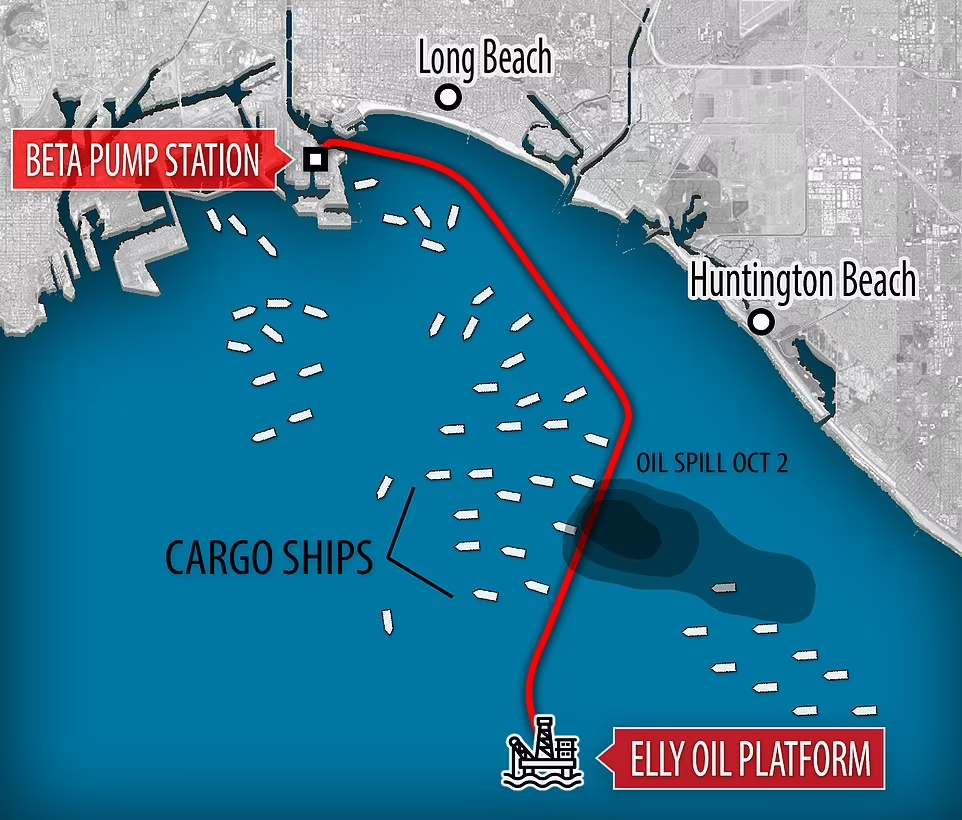
Martyn Willsher, Amplify’s President and Chief Executive Officer, commented, “We are pleased to have reached an agreement in principle regarding the civil litigation resulting from the Southern California Pipeline Incident last October. Although we are unable to provide additional detail at this time, we negotiated in good faith and believe we have come to a reasonable and fair resolution. We will continue to vigorously pursue our substantial claims for damages against the ships that struck our pipeline, and the Marine Exchange of Southern California that failed to notify us of the anchor strikes.”

Amplify Energy
Vehled

Read Full Post »

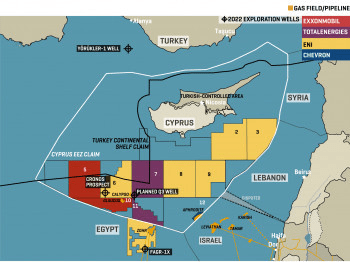
Eni announces another deepwater gas discovery:

  • Offshore Cyprus
  • Cronos-1 well; Block 6 on map
  • 2287m water depth
  • >2.5 tcf

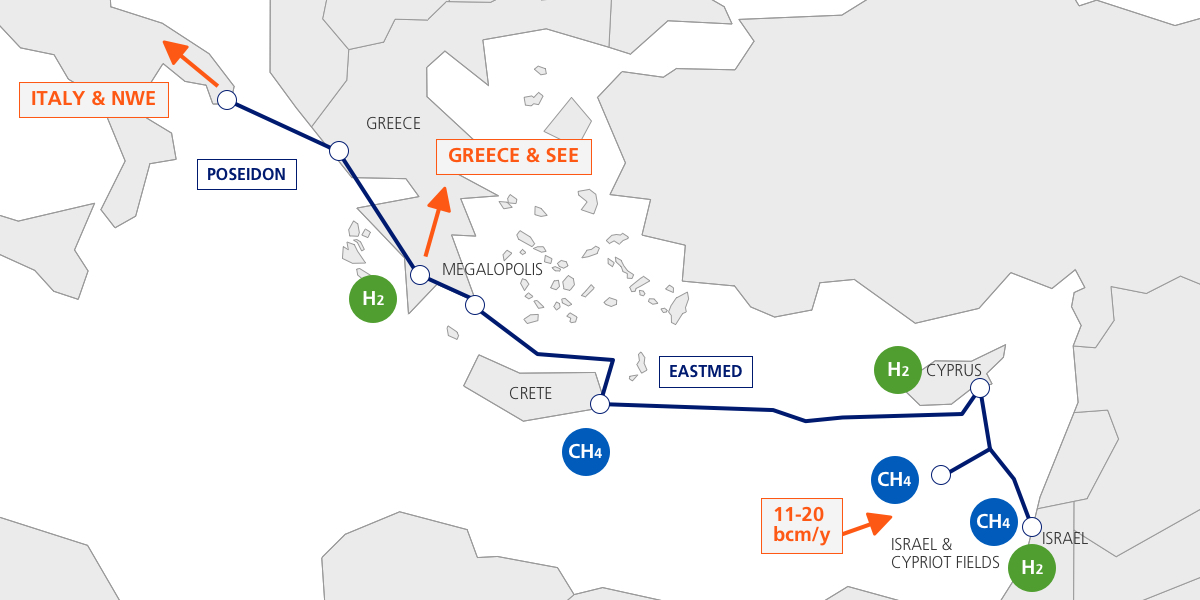
The challenge is getting the 100+ trillion cubic feet of gas to European markets. The East Med Poseidon Gas Pipeline (map below) makes the most sense, but the current US administration inexplicably opposes this project. Other options include LNG via Egypt, a pipeline to Turkey, and a floating LNG facility.

Read Full Post »

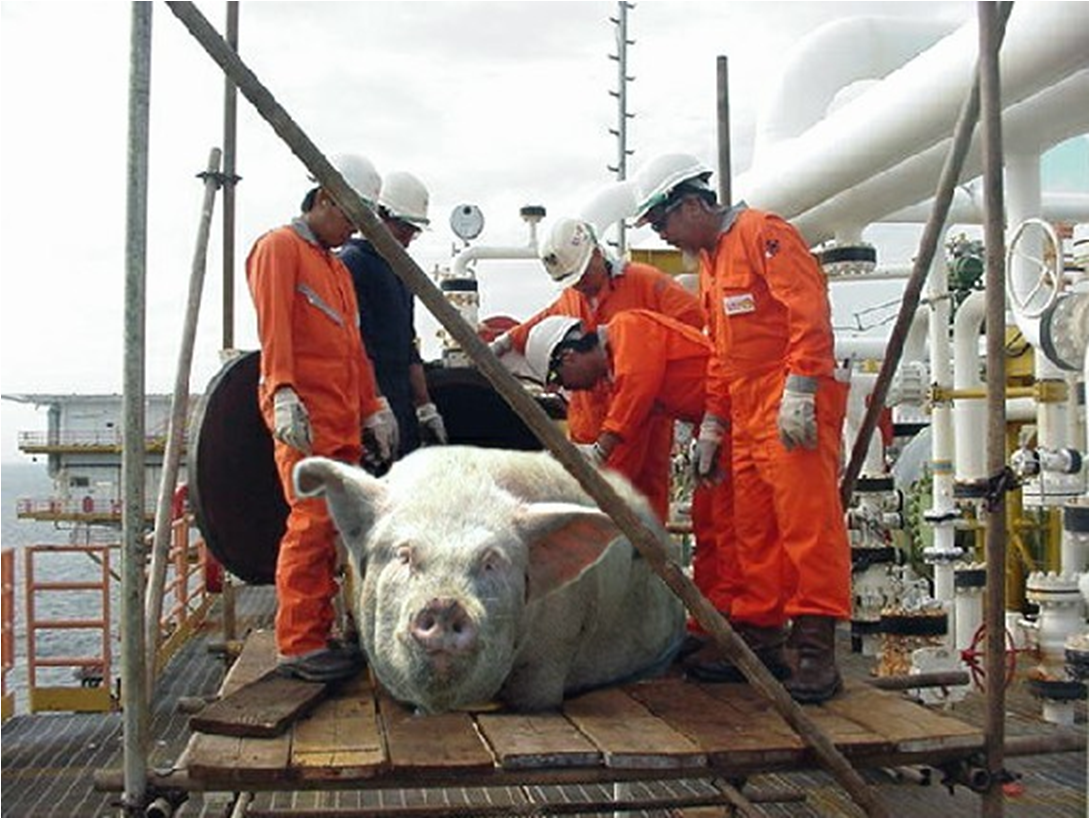
The internal inspection of my pipeline (colon) went well. Dr. Axelrad is an excellent smart pig operator.

Crew preparing to conduct internal inspection of offshore pipeline 😀

Read Full Post »

Assuming no significant tropical storm shutdowns this month, we should get a good read on the impact of the pipeline outage when the EIA production data for August are posted.

Read Full Post »

But late Thursday, a Shell spokesperson said that repairs were underway and that the company expected both pipelines to be back in service Friday.

CNN

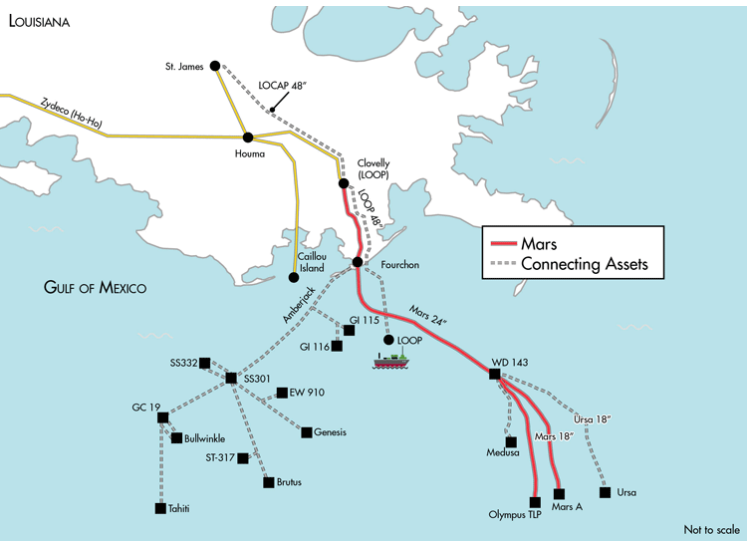
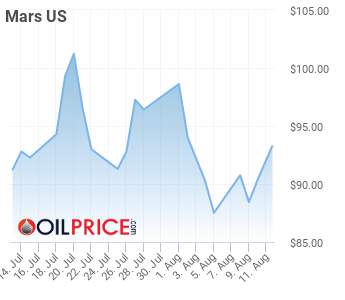
This is a good example of the interconnectivity of deepwater projects with major Shell, Chevron, and Equinor facilities shut-in as a result of a relatively minor downstream pipeline incident.

Mars crude price appears to have reacted to the shut-in news:

Read Full Post »

Read Full Post »

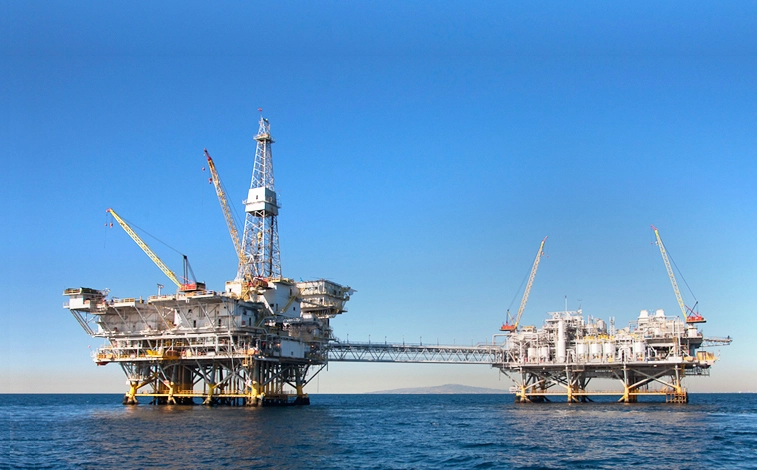
Although we are still waiting for the report on the 2021 Huntington Beach pipeline spill, all evidence indicates that the spill was caused by a container ship anchor. Available information to date also suggests that the pipeline was well maintained and properly operated. The volume spilled and resulting damage was less than predicted. Nonetheless, some vocal opportunists took full advantage of the spill to further demonize offshore production.

One of our very savvy BOE readers shared data (attached) from Oil in the Sea III, a National Academies report that is the best source of information on oil inputs into US waters. The data for Southern California are presented below in 3 charts. The first chart shows that natural seeps are overwhelmingly the leading offshore source of oil entering SoCal waters, with offshore platforms and pipelines accounting for <0.5% of the oil.

The second and third charts exclude natural seepage and compare the coastal and offshore oil inputs from the other sources. When land based transportation inputs are included (chart 2), platforms and pipelines (combined) account for 5.3% of the oil.

Excluding natural seepage and land based transportation inputs (chart 3), recreation vessels are by far the leading source of oil (47.5%), with platforms and pipelines (combined) accounting for less than half that volume (22.2%).

These data add important perspective, but are not intended to discount platform and pipeline spills. These spills can have significant localized impacts, and every effort must be made to prevent their occurrence.

Read Full Post »

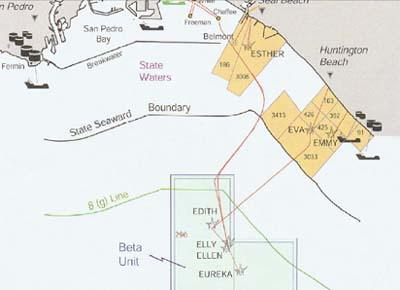
The pipeline rupture, which was apparently caused by a ship’s anchor, occurred almost 9 months ago, but no investigation report has been issued. In February, the LA Times reported that the investigation was being delayed by bureaucratic processes. Meanwhile local politicians (see letter below) seem intent on preventing future production through the pipeline, regardless of the investigation’s findings.

Reports indicate that the pipeline was in excellent condition at the time of the incident. The best reporting and expert commentary on the incident also explains why immediate leak detection can be difficult on low pressure pipelines.

Read Full Post »

Background:

Questions:

  • What are the costs per ton of offshore carbon sequestration including emissions collection, offshore wells and platforms, the associated pipeline infrastructure, ongoing operational and maintenance costs, and decommissioning?
  • What is the timeframe given that the starting point is likely years away?
  • How long would CO2 sequestration continue.
  • Who pays? Polluters? Federal subsidies? Tax credits?
  • Who is liable for:
    • safety and environmental incidents associated with these projects?
    • CO2 that escapes from reservoirs, wells, and pipelines (now and centuries from now)?
    • decommissioning?
    • hurricane preparedness and damage?
  • For Gulf of Mexico sequestration, how much energy would be consumed per ton of CO2 injected? Power source? Emissions?
  • To what extent will these operations interfere with other offshore activities?
  • Relatively speaking, how important is US sequestration given:
  • What are the benefits of offshore sequestration relative to investments in other carbon reduction alternatives?
  • Will BOEM conduct a proper carbon sequestration lease sale with public notice (as required by BOEM regulations) such that all interested parties can bid?
    • What will be the lease terms?
    • Environmental assessment?
    • How will bids be evaluated?
  • What happens to the Exxon bids if the Judge’s Sale 257 decision is reversed?
  • What is the status of the DOI regulations mandated in the legislation with an 11/15/2022 deadline?
    • When will we see an Advanced Notice or Notice of Proposed Rulemaking?
    • Given that DOI has no jurisdiction over the State waters and onshore aspects of these projects, what is the status of parallel regulatory initiatives?
  • Finally and most importantly, how does drilling offshore sequestration wells instead of exploration and development wells increase oil and gas production?
highly simplified conceptual diagram

Read Full Post »

Linked is a good article by geologist Gregory Wrightstone about the stunning non-conventional natural gas resource potential of the Appalachian Basin of the eastern US. Unsurprisingly, development of these resources is constrained by pipeline capacity and the legal and administrative challenges associated with new pipeline construction. Also note that New York has blocked development of its natural gas resources. Fortunately, Pennsylvania, West Virginia, and Ohio have shown better judgement.

According to Bill Zagorski, who was given the moniker of the “Father of the Marcellus,” the gas-in-place of the Marcellus dwarfs all conventional fields in the world. The size is so large that the ten largest conventional fields in the world combined do not equal the in-place reserves of the Marcellus. 

Read Full Post »

« Newer Posts - Older Posts »