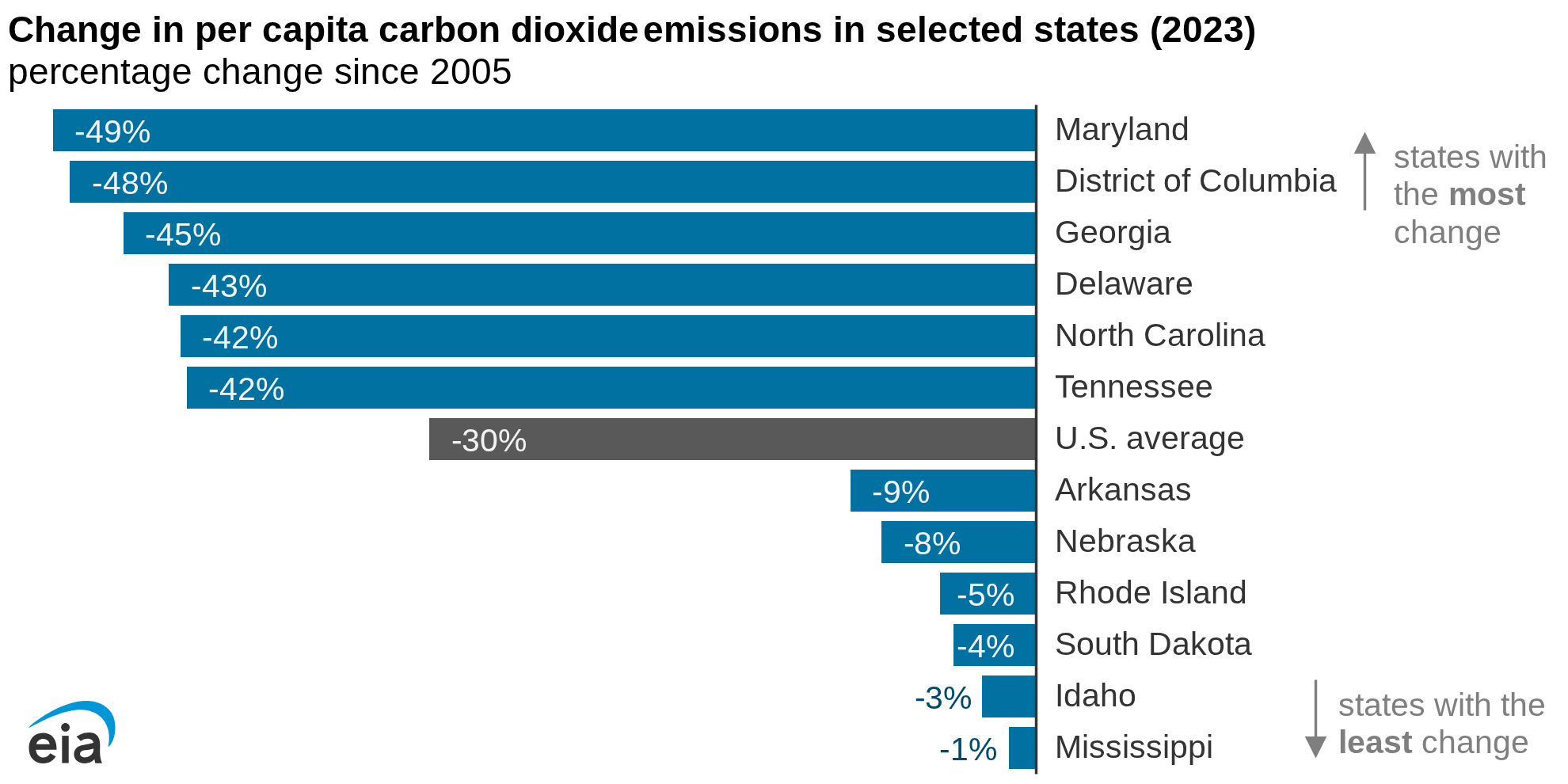
EIA:Per capita CO2 emissions from primary energy consumption decreased in every state from 2005 to 2023, according to recently released data in our State Energy Data System. Total energy-related CO2 emissions in the United States fell 20% over that time, and the population grew by 14%, leading to a 30% decrease in per capita CO2 emissions.
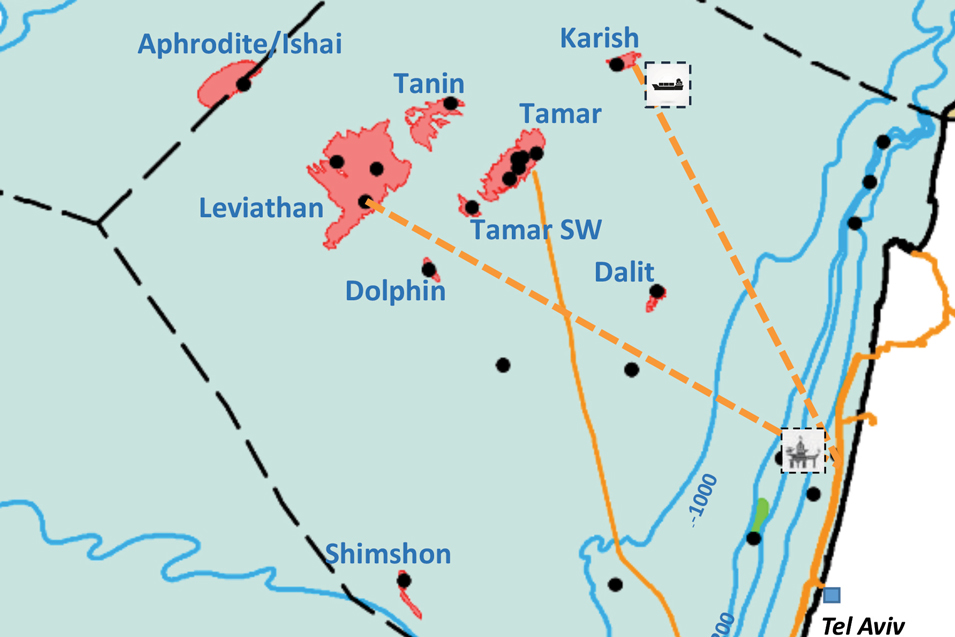
Two of Israel’s three offshore gas fields are shut-in as a precaution. As a result, exports to Egypt and Jordan has been curtailed. The Tamar field continues to supply Israel’s gas needs.
Summary table:
field (operator)
2024 production (billion cubic meters) (% of Israel’s total)
Attached is the full NTSB report. Here’s what happened:
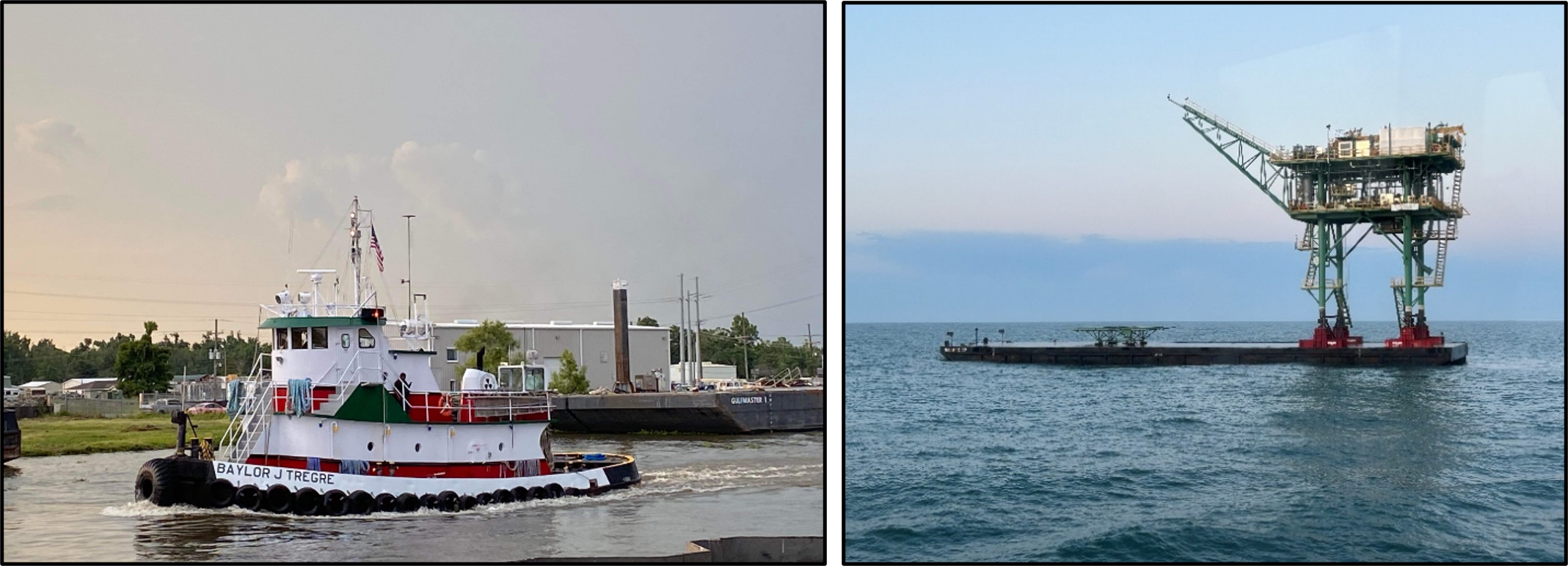
In May 2024, the Baylor J. Tregre tugboat was towing a platform on the barge MARMAC 27 to Brazos Block 538 in the Gulf of America.
The tug capsized in stormy conditions.
The 4 crew members were rescued by the Coast Guard.
The NTSB determined that the probable cause of the capsizing was “the mate’s inability to maneuver the tow into the wind due to the overwhelming towline force generated by the towed barge during the sudden onset of severe weather, resulting in unrecoverable heeling.”
Comments:
Who knew? When a tugboat capsizes while towing a platform on a barge, endangering the crew, that’s a very serious incident. Yet there was no public announcement by the companies involved or the Coast Guard, and there was no media coverage following the incident (May 2024). The NTSB docket includes only the final investigation report.
The NTSB report says a production platform was being towed, but it was actually a gas transmission platform owned by Transco Gas Pipe Line Co. There is no production in Brazos Area Block 538, an unleased block.
Here and here are bits of information on the Transco’s Brazos Area 538 Platform modification project.
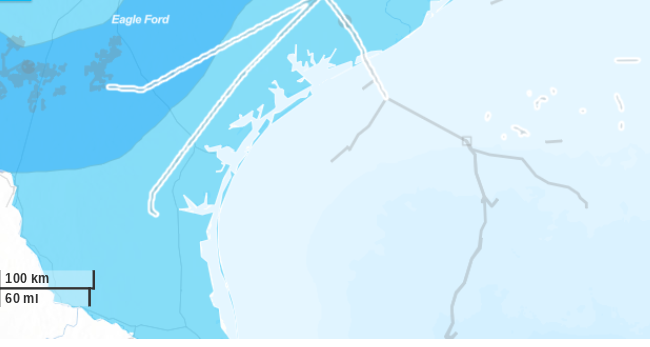
Per a 2007 article, Williams’ Seahawk gathering system, which collects deepwater gas production, connects at Brazos Block 538 with a pipeline that transports gas to the Transco processing plant in Markham, TX (see map below).
The NTSB report lacks contextneeded to understand the planning process, organizational factors, and timing/urgency of the project.
The NTSB report attributes the failure to the mate’s inability to respond to the weather conditions, but provides no information on the safety management system, risk assessment, job safety job planning process, crew training, and other project management factors.
Two of the crew members are suing Trinity Tugsalleging that they suffered personal injuries resulting from the negligence of Trinity and the unseaworthiness of the M/V BAYLOR J. TREGRE.
Deepwater gas gathering system connects with Brazos 538 transmission platform at the “Y” in the center of the screen.
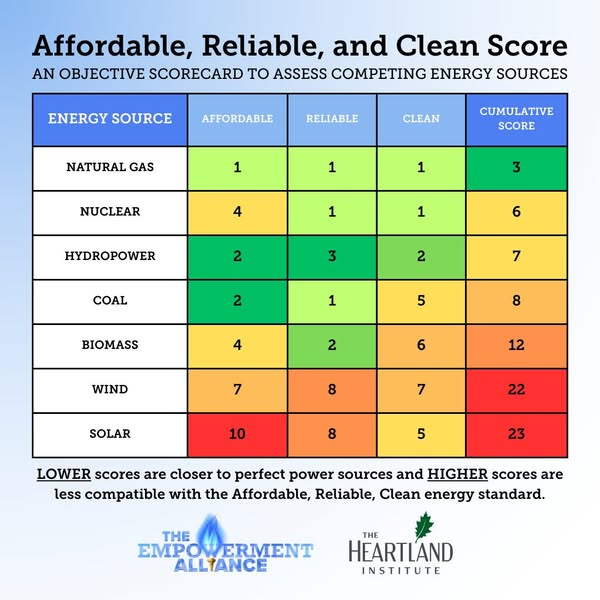
Although combustion of natural gas emits 30% and 45% less CO2 than oil and coal respectively, the CO2 emissions are still significant. As a result, those who focus solely on greenhouse gases and ignore all other impacts (e.g. other air pollutants like NOx, SO2, and particulates, land use and space preemption, visual effects, and wildlife risks), want to limit the production and use of gas. However, whether or not fossil fuel consumption is significantly affecting the climate, the use for natural gas will be economically and environmentally imperative for the foreseeable future.
Not all natural gas production is equal from an environmental standpoint. Because this is an offshore energy blog, I draw your attention to the unique advantages of offshore gas production: minimal visual impact, bird friendly (rigs-to-roosts!), no risks to freshwater aquifers, and few land use issues.
Currently, most offshore gas production is in the form of oil-well gas (AKA associated or casing head gas). Offshore gas production is thus being primarily driven by oil demand, and is an added benefit from deepwater oil development.
Offshore gas-well or non-associated gas is largely the domain of independent operators producing in the shallower waters of the continental shelf. Non-associated gas has an added benefit in that there is little or no spill risk (depending on how dry the gas is). Shelf gas platforms also provide ecosystem benefits through their reef effect (rigs-to-reefs). Sustaining this non-associated gas production is therefore desirable from both energy and environmental standpoints.
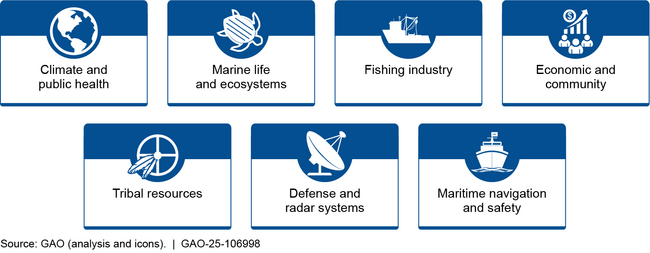
The Government Accountability Office report on Offshore Wind Energy (full report attached) does a good job of summarizing the potential impacts from offshore wind development. They are categorized in the report as follows:
Marine Life and Ecosystems (see table pasted below)
Fishing Industry and Fisheries Management
Economic Development and Community Impacts
Tribal Resources, Including Sacred Sites and Established Fishing Grounds
Defense and Radar Systems
Maritime Navigation and Safety
Unfortunately, GAO’s recommendations, which focus on consultation and staffing (perennial favorites), are rather meaningless. Does GAO really think more consultation will resolve the fundamental concerns of the tribes and fishing industry? Does GAO really think increasing BOEM/BSEE staff is a solution? Wind was the signature offshore energy program of the previous Administration, and it was well resourced.
When the legislation authorizing offshore wind energy development was drafted, we envisioned energy alternatives that could complement thermal energy sources like gas, coal, and nuclear plants. Natural gas plants are particularly important to intermittent energy sources, because their power can be readily dispatched on demand.
Never did we expect attempts to ban the dispatchable energy sources on which renewable energy goals were dependent. Policies that limit gas production, transportation, and consumption don’t boost offshore wind development, they doom it.
In a rush to achieve the Administration’s energy goals, the wind leasing program brushed aside important economic, safety, national security, and environmental issues. Coastal residents, tribes, fishing interests, power customers, and other affected parties have rebelled. Their concerns won’t be smoothed over by increasing consultation.
So now the wind program is in a dark and windless place (a regulatory dunkelflaute?). Five projects are under construction or in the early stages of operation. Construction has been authorized for 6 other projects. Five more projects are in various stages of permitting. What next?
Meanwhile, we still haven’t seen a report on the ugly and embarrassing Vineyard Wind blade failure offshore Nantucket last July. Shouldn’t that report be a precursor to further offshore wind development in the US Atlantic? Also of note, that same turbine was struck by lightning 2 months ago.
Should directed suspension orders be issued pending a complete review of the wind program? If so, for which leases and for how long? Suspension of projects still in the permitting phase would be relatively painless and maybe even attractive given the current state of the wind industry. However, financial impacts for projects in the construction phase would be significant. These important next-step decisions need to be made soon. Muddling along is not a strategy.
Construction and survey activities produce underwater noise that can disturb sensitive marine species. Offshore wind projects take measures to mitigate underwater noise, including the use of bubble curtains to dampen pile driving sound and pausing operations if protected species are sighted.
Changes to marine habitat
Installation of infrastructure, such as turbine foundations and transmission cables, introduces new structures and causes changes to the ocean floor that can alter marine habitat and affect the distribution, abundance, and composition of marine life in the area. These new structures can create artificial habitat that may benefit some species while displacing others and could affect bottom-dwelling species through disturbing the seabed. Artificial habitat effects of wind turbines are well documented, but research is ongoing to monitor and understand impacts on marine life.
Hydrodynamic effects
Operation of wind turbines can affect hydrodynamics and ocean processes such as currents and wind wakes, but little is known about regional effects of widescale deployment on ecosystems.
Vessel disturbance
Vessels can disturb some species and pose strike risks to large marine animals, but the increase in offshore wind vessels is projected to be small compared to the total volume of vessel traffic. Offshore wind vessels are required to take measures such as following speed restrictions and employing protected species observers.
Entanglement risk
Structures, such as mooring cables from floating wind turbines, could snag fishing gear and other marine debris and create entanglement risk to marine animals. Wind projects employ measures to minimize entanglement (e.g., mooring systems designed to detect entanglement), but there is uncertainty about the extent of the risk from floating turbines because of limited deployment.a
Collision risk to birds and bats
Turbine blades pose a collision risk to some sea birds, but little is known about offshore collision risk to bats. Research on collision risks and mitigation measures (e.g., lighting and curtailment) is ongoing.
In a peer reviewed paper, AI (Grok-3) debunks the man-made climate crisis narrative.
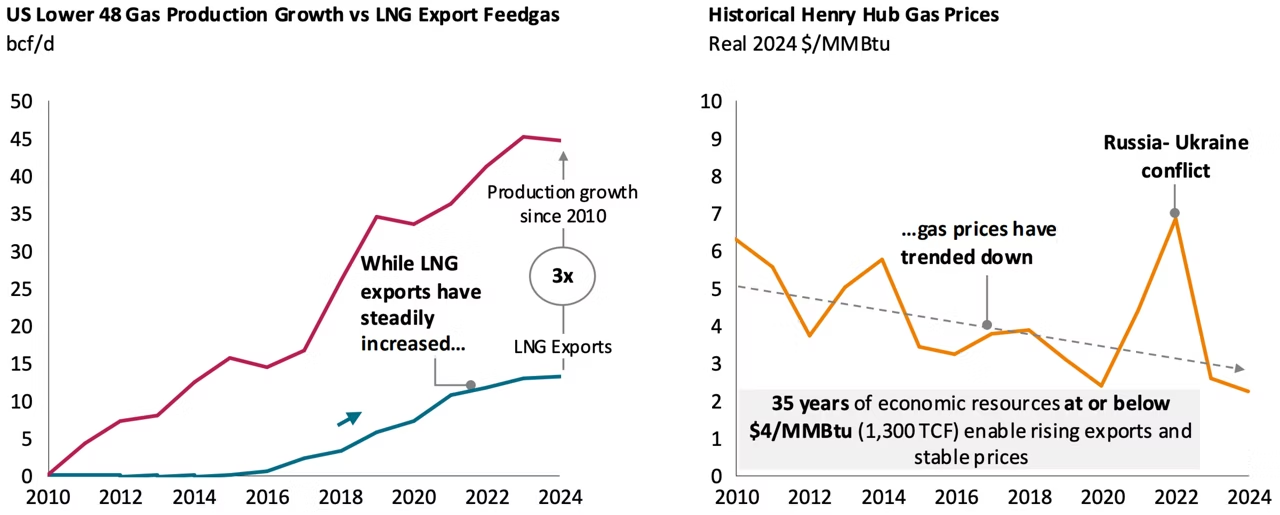
Doug Burgum: Hydraulic fracturing technology is “one of the reasons why the U.S. shale revolution is a miracle. But that miracle keeps on getting better and better. It’s the thing that has literally turned around the economy.” Posted here 15 years ago: Natural Gas Bonanza – Why Aren’t We Celebrating?
While a graduate student more than 50 years ago, I wrote a paper entitled “The Use of Natural Gas in Improving Air Quality.” My professor, Dr. Richard Gordon (RIP), a terrific economist who greatly influenced my thinking about energy, liked the paper but thought I was too optimistic about the availability of gas.
The sense at the time was that natural gas was a premium energy source in short supply. I was blissfully ignorant and thought we geologists and petroleum engineers would find and produce the gas. The Shale Boom, for which I can take zero credit, has proven me correct, so I’m taking another victory lap. 😀
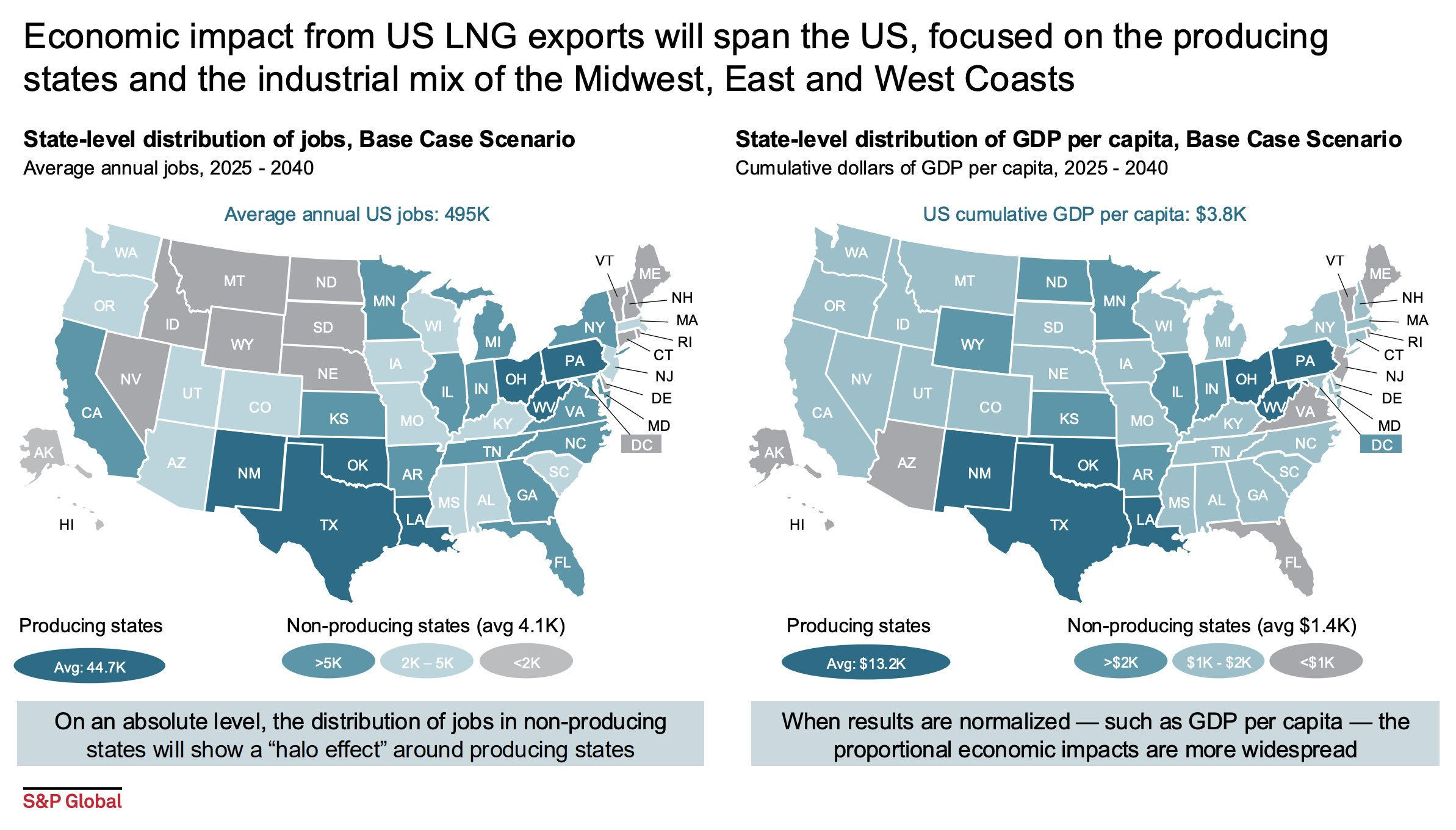
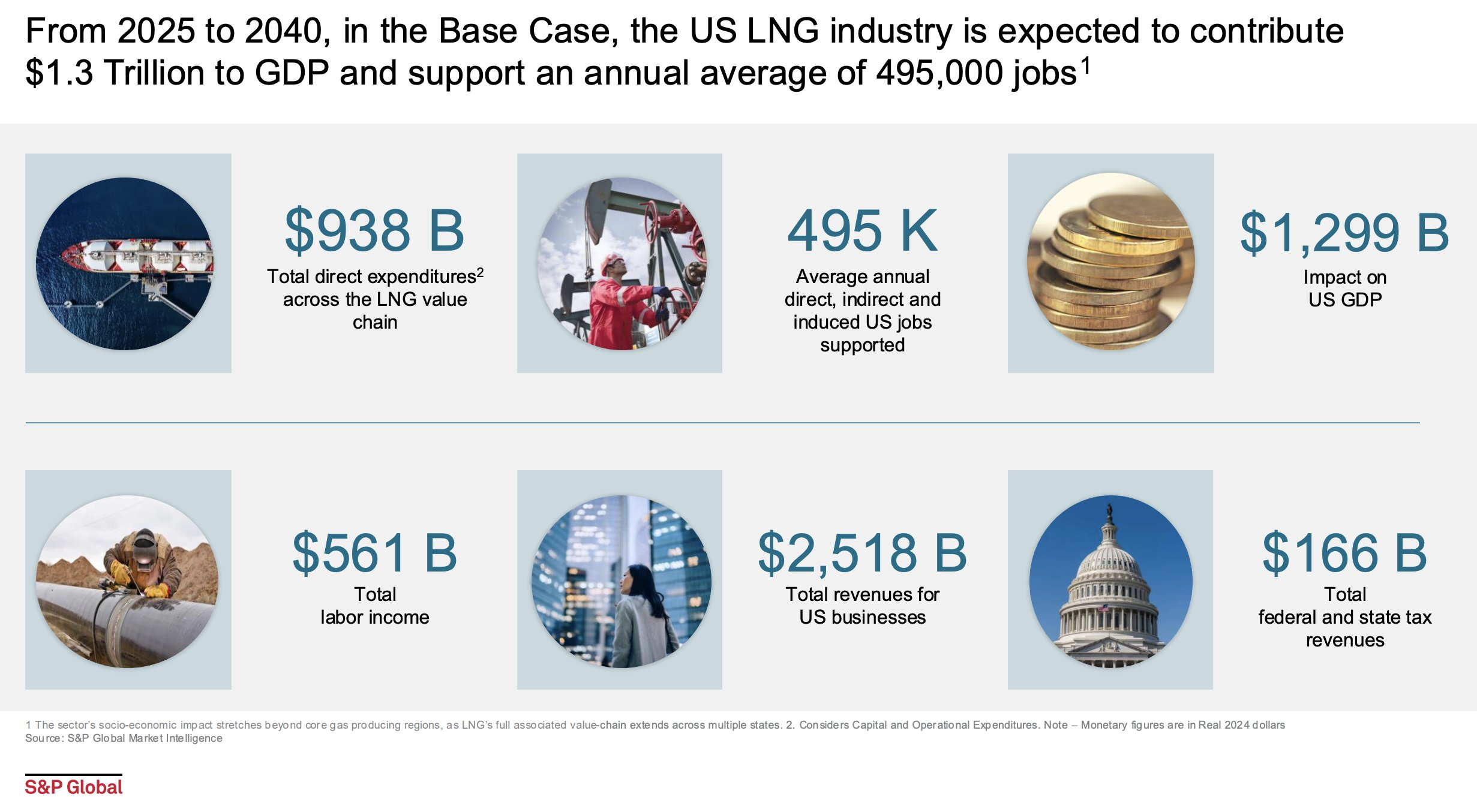
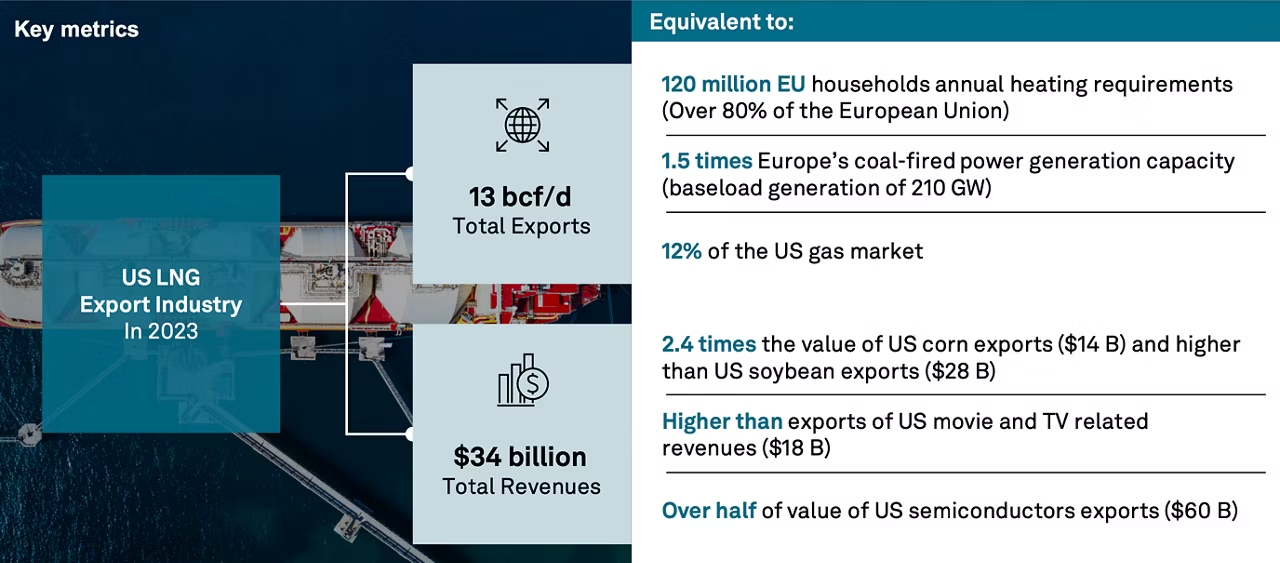
Last week, the great Dan Yergin and his team at S&P Global issued a report that explains how economically and environmentally important natural gas has become. Key findings from the report are pasted below:
Higher US LNG exports lead to lower overall global emissions by displacing the more GHG intensive fuels that would replace them.
End use combustion is responsible for 57–87% of GHG intensity for coal, oil, gas and LNG, with supply chain methane emissions the key driver of variation between fuels (e.g., domestic vs. international LNG, domestic versus piped natural gas imports, or different crude oil streams).
Coal emits roughly 70% more greenhouse gases than the US LNG it would replace across all the alternatives analyzed.
US LNG’s unprecedented growth is enabled by an extended cross-state value chain, that reaches beyond the core-producing states – about 90% of every dollar spent remains within United States supply chains
Of the annual average of 495,000 US jobs supported through 2040, 37% will be in non-producing states. As many jobs will be supported in on-producing states as in Texas
Over the same period, LNG Exports will contribute $1.3 trillion in GDP, with $383 billion or 30% in non-producing states. On a per capita basis, producing states benefit from a cumulative $13.2K GDP per capita
The US Northeast (NE) has vast amounts of low-cost gas reserves in the Marcellus and Utica formations (New York, Pennsylvania, West Virginia, Ohio), sufficient to meet nationwide demand for ~17 years
Due to pipeline constraints these reserves are being developed at a suboptimal rate, pushing gas prices at Boston, Chicago and New York City Gates up 160% higher than the national gas market in peak months
Expanding NE pipeline capacity by 6.1 Bcf/d could reduce HH gas prices by $0.20/MMBtu and significantly lower prices across the region. Cumulative nationwide consumer savings could reach $76 billion through 2040
This important S&P Global study is particularly breathtaking for those of us who remember when Gulf of Mexico LNG import facilities were in the advanced planning stages. The shale gas pioneers completely reversed the scenario!
“The LNG industry is critical to serving the world’s energy needs and has rapidly become an integral contributor to the US economy.”
Let’s not repeat the harmful pause in the construction of LNG export facilities. Per S&P Global:
“The impact of an ‘extended halt’ in new US LNG development due to legal and regulatory risks is striking. In this scenario, more than $250 billion in lost contribution to GDP and an average of >100,000 US jobs are at risk. Gas price savings in an ‘extended halt’ are minimal for domestic consumers, with less than 1% gas cost impact per household. Furthermore, 85% of the energy gap from lost US LNG is expected to be filled by fossil fuels from non-US sources.”
With the collapse of Bundeskanzler Scholz’s governing coalition, elections set for 23 Feb, and the Alternative für Deutschland (AfD) party gaining support, perhaps there is a chance for more rational German energy policy.
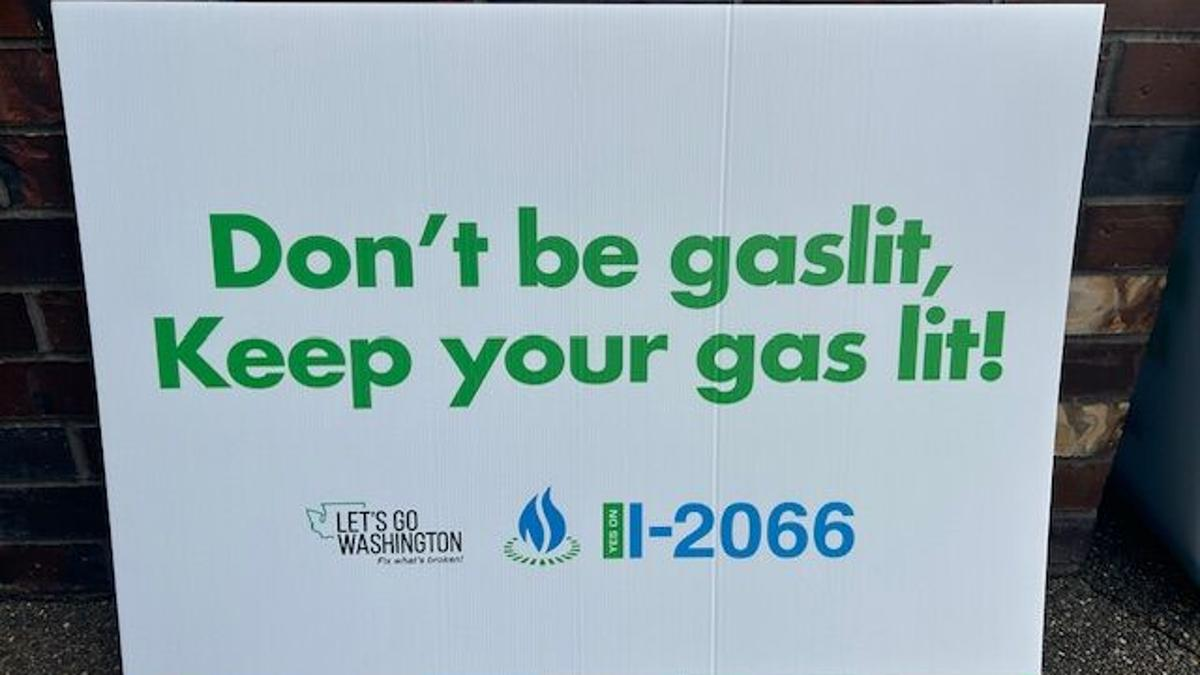
Seattle Times: “Don’t block the will of voters on natural gas”
“Nearly 2 million residents voted to approve Initiative 2066, which aims to protect the use of natural gas as an energy source in state law and within Washington’s building codes. This month, climate advocates, joined by King County and the City of Seattle, filed suit in court to block the will of those voters.“
“While the courts will have final say, Gov. Jay Inslee and Democratic legislative leaders support killing off what they see as a misguided and overly broad initiative. Their view brushes aside the concerns of the majority of state voters. Those leaders fail to see a genuine fear that, during the clean energy transition, the fundamental supply of energy to homes and businesses — the basic ability to stay warm, cook food and bathe — is under threat.”
Kudos to the Seattle Times for their common sense editorial. In addition to noting the economic and social necessity of natural gas, it would have been nice if the editorial board had also acknowledged natural gas’s environmental benefits. However, that would have probably been a bridge too far in Seattle.
The reasons for transitioning to natural gas are arguably clearer and better substantiated than the reasons for transitioning from natural gas.

 Bud's Offshore Energy (BOE)