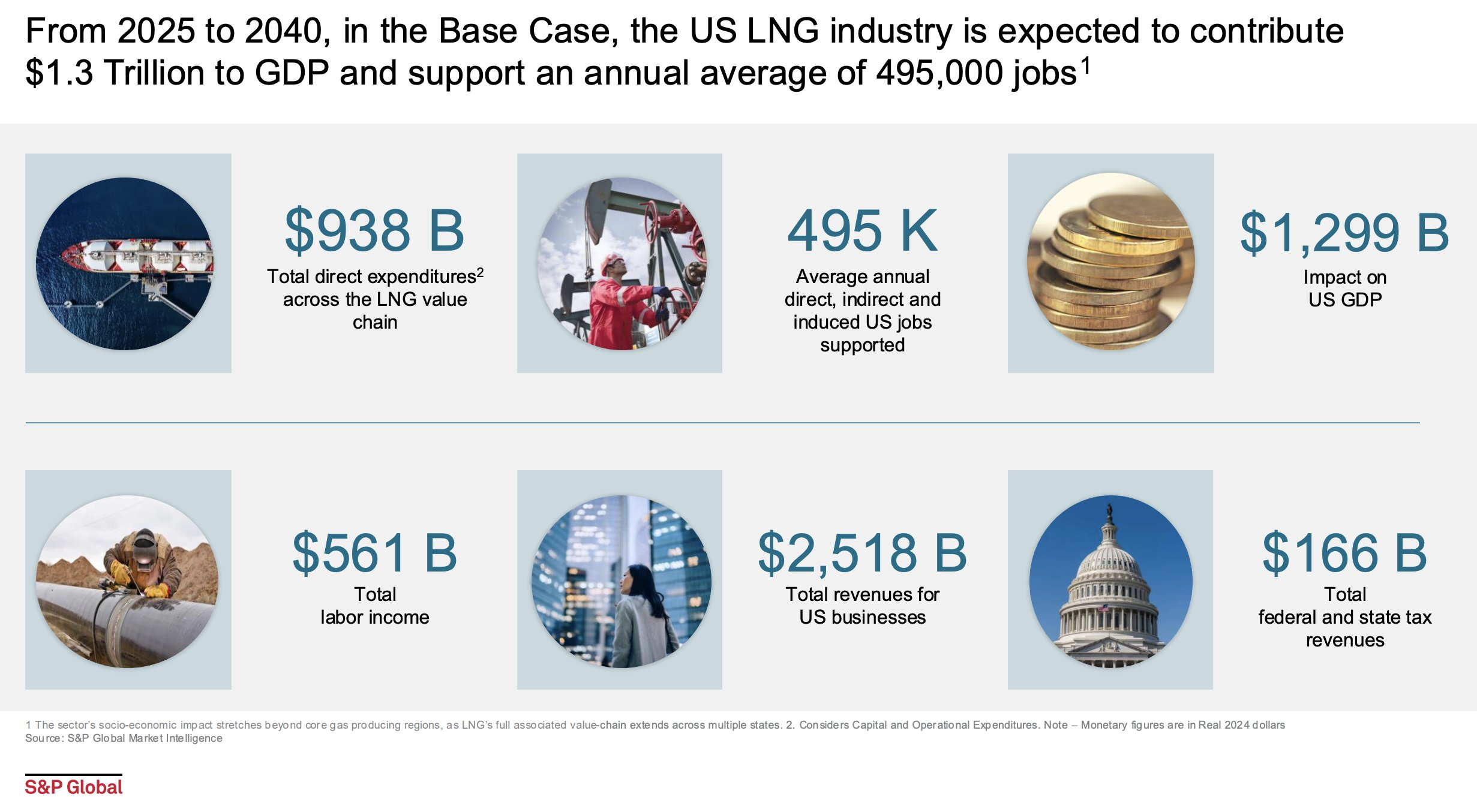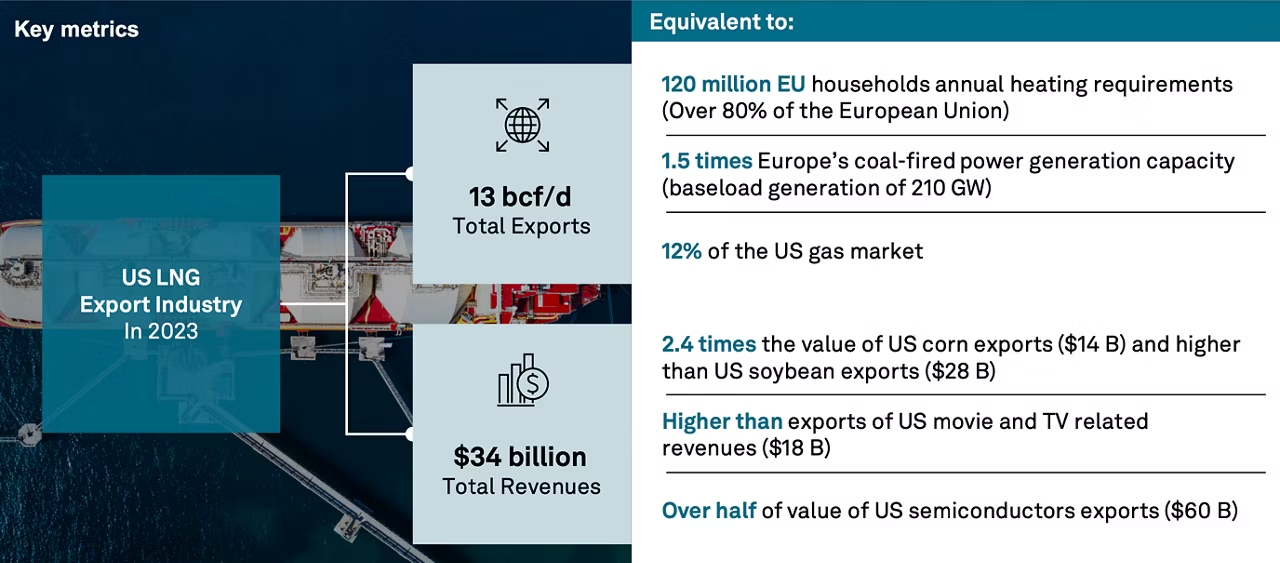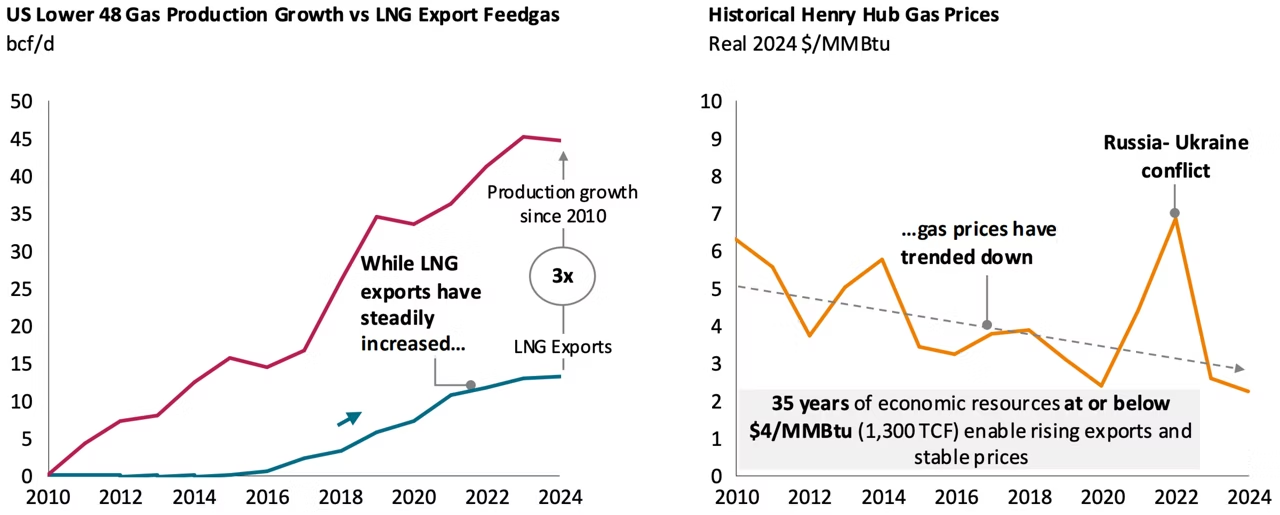
This important S&P Global study is particularly breathtaking for those of us who remember when Gulf of Mexico LNG import facilities were in the advanced planning stages. The shale gas pioneers completely reversed the scenario!
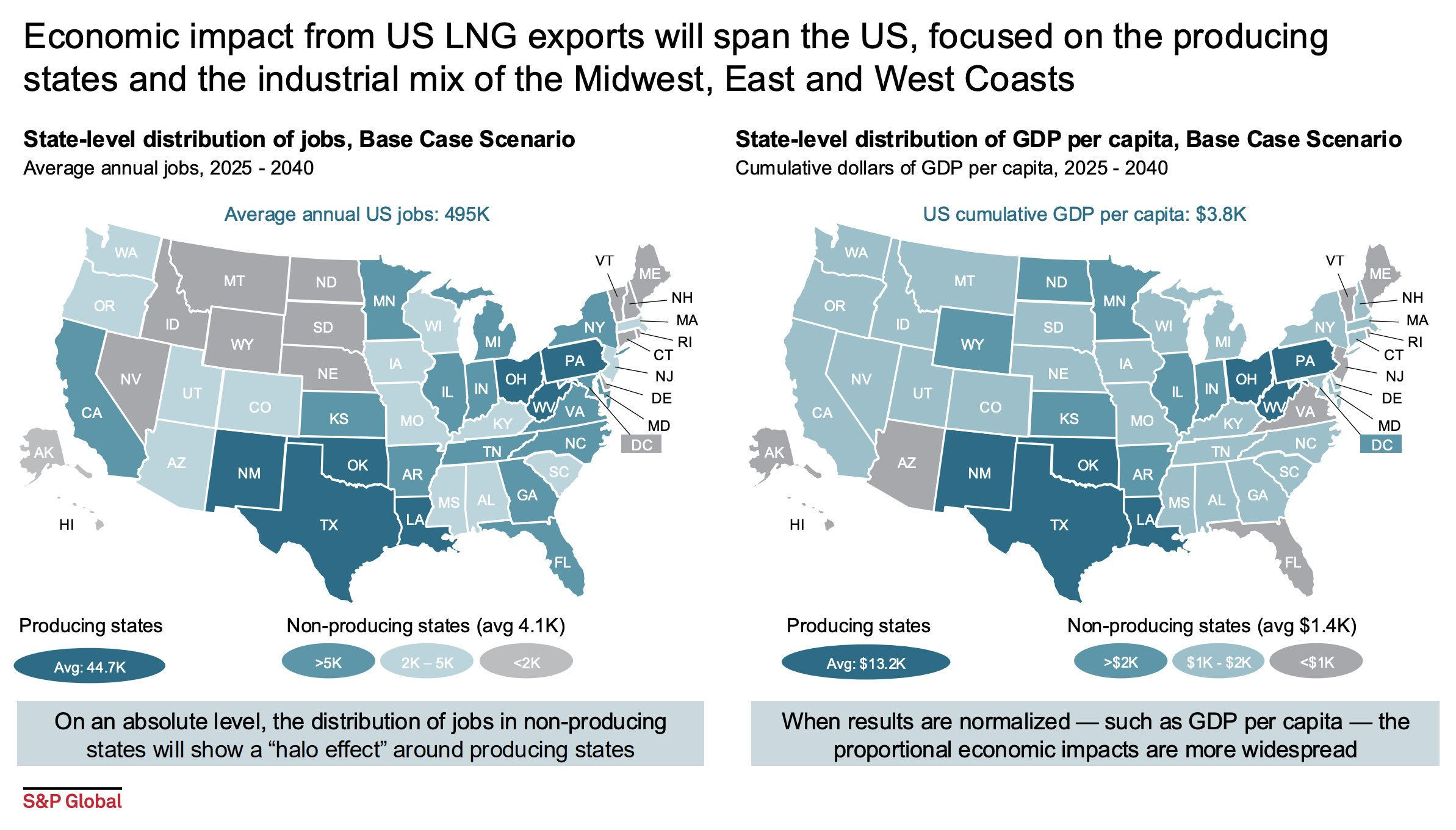
“The LNG industry is critical to serving the world’s energy needs and has rapidly become an integral contributor to the US economy.”
Let’s not repeat the harmful pause in the construction of LNG export facilities. Per S&P Global:
“The impact of an ‘extended halt’ in new US LNG development due to legal and regulatory risks is striking. In this scenario, more than $250 billion in lost contribution to GDP and an average of >100,000 US jobs are at risk. Gas price savings in an ‘extended halt’ are minimal for domestic consumers, with less than 1% gas cost impact per household. Furthermore, 85% of the energy gap from lost US LNG is expected to be filled by fossil fuels from non-US sources.”
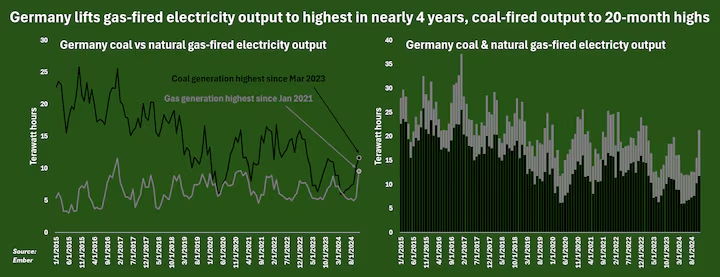
With the collapse of Bundeskanzler Scholz’s governing coalition, elections set for 23 Feb, and the Alternative für Deutschland (AfD) party gaining support, perhaps there is a chance for more rational German energy policy.
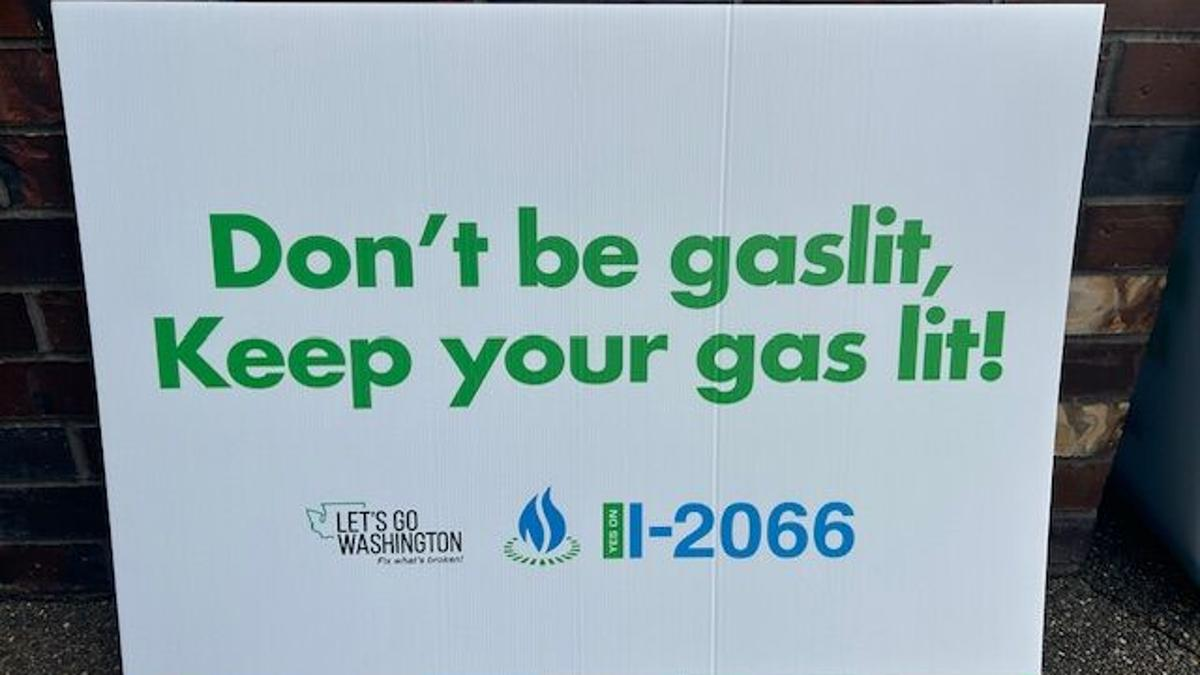
Seattle Times: “Don’t block the will of voters on natural gas”
“Nearly 2 million residents voted to approve Initiative 2066, which aims to protect the use of natural gas as an energy source in state law and within Washington’s building codes. This month, climate advocates, joined by King County and the City of Seattle, filed suit in court to block the will of those voters.“
“While the courts will have final say, Gov. Jay Inslee and Democratic legislative leaders support killing off what they see as a misguided and overly broad initiative. Their view brushes aside the concerns of the majority of state voters. Those leaders fail to see a genuine fear that, during the clean energy transition, the fundamental supply of energy to homes and businesses — the basic ability to stay warm, cook food and bathe — is under threat.”
Kudos to the Seattle Times for their common sense editorial. In addition to noting the economic and social necessity of natural gas, it would have been nice if the editorial board had also acknowledged natural gas’s environmental benefits. However, that would have probably been a bridge too far in Seattle.
The reasons for transitioning to natural gas are arguably clearer and better substantiated than the reasons for transitioning from natural gas.
“NET ZERO – I want to be clear: I am not against advancement in energy technologies. Humanity should always develop and progress.
What I oppose is bankrupting the country by gambling taxpayers’ money on the emperor’s new clothes. Because that’s what these experimental technologies are currently. The misinformation being fed to the public is a disgrace.
Technologies like carbon capture, flywheels, and large-scale battery storage are being sold to us as the future and that we can lead the world! I don’t want to gamble with my tax thanks. The only thing we will lead the world in, is being the first country to bankrupt itself on the alter of Net zero and they haven’t even given us a choice!
These experimental technologies will cost not £ billions but £ TRILLIONS and provide little benefit to the average citizen, they simply benefit global corporations and those with vested interests.
The government should have focused on upgrading the national grid as a first step. At the very least it would enable us to use the renewable energy we are creating currently, rather than paying £ billions in subsidies for providers not to supply.
Instead, we’re rushing headlong into experimental technologies that are still in test phase. We are investing in these theoretical technologies before we can even observe their real world performance, evaluate value for money, or knowing if practically they will even work! And let’s face it, installations of both fly wheels and carbon capture machines have both failed financially or practically worldwide.
The hypocrisy around emissions and claims that these new technologies are “cleaner and greener” is an outrageous lie. Whether deliberate or misguided, this misinformation is unacceptable. The British public deserves open-book transparency on costs, timelines, and actual impacts. If the government cannot provide this, they must step aside and bring in independent teams—free from vested interests—to evaluate and advise. And then the British public should be offered a vote.
The ideological, socialist pipe dream of hitting a fictitious 2030 target will bankrupt the country. Worse, it will make us entirely dependent on banks and foreign entities that will dictate our policies for decades.
And we are doing all of this whilst we have at least 200 years of domestic energy resources in the ground, the ‘emergency’ propaganda is simply untrue. But instead of bringing energy prices down in order to enable growth, which in turn would generate GDP, which in turn frees up domestic funds to invest in research, we’re sacrificing our economic stability and sovereignty for technology that will be outdated before we’ve even finished building it!.. because technology works like that!
Some people are getting very rich, some people are gaining global attention and others are simply fools. It is unacceptable to me.“
The EIA reports an 8% increase in 2023 US associated gas production as crude oil production rose to record levels. The Permian Basin, the dominant US crude oil producer, is unsurprisingly the leading associated gas producer.
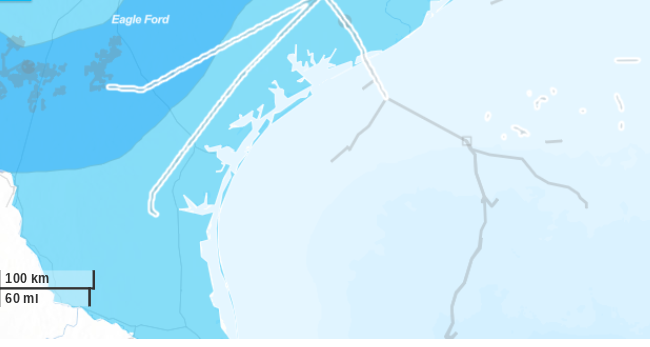
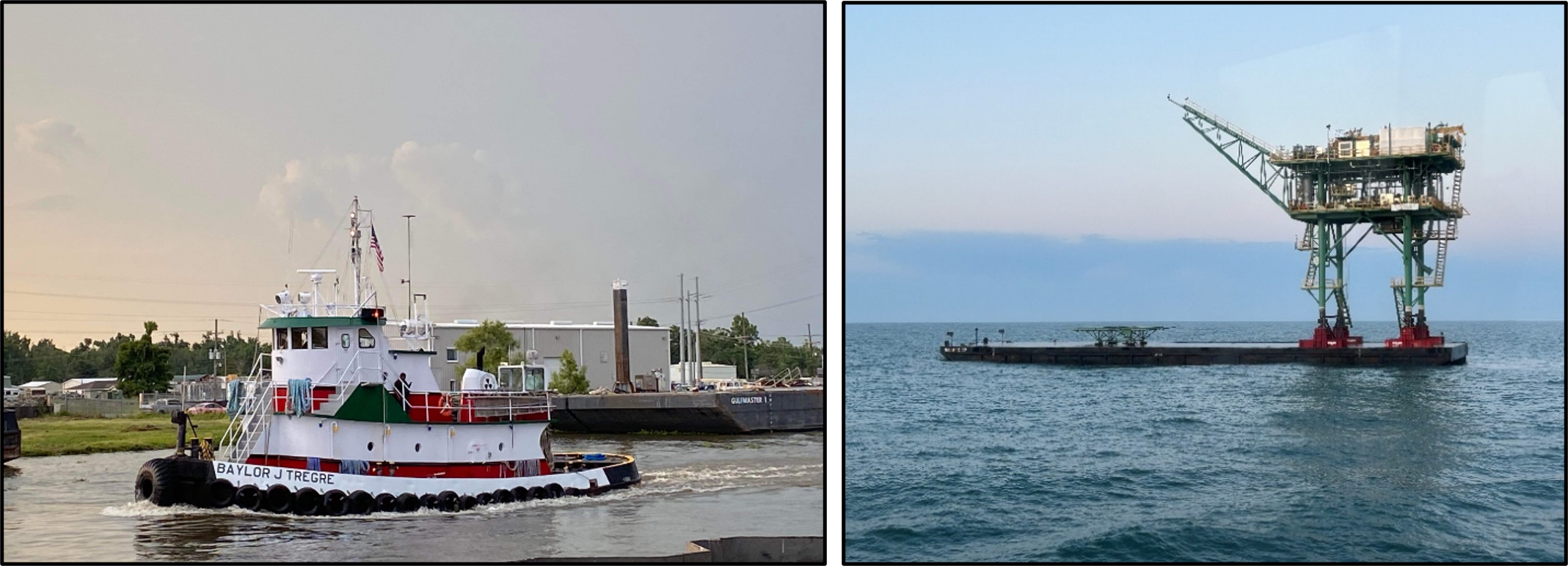
EIA’s analysis inexplicably ignores the Gulf of Mexico OCS. The Gulf produced an average of 1.64 bcf/d of casinghead (associated) gas in 2023, ranking the GoM just behind the Eagle Ford and significantly above the Niobrara and Anadarko regions (see chart above). It’s also noteworthy that most production from the regions on the EIA chart is from private land, and is not constrained by 5 year leasing plans and other restrictive Federal policies.
80% of GoM gas production is from deepwater leases. The % of associated gas produced on deepwater leases is even higher. The 2 leading GoM gas producers, Shell and bp, only operate deepwater leases. The % of their 2023 gas production that was associated gas was 93% for Shell and 100% for bp.
As previously noted, these power generation realities cannot be ignored:
Wind and solar power are intermittent, such that demand must respond to variable supply (not a prescription for economic growth).
Assuming sufficient capacity, gas power plants respond to variable demand.
Power grids can function effectively with only natural gas, but not with only wind/solar.
Integrated wind, solar, and gas systems can reduce, but not eliminate, demand for gas-generated power.
This graphic by Australian Cliff Hall explains the importance of “dispatchable” power. Of course, imported electricity, on which wind-leader Denmark relies heavily, is an alternative to dispatchable power. However, that option is less than optimal from economic growth and energy security standpoints.
July 24 (Reuters) – The amount of electricity produced by wind farms in the U.S. fell to a 33-month low on Monday, forcing power generators to crank up natural-gas fired plants to keep air conditioners humming during a hot summer day.
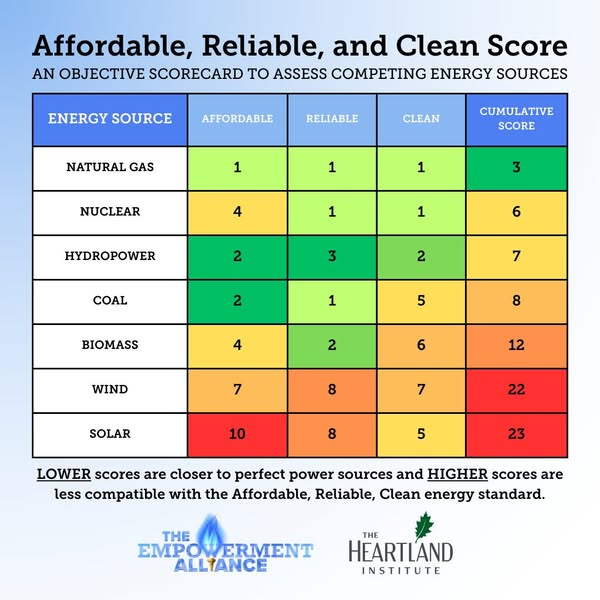
Over the past few years, much of the money energy firms have invested in new generation has gone into renewable power sources like wind and solar. But when the wind stops blowing and the sun does not shine, gas is still needed to keep the lights on.
Funny how that works! Being trendy and highly promoted doesn’t make you reliable!
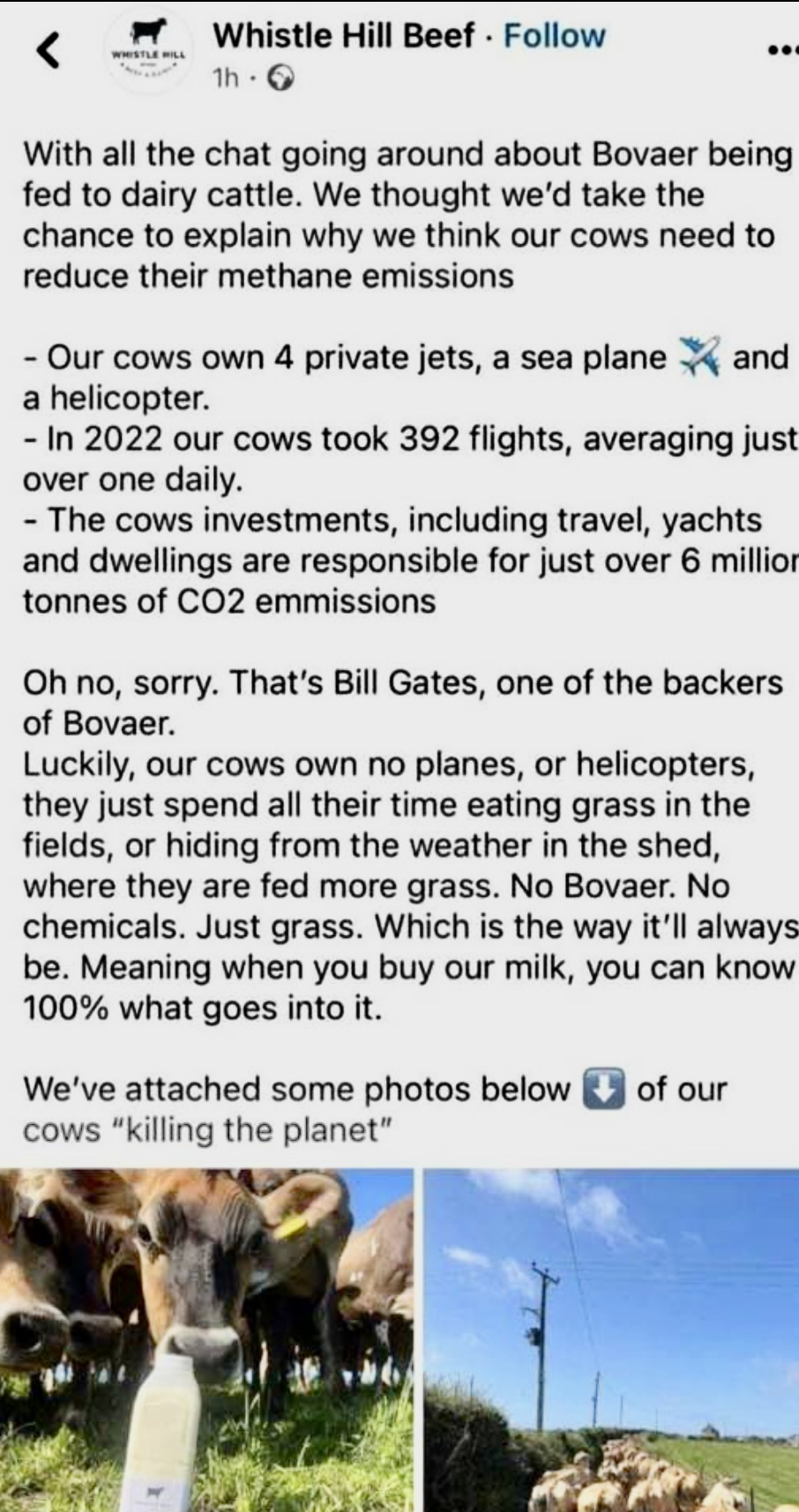
Danish Tax Minister Jeppe Bruus boasts that other countries will be inspired by the world’s first tax on livestock emissions. Are you inspired?
Not at all inspiring was Denmark’s weak-kneed response to the sabotage of the Nord Stream pipelines near the Danish island of Bornholm. After 17 months of investigation, Denmark meekly declined to pursue criminal charges or even to release a report on their findings. How does the “world’s climate leader” simply shrug its shoulders after investigating a massive methane release in their waters?
A recent professional paper concludes that 478,000 tons of methane were released to the atmosphere as a result of the Nord Stream sabotage, making this “the world’s largest natural gas leak.” The Nord Stream sabotage thus released 3.6 times the amount of methane (133,000 tons) contributed by Danish livestock in an entire year. The total amount of methane released by the Nord Stream pipelines is also 2.5 times the entire amount attributed by EPA to all Gulf of Mexico producers in 2020.
On July 1, U.S. Federal Judge James Cain Jr. (Western District of Louisiana) issued a preliminary injunction suspending DOE’s LNG exports “pause.” The judge’s full ruling is attached.
Judge Cain: “It appears that the DOE’s decision to halt the permit approval process for entities to export LNG to non-FTA countries is completely without reason or logic and is perhaps the epiphany of ideocracy.”
Nothing subtle about that comment 😉
Despite the court order, the Administration seems intent on keeping the “pause” in place. Per White House spokesperson Angelo Fernández Hernández, “We remain committed to informing our decisions with the best available economic and environmental analysis, underpinned by sound science.” ????
Nearly 80% of current OCS gas production is from deepwater leases. This production is primarily associated (oil-well) gas that operators are rightfully required to market for resource conservation and environmental reasons. Expanding LNG marketing opportunities could thus improve the economics of deepwater development.
The other 20% of OCS gas production is largely from gas-well (non-associated) gas produced by independent companies that continue to operate in the shallower waters on the shelf. LNG sales could improve the challenging economics for these producers and increase the ultimate recovery of shelf resources.