No tropical storm production shut-ins in 2023 YTD.
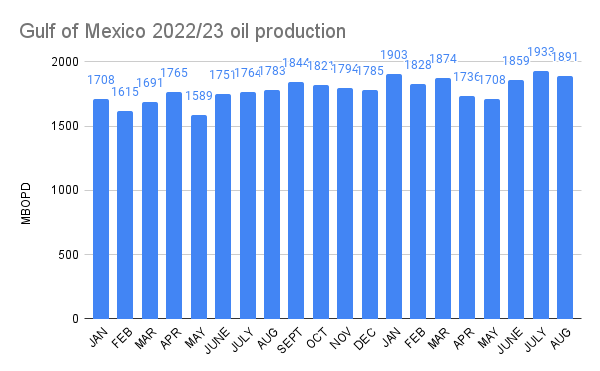
Posted in Gulf of Mexico, Offshore Energy - General, tagged 2023, EIA, Gulf of Mexico, oil production on November 1, 2023| Leave a Comment »
Posted in accidents, Gulf of Mexico, IRF, Offshore Energy - General, tagged 2022 fatalities, 4 fatalities, helicopter crash, IRF performance data, US data on October 31, 2023| Leave a Comment »
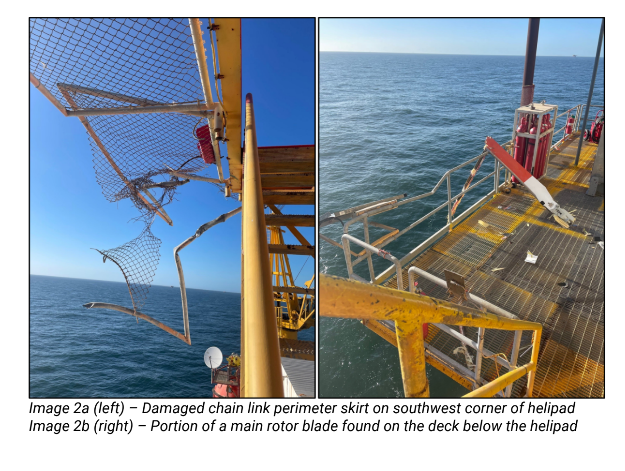
International Regulators’ Forum Country Performance data for 2021 and 2022 have now been posted. Unfortunately, the US fatalities data for 2022 are incorrect. Four workers died as a result of a helicopter crash at the West Delta 106 A platform on 12/29/2022. However, the IRF summary table indicates only one fatality for the year.
Per the IRF guidelines, “Helicopter operations at or near an Offshore Installation” are supposed to be counted. The fatal 12/29/2022 incident clearly happened at the platform’s helideck (photos below).
Posted in energy policy, Gulf of Mexico, Offshore Energy - General, Regulation, tagged 5th Circuit, Gulf of Mexico, Lease Sale 261, Rice's whale on October 27, 2023| Leave a Comment »
I take it that since the 5th Circuit stayed both the 9/21 and 9/25 orders, the mandate to hold the sale by 11/8 is also stayed. Ergo, it is assumed that the sale will be delayed pending a decision on the merits of the injunction. Oral arguments are scheduled for 11/13.
If the 5th Circuit’s decision facilitates timely resolution of the Rice’s whale deletions and stipulations, delaying the sale is probably the best outcome. Otherwise, the level of uncertainty would be unacceptable for many bidders.
Posted in energy policy, Gulf of Mexico, Offshore Energy - General, Regulation, tagged 5th Circuit, appeal, DOI, injunction stayed, Lease Sale 261, Rice's whale on October 27, 2023| Leave a Comment »
Not a lawyer, but I take this to mean that the Judge’s injunction has been suspended and DOI may delete acreage and include the Rice’s whale stipulations in Sale 261 leases. The sale will be held on Nov. 8.
ORDER:
IT IS ORDERED that the preliminary injunction entered by the Memorandum Order of September 21, 2023, as amended by the motions panel’s order of September 25, 2023, is STAYED pending the merits panel’s decision on appeal.
LYLE W. CAYCE, CLERK
United States Court of Appeals
Posted in Gulf of Mexico, Guyana, Offshore Energy - General, Uncategorized, tagged Chevron, deepwater development, Gulf of Mexico, Guyana, Hess, merger, Stampede on October 23, 2023| Leave a Comment »

Posted in accidents, energy policy, Gulf of Mexico, Offshore Energy - General, Uncategorized, tagged Deepwater Horizon, macondo, Senate Energy Committee, Senator Menendez on October 18, 2023| Leave a Comment »
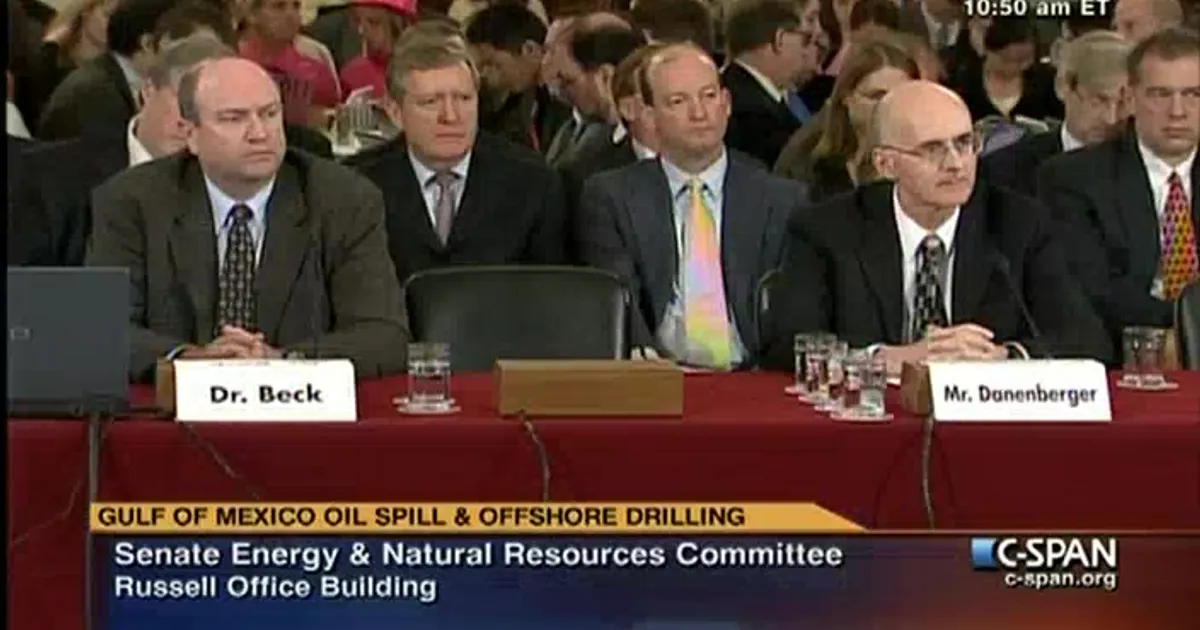
I was on the first panel to appear before a Senate committee during the Macondo blowout. All of the senators were respectful and professional with two exceptions, one of whom was Bob Menendez. Perhaps Senator Menendez’s penchant for political grandstanding was an indication of more significant character flaws.
Robert Menendez Allegedly Agreed to Use His Official Position to Benefit Wael Hana, Jose Uribe, Fred Daibes, and the Government of Egypt in Exchange for Hundreds of Thousands of Dollars of Bribes to Menendez and His Wife Nadine Menendez, Which Included Gold Bars, Cash, and a Luxury Convertible
Dept. of Justice
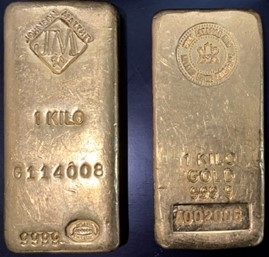
Last week, Sen. Menendez was cited for additional charges accusing him of accepting bribes from a foreign government and conspiring to act as a foreign agent.
Posted in Gulf of Mexico, Offshore Energy - General, tagged civil penalties, compliance, deepwater discovery, Equinor, Gulf of Mexico, Kosmos Energy, Oxy, Tiberius on October 16, 2023| Leave a Comment »
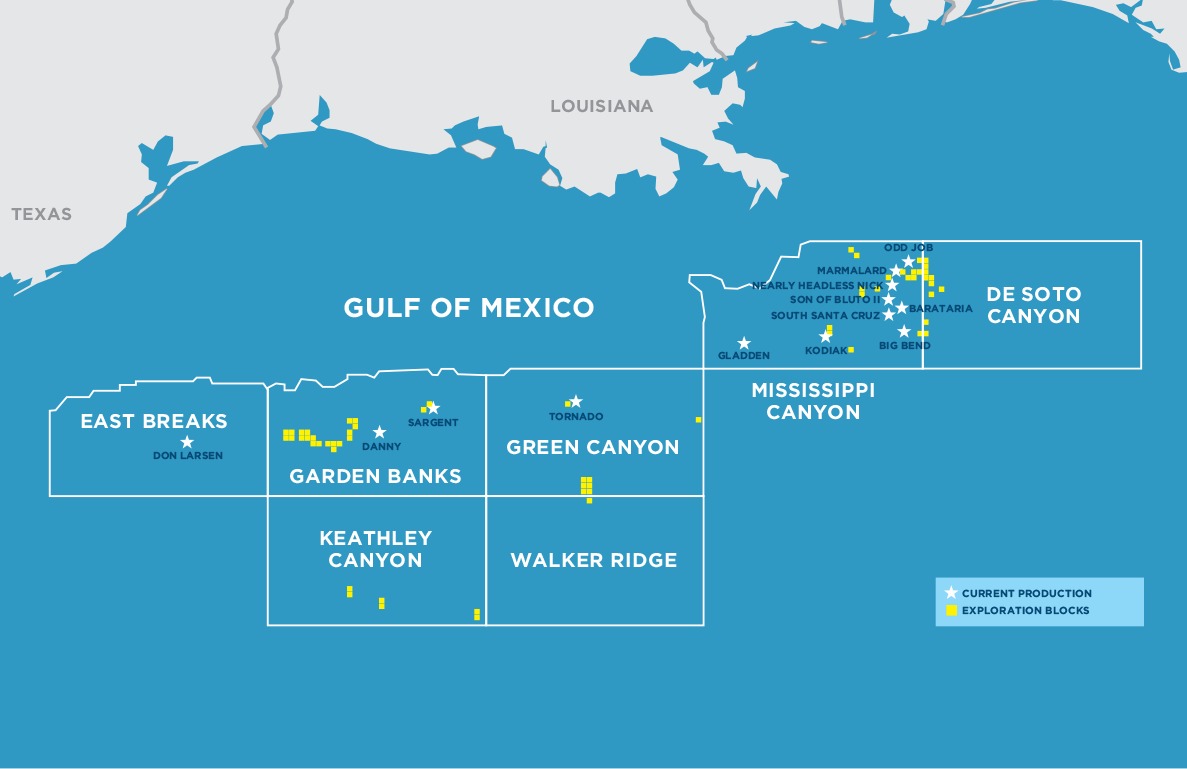
Kosmos Energy announces deepwater GoM discovery. Oxy and Equinor are partners in this venture.
The Tiberius exploration well tested a four-way structural trap in the outboard Wilcox trend, located in Keathley Canyon Block 964. The well encountered approximately 250 feet (~75 meters) of net oil pay in the primary Wilcox target. Wireline logging has been completed and casing is currently being run to the target depth to enable the well to be used as a future oil producer. The Tiberius well is located in approximately 7,500 feet (2,300 meters) of water and was drilled to a total vertical depth of approximately 25,800 feet (7,800 meters).
BSEE data indicate that Kosmos has an excellent compliance record, having been cited for only 3 violations during 44 facility inspections (83 inspection types) since 1/1/2018.
Per the latest available BSEE summaries, Kosmos did not pay any civil penalties from 2019 through 2022.
One quibble: the Kosmos news release does not name the drilling unit or drilling contractor. The rig crew is the group most responsible for safely drilling the well.
Posted in energy policy, Gulf of Mexico, Offshore Energy - General, tagged 5th Circuit, House Committee on Small Business, Lease Sale 261, Rice's whale, Roger Williams on October 14, 2023| Leave a Comment »
The letter is attached.
Item 5 (ouch!):
- Is it accurate to describe BOEM’s agreement with the Sierra Club as a “sue and settle” arrangement?
a. If so, does BOEM intend to continue making decisions through “sue and settle” tactics?
b. How can the Committee attain confidence that the BOEM is considering the interest of small businesses in its decision-making when its decisions are made behind closed doors with special interest groups?
Last week, the 5th Circuit heard arguments on the appeal by Earthjustice et al of Judge Cain’s decision to remove the Rice’s whale restrictions from Sale 261 leases. The sale is to be held on Nov. 8 per the 5th Circuit’s order.
Posted in climate, energy, Gulf of Mexico, Offshore Energy - General, tagged carbon intensity, carbon sequestration, Exxon, Gulf of Mexico, hypocrisy, Permian, Pioneer on October 12, 2023| 2 Comments »
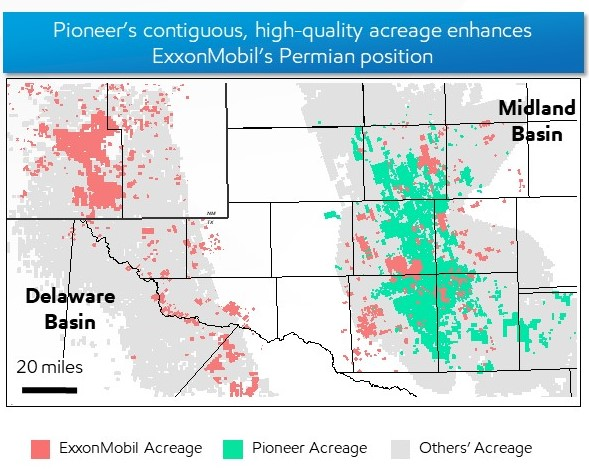
Impressive acquisition:
Hypocrisy?
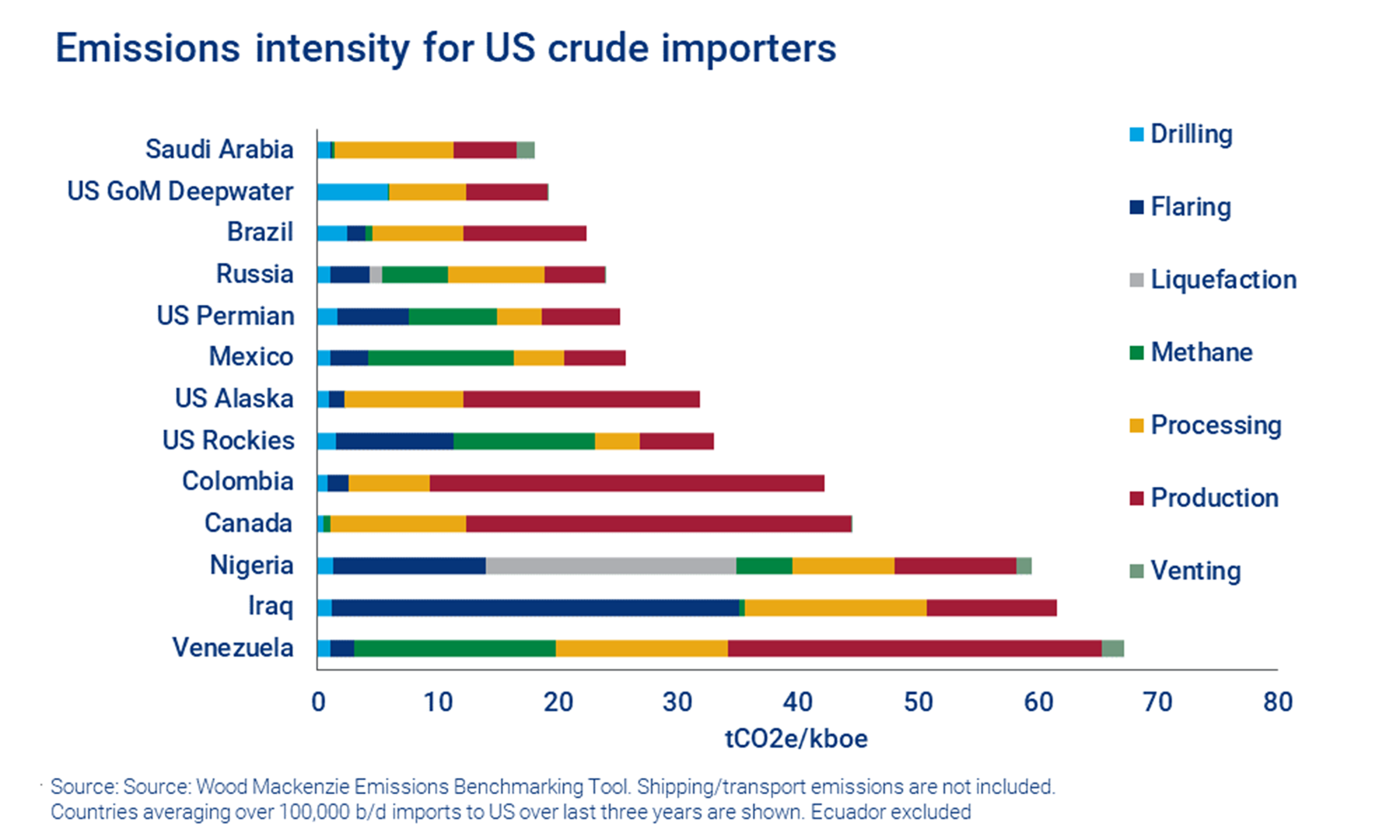
Posted in Alaska, climate, energy policy, Florida, Gulf of Mexico, Offshore Energy - General, tagged CCS, OCS Leasing Program, SPR depletion on October 11, 2023| 1 Comment »
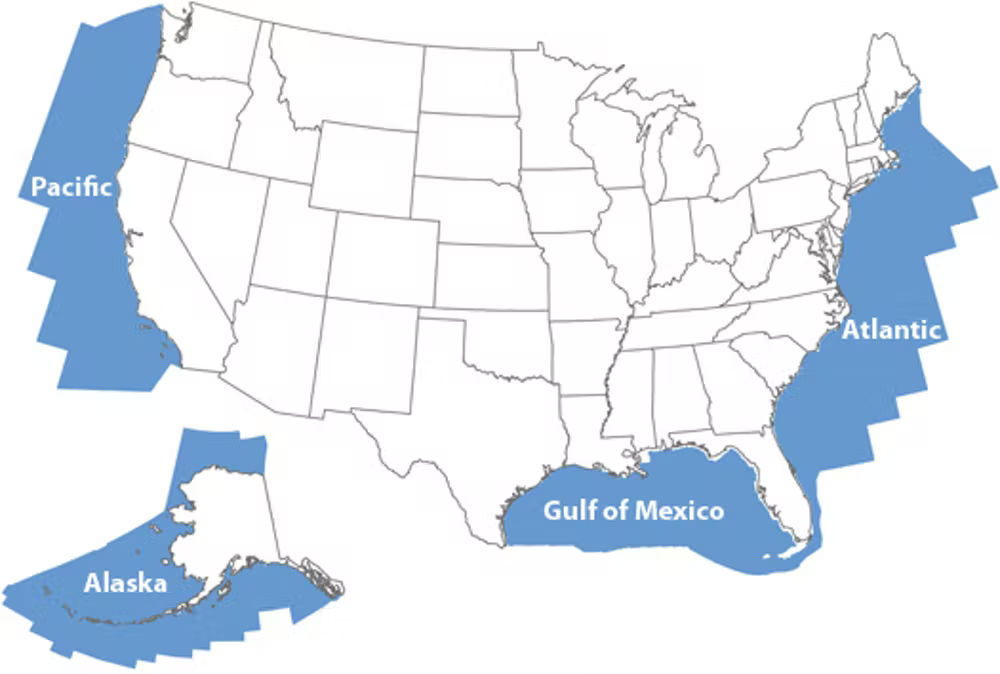
 Bud's Offshore Energy (BOE)