To the extent that these numbers are honored and adhered to, attached is the OPEC+ production table (1000’s of BOPD). Note that Russia and Saudi Arabia have identical quotas – 11,004,000 BOPD.
Posted in energy policy, Uncategorized, tagged Oct 2022 production quotas, OPEC+ on September 5, 2022| Leave a Comment »
To the extent that these numbers are honored and adhered to, attached is the OPEC+ production table (1000’s of BOPD). Note that Russia and Saudi Arabia have identical quotas – 11,004,000 BOPD.
Posted in climate, energy policy, Gulf of Mexico, Offshore Energy - General, tagged 5 year leasing plan, BOEM forecast, EIA, Gulf of Mexico production on September 1, 2022| Leave a Comment »
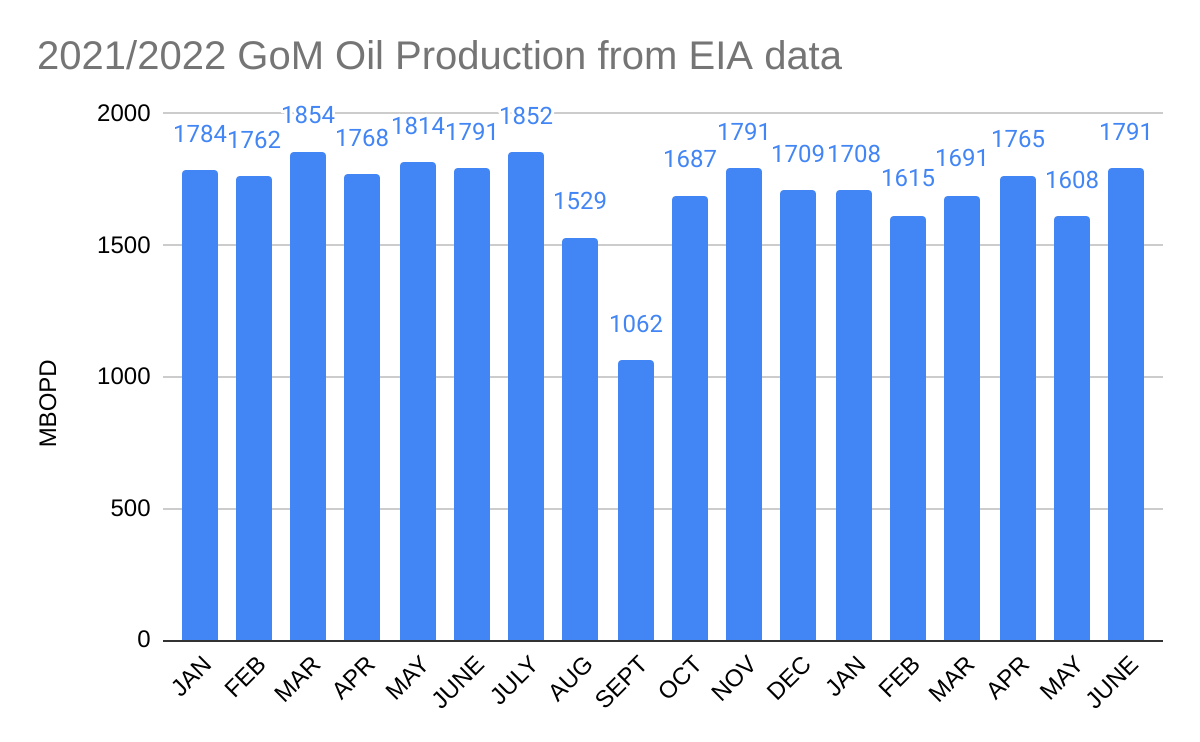
GoM oil production for June increased (see chart below) with King’s Quay and Spruance contributing to the uptick. Other anticipated 2022 startups are not yet producing.
The EIA production forecast for 2022 is proving to be pretty accurate. Kudos to them. However, BOEM’s 2022 forecast of 1.9 million bopd is not achievable and concerns about the intermediate and longer term persist. Unfortunately, BOEM’s highly optimistic forecast for 2022 and beyond, along with unrealistic expectations regarding the energy transition, have significant policy implications. This stunning quote from the 5 year leasing plan explains why so few lease sales were proposed:
“BOEM’s short-term (20-year) production forecast for existing leases shows steady growth from 2022 through 2024 and declining thereafter (see Section 5.2.1). The long-term nature of OCS oil and gas development, such that production on a lease can continue for decades makes consideration of future climate pathways relevant to the Secretary’s determinations with respect to how the OCS leasing program best meets the Nation’s energy needs.“
5 Year Leasing Program, p.3
Posted in energy policy, UK, tagged OEUK, offshore licenses on August 31, 2022| Leave a Comment »
It’s disappointing that this statement was even necessary. Under the circumstances, the need for new UK offshore licenses would seem to be obvious and undeniable.
“The European energy sector right now is cracking at the seams. Without the contribution of UK oil and gas resources, that crack would be a gaping hole.”
Mike Tholen, OEUK
Posted in CCS, climate, energy policy, Gulf of Mexico, Offshore Energy - General, tagged CCS, fair market value, Inflation Reduction Act, Lease Sale 257 on August 31, 2022| Leave a Comment »
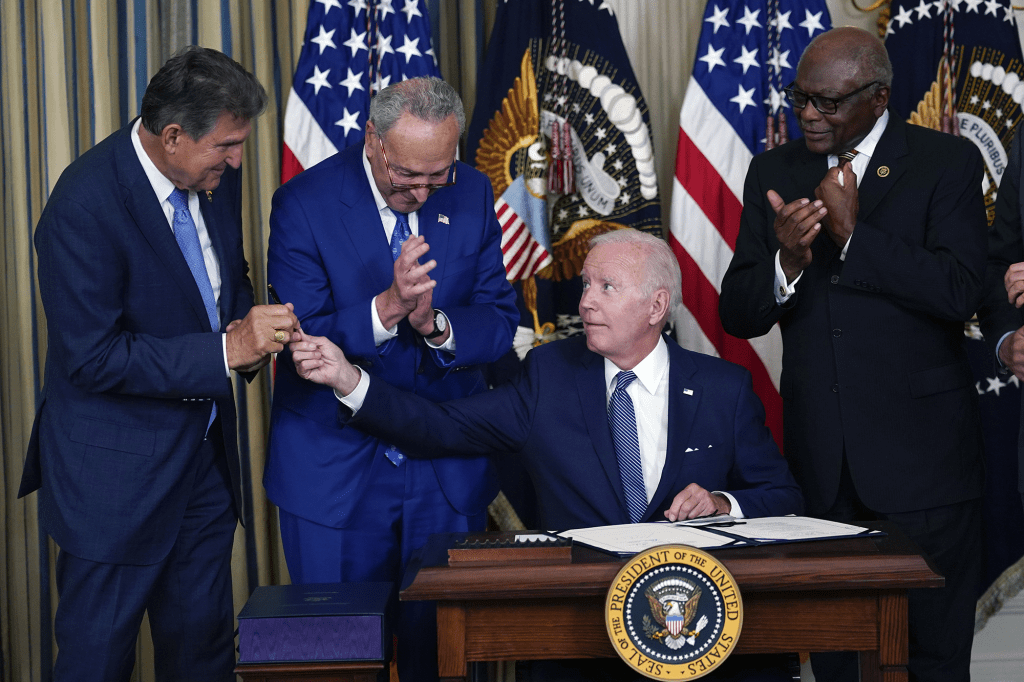
Per legislation signed by the President on Aug. 16, 2022:
(b) LEASE SALE 257 REINSTATEMENT.—
(1) ACCEPTANCE OF BIDS.—Not later 30 days after the date of enactment of this Act, the Secretary shall, without modification or delay—
(A) accept the highest valid bid for each tract or bidding unit of Lease Sale 257 for which a valid bid was received on November 17, 2021; and
(B) provide the appropriate lease form to the winning bidder to execute and return.
The Department of the Interior has been silent on their implementation of this provision. We are particularly interested in:
Posted in energy policy, tagged depletion, dubious milestones, energy security, SPR, Strategic Petroleum Reserve on August 26, 2022| Leave a Comment »
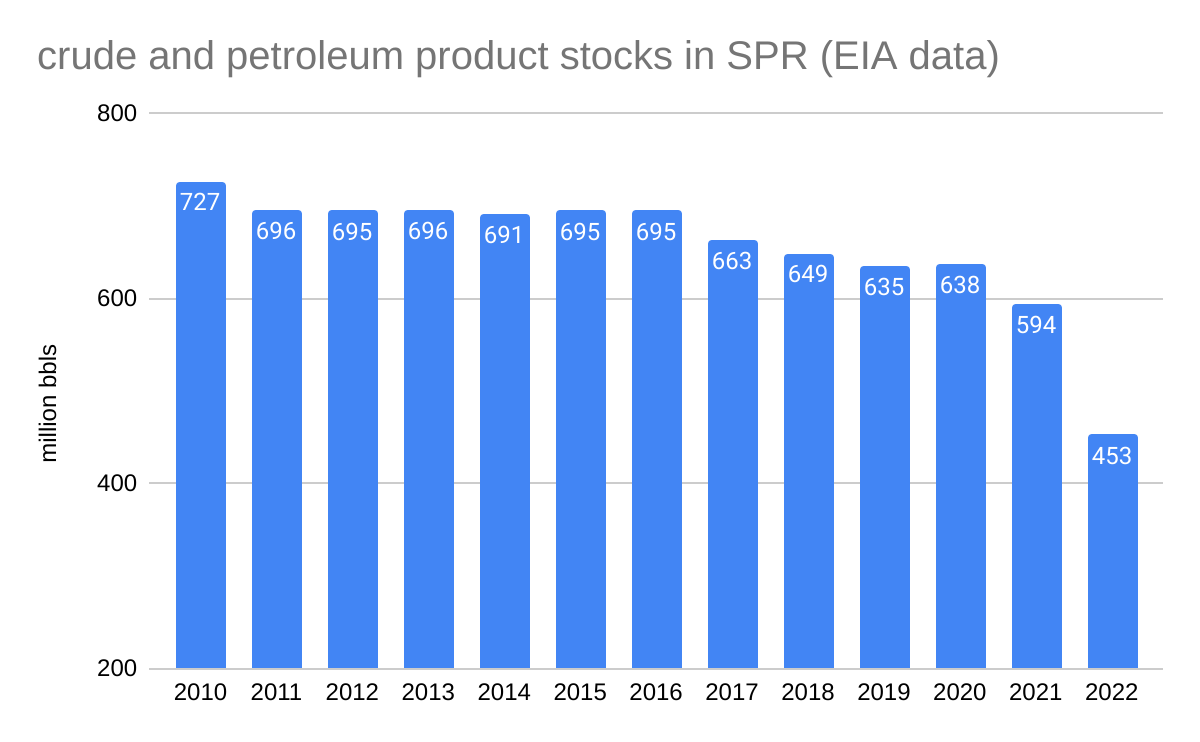
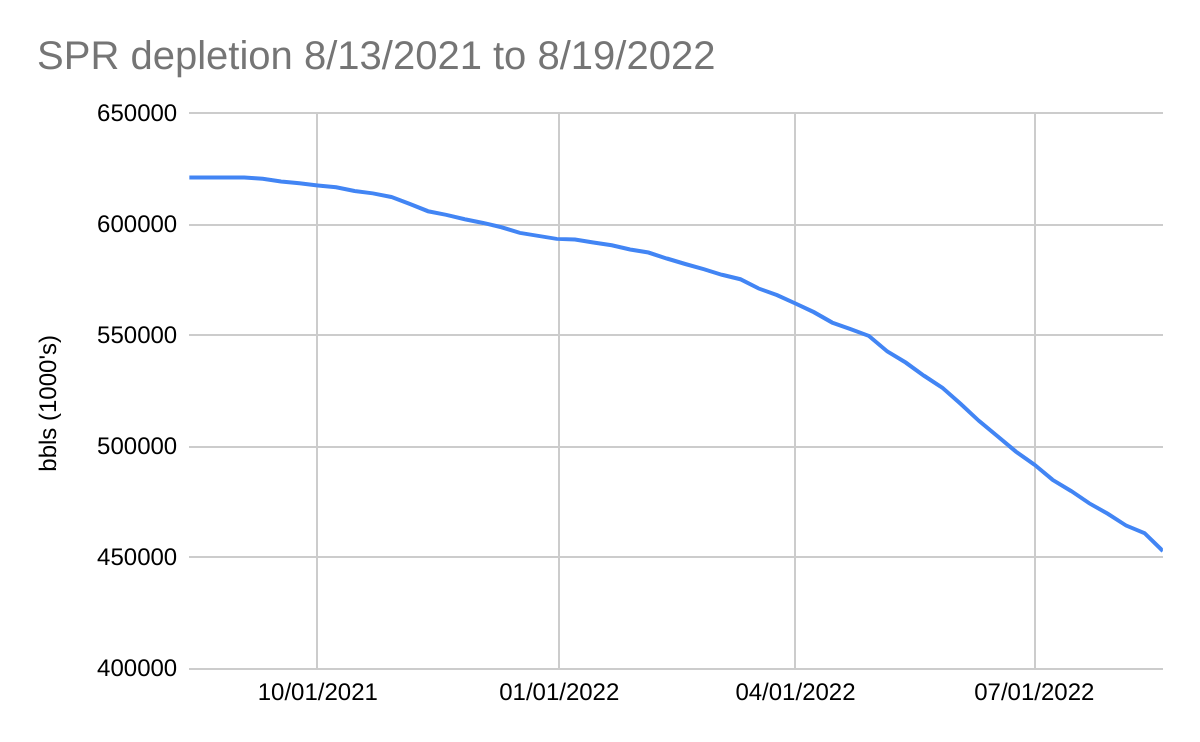
The SPR withdrawals are scheduled to end just prior to the mid-term elections. What happens if oil markets tighten further, perhaps with OPEC assistance?
Remember that the SPR was intended to diminish the vulnerability of the United States to the effects of a severe energy supply interruption!
Updated SPR “milestones”
Posted in conferences, energy policy, Norway, tagged Elon Musk, energy security, ONS 2022, Zelenskyy on August 23, 2022| Leave a Comment »

Energy security will be a featured topic at the conference. Note the lineup for the Zelenskyy session:
President Zelenskyy will be introduced by the Norwegian Prime Minister Jonas Gahr Støre, and will be followed on stage by Elon Musk, Ben Van Beurden (CEO, Shell), Patrick Pouyanné (CEO, TotalEnergies) and Anders Opedal (CEO, Equinor) among others.
ONS 2022
Posted in climate, energy policy, tagged China, coal on August 23, 2022| Leave a Comment »
China also has boosted annual coal production by 490 million tonnes since last year, enough to meet demand from Germany and Russia combined, the coal mine safety bureau said this month, describing coal as “still our country’s most important source of power”.
The country has continued to develop new coal-fired plants, with construction on the second phase of the Zheneng Liuheng coal-fired power station in eastern China’s Zhejiang province beginning at the start of this month. New coal-fired power construction was at its highest since 2016 last year.
Reuters
Posted in energy policy, natural gas, Offshore Energy - General, pipelines, tagged Cyprus, EastMed pipeline, Eni, Israel on August 23, 2022| Leave a Comment »
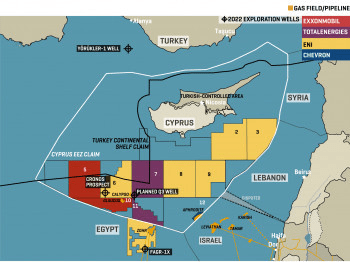
Eni announces another deepwater gas discovery:
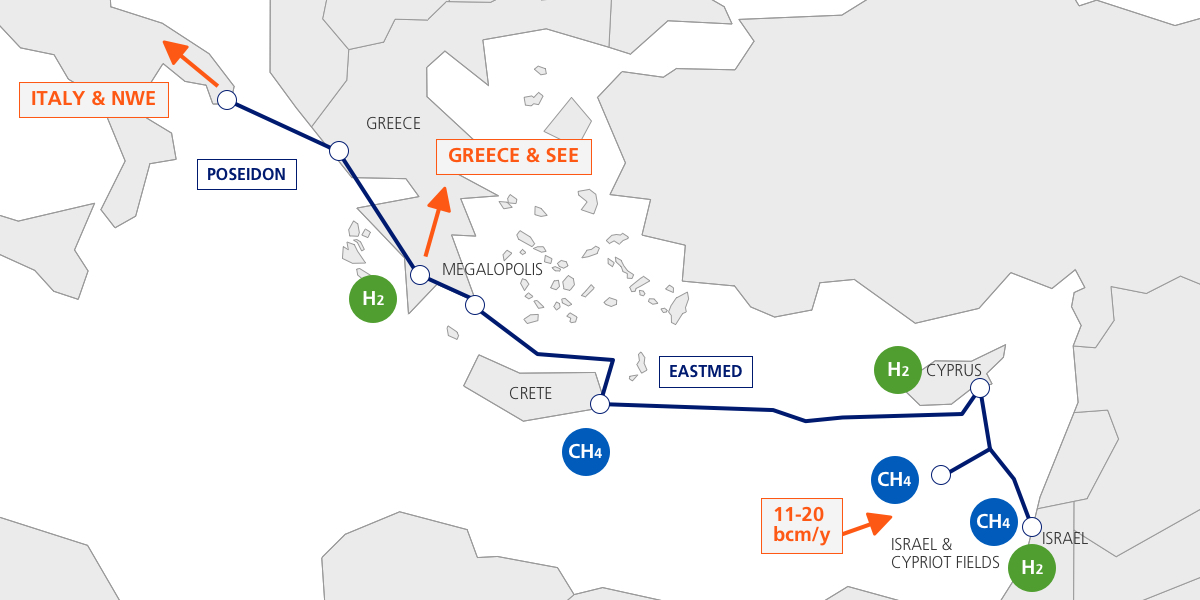
The challenge is getting the 100+ trillion cubic feet of gas to European markets. The East Med Poseidon Gas Pipeline (map below) makes the most sense, but the current US administration inexplicably opposes this project. Other options include LNG via Egypt, a pipeline to Turkey, and a floating LNG facility.
Posted in CCS, energy policy, Gulf of Mexico, Offshore Energy - General, tagged BOEM, CCS, DOI, Inflation Reduction Act, Lease Sale 257 on August 22, 2022| 1 Comment »

Contrary to some media reports and industry comments, the Inflation Reduction Act does NOT require the Department of the Interior (DOI) to award leases to the high bidder on each Sale 257 tract. The legislation requires DOI to accept the highest valid bid for each tract.
As BOE has previously explained, the 94 carbon sequestration bids were clearly not valid, and leases should not be awarded. These bids accounted for 30.5% of the entire sale in terms of the number of tracts receiving bids. (More on the CCS bids.)
There is also the matter of fair market value. Only 9 of the 214 (non-CCS) tracts received more than one bid and none received more than 2 bids. DOI/BOEM may determine that some of the bids did not pass the fair market value test. Are such bids “valid” under the terms of the IRA legislation? Note that 7 of the 93 high bids submitted at the previous sale (Lease Sale 256, November 2020) were rejected on fair market value grounds. All 7 were single bid tracts.
Lastly, there is the unresolved matter of the decision by Judge Contreras to vacate Sale 257. While the legislation seems to clearly supersede that decision, who knows what might happen next on the litigation front.
Posted in climate, energy policy, Gulf of Mexico, Offshore Energy - General, tagged flaring, Inflation Reduction Act, Lease Sale 257, offshore oil, Offshore Wind on August 15, 2022| Leave a Comment »
 Bud's Offshore Energy (BOE)