Feeds:
Posts
Comments

Archive for the ‘energy policy’ Category

EIA

Yet the proposed 5 Year OCS leasing program (p. 3) tells us that long term offshore production is not needed because the IEA’s “roadmap to net-zero emissions by 2050 for the global energy sector would require no new investment in fossil fuel supply projects (IEA 2021).”

Does the IEA dictate US energy policy? Dan Yergin has a far better grasp on the realities of energy consumption and transitions.

Oil, discovered in 1859, did not surpass coal as the world’s primary energy source until the 1960s, yet today the world uses almost three times as much coal as it did in the ’60s.

Read Full Post »

Read Full Post »

WASHINGTON (May 19, 2022) — During testimony before the U.S Senate Committee on Energy and Natural Resources today, Secretary of the Interior Deb Haaland confirmed that, despite delays in implementation from the previous Administration, the Interior Department will release the Proposed Program – the next step in the five-year offshore energy planning process – by June 30, 2022, which is the expiration of the current program. A Proposed Program is not a decision to issue specific leases or to authorize any drilling or development.

DOI

Read Full Post »

When Congress seems slow to solve problems, it may be only natural that those in the Executive Branch might seek to take matters into their own hands. But the Constitution does not authorize agencies to use pen-and-phone regulations as substitutes for laws passed by the people’s representatives.

Justice Gorsuch in concurrence

Capping carbon dioxide emissions at a level that will force a nationwide transition away from the use of coal to generate electricity may be a sensible “solution to the crisis of the day.” New York v. United States, 505 U. S. 144, 187 (1992). But it is not plausible that Congress gave EPA the authority to adopt on its own such a regulatory scheme in Section 111(d). A decision of such magnitude and consequence rests with Congress itself, or an agency acting pursuant to a clear delegation from that representative body.

Justice Roberts for the majority

At first glance, the SCOTUS decision would seem to affect the regulation of GHG emissions on the OCS and possibly the Lease Sale 257 decision (now being appeal), which was based on BOEM’s failure to estimate the effect of reduced OCS production on GHG emissions outside the US.

Read Full Post »

Leasing shutdowns have consequences. See the IER article, and the post below regarding the importance of new production, which is dependent on consistent leasing and exploration programs. Will the proposed leasing plan be issued today as promised?

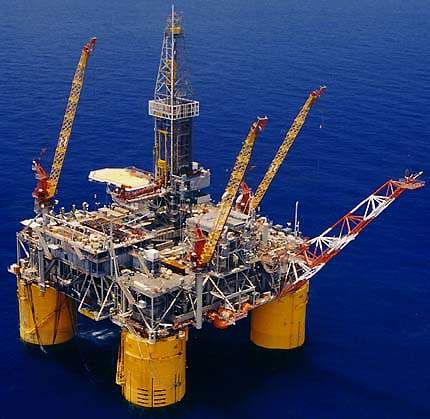
According to EIA, declining production from existing Gulf of Mexico fields will largely offset the increases in oil production from the new fields, with natural gas production in the Gulf of Mexico continuing its three-year decline. During 2021, 15 percent of U.S. oil production and 2 percent of U.S. natural gas production was produced in the Gulf of Mexico.”

IER

Read Full Post »

“The two-well subsea development is producing, in combination, approximately 16,000 barrels of oil per day and 13 million cubic feet of gas per day via a 14-mile subsea tieback to the EnVen-operated Lobster platform in EW 873. First production was achieved less than three years after the initial exploratory discovery well was drilled.” 

LLOG

The project owners (below) are all independent producers and private equity firms. Houston Energy, LLOG, Red Willow, EnVen, and Beacon were also among the high bidders in Lease Sale 257, which was vacated by a questionable court decision that the Federal government chose not to appeal.

The companies responsible for these important projects (see “simpler, safer, greener”) that have or will soon initiate production were also active bidders at Lease Sale 257. The absence of leasing has thus seriously handicapped the companies most responsible for the production surge to over 2 million BOPD in 2019 and for sustaining the current Gulf production rate of 1.7 million BOPD.

Read Full Post »

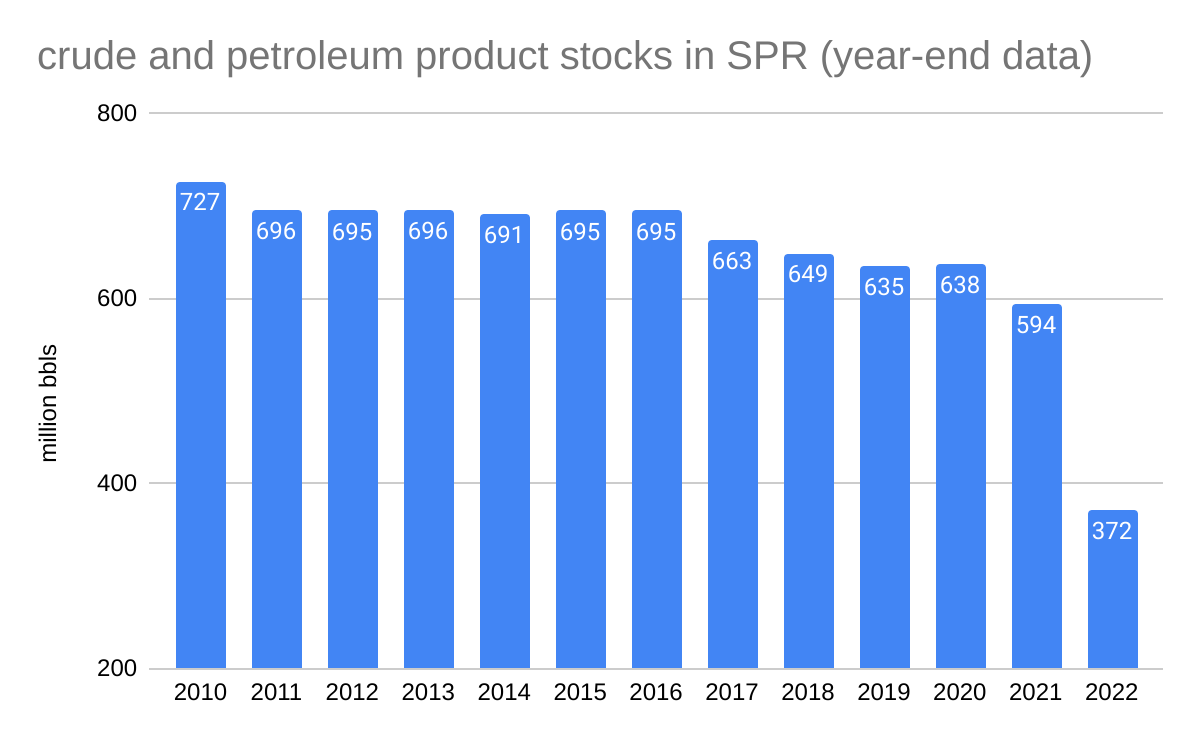
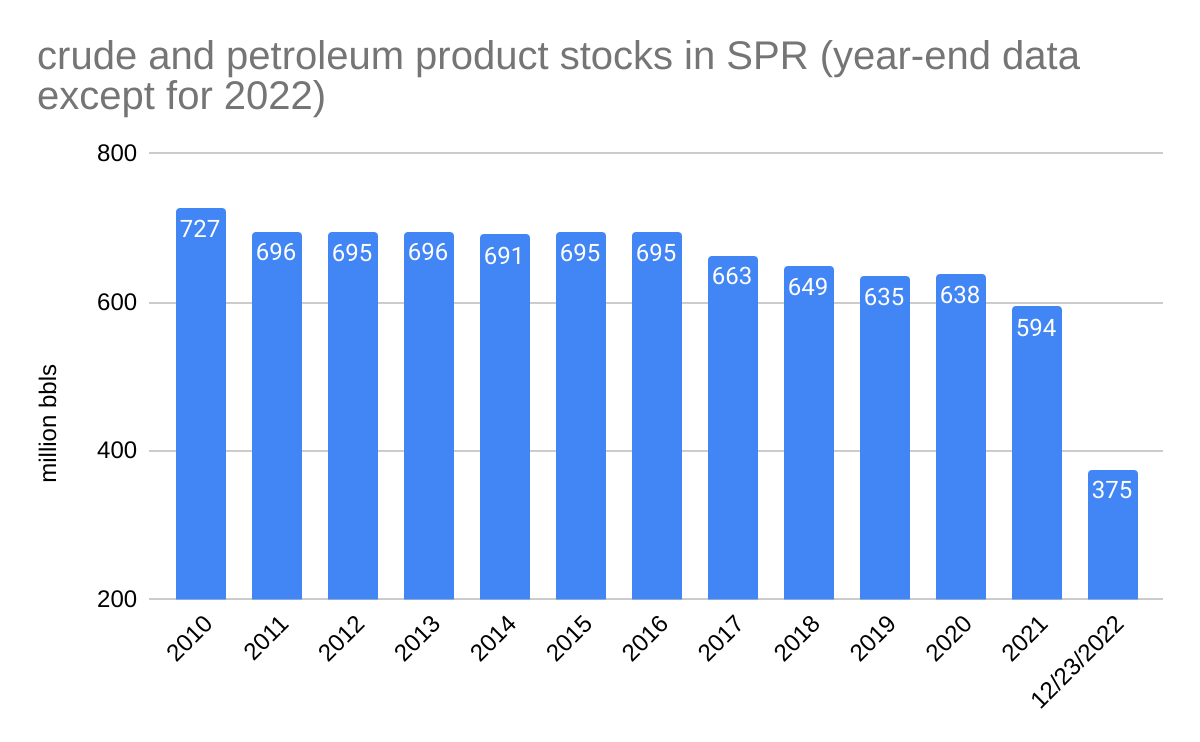
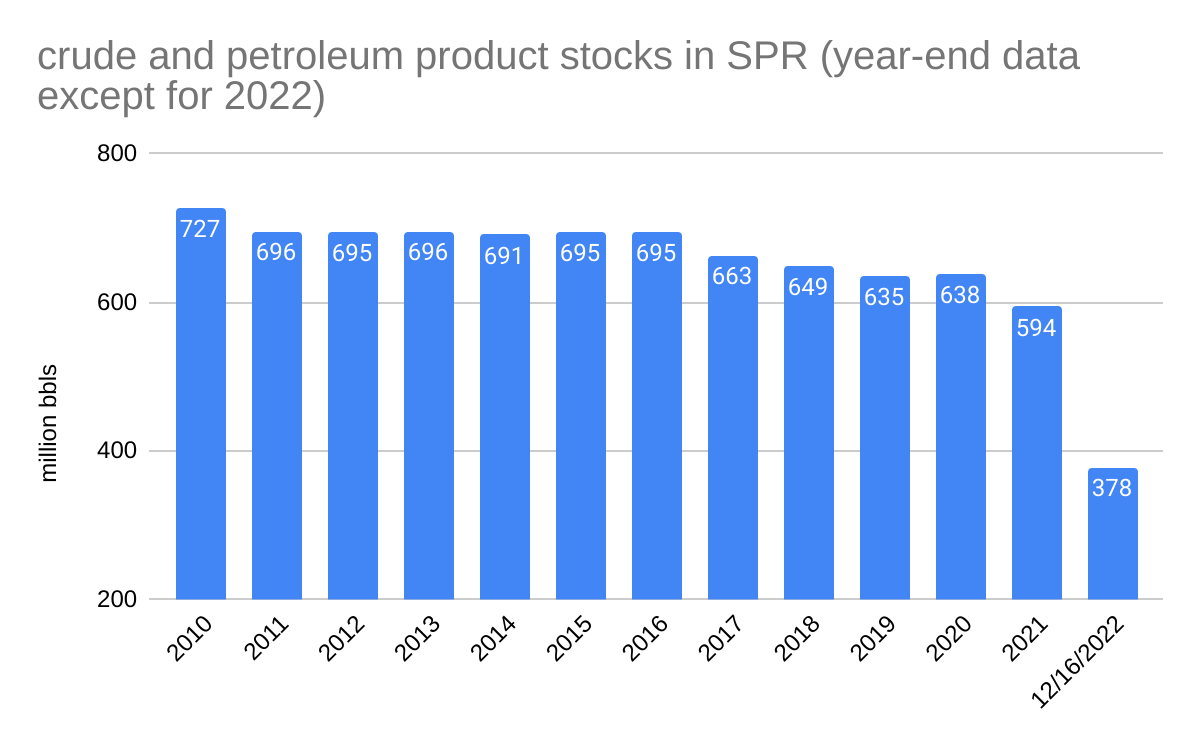
DOE update as of 6/24/2022

Read Full Post »

Per their court filing, Montana, Alabama, Alaska, Arizona, Arkansas, Georgia, Kentucky, Mississippi, Missouri, Nebraska, Oklahoma, Texas, Utah, and West Virginia seek to protect oil and gas production in the Gulf of Mexico and throughout the United States. The States’ brief is rather political, which is not surprising given their support for offshore leasing and the apparent alignment of the Federal defendants and the plaintiffs in support of the decision by Judge Contreras to vacate the sale.

As was expected at the time of the ruling, the court decision on Sale 257 shut down offshore leasing for the remainder of the 2017-22 Five Year Plan. Secretary of the Interior Haaland has promised that a new proposed leasing plan will be released by 6/30/2022, but that is just the start of the lengthy planning process.

Interesting NEPA data from the States’ brief:

  • In 2018 CEQ found that, across the federal government, the average EIS completion time and issuance of a Record of Decision was over 4.5 years and the median was 3.6 years.
  • On average, Interior takes five years and the Department of Transportation 6.5 years to complete an EIS—and that’s not including the usual years of resulting litigation.
  • CEQ found that “across all Federal agencies, draft EISs averaged 586 pages in total, with a median document length of 403 pages.” As a result, “[t]he entire original purpose of doing NEPA analysis has been lost along the way to creating mountains of data and information in the hopes of successfully defending against inevitable litigation.”

Many thanks to the Texas AG for making the States’ brief readily available online. Unfortunately, that is not the case for the other briefs filed in support of the sale.

Read Full Post »

Per a very good OGJ update, API, Louisiana, Chevron, bp, Shell, NOIA, the EnerGeo trade group of geophysical contractors, 14 states filing jointly, and the US Chamber of Commerce have submitted briefs to the US Court of Appeals for the District of Columbia Circuit.

Don’t expect a decision soon. The environmental advocacy groups are not scheduled to file their responses until Aug. 26, after which replies can be filed. No decision is expected before November at the earliest.

Previous posts and background information on Lease Sale 257.

Read Full Post »

The EIA forecast looks about right. Production from new projects should offset existing field declines and maintain relatively stable volumes over the next 2-3 years. In the intermediate and longer terms we have problems given the dearth of exploratory drilling and new discoveries, and the complete absence of leasing.

Read Full Post »

« Newer Posts - Older Posts »