Not a lawyer, but I take this to mean that the Judge’s injunction has been suspended and DOI may delete acreage and include the Rice’s whale stipulations in Sale 261 leases. The sale will be held on Nov. 8.
ORDER: IT IS ORDERED that the preliminary injunction entered by the Memorandum Order of September 21, 2023, as amended by the motions panel’s order of September 25, 2023, is STAYED pending the merits panel’s decision on appeal. LYLE W. CAYCE, CLERK United States Court of Appeals
The IEA’s assessments face criticism, particularly in terms of the agency’s optimistic outlook on the growth and impact of renewable energy worldwide. The report suggests that renewables will meet half of the world’s power demand by 2030, based on optimistic scenarios, including the proliferation of electric vehicles (EVs) and substantial investments in offshore wind, solar, green hydrogen, and ammonia. The IEA emphasizes the idea that consumers worldwide are enthusiastic about changing their heating systems to electricity or heat pumps.
Simultaneously, the ongoing contentious relationship between the IEA and OPEC is poised to reach new levels of disagreement. The release of the IEA’s report shortly after OPEC’s relatively optimistic oil market report gives the impression that Paris is attempting to alarm markets without substantial grounds. It’s worth noting that, despite its inherent bias, OPEC’s reports have historically demonstrated a higher level of accuracy compared to the IEA reports from the early 21st century. Even OPEC’s most optimistic scenarios regarding hydrocarbon demand growth have been realized sooner than expected. The current IEA report appears to resemble a modern-day version of “Crying Wolf.” It’s possible that the underlying strategy of Paris and its supporters is to induce significant fear among investors, including clients, in the hope that their biased outlook becomes a reality. However, at present, such a scenario appears unlikely. It’s essential to keep in mind that the IEA will need to present a doomsday scenario for hydrocarbons, as it faces a different audience in Dubai in the coming weeks.
Andrew Konczvald’s reports from Manzanillo, Mexico about the presence of the Hidden Gem (pictured above), a converted deepwater drillship, have renewed BOE interest in deep sea mining, a topic that is full of political, environmental, legal, and operational intrigue:
Ocean mining has served as cover for a CIA mission! The Glomar Explorer was built by Howard Hughes to recover a Russian submarine beneath 16,500′ of water in the Pacific. Interestingly, some manganese, the material the Glomar Explorer was supposedly researching, was also recovered. (As a young engineer, I read fascinating trade journal articles about the Glomar Explorer and its mining capabilities. Little did I know that it was all a ruse!)
The US is not a party to the UN Law of the Seas (UNCLOS) Convention under which the International Seabed Authority (ISA) was established in 1994 to oversee deep sea mining. Purportedly, the US is reluctant to cede any high seas authority to the UN. Doing so might preclude escapades like the recovery of the Russian submarine 😉
Despite the need for metals to support their electrification goals, some environmental groups are staunchly opposed to deep sea mining. Their concerns range from disturbing the ocean’s natural carbon sink to impacts associated with noise and pollution from mineral recovery and transportation.
TMC contends that the environmental impacts and social costs associated with deep sea mining are far less than for onshore mining.
Meanwhile the Hidden Gem remains parked near Manzanillo. Stay tuned.
WP: “Chevron is acquiring oil driller Hess in a $53 billion all-stock deal announced Monday, bringing the energy giant deeper into the fossil fuel business at a time when policymakers are pressing for a broader transition to renewables.”
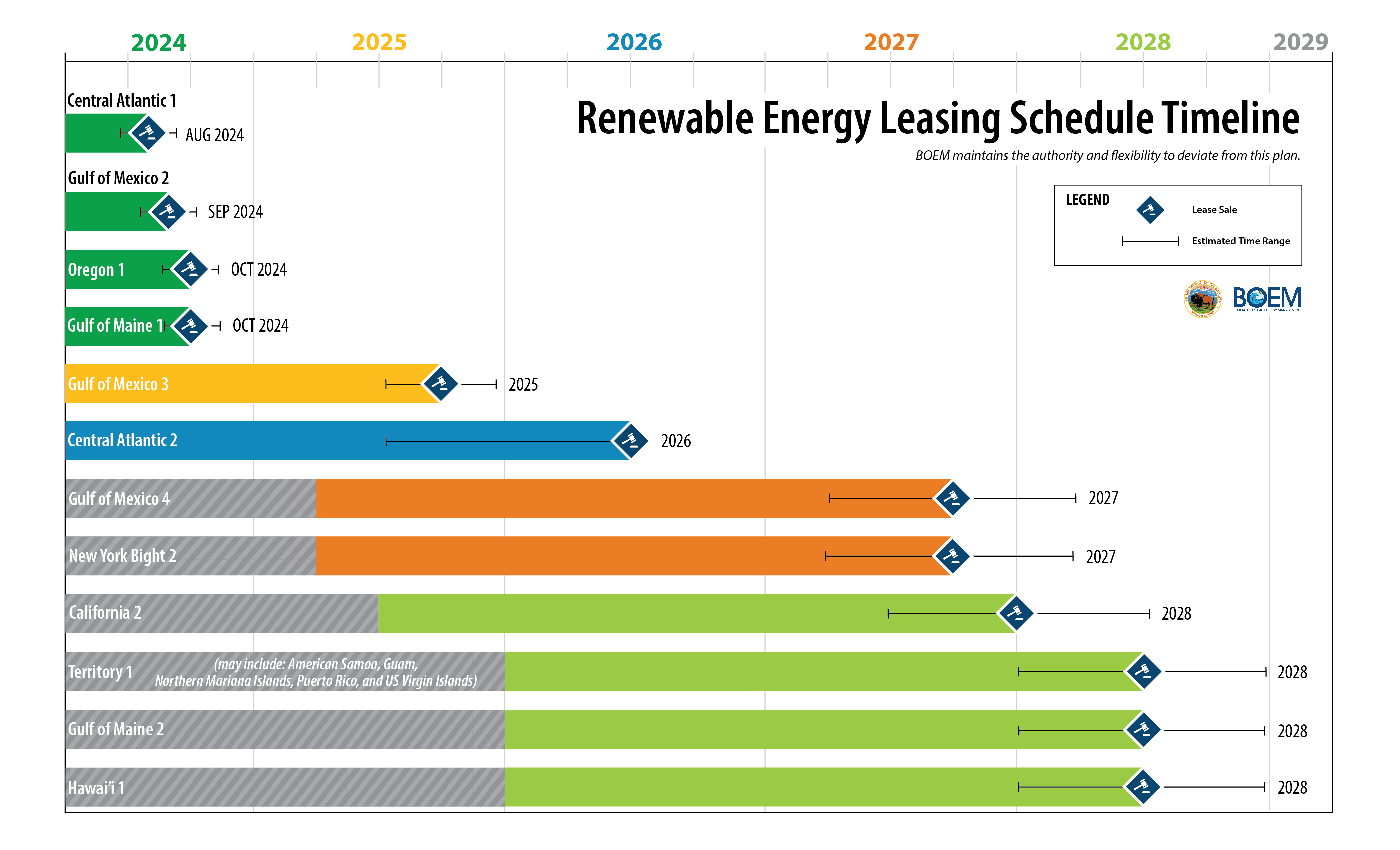
Comment: Many who live and work outside of the Post’s policy bubble differ on the urgency and practicality of the transition. Their primary concerns are reliable, secure, and affordable energy. Many elected representatives agree, which is why there is little national support for legislation restricting fossil fuels and imposing rigid transition timelines. Administrative actions, like the 5 year leasing plan, that handicap US offshore production are also being questioned.
And what are we transitioning to? Wind and solar are intermittent energy sources that can complement fossil fuel power generation, but not replace it. Nuclear energy has strong proponents, but faces stiff opposition, much of which is from the same groups that oppose fossil fuels. Other energy alternatives like ultradeep geothermal are very promising but are still years away.
WP: “The investments run counter to U.S. and global climate policies, which aim to rapidly phase out the internal combustion engine and shift power grids to zero emissions energy. The International Energy Agency reported last month that demand for oil, gas and coal will peak by 2030 before going into a steady decline, leading its executive director, Fatih Birol, to warn oil company executives that decisions to double down on fossil fuel infrastructure could prove misguided.“
Comment: Fortunately, IEA does not dictate corporate investment decisions. Perhaps IEA should look more closely at their own forecasts which show essentially no decline in oil or gas demand through 2050. Their assertion that demand for all fossil fuels will peak by 2030 is based on their speculative forecast calling for a sharp decline in coal demand, even though coal consumption is currently at record levels. IEA’s forecasts are also dependent on questionable assumptions such as this: “50% of new US car registrations will be electric in 2030.”
WP: “Still, the massive acquisitions from both Chevron and Exxon indicate their executives believe fossil fuels will continue to drive their business well into the future. Emphasizing affordability, company executives have said they see oil and gas alongside renewables.”
Comment: Spot-on. The WP could have shortened their commentary to these 2 sentences.
WP: Alex Witt, senior adviser for oil and gas at the advocacy group Climate Power, said the Hess acquisition shows the company’s true priorities. “Today’s news proves what we already knew — Chevron executives only care about the short-term, putting potential profits over the lives of families and the future of our planet,” Witt said in a statement Monday.
Comment: Or perhaps both Chevron and the lives of families will benefit, as they have in the past.
Per our previous post on policy decisions that favor production in Iran and Venezuela over US offshore production, Senator Manchin made this statement:
“I also want to briefly express at the outset my strong concerns about the news last night that this administration has lifted most sanctions on Venezuelan oil for the next 6 months. On the heels of announcing the smallest 5-year offshore oil and gas leasing plan in decades, this administration is turning to Venezuela — they know I have a problem and I’m sure many of you will have feelings on this — one of the world’s dirtiest energy producers and an oppressor of its own people, to help make up the production that they refuse to allow in America. I understand that the administration believes this will encourage Venezuela to make democratic reforms, that has been tried, and we’ve failed before. It makes no sense at all to reward bad actors before they actually take the action you want. We tried that with Iran, and now here we are with Venezuela.” said Chairman Manchin.
I was on the first panel to appear before a Senate committee during the Macondo blowout. All of the senators were respectful and professional with two exceptions, one of whom was Bob Menendez. Perhaps Senator Menendez’s penchant for political grandstanding was an indication of more significant character flaws.
Robert Menendez Allegedly Agreed to Use His Official Position to Benefit Wael Hana, Jose Uribe, Fred Daibes, and the Government of Egypt in Exchange for Hundreds of Thousands of Dollars of Bribes to Menendez and His Wife Nadine Menendez, Which Included Gold Bars, Cash, and a Luxury Convertible
Last week, Sen. Menendez was cited for additional charges accusing him of accepting bribes from a foreign government and conspiring to act as a foreign agent.
Given that further depletion of the SPR was no longer politically acceptable, a cynic might suggest that oil market considerations associated with the end of SPR withdrawals and OPEC tightening (Iran is currently exempt from OPEC quotas) factored into decisions regarding the relaxation of sanctions on Iran.
Is it accurate to describe BOEM’s agreement with the Sierra Club as a “sue and settle” arrangement? a. If so, does BOEM intend to continue making decisions through “sue and settle” tactics? b. How can the Committee attain confidence that the BOEM is considering the interest of small businesses in its decision-making when its decisions are made behind closed doors with special interest groups?
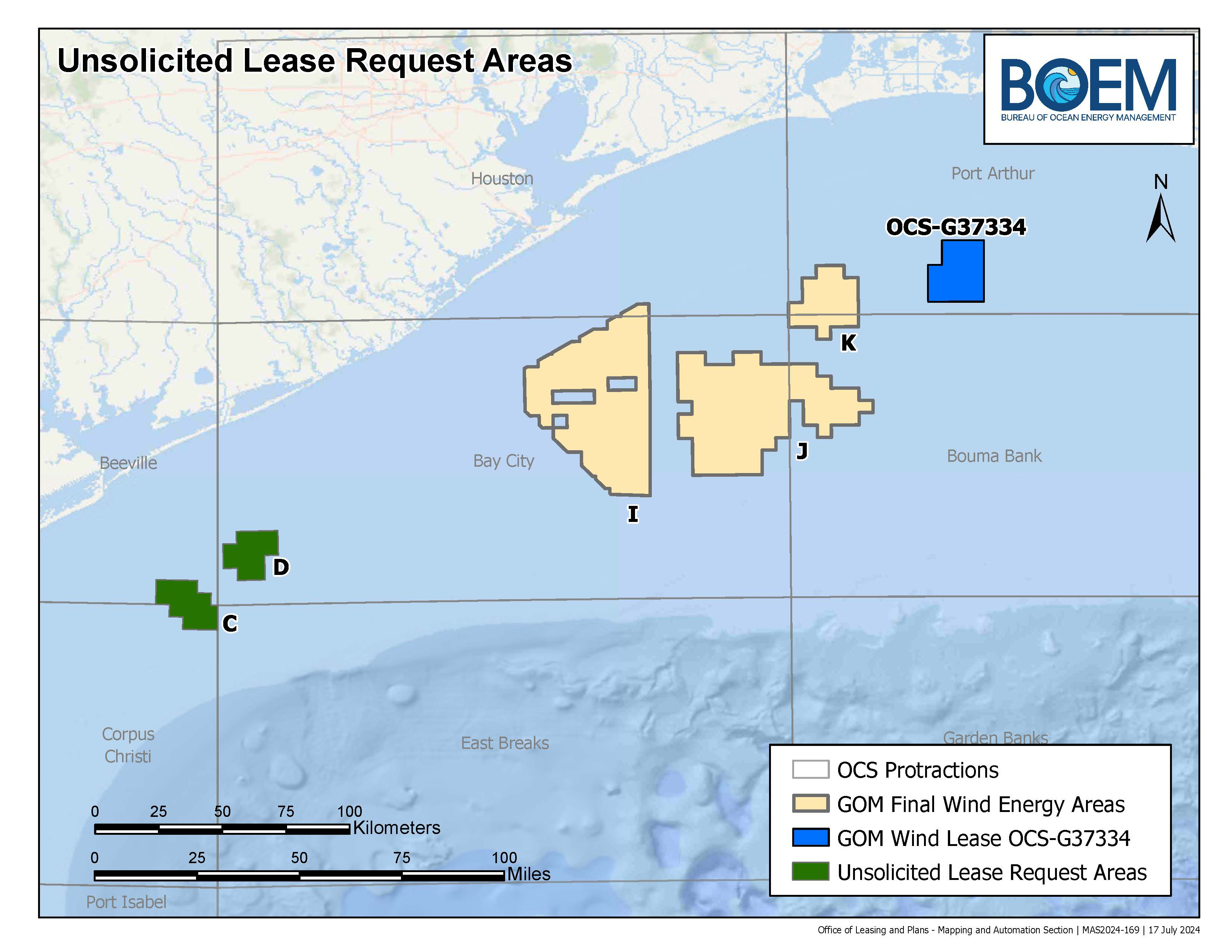
Last week, the 5th Circuit heard arguments on the appeal by Earthjustice et al of Judge Cain’s decision to remove the Rice’s whale restrictions from Sale 261 leases. The sale is to be held on Nov. 8 per the 5th Circuit’s order.
S&P Global reports on the surge in Iranian oil production and exports. In the quote below, note the concern about the higher oil prices that might result from tightening the sanctions. If oil price concerns are driving critical foreign policy decisions, this would be a rather stunning indictment of US energy policy, which is sometimes perceived as being more hostile toward domestic producers than international adversaries.
“Before the war, US-Iranian tensions had eased, which facilitated higher Iranian oil exports. Iranian crude oil production increased 500,000 b/d from March to September 2023 — to 3.1 million b/d from 2.6 million,” the analysts said. “Biden will be under pressure to enforce sanctions and curtail Iranian export revenue. This is a challenging situation for the Biden administration, which wants more oil on the market, not less. The attacks on Israel could override the oil issue.“
Q. I wanted to ask you about oil, if I could, and the money that it’s bringing in. So, is the amount of oil that’s being brought in by Iran — specifically, records amount, 85 percent to China, more oil being sold above the price cap from Russia — giving the President any pause on changing these energy policies for fossil fuels here in the U.S.?
MR. KIRBY: I would — just let me back up a little bit. I mean, it’s important to remember that Iran gets most of its oil revenue off the black market and evad- — evading sanctions, which they do. It’s costly to them. In fact, our evidence is that they really only receive a fraction of the market value of the oil that they sell, because they have to sell it on the black market.
We will always, as we do in any case, typically, revisit sanctions regimes to see if they need to be changed or adjusted, specifically with respect to Iranian oil.
The President, since the beginning of the administration, has been concerned about making sure we have a viable global market for oil, working hard to keep the prices of gasoline down here in the United States. Part of that is making sure you remove some of the volatility in that global supply and demand.
I don’t have any announcements or decisions to make today with respect to any changes to the domestic oil production.
Q But isn’t it a national security issue when you have countries that are profiting off of oil and the increased price of oil that don’t like Israel, that don’t like America?
MR. KIRBY: We don’t want, for instance, Russia to be able to — to get a windfall in profits from the oil market so that they can then turn that around and — and apply that to weapons in Ukraine. We certainly don’t want to see Iran do — be able to do much of the same, which is why we’re — we’re putting as much pressure on them as we are.
Q So, why not increase oil production here?
MR. KIRBY: I — again, I don’t have any announcements to make today.
On a related note, the Strategic Petroleum Reserve has remained at historic low levels. The current volume is 351.3 million barrels, a slight rise from the low of 346.8 million barrels in July, the lowest volume since 8/19/1983 when the SPR was still being filled. Have the oil embargoes following the Yom Kippur War, the reason for the SPR’s existence, been forgotten?
Ignore the significant oil and gas potential of arctic and subarctic Alaska, the Atlantic, the Pacific, and the Eastern Gulf of Mexico (where the best prospects are >125 miles from the coast of Florida).