Feeds:
Posts
Comments

Archive for the ‘energy policy’ Category

Unsurprisingly, the winner is natural gas.

A new report ranks eight key energy industry sectors based on their ability to meet the growing demand for affordable, reliable, and clean electric power generation.

As governments around the nation attempt to impose a transition from traditional energy resources to energy sources open referred to as renewables, natural gas is the energy source that is best suited to integrate with the intermittency inherent in the use of wind and solar. Gas provides a reliable, affordable, and increasingly clean source of energy in both traditional and “carbon-constrained” applications.

Gas faces headwinds in the form of increasingly extreme net zero energy policies that will constrict supplies if implemented as proposed. Gas could also improve overall reliability if onsite storage was prioritized to help avoid supply disruptions that can occur in just-in-time pipeline deliveries during periods of extreme weather and demand.

MCPP-NWU Report Card

This blog has been saluting natural gas for years, most recently in this post. From an environmental standpoint, offshore natural gas production is particularly attractive, especially nonassociated gas-well gas.

Read Full Post »

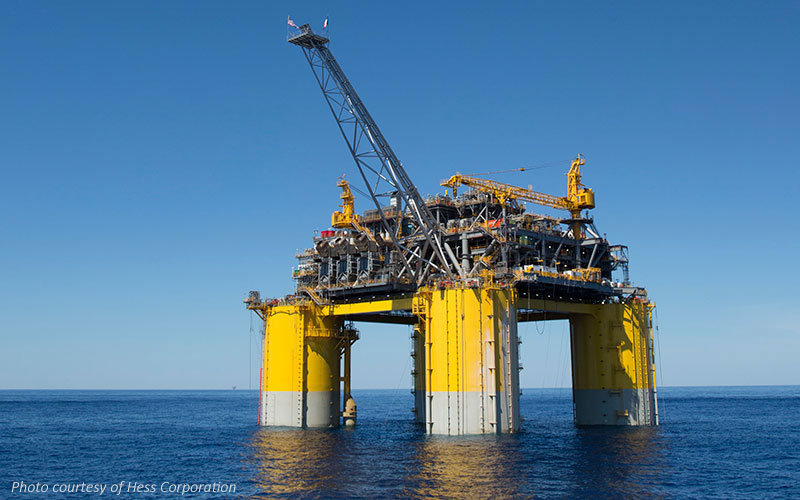
State-owned Chinese National Offshore Oil Corp. (CNOOC) has now joined Exxon in filing an arbitration claim to establish their right over Hess’s share of the prolific Stabroek block offshore Guyana. How did CNOOC acquire its 25% share in the block?

So, an apparent afterthought in CNOOC’s takeover of Nexen has (1) proven to be extremely profitable, (2) given the company and the Chinese government leverage in the Exxon-Chevron supermajor dispute, and (3) opened the door for CNOOC to increase their interest in the massive Stabroek field.

Read Full Post »

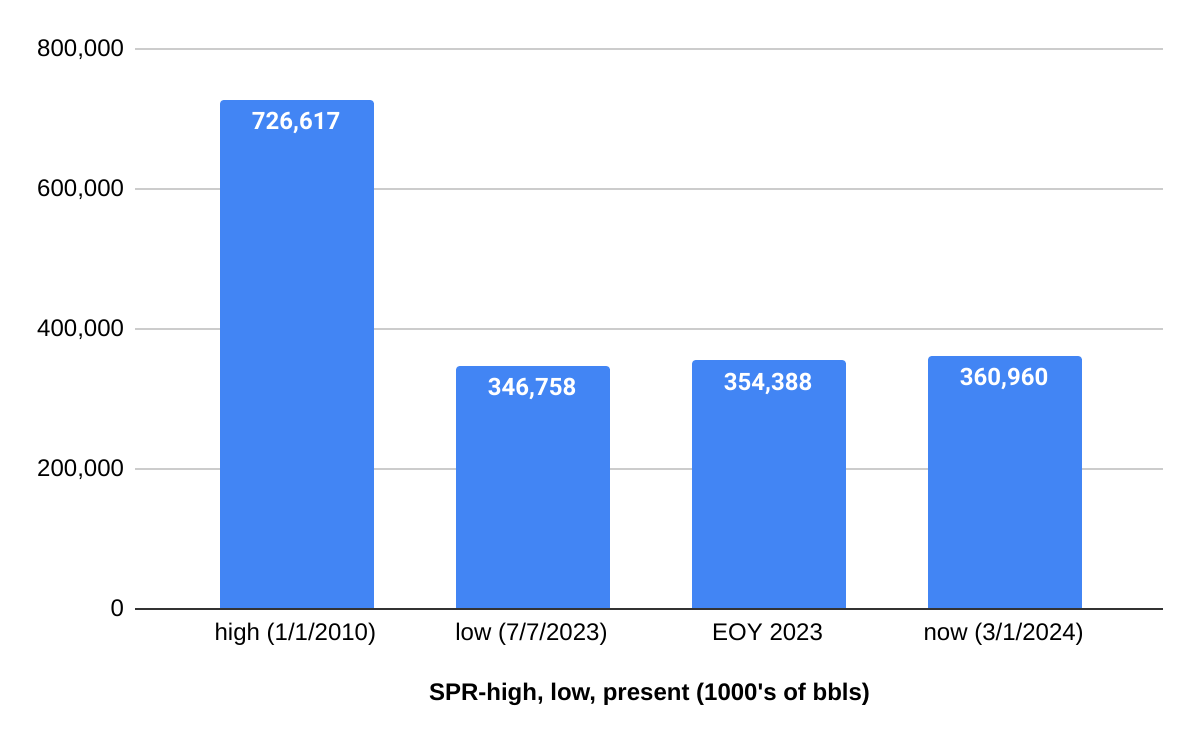
U.S. crude oil stockpiles in the Strategic Petroleum Reserve (SPR) at year-end will be at or exceeding the level prior to a massive 180 million barrel sale two years ago, U.S. Energy Secretary Jennifer Granholm said on Monday.

While the Department of Energy only expects to replenish by the end of this year about 40 million barrels since the 180 million sale, another 140 million barrels that would have been drained from 2024-2027 will stay in the SPR due to the cancellation in 2022 of congressionally mandated sales.

The department declined to provide a final number of stocks expected to be in the reserve at the end of the year.

Reuters

Reality check:

  • 40 million is not equal to 180 million.
  • Not withdrawing 140 million more bbls does not add 140 million bbls to the depleted reserve.
  • Based on the Secretary’s comments, the over-under for the reserve at the end of the year is 390 million bbls. (Take the “under.”)

The actual SPR status:

Sec. Granholm is also quoted as saying the administration’s LNG permitting pause “will be long behind us by this time next year.” Skeptics might see this as confirmation that the permitting pause was strictly for election year political purposes.

Read Full Post »

A post from last March discussed the high and seemingly unfair royalty and rental rates for new leases in the shallow waters of the Gulf of Mexico shelf. A 50% increase in the shelf royalty rate for lease sales 259 and 261 combined with rather punitive rental rates have likely contributed to the sharp decline in bidding for shelf lease blocks (see table below).

This decline in shelf bidding is unfortunate because the smaller companies that operate in the shallow waters of the Gulf are critical to sustaining the production infrastructure. These companies are also significant producers of environmentally favorable nonassociated (gas-well) natural gas.

lease saleshelf blocks with bids
(excluding CCS bids)
sum of high shelf bids
($million, excluding CCS bids)
25746$8.1
25929$4.1
26113$1.7
The royalty rate for shelf production jumped 50% from sale 257 to sales 259 and 261

BOEM has completed their evaluation of the Sale 261 shelf bids (see below). Each of these blocks received only a single bid, and every bid was accepted. Ironically, the invalid CCS bids for blocks that have no oil and gas value, were the first to be accepted. This was also the case for Sales 257 and 259.

(1) All of the Repsol bids were $32.50/ac. Total bids varied by block size, but were $187,200 for the 5760 acre blocks.
  • Seek a legislative fix to the Inflation Reduction Act😉 provision that established a 1/6 royalty rate floor for all OCS leases (formerly the royalty rate was 1/8 for leases on the shelf).
  • In the interim, administratively lower the royalty for shelf leases to 1/6 (from 18 3/4%).
  • Reconsider the rental rate scheme for shelf leases.
  • For future oil and gas lease sales, accept all high bids that exceed the specified minimum bid (currently $25/ac for the shelf). The Gulf of Mexico shelf has been extensively explored and developed for 70 years. While prospects remain, they are generally marginal as evidenced by the recent lease sale results. Fair market value is what any company is willing to bid (above the specified minimum).
  • Focus on assuring that lease purchasers are technically qualified to minimize safety risks, and that financial assurance for decommissioning (for new and existing leases owned by the high bidder) has been fully addressed.

Read Full Post »

Read Full Post »

In light of the TikTok drama in Washington, I thought I’d take another look at Chinese ownership of Gulf of Mexico oil and gas leases.

A year ago, it was reported that State owned China National Offshore Oil Corp. (CNOOC) was considering an exit from its operations in the US, Canada, and the UK because of sanctions concerns. That may still be the case for other properties, but CNOOC has retained its Gulf of Mexico lease interests.

Per BOEM lease data, CNOOC continues to own 25% and 21% interest respectively in the important Stampede (Green Canyon 468, 511, and 512) and Appomattox (Mississippi Canyon 391, 392, and 393) deepwater projects. CNOOC reports are positive on those operations, noting that the production wells have performed better than expected.

CNOOC also owns interest in five other GoM leases. No CNOOC lease interest has been assigned to other companies in the past two years.

As is the case with CNOOC’s position in Guyana’s Stabroek block, their GoM lease holdings were acquired as part of CNOOC’s takeover of Nexen in 2013.

I welcome foreign investment in our offshore program, and see little downside in Chinese entities owning minority shares of OCS leases. GoM lease ownership does advance CNOOC’s understanding of deepwater exploration and development technology, but that knowledge can also be acquired elsewhere, sometimes in partnership with US companies (as is the case in Guyana).

Read Full Post »

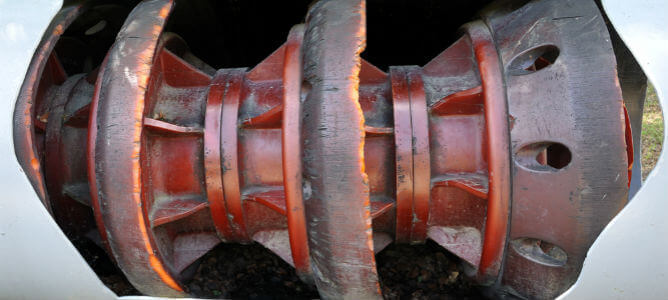
Pictured: pig for cleaning gas pipelines. Will Nord Stream’s suit against the insurers unplug investigation findings?

Nord Stream AG has sued insurers Lloyds and Arch in the English High Court for failing to pay for pipeline damage incurred during the Sept. 2022 Baltic Sea explosions. The estimated pipeline repair costs range from €1.2 to €1.35 billion, and Nord Stream is seeking €400 million from the insurers.

Could this litigation help us learn more about the findings of the official Nord Stream investigations? After 17 months of investigation, Denmark recently concluded that “there are not sufficient grounds to pursue a criminal case in Denmark.” Only nineteen days before Sweden had announced that “Swedish jurisdiction does not apply and that the investigation therefore should be closed.” These weak announcements at the end of lengthy investigations seem too convenient, and may lend credence to Hersh’s Nord Stream account or a recent variation that implicates the UK. Germany is presumably still investigating, and it remains to be seen whether they will release findings.

Could the parties in the Nord Stream case pursue documents or testimony from the Swedish, Danish, or German investigation teams? Both sides in this case, Nord Stream AG and the insurers, would benefit from details that could help identify the responsible parties.

It’s more than a little hypocritical for Western governments and their NGO partners to rail against offshore oil and gas operations while quietly accepting (without investigation) the economic and environmental consequences of the Nord Stream sabotage. Compare the Nord Stream methane emissions with those associated with Gulf of Mexico operations.

Read Full Post »

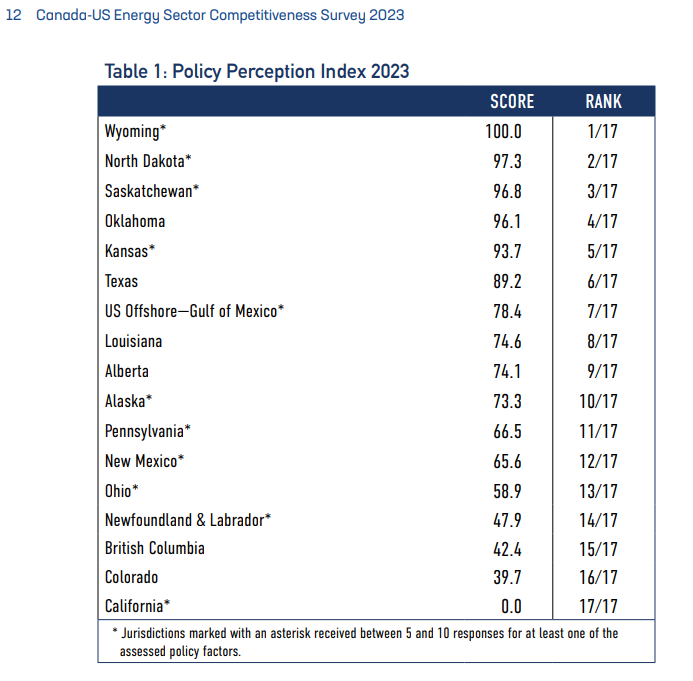
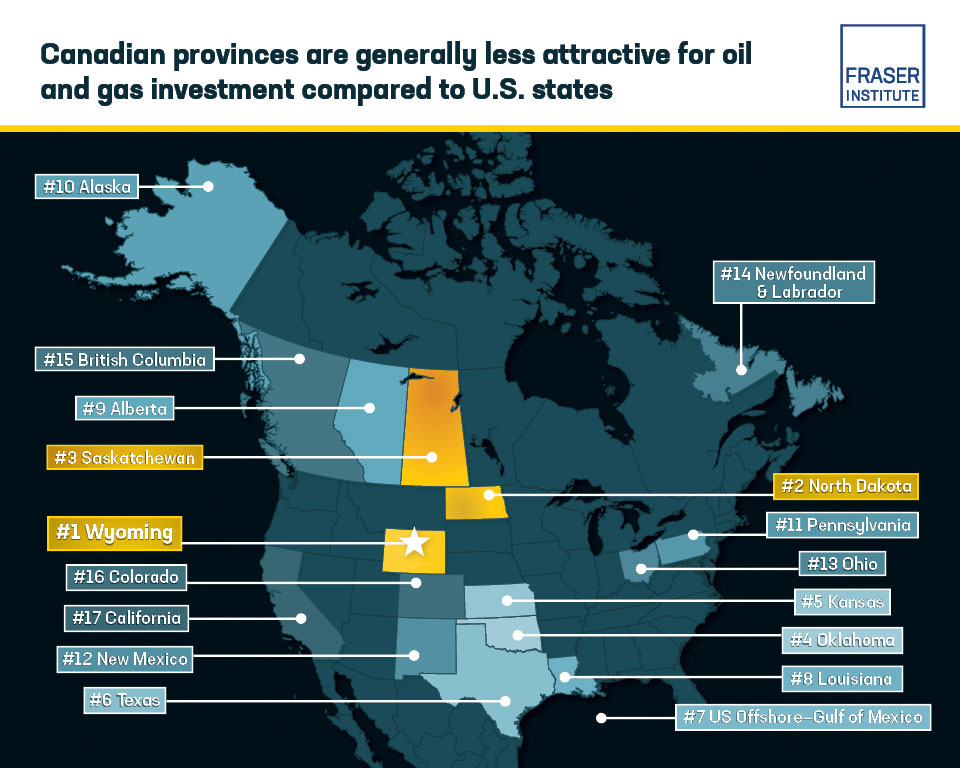
The Fraser Institute’s 2023 Canada-US Energy Sector Survey of senior executives in the upstream oil and gas sector provided data for assessing the competitiveness of US and Canadian jurisdictions. The resulting perception index (below) ranked Wyoming at the top with a score of 100.0 and California at the bottom with a score of 0.0. Perhaps one or more of the respondents have been mired in the California decommissioning quagmire. ☹

Read Full Post »

(2) the Secretary may not issue a lease for offshore wind development under section 8(p)(1)(C) of the Outer Continental Shelf Lands Act (43 U.S.C.1337(p)(1)(C)) unless
(A) an offshore lease sale has been held during the 1-year period ending on the date of the issuance of the lease for offshore wind development; and (B) the sum total of acres offered for lease in offshore lease sales during the 1-year period ending on the date of the issuance of the lease for offshore wind development is not less than 60,000,000 acres.

‘Inflation Reduction Act of 2022,” p. 646

Lease Sale 261 was held on 12/20/23. Absent legislative action, no wind leases may be issued after 12/20/24 unless another oil and gas lease sale is held prior to that date. Given that the minimalist 5 year oil and gas leasing plan, which is being challenged, does not propose a sale until 2025, wind lease issuance will likely be suspended at the end of the year. (Note: I wonder if the legislative restriction also applies to lease assignments from existing owners to new owners? Probably not, but that would be very significant given the current state of the offshore wind industry.)

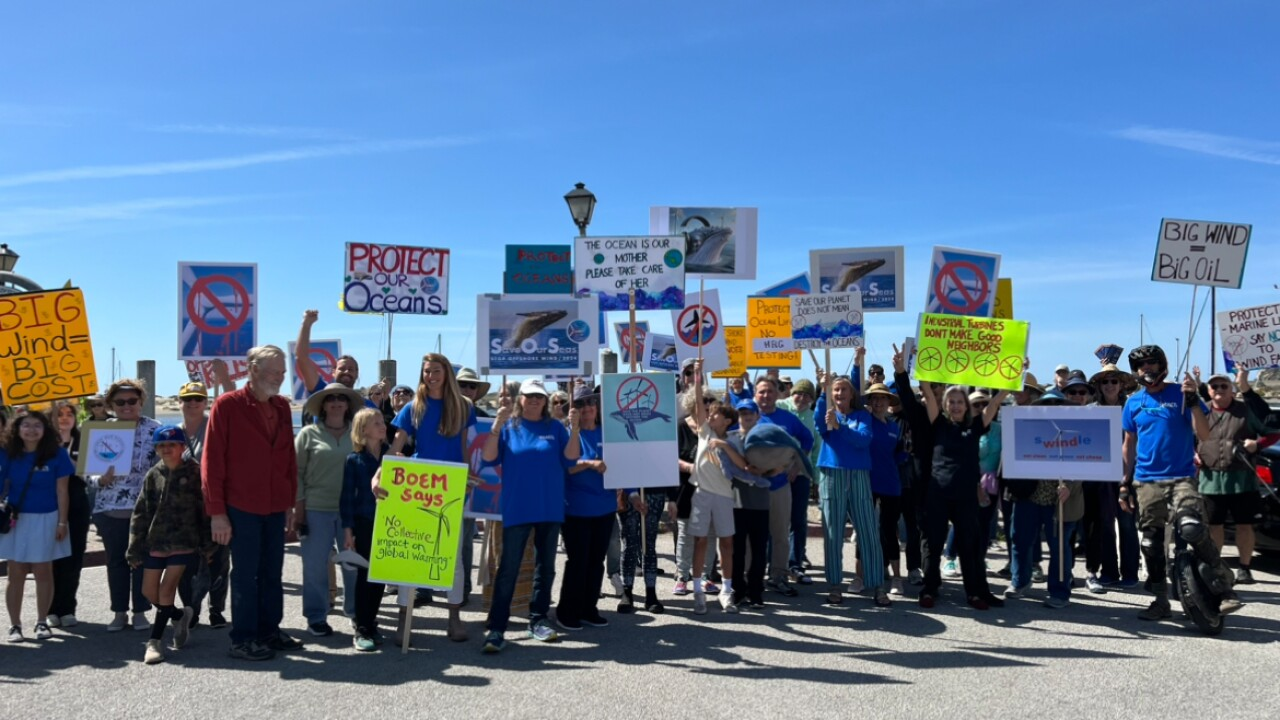
The legislative restriction may be a partial explanation for the apparent rush to issue wind leases. 16 new wind leases were issued in 2022 and 2023, bringing the total number of active leases to 36. The philosophy seems to be this: issue as many leases as you can, as fast as you can, wherever you can (ala James Watt’s failed strategy for the oil and gas program.) Coastal residents are not entirely thrilled.

Perhaps the wind program should be required to develop 5 year leasing plans, as is the case for the oil and gas program. This might facilitate a more holistic approach to wind energy development and ease concerns about cumulative impacts.

Morro Bay protest

Read Full Post »

from EIA data

Last May, Cathy Rodgers, Chair of the House Committee on Energy and Commerce, requested that the General Accountability Office (GAO) address the following questions (letter attached):

  1. Has the Biden administration conducted a long-term strategic review of the SPR, and if so, is the review adequate to inform decision making and protect the nation from energy supply disruptions in both current and future scenarios?
  2. What damage and increased maintenance requirements, including well remediation, cavern closure, and both pipeline and pump replacements, have resulted from the recent drawdowns?
  3. What physical or cybersecurity threats are there to the SPR facilities?
  4. How thorough are DOE’s studies and assessments of the SPR’s structural integrity?
  5. Has the DOE developed an adequate plan for replenishing the SPR? If so, please explain.

The GAO has not yet published their report.

Read Full Post »

« Newer Posts - Older Posts »