Title: Temporary Withdrawal of All Areas on the Outer Continental Shelf from Offshore Wind Leasing and Review of the Federal Government’s Leasing and Permitting Practices for Wind Projects
Main points:
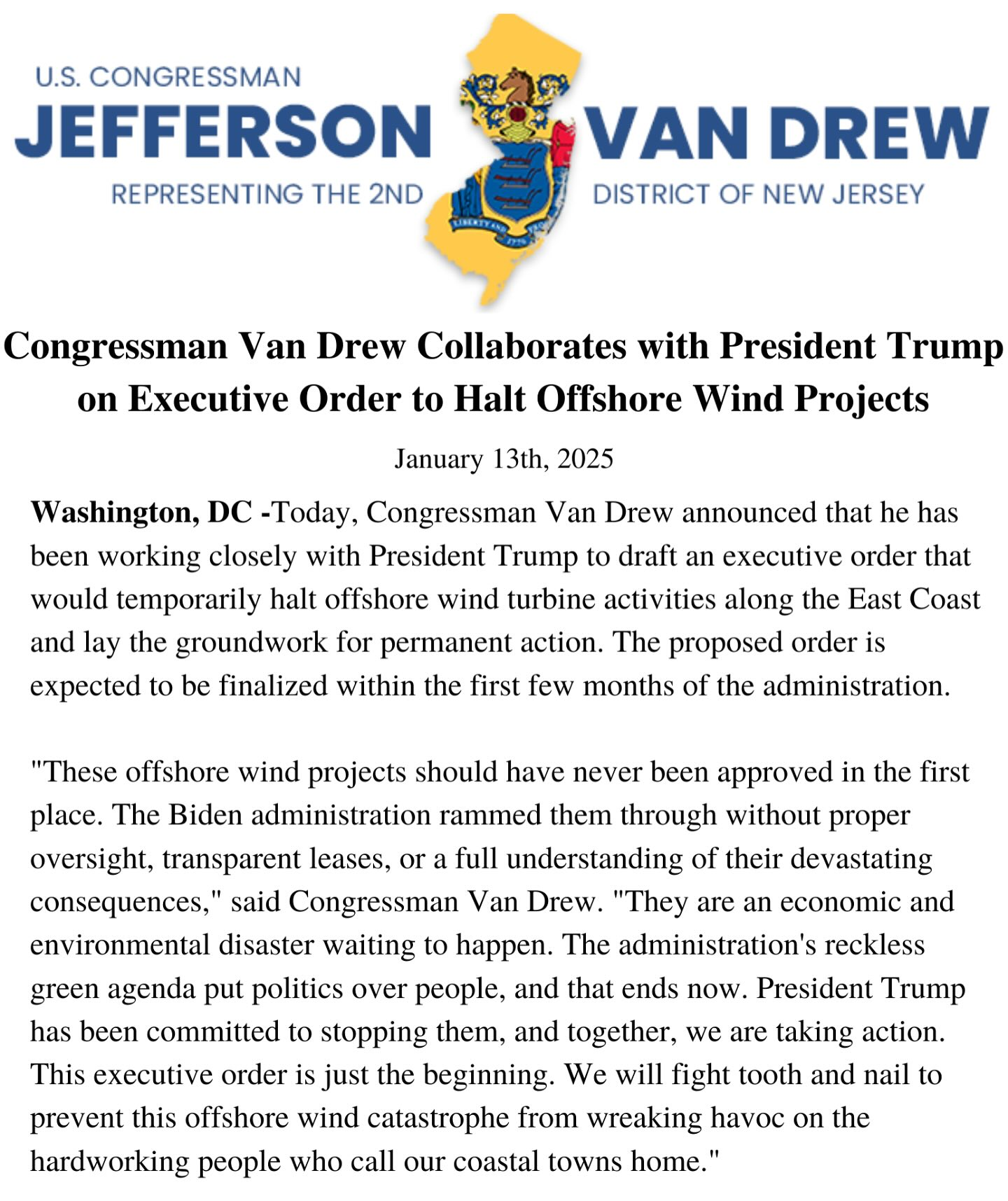
New leases: Immediately withdraws all OCS areas from wind leasing
Existing leases: Secretary of the Interior shall conduct a comprehensive review of the ecological, economic, and environmental necessity of terminating or amending any existing wind energy leases, identifying any legal bases for such removal, and submit a report with recommendations to the President
Review of Leasing and Permitting Practices: The Secretary of the Interior, the Secretary of Agriculture, the Secretary of Energy, the Administrator of the Environmental Protection Agency, and the heads of all other relevant agencies, shall not issue new or renewed approvals, rights of way, permits, leases, or loans for onshore or offshore wind projects pending the completion of a comprehensive assessment and review of Federal wind leasing and permitting practices.
A senior administration official who is familiar with the executive actions and authorized to brief Fox News Digital said Trump on day one will end “Catch and Release;” pause all offshore wind leases; terminate the electric vehicle mandate; abolish the Green New Deal; withdraw from the Paris Climate Accord; and take several major steps to assert presidential control over the federal bureaucracy.
The senior official told Fox News Digital that the energy executive order deals with “every single energy policy,” andaddresses liquid natural gas, ports, fracking, pipelines, permitting and more, while also terminating President Biden polices he said “have constrained U.S. energy supply.”
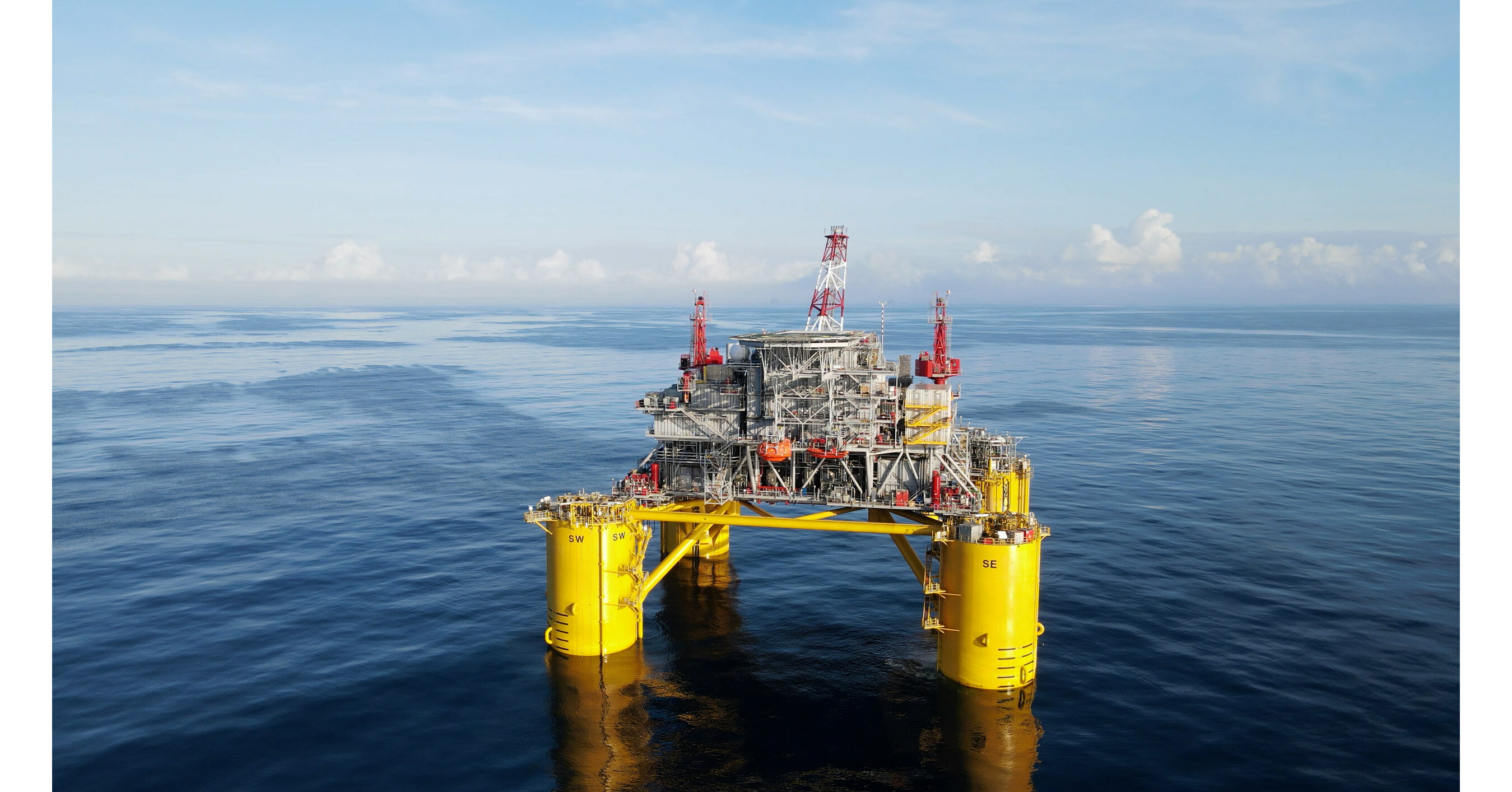
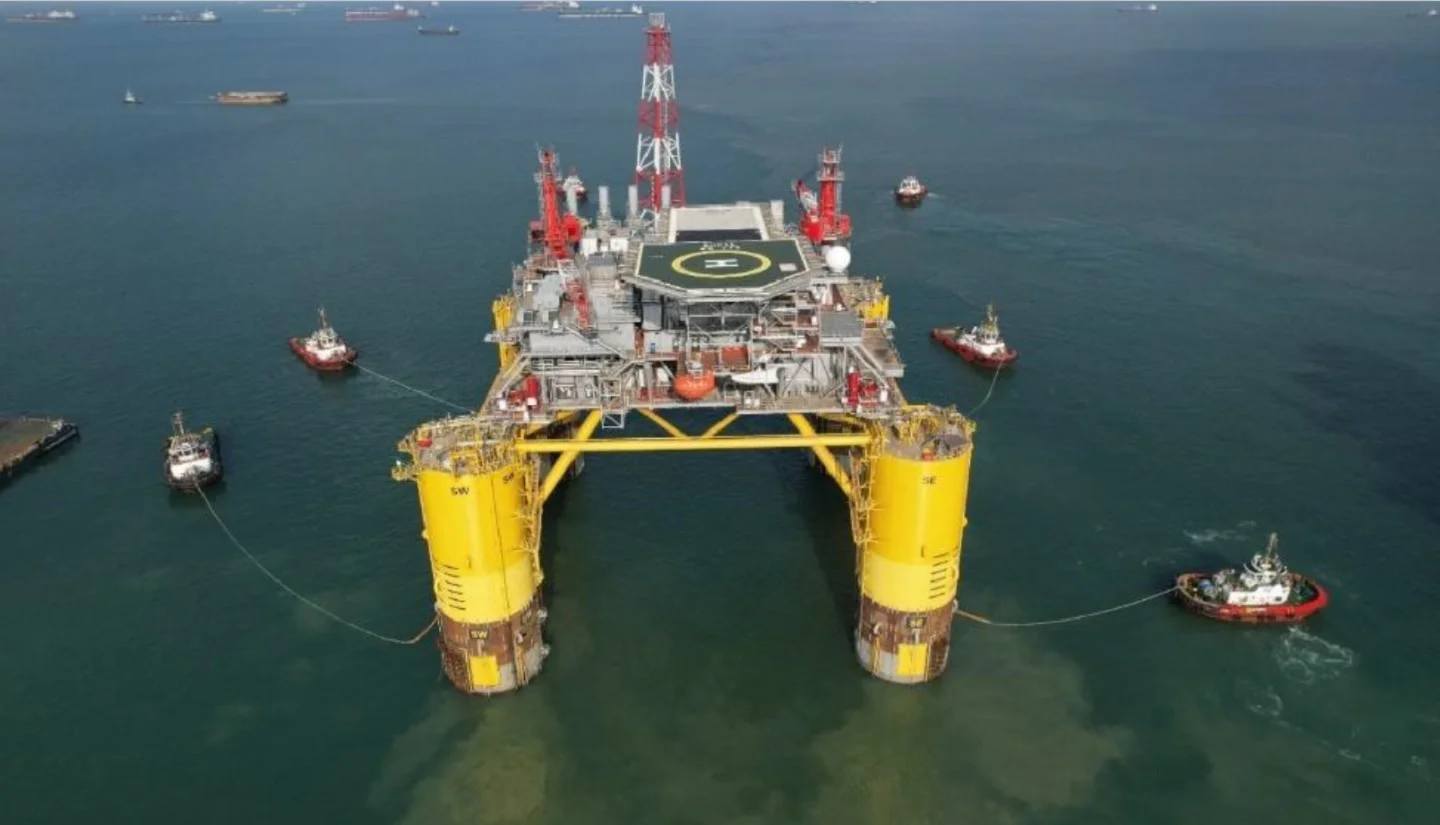
estimated peak production:100,000 barrels of oil equivalent per day (boe/d)
water depth – 8600 ft
200 miles south of Houston
estimated recoverable resource: 480 million boe.
first oil only 7.5 years after discovery (includes COVID delay)
Vito clone: replicates 99% of the hull design and 80% of the topsides from Vito.
high efficiency gas turbines and compression systems
~ 30% lower greenhouse gas (GHG) intensity over its life cycle than the already efficient levels being achieved at Vito. (Why the push to run electric cables from shore to North Sea platforms with ample gas production?)
This is all good, but what is next? Will technological advances once again sustain GoM production? The short answer appears to be yes!
The efficiencies achieved with the simpler platform designs combined with the high pressure (>15,000 psi) technology developed over the past 2 decades will facilitate production from the highly prospective Paleogene (Wilcox) deepwater fans. (For those interested in learning more about the geology, see the excellent presentation by Dr. Mike Sweet, Univ. of Texas, that is embedded in this post.)
Burgum on offshore oil and gas lease sales: “The fact that during the current administration the lease sales have been so unpredictable and disruptive, and the fact that they’re projecting forward to have among the fewest we’ve ever had, almost would guarantee that we would see a decline in energy production in offshore in the years ahead because of the lead times.”
50 wells were drilled in the Atlantic between 1975 and 1985. The drilling followed the oil embargoes, gas lines, and price surges in the 1970s. Waiting for similar turmoil to overturn the leasing bans would not be prudent given the time that is needed to issue, explore, and develop leases. The optimal approach would be limited, staged leasing to better assess the resource potential in these areas.
Perhaps Nantucket should have added Jayden Daniels to their team! 😉
Although the SCOTUS declined to hear their challenge, the Nantucket group may still achieve their objective, at least in part, given the looming changes in Federal policy and the financial and operational challenges facing the offshore wind industry.
Katherine (Kate) MacGregor has been appointed Deputy Secretary of the Interior, the position she held under the previous Trump administration. She was highly regarded by DOI staff and advocates for responsible offshore energy development.
DOI is the most important Federal department from the standpoint of energy production on Federal offshore and onshore lands.
Also important from a policy perspective is the appointment of James Danly as Deputy Secretary of Energy. Danly is a former Army officer and Chairman of the Federal Energy Regulatory Commission
Given the absence of industry and government data on wind turbine incidents, Scotland Against Spin (SAS) has done yeoman’s work in filling the void. SAS gathers information from press reports and official releases. A PDF of the latest SAS update summary (through 2024) is attached. You can view their complete incident compilation (324 pages) here. Kudos to SAS for their diligence.
Be sure to see the introductory text at the top of the attached table. Some key points:
The table includes all documented cases of wind turbine incidents which could be found and confirmed through press reports or official information releases.
SAS believes that this compendium of accident information may be the most comprehensive available anywhere.
SAS believes their table is only the “tip of the iceberg” in terms of numbers of accidents and their frequency:
On 11 March 2011 the Daily Telegraph reported that RenewableUK confirmed that there had been 1500 wind turbine incidents in the UK alone in the previous 5 years.
In July 2019 EnergyVoice and the Press and Journal reported a total of 81 cases where workers had been injured on the UK’s windfarms since 2014. SAS data includes only 15 of these (<19%).
In February 2021, the industry publication Wind Power Engineering and Development admitted to 865 offshore accidents during 2019. SAS data include only 4 of these (<0.5%).
SAS includes other examples supporting their “tip of the iceberg” claim.
Although SAS is committed to reforming the Scottish government’s wind energy policy, their incident data summaries are credible. It’s disappointing that the wind industry is unwilling to publish comprehensive incident data that would help protect lives and the environment, and improve the performance of all participants.
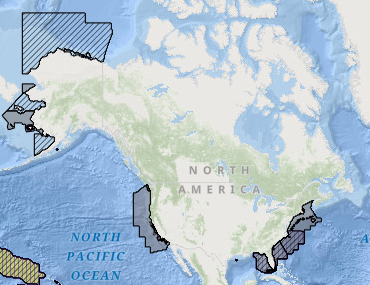
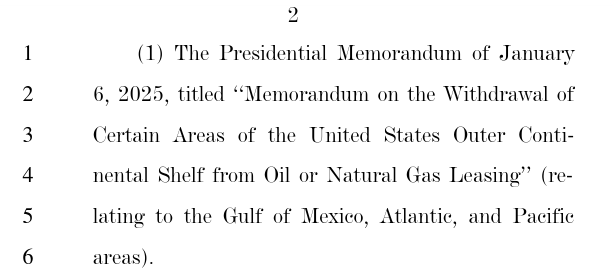
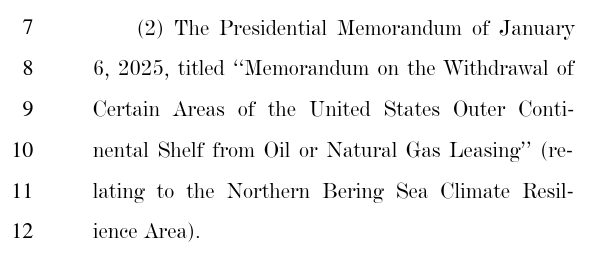
As expected, the White House announced the largest ever permanent ban on offshore oil and gas leasing in the US, and to the best of my knowledge, anywhere in the world.
The sheer magnitude of the ban makes other such withdrawals appear modest by comparison. It’s amazing how bold Presidents (and their handlers) become when they are about to leave office.
The permanent ban includes:
The entire Atlantic Outer Continental Shelf (OCS): While there are no current oil and gas leases in the US Atlantic, the region is highly prospective and could contain more than 20 billion barrels of oil equivalent (BOE).
The Eastern Gulf of Mexico: This is the OCS area that many petroleum geologists find most attractive. The best prospects are >100 miles from shore which minimizes coastal risks, and the high natural gas potential aligns with Florida legislation supporting the use of gas for power generation.
The entire Pacific OCS: While the resources are substantial, their loss has been a foregone conclusion for 25 years. When you can’t even decommission old platforms or restore production on important existing facilities (i.e. the Santa Ynez Unit), how can you possibly expect to issue new leases?
The remainder of the OCS offshore western Alaska. The wishes of the majority of Alaskans, who support offshore exploration and development, have been largely ignored for decades.
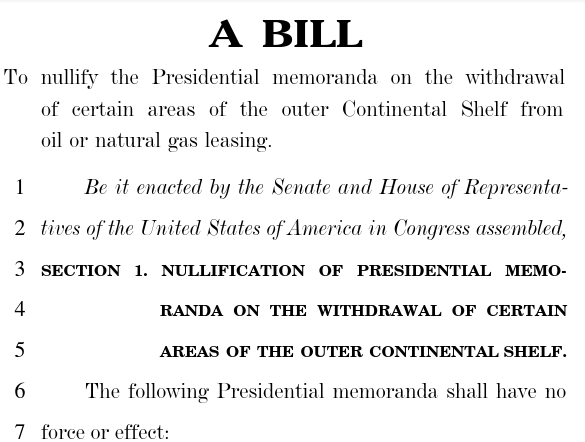
President-elect Trump has vowed to reverse President Biden’s leasing ban, but that may not be so easy. This is not a matter of simply reversing an executive order. Sec. 12(a) of OCSLA grants the authority to withdraw lands to the President and does not provide for reversal by future Presidents. The attached NYU Law brief concludes that “a subsequent president lacks authority to restore previously withdrawn lands to the federal oil and gas leasing inventory.”
The new Administration will no doubt have a different view than that expressed in the NYU Law brief, but any reversal decision will likely be challenged in court.
Those who wrote and approved Sec. 12(a) should have had more foresight. However, 72 years ago the authors presumably thought Presidents would only use the authority to remove small, especially sensitive areas from leasing consideration, and never thought that a President would remove both of our oceans and much of the Gulf of Mexico!
Congress could of course reverse the Biden bans, but given the complexity of offshore energy issues, such legislation may be difficult to pass.