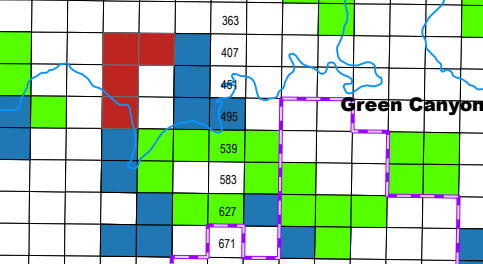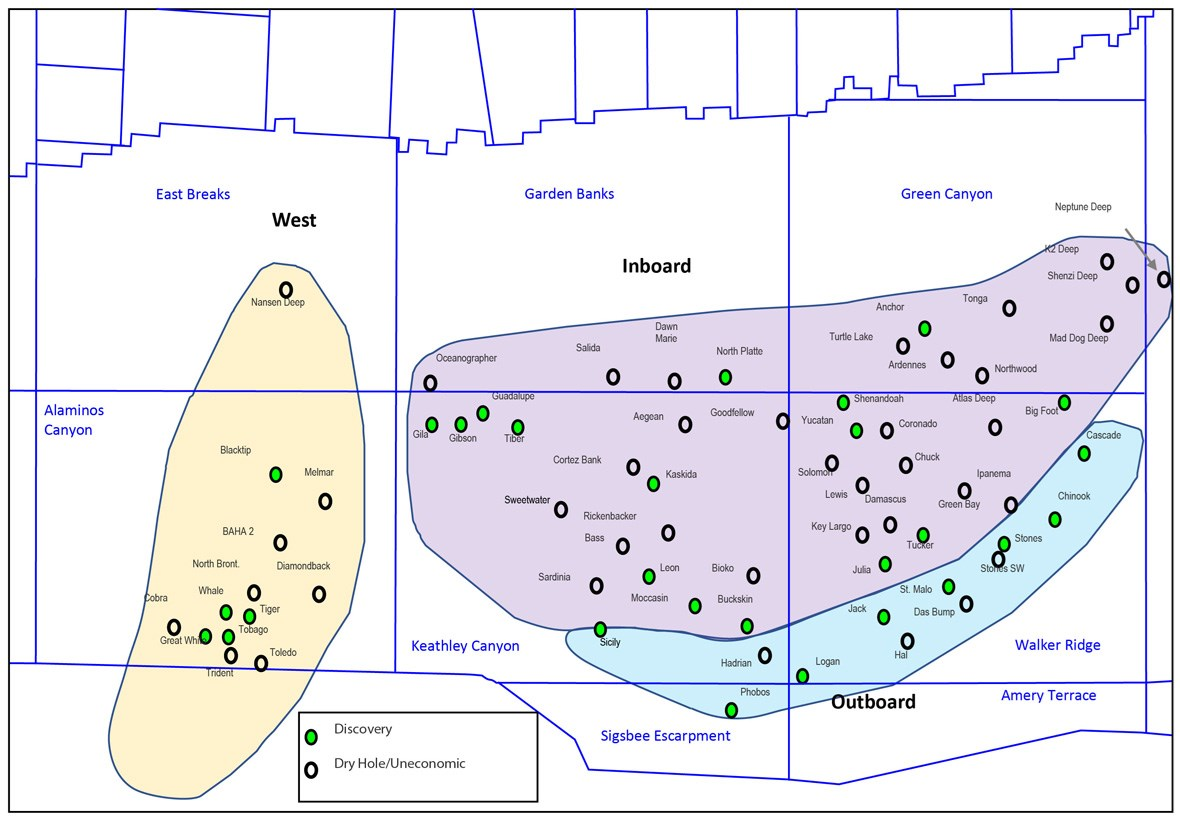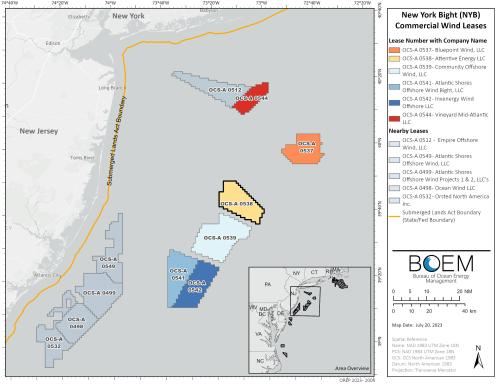
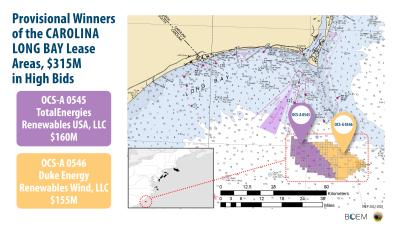
BOEM: At this time, no bids have been received. In accordance with OBBBA, we will continue to hold leasing opportunities for Cook Inlet so that industry has a regular, predictable federal leasing schedule that ensures we achieve President Trump’s American Energy Dominance Agenda.
S&P Global reports on the surge in Iranian oil production and exports. In the quote below, note the concern about the higher oil prices that might result from tightening the sanctions. If oil price concerns are driving critical foreign policy decisions, this would be a rather stunning indictment of US energy policy, which is sometimes perceived as being more hostile toward domestic producers than international adversaries.
βBefore the war, US-Iranian tensions had eased, which facilitated higher Iranian oil exports. Iranian crude oil production increased 500,000 b/d from March to September 2023 β to 3.1 million b/d from 2.6 million,β the analysts said. βBiden will be under pressure to enforce sanctions and curtail Iranian export revenue. This is a challenging situation for the Biden administration, which wants more oil on the market, not less. The attacks on Israel could override the oil issue.β
Q. I wanted to ask you about oil, if I could, and the money that itβs bringing in. So, is the amount of oil thatβs being brought in by Iran β specifically, records amount, 85 percent to China, more oil being sold above the price cap from Russia β giving the President any pause on changing these energy policies for fossil fuels here in the U.S.?
MR. KIRBY: I would β just let me back up a little bit. I mean, itβs important to remember that Iran gets most of its oil revenue off the black market and evad- β evading sanctions, which they do. Itβs costly to them. In fact, our evidence is that they really only receive a fraction of the market value of the oil that they sell, because they have to sell it on the black market.
We will always, as we do in any case, typically, revisit sanctions regimes to see if they need to be changed or adjusted, specifically with respect to Iranian oil.
The President, since the beginning of the administration, has been concerned about making sure we have a viable global market for oil, working hard to keep the prices of gasoline down here in the United States. Part of that is making sure you remove some of the volatility in that global supply and demand.
I donβt have any announcements or decisions to make today with respect to any changes to the domestic oil production.
Q But isnβt it a national security issue when you have countries that are profiting off of oil and the increased price of oil that donβt like Israel, that donβt like America?
MR. KIRBY: We donβt want, for instance, Russia to be able to β to get a windfall in profits from the oil market so that they can then turn that around and β and apply that to weapons in Ukraine. We certainly donβt want to see Iran do β be able to do much of the same, which is why weβre β weβre putting as much pressure on them as we are.
Q So, why not increase oil production here?
MR. KIRBY: I β again, I donβt have any announcements to make today.
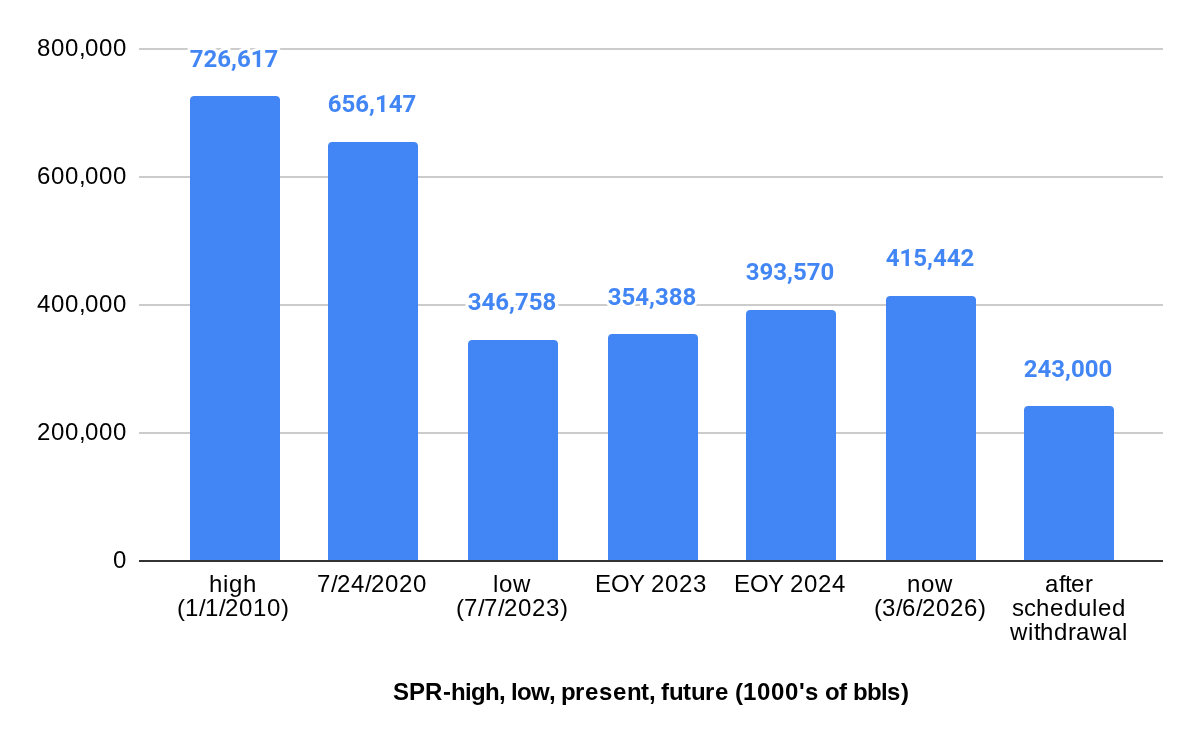
On a related note, the Strategic Petroleum Reserve has remained at historic low levels. The current volume is 351.3 million barrels, a slight rise from the low of 346.8 million barrels in July, the lowest volume since 8/19/1983 when the SPR was still being filled. Have the oil embargoes following the Yom Kippur War, the reason for the SPRβs existence, been forgotten?
Judge Donna Geckupholds restraining orderlarge investment in Sable
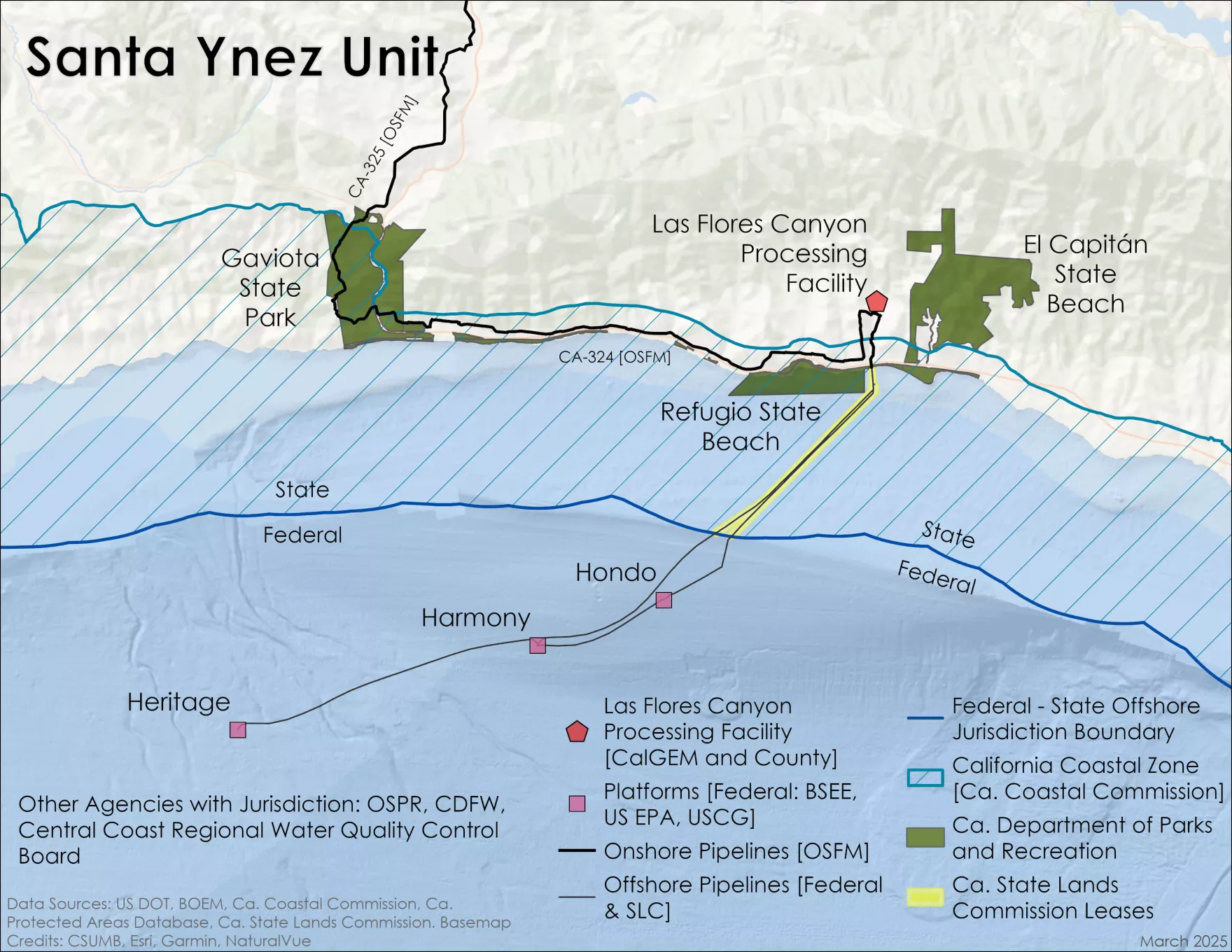
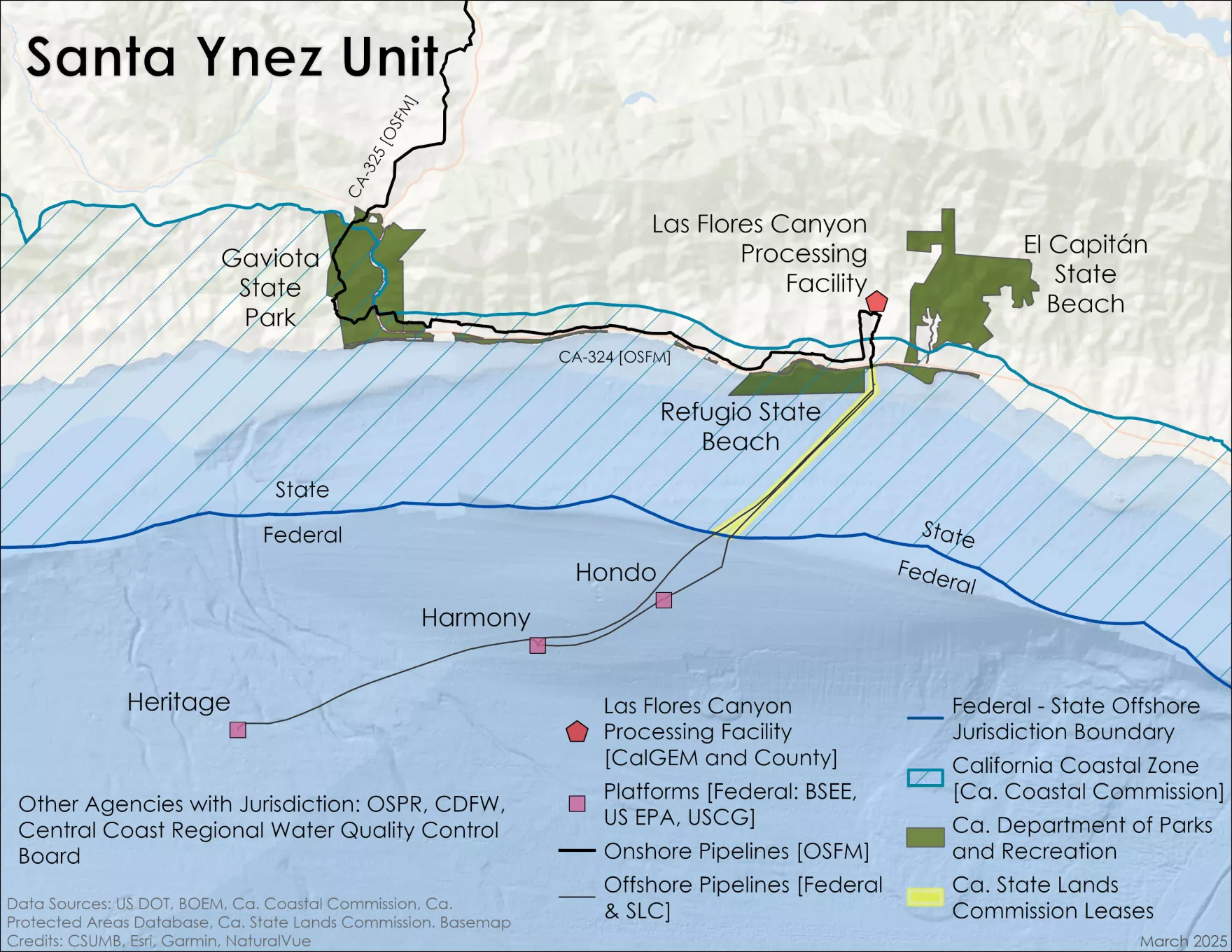
On Friday, California Superior Court Judge Donna Geck upheld the restraining order that blocks Sable Offshore from restarting Santa Ynez Unit production. She scheduled a followup court hearing for June 27. Meanwhile, the Ninth Circuit Court of Appeal’s hearing on PHMSA’s assertion of Federal jurisdiction over the onshore pipeline segments is scheduled for July.
Can Sable survive financially until those hearings are concluded?
Contradictorily, we learn that FourWorld Capital Management just purchased 8 million shares of Sable. Is that the financial equivalent of Pickett’s Charge or does FourWorld have good reasons for their optimism?
Argus reports that Israel’s energy ministry has instructed Chevron and Energean to suspend production at their offshore Leviathan and Karish gas fields.
Although, the Israeli facility shut-ins will result in the curtailment of exports, Egypt has implemented a backup plan to ensure adequate supply.
There is no indication that Chevron’s Tamar field has been shut-in.
Summary table:
field (operator)
2024 production (billion cubic meters) (% of Israelβs total)
The Hot Rock Act (attached) would authorize a large grant program for superhot, ultradeep geothermal energy research and development. Here is the gist of the bill:
$16 million/yr (2027-2031) for high temperature completions. equipment, and supercritical fluids research and development.
$40 million/yr (2027-2031) for a test site.
$16 million/yr (2027-2031) for hot dry rock geothermal systems research and development.
$30 million/yr (2027-2031) for achieving program milestones.
$5 million/yr (2027-2031) to study the risks associated with hot dry rock geothermal energy.
$10 million/yr (2027-2031) for geothermal industry workforce training.
$10 million/yr to support BLM and Forest Service authorization programs for hot dry geothermal.
That’s a total of $127 million/yr for the next 5 years. Is this necessary?
Press reports indicate that Quaise is raising $200 million to develop its first commercial geothermal power plant. If superhot geothermal is as promising as many of us believe, companies should be able to attract sufficient private capital without financial support from the Federal govt.
John Smithhas shared the Environmental Assessment (attached) associated with PHMSA’s Special Permit for segments 324 and 325 of Sable’s Santa Ynez Unit (SYU) pipeline system. The document is an interesting read for those following Sable’s attempt to restart production from the SYU.
PHMSA’s public notice (attached) is required because Sable’s Emergency Special Permit expired on 21 FEB. Comments are due by 26 MAR. More background.
“PHMSA is publishing this notice to solicit public comments on a request for a special permit submitted by Sable Offshore Corp. (Sable). Sable is seeking relief from compliance with certain requirements in the Federal pipeline safety regulations. PHMSA has proposed conditions to ensure that the special permit is not inconsistent with pipeline safety. At the conclusion of the 30-day comment period, PHMSA will review the comments received from this notice as part of its evaluation to grant or deny the special permit request.“
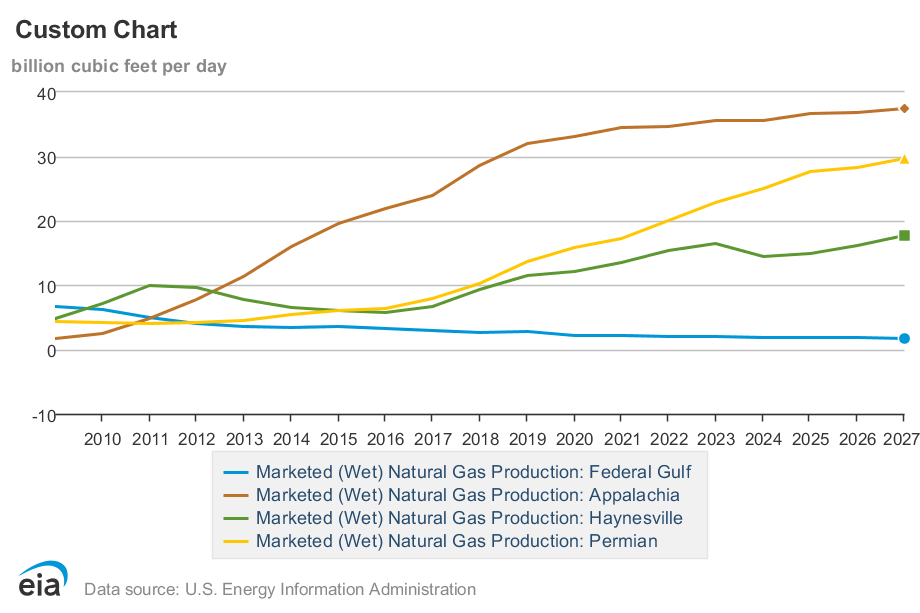
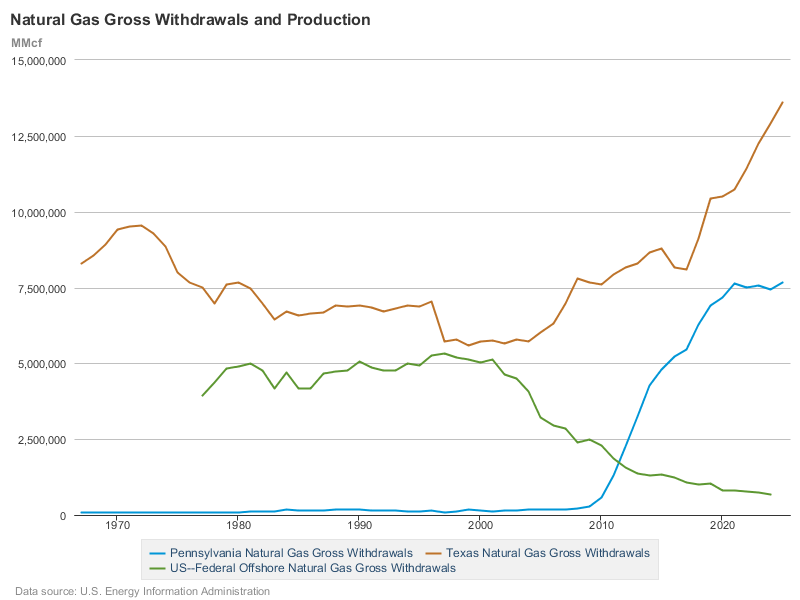
The natural gas revolution is cause for celebration! How about a parade down Constitution Ave?π
In light of the Dept. of Energy’s announcement commemorating the 10th anniversary of the first export cargo of U.S. liquefied natural gas (LNG), I’m linking a 16 year old BOE post asking why we weren’t celebrating the emerging natural gas bonanza. Keep in mind that 20 years ago we were planning for LNG import facilities in the Gulf!
Quote from DOE about the transformation of the US into the world’s leading LNG exporter:
“This transformation was made possible by the Shale Revolution, an era of breakthrough technologies including horizontal drilling and hydraulic fracturing that unlocked vast domestic oil and natural gas resources.”
The “Natural Gas Revolution” (Yergin) is an important part of our history that deserves national attention.
The Danish government will “initiate a process” to look at possibly extending one or more production licences in the Danish North Sea until 2050, to contribute to European energy security and independence, it said.
The government has asked the Danish underground consortium (DUC) β which operates the Tyra hub β to “explore an extension” beyond the current 2042 expiry.
Europe is in dire need of energy independence, and while renewables expansion can help the bloc achieve that goal, natural gas will still play a significant part of the energy mix in the coming year, the Danish government said. “Europe must stand on its own two feet,” Danish industry and trade minister Mortern Bodskov said
Per PHYS.ORG: Researchers at the Helmholtz Center Hereon have analyzed the long-term overall impact of this large number of wind farms on the hydrodynamics of the North Sea for the first time. They found that the current pattern could change on a large scale.
The peer reviewed German study is attached. Excerpt:
The near- and far-field wake effects affect vertical mixing and surface heat fluxes β primarily driven by large-scale wind stress reductions β leading to shallower mixed layers and long-term surface warming of up to 0.2 deg. CΒ in wind farm areas. Our findings reveal a basin-scale physical footprint of offshore wind energy and highlight the need to account r hydrodynamic impacts in future offshore wind farm planning.