Feeds:
Posts
Comments

Archive for the ‘energy policy’ Category

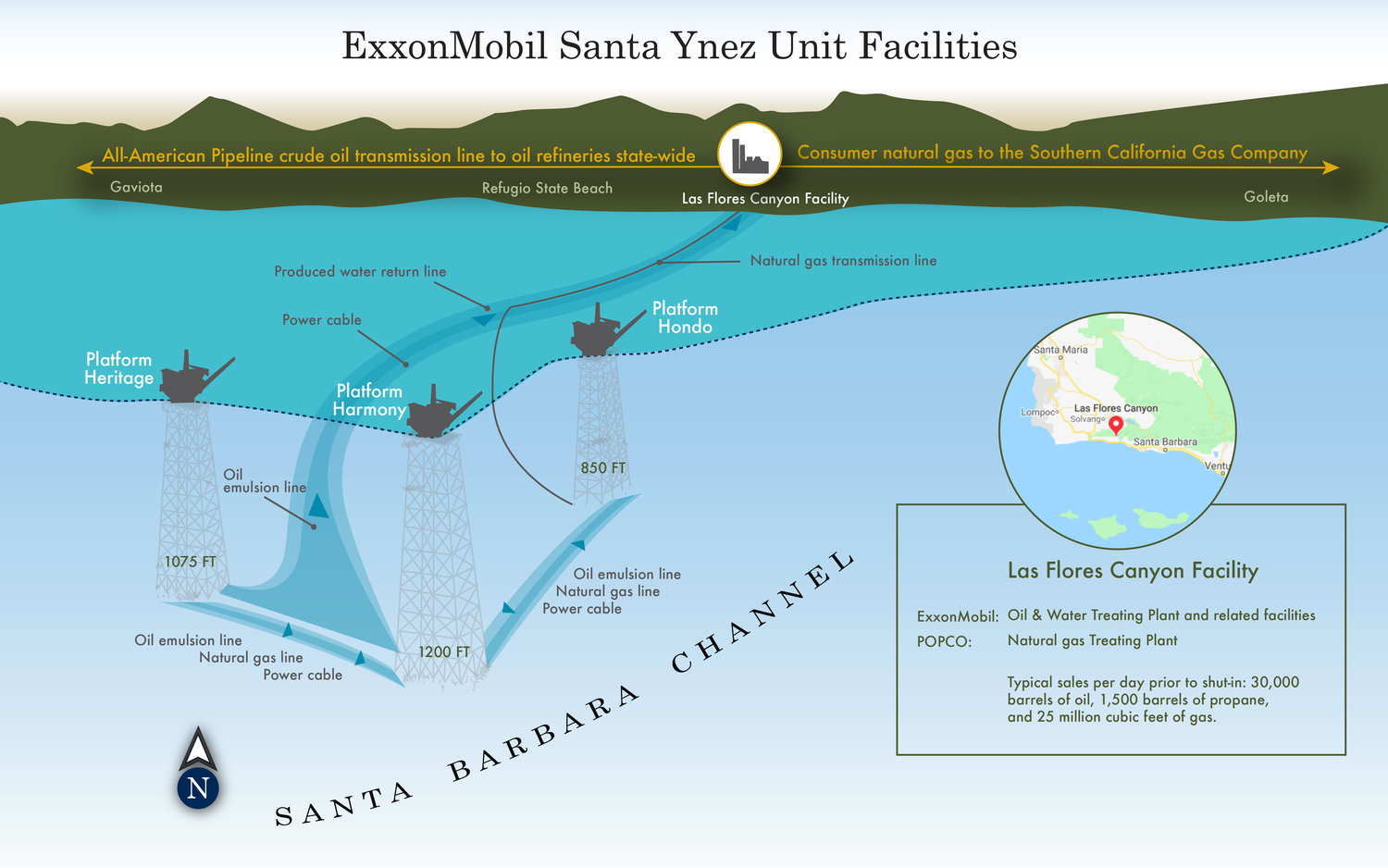
As posted on 9/10/2025 (prior to PHMSA’s assertion of jurisdiction): Given that the Sable pipeline will carry OCS production, it would seem to fundamentally be an interstate line (Federal jurisdiction), as it was when owned by Plains. Could DOT reverse the 2016 letter agreement? That is conjecture for the attorneys and courts to consider.

A new Bloomberg Law article explains PHMSA’s position after a challenge by the California AG:

PHMSA said state-based hurdles are preempted by federal authorizations in the emergency permit notice letter the agency sent to Sable last year. Because the pipeline originates on the Outer Continental Shelf, the system automatically comes under federal oversight, the agency said.

A law professor adds the following:

The administration is invoking interstate commerce to classify the pipeline as a federal issue, “arguing that this is between a place in a state and outside that state,” said Hannah Wiseman, a professor at the Penn State Dickinson Law.

They are claiming this under their interpretational authority, as opposed to the actual language of the Pipeline Safety Act,” she said.

The language of the law only assigns PHMSA jurisdiction over oil operations that run outside or between state lines, but here the agency is arguing the pipeline’s start point is on the OCS, not at the onshore processing facility, she said.

Not mentioned in the article but pertinent:

  • In PHMSA’s favor, the onshore pipeline was initially under their jurisdiction.
  • In California’s favor, a court approved Consent Decree clearly identifies the California Fire Marshal as the sole oversight authority.

Meanwhile, Kruti Shah cleverly summarizes the Santa Ynez Unit story in a series of posts on X. Click on the post below to get the full thread. Great read for Sable/SYU followers:

Read Full Post »

Important and long overdue:

Read Full Post »

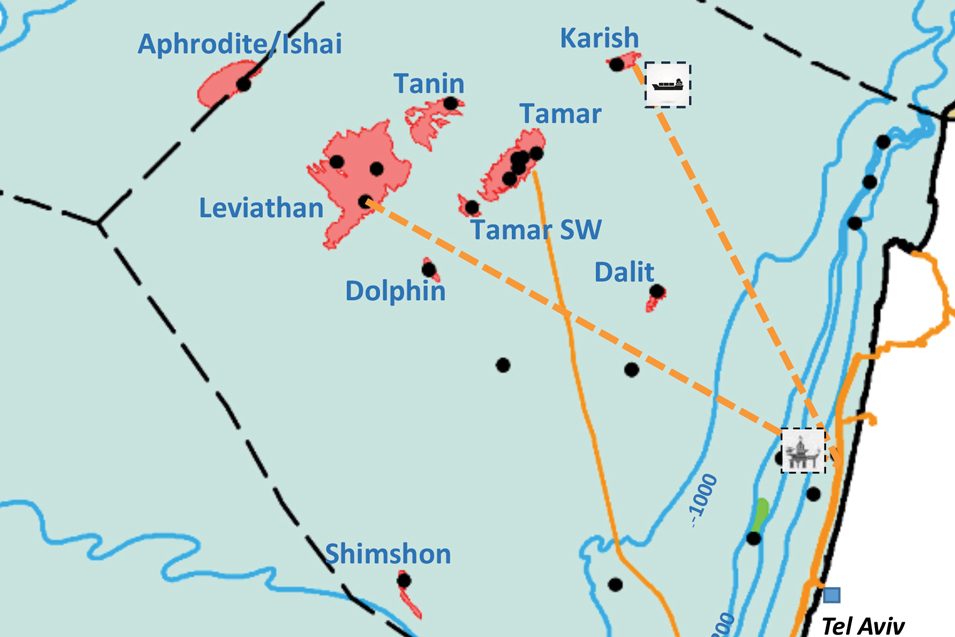
Thirty years ago, when industry majors shied away from exploration offshore Israel, Noble Energy (then Samedan) boldly stepped forward and partnered with the Delek Group to explore the Eastern Mediterranean.

Exploration success was accompanied by national security, legal, and regulatory challenges. Nonetheless, Israel’s gas production has grown rapidly and is expected to exceed 3 bcf/day in 2026, which is > current gas production in the Gulf of America.

Chevron is now the main operator in Israel, having purchased Noble’s assets in 2020. The company has taken another major step by signing an MOU with Syrian Petroleum Co. and Qatar-based Power International Holding. The document is not currently accessible online, but appears to be substantive based on press reports.

The agreement focuses on preliminary cooperation for exploring and developing offshore oil and gas resources offshore Syria. It’s noteworthy that the MOU will only remain in effect for two months, after which “formal contracts and operational work are expected to follow.”

Having done some work for Noble Energy in the 2010s, I’m very impressed by the progress that has been made given the geopolitical challenges.

Production at Chevron’s Leviathan, a giant gas field offshore Israel

The EIA’s Eastern Mediterranean overview is attached.

Read Full Post »

Jarrod Agen is Deputy Assistant to the President and Executive Director, National Energy Dominance Council. A question about Sable Offshore’s Santa Ynez Unit project was raised at a Foundation for Defense of Democracies (FDD) event on “The State of American Energy Dominance.” See the Bloomberg blurb and X post below. The full event video is here.

Read Full Post »

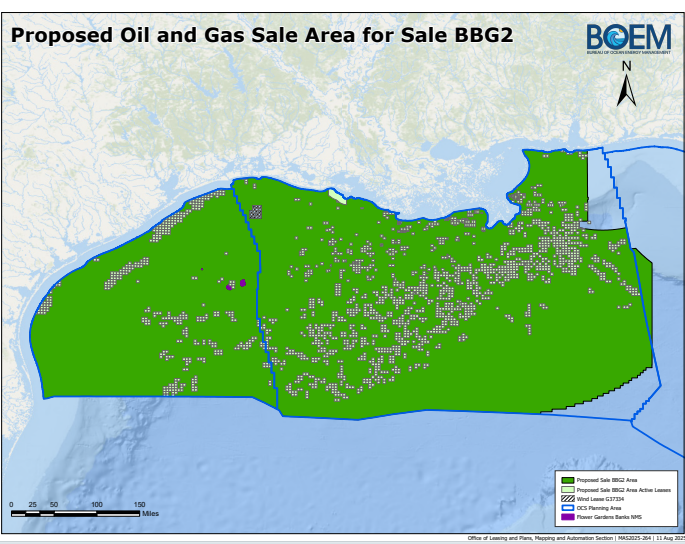
Tracts receiving bids in Sale BBG1

To date,BOEM has deemed 96 of the 181 BBG1 high bids to be acceptable. No high bids have been rejected. Although the sale was “beautiful but not big,” the bids were relatively strong on a per acre basis. The number of rejected bids may thus be quite low.

No bids were accepted during BBG1’s Phase 1 review. This means that none of the tracts receiving bids were determined to be nonviable as was the case for the 199 tracts that were improperly acquired for carbon disposal purposes in Sales 257, 259, and 261. (Unsurprisingly, neither of the acquiring companies has submitted an exploration plan for any of these CCS leases. The leases will likely expire without activity. Much to the dismay of the large and diverse group of opponents, the carbon disposal industry is focusing on onshore locations along the Gulf Coast.)

Meanwhile, a Cook Inlet lease sale is scheduled for March 4, and another Gulf of America sale will be held on March 11. Despite attractive terms, don’t expect either to be a banner “red jacket” lease sale. (See the John Rankin recognition below.)

More information on BOEM’s bid evaluation process.

Read Full Post »

Attached is John Smith’s updated Sable litigation table. John is a BOEM retiree who has been closely monitoring Sable’s legal and regulatory challenges. His summary:

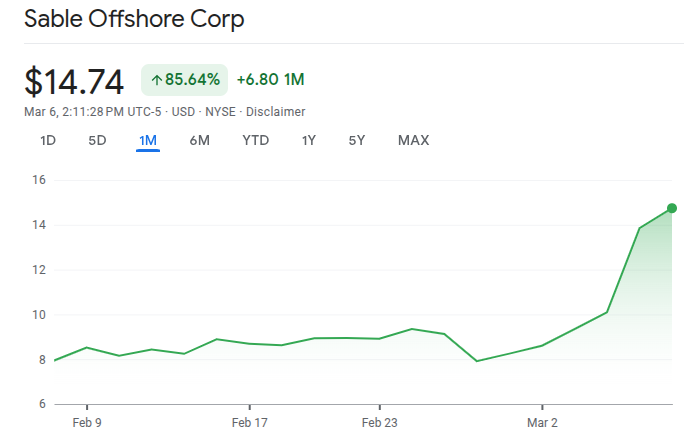
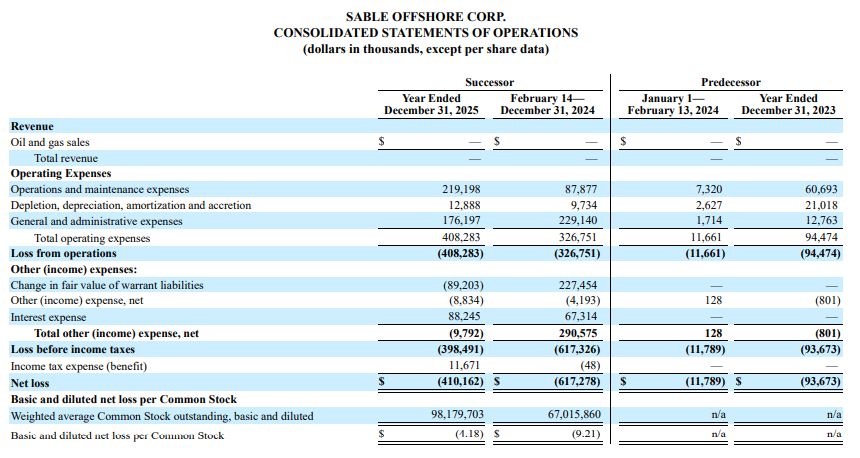
“Sable Offshore Corp. is involved either directly or indirectly in no less than 12 lawsuits that have been filed by environmental groups, state and county regulatory agencies, and the Attorney General of California, all of whom are committed to stopping Sable from restarting Santa Ynez Unit (SYU) oil and gas production. All of the lawsuits are active and many are likely to result in prolonged judicial proceedings extending over several years. Will Sable have the will and financial resources to continue these legal battles indefinitely? – that’s a multi-million dollar question.”

Read Full Post »

Back to the future? Santa Ynez Unit OS&T – 1981-1994

Pasted below are excerpts from Sable’s Prospectus Supplement. Is Sable serious about pursuing a Santa Ynez Unit strategy that employs a production and treatment vessel 3.5 miles from shore ala the development option that was reluctantly approved by the Federal govt in 1974, two decades before the onshore infrastructure was in place?

The OS&T option is inferior to onshore treatment and pipeline transportation in every way – spill risks, air emissions, economics, ultimate oil recovery, transportation to market, natural gas utilization, and public benefit.

This blogger supports a resumption of Santa Ynez Unit production. However, the only responsible path forward is to do the right thing and continue to pursue the onshore pipeline approvals administratively and legally. It is far better to defend a good project than a contrived workaround. 

When will BOEM share Sable’s proposed “update”(actually a massive revision) to the SYU Development and Production Plan, as they are obligated to do?

Evaluation of the revised plan will require a detailed environmental review.

Operationally, BSEE and the Coast Guard will need to carefully consider vessel integrity, treatment capabilities, mooring and offloading plans, transportation schemes, gas utilization/injection, and many other technical details.

Meanwhile, does Exxon, the previous (and future?) owner, remain on the sidelines when the OS&T permitting circus begins in earnest?

Excerpts from Sable’s Prospectus Supplement (emphasis added):

On September 29, 2025, Sable announced that it is evaluating and pursuing an offshore storage and treating vessel (“OS&T”) strategy to provide access to domestic and global markets via shuttle tankers for federal crude oil produced from the SYU in the Pacific Outer Continental Shelf Area (the “OS&T Strategy”). Continued delays related to the Santa Ynez Pipeline System have prompted Sable to evaluate and pursue the OS&T Strategy. On October 9, 2025, Sable submitted a Development and Production Plan update for the SYU to the Bureau of Ocean Energy Management (“BOEM”). Prior to implementation of the OS&T Strategy, regulatory authorizations are required, including clearance from BOEM.

Preparations for the OS&T Strategy include the acquisition of a suitable OS&T vessel, certain refitting and upgrades to the vessel and the SYU equipment, transportation of the vessel to SYU, and related installation. In connection with implementation of the OS&T Strategy, the Company expects to opportunistically acquire an existing OS&T in the first quarter of 2026, with delivery of the vessel to SYU expected in the third quarter of 2026. Following the acquisition of the vessel, and vessel and platform upgrades and installation, Sable would expect to begin sales from all SYU platforms in the fourth quarter of 2026, with expected comprehensive oil production rates of over 50,000 barrels of oil per day, utilizing the OS&T within the SYU federal leases, provided the Company receives regulatory clearances. Sable estimates that the total capital required to execute the OS&T Strategy is approximately $475.0 million. The Company has already incurred a small portion of such capital expenditures, with the vast majority of such capital expenditures remaining, provided the Company receives regulatory clearances. See “Risk Factors—Risks Associated with Our Operations—In order to commence operations pursuant to an OS&T offtake strategy, we will require clearances and permitting, including from BOEM.”

Read Full Post »

Excellent AAPG article

“We have not been finding enough new fields.” That’s William DeMis, president of Richelle Court, LLC, who said that, in addition to not finding enough, we keep erecting new ways to export what we’re not finding.

The way, he said, to avert the coming shortage is for people to find new sources of gas outside of Haynesville field, which for years, considering its proximity to the Gulf Coast, and the petrochemical plants of Southwest Louisiana, as well as pipelines, made it a swing producer for natural gas.

“But I can tell you from bitter experience over the last three years that finding people to fund greenfield exploration is darn near impossible. There is scant capital to drill natural gas wildcats in the U.S.” said DeMis.

Reiterating that it’s time for another look at ultradeep shelf gas in the Gulf. Should BOEM consider royalty incentives?

Read Full Post »

Is this a new low for the UK’s anti-oil mob? See this BBC article shared by JL Daeschler.

Campaigners against Rosebank, Britain’s largest untapped oil field, have told the UK government that approving the project would risk breaching international law.

They say profits would flow in part to the Israeli oil and gas company Delek Group, which the UN human rights commissioner accuses of “supporting the maintenance and existence” of illegal settlements in the West Bank.

Note that Delek is not a Rosebank partner, but is the majority shareholder in a 20% Rosebank partner, Ithaca Energy. The 80% owner and project operator is Equinor, which is 2/3 owned by the Norwegian govt. Apparently, neither Equinor nor Norway are troubled by Ithaca Energy’s 20% Rosebank share. (There is no indication that the BBC contacted Equinor prior to publishing the article.)

The most sensible quote in the article is from the govt of Israel which dismissed the accusations as “absurd and distorted.”

Which do left-wing activists hate more – oil or Israel?

Read Full Post »

The Bureau of Ocean Energy Management (BOEM) is initiating the first steps that could potentially lead to a lease sale for minerals on the Outer Continental Shelf (OCS) offshore Alaska by publishing this request for information and interest (RFI).”

The Federal Register Notice is attached.

Read Full Post »

« Newer Posts - Older Posts »