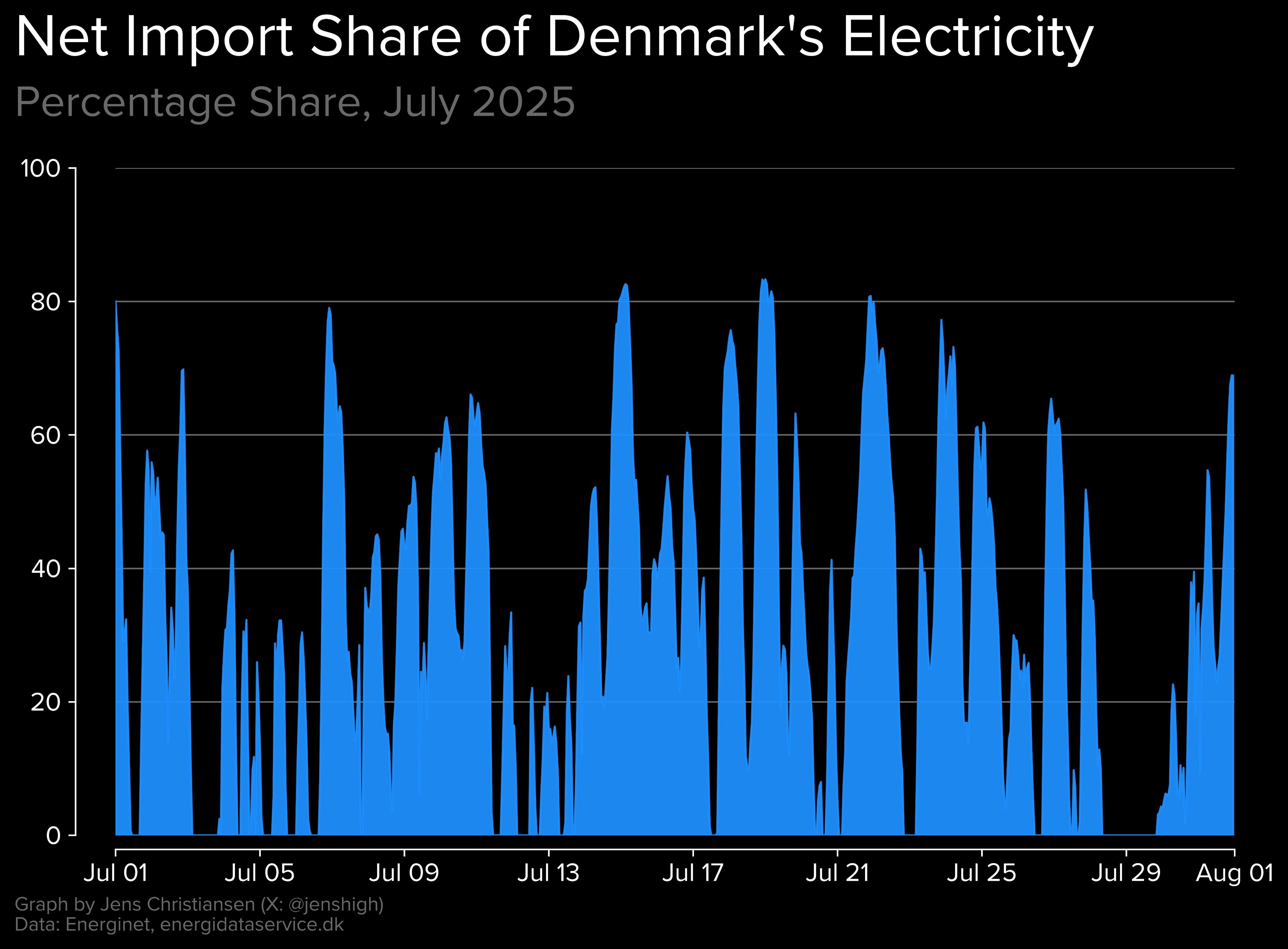
As indicated in the Jens Christiansen graphic above, Denmark’s net imports exceeded 80% of demand several times in July. Per Jens, a Danish physicist, “this is the downside of being a wind leader we have to talk about.”
Posted in climate, energy policy, Offshore Wind, tagged Denmark, electricity imports, Jens Christiansen, Wind Energy on August 6, 2025| Leave a Comment »
As indicated in the Jens Christiansen graphic above, Denmark’s net imports exceeded 80% of demand several times in July. Per Jens, a Danish physicist, “this is the downside of being a wind leader we have to talk about.”
Posted in climate, energy policy, Offshore Energy - General, UK, tagged 13000 jobs lost, JL Daeschler, North Sea, Scotland, UK energy policy on August 4, 2025| Leave a Comment »
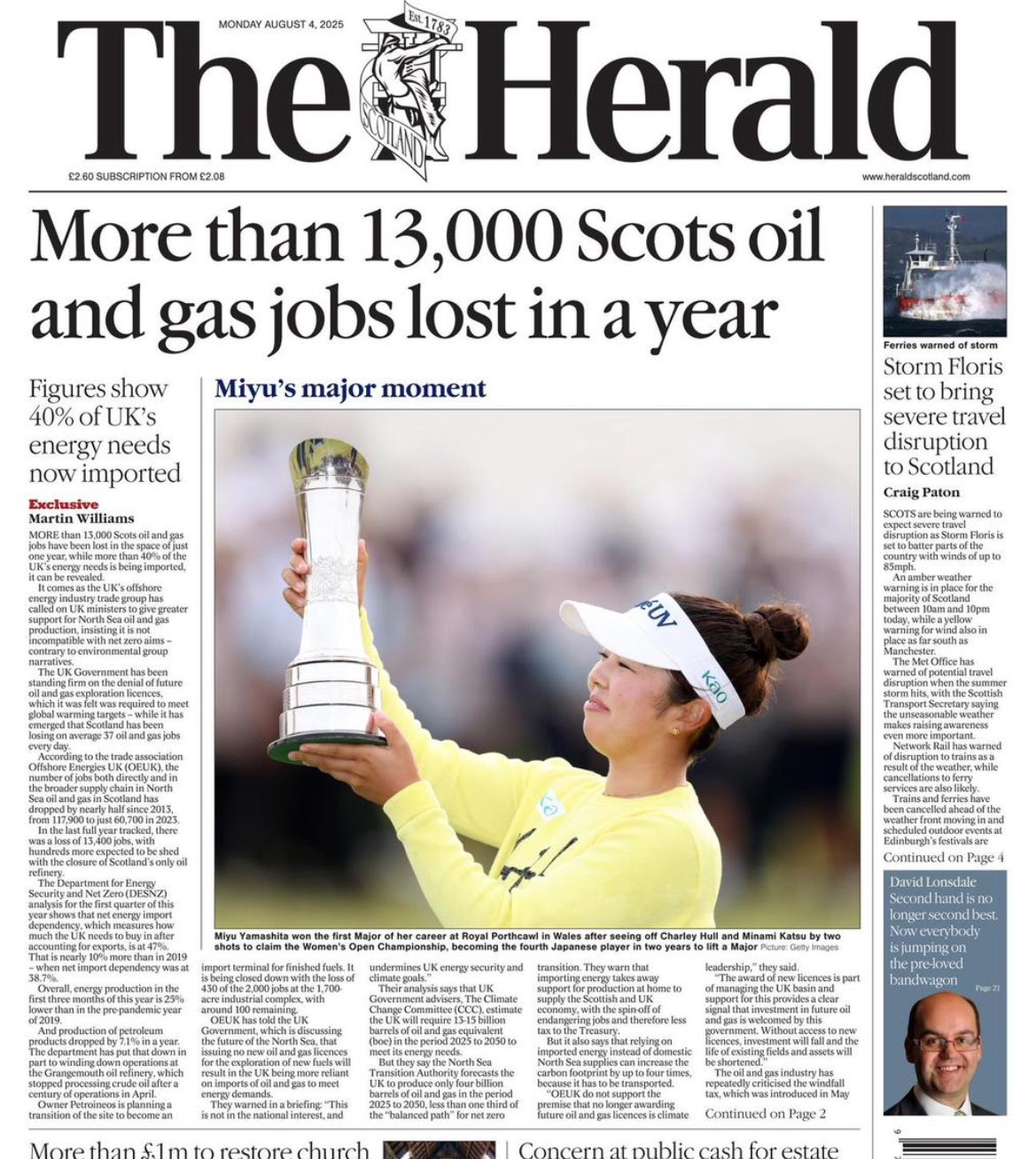
North Sea pioneer, JL Daeschler, reports from Scotland that “more than 13,000 Scots oil and gas jobs have been lost in the space of just one year while over 40% of the UK’s energy needs is being imported ….”
The UK’s self destructive energy policy, while sadly not unique, is particularly troubling because of the North Sea’s enormous contribution to the domestic economy over the past 50 years. As Gillian Bowditch aptly commented:
“We all want to protect our environment and Scotland, with its vast natural resources and expertise in energy, should be leading the way. Instead, we have squandered an opportunity in favour of a facile show of moral posturing.”
Posted in climate, energy policy, tagged cow burps, Denmark, livestock emissions tax, Univ. of Nebraska on July 17, 2025| Leave a Comment »
Danish Tax Minister Jeppe Bruus boasted that other countries will be inspired by the world’s first tax on livestock emissions.
Not so fast says the University of Nebraska; perhaps the cows deserve a tax credit! 😉
Posted in climate, energy policy, tagged AEi, climate, energy cost, energy reliability, voters energy priorities on July 9, 2025| Leave a Comment »
The full report is attached.
Not at all shocking:
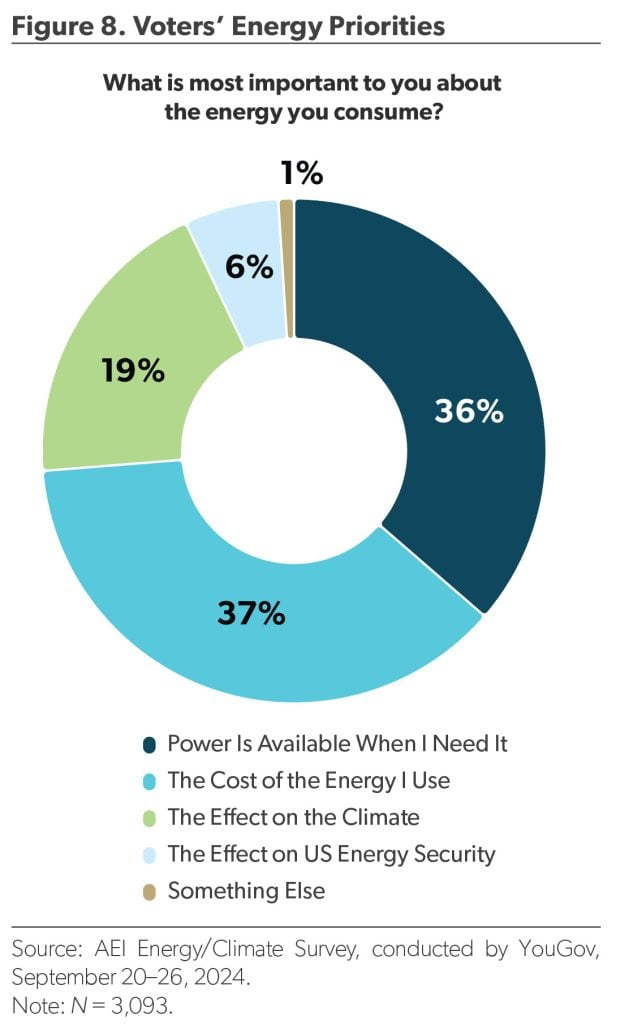
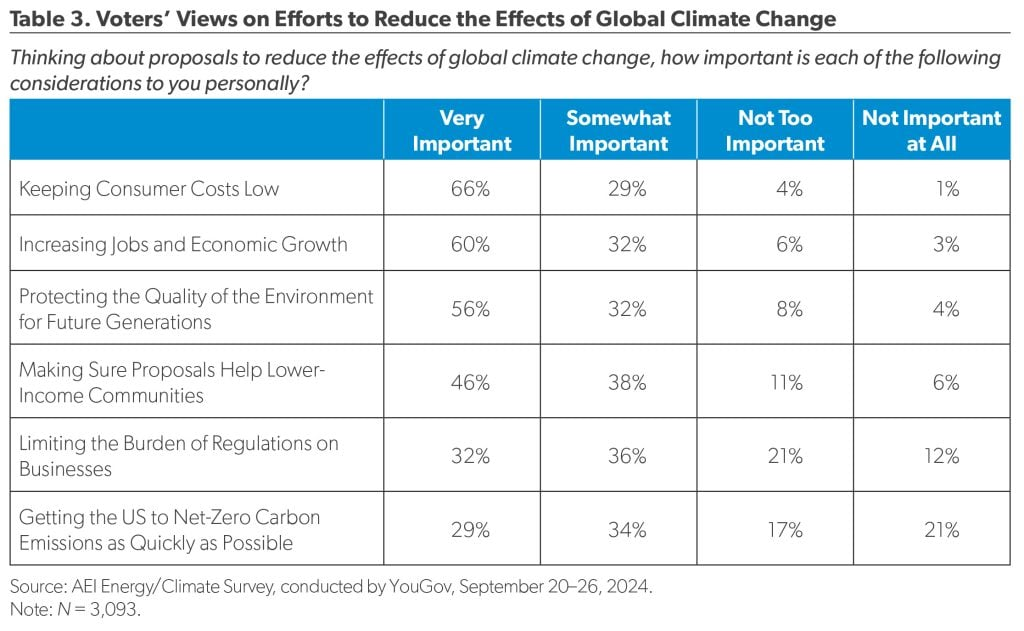
The public is most interested in the cost and reliability of the energy they use and the convenience and comfort of their energy-using products. They are unwilling to sacrifice much at all financially to address climate change or significantly change their consumer behavior.
Posted in climate, energy policy, Offshore Wind, pipelines, Regulation, tagged commercial fishing, Constitution pipeline, Empire Wind, Equinor, Green Oceans, Norway, offshore wind regulation, pause reversal, Wampanoag Tribe on May 27, 2025| Leave a Comment »

With victory in sight, the President pulled the ball away from his most ardent East Coast supporters.
Further thoughts on the reasons for the Empire Wind reversal:
Following the reversal of the Empire Wind decision, Green Oceans, ACK for Whales, Long Island Commercial Fishing Association, Protect Our Westport Waters, Save Greater Dowses Beach, Save Right Whales Coalition, and the Wampanoag Tribe of Gay Head/Aquinnah petitioned Secretary Burgum to halt all wind construction in New England coastal waters and begin a “complete reevaluation” of their permits under applicable federal laws. In addition to right whale and tribal cultural resources concerns, the letter cited:
Posted in climate, energy policy, UK, tagged decarbonization, expensive renewables, financial costs, Kathryn Porter, UK on May 16, 2025| Leave a Comment »
Kathryn Porter is a well informed and articulate energy consultant. This video linked below is highly recommended.
Posted in climate, energy policy, Offshore Wind, tagged Disaster is blowin' in the wind, Ed Miliband, wind turbines on May 10, 2025| Leave a Comment »
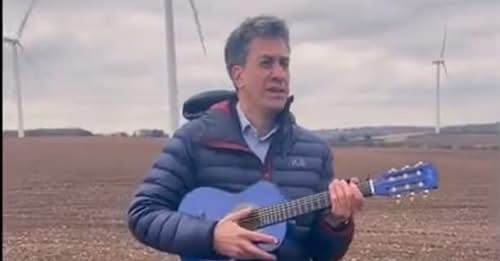
By Richard Littlejohn with apologies to Bob Dylan 😉
“How many pits must a man close down
Before we run out of coke?
How many North Sea oil rigs must shut
Before the UK goes broke?
Yes, and how many windmills must the countryside take
Before it’s beyond a sick joke?
Disaster, my friend, is blowin’ in the wind
Disaster is blowin’ in the wind.
Yes, and how many more must be dumped on the dole
Before the worm starts to turn?
Yes, and how long will we go on importing foreign coal
As if we’ve got money to burn?
Yes, and how many times will the lights go out again
Before this madman will learn?
Disaster, my friend, is blowin’ in the wind
Disaster is blowin’ in the wind.
Yes, and how much higher will our gas bills have to go
So Miliband can play superhero?
Yes, and while the economy goes up in flames
Mister Ed fiddles madly like Nero,
Yes, and how many old folk will die from the cold
In futile pursuit of Net Zero?
Disaster, my friend, is blowin’ in the wind
Disaster is blowin’ in the wind.
And here is Miliband with his version (You can’t make this up! 😉):
Posted in CCS, climate, energy policy, Uncategorized, tagged 38 House members call for repeal, energy subisidies, Inflation Reduction Act on May 1, 2025| Leave a Comment »
“Despite our previously unified stance, some Members of our conference now feel compelled to defend wind and biofuel credits, advocate for carbon capture and hydrogen subsidies, or protect solar and electric vehicle giveaways. Keeping even one of these subsidies opens the door to retaining all eight. How do we retain some of these credits and not operate in hypocrisy? The longstanding Republican position has been to allow the market to determine energy production. If every faction continues to defend their favored subsidies, we risk preserving the entire IRA because no clearly defined principle will dictate what is kept and what is culled.“
The full letter is attached.
Posted in climate, energy policy, Wind Energy, tagged Die Dunkelflaute, grid management, Iberian power outage, intermittent energy, Portugal, solar energy, Spain on April 30, 2025| Leave a Comment »
Die Dunkelflaute or dark lulls have drawn attention to the need for dispatchable power (typically from gas turbines or coal-fired power plants) when the weather isn’t cooperating.
The massive power outage in Spain and Portugal on Monday may be the result of the opposite challenge – a surge in solar power supply greatly exceeding demand (dark line in chart below).
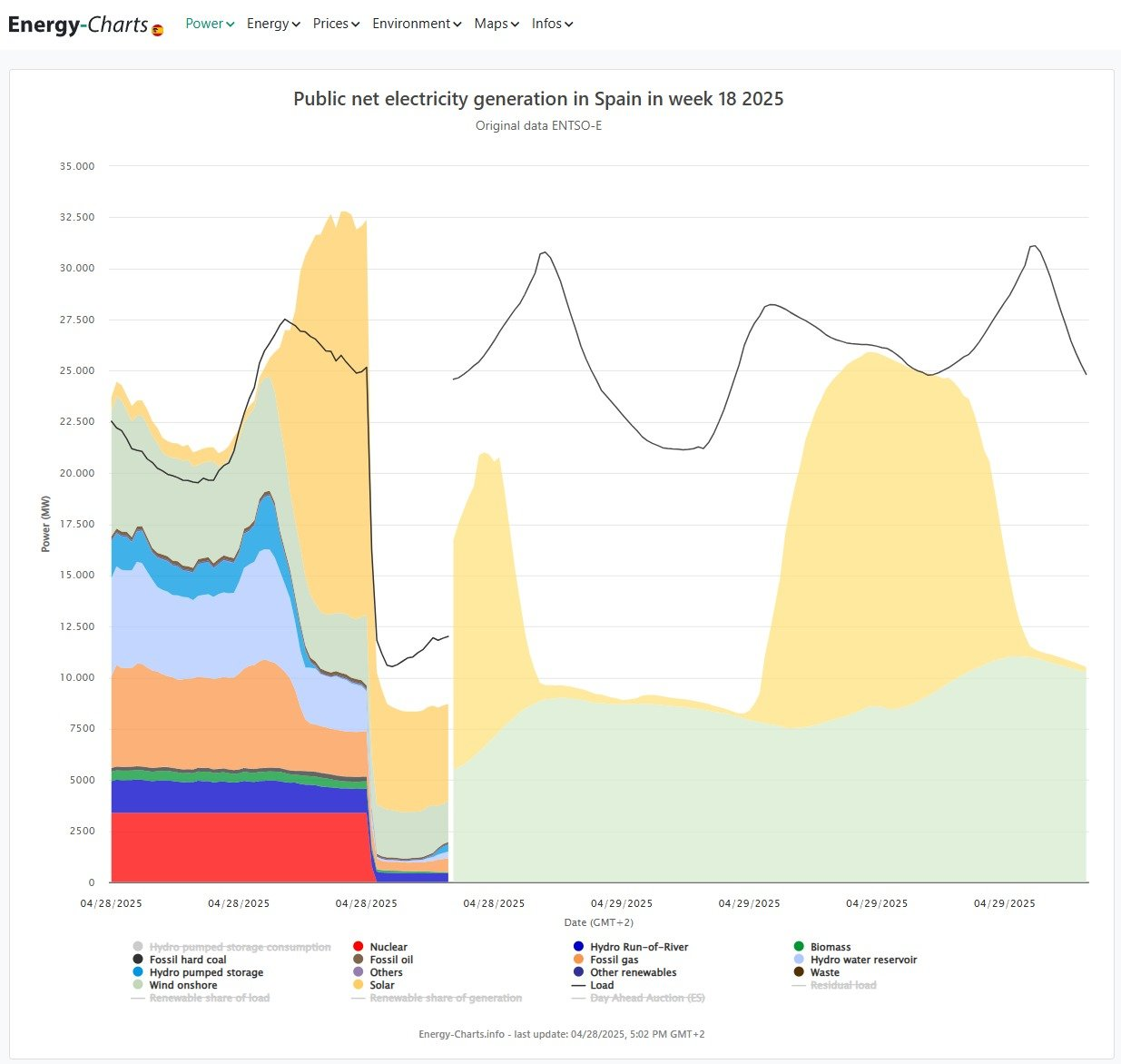
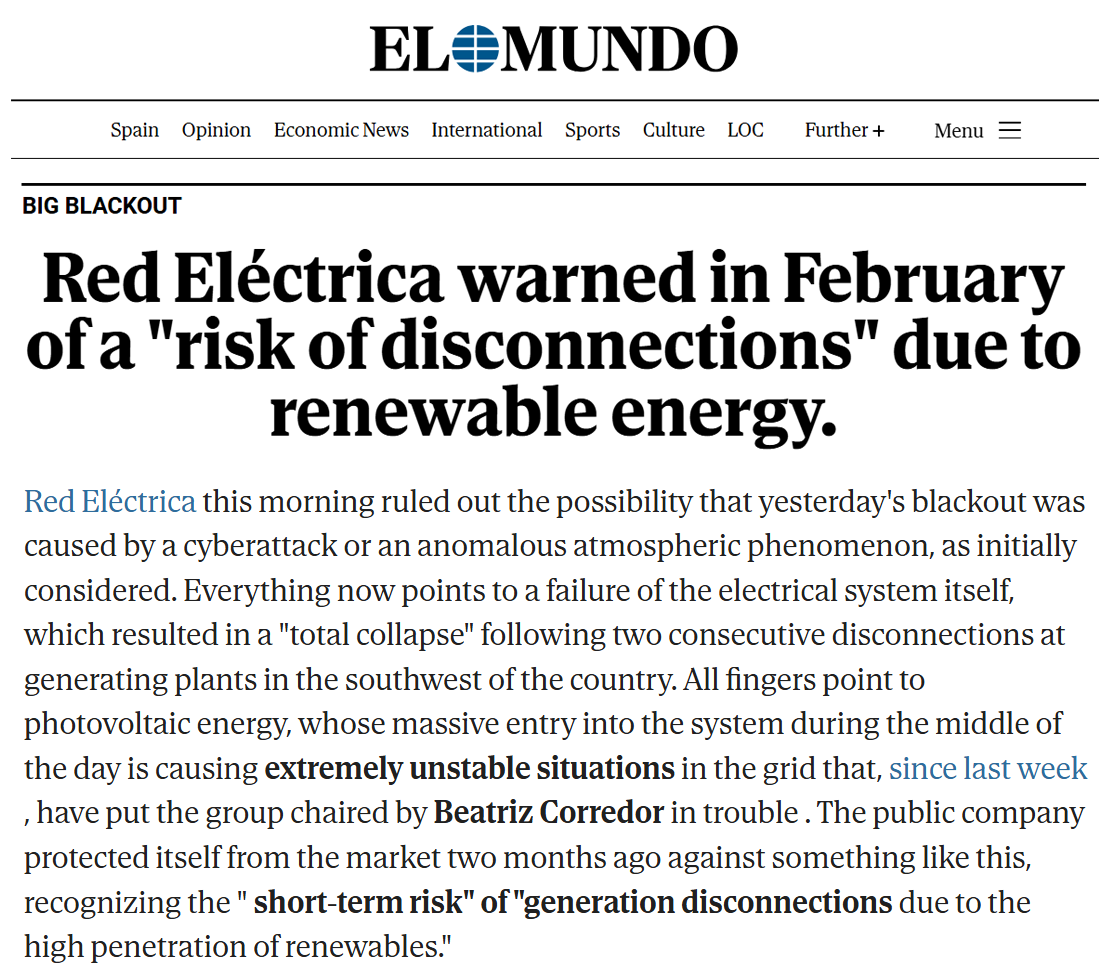
Note that no extreme weather events were reported in Spain on April 28, 2025. The Portuguese grid operator mentioned “extreme temperature variations” in Spain’s interior, possibly causing grid oscillations, but no storms or heatwaves were noted. Weather was typical for April, with mild temperatures (8-19°C) and some rain.
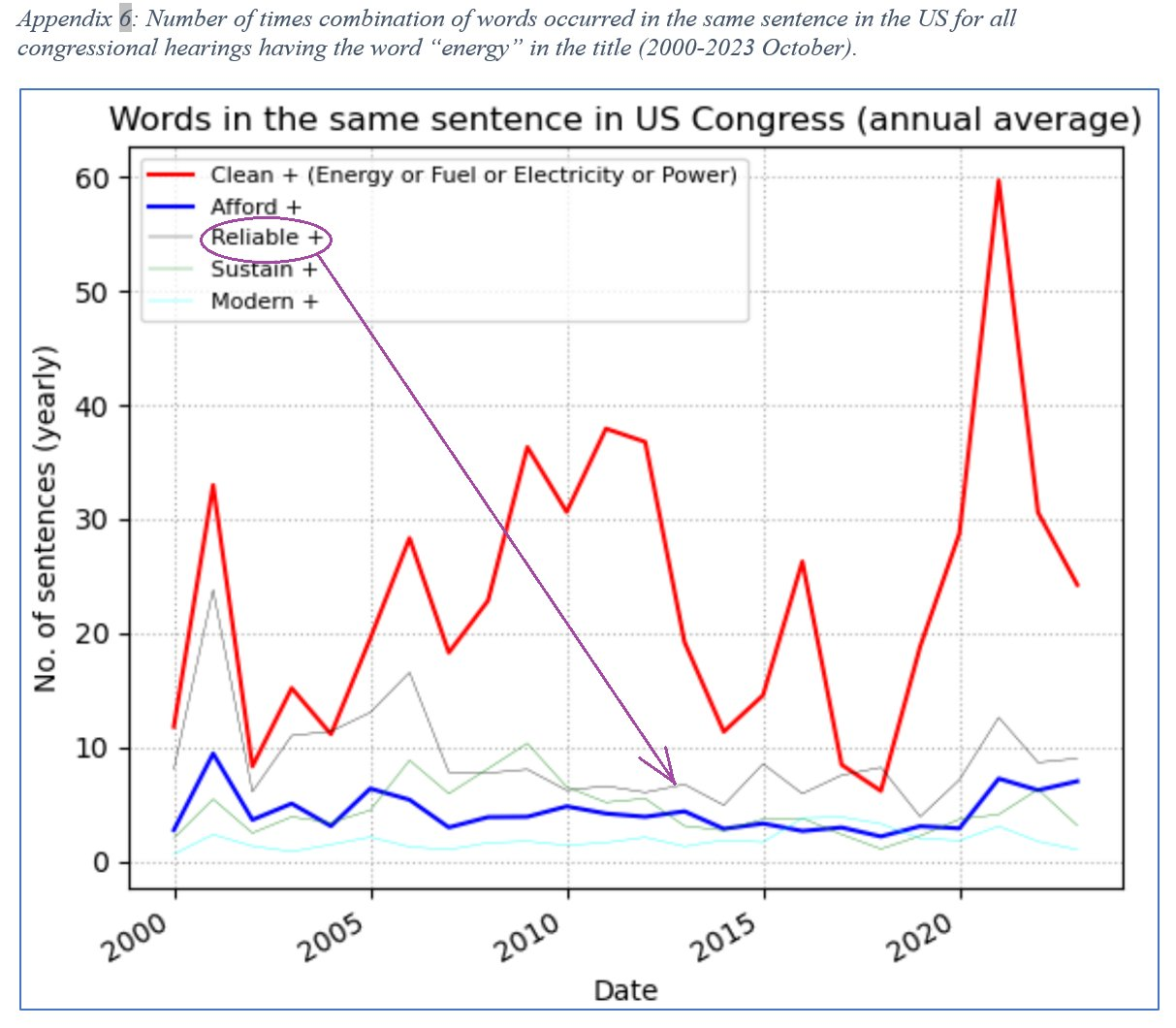
Meanwhile, the political focus in the US (chart below), and perhaps more so in Europe, had been on “clean” rather than reliable power.
Bottom line: Over-reliance on highly variable wind and solar power challenges grid management, putting supply reliability at risk.
Posted in climate, energy policy, natural gas, Offshore Energy - General, tagged associated gas, benefits of natural gas, energy scoreboard, energy source rankings, Heartland Institute, natural gas, nonassociated gas, offshore gas on April 24, 2025| Leave a Comment »
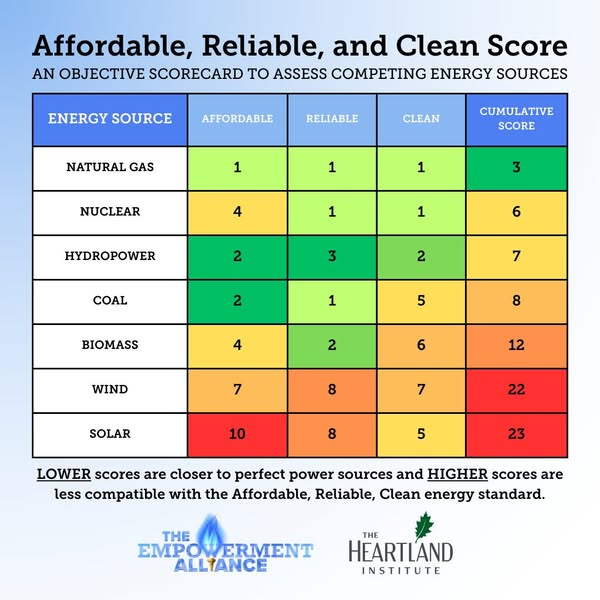
All rankings are suspect, especially those I agree with 😉. The full scoreboard report is attached, so you can judge for yourself.
I was an early advocate for the use of natural gas in improving urban air quality. (I still have the ancient graduate school paper! 😀). This blog has repeatedly saluted natural gas and its compelling economic and environmental benefits.
Although combustion of natural gas emits 30% and 45% less CO2 than oil and coal respectively, the CO2 emissions are still significant. As a result, those who focus solely on greenhouse gases and ignore all other impacts (e.g. other air pollutants like NOx, SO2, and particulates, land use and space preemption, visual effects, and wildlife risks), want to limit the production and use of gas. However, whether or not fossil fuel consumption is significantly affecting the climate, the use for natural gas will be economically and environmentally imperative for the foreseeable future.
Not all natural gas production is equal from an environmental standpoint. Because this is an offshore energy blog, I draw your attention to the unique advantages of offshore gas production: minimal visual impact, bird friendly (rigs-to-roosts!), no risks to freshwater aquifers, and few land use issues.
Currently, most offshore gas production is in the form of oil-well gas (AKA associated or casing head gas). Offshore gas production is thus being primarily driven by oil demand, and is an added benefit from deepwater oil development.
Offshore gas-well or non-associated gas is largely the domain of independent operators producing in the shallower waters of the continental shelf. Non-associated gas has an added benefit in that there is little or no spill risk (depending on how dry the gas is). Shelf gas platforms also provide ecosystem benefits through their reef effect (rigs-to-reefs). Sustaining this non-associated gas production is therefore desirable from both energy and environmental standpoints.

