Feeds:
Posts
Comments

Archive for the ‘climate’ Category

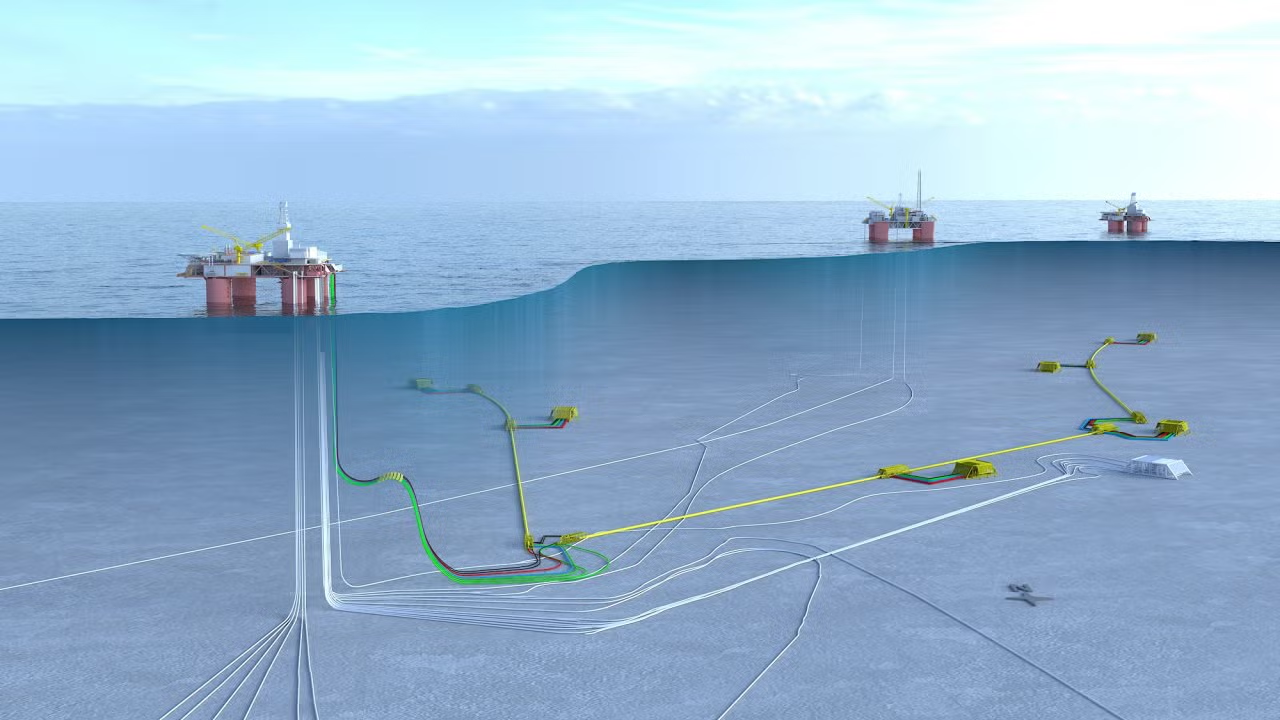
The Snorre field is in 300-380m of water in the North Sea ~200 km west of Floro.

According to Reuters and others, Equinor will no longer pursue electrification of Snorre A and B, Heidrun, Aasgard B, and Kristin platforms, but still plans to proceed with projects at Grane and Balder fields.

A number of BOE posts since Jan. 2022 have questioned Norway’s electrification strategy for offshore platforms. Our reasons:

  • Most offshore platforms produce sufficient gas to support their power demands
  • Assuming gas that is not used to power a platform is marketed and consumed elsewhere, the net (global) reduction in CO2 emissions from electrifying offshore platforms is negligible. (Perhaps there is actually a small increase in net emissions given the power required to transport the gas to markets and the emissions associated with onshore power generation).
  • Offshore power demands are highly variable, especially when drilling operations are being conducted.
  • Gas turbines are reliable, and capable of responding to variable power demand. Excess generation capacity is typically provided.
  • Power from shore increases the cost of platform operations and could decrease ultimate recovery of oil and gas resources.
  • Per NPD, electrification of the shelf will increase electricity prices for onshore consumers and increase the need for onshore facility investment.
  • Gas turbines or diesel generators are still necessary to satisfy emergency power needs at the platforms.
  • Long power cables are vulnerable to damage (accidental or intentional), as are onshore power stations.

The reliability, cost, and cable vulnerability concerns have clearly been validated. The reality is that powering distant platforms from shore increases operating costs, safety risks, and onshore electricity prices with no net environmental benefit.

It also seems rather hypocritical for a major natural gas exporter to prevent offshore operators from powering their platforms with gas produced at their platforms.

Read Full Post »

Unsurprisingly, the carbon capture and sequestration (CCS) hype is fading fast. No other carbon strategy is so strongly opposed by both climate change activists and skeptics.

Support for CCS seems to be limited to those seeking to profit from subsidies, mandates, and disposal fees. In 2022, Exxon projected a $4 trillion CCS market by 2050. Pipe dream?

“Highlights” of the Gulf of America OCS carbon disposal era:

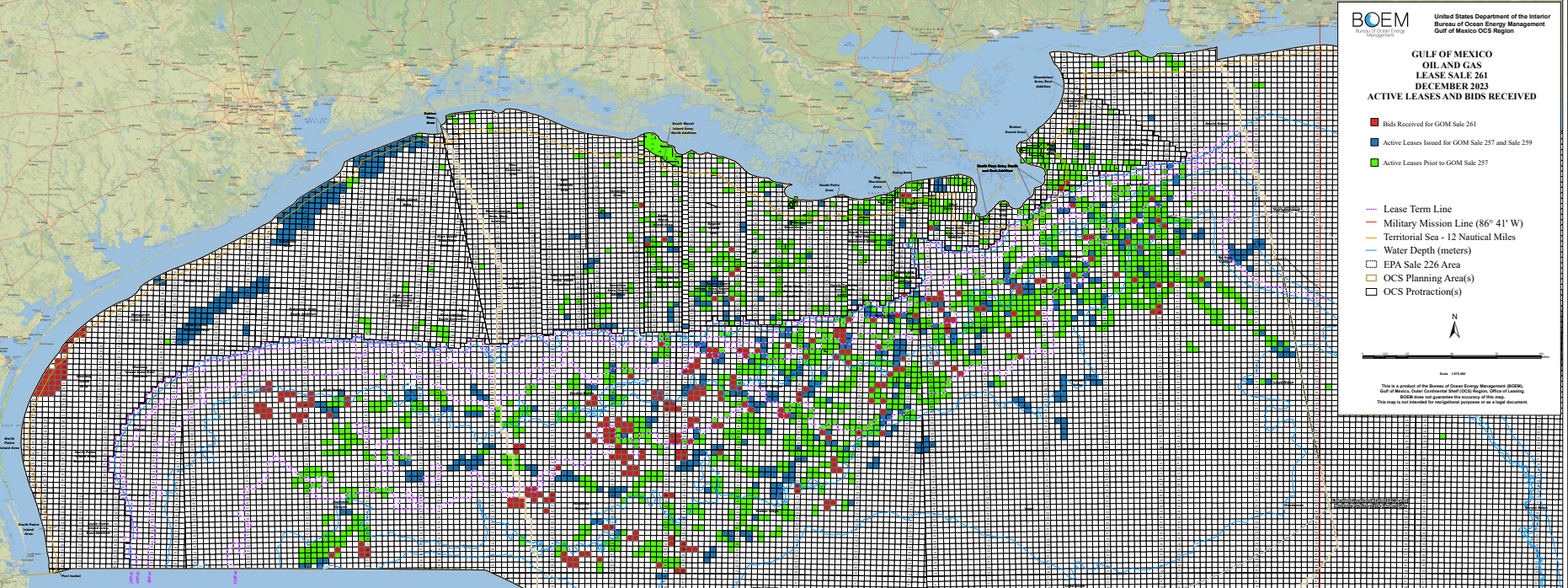
Gulf of America lease map: 199 oil and gas leases were wrongfully acquired for carbon disposal purposes. At Sale 261, Repsol acquired 36 nearshore Texas tracts in the Mustang Island and Matagorda Island areas (red blocks at the western end of the map above). Exxon had acquired 163 nearshore Texas tracts (blue in map above) at Sales 257 (94) and 259 (69).

Even those of us who are supporters of responsible offshore oil and gas production find it a bit unsavory that some companies are looking to cash in on (and virtue signal about) carbon collection and disposal at the public’s expense. Perhaps companies that believe oil and gas consumption is harmful to society should be seeking to reduce production rather than engaging in enterprises intended to sustain it.

Read Full Post »

Quaise Energy: “Millimeter wave drilling is the most transformational drilling technology since the drill bit was introduced to the world in the 1930s. It’s the key that finally unlocks superhot geothermal energy worldwide, and we’re already getting started on our first power project in the western United States.

Millimeter wave drilling is what makes geothermal universal, not niche. It’s far more than just a new tool. It’s as consequential as peering into the atom, going into orbit, and mapping the human genome. And, it can open the door to terawatts of geothermal power for the entire world.

Ultradeep & Superhot!

Read Full Post »

Gov. Newsom and Danish Foreign Minister Lars Løkke Rasmussen

As is the case for most MOUs, the attached 8/22/2025 agreement between California and Denmark is long on promotion and short on substance. No funds are obligated and there are no work commitments.

The MOU made sense for Gov. Newsom in that he strengthened his green credentials by aligning with the country that is the spiritual leader for climate activists.

The benefits for Denmark were unclear, but the risks should have been apparent. The White House is fundamentally opposed to the climate and energy objectives identified in the MOU. Ørsted (50.1% govt owned) and other Danish business interests are very much dependent on decisions made by the US Federal govt.

Work on Ørsted’s Revolution Wind project has been halted by Interior Secretary Burgum. His decision is being challenged in court, but no matter what the outcome, offshore wind development will be difficult for Ørsted and other foreign companies going forward. The Secretary has broad regulatory authority under the OCS Lands Act, under which there is no such thing as “a fully permitted project.”

Meanwhile, California’s green status has taken a hit with the passage of S 237, which pragmatically authorizes new onshore drilling.

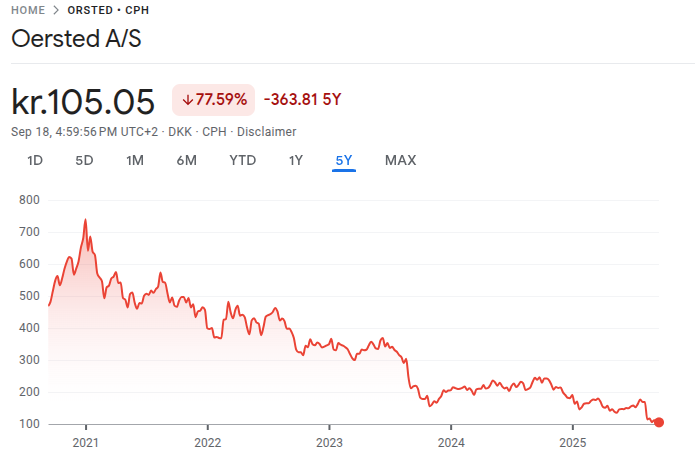
Lastly, as the chart below illustrates, Orsted’s problems didn’t begin in 2025.

Read Full Post »

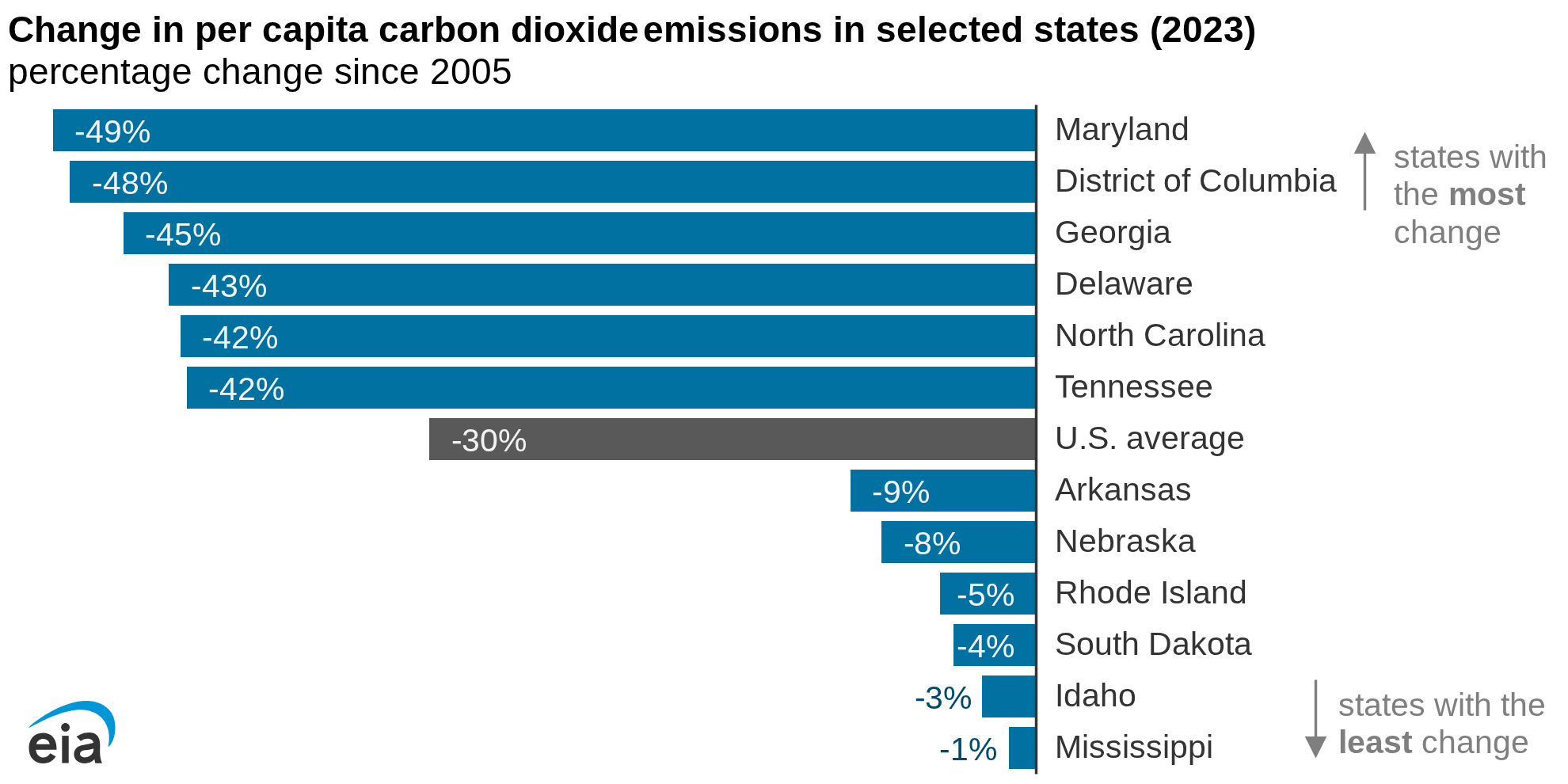
EIA: Per capita CO2 emissions from primary energy consumption decreased in every state from 2005 to 2023, according to recently released data in our State Energy Data SystemTotal energy-related CO2 emissions in the United States fell 20% over that time, and the population grew by 14%, leading to a 30% decrease in per capita CO2 emissions.

Read Full Post »

Read Full Post »

Victoria Bonnet’s piece in the Nantucket Current challenges certain assertions made at the Select Board’s July 29 press conference. Key points:

The government documents for ALL the Atlantic projects make it clear that there will be no benefit to climate change from implementing wide scale offshore wind.”

And how is it possible that an attorney representing an island that is receiving the full brunt of the environmental impacts from this massive industrial project is lecturing the press that historic preservation can co-exist with offshore wind? The sight of just the first 40 towers from Vineyard Wind makes it clear they can’t.”

Blindly following public relations statements about offshore wind as a critical solution to climate change that must be implemented immediately is how we got here in the first place. It has become clear that Nantucket receives no benefits from, but is significantly harmed by, Vineyard Wind. Our Select Board’s role should not be to advocate for any energy source that harms Nantucket.”

Dawn Hill, a signatory to the Good Neighbor Agreement and the current Select Board Chair, was a bright spot in the meeting. Her acknowledgment that the project is way more impactful than communicated at the time the Good Neighbor Agreement was signed gives hope that more rational thinking and action is on the way.

Read Full Post »

As indicated in the Jens Christiansen graphic above, Denmark’s net imports exceeded 80% of demand several times in July. Per Jens, a Danish physicist, “this is the downside of being a wind leader we have to talk about.”

Read Full Post »

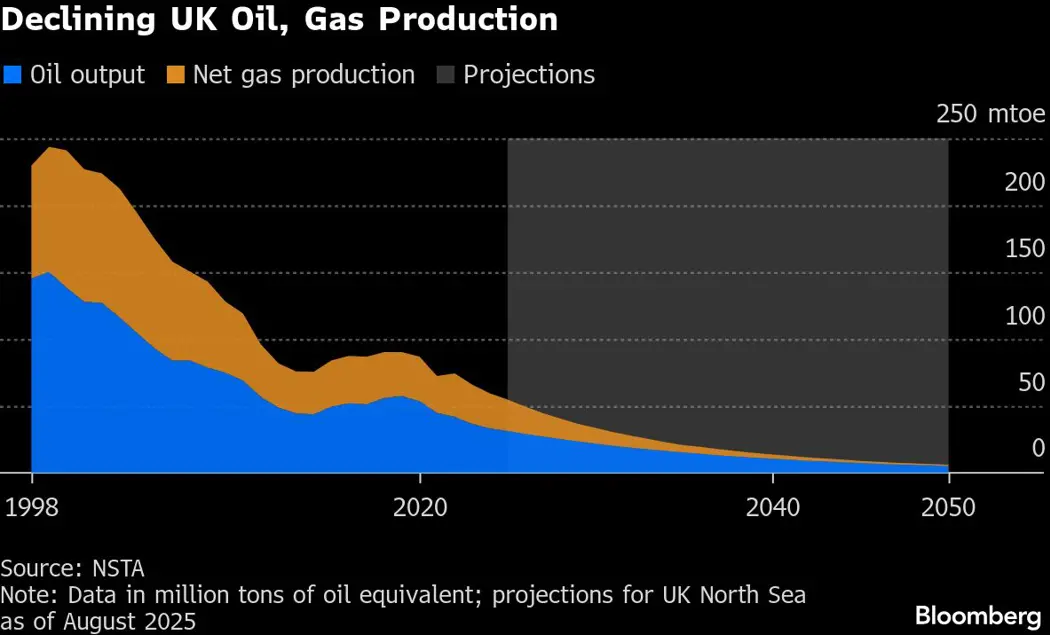
North Sea pioneer, JL Daeschler, reports from Scotland that more than 13,000 Scots oil and gas jobs have been lost in the space of just one year while over 40% of the UK’s energy needs is being imported.”

The UK’s self destructive energy policy, while sadly not unique, is particularly troubling because of the North Sea’s enormous contribution to the domestic economy over the past 50 years. As Gillian Bowditch aptly commented:

We all want to protect our environment and Scotland, with its vast natural resources and expertise in energy, should be leading the way. Instead, we have squandered an opportunity in favour of a facile show of moral posturing.”

Read Full Post »

Danish Tax Minister Jeppe Bruus boasted that other countries will be inspired by the world’s first tax on livestock emissions.

Not so fast says the University of Nebraska; perhaps the cows deserve a tax credit! 😉

Read Full Post »

« Newer Posts - Older Posts »