Feeds:
Posts
Comments

Archive for the ‘climate’ Category

In the wake of the decision to “pause” LNG export approvals, it’s important for us to also pause and reflect on the natural gas revolution.

Gas now accounts for 40% of our power generation.
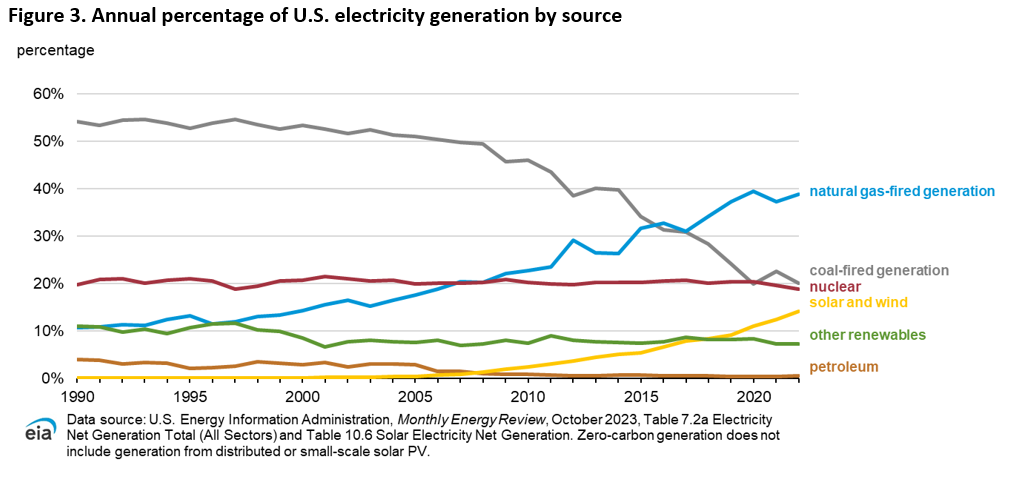
The gas boom’s economic and environmental benefits are compelling. Greenhouse gas emissions currently get most of the attention. In that regard, methane (CH4) is a hydrogen transporter that emits far less CO2 than other fossil fuels when burned.

Less attention has been given to natural gas’s other important air quality advantages – low NOx. SO2, and particulate emissions. These emissions have greater local significance from a human health standpoint. Those who have ridden a bike behind a natural gas powered bus have no doubt experienced the natural gas advantage firsthand.

Other environmental considerations particularly favor offshore natural gas when compared to energy alternatives. These include low well and facility density, no groundwater pollution risk, and minimal risk to wildlife.

Compiled below are links to BOE posts on natural gas issues and advantages.

Read Full Post »

The above map shows the offshore carbon disposal leases acquired by Repsol from the Texas General Land Office (GLO) and the adjacent Federal tracts Repsol bid on at OCS Lease Sale 261. There should be absolutely no confusion regarding Repsol intentions at Sale 261. They plan to develop a large CO2 disposal hub offshore Corpus Christi and bid improperly at an OCS oil and gas lease sale to support that objective.

Perhaps blinded by visions of “a stream of U.S. government grants, followed by generous tax credits for every ton of carbon stored,” Repsol (Sale 261) and Exxon (Sales 257 and 259) have made a mockery of the OCS leasing process and the regulations that guide it. The Repsol bids should be promptly rejected.

So what about the Exxon nearshore Texas leases that have already been issued? Given that Exxon misled the Federal government and improperly acquired carbon disposal leases at an oil and gas lease sale, those bids should be cancelled pursuant to 30 CFR § 556.1102:

(c) BOEM may cancel your lease if it determines that the lease was obtained by fraud or misrepresentation. You will have notice and an opportunity to be heard before BOEM cancels your lease.

While Exxon’s oil production increases in the Permian Basin and offshore Guyana are impressive, is it not hypocritical for Exxon and other major producers to capitalize on the capture and disposal of emissions associated with the consumption of their products? Is it not just a bit unsavory for oil companies to cash in on (and virtue signal about) carbon collection and disposal at the public’s expense? Perhaps companies that believe oil and gas production is harmful to society should be reducing production rather than engaging in enterprises intended to sustain it.

Read Full Post »

EIA reports October production of 1.959 million bopd. September production was revised down from 2.000 to 1.999 million bopd, a very slight but symbolically significant change. Foul play? 😉

For the past 2 years, no tropical storms have significantly impacted Gulf of Mexico production. Don’t expect this to be reported elsewhere 😉

Read Full Post »

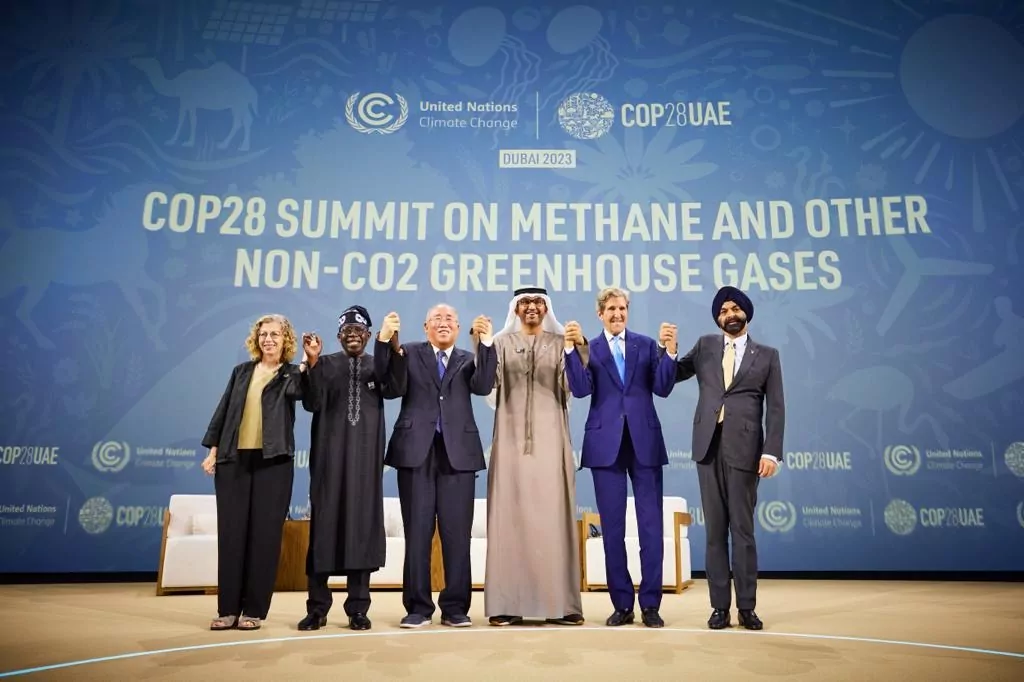
COP28:

The United Nations Climate Change Conference (COP28) closed today with an agreement that signals the “beginning of the end” of the fossil fuel era by laying the ground for a swift, just and equitable transition, underpinned by deep emissions cuts and scaled-up finance.

UN Climate Change News, 12/13/2023

Real world:

“That intrinsic demand that is not visible is so significant that we don’t see demand peaking – I don’t think we’ll see [oil] demand peaking in our lifetimes,” he said. “Particularly as demand growth in [emerging markets] continues to surprise the upside.” 

Christyan Malek, JPMorgan’s top energy strategist

The 19th century is known as the “century of coal,” but, as the technology scholar Vaclav Smil has noted, not until the beginning of the 20th century did coal actually overtake wood as the world’s No. 1 energy source. Moreover, past energy transitions have also been “energy additions”—one source atop another. Oil, discovered in 1859, did not surpass coal as the world’s primary energy source until the 1960s, yet today the world uses almost three times as much coal as it did in the ’60s.

Dan Yergin

You be the judge.

Read Full Post »

Regardless of one’s opinion about the causes of climate change, minimizing methane emissions makes good safety, conservation, and environmental sense. The emerging international consensus on methane emission reductions thus merits broad industry and governmental support.

Because of the resource conservation mandate in the OCS Lands Act, minimizing the waste of natural gas has been a point of emphasis in the US offshore program for 50+ years. If you couldn’t utilize or market the natural gas, your project wouldn’t be approved. This requirement delayed the entry of some floating production systems into the Gulf of Mexico, but the pipeline network ultimately expanded to support deepwater development with floating units. Those associated with the offshore program are rightfully proud of their success in prohibiting the waste of gas and minimizing flaring and venting.

Despite the historical commitment to restricting flaring and venting, the data suggest that further improvement may be needed. The concerns listed below are based on the compilation and review of flaring and venting data that operators are required to report to ONRR.

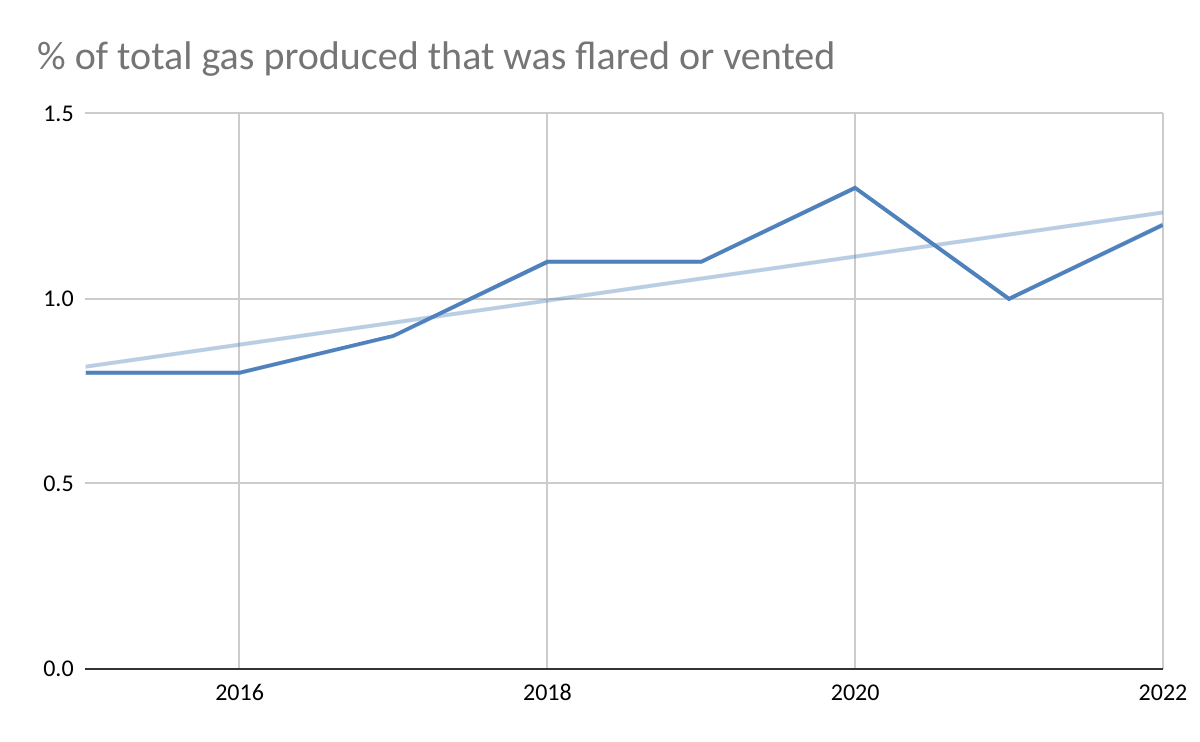
  • The % of US OCS gas produced that is flared or vented is trending upward (first chart below).
  • Both the gas flaring and venting volumes were higher in 2022 (vs. 2021) despite lower gas production.
  • 2022 oil well gas (OWG) flaring volume increased by 18% vs. 2022 despite nearly identical total oil production
  • More regulator/industry transparency on flaring episodes is needed, particularly in light of the PNAS paper and the June 2022 Inspector General Report.
  • In particular, there should be a process for explaining large spikes in monthly flaring and venting volumes. Were these spikes associated with production startups, major compressor issues, administrative corrections, or other factors?
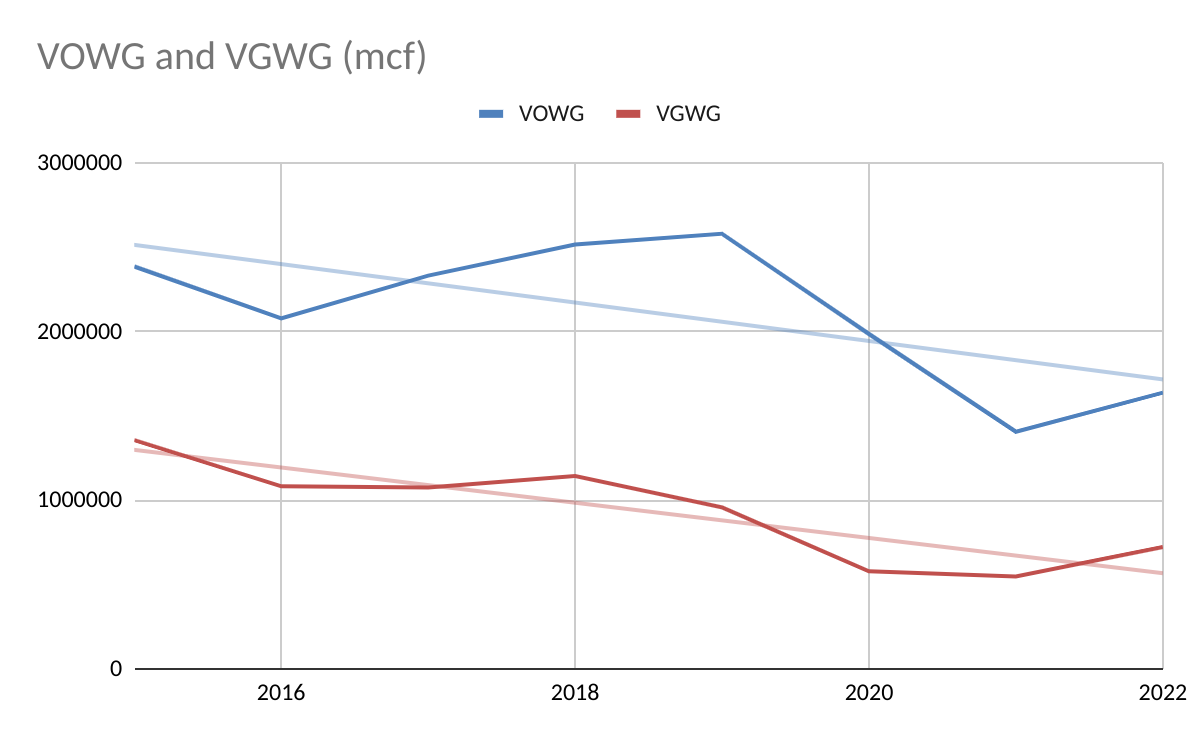
  • Venting, which is a more significant environmental concern than flaring, increased by 407 million cu ft (21%) in 2023 vs. 2022. Although the overall venting trend is still favorable (second chart), the 2022 jump should be explained.
  • The previously noted inconsistencies in flaring data sets remain a concern.
  • The fact that more gas-well gas (GWG) is being vented then flared implies that most such venting is on older shelf platforms (where there are more gas wells).
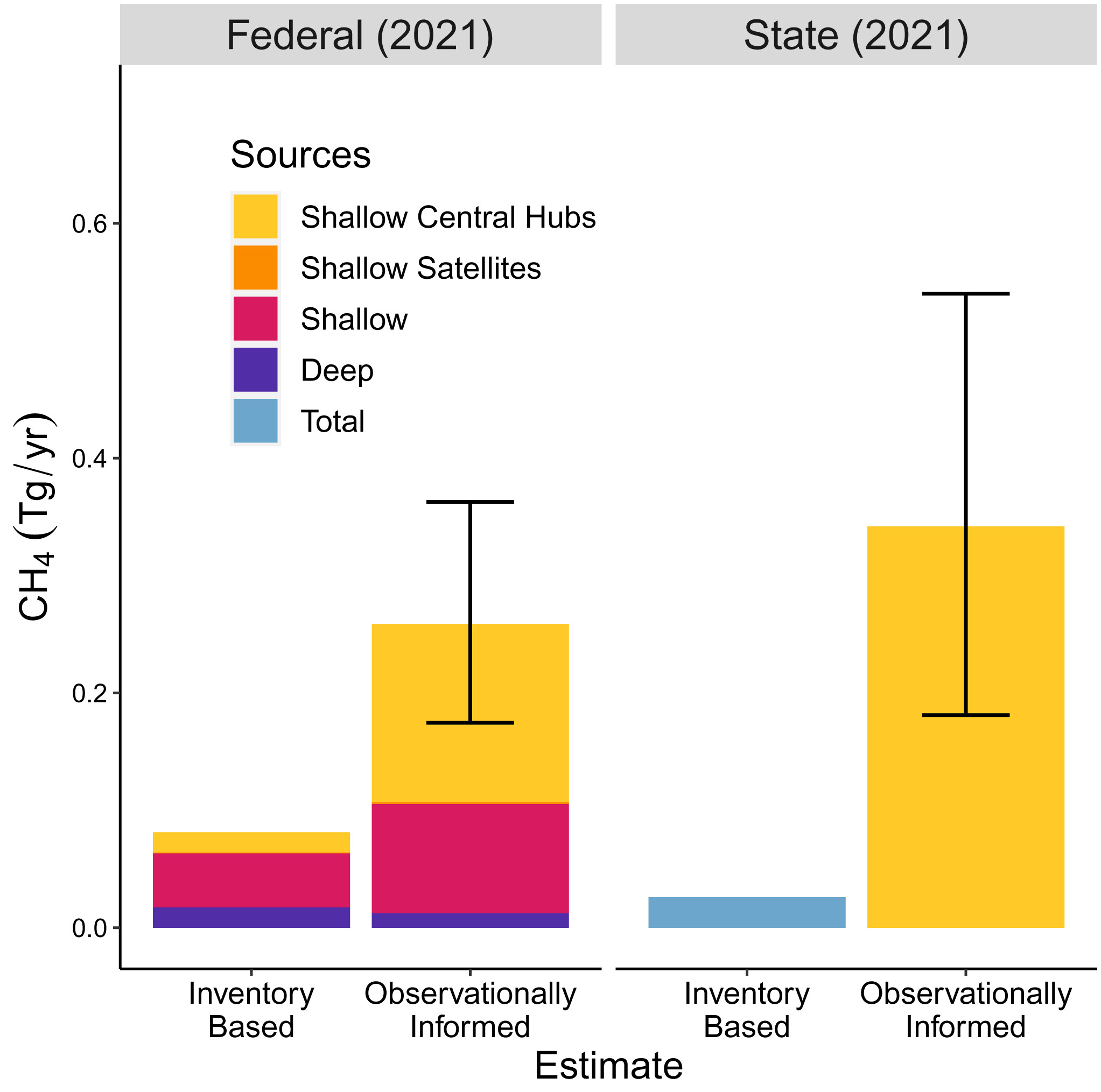
  • As summarized in the third chart below, deepwater facility methane emissions are consistent with the reported inventories, but shelf emissions in State and Federal waters differ significantly.
  • Regulating venting from older shelf platforms is difficult. About 15 years ago, the Federal government (MMS) considered requiring that older production platforms be retrofitted with flare booms, but safety, space limitations, and cost considerations precluded such a regulation. Instead, additional flaring/venting limits, and measurement and reporting requirements were imposed. What is next for these facilities?
  • Compiling and posting flaring and venting data should be a priority for BOEM/BSEE.
vented oil-well gas (VOWG) and vented gas-well gas (VGWG) vs. time
Total CH4 emissions for the GOM from inventories and observations for federal waters (Left) and state waters (Right). Observationally informed emissions are shown for the resampling of absolute flux rates (resampling approach A), with a mean and 95% confidence interval. The inventory estimates represent values adjusted for the year 2021. PNAS, 2023

Read Full Post »

The quote and graphic are from Jens Christiansen, a Danish physicist and nuclear power advocate.

Energy reality on display (vs. COP theater):

Read Full Post »

Each annual licensing round will only take place if key tests are met that support the transition to net zero. The first test is that the UK must be projected to import more oil and gas from other countries than it produces at home

The second is that the carbon emissions associated with the production of UK gas are lower than the equivalent emissions from imported liquefied natural gas

If both these tests are met, the NSTA will be required to invite applications for new licences annually.

GOV.UK

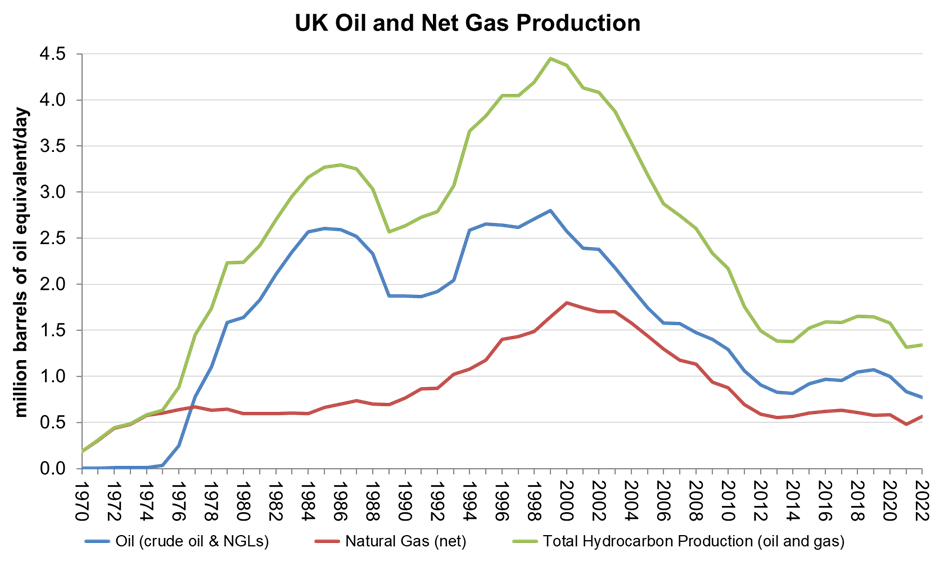
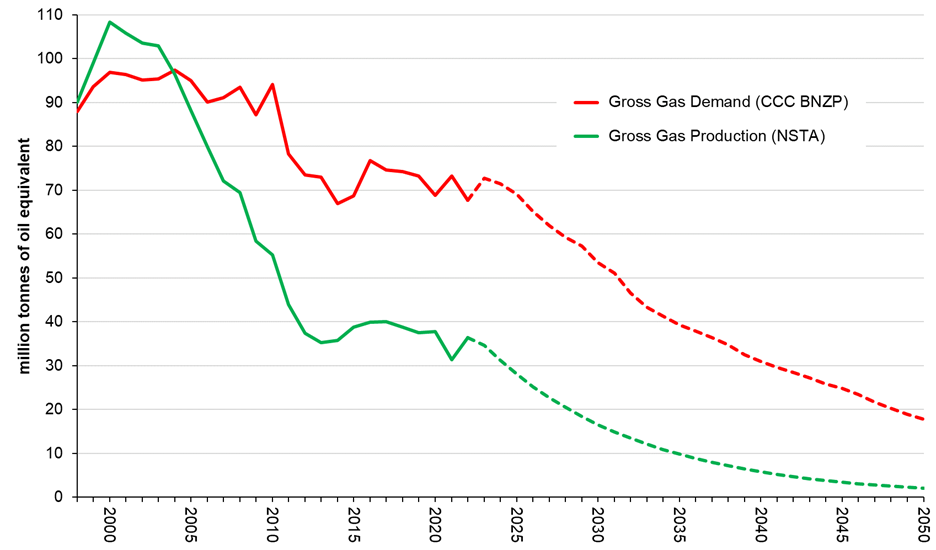
The “key tests” would seem to ensure annual licensing rounds for the foreseeable future. The charts below are from UK EiTi. The first chart illustrates the sharp decline in UK production over the past 20 years. The second and third charts illustrate the large projected gaps between supply and demand, particularly for natural gas.

In 2050, total production of oil and gas is estimated at ~10 million tonnes of oil equivalent. The projected 2050 demand is estimated at ~35 tonnes. For domestic production to exceed imports over the next 20-30 years, resource licensing and field development would have to be very successful and efficient.

Projections of UK Gas Demand and Production

With regard to the second test, carbon emissions from the production of UK gas should maintain their advantage over imported LNG given the energy required to liquefy and transport that gas.

It would have perhaps been more transparent to simply stipulate annual licensing rounds, but that would probably not have been politically acceptable.

Read Full Post »

Deputy Secretary of the Interior Tommy Beaudreau was “disrupted” (perhaps a euphemism for the thuggish behavior demonstrated in the video clip below) by climate ultras in New York on Sept. 21. On Oct. 4, Mr. Beaudreau announced that he would be leaving the Dept. of the Interior.

The official announcement provides no reasons for his departure. By all accounts, Beaudreau was highly regarded by career employees in the Department. Was he troubled by his experience in NYC and the absence of a response from DOI? Was it difficult being a lone advocate for a more balanced energy policy?

Read Full Post »

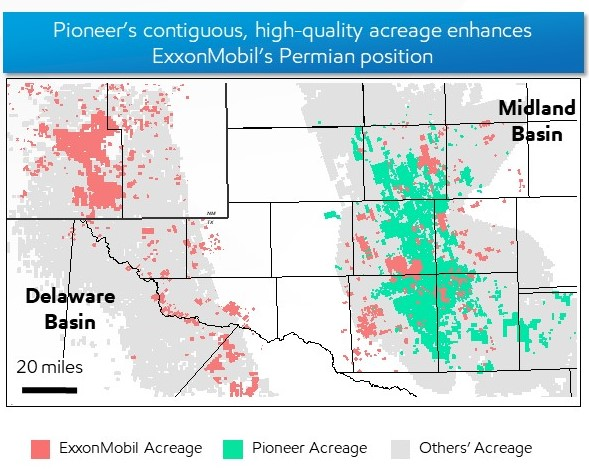
Impressive acquisition:

Hypocrisy?

  • Exxon is clearly intent on maximizing production in the Permian. This makes good business sense and is good for the US economy.
  • Contradictorily, Exxon intends to establish a CO2 disposal business (“carbon sequestration”) in the Gulf of Mexico. Is their goal to profit from emissions resulting from the consumption of the production that they are maximizing?
  • If Exxon believes the consumption of oil and gas is harmful to society, as suggested by their CO2 disposal plans, perhaps they should be curtailing their oil and gas production business rather than expanding it.
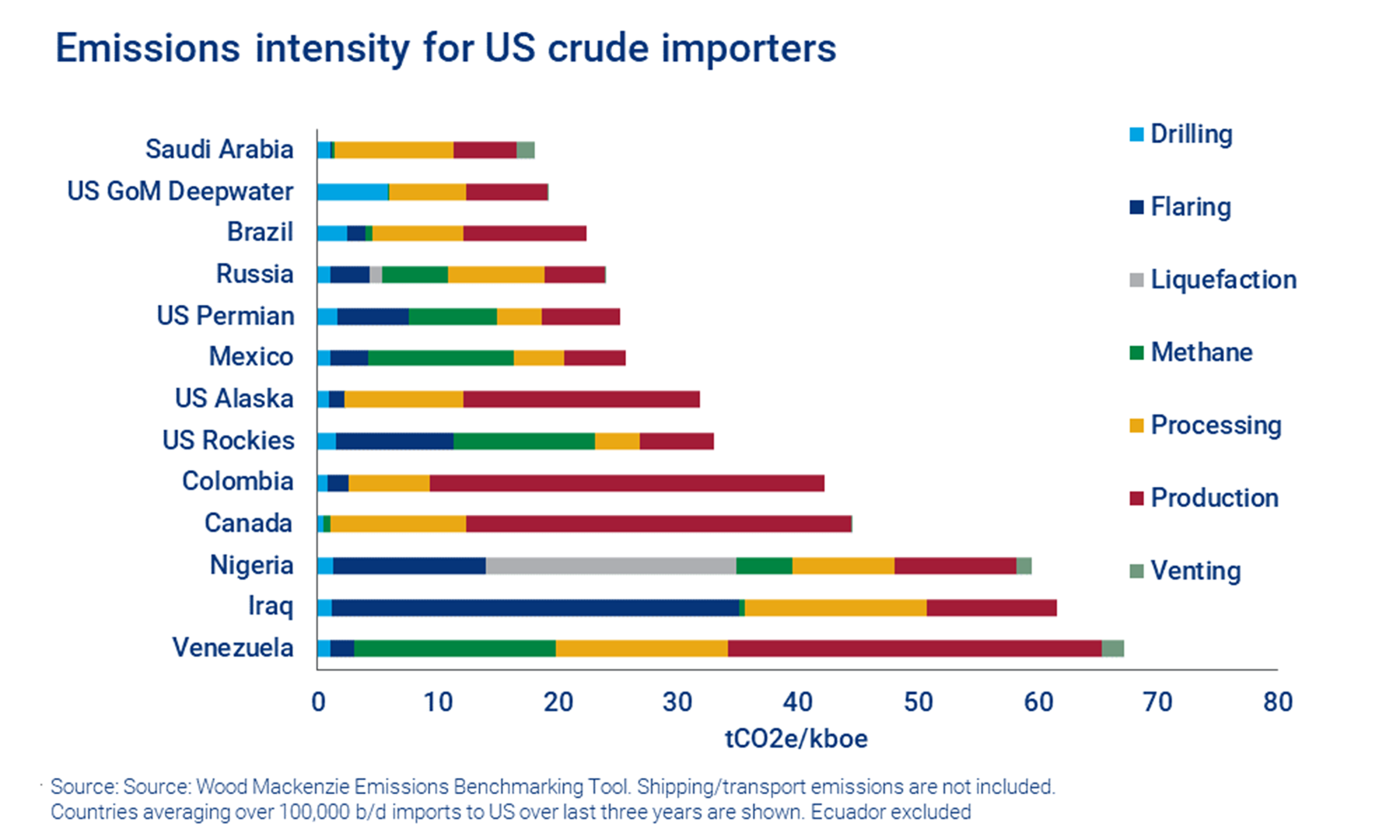
  • Deepwater Gulf of Mexico production, which Exxon has shunned, has much lower carbon intensity than Permian production, but Exxon’s sole GoM interest is CO2 disposal. Shouldn’t a company that is intent on reducing upstream GHG emissions be active in the leading offshore region in that regard, the region that is adjacent to their world headquarters?

Read Full Post »

Read Full Post »

« Newer Posts - Older Posts »