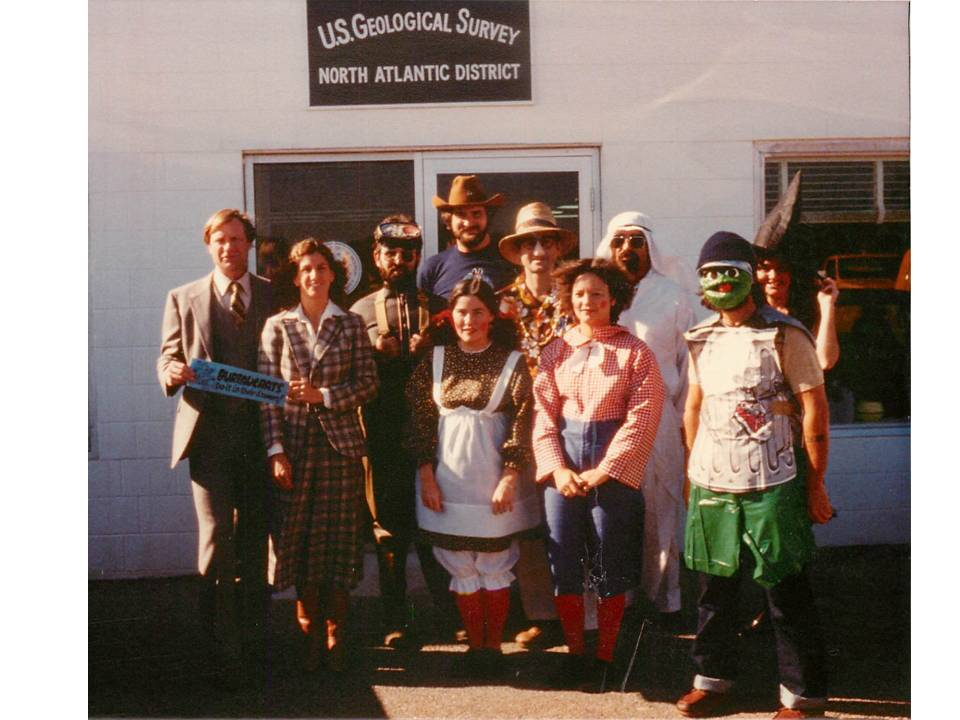
This picture was posted on the “Rig Pigs” Facebook page by Huston Funk. Per Huston: “First crew photo from the Deepwater Horizon. Taken in the Indian Ocean after we had left Singapore.”
Commenters identified 3 Macondo victims in the photo: Jason Anderson, Don Clark, and Stephen Curtis 🙏
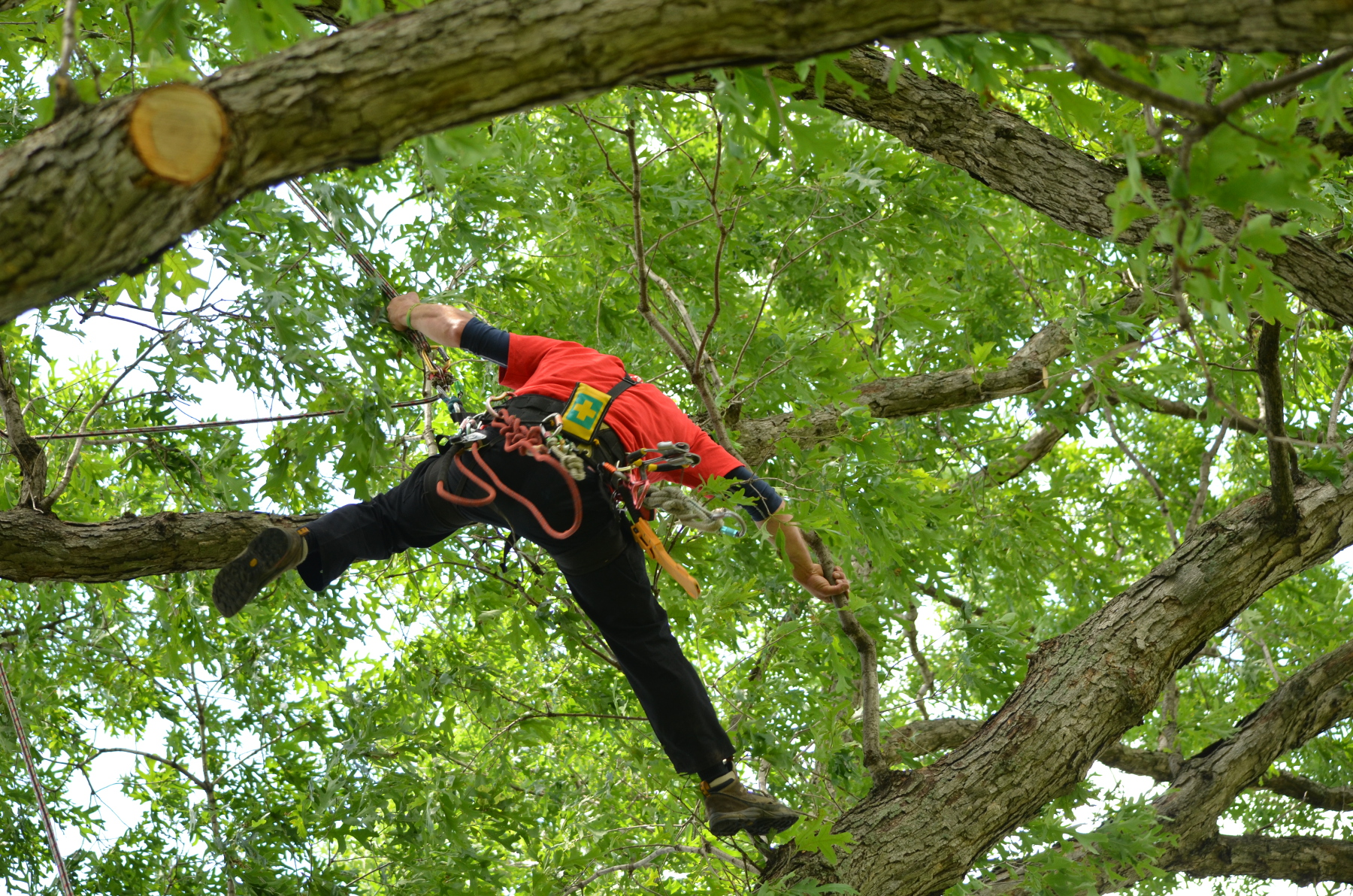
Earlier this week a tree service company was removing some large branches in our backyard. The 2 young workers stopped the job before they finished. They knocked on our door and told me that their foreman was off and they were uncomfortable tackling a large, high branch without him and a crane operator. They would come back with a full crew.
I congratulated them and told them they did exactly the right thing. I told them I was involved with offshore safety and many serious incidents would have been prevented if workers, with their employers encouragement, had been more assertive in stopping work. Developing that type of culture takes time and requires strong leadership and consistent, unambiguous messaging. Leadership matters, both at the site and in the office!
The Macondo well is a worst case example on many fronts, including the reluctance or inability of management and workers to stop taking actions that increased well control risks. Given the narrow pore pressure/fracture gradient, the prudent decision would have been to set a cement plug in the open hole and carefully assess next steps. However, delays and cost overruns were the overriding concerns, and well construction continued despite the long list of issues described here. Sadly, we know how that worked out.
Even after the well started to flow, the crew had time to actuate the emergency disconnect sequence and avert disaster. However, some combination of deficient training, uncertain authority, and fear of repercussions prevented that from happening.
Be it a small tree service company or a major oil company, safety culture development is a journey that has no end point and requires continuous leadership from everyone in the organization.
Operator/licensee responsibility:The definitions correctly establish the operator or license holder as the responsible party. This means that in the event of a well blowout while drilling from a mobile drilling unit, the licensee/operator would be the responsible party. This aligns with the “operator responsibility” mantra that is fundamental to the US offshore program. Drilling and other contractors are managed by the operator and are the operator’s responsibility.
Unlimited liability: The liability section (Part VI) establishes an unlimited liability standard for the responsible party. As previously discussed in more detail, this is a daunting, open-ended obligation that would trouble permittees in any industry. The unlimited liability provision could preclude responsible independent operators, including Guyanese companies, from seeking licenses.
The unlimited liability standard (par. 17) is qualified with a provision (pasted below) that also favors major international companies.
The unlimited liability provision therefore does not seem to apply to parent companies idemnifying a project. This was a point of contention during the parliamentary debate. The Kaieteur News delves into the issue and is not entirely convinced by the Government’s defense. Their article closes as follows:
It is important to note that stakeholders have argued that since ExxonMobil Guyana Limited (the responsible party) does not have adequate assets, the burden of oil spill-related costs could be left on Guyana, especially in the absence of unlimited coverage from the parent company. These and other “flaws” have prompted Guyanese to urge President Irfaan Ali not to assent to the Bill, passed in the National Assembly on May 16, 2025. Be that as it may, the Ministry maintained that the “robust statutory framework now established protects Guyana and its people.”
Coast Guard photo. Thanks to Lars Herbst for bringing this incident to my attention.
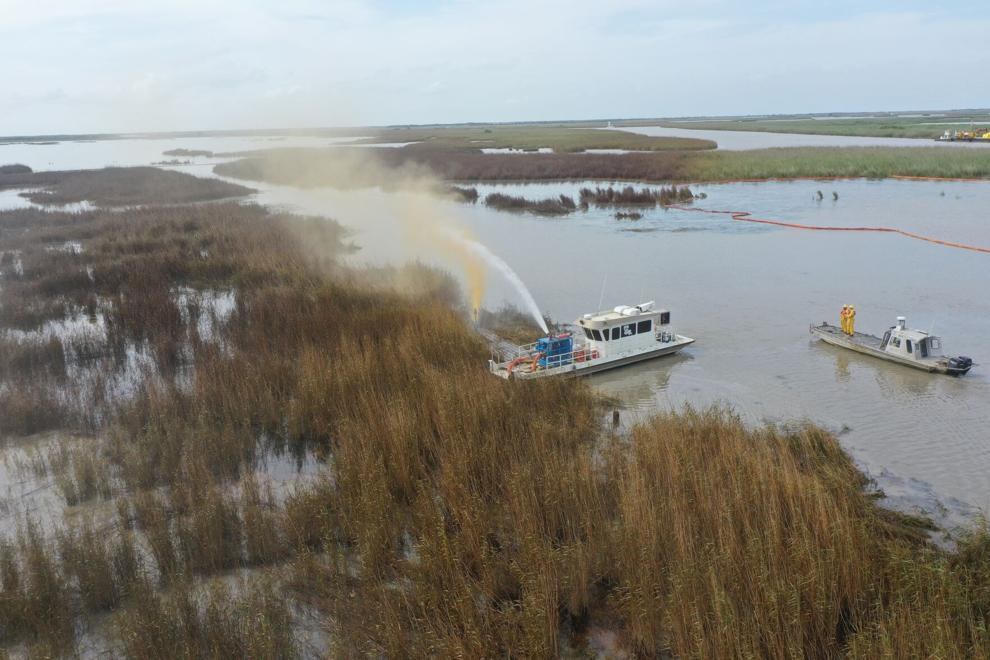
In what the Coast Guard is describing as an “uncontrolled discharge” (euphemism for blowout), an 82-year-old oil well has been spewing oil, gas, and water into the coastal marshes of southern Plaquemines Parish, Louisiana, for more than a week.
In hopes of future production, prior and current owners had elected not to permanently plug the well, apparently with the State’s acquiescence.
The Coast Guard has taken over the response and has accessed the Oil Spill Liability Trust Fund.
We don’t need relaxed decommissioning and financial assurance requirements. We need a cooperative Federal, State, and industry effort to ensure that wells are plugged in a timely manner and that financial assurance is provided to protect the public interest.
I am again sharing this touching tribute to the 11 men who lost their lives on the Deepwater Horizon on April 20, 2010. The video is introduced by country singer Trace Atkins, a former Gulf of Mexico rig worker. The video and Trace’s song serve as a memorial to the 11 Deepwater Horizon workers and others who have died exploring for and producing oil and gas around the world. Please take a moment to watch.
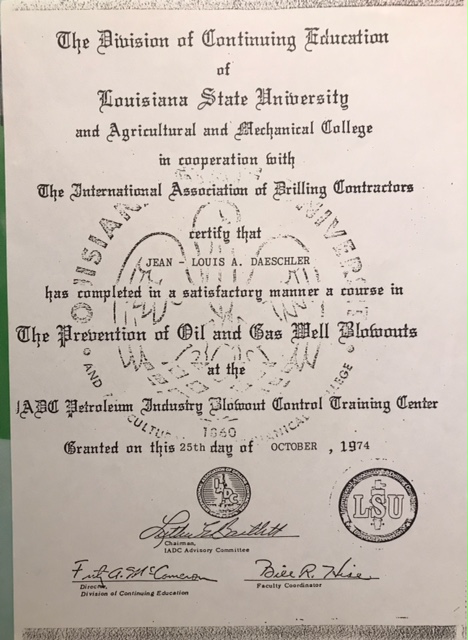
Pioneering offshore engineer J.L. Daeschler, a Frenchman who lives in Scotland and has worked on drilling rigs worldwide, shared his 1974 training certificate signed by Bill Hise, the first director of the Blowout Prevention and Well Control Training Center at LSU. JL recalls his training:
The LSU well control course was new and very well organized. Training options were limited at that time. LSU took a step forward and incorporated equipment donated by Cameron Iron Works, Armco Steel /National, VETCO, and others.
The course was split between indoor class room style and outdoor trainingon a live well to remind us of the real things, like hard hats, tally books, and safety shoes.
LSU had a 1200 ft vertical well and a small 2″ diameter gas injection line to create a bottom hole gas kick, using a nitrogen truck as the supply. (note: the live well was a first for any well control school.) You had a choice of several manual chokes. I selected the Cameron Willis choke to circulate the gas kick out with no increase in mud weight (drillers method).
The mud return level, kick detection, and general management of the operation were realistic as if on a rig. The gas would whistle and escape thru a vent line.
The training was simple and effective in that proper well control procedures were learned. In the process, there were many errors. Mud was seen flying out of the mud shaker/pits. School management would bring things under control and explain the errors that were made !!!
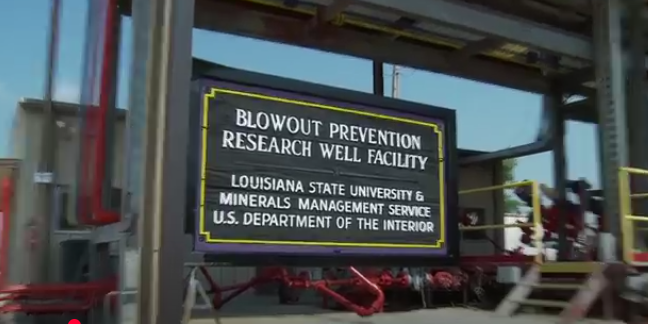
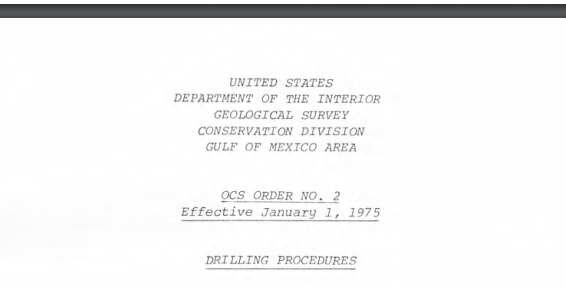
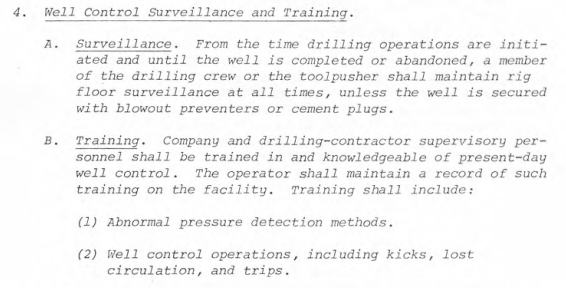
Given the importance of minimizing drilling risks, the Minerals Management Service (MMS) was the primary funder of the LSU facility. MMS predecessor, the Conservation Division of USGS, first established well control training requirements in 1975 (pasted below).
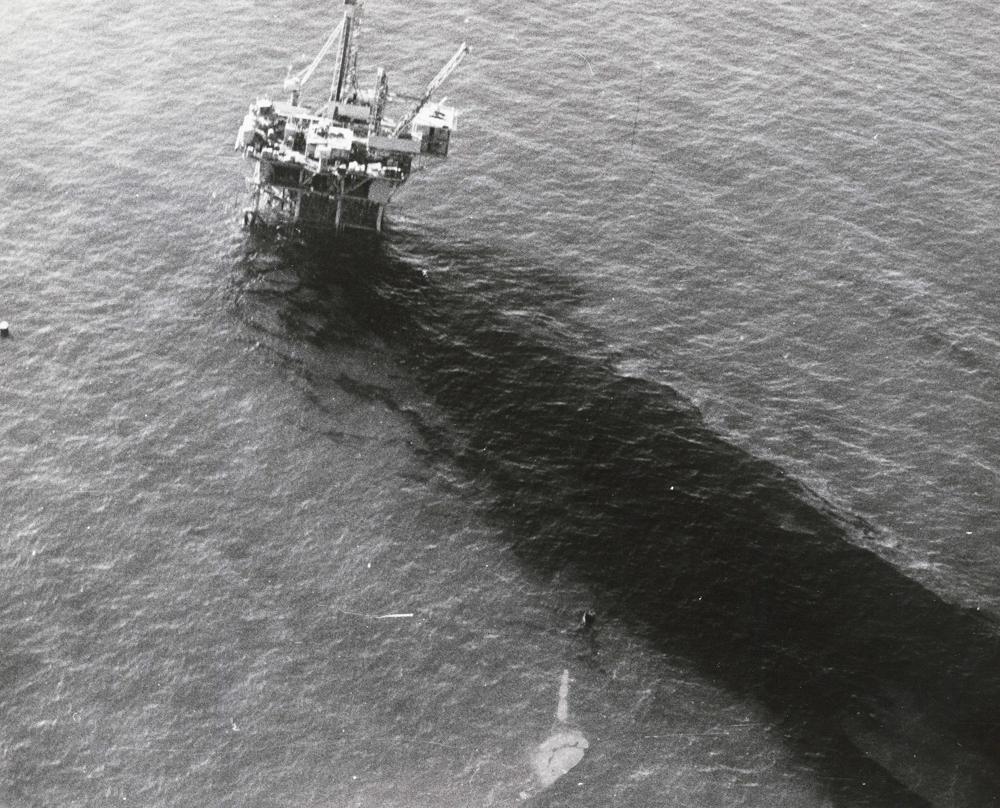
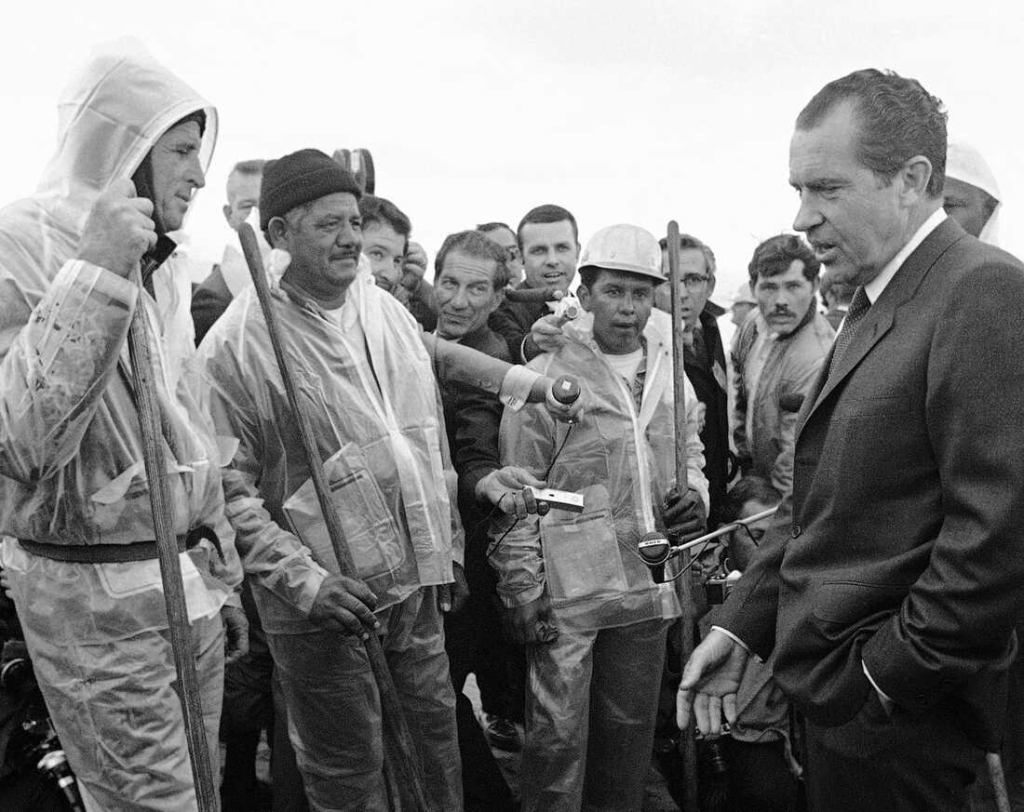
… Union Oil Company’s reckless well plan forever scarred the U.S. offshore program. Learn more about the details.
Santa Barbara blowout
Examinations of the Santa Barbara, Montara, and Macondo blowouts, the Piper Alpha fire, and other major incidents should be a part of every petroleum engineering curriculum, and should be mandatory for those who conduct and regulate offshore oil and gas operations.
There is no better learning experience than studying the failures that had such enormous human and economic consequences.
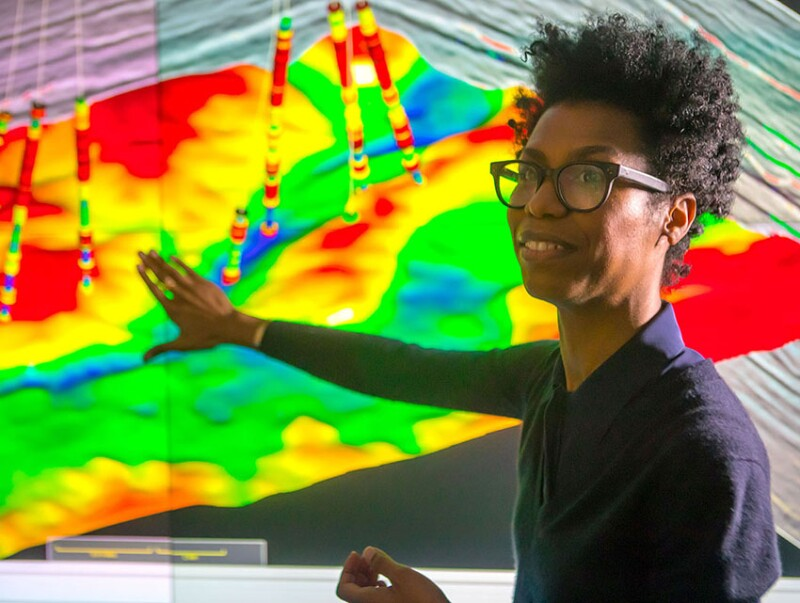
Chevron slide: Advances in seismic imaging help characterize deepwater development opportunities
A new JPT article features comments from BOE contributor Lars Herbst on advances in HPHT technology, control systems, sensors and transmitters, and automation that are facilitating the next era of deepwater development.
Well capping technology, which provides a tertiary well control capability, is an essential element of post-Macondo exploration and development. Lars points to the importance of BSEE’s unannounced drill program to verify that capping stacks can be transported and installed in a timely manner. Chevron expresses pride in leading a team that deployed and installed a capping stack in 6,200 feet of water in a drill monitored by BSEE. During that drill, a remotely operated vehicle (ROV) closed 10 valves to shut in a simulated well.
Exxon’s Jayme Meier aptly characterizes the challenge and excitement of deepwater development:
“You are floating on a surface, and you have to be able to pinpoint exactly where you’re going to land subsea hardware, exactly where you’re going to moor an FPSO and hit target boxes that are a few feet by a few feet, and they’re 6,000 ft below you,” she said. “It is the most exciting thing that I’ve ever been involved in. And it involves technology, technical know-how, and an ability to really plan the base plan and the contingency plan.”
Advances in deepwater technology are indeed impressive, but continuous improvement must always be the objective. In that regard, Lars rightfully emphasizes the importance of sustaining research through the industry’s up and down cycles.
This is very true, but engineers may not have a choice when directed to optimize a flawed decision.
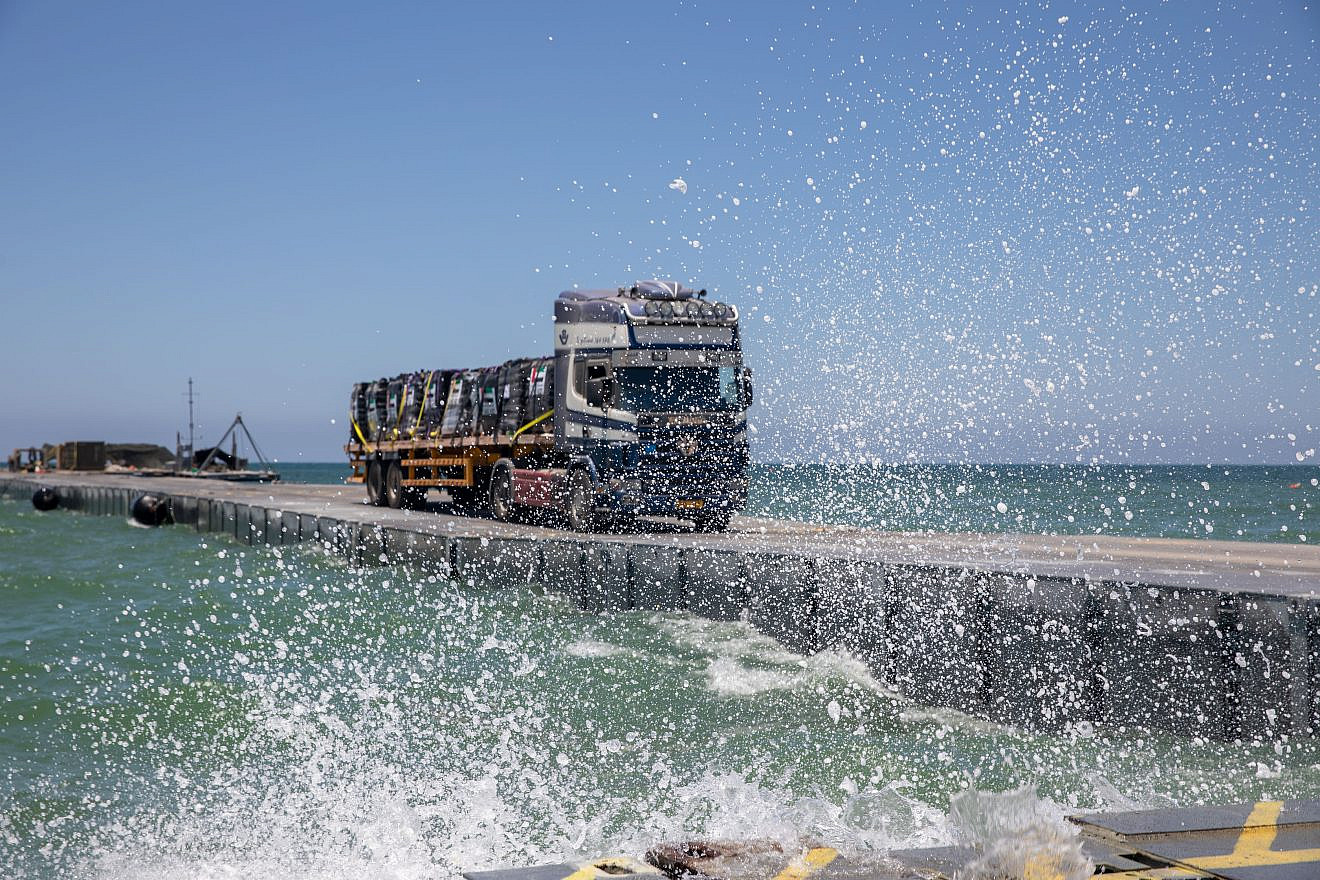
Gaza pier
For example, the installation of the Gaza pier was a political decision imposed on military engineers without assessing the operational risks. The $230 million pier was in operation for only 20 days, long enough for several serious injuries to result from the reckless decision.
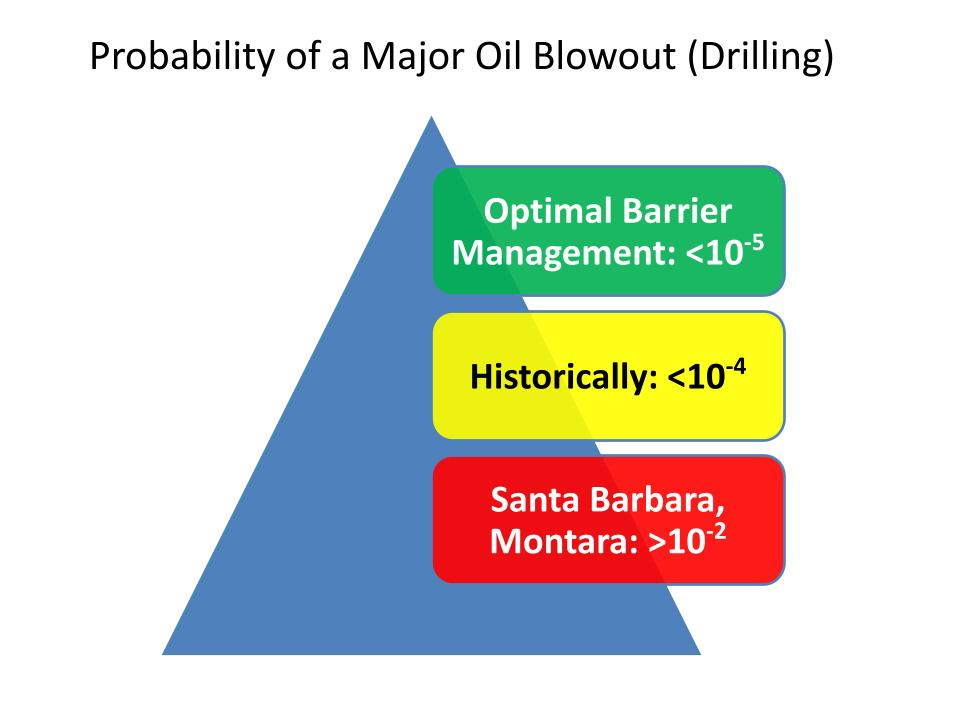
Some of the worst offshore drilling incidents were largely the result of culture or management driven attempts to save time and money. Modest cost savings were prioritized over verifying well integrity during both the Montara and Macondo well suspensions. The Santa Barbara blowout was the result of eliminating a casing string during development drilling, which virtually assured an uncontrolled flow in the event of a well kick.



 Bud's Offshore Energy (BOE)