North Face, whose products are dependent on oil and gas, was given the Association’s first ever Customer Appreciation Award to draw attention to the company’s hypocrisy and chutzpah.
Fast forward three years and Chris Wright, the man behind the North Face award, has been nominated to be Secretary of Energy! BOE enthusiastically endorses this nomination!
Chris Wright’s bio: MIT engineer, shale gas innovator, entrepreneur, and more
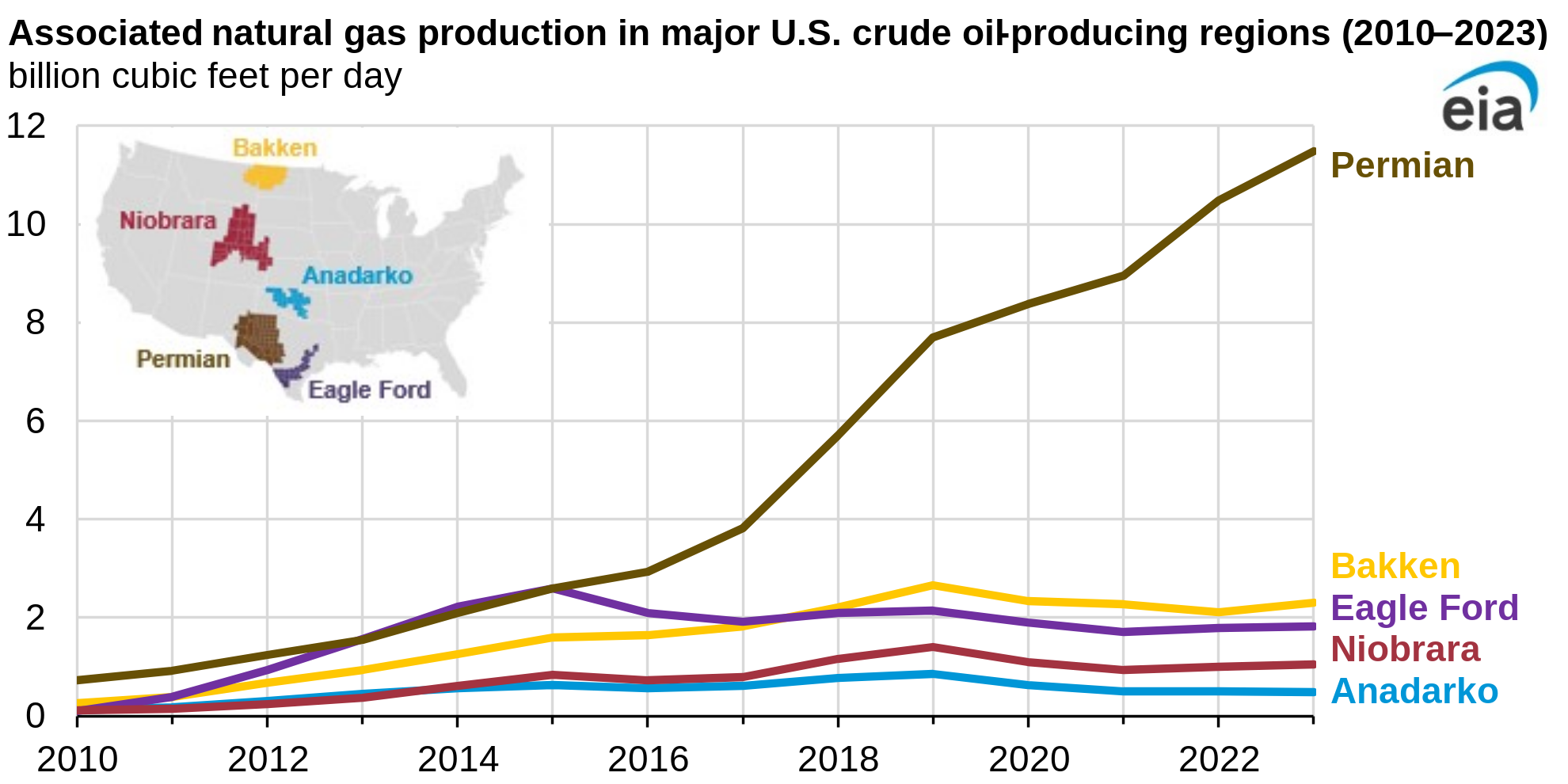
The EIA reports an 8% increase in 2023 US associated gas production as crude oil production rose to record levels. The Permian Basin, the dominant US crude oil producer, is unsurprisingly the leading associated gas producer.
EIA’s analysis inexplicably ignores the Gulf of Mexico OCS. The Gulf produced an average of 1.64 bcf/d of casinghead (associated) gas in 2023, ranking the GoM just behind the Eagle Ford and significantly above the Niobrara and Anadarko regions (see chart above). It’s also noteworthy that most production from the regions on the EIA chart is from private land, and is not constrained by 5 year leasing plans and other restrictive Federal policies.
80% of GoM gas production is from deepwater leases. The % of associated gas produced on deepwater leases is even higher. The 2 leading GoM gas producers, Shell and bp, only operate deepwater leases. The % of their 2023 gas production that was associated gas was 93% for Shell and 100% for bp.
Exxon CEO Darren Woods’ is concerned that US withdrawal from the Paris climate agreement would threaten carbon capture and sequestration (CCS), the foundation for which is government mandates and generous taxpayer subsidies.
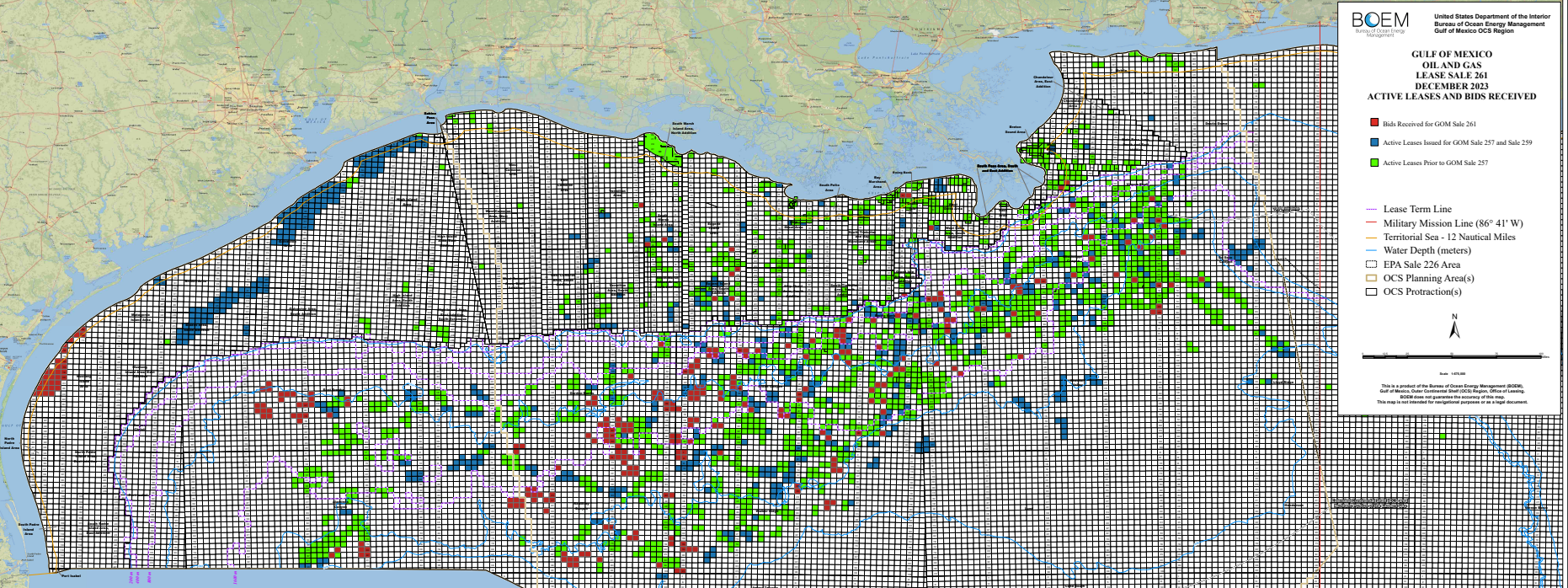
Exxon sought an edge over CCS competitors by improperly acquiring 163 OCS oil and gas leases (map below) for carbon disposal purposes. Conversion of these leases is not authorized, which means they will expire at the end of their primary (5 year) term absent legislative or regulatory action.
The only solid support for CCS is from companies hoping to benefit from subsidies and charges to industries and individual energy consumers. It’s time to end the Federal government’s CCS programs.
199 oil and gas leases were wrongfully acquired at Sales 257, 259, and 261 with the intent of developing these leases for carbon disposal purposes. Repsol was the sole bidder at Sale 261 for 36 nearshore Texas tracts in the Mustang Island and Matagorda Island areas (red blocks at the western end of the map above). Exxon acquired 163 nearshore Texas tracts (blue in map above) at Sales 257 (94) and 259 (69).
LM/GE Vernova turbine blade plant. Photo credited by the New Bedford Light to Jean-Philippe Thibault/Journal Gaspésie Nouvelles.
On Oct. 24, Radio Gaspesie reported serious data falsification allegations related to the manufacturing GE Vernova turbine blades at their Gaspé, Quebec facility. GE Vernova’s delay in commenting on those charges is surprising given their economic and legal implications in both Canada and the US.
GE Vernova has informed the New Bedford Light that they have taken corrective actions at their blade facility in Gaspé after an extensive internal review of their blade manufacturing and quality assurance program. However, they have yet to comment on the data falsification allegations.
Actions speak louder than words, and the Light reports that GE Vernova laid off nine managers and suspended 11 unionized floor workers at the Gaspé factory. A representative for the union informed the Light that the production manager has been dismissed and the general manager has resigned.
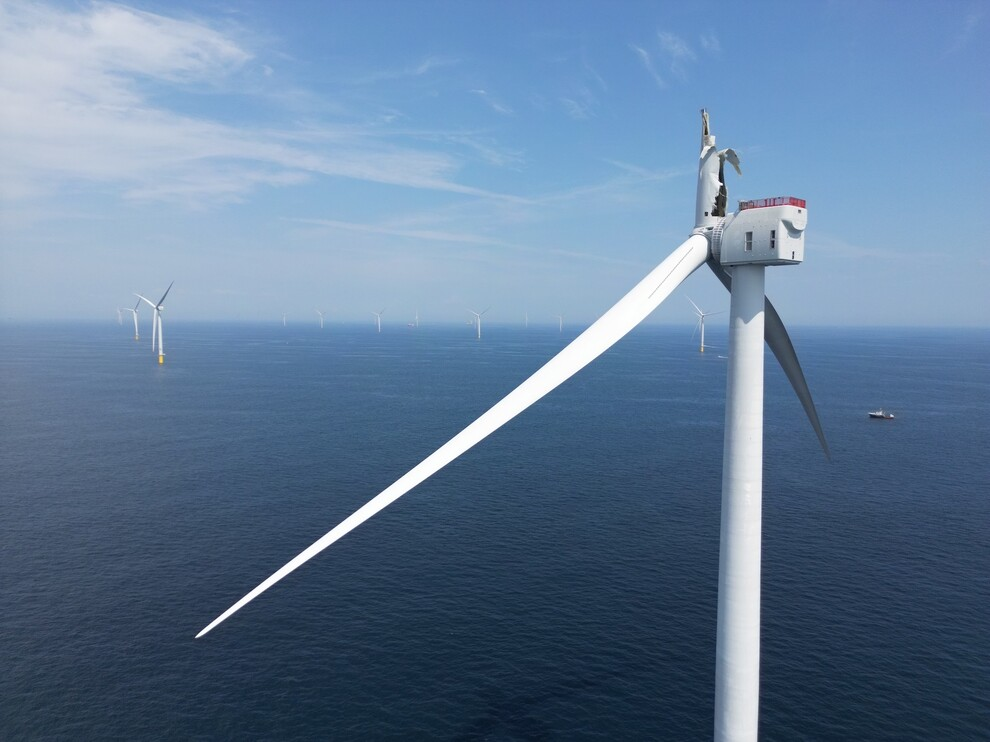
Neither Vineyard Wind nor BSEE, the Federal safety regulator for the Vineyard Wind project, has commented on the matter. BSEE’s investigation of the blade failure is still pending and has seemingly gotten more complicated as a result of the manufacturing issues.
In addition to legal proceedings in Quebec, GE Vernova and Vineyard Wind are subject to possible civil and criminal penalties in the US. Civil penalties, which are administered by BSEE, seem likely given the extensive pollution from turbine blade fragments.
Criminal penalties, which are possible if the data falsification charges are proven true, are imposed by the Dept. of Justice. The applicable criminal penalties statute is pasted below.
Any person who knowingly and willfully (1) violates any provision of this subchapter, any term of a lease, license, or permit issued pursuant to this subchapter, or any regulation or order issued under the authority of this subchapter designed to protect health, safety, or the environment or conserve natural resources, (2) makes any false statement, representation, or certification in any application, record, report, or other document filed or required to be maintained under this subchapter, (3) falsifies, tampers with, or renders inaccurate any monitoring device or method of record required to be maintained under this subchapter, or (4) reveals any data or information required to be kept confidential by this subchapter shall, upon conviction, be punished by a fine of not more than $100,000, or by imprisonment for not more than ten years, or both. Each day that a violation under clause (1) of this subsection continues, or each day that any monitoring device or data recorder remains inoperative or inaccurate because of any activity described in clause (3) of this subsection, shall constitute a separate violation.
Ballot Question 7: Shall the State Representative from this district be instructed to vote in favor of legislation that would support the development of SouthCoast Wind and Commonwealth Wind and other possible future offshore and onshore wind power developments in Massachusetts?
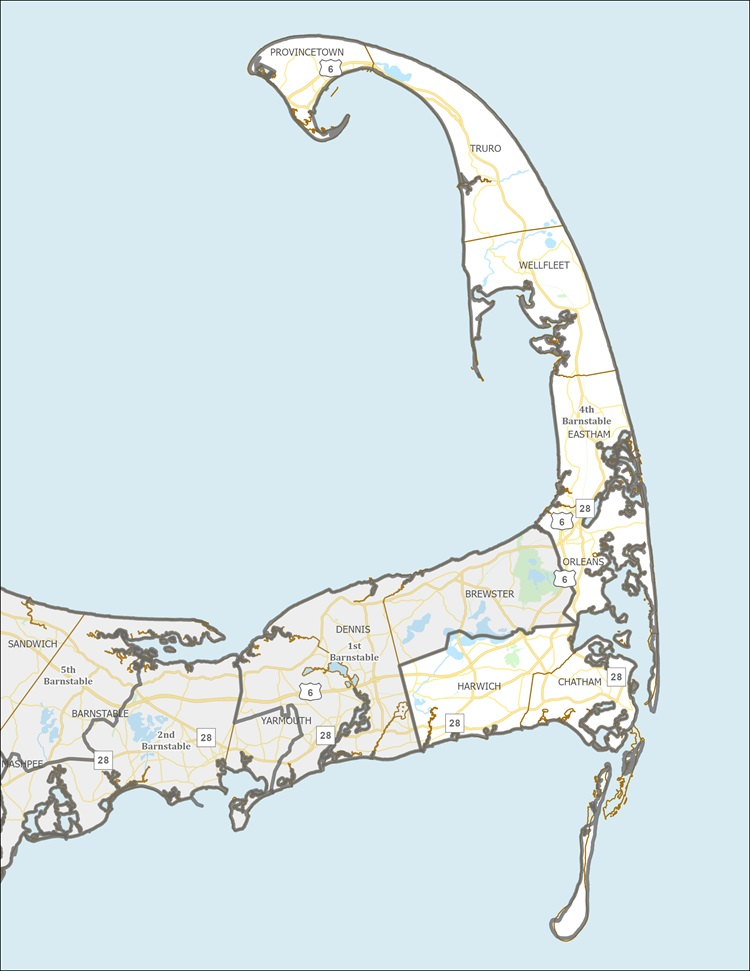
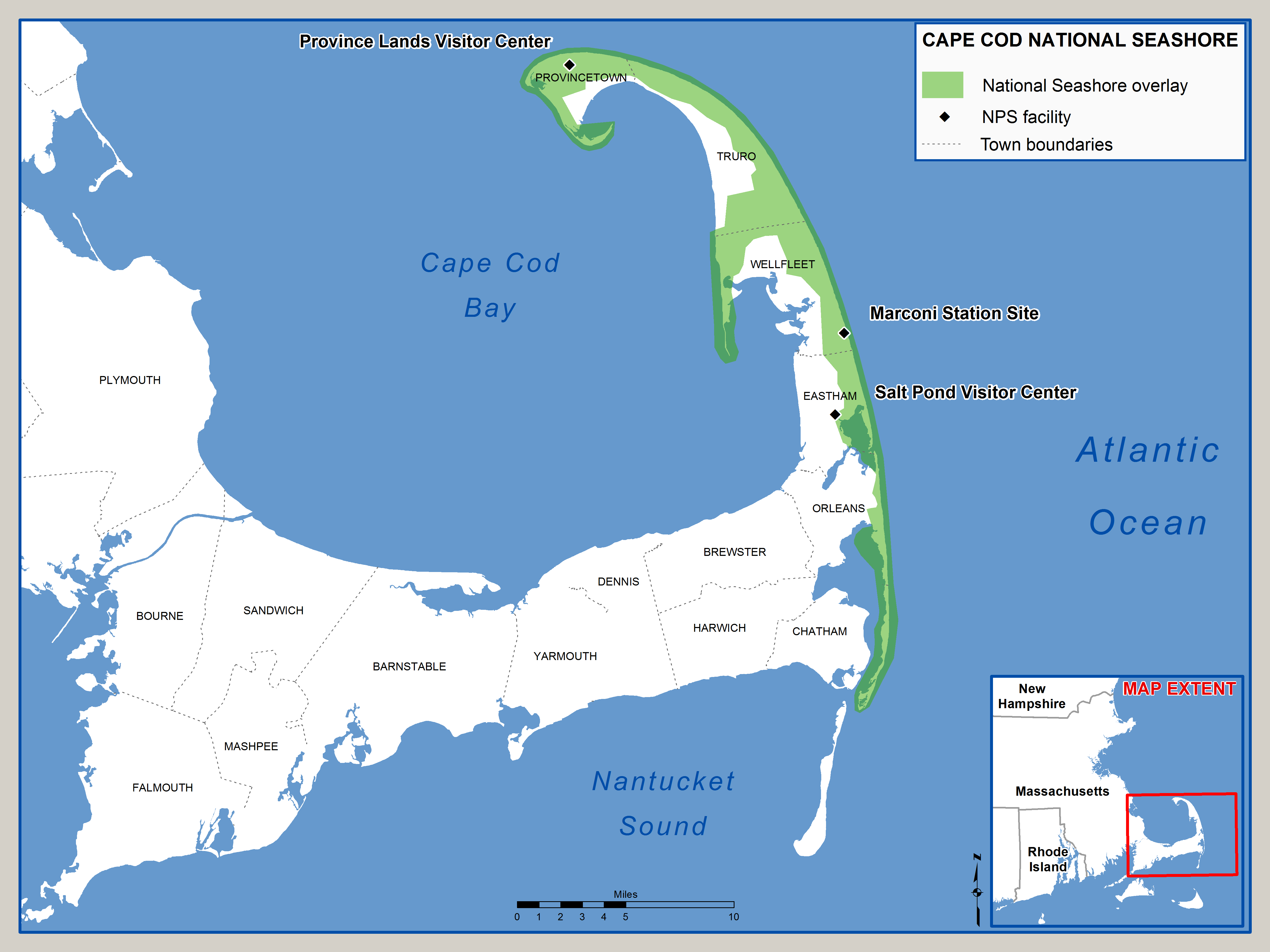
This nonbinding initiative, which was reportedly the work of an individual wind advocate, was a surprise addition to the ballot for residents of the 4th Barnstable District of the Massachusetts House. That district includes the Outer Cape towns of Chatham, Eastham, Harwich, Orleans, Provincetown, Truro, and Wellfleet (see map above).
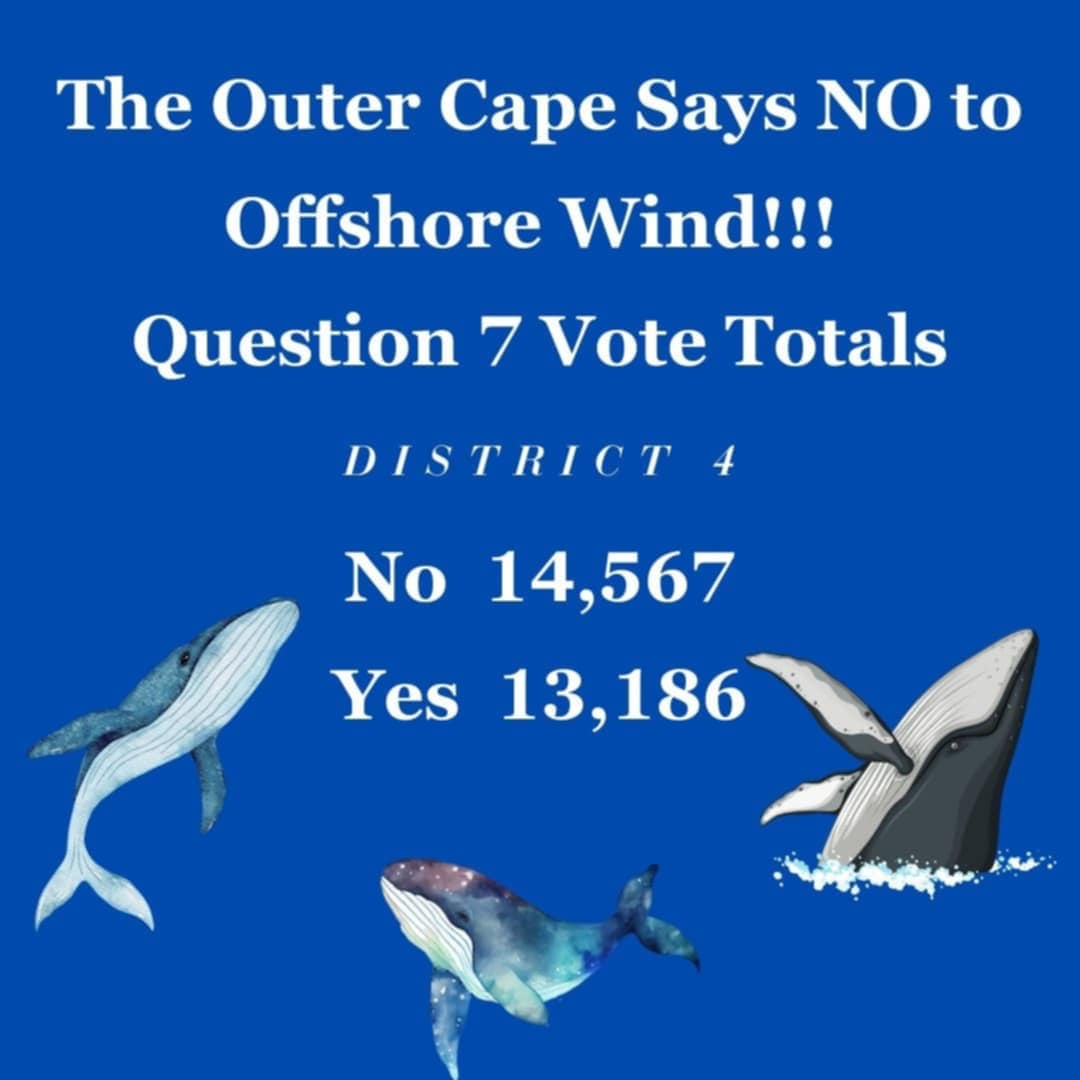
While nonbinding, the ballot initiative was intended to demonstrate support among Outer Cape residents for offshore wind development. However, perhaps unexpectedly, the initiative failed with 52.4% voting against (graphic below). It’s noteworthy that 82% of South Shore (Massachusetts) voters supported offshore wind development when a similar initiative was on the ballot in 2008. That’s a massive decline in support albeit in a different coastal area of the state.
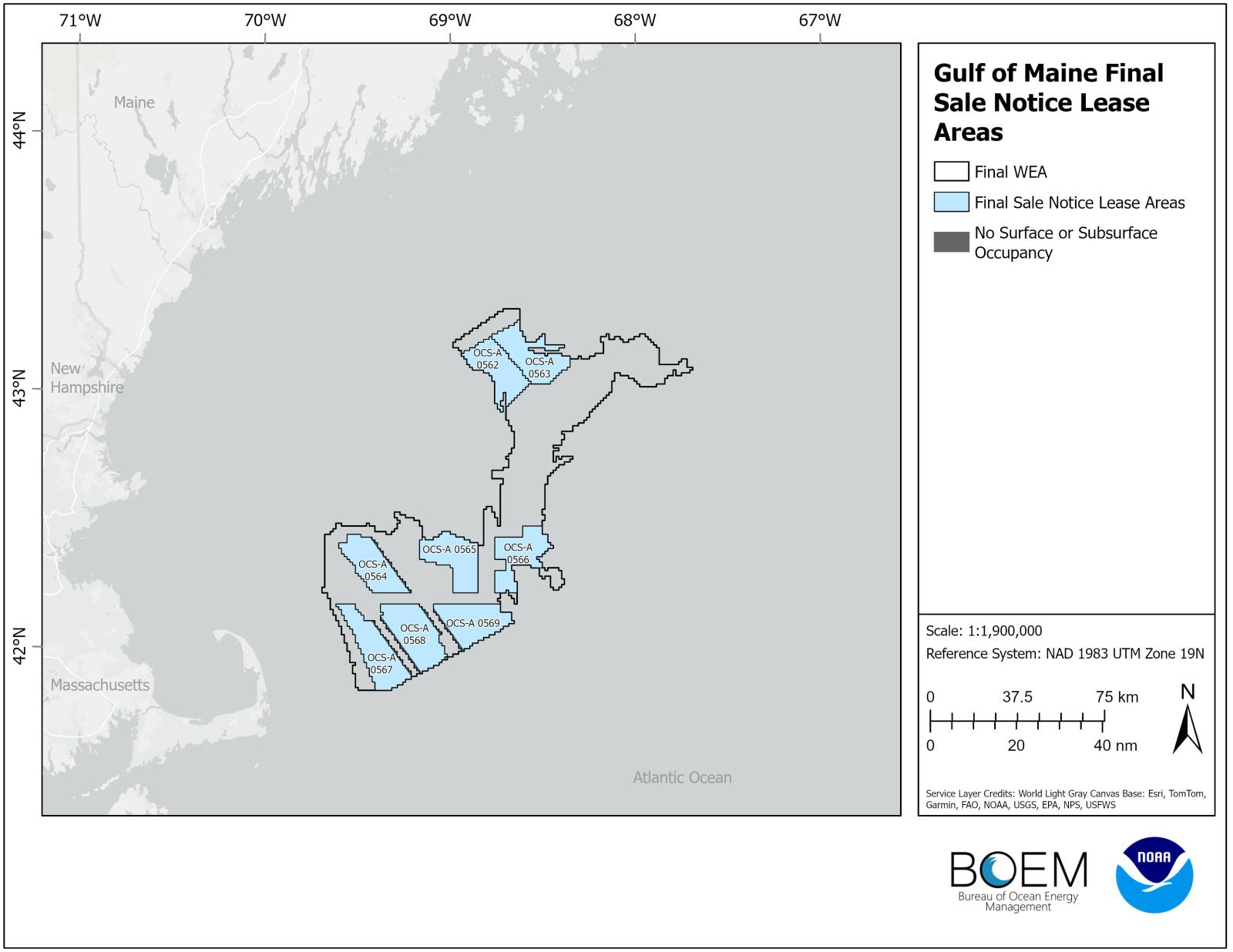
The opinion of Outer Cape residents is important because their towns are the closest to 3 of the 4 leases (0564, 0567, and 0568 in the graphic below) receiving bids at the Gulf of Maine sale. Those leases are directly offshore from the Cape Cod National Seashore.
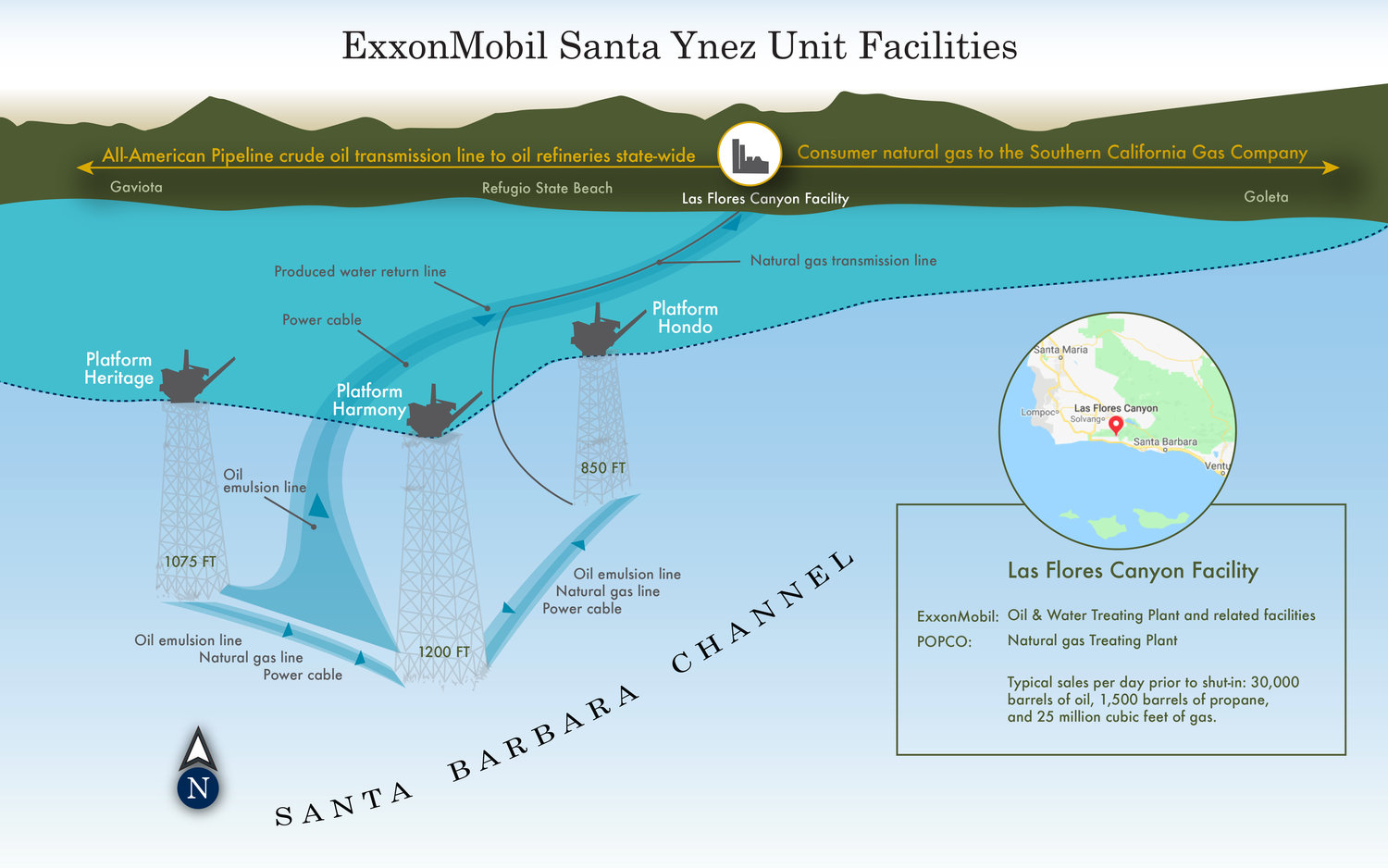
The Santa Barbara County Planning Commission has approved the transfer of the onshore pipeline from Exxon to Sable Offshore. Although the Environmental Defense Center (EDC) is appealing that decision to the Board of Supervisors, the Board’s vote will likely be a 2-2 tie. Supervisor Hartmann’s property is close to the pipeline and she has recused herself from votes on the matter. A 2-2 vote would be a win for Sable, because a tie vote means the planning commission decision stands.
As an investment, Sable is a “pure California permitting play,” which means the risks are high. The company’s chances for success are almost entirely dependent on receiving the necessary approvals from State and local agencies.
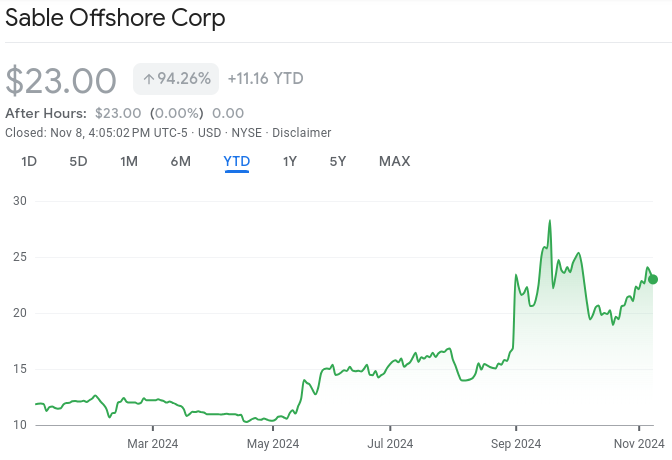
Sable’s share price soared to $23.43 on 9/3 after the company reached agreement with Santa Barbara on the installation of required pipeline valves. The price bounced further to $28.30 on 9/19 before falling sharply to $19.43 on 10/9 after being cited for failing to get California Coastal Commission approval to install the required valves. The price rebounded to $24 following the County Planning Commission’s approval of the transfer from Exxon to Sable before settling at $23 on Friday, the date of the EDC appeal.
Expect the financial and psychological roller coaster ride to continue.
See the translated excerpts below from a Radio Gaspesie report. This is a massive scandal if true.
“Yesterday, the vice-president of global operations at GE Vernova reportedly addressed all employees at the Gaspé plant to provide an update on the situation.
The investigation, led by GE Vernova’s lawyers, reportedly revealed that employees were asked by senior company executives to falsify quality control data. Data associated with a well-made blade was then associated with poorly made blades. Our sources indicate that this is a widespread practice in the industry.
The senior management of the Gaspé plant also allegedly implemented a points system that encouraged employees to skip verification steps, thus prioritizing production quantity over quality.
Our sources say the points system allegedly involved tight management oversight that bordered on intimidation of employees.
The oversized 107m blades that were produced in Gaspé for the construction of marine parks are said to be affected. The integrity of the entire production of the longest blades in America is currently being called into question.“
“On Sept. 16, 2024, a routine helicopter approach at an offshore facility nearly resulted in a serious accident due to a failure to follow proper helideck procedures. Before landing, the helicopter pilot visually confirmed that a nearby crane was securely stowed and stationary (Figure 1). However, as the helicopter neared the helideck, the crane operator unexpectedly raised the crane boom, bringing it alarmingly close to the landing area as the helicopter was 10 feet from touchdown. The pilots swiftly executed a go-around maneuver, successfully avoiding a collision and ensuring the safety of the crew and passengers onboard.”





 Bud's Offshore Energy (BOE)