Feeds:
Posts
Comments

Posts Tagged ‘offshore oil’

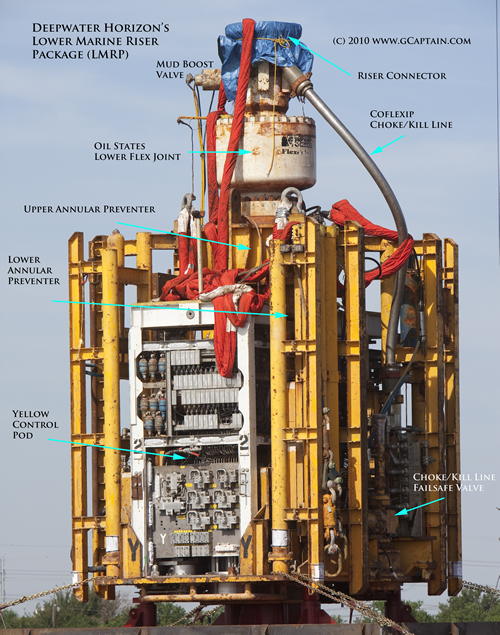
BOP stack awaiting post-Macondo inspection (from gCaptain.com)

In my 11 May 2010 testimony before the Senate Energy and Natural Resources Committee, I made ten recommendations. While many of the issues raised in that testimony are being addressed, one of the more important recommendations (no. 4) has received little or no attention. This recommendation calls for a public or private system for collecting and assessing failure date for blowout prevention equipment.  To the best of my knowledge, the only publicly available performance data for BOPE were collected by MMS and SINTEF and pertain to failures during BOP pressure testing, not failures during other operations.  How can we have a credible safety system without comprehensive failure data for such critical well control equipment?

Dr. Malcolm Sharples, an important BOE contributor, identified a number of BOP performance issues since Macondo.  Here are a few examples:

  1. During routine tests on the device, the locking system of one of the rams jammed in a locked position. Sevan is working with Petrobras and the supplier, Cameron, to find a solution.
  2. Reliance suspended all drilling work in the block after the Transocean rig Deepwater Expedition developed technical problems in its BOP. Reliance was drilling the KGV-D3-W1 well in the contract area since April 2010.
  3. The rig was offshore Australia for Shell early last month when newly installed BOP components failed during operations. Following several unsuccessful attempts to rectify the problems in the field, the failing BOP component is currently undergoing repairs in Singapore.

How is this information not important to every operator, regulator, and drilling contractor?  A comprehensive BOP failure reporting system should be a high and immediate priority for the offshore industry.  The information should be verified and published so that all may learn and future performance improved. Requirements for providing such information should be included in contracts and, if necessary, regulations.

An other major void that I have been talking about for years, without much success, is the absence of a comprehensive and verified international incident reporting system.  I assumed this would be universally recognized immediate necessity, and a critical element of the offshore industry’s initiatives agenda. Apparently that is not the case.  More on this to follow.
Read Full Post »

Deepwater Horizon

Nothing new, but a but a very good Macondo commentary by Bill Campell, a retired Shell employee. Worth reading.

In my opinion this event is not so much about the well as designed but the well as installed. Installing a well is similar to any other civil engineering project in that what is installed has to be tested or commissioned before it is put into use, just as you would test a vessel or pipeline designed to contain hydrocarbons under pressure.   Wells, which are discovered to have a problem during integrity tests indicating for example a connection between the well and the reservoir, are worked over to rectify the problem and in a few hours after remedial activities have been undertaken, the integrity testing is re-commenced. Bill Campbell

Read Full Post »

Platform Gina - Santa Barbara Channel


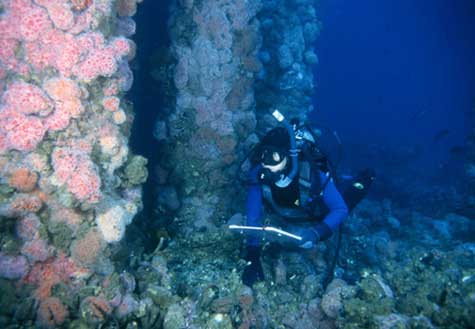
The Marine Science Institute of the University of California Santa Barbara has completed a 6-year study to investigate the differences between the types of fish that live around offshore oil and gas production platforms off the coast of California and the species that inhabit natural reefs in the same geographic area.  This research strengthens and confirms observations made in previous studies. Among the important conclusions (full study linked here):

  1. There is very extensive diversity in the species assemblages around the oil and gas platforms of California. Factors driving this variability include A) location around the platform, B) geographic location of the platforms, and C) bottom depth of the platform.
  2. Around each platform, there are three, unique, fish assemblages: midwaters, bottom, and shell mound. While a suite of rockfishes (of 43 species) dominate most platform assemblages, a number of other taxa (e.g., lingcod, combfishes, sculpins, and seaperches) are also important.
  3. Midwater fish assemblages tend to be similar across platforms; there are substantial differences among those found at bottoms and shell mounds.
  4. In general, the assemblages of platforms and natural sites are different. These differences are primarily based on differences in species’ densities rather than the presence or absence of taxa.
  5. The role that habitat complexity plays in structuring platform fish assemblages should not be underestimated.

For a less scientific look at the reef effect and other uses of offshore platforms, see our Rigs-to-Reefs+++ page, a BOE exclusive! 🙂

Read Full Post »

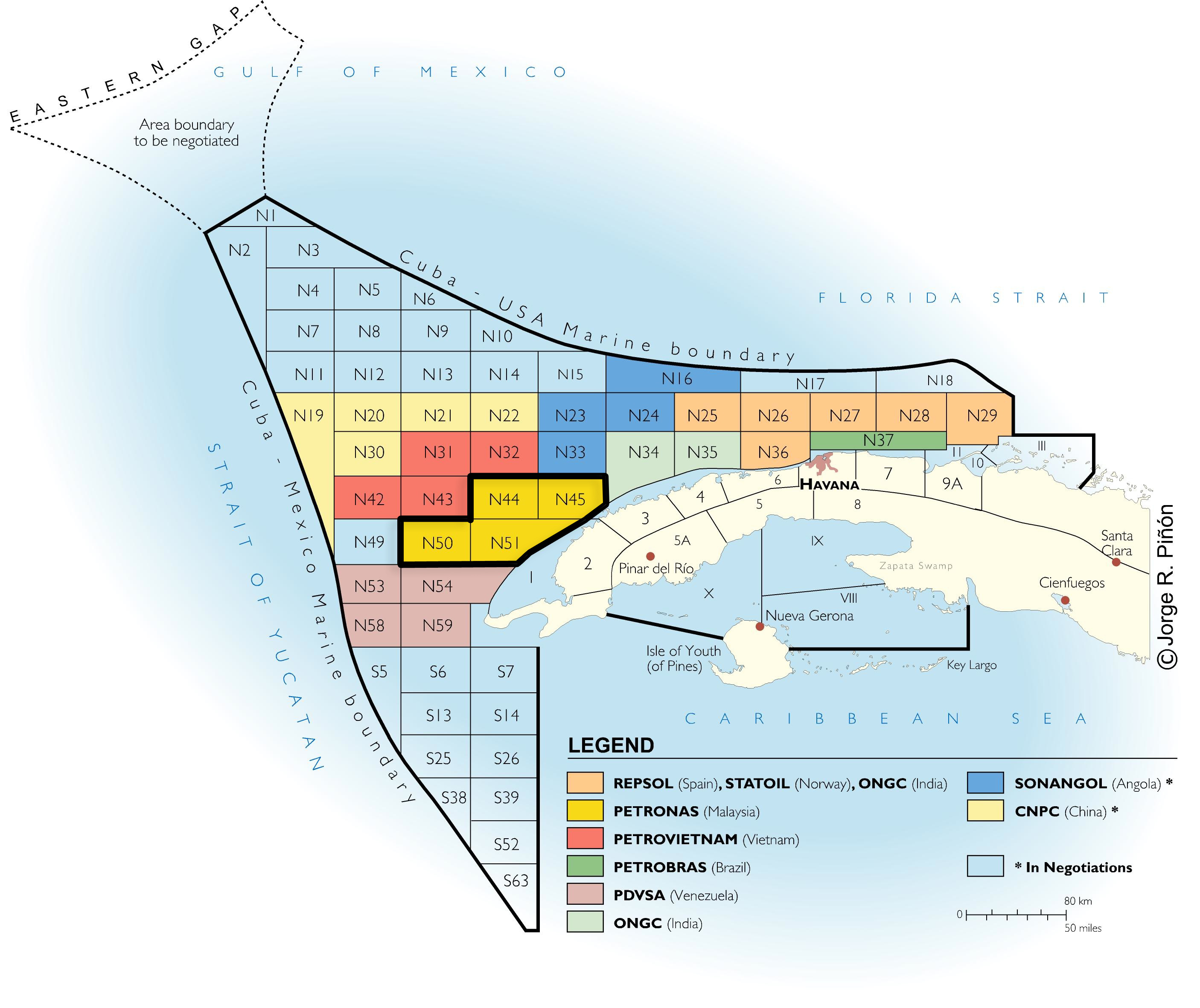
According to CubaStandard.com, we can add Petronas, with Gazprom as a major partner, to the list of companies that will be drilling offshore Cuba next year.  So, as best we can determine, beginning in 2011 the following companies will be using Saipen’s Scarabeo 9 to drill wells offshore Cuba:

  1. Repsol (Spain) with Statoil (Norway) and ONGC (India) each holding a 30% interest
  2. PdVSA (Venezuela)
  3. Petronas (Malaysia ) with Gazprom (Russia) holding a 30% interest

Contrary to our energy, economic, and environmental interests, the US continues to prohibit governmental consultations on these important issues and participation by US companies in any aspect of Cuban offshore operations.

Read Full Post »

Yesterday, I was fortunate to receive a copy of Bjørn Vidar Lerøen’s excellent book “Drops of Black Gold” which chronicles the history of Statoil and Norwegian offshore oil and gas development.  Of particular interest was a letter on page 17 of the book (not available online) that I had heard about but hadn’t seen. The letter, dated October 29, 1962, is from Phillips Petroleum to the chairman of a Norwegian government committee considering offshore oil and gas exploration.

Phillips’ request is quoted below.  You have to give  Phillips high marks for taking an aggressive negotiating position (or was it pure chutzpah?).  No small lease blocks for them.  Phillips asked for the whole Norwegian shelf including any future additions! And what would they offer in return – a seismic survey program costing an estimated $1 million.

We have reason for believing that the geologic basin in which large reserves of natural gas have been discovered in Holland may be extended northward into the Norwegian portion of the North Sea. Therefore, Phillips Petroleum Company is interested in obtaining from the Norwegian government an oil and gas concession covering the lands lying beneath the territorial waters of Norway plus that portion of the continental shelf lying beneath the North Sea which may now or in the future belong to or be under the control of Norway.

Read Full Post »

Link

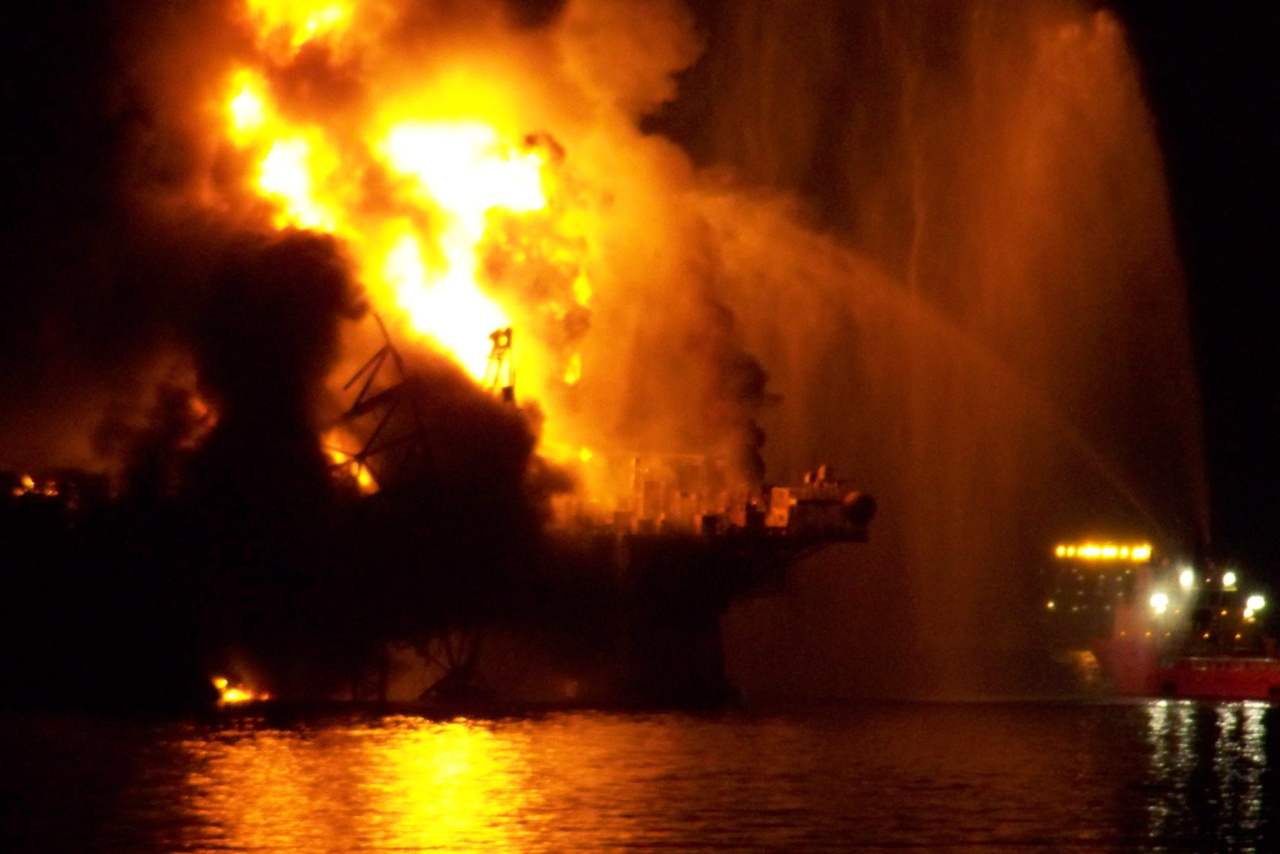
The National Academy of Engineering and the National Research Council have released the interim report of the Committee on the Analysis of Causes of the Deepwater Horizon Explosion, Fire, and Oil Spill to Identify Measures to Prevent Similar Accidents in the Future. The interim report includes the committee’s preliminary findings and observations on various actions and decisions including well design, cementing operations, well monitoring, and well control actions. The interim report also considers management, oversight, and regulation of offshore operations.

Comment: No significant surprises.

Read Full Post »

In conveying our deep condolences and solidarity to the United States Government and while sharing in the anguish of those whose livelihoods had been seriously affected, I asked that the report ofthe investigation into the accident be submitted to IMO as soon as possible after it has been concluded, so that we may move swiftly to introduce, into the regulatory regime of the Organization, whatever lessons may be learned from the incident in order to enhance safetyand environmental protection in the offshore industry and strengthen, should that prove necessary, the provisions of any relevant IMO instrument. Remarks by Secretary-General Efthimios Mitropoulos

The Secretary-General seems to be committed to an expanded role for IMO in regulating offshore oil and gas facilities.  Questions:

  1. Is an organization with a shipping history and culture the right body to be regulating drilling and production operations? While IMO has experience with mobile drilling units, primarily the vessel aspects, the organization has had little or no involvement with well construction and integrity, production operations or pipelines.
  2. What would an expanded IMO role  mean for existing offshore regulators and their cooperative efforts (primarily through the International Regulators’ Forum) to coordinate activities and improve safety performance?  Generally speaking, the principal safety regulators for offshore facilities have had a very limited role in IMO activities.

Read Full Post »

Nigerian Militants; picture from The Will


As reported in the Nigerian publication The Will and Upstream, the Nigerian militant group, Movement for the Emancipation of the Niger Delta (MEND) claims to have detonated explosives at an offshore platform and taken seven workers hostage.
Per Upstream:

The ExxonMobil attack took place a week after a similar raid on a rig operated by the exploration company Afren in the same waters off the state of Akwa Ibom, in which two Americans, two Frenchmen, two Indonesians and a Canadian were kidnapped.

Read Full Post »

Cheryl Anderson

Cheryl Anderson, the world’s leading authority on offshore oil spill occurrence rates and causes, has retired from the US Department of the Interior after an exceptional career. Cheryl developed and maintained comprehensive oil spill data bases, and authored numerous reports on spill risks and occurrence rates.

Because of her meticulous attention to detail and unbiased analyses, both supporters and opponents of offshore oil and gas operations trusted Cheryl’s data.  Her reports have been widely referenced in energy policy documents, environmental reviews, and professional papers published in the US and around the world.  Lease sale areas were revised and operating regulations were updated as a result of Cheryl’s statistics and analyses.

In recent years, Cheryl’s leadership in improving the accuracy and credibility of hurricane spill statistics was particularly noteworthy. She developed a process for gathering information on the amount of stored oil that could have been lost when platforms were toppled and pipeline segments were damaged. Previously, only spills that appeared on the water surface were included, which meant that total hurricane spillage volumes were significantly understated.

Cheryl worked for the Minerals Management Service since its inception in 1982. Given the sensitivity of oil spill statistics, there was a tendency on the part of some officials to want to “spin” Cheryl’s statistics. Cheryl had the highest professional standards, and firmly resisted such attempts. Her only concern was the accuracy of the data and the credibility of the reports. For this she was greatly respected by all of her MMS colleagues. She received numerous honors, most notably the Distinguished Service Award, the Department of the Interior’s highest honor award.

Cheryl was universally admired by her MMS colleagues and was a great friend to all. She warmed hearts with the charming trinkets that she would distribute on holidays and helped everyone stay healthy with the wonderful apples that she would bring to the office (in great quantities) from the orchards west of the metropolitan Washington DC area.  BOE wishes Cheryl great success in her future endeavors. No matter what she chooses to do, we know she will do it with great integrity, commitment, and enthusiasm.

All the best to Cheryl!

Read Full Post »

As if drilling offshore Cuba wasn’t already controversial enough, add Hugo Chavez to the mix.  Now this should be interesting:

Venezuelan state oil company PdVSA will “soon” being exploratory drilling in Cuban waters of the Gulf of Mexico, President Hugo Chávez said during a bilateral meeting in Havana earlier this week.

Scarabeo 9

It sounds like they may want to use Saipem’s new Scarabeo 9 which is scheduled to drill a well for Repsol early next year.  The only sure thing is that they won’t be using the Aban Pearl.

Read Full Post »

« Newer Posts - Older Posts »