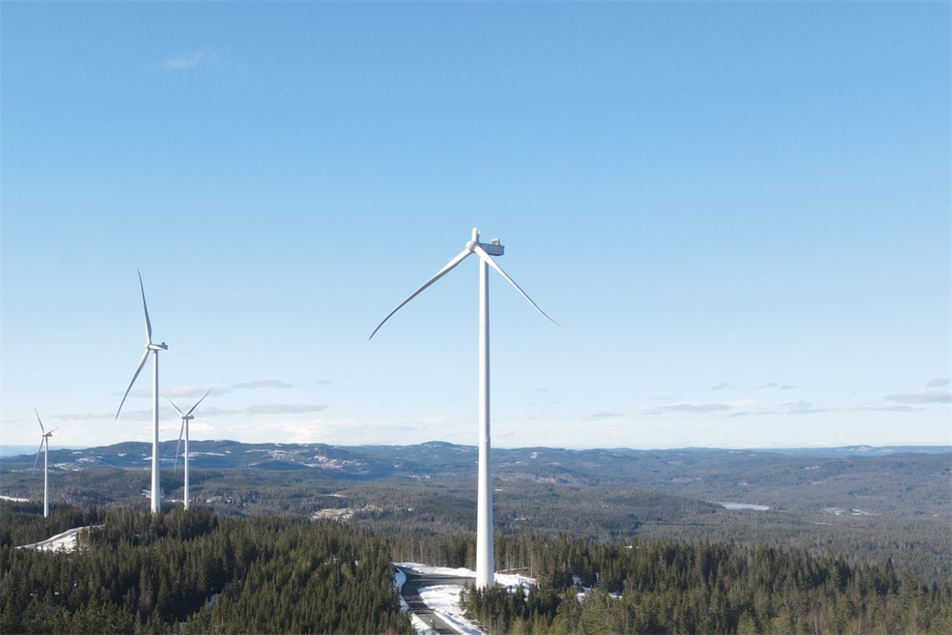
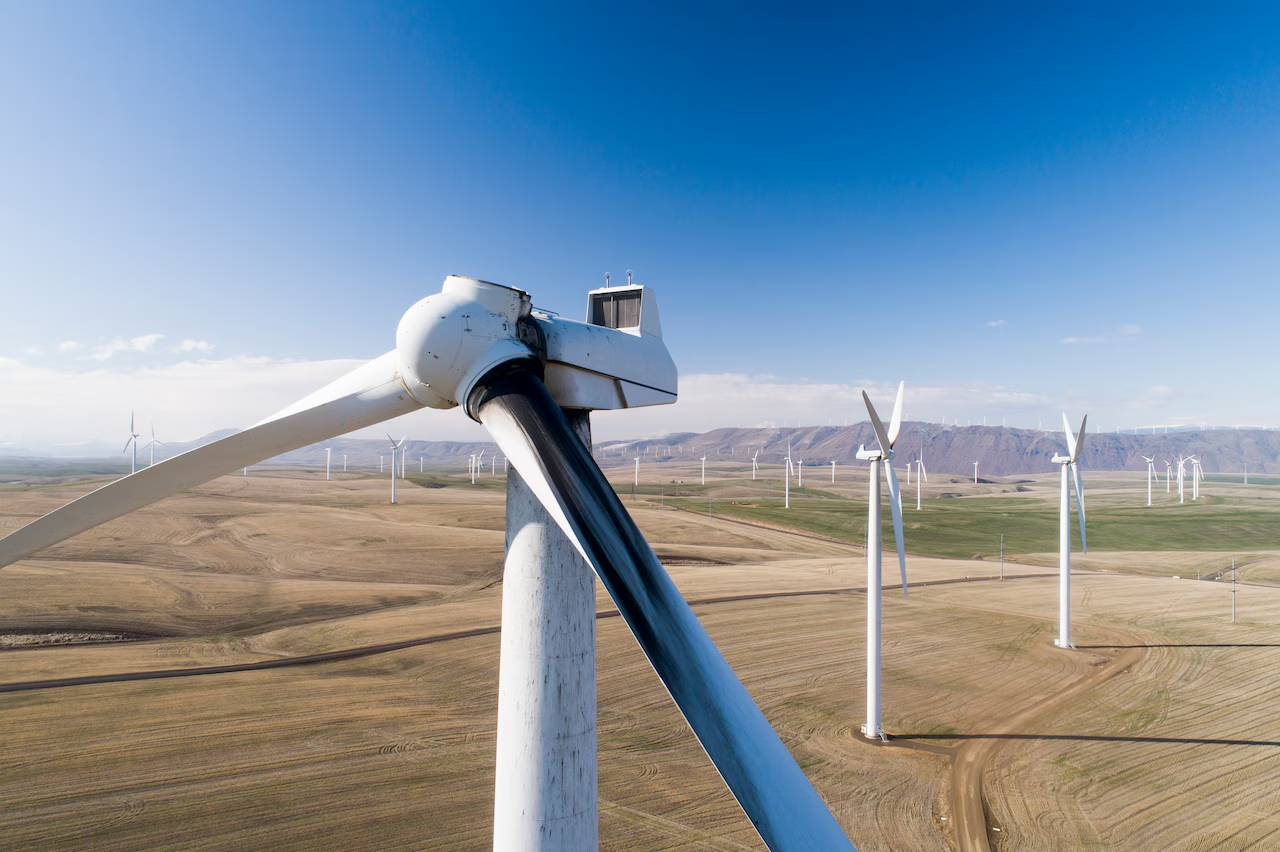
As the above examples illustrate, turbine blade failures, like the Vineyard Wind incident near Nantucket, are not unique to GE Vernova. GE’s rivals, Siemens Gamesa and Vestas, have also experienced serious quality control issues.
Per ReviewEconomy (2023), “Unexpected and increasing wind turbine failure rates, largely in newer and bigger models, are savaging the profits of some of the world’s biggest manufacturers, as Siemens Gamesa, GE and Vestas report heavy repair and maintenance losses.”
In light of the manufacturing challenges, all 3 companies report increased emphasis on quality control. Why has quality control to date been inadequate and how will the past problems be corrected?
Has the wind industry’s sense of entitlement, as evidenced in their tax credit, rate increase, and departure expectations, affected their safety and quality culture? Has industry and governmental wind energy promotion rushed development and compromised design and fabrication decisions? It’s time for wind developers, manufacturers, and regulators to make sure their priorities are in order.
On Constitution Day, best wishes to our Norwegian friends!
This JL Daeschler photo was taken in Stavanger harbor in 2003. JL’s wife Debra, a Petrodata Marine editor, is pictured in the foreground. The rig in the background is the Maersk (now Noble) Innovator, a large jackup capable of operating in water depths to 492 ft. The legs are 674 ft (Washington Monument = 555 ft).
Havtil prioritizes risk assessment and publishes their comprehensive annual analysis of safety trends in a timely manner. The 2023 RNNP was posted in Norwegian earlier this year and the summary report is already available in English. RNNP reports are an important safety resource that should be reviewed and discussed wherever oil and gas operations are conducted.
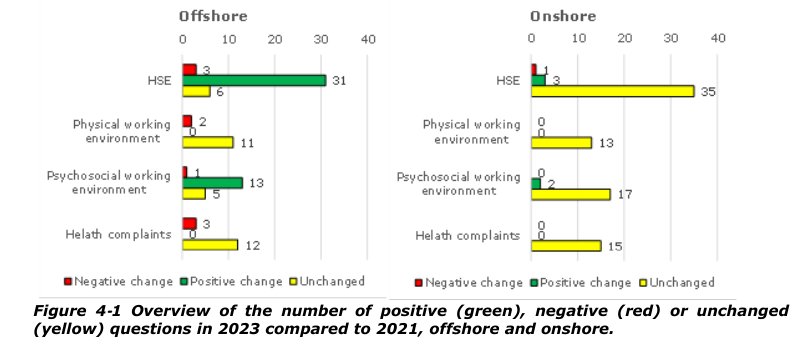
As an example of the breadth of these reviews, the two sets of charts below convey data that are not typically documented by offshore safety regulators. The first set documents near-misses that did not result in injuries, but did expose workers to that risk.
The second set of charts is a summary of worker responses to a survey, a means of assessing the safety culture. The big jump in favorable responses to the HSE questions is encouraging. In particular, the report notes (p. 14) that responses to a question about being pressured not to report incidents has moved in a positive direction in the last two surveys. Hopefully, this is an industry-wide trend.
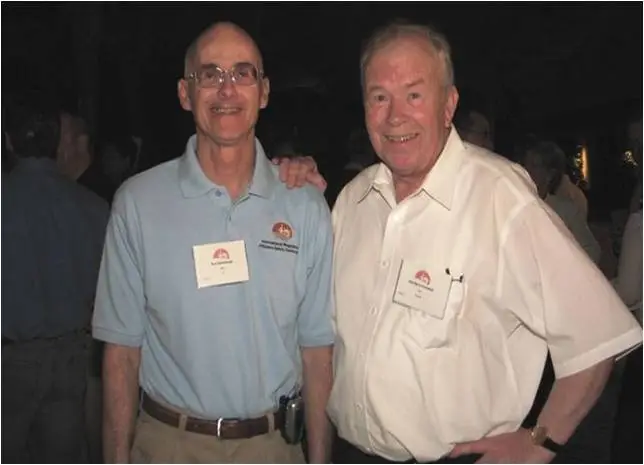
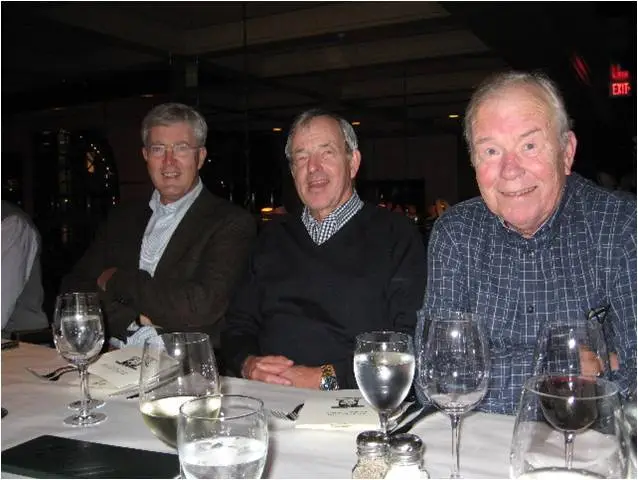
Bud and Odd (2008 photo)L to R: Jan de Jong (Inspector General, State Supervision of Mines, the Netherlands), Max Ruelokke (CEO, Canada – Newfoundland and Labrador Offshore Petroleum Board), and Odd FInnestad
Yesterday, I learned that Odd Bjerre Finnestad passed away on Christmas Eve, 2021. Odd was an international safety leader, a founder of the International Regulators’ Forum (IRF), and a driving force behind the IRF book, “A legacy of safety.”
In 2003, the US Minerals Management Service honored Odd, two other Norwegians, Magne Ognedal and Gunnar Berge, and Taf Powell from the UK, with International Leadership Awards for their outstanding leadership in facilitating the exchange of information among offshore regulatory agencies, encouraging cooperation on offshore safety and pollution prevention issues, coordinating participation in the development of international standards, cooperating on safety audits and research projects, compiling incident data, exchanging training information and discussing materials and equipment issues.
Odd was also an important contributor to this blog during the difficult times following the Montara and Macondo blowouts in 2009 and 2010.
Pasted below is the English language version of the excellent obituary that appeared in the Stavanger Aftenblad. RIP Odd; your impressive contributions to offshore safety are greatly appreciated.
Memorial: Odd Bjerre Finnestad died on Christmas Eve 2021, aged 79. Odd was employed by the Norwegian Petroleum Directorate (OD) in 1980, later the Petroleum Safety Authority (Ptil) when resource and safety management was divided into two agencies in 2004. He worked there until his retirement in 2013.
Born in the maritime city of Stavanger, he chose a maritime career. As a young naval officer, he met his Anna Dorothy in Londonderry in Northern Ireland. They married in 1967, and our thoughts go out to her and the rest of the family today. His maritime education and experience led Odd to a scholarship position at the Norwegian Institute of Maritime Research and a research program focusing on personal safety at sea. This was an important experience as head of the Section for Worker Protection and the Working Environment in NPD.
Even though most of the Working Environment Act had been applied to permanent installations on the Norwegian continental shelf as early as 1977, demands for employee participation and tripartite cooperation met resistance in parts of the industry.
Odd took on the big challenges with great commitment. On the drilling deck there was still something of the cowboy culture, where safety and the working environment had poor conditions. Several of the residential quarters appeared to be barrack-like accommodation and little had yet been arranged for women in the new industry.
He was concerned that the professional environment should have professional diversity, and that the work should be anchored in research and development. At a time when the share of women offshore was minimal, he was a driving force behind realizing the film project “Norwegian continental shelf – also for women”.
The major accidents with the Bravo blowout in 1977 and the Alexander L Kielland disaster in 1980 had documented the risks in the business in the worst possible way. With these as a backdrop, he participated in the work to develop a new supervision scheme with subsequent information work. This laid the foundation for a three-year engagement at the International Labor Organization (ILO) in Geneva from 1989, where he worked on a global study on various inspection regimes related to the working environment.
For the rest of his professional life, Odd was closely linked to international cooperation at government level. The most important arena was the International Regulators ́ Forum (IRF) where the Ptil director represented the Norwegian authorities. The forum meets annually, but much of the work takes place through ongoing contact between the participating countries. This is where Odd’s ability to see connections and make strategic contacts came in handy. He actively contributed to the IRF developing a culture for rapid and effective exchange of information on risk levels, regulations and supervision.
Odd monitored all channels almost around the clock, in order to convey news of interest. Often before these were picked up by the world press. He thereby also became an important contributor to Ptil’s information environment.
It is a pioneer in Ptil’s role as watchdog and promoter of safety and the working environment in the petroleum industry who has now passed away. We will remember Odd as a committed colleague and friend.
Remembering the 123 offshore workers who lost their lives on this dayin 1980 in one of the offshore industry’s great tragedies 🙏
See the excellent interview with Magne Ognedal that describes the evolution of Norway’s highly regarded offshore regulatory regime following the Alexander Kielland tragedy.
One person has died following the helicopter crash outside Bergen in Norway on the night of Wednesday 28th February. The helicopter was on a training assignment for Equinor ’s SAR service for the Oseberg area in the North Sea.
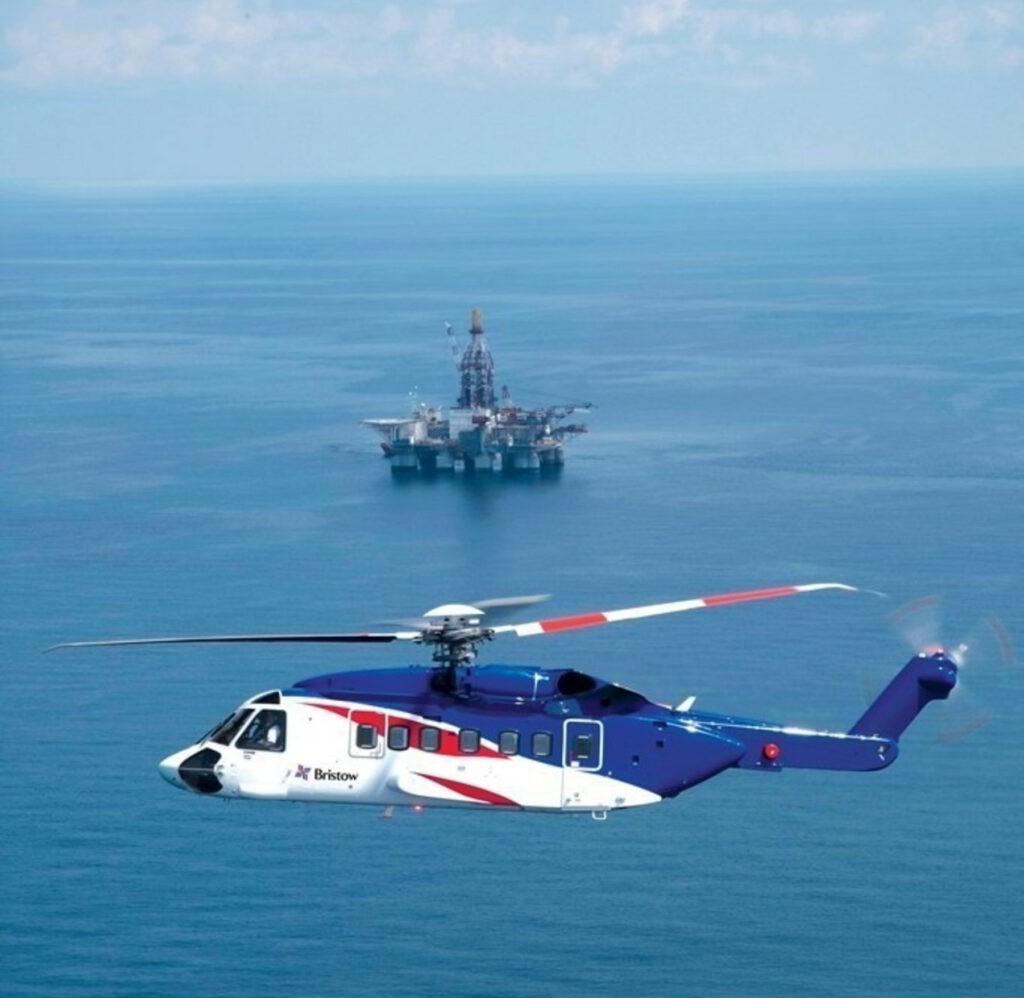
Search and rescue service is critical to offshore safety, and North Sea operators have excellent SAR capabilities. Sadly, one person died and five were injured (two seriously) when a Sikorsky S-92 helicopter, owned by Bristow and under contract to Equinor, crashed offshore Bergen last night. The crew was training to serve offshore workers in need.
11/21/2023: Nauru Ocean Resources Inc. (NORI) shares data from their 2022 test mining on the impacts of seafloor sediment plumes. See the informative video embedded below.
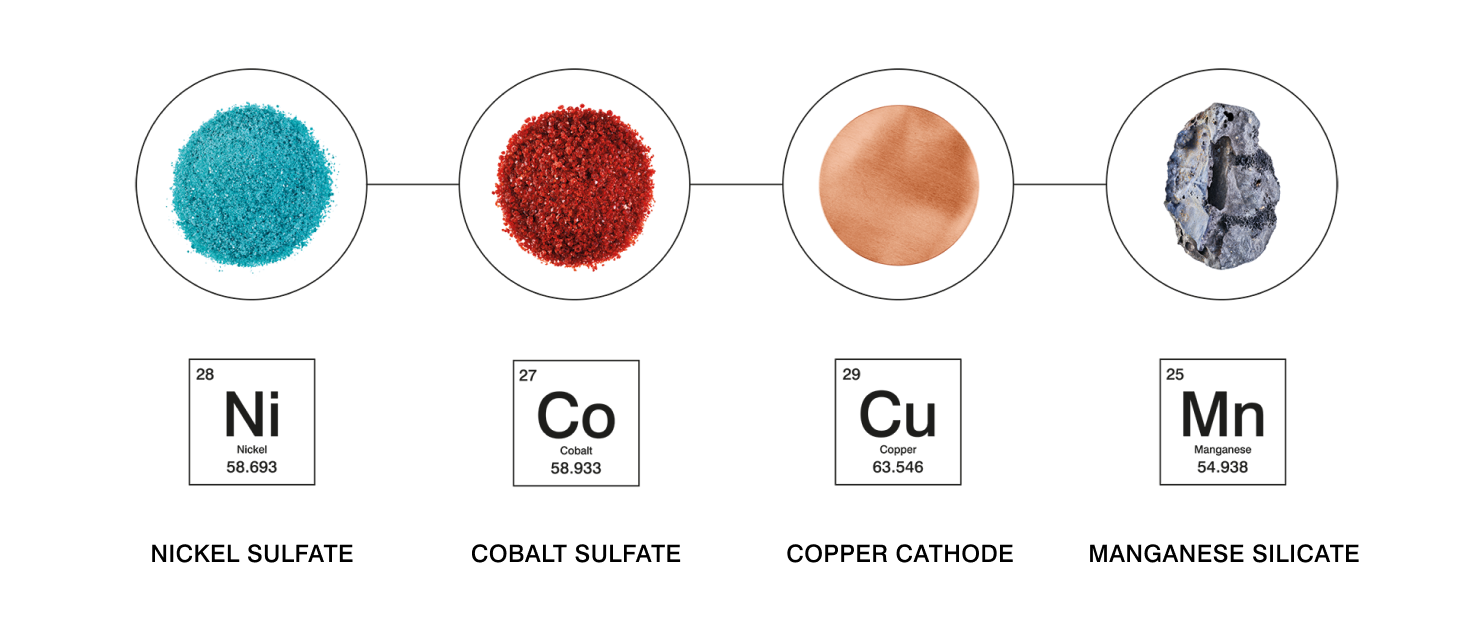
12/7/2023: 31 members of congress send letter to Secretary Austin (attached) regarding the importance of deep-sea polymetallic nodules from a national security standpoint.
1/3/2024: National Defense Authorization Act (NDAA) is signed into law, and includes provisions directing the Department of Defense to submit a report to the House Armed Services Committee assessing the domestic processing of seafloor polymetallic nodules by March 1, 2024. See text pasted below.
1/11/2024: The Wall Street Journal reports on growing US political support for deep sea mining.
“the committee directs the Assistant Secretary of Defense for Industrial Base Policy shall, by March 1, 2024, submit a report to the House Armed Services Committee assessing the processing of seabed resources of polymetallic nodules domestically. The report shall include, at a minimum, the following: (1) a review of current resources and controlling parties in securing seabed resources of polymetallic nodules; (2) an assessment of current domestic deep-sea mining and material processing capabilities; and (3) a roadmap recommending how the United States can have the ability to source and/or process critical minerals in innovative arenas, such as deep-sea mining, to decrease reliance on sources from foreign adversaries and bolster domestic competencies.
The Gulf of Mexico and Norwegian branches of the offshore family have a long record of technological innovation and production leadership.
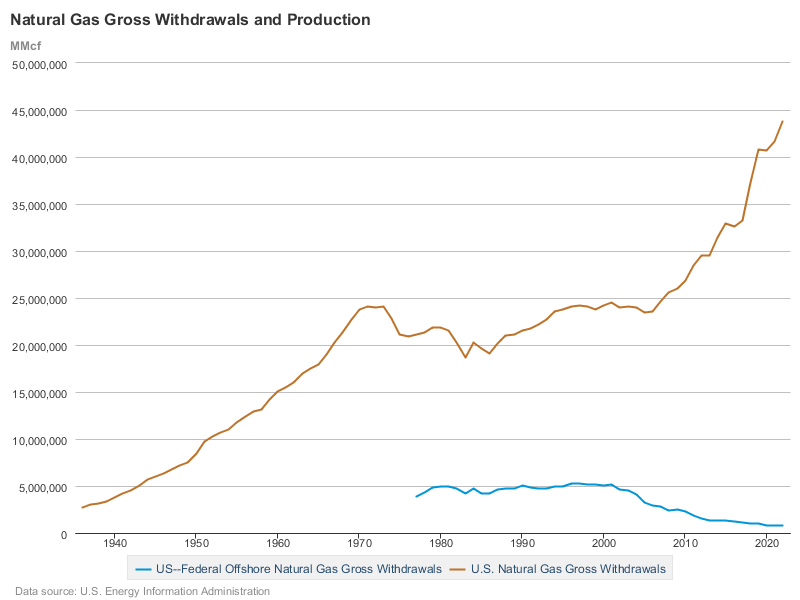
As a followup to our last GoM-Norway update, the respective oil production rates are presented below. The Gulf of Mexico now has a small edge as a result of new production from deepwater facilities.
Natural gas is a different story, and Norway’s offshore gas production is much higher. US gas production (second chart below) has been dominated by the onshore sector since advances in horizontal drilling and well stimulation procedures triggered the shale gas revolution twenty years ago.
If you get a chance to visit Stavanger, the Norwegian Oil Museum is highly recommended. See the short video below.
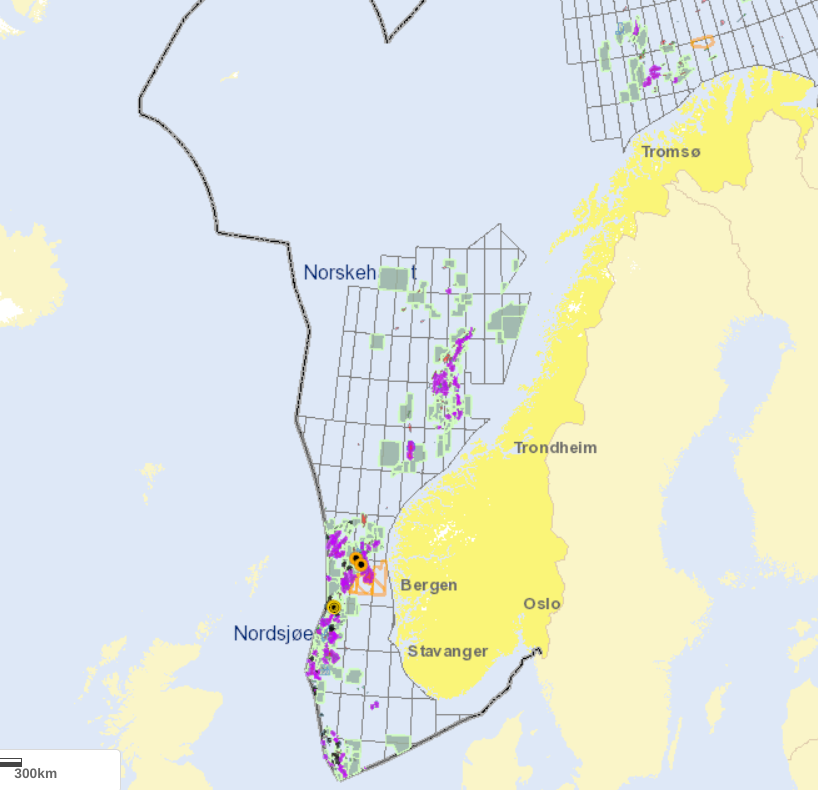
OSLO, June 28 (Reuters) – Norway’s government said on Wednesday it has given approval for oil companies to develop 19 oil and gas fields with investments exceeding 200 billion Norwegian crowns ($18.51 billion), part of the country’s strategy to extend production for decades to come.
“These are projects that will contribute to a continued high and stable output from Norway’s continental shelf as well as employment and value creation,” Minister of Petroleum and Energy Terje Aasland told a news conference.
Oil and Energy Minister Terje Aasland takes over the constitutional responsibility for the Petroleum Safety Authority with effect from 11 May 2023. Labor and Inclusion Minister Marte Mjøs Persen previously held responsibility. With this, the government wishes to strengthen comprehensive and good management of HSE, safety and preparedness on the Norwegian continental shelf.
The transfer of responsibility to the Ministry of Oil and Energy (OED) is in line with the main principle in Norwegian administration that one ministry and one cabinet minister have the constitutional responsibility for the sector as a whole.
The Petroleum Safety Authority and the Norwegian Petroleum Directorate, the resource management agency, now report to the same ministry. Prior to a December 2003 decree that established the PSA, both the safety and resource functions were administered by the NPD.
Could this be the start of a trend toward better coordination of regulatory and resource management functions? If so, that would be a positive development. Fragmented oversight is neither in the best interest of safety nor resource management. (More on this in an upcoming post.)