Posts Tagged ‘macondo’
Halliburton Stunner
Posted in accidents, well control incidents, tagged accidents, blowouts, Deepwater Horizon, drilling, Gulf of Mexico, macondo, National Commission, offshore oil, oil spill, safety, well control on November 8, 2010| Leave a Comment »
National Commission Hearing: 8-9 November
Posted in accidents, well control incidents, tagged accidents, blowouts, Deepwater Horizon, drilling, Gulf of Mexico, macondo, National Commission, offshore oil, oil spill, safety, well control on November 7, 2010| Leave a Comment »

The hearing will focus on the causes of the Deepwater Horizon explosion and will be broadcast live on C-SPAN2. The panelists and speakers are listed here.
Macondo spill cost estimate is now $40 billion
Posted in accidents, well control incidents, tagged accidents, blowouts, bp, Deepwater Horizon, drilling, Gulf of Mexico, macondo, offshore oil, oil spill, safety, well control on November 2, 2010| Leave a Comment »
BP is now estimating total Macondo response and damage costs at $39.9 billion. I would guess that only 4 or 5 other operating companies could have survived this type of hit.
Hopefully, every offshore operator is keeping this in mind when formulating safety management programs and training, research, and standards budgets. Companies claiming that such disasters couldn’t happen to them are simply demonstrating that they could, because no company with a proper safety culture would make such a statement.
Hydrocarbon Releases
Posted in accidents, conferences, IRF, tagged Australia, hydrocarbon releases, macondo, Netherlands, Norway, offshore oil, performance measurement, UK on November 2, 2010| 1 Comment »
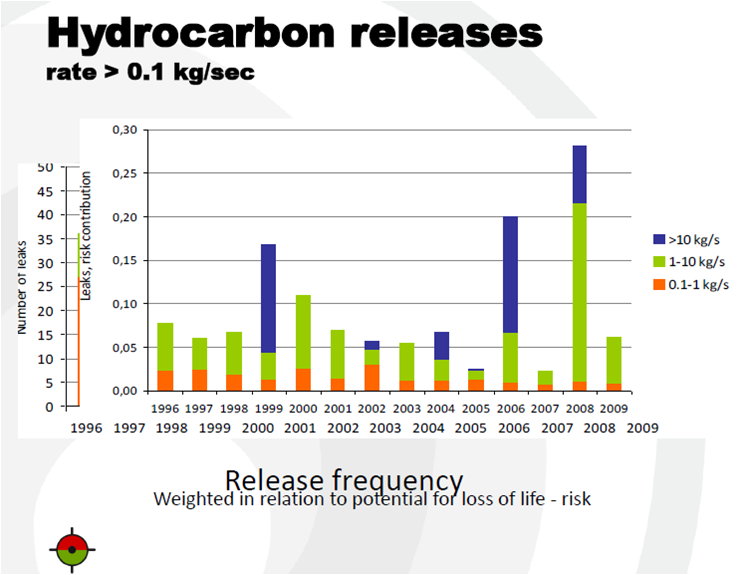
The above slide is excerpted from Torleif Husebo’s presentation at the Vancouver conference. Since Piper Alpha in 1988, offshore safety leaders have been gathering and assessing hydrocarbon release data. Norway, the UK, Australia, the Netherlands and other nations track these data because they are an important indicator of fire and explosion risks. The IRF reports these data as part of their performance measurement project.
Obviously, when hydrocarbons are unintentionally released at an offshore facility you have the potential for a very dangerous situation. However, because of objections voiced when the MMS updated incident reporting requirements 5 years ago, the US government does not collect the detailed information needed to track the size and cause of these releases. The US is thus unable to monitor trends and benchmark against other nations around the world.
Offshore companies have done well in responding to the drilling issues raised following the blowout. However, the post-Macondo offshore industry needs to provide broad safety leadership. A commitment to collecting performance data and assessing risk trends at OCS oil and gas facilities is absolutely essential. A good place to start would be to initiate a cooperative hydrocarbon release data gathering program.
Chevron tests point to flawed Macondo cement
Posted in accidents, well control incidents, tagged accidents, blowouts, cement, Chevron, Deepwater Horizon, drilling, Gulf of Mexico, macondo, National Commission, safety, well control on October 28, 2010| Leave a Comment »
Chevron’s report states, among other things, that its lab personnel were unable to generate stable foam cement in the laboratory using the materials provided by Halliburton and available design information regarding the slurry used at the Macondo well. Although laboratory foam stability tests cannot replicate field conditions perfectly, these data strongly suggest that the foam cement used at Macondo was unstable. This may have contributed to the blowout.
Further:
The documents provided to us by Halliburton show, among other things, that its personnel conducted at least four foam stability tests relevant to the Macondo cement slurry. The first two tests were conducted in February 2010 using different well design parameters and a slightly different slurry recipe than was finally used. Both tests indicated that this foam slurry design was unstable.
Posted in accidents, tagged aban pearl, accidents, Australia, Bayou St. Denis, Chile, China, Jack Ryan, macondo, Mariner fire, Montara, offshore oil, varanus, venezuela on October 14, 2010| Leave a Comment »
Now that Chile, with the help of the international community (including two companies from the Commonwealth of Pennsylvania where the drilling industry began), has rescued the 33 miners, can we drill into the Australian government and rescue the Montara and Varanus Island reports?
While we are at it, can we learn more about these accidents?
-
Bayou St. Denis blowout
-
Others?
Let’s learn from past accidents, so we don’t need dramatic rescues in the future.
The offshore safety record will be suspect until industry and governments have credible, internationally accepted programs and policies for ensuring that accidents are independently investigated and that investigation updates and reports are released in a timely manner.
Drilling Ban to End This Week
Posted in accidents, drilling, Offshore Energy - General, well control incidents, tagged accidents, blowouts, Deepwater Horizon, drilling, Gulf of Mexico, macondo, moratorium, safety, well control on October 12, 2010| Leave a Comment »
The White House said Tuesday the government will lift a moratorium on deep water oil drilling in the Gulf of Mexico “very soon” – likely this week. Washington Post
Too many distractions before Macondo blew?
Posted in accidents, well control incidents, tagged accidents, Australia, blowouts, BOEMRE, Coast Guard, Deepwater Horizon, drilling, Gulf of Mexico, macondo, Montara, safety, well control on October 9, 2010| Leave a Comment »
There were so many simultaneous activities — starting with the displacing of mud to the pumping of fluids overboard — it was difficult to see what was going on. John Gisclair, Sperry Sun (see Times Picayune summary of yesterday’s BOEM-Coast Guard hearing)
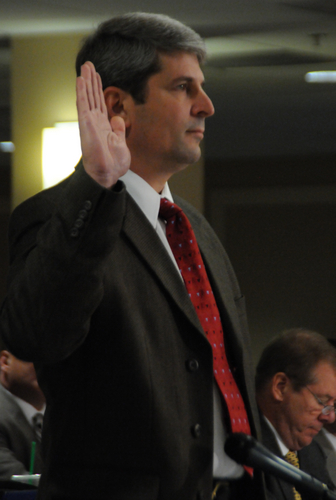
John Gisclair
Too much at once? Hurrying to finish the job? Cost concerns? No one in charge? Distracted by managers visiting the rig? One or more of these human and organizational factors appears to have contributed to the blowout.
Similarly, the rigid commitment to “batching” the development wells (for efficiency reasons) seems to have been a factor contributing to the Montara blowout in the Timor Sea. If after removing the corrosion cap on the production casing, the work on the H1 well had continued in series (i.e. casing tied-back, BOP installed, and well secured) before moving on to another well, this blowout may have been prevented.
At both Macondo and Montara, time pressures (perceived or real) may also have affected the way negative-pressure tests were conducted or assessed. These tests should have detected the influx of hydrocarbons via the shoe track.
Views on Vancouver
Posted in conferences, tagged accidents, blowouts, Canada, IRF, macondo, offshore oil, safety, vancouver, well control on October 8, 2010| Leave a Comment »
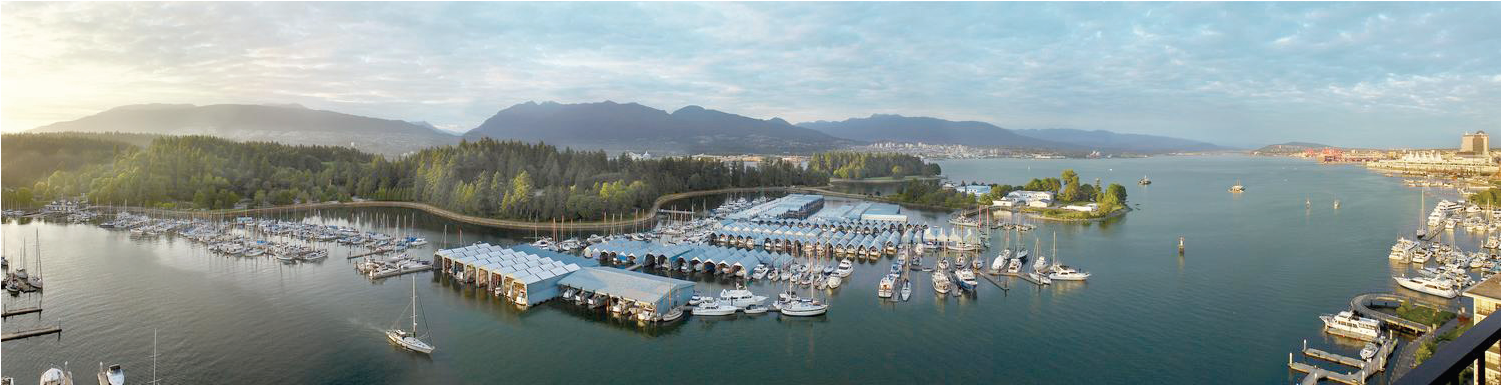
In less than 10 days, we kick off the International Regulators’ Offshore Safety Conference in Vancouver. The venue is top-notch, the list of delegates is long and impressive, and the speakers are world leaders in offshore operations, safety, and regulatory practices. Everything is in place for a productive conference; now it is up to us. We must challenge the speakers, each other, and conventional wisdom if we want to make a difference. We need to understand where we have been, and then focus on where we are going. In that regard, the “Roundtable Discussions” will be an important part of the conference. If you plan to attend the conference and would like to assist with the Roundtable Sessions, send a note to edanenberger@gmail.com.
Here are ten issues that I look forward to discussing with other delegates:
- How do we develop a comprehensive and verified international incident data base? The IRF data and some of the industry efforts are good starts, but where do we go from there?
- What other performance data should be routinely collected?
- How do we assess emerging and hidden risks? In that regard, I am looking forward to Torleif Husebø’s presentation: PSA’s Risk Level Measuring Scheme and how available data are collected and used.
- Looking beyond centralizers, long-strings, and corrosion caps, what are the management lessons from Macondo and Montara?
- Is there such a thing as a hybrid regulatory regime? While a certain amount of prescription is necessary in any regulatory system, how can a regime have both “command and control” and “safety case” elements? Aren’t they contradictory?
- How do we develop and encourage safety leaders? How do we measure their progress. In that regard, I am really looking forward to Mark Fleming’s presentation: Know where you are going rather than where you have been! A Leaders’ guide to continuous safety performance measurement
- Can regulators inhibit industry safety achievement? How do we encourage innovation and leadership? How do we deal with those who have no interest in either?
- Should standards participation and safety research be a part of every operator’s safety management programs?
- Can the international community help provide stability and perspective during crises like Macondo?
- What are the next steps in international cooperation on offshore safety?
Post-Macondo Drilling Safety Rule Posted by the Federal Register
Posted in drilling, Regulation, tagged BOEM, BOEMRE, drilling, Drilling Safety Rule, Gulf of Mexico, macondo, offshore oil, safety, well control on October 7, 2010| Leave a Comment »
The complete interim final Drilling Safety Rule is now posted on the Federal Register site. This rule was announced on 30 September along with the Safety and Environmental Management System rule. The latter rule has not yet been posted by the Federal Register.
The Drilling Safety Rule is effective immediately. With regard to comments:
While BOEMRE will not solicit comments before the effective date, BOEMRE will accept and consider public comments on this rule that are submitted within 60 days of its publication in the Federal Register. After reviewing the public comments, BOEMRE will publish a notice in the Federal Register that will respond to comments and will either:
1. confirm this rule as a final rule with no additional changes, or
2. issue a revised final rule with modifications, based on public comments.
 Bud's Offshore Energy (BOE)