Feeds:
Posts
Comments

Posts Tagged ‘Lease Sale 261’

Big Beautiful Gulf of America

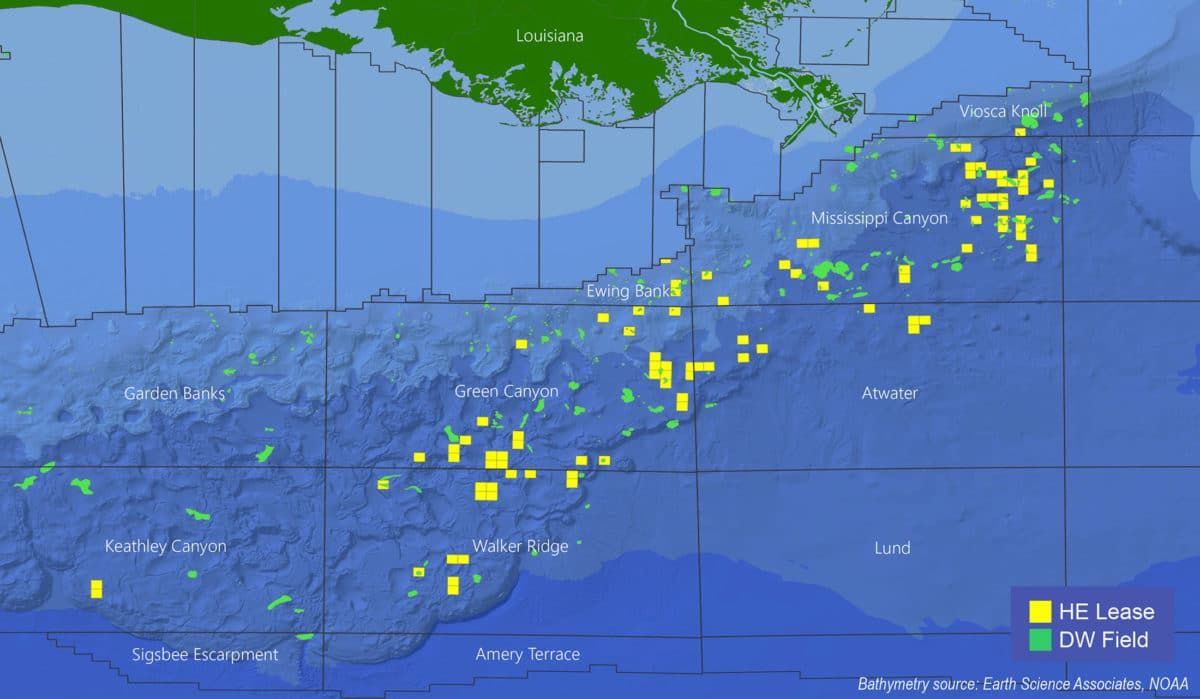
Will the oil and gas lease sale boldly named Big Beautiful Gulf 1 (BBG1) live up to its grand name? Given the more favorable lease terms and the 2 year gap since the last sale, BBG1 should surpass the previous 3 sales (table below). Questions:

  • Which majors will be the most active bidders? Chevron? Shell? BP? Oxy/Anadarko?
  • Will former Gulf of Mexico stalwarts Exxon and Conoco Phillips participate for the first time in years? Probably not, but US super-majors should participate in the US offshore program.
  • How many companies will submit bids? Would like that to be a number >35.
  • How many tracts will receive bids? A number >300 would be very encouraging.
  • Will the total high bids exceed $400 million?
  • Will we see an increase in shelf interest?
  • Which independents will be the most active?
  • After the not-so-clever carbon disposal acquisitions in the last 3 sales, will the number of carbon disposal bids be zero? For the first time ever, the Federal government felt compelled to stipulate the obvious (see the proposed notice for OCS Sale 262) – that an Oil and Gas Lease Sale is only for oil and gas exploration and development.

See the summary data below for the last 3 Gulf lease sales. We’ll fill in the blanks next week.

Sale No.257259261BBG1
date11/17/20213/29/202312/20/202312/10/2025
companies
participating
333226
total bids223328423161
tracts receiving bids214324422751
sum of all bids
$millions
198.5309.8441.9
sum of high bids
($millions)
101.7263.8382.2
highest bid
company
block
$10,001,252.00
Anadarko
AC 259
$15,911,947
Chevron
KC 96
$25,500,085
Anadarko
MC 389
most high bids
company
sum ($millions)
46
bp
29.0
75
Chevron
108.0
65
Shell
69.0
sum of high bids ($millions)
company
47.1
Chevron
108
Chevron
88.3
Hess
most high bids by independent14-DG Expl.13-Beacon
13-Red Willow
22-Red Willow
1excludes 36 leases improperly acquired for carbon disposal purposes; 2excludes 69 leases improperly acquired for carbon disposal purposes; 3excludes 94 leases improperly acquired for carbon disposal purposes

Read Full Post »

Given the current guidance for implementing the OCS Lands Act’s “fair market value” mandate, all 12 of BOEM’s Sale 261 bid rejections (table below) were warranted:

  • All but one of the rejections was on a single bid tract.
  • BOEM’s Mean of the Range-of-Value (MROV) estimates were 2.6 to 18.7 times the rejected bonus bids.
  • The Adjusted Delayed Value (ADV), which takes into account the effects of delaying bonuses and future royalty payments, ranged from 1.3 to 9.2 times the high bids.
  • Perhaps the closest calls were Chevron’s two Walker Ridge bids which had ADV to bid ratios of only 1.3 to 1.4.

The main concern going forward is the absence of a consistent, predictable leasing schedule for the 3.7% of the OCS that may be considered for leasing. BOEM’s new methodology, which will be applied at the next lease sale (whenever that might be), does not require the bureau to estimate the delay period between the sale being evaluated and the projected next lease sale. Given that the new 5 year plan calls for a maximum of 3 lease sales, the gap between sales has become a much more significant factor just as the new guidance is being implemented.

The new 5 year “leasing plan” is intended to restrain OCS production in deference to “net zero” pathways. This strategy discourages interest from exploration and production companies. US offshore leases, which are by far the world’s smallest, are even less attractive when you don’t know if and when you will be able to acquire the nearby tracts that may be needed for economical deepwater development. This is not the way to obtain fair market value for public resources.

BlockNo. of bidsHigh Bid ($)MROV($)
ADV($)
High BidderMROV/bid
ADV/bid
MC 7111584,7006,600,000
2,400,000
bp11.3
4.1
MC 8961641,6286,100,000
1,600,000
Shell9.5
2.5
GC 1821800,0853,900,000
2,600,000
Anadarko4.9
3.2
GC 1831800,0859,100,000
6,000,000
Anadarko11.4
7.5
GC 2261800,0852,100,000
1,600,000
Anadarko2.6
2.0
GC 2272974,62813,000,000
9,000,000
Shell13.3
9.2
GC 34511,095,61513,000,000
5,300,000
Murphy11.9
4.8
GC 3461845,8155,100,000
2,000,000
Murphy6.4
2.4
GC 5491800,08515,000,000
6,900,000
Anadarko18.7
8.6
AT 2371909,8998,300,000
3,000,000
Equinor9.1
3.3
WR 2851859,8376,200,000
1,200,000
Chevron7.2
1.4
WR 3291595,8374,400,000
770,000
Chevron5.7
1.3
MROV=Mean of the Range-of-Value
ADV=Adjusted Delayed Value, which takes into account delaying bonuses and royalties

Read Full Post »

The table in the Sale 259 bid rejections post has been corrected below. That table incorrectly reported that subsequent bids for Keathley Canyon Blocks 745 and 789 were rejected at Sale 261. Those bids were in fact accepted. Houston Energy was identified as the submitter rather than Beacon Offshore Energy, the company that, per the bidding data, had the largest ownership share. (See the bidding partnership pasted below.)

The acceptance of those 2 bids significantly increases the net gain to the government as a result of the Sale 259 bid rejections. See the corrections in red to the table:

area and blockSale 259 rejected high bid – companySale 261 high bidbid acceptedgovt gain (loss*)
DC 6222,101,836 – Shell615,628 – Shellyes(1,486,208)
GC 173307,107 – Woodsideno bidNA(307,107)
GC 5471,783,498 – Chevronno bidNA(1,783,498)
GC 5911,291,993 – Chevronno bidNA(1,291,993)
GC 642605,505 – Anadarkono bidNA(605,505)
GC 777583,103 – bpno bidNA(583,103)
AT 51,551,130 – Anadarko5,215,628 – Shellyes3,664,498
AT 133607,107 – Woodsideno bidNA(607,107)
KC 745707,777 – Beacon2,422,222 – Beacon Houstonno yes(2,422,222)
1,714,445
KC 789707,777 – Beacon2,143,299 – Beacon Houstonno yes(2,143,299)
1,435,522
WR 794724,744 – Beacon1,487,624 – Beaconyes762,880
WR 795774,242 – Beacon5,301,107 – Woodsideyes4,526,865
WR 796774,242 – Beacon3,310,107 – Woodsideyes2,535,865
WR 750724,744 – Beacon1,498,555 – Beaconyes773,811
total govt. gain1,032,877
8,748,365

More on the Sale 261 bidding next week.

Read Full Post »

14 of the high bids at Gulf of Mexico Lease Sale 259 were rejected. Did those tracts receive bids at sale 261? What was the net gain or loss of revenue? See the summary bullets and table below

  • 6 of the 14 tracts received no bids whatsoever
  • 5 of the 14 tracts received higher bids that were accepted.
  • 2 tracts received substantially higher bids that were again rejected
  • 1 tract received a lower bid that was accepted
  • net bonus revenue gain to the govt from the bid rejections (pending re-offering at future sales): $1,032,877
  • net bonus revenue gain = 0.27% of the total high bids at sale 261
  • net loss in future rental and royalty payments: ????

For a net bonus revenue gain to date of only 1/4 of one per cent, 8 of the 14 sale 259 tracts with rejected high bids remain closed to exploration. The timing of any future sales is very much in doubt given the minimalist 5 year leasing plan and the associated legal challenges.

Current bid evaluation practices only make sense if regular lease sales are held on a predictable schedule, as has historically been the case.

Meanwhile, 100% of the improper CCS bids (199/199) were accepted at the last 3 oil and gas lease sales.

area and blockSale 259 rejected high bid – companySale 261 high bidbid acceptedgovt gain (loss*)
DC 6222,101,836 – Shell615,628 – Shellyes(1,486,208)
GC 173307,107 – Woodsideno bidNA(307,107)
GC 5471,783,498 – Chevronno bidNA(1,783,498)
GC 5911,291,993 – Chevronno bidNA(1,291,993)
GC 642605,505 – Anadarkono bidNA(605,505)
GC 777583,103 – bpno bidNA(583,103)
AT 51,551,130 – Anadarko5,215,628 – Shellyes3,664,498
AT 133607,107 – Woodsideno bidNA(607,107)
KC 745707,777 – Beacon2,422,222 – Beaconno(2,422,222)
KC 789707,777 – Beacon2,143,299 – Beaconno(2,143,299)
WR 794724,744 – Beacon1,487,624 – Beaconyes762,880
WR 795774,242 – Beacon5,301,107 – Woodsideyes4,526,865
WR 796774,242 – Beacon3,310,107 – Woodsideyes2,535,865
WR 750724,744 – Beacon1,498,555 – Beaconyes773,811
total govt. gain1,032,877
*Loss based on rejected sale 261 high bid. If no sale 261 bid, loss based on sale 259 high bid. These tracts could receive bids at a future sale.

Read Full Post »

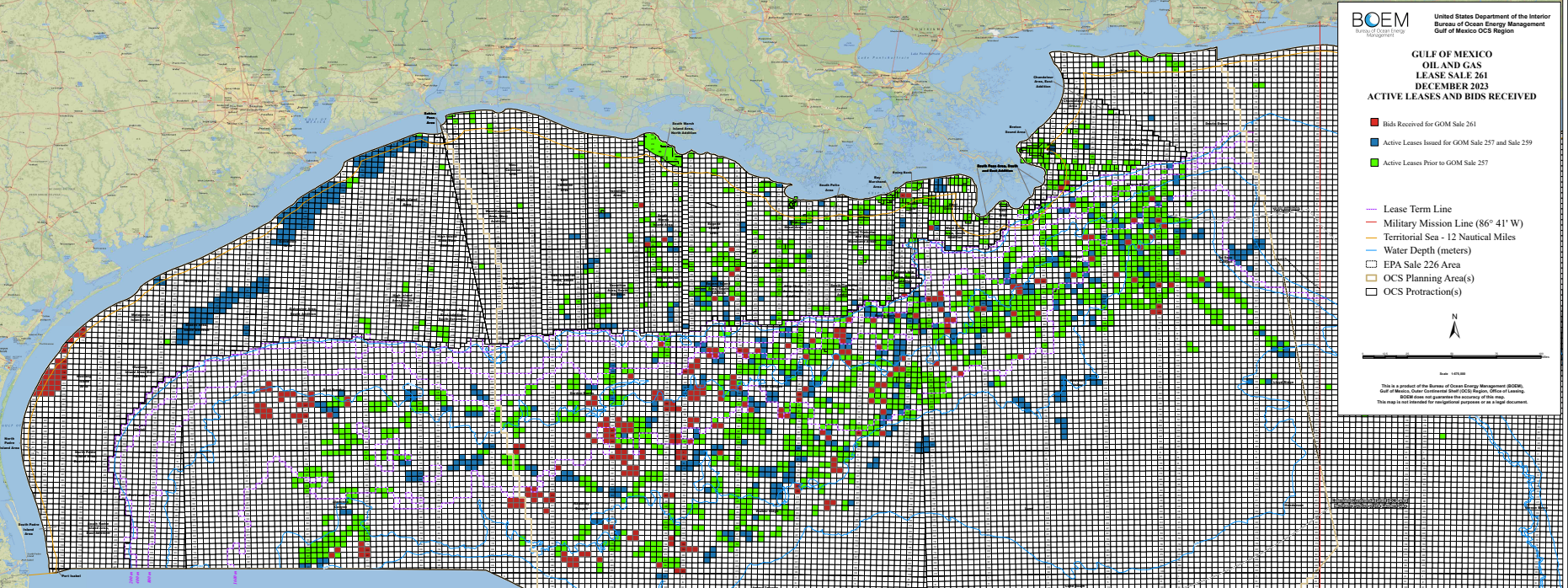
At Oil and Gas Lease Sale 261, Repsol was the sole bidder for 36 nearshore Texas tracts in the Mustang Island and Matagorda Island areas (red blocks at the western end of the map above). Exxon acquired 163 nearshore Texas tracts (blue in map above) at Sales 257 and 259. All 36 of the Repsol bids have now been accepted.

As previously posted here and here, carbon disposal bidding at the last 3 oil and gas lease sales has made a mockery of the leasing process and the regulations that guide it.

Hopefully, the carbon sequestration regulations that are under development will preclude conversion of leases acquired at Sales 257, 259, and 261. At a minimum, these regulations should require a competitive process for converting any oil and gas leases.

Read Full Post »

The above map shows the offshore carbon disposal leases acquired by Repsol from the Texas General Land Office (GLO) and the adjacent Federal tracts Repsol bid on at OCS Lease Sale 261. There should be absolutely no confusion regarding Repsol intentions at Sale 261. They plan to develop a large CO2 disposal hub offshore Corpus Christi and bid improperly at an OCS oil and gas lease sale to support that objective.

Perhaps blinded by visions of “a stream of U.S. government grants, followed by generous tax credits for every ton of carbon stored,” Repsol (Sale 261) and Exxon (Sales 257 and 259) have made a mockery of the OCS leasing process and the regulations that guide it. The Repsol bids should be promptly rejected.

So what about the Exxon nearshore Texas leases that have already been issued? Given that Exxon misled the Federal government and improperly acquired carbon disposal leases at an oil and gas lease sale, those bids should be cancelled pursuant to 30 CFR § 556.1102:

(c) BOEM may cancel your lease if it determines that the lease was obtained by fraud or misrepresentation. You will have notice and an opportunity to be heard before BOEM cancels your lease.

While Exxon’s oil production increases in the Permian Basin and offshore Guyana are impressive, is it not hypocritical for Exxon and other major producers to capitalize on the capture and disposal of emissions associated with the consumption of their products? Is it not just a bit unsavory for oil companies to cash in on (and virtue signal about) carbon collection and disposal at the public’s expense? Perhaps companies that believe oil and gas production is harmful to society should be reducing production rather than engaging in enterprises intended to sustain it.

Read Full Post »

Among the top 10 companies at Sale 261 (based on the number of high bids) are household names Shell, Chevron/Hess, Oxy/Anadarko, and bp, and international majors Equinor (Norway) and Woodside (Australia).

Lesser known companies have also become important deepwater players including two, Red Willow (owned by the Southern Ute tribe) and Houston Energy, that cracked the top 10 bidders list. Other emerging deepwater companies, Ridgewood, CSL Expl, Westlawn, Alta Mar, and CL&F were also active sale 261 participants. All of these companies bid in partnership with other independents.

Company257259261
Red Willow51325
Houston Energy5918
Ridgewood028
CSL Expl113
Westlawn035
Alta Mar009
CL&F003
Number of bids by emerging deepwater players at Sales 257, 259, and 261.
Houston Energy’s GoM portfolio

Read Full Post »

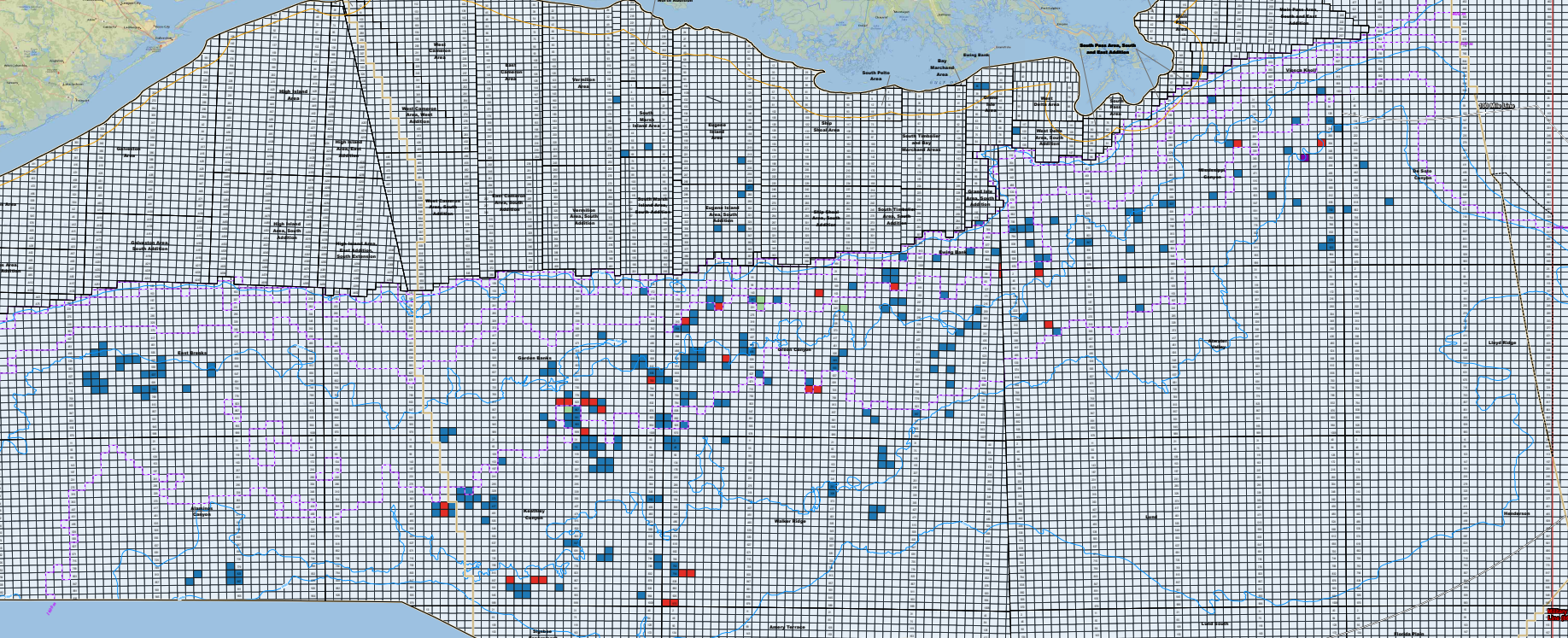
Sale 261: single bid tracts in blue, multi-bid tracts in red (2), green (3), and purple (5)

The interest of the majors and most independents has shifted entirely to deepwater prospects, as evidenced by the above graphic and sale data. Nonetheless, a few resourceful companies continue to find value in the shallow waters of the continental shelf.

There’s an art to finding oil—particularly in the Gulf of Mexico. After decades of drilling, this world-class basin still holds vast potential for those skilled enough to unlock it. Arena energy is applying expert insight and advanced technology to identify new Gulf of Mexico oil and gas exploration opportunities. This is the art of oil finding in the 21st century.

Arena Energy

Arena Energy, a successful shelf operator for a quarter of a century, was the leading shelf bidder with 6 high bids. In 2023 Arena was once again the most active shelf driller with 20 well starts. They claim a 94% drilling success rate. Arena currently operates 123 platforms and is the GoM’s 7th ranked natural gas producer and the 11th ranked oil producer.

Cantium, another leading shelf operator, was the high bidder on 4 tracts. Cantium drilled 10 wells in 2023 and currently operates 86 platforms. Cantium claims to maintain “the highest level of operational safety and regulatory compliance by maximizing efficiencies and empowering employees,” and publicly available compliance data bear that out. Cantium was a BOE Honor Roll company for 2022, and a preliminary look at the data indicates that their 2023 performance was also excellent. Cantium is ranked 18th in both oil and natural gas production.

Byron Energy, which is headquartered in Australia, is the only international company investing in the GoM shelf. Byron was the high bidder on 2 tracts and currently operates 2 platforms. The company drilled 3 wells in 2023. Byron intends to continue focusing on the shallow waters of the Gulf. 

Thoughts on the attributes of a successful shelf operator:

  • Bid alone and conduct operations independently to facilitate efficiency and timely decisions.
  • Lean and flat organizational structure for optimal communication and effective project management.
  • Skilled staff and state-of-the art exploration technology.
  • Outstanding contractor selection and oversight.
  • Safety, environmental, and compliance leadership, absent which your company won’t be around for long.
  • Think small. Gleaning old fields and producing modest new discoveries can be profitable!
  • Control growth and debt. Busts follow booms and highly leveraged companies are the most vulnerable.
  • Study the successful shelf operators and the failures. What did they do right and wrong?

Read Full Post »

At Sale 261, Repsol was the sole bidder for 36 nearshore Texas tracts in the Mustang Island and Matagorda Island areas (red blocks at the western end of the map above). Exxon acquired 163 nearshore Texas tracts (blue in map above) at Sales 257 and 259.

Why Repsol’s carbon disposal bids should be rejected (as Exxon’s Sale 257 and 259 bids should have been):

  • Sale 261 was an oil and gas lease sale. The Notice of Sale said nothing about carbon sequestration and did not offer the opportunity to acquire leases for that purpose. Therefore, the public notice requirements in 30 CFR § 556.308 were not fulfilled.
  • Because there was no draft or final Notice of Sale for sequestration (carbon disposal) leasing, interested parties did not have the opportunity to comment on tract exclusions, stipulations, bidding parameters, rental fees, royalties, and other factors pertinent to any OCS lease sale.
  • 30 CFR § 556.308 requires publication of a lease form. No carbon sequestration lease form has been posted or published for comment.
  • Carbon sequestration operations were not considered in the environmental assessments conducted prior to this or any other OCS lease sale.
  • No evaluation criteria for carbon sequestration bids have been published.

Hopefully, the carbon sequestration regulations that are under development will preclude conversion of leases acquired at Sales 257, 259, and 261. At a minimum, these regulations should require a competitive process for converting any oil and gas leases.

The difference between the conversion of the Exxon and Repsol leases and the conversion of other existing oil and gas leases is that the Exxon and Repsol leases were acquired solely for the purpose of carbon disposal with no intention of oil and gas exploration and production. Also, they can conduct geophysical surveys on their extensive (arguably monopolistic) nearshore Texas lease holdings, which gives them an unfair competitive advantage should a carbon sequestration lease sale be held.

To their credit, Repsol bid legitimately on 9 oil and gas leases at Sale 261. Exxon did not participate in Sale 261, and their only participation in Sales 257 and 259 was for carbon disposal purposes. Prior to Sale 257, the company had not acquired an OCS lease since 2008.

Read Full Post »

Keathley Canyon and Walker Ridge bids at Sale 259: blue=1 bid, red=2 bids, green=3 bids

Based solely on a comparison of the bids (Sale 261 vs. Sale 259), the Sale 259 rejections were, on balance, to the benefit of the public (table below). On the plus side:

  • Assuming all of the high Sale 261 bids are accepted, the net gain to the US Treasury is $8,749,365
  • Of the 14 tracts with rejected high bids at Sale 259, 8 received bids at Sale 261
  • Seven of those 8 bids were higher than the Sale 259 high bids, and 5 of those 7 were more than $1 million higher.
  • The Sale 259 bid rejections in the Keathley Canyon and Walker Ridge areas proved to be 100% beneficial. All 6 of those tracts received much higher bids at Sale 261.
  • The best BOEM decisions were the rejections of the Sale 259 bids for AT 5 and WR 795 and 796. The Sale 261 high bids on these 3 tracts were $10.8 million higher than the Sale 259 bids.
  • WR 795 and 796 were single bid tracts at Sale 259.
  • AT 5 received 3 bids at Sale 259. BOEM rejected the high bid despite the competitive bidding. That proved to be the right call given that the Sale 261 high bid was $3.5 million higher.

On the other hand:

  • None of the 5 Green Canyon rejections received any bids at Sale 261.
  • The high bid for GC 777 was rejected twice (Sales 257 and 259) at a cost of $1.8 million, the BP/Talos high bid at Sale 257. At sale 259, BP was the sole bidder for GC 777, and their bid was only $583,000, less than 1/3 of their Sale 257 bid. GC 777 received no bids at Sale 261.
  • The worst BOEM Sale 259 decisions were the rejections of the DC 622, GC 547, and GC 591 bids at a cost of $4.6 million ($5.2 if the Sale 261 bid for DC 622 is rejected).
  • This is not to say that the tracts with rejected bids will not ultimately be leased. However, the uncertainty regarding future sales changes the historic GoM leasing dynamic. The next opportunity for purchasing unleased tracts is a troubling unknown. Absent leasing and exploration, their resource and revenue potential will never be known.
area and blockSale 259 high bid – companySale 261 high bidgovt gain (loss)
DC 6222,101,836 – Shell615,628* – Shell(1,486,208)
GC 173307,107 – Woodsideno bid(307,107)
GC 5471,783,498 – Chevronno bid(1,783,498)
GC 5911,291,993 – Chevronno bid(1,291,993)
GC 642605,505 – Anadarkono bid(605,505)
GC 777583,103 – bpno bid(583,103)
AT 51,551,130 – Anadarko5,215,628* – Shell3,664,498
AT 133607,107 – Woodsideno bid(607,107)
KC 745707,777 – Beacon2,422,222 – Beacon1,714,445
KC 789707,777 – Beacon2,143,299 – Beacon1,435,522
WR 794724,744 – Beacon1,487,624 – Beacon762,880
WR 795774,242 – Beacon5,301,107 – Woodside4,526,865
WR 796774,242 – Beacon3,310,107 – Woodside2,535,865
WR 750724,744 – Beacon1,498,555 – Beacon773,811
*The BOEM sale 261 bid summary misidentifies the DC 622 and AT 5 bids as being for MC 622 and GC 5 respectively. The corrected identification above is based on the “Blocks Receiving Bids” file correlated with the block number and company code.

Read Full Post »

Older Posts »