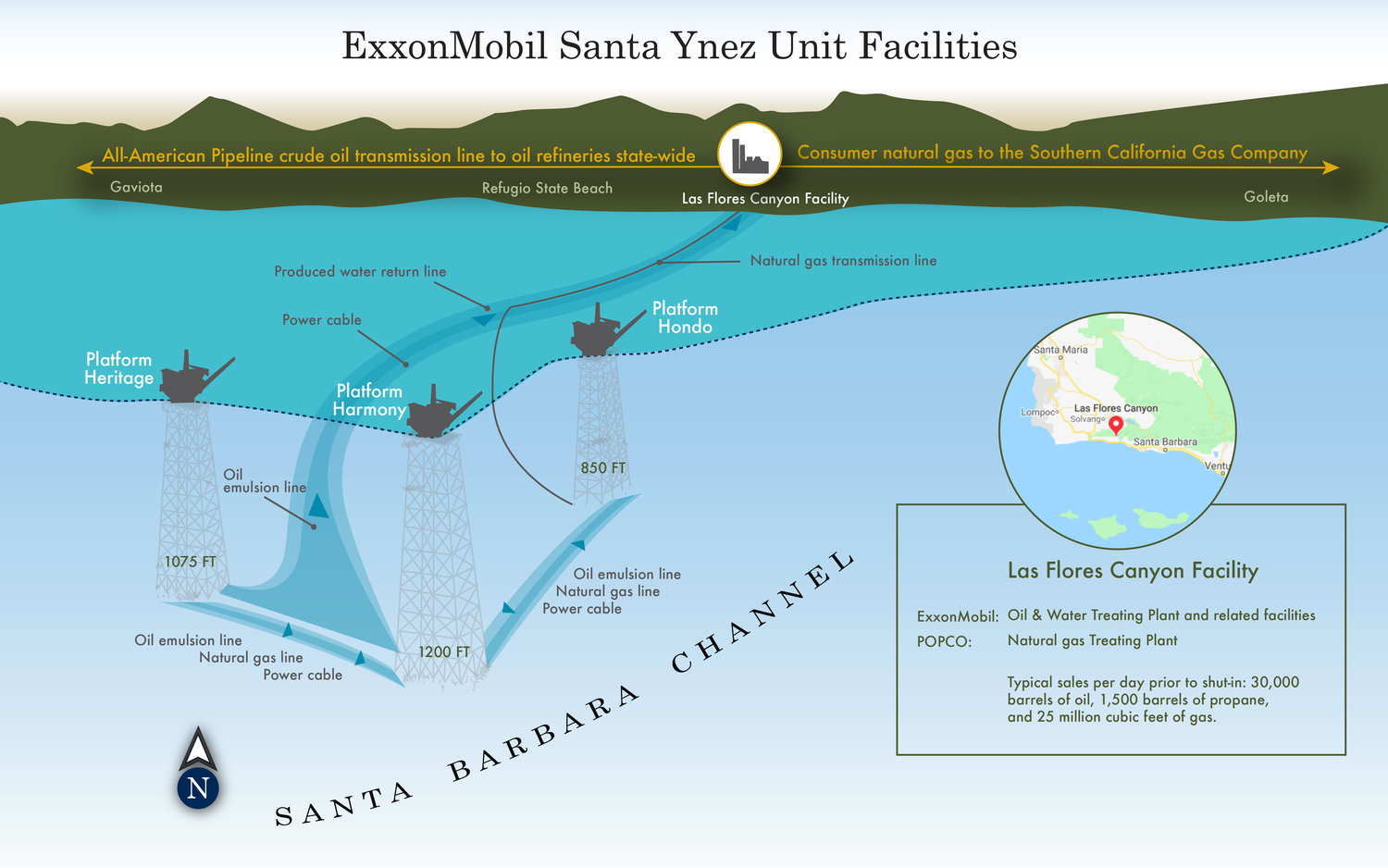
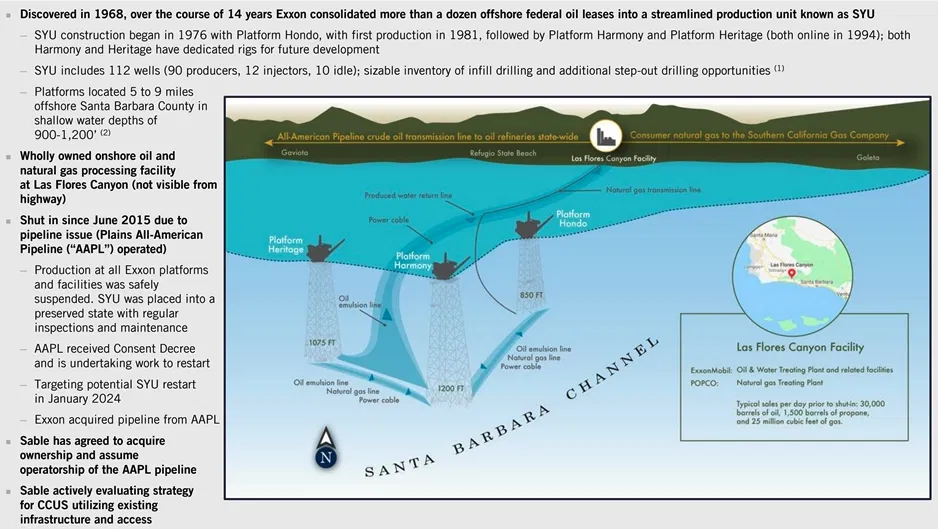
The potential rewards are great – 500+ million barrels of oil, 3 major production platforms, associated pipelines, onshore processing facilities – but can Sable survive the costly legal and administrative challenges? What is Exxon’s plan for the Santa Ynez Unit if Sable should fail?
Pasted below are excerpts from Sable’s Prospectus Supplement. Is Sable serious about pursuing a Santa Ynez Unit strategy that employs a production and treatment vessel 3.5 miles from shore ala the development option that was reluctantly approved by the Federal govt in 1974, two decades before the onshore infrastructure was in place?
The OS&T option is inferior to onshore treatment and pipeline transportation in every way – spill risks, air emissions, economics, ultimate oil recovery, transportation to market, natural gas utilization, and public benefit.
This blogger supports a resumption of Santa Ynez Unit production. However, the only responsible path forward is to do the right thing and continue to pursue the onshore pipeline approvalsadministratively and legally. It is far better to defend a good project than a contrived workaround.
When will BOEM share Sable’s proposed “update”(actually a massive revision) to the SYU Development and Production Plan, as they are obligated to do?
Evaluation of the revised plan will require a detailed environmental review.
Operationally, BSEE and the Coast Guard will need to carefully consider vessel integrity, treatment capabilities, mooring and offloading plans, transportation schemes, gas utilization/injection, and many other technical details.
Meanwhile, does Exxon, the previous (and future?) owner, remain on the sidelines when the OS&T permitting circus begins in earnest?
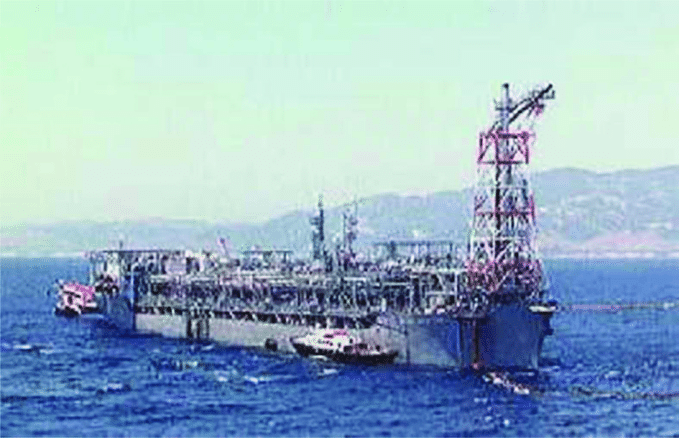
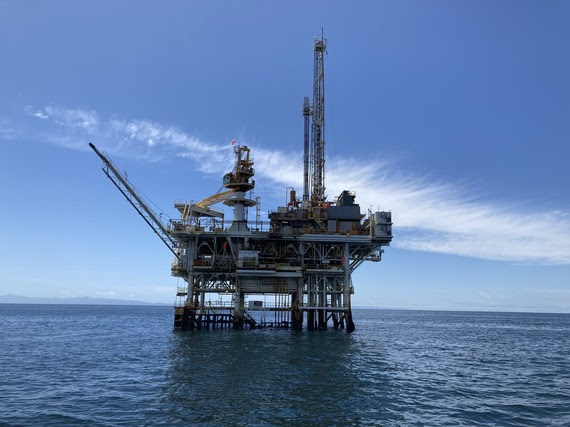
On September 29, 2025, Sable announced that it is evaluating and pursuing an offshore storage and treating vessel (“OS&T”) strategy to provide access to domestic and global markets via shuttle tankers for federal crude oil produced from the SYU in the Pacific Outer Continental Shelf Area (the “OS&T Strategy”). Continued delays related to the Santa Ynez Pipeline System have prompted Sable to evaluate and pursue the OS&T Strategy. On October 9, 2025, Sable submitted a Development and Production Plan update for the SYU to the Bureau of Ocean Energy Management (“BOEM”). Prior to implementation of the OS&T Strategy, regulatory authorizations are required, including clearance from BOEM.
Preparations for the OS&T Strategy include the acquisition of a suitable OS&T vessel, certain refitting and upgrades to the vessel and the SYU equipment, transportation of the vessel to SYU, and related installation. In connection with implementation of the OS&T Strategy, the Company expects to opportunistically acquire an existing OS&T in the first quarter of 2026, with delivery of the vessel to SYU expected in the third quarter of 2026. Following the acquisition of the vessel, and vessel and platform upgrades and installation, Sable would expect to begin sales from all SYU platforms in the fourth quarter of 2026, with expected comprehensive oil production rates of over 50,000 barrels of oil per day, utilizing the OS&T within the SYU federal leases, provided the Company receives regulatory clearances. Sable estimates that the total capital required to execute the OS&T Strategy is approximately $475.0 million. The Company has already incurred a small portion of such capital expenditures, with the vast majority of such capital expenditures remaining, provided the Company receives regulatory clearances. See “Risk Factors—Risks Associated with Our Operations—In order to commence operations pursuant to an OS&T offtake strategy, we will require clearances and permitting, including from BOEM.”
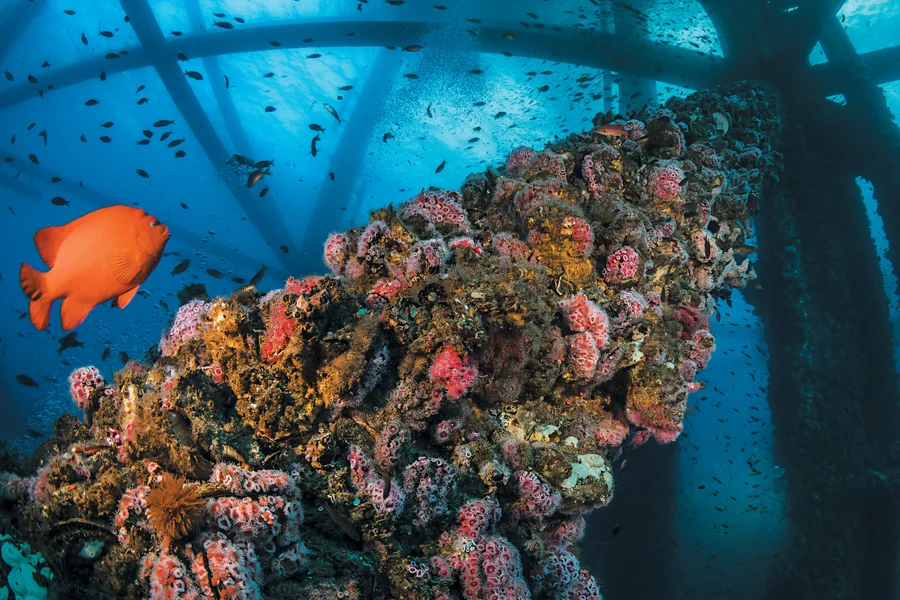
John comments that the project description, which calls for removing the jacket, seep tents and pipelines, and partially removing the upper 5 feet of the 23-foot-high shell mounds, does not make much sense given the abundant fish and invertebrates that reside on or around the platform jacket.Cutting the jacket off 85 feet below the water line and converting the remaining structure to an artificial reef would make more sense and should have been designated the proposed project.
The plan is to send the materials to the Ports of Long Beach, Los Angeles or Hueneme or possibly Ensenada, Mexico. The project involves complex logistics and is going to be a very long (3 years), ambitious and expensive project that will likely set a precedent for future platform decommissioning projects.
According to their agreement with the CSLC, Exxon is responsible for the decommissioning costs.
Scientific American: The steel “jackets” that support California’s offshore oil platforms are covered in millions of organisms and provide habitat for thousands of fishes. Joe Platko
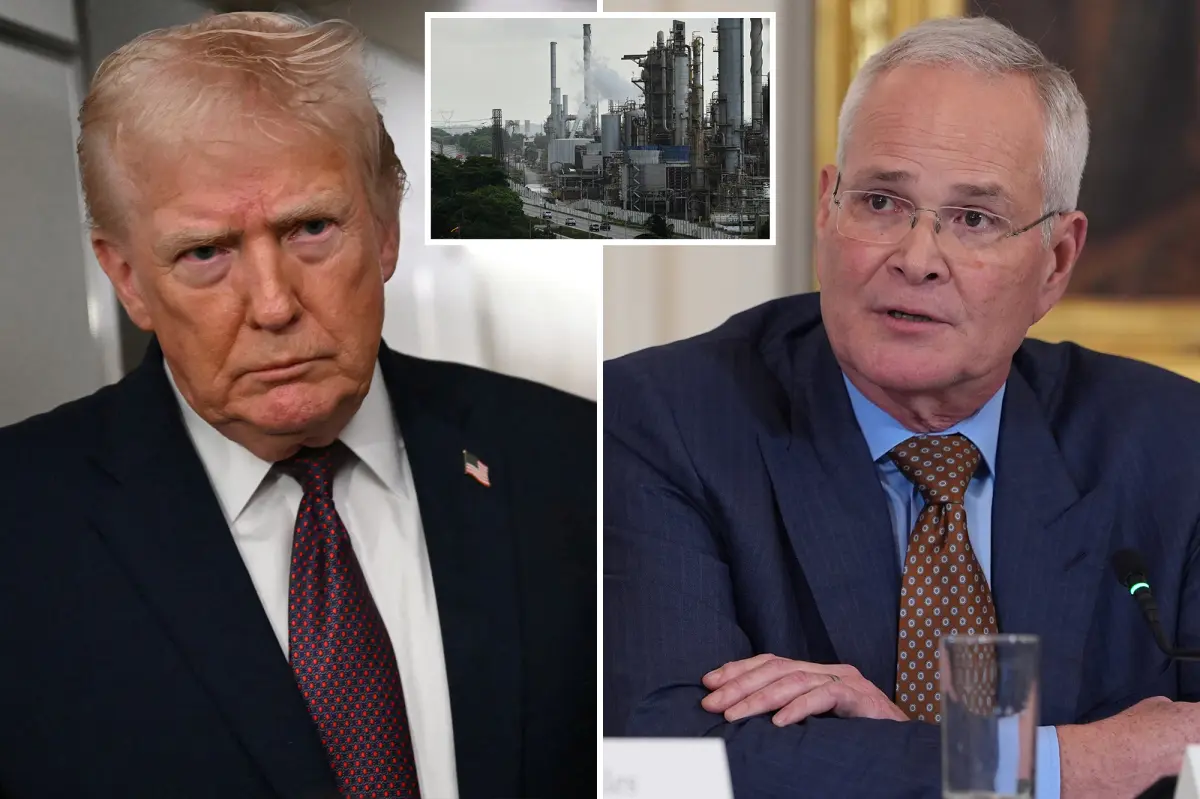
Unsurprisingly, President Trump was not particularly pleased with Darren Woods’ “uninvestable” quote, the main media takeaway from Friday’s meeting on redevelopment of Venezuela’s oil and gas resources.
Exxon CEO Darren Woods: “If we look at the legal and commercial constructs and frameworks in place today in Venezuela — today, it’s uninvestable.”
The response from President Trump: “I didn’t like Exxon’s response,” Trump said to reporters on Air Force One as he departed West Palm Beach, Florida. “They’re playing too cute.” He told reporters he was inclined to deny Exxon any role in rebuilding Venezuela’s oil industry.
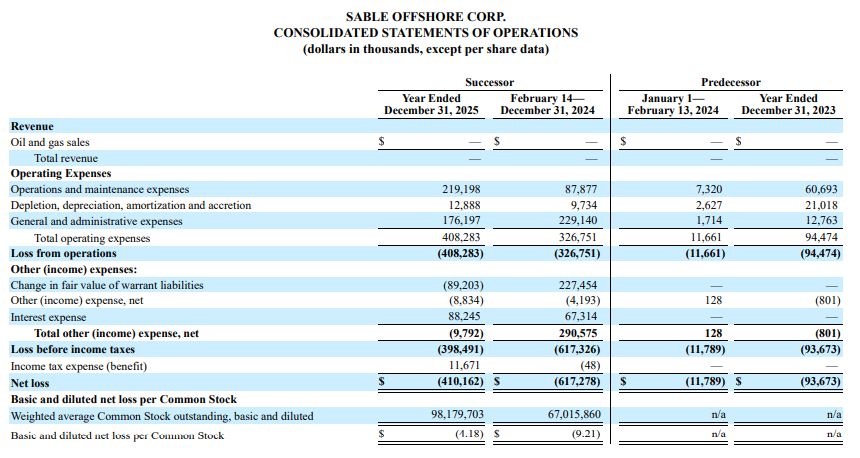
If Exxon is now in the President’s doghouse, what does this mean for the Santa Ynez Unit, an Exxon orphan that was adopted by Sable Offshore? Given Sable’s financial challenges, the SYU may soon be returning to Exxon.
Regardless of ownership, an SYU production restart faces strong opposition in California and is fully dependent on an assertive and supportive Federal government. Meanwhile, an injunction on SYU production remains in place, and despite rumors to the contrary, Sable confirms they are complying with that order.
The vote on the transfer of Santa Ynez Unit (SYU), Pacific Offshore Pipeline Company (POPCO) Gas Plant, and Las Flores Pipeline System permits from Exxon to Sable Offshore was the last item on the Board’s agenda, so those of us who were streaming the meeting for that topic had to be patient.
The Sable session began with a surprise announcement that opened the possibility that perhaps the outcome might not be as expected. Supervisor Hartmann, who owns property close to the pipeline, had once recused herself from voting on this matter. When it was thought that her property was ~900′ from the pipeline, the Fair Political Practice Commission (FPPC) cleared her participation. However, after a 12/3/2025 letter from Sable informed that her property was as close as 8′ from the pipeline, the FPPC reversed its position and Supervisor Hartmann again recused herself.
Supervisor Hartmann’s re-recusal added some drama to the session given that there were two sure votes against Sable and one sure vote in favor. The swing vote would be that of Supervisor Lavagnino, who was very much supportive of the oil industry, but not Sable.
After strong but predictable presentations by the Environmental Defense Center/Center for Biological Diversity team and Sable, the floor was open to public comments. Although there were more speakers opposed to the Sable position (13), this observer found the Sable supporters (7) to be more compelling. Most were California natives who worked on the project and demonstrated a sincere commitment to the safety and environmental values that we all support. One aptly noted that California unnecessarily imports 2/3 of its oil from foreign sources, some of which aren’t particularly friendly.
As an aside, a County staffer pointed out that 400,000 barrels of SYU oil were in storage as a result of the resumption of production in May prior to receiving the necessary approvals to transport oil through the onshore pipeline.
The vote opened with Supervisor Nelson supporting the transfer of permits to Sable. His commented that the County was “attacking Sable’s finances at the same time they were trying to bankrupt them.”
Sable opponents held serve with Supervisors Capps and Lee opposing the transfer. Ms. Capps deserves credit for the sincere respect she showed for the Sable workers who were present.
So Supervisor Lavagnino would cast the deciding vote. He once again voted against the transfer noting that he was a long time supporter of the oil industry, but that he had lost confidence in Sable.
Bottom line: The outcome was as expected, but the recusal drama and strong presentations made the stream worth watching.
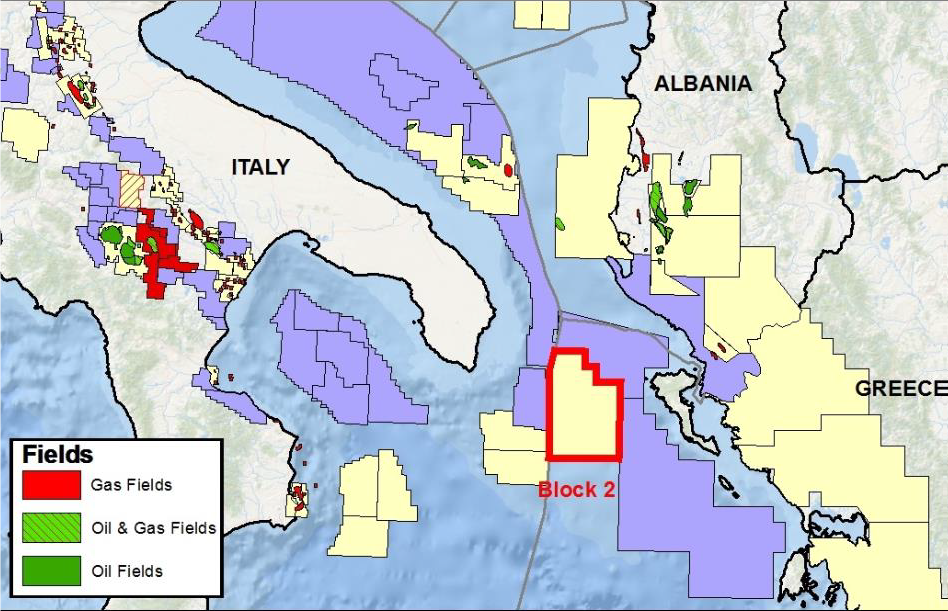
Location: In the Ionian Sea 30 km west of Corfu Island (note: that’s 18.6 miles, not the 125 mile buffer that Florida views as sacred)
Water depth: 500 to 1,500 m
Block size: 2,422.1 sq Km, the largest unexplored offshore structure in the Mediterranean (note: Gulf of America leases are only 23.3 sq km or < 1% as large)
First drilling: late 2026 or early 2027. This will be the first exploratory offshore drilling in Greece since 1981!
Energean’s participation is set at 30%, down from 75%.
Helleniq participation is now 10%, down from 25%.
Energean will remain the operator during the exploration stage.
In the event of a commercial discovery, Exxon will assume the operatorship during the development phase.
Andreas Shiamishis, CEO of HELLENiQ ENERGY: “Greece is emerging as one of Europe’s newest and promising regions for hydrocarbon exploration and development. This transaction represents a positive step not only for the joint venture partners, but also for the Greek economy.”
“Natural gas and LNG are fast becoming the gravitational center of the global energy system, but some energy experts said the world is only beginning to grasp the scale of what’s to come.” ~Natural Gas Intelligence
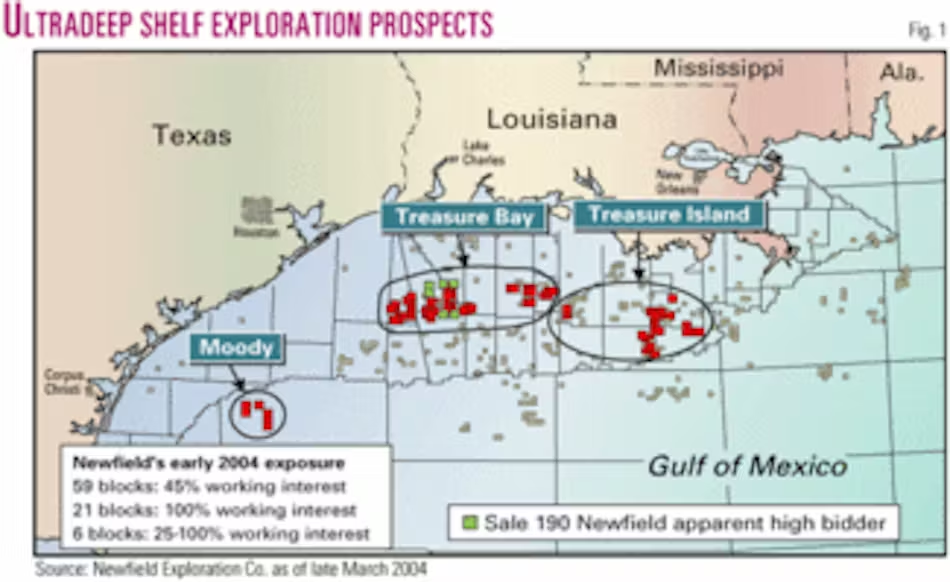
Demand and high well producibility are stimulating exploration in the high pressure, high temperature Western Haynesville (Texas) and other ultradeep onshore gas prospects. Is it time to revisit ultradeep gas on the Gulf of America shelf? See the above targets map from 2004.
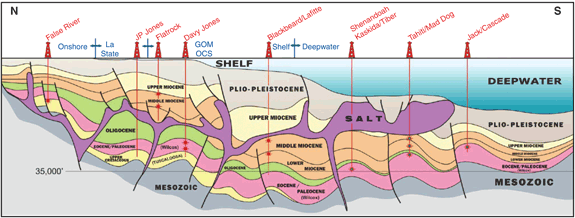
20 years ago Newfield, Exxon, and McMoRan drilled pioneering ultradeep wells targeting gas-prone reservoirs below salt welds in Miocene and older formations (diagrams below). The water depths were <100 feet but well depths exceeding 30,000 feet, and high temperatures and pressures, pushed the limits of drilling technology at the time. Noteworthy wells:
Blackbeard West (Exxon): Spudded in early 2005 in 70 feet of water in South Timbalier Block 168. The target was gas in Miocene sands at 27,000-32,000 feet total depth. Drilling reached 30,067 feet by 2006, but was prudently suspended due to extreme pressures, temperatures (up to 600°F), and technical challenges with equipment.
Blackbeard West, part 2: In 2008, McMoRan re-entered the well with upgraded equipment and drilled to a record 32,997 feet below the mudline. They encountered hydrocarbon shows in multiple zones, including potential gas pay in Middle and Deep Miocene sands below 30,000 feet, validating the ultradeep concept.
Followup McMorRan wells:
Blackbeard East (2010-2011): Drilled to 33,400 feet in South Timbalier Block 144, logged potential hydrocarbons in Sparta and Vicksburg sands.
Davy Jones (2009-2010): South Marsh Island Block 230 in 20 feet of water; reached 29,122 feet; discovered gas in Wilcox sands, but faced flow-testing challenges.
Lafitte (2011): Eugene Island Block 223, found additional pay in ultradeep Miocene zones. These wells targeted gas reservoirs but encountered operational hurdles.
Also, note that a company targeting hydrocarbons below 25,000 feet (true vertical depth subsurface) may earn an additional 3 years on their lease. (See the Notice for next week’s lease sale.) Will improved technology and demand expectations finally open the ultradeep gas frontier?
John notes that Exxon’s March 26 contractual deadline for Sable to have the SYU up and running is fast approaching. What will Exxon do in the likely event that Sable fails to meet that deadline? Does Exxon want to re-enter the SYU legal and regulatory quagmire?
The SYU’s 500+ million barrels of oil, 3 deepwater platforms, and onshore processing facilities are an enormous prize, but is that prize attainable?
Meanwhile, the latest skirmish between Sable and the Office of the State Fire Marshal (OFSM) pertains to metal loss anomalies and inspection tool tolerances. The dispute is summarized in the linked filing.
Sable contends that the Fire Marshal’s letter contradicts guidance from OSFM staff and provides examples. Sable goes a step further at the end of their response by calling for the FIre Marshal to coordinate better with the experts on his staff:
“We respectfully request that, given this background, you coordinate further with the expert team at OSFM and revisit the statements in your October 22nd letter.”
It’s not looking good for a quick resolution of these issues.
“Only in California! Newsom is blocking oil production off California’s coast from reaching their own refineries, driving gasoline prices even higher for Californians! Now, this oil production will have to be shipped elsewhere, lowering gas prices for other areas— just not for California! This is the opposite of common sense!”
BOE was a fan of Chris Wright long before he became Energy Secretary, and I agree that the resumption of Santa Ynez Unit production is economically desirable for California and the nation. However, his comment implies that OS&T processing and tanker transport is a realistic option, and I do not believe that is the case.
John Smith and I have discussed Sable’s OS&T announcement on a number of occasions, and we don’t see a reasonable path forward for this option. In addition to the significantly higher capital and operational costs and the need to acquire and retrofit a suitable floating production, storage, and offloading vessel (FPSO), the legal and permitting challenges could be even more complex than for the pipeline option (as daunting as that may sound).
The OS&T option would require a revised development and production plan, and the associated environmental review (almost certainly an EIS). An EIS would not favor this option, and the California Coastal Commission would surely rule that the OS&T/tanker alternative was inconsistent with their CZM plan. (Keep in mind that the SYU/OS&T production in the early 1980’s was approved prior to the passage of the Coastal Zone Management Act.) The Secretary of Commerce could overrule the Commission’s consistency determination, but legal objections to the override would likely delay the project for years and have a good chance of success.
Onshore processing and pipeline transportation using existing facilities is clearly the environmentally and economically preferable option. The only reasonable path forward for Sable or Exxon is to continue to pursue the onshore pipeline approvals. Federal attention should focus on jurisdiction over that pipeline, which is inherently an interstate line because it transports OCS production, and State actions that are blocking interstate commerce.
Finally, keep in mind that the SYU would still be producing today were it not for the entirely preventable pipeline rupture and the resulting Refugio oil spill. Plains Pipeline, the party responsible for this ugly incident, is no longer the owner, but that doesn’t comfort coastal residents; nor does it absolve the companies that transported their oil through the line from all responsibility.
The Refugio spill will be discussed further in an upcoming post.



 Bud's Offshore Energy (BOE)