Over the weekend, the Coast Guard station in Venice, LA rather recklessly announced the following on Facebook: “CRITICALLY ENDANGERED SPECIES SIGHTING: Station Venice presents to you……. Rice’s Whale.”The Facebook comment captioned a 16-second video of the whales swimming nearby, reportedly in the Mississippi Canyon area of the Gulf of Mexico. The video was removed on Tuesday. CBS reported on the Facebook post but was unable to obtain confirmation from the Coast Guard.
Given the timing and significance of the Coast Guard announcement relative to Lease Sale 261, this was a massive report. However, we now learn that the whales were incorrectly identified. Both the Coast Guard and NOAA are confirming that the whales were misidentified as Rice’s whales and were actually sperm whales.
CLARIFICATION: This story has been updated to reflect that Coast Guard officials identified the whales spotted in the Gulf of Mexico as sperm whales after previously identifying them as critically endangered Rice’s whales. The National Oceanic and Atmospheric Administration also told McClatchy News in a statement that they are sperm whales.
Slide 13: “In 2022, the rate of occupational fatalities, reported for activities on facilities where BSEE has primary investigation authority, decreased to being near the historical national average of approximately 0.9 fatalities per 25,000 full time equivalent workers per year. However, considering all offshore risk factors, including helicopter transportation, diving, marine transfer, and COVID-19 exposures, the occupational fatality rate for all OCS activities has remained high since 2019.“
Slide 15: “In 2022, the TRIR for both production and construction operations increased to the highest levels recorded since 2010 and remained high even after discounting the impact of COVID-19 illnesses. The TRIR for drilling and well operations, however, remained near their historical lows.“
Comments:
These charts and tables are helpful for assessing trends.
The data raise concerns that merit further analysis. Absent the specific incident summaries, which have yet to be updated for 2022, it’s difficult to assess the nature and extent of the issues.
The parsing of fatality data according to regulatory jurisdiction adds to previously expressed concerns about regulatory fragmentation and its implications for offshore safety.
The latest International Regulators’ Forum country performance data are for 2020. The absence of regular, timely updates makes international comparisons difficult and limits the value of what is arguably the most important IRF workstream.
Regulatory fragmentation occurs when multiple federal agencies oversee a single issue. Using the full text of the Federal Register, the government’s official daily publication, we provide the first systematic evidence on the extent and costs of regulatory fragmentation. We find that fragmentation increases the firm’s costs while lowering its productivity, profitability, and growth. Moreover, it deters entry into an industry. These effects arise from regulatory redundancy and, more prominently, regulatory inconsistency between agencies. Our results uncover a new source of regulatory burden: companies pay a substantial economic price when regulatory oversight is fragmented across multiple government agencies.
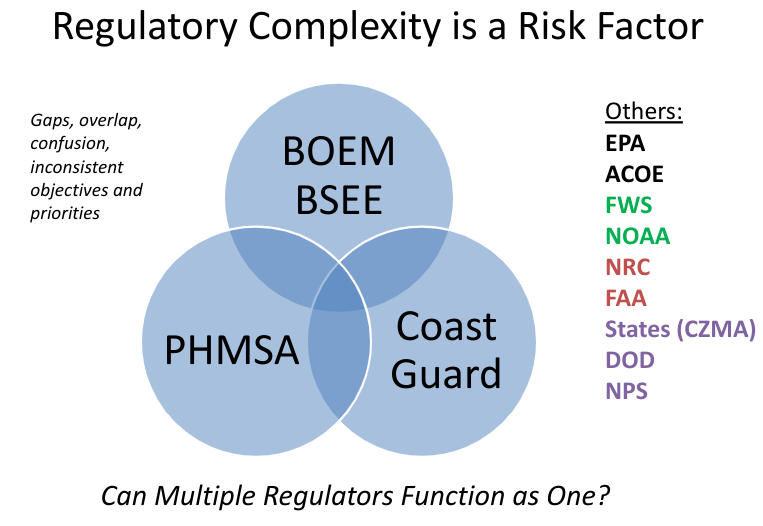
The US has a highly fragmented offshore regulatory regime that has become even more fragmented with the complex division of responsibilities between BOEM and BSEE. The slide below is from a presentation on this topic.
While the linked paper focuses on costs and productivity, fragmentation may also be a significant safety risk factor. A UK colleague once asseted that “overlap is underlap,” and I believe there is something to that. If multiple agencies have jurisdiction over a facility, system, or procedure, the resulting redundancy, inconsistency, and ambiguity may create significant gaps in industry and governmental oversight.
For example, regulatory fragmentation was arguably a significant factor in the most fatal US offshore fire/explosion incidents in the past 35 years – the South Pass B fire in 1989 and the Macondo blowout in 2010. More specifically:
South Pass 60 B: The investigation of the 1989 South Pass 60 B platform explosion that killed 7 workers noted the inconsistency in regulatory practices for the platform, regulated by DOI, and the pipeline regulated by DOT. Cutting into the 18-inch pipeline riser did not require an approved procedure, and the risks associated with hydrocarbon pockets in the undulating pipeline were not carefully assessed. Oversight by the pipeline operator was minimal, and the contractor began cutting into the riser without first determining its contents. A massive explosion occurred and 7 lives were lost.
One would hope that this major spill will lead to an independent review of the regulatory regime for offshore pipelines. Consideration should be given to designating a single regulator that is responsible and accountable for offshore pipeline safety (a joint authority approach might also merit consideration) and developing a single set of clear and consistent regulations.
Macondo: While the root causes of the Macondo blowout involved well planning and construction decisions regarding the casing point, cementing of the production casing, and well suspension procedure, the blowout would likely have been at least partially mitigated (and lives saved) if the gas detection system was fully operable, the emergency disconnect sequence was activated in a timely manner, flow was automatically diverted overboard, or engine overspeed devices functioned properly. Indeed, regulatory overlap led to underlap as summarized below:
Macondo contributing factor
jurisdiction
flow not automatically diverted overboard
DOI/USCG (also concerns about EPA discharge violations)
some gas detectors were inoperable
DOI/USCG
generators did not automatically shutdown when gas was detected
USCG/DOI
failure to activate emergency disconnect sequence in a timely manner (training deficiencies and chain-of-command complications)
USCG/DOI
engine overspeed devices did not function
USCG/DOI
hazardous area classification shortcomings
USCG/DOI
MOUs and MOAs are seldom effective regulatory solutions as they are often unclear or inconclusive, and tend to be more about the interests of the regulator and protecting turf. They also do nothing to ensure a consistent commitment among the regulators. In the case of the US OCS program, BOEM-BSEE have a greater stake in the safety and environmental outcomes given that offshore energy is the reason for their existence. That is not the case for any of the other regulators identified in the graphic above.
Dr. Malcolm Sharples, a leading marine engineer and offshore safety advocate, brought this Supreme Court’s decision and the resulting regulatory confusion to my attention.
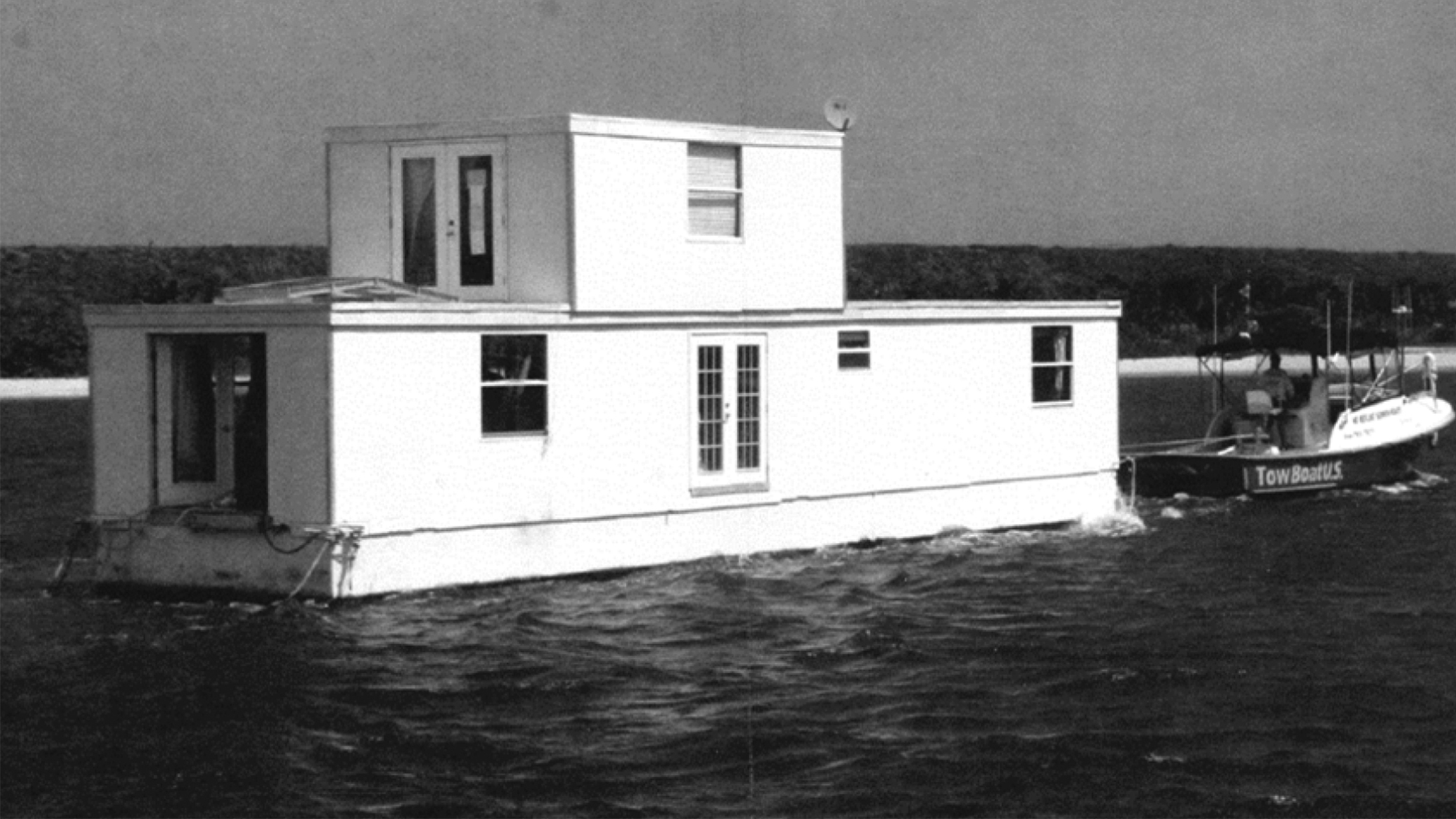
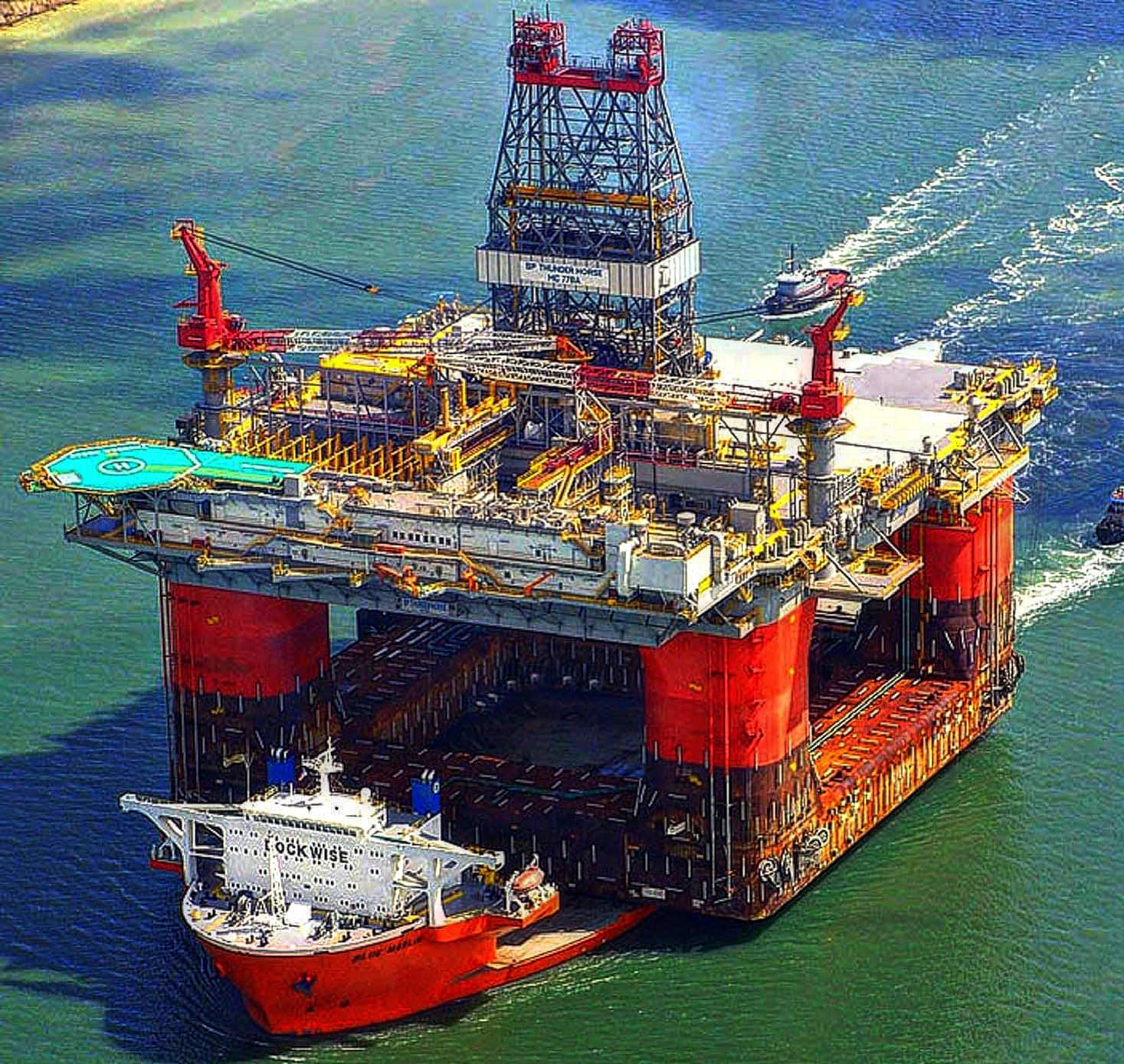
has created regulatory uncertainty for floating production facilities like this:
In a 7-2 decision, the court ruled that a gray, two-story home that its owner said was permanently moored to a Riviera Beach, Florida, marina was not a vessel, depriving the city of power under U.S. maritime law to seize and destroy it.
The floating production facilities are still subject to Coast Guard regulation and inspection pursuant to separate authority under the OCS Lands Act. The extent to which Coast Guard approval and inspection practices will change is not entirely clear. The Coast Guard will issue new certificates of inspection for these floating facilities, and new policy guidance is being developed.
Attached are answers that the Coast Guard provided to questions from the Offshore Operators Committee.
In the past 2 years, at least 12 workers died suddenly at Gulf of Mexico facilities from “natural causes.”BSEE’s recent medical evacuation presentation provided information on 6 non-operational fatalities that occurred in 2022:
7/28: Employee (galley hand) was found in the bathroom non‐responsive with minimal electrical activity indicated on the EKG.
8/2 Advised of person down in the galley/T.V. area. Upon arrival in the area observed person on the floor being held by his supervisor. A white foam was coming out of his mouth and nose. Placed him on his side in order for the foam to drain. He was breathing and had a faint pulse. It was observed that he then appeared to stop breathing. Unable to find a radial or carotid pulse. CPR was started and AED was retrieved. AED instructions were followed. A shock was administered and CPR continued for approximately 50 minutes with no pulse or response.
8/18: Contract Personnel (CP) complained of not feeling well and went to his assigned room. It was noticed that CP did not come down for lunch and other personnel went to check on CP and CP was unresponsive.
9/7: CI was in galley of the M/V GO Triumph, waiting on weather, with co‐workers, when he made an exclamation and collapsed to the floor. Co‐workers and contract safety technician immediately ran to his aid. Breathing was sporadic for a minute then ceased and he was unresponsive.
9/23: At approximately 8:20 AM on September 23rd, platform personnel discovered an unresponsive employee (IP) face down on the deck. IP was rolled onto his back, evaluated, and CPR began. Other personnel were dispatched to retrieve AED and medical supplies, while one went to make notifications. Shortly after, personnel arrived with the AED, and it was applied to the IP. Personnel continued CPR while waiting for medical evacuation helicopter. At approximately 12:00 PM, IP was removed from facility by medical evacuation helicopter and subsequently, formally, pronounced dead.
10/21: Employee was assisting production personnel fueling the crane when he suddenly collapsed onto the platform deck and became unresponsive. Personnel on the platform quickly responded and immediately applied an AED to the Employee and began CPR. A medivac aircraft was dispatched for medical support assistance while platform personnel continued to resuscitate the employee. Medivac personnel arrived on location and relieved personnel working on employee. Following an unsuccessful attempt to revive the employee, he was transported to Houma, La. and released to the Terrebonne Parish Coroner’s Office. Workers on the platform stated the employee was acting normal during breakfast time and during the morning safety meeting. The employee did not complain of any type of illness during the morning time prior to the event occurring.
Why are screened and presumably healthy offshore workers dying suddenly at what seems to be a historically high rate? Is this happening elsewhere in the offshore world? Is anyone investigating this disturbing trend? if not, why not?
As suggested in a previous post, further investigation should be a high priority for the Coast Guard and BSEE with appropriate medical assistance.
15 years ago the Minerals Management Service pushed hard for better offshore medevac capabilities. Harlan King, the father of an offshore worker whose injuries were exacerbated by the delayed medical response, was the main impetus behind this effort. The industry responded favorably and Mr. King, BP, and Petroleum Helicopters Inc received Offshore Leadership Awards in 2009 for their initiatives. This 2009 article describes PHI’s dedicated medevac capabilities at the time.
The number of “non-occupational” fatalities (at least 6) at US OCS facilities in 2021 suggests that medical care and evacuation capabilities are once again a concern. BSEE is therefore applauded for their medical evacuation assessment initiative. Their recent presentation is attached.
BSEE’s presentation describes 6 more “non-operational” fatalities in 2022, and raises concerns about CPR training deficiencies, evacuation challenges posed by stairways, and the absence of medics at some facilities. BSEE’s findings (pages 14-21 of the presentation) are eye-opening and merit the attention of all operators, contractors, and others interested in offshore facility safety.
While historical data on health-related OCS fatalities are not readily available, 12 such fatalities over the past 2 years seems high relative to past experience, particularly given that the total number of hours worked has declined by more than 50% since 2011. As suggested in our 2 February post, further investigation into this disturbing trend is warranted. Given the sensitivity of the topic, it would seem best for the Coast Guard and BSEE, with appropriate medical assistance, to conduct this review.
“The American people have moved on. The President himself has declared ‘the Pandemic is over.’ Yet, we continue holding fast to an outdated mandate, purging hundreds of dedicated sailors, even though we struggle to meet our recruiting goals. It is now time to take a pause, reevaluate, and assess what this is costing readiness, the taxpayer, and the public perception of how we treat our people,” he wrote in the letter.
Even those of us who are fully vaxed acknowledge the vaccines’ uncertain efficacy and risks, and the many issues with the CDC guidance and Covid protocols. Military personnel must comply with orders, but questionable orders should be revised as new information becomes available.
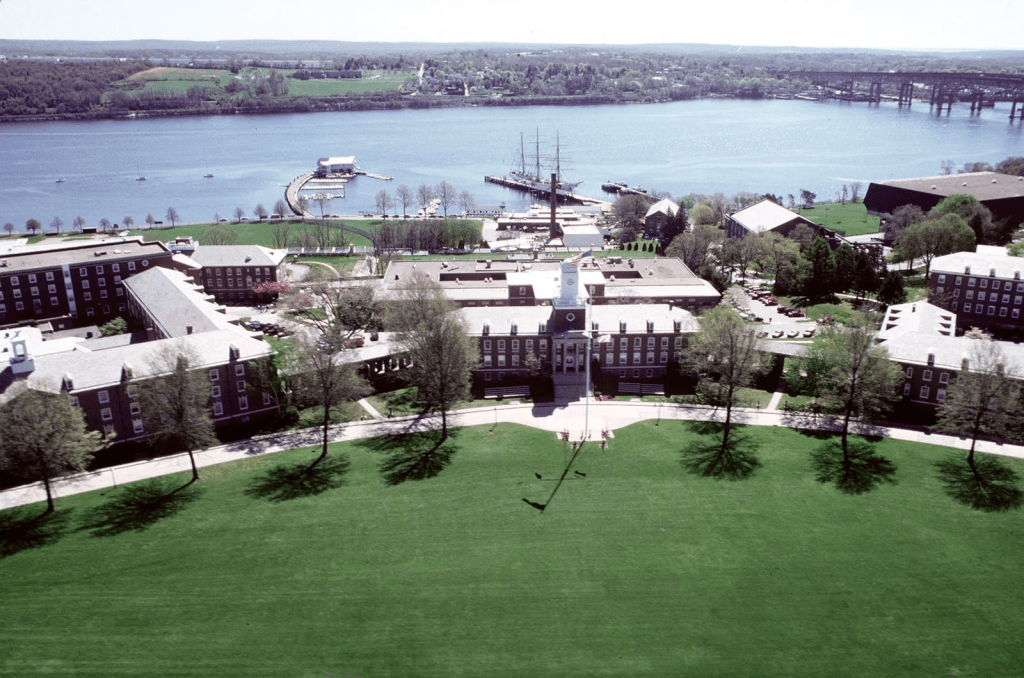
Regulators know that regulations, policies, and practices cannot be static. As we learn, we update and improve. Enforcing outdated guidance is just a power play, and demonstrates rigidity not competence. The Coast Guard understands all of this, so their decision to evict the cadets is especially disappointing.
 Bud's Offshore Energy (BOE)