Feeds:
Posts
Comments
LM/GE Vernova turbine blade plant. Photo credited by the New Bedford Light to Jean-Philippe Thibault/Journal GaspΓ©sie Nouvelles.

On Oct. 24, Radio Gaspesie reported serious data falsification allegations related to the manufacturing GE Vernova turbine blades at their GaspΓ©, Quebec facility. GE Vernova’s delay in commenting on those charges is surprising given their economic and legal implications in both Canada and the US.

GE Vernova has informed the New Bedford Light that they have taken corrective actions at their blade facility in GaspΓ© after an extensive internal review of their blade manufacturing and quality assurance program. However, they have yet to comment on the data falsification allegations.

Actions speak louder than words, and the Light reports that GE Vernova laid off nine managers and suspended 11 unionized floor workers at the GaspΓ© factory. A representative for the union informed the Light that the production manager has been dismissed and the general manager has resigned.

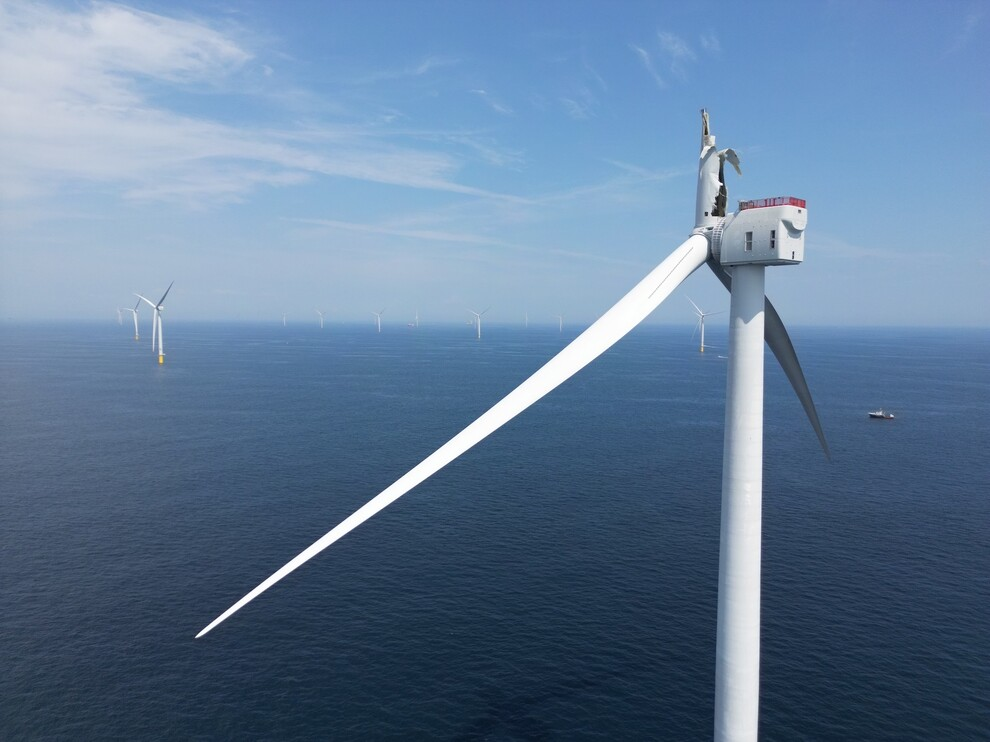
Neither Vineyard Wind nor BSEE, the Federal safety regulator for the Vineyard Wind project, has commented on the matter. BSEE’s investigation of the blade failure is still pending and has seemingly gotten more complicated as a result of the manufacturing issues.

In addition to legal proceedings in Quebec, GE Vernova and Vineyard Wind are subject to possible civil and criminal penalties in the US. Civil penalties, which are administered by BSEE, seem likely given the extensive pollution from turbine blade fragments.

Criminal penalties, which are possible if the data falsification charges are proven true, are imposed by the Dept. of Justice. The applicable criminal penalties statute is pasted below.

43 U.S. Code Β§ 1350 – Remedies and penalties – (c) Criminal penalties

Any person who knowingly and willfully (1) violates any provision of this subchapter, any term of a lease, license, or permit issued pursuant to this subchapter, or any regulation or order issued under the authority of this subchapter designed to protect health, safety, or the environment or conserve natural resources, (2) makes any false statement, representation, or certification in any application, record, report, or other document filed or required to be maintained under this subchapter, (3) falsifies, tampers with, or renders inaccurate any monitoring device or method of record required to be maintained under this subchapter, or (4) reveals any data or information required to be kept confidential by this subchapter shall, upon conviction, be punished by a fine of not more than $100,000, or by imprisonment for not more than ten years, or both. Each day that a violation under clause (1) of this subsection continues, or each day that any monitoring device or data recorder remains inoperative or inaccurate because of any activity described in clause (3) of this subsection, shall constitute a separate violation.
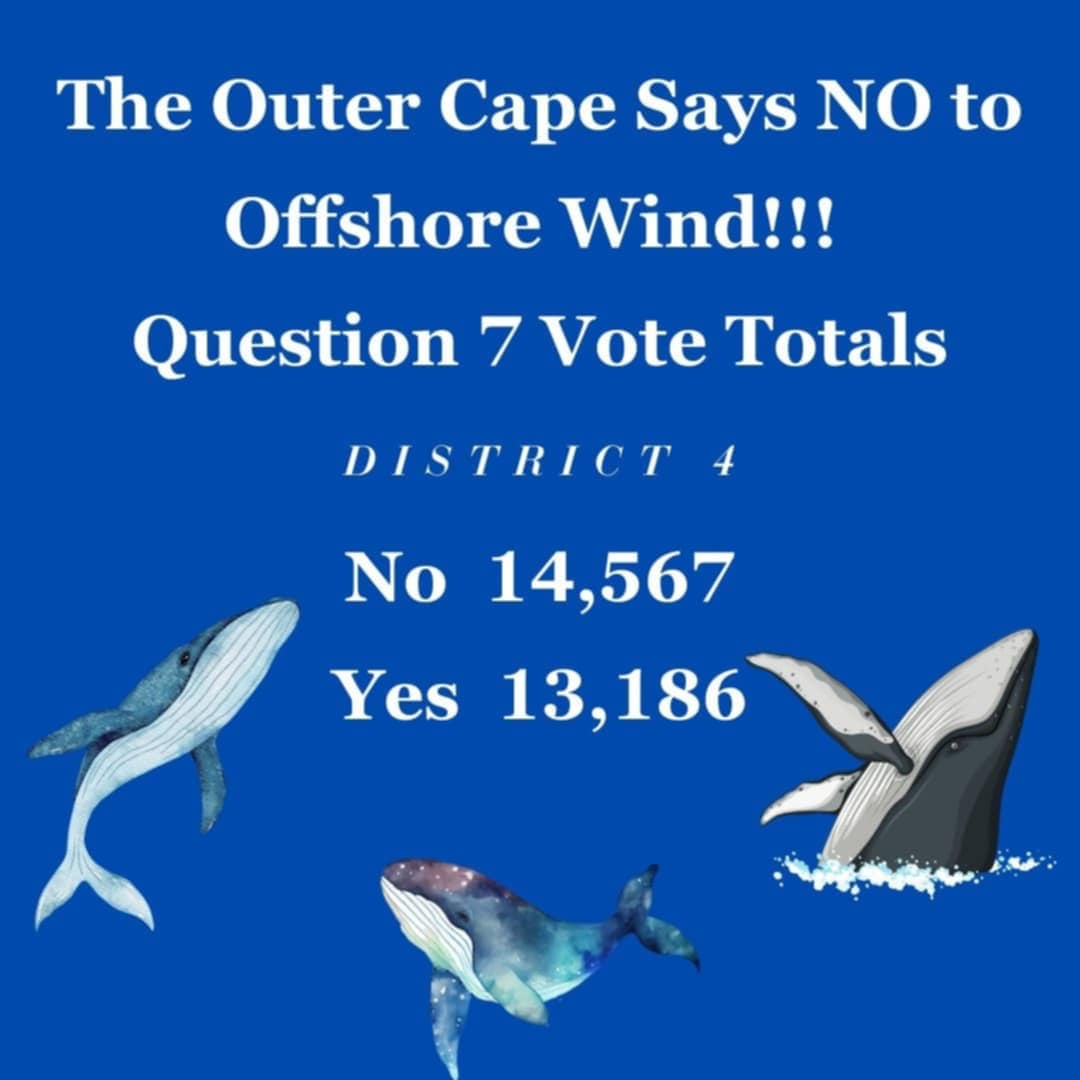
Ballot Question 7: Shall the State Representative from this district be instructed to vote in favor of legislation that would support the development of SouthCoast Wind and Commonwealth Wind and other possible future offshore and onshore wind power developments in Massachusetts?

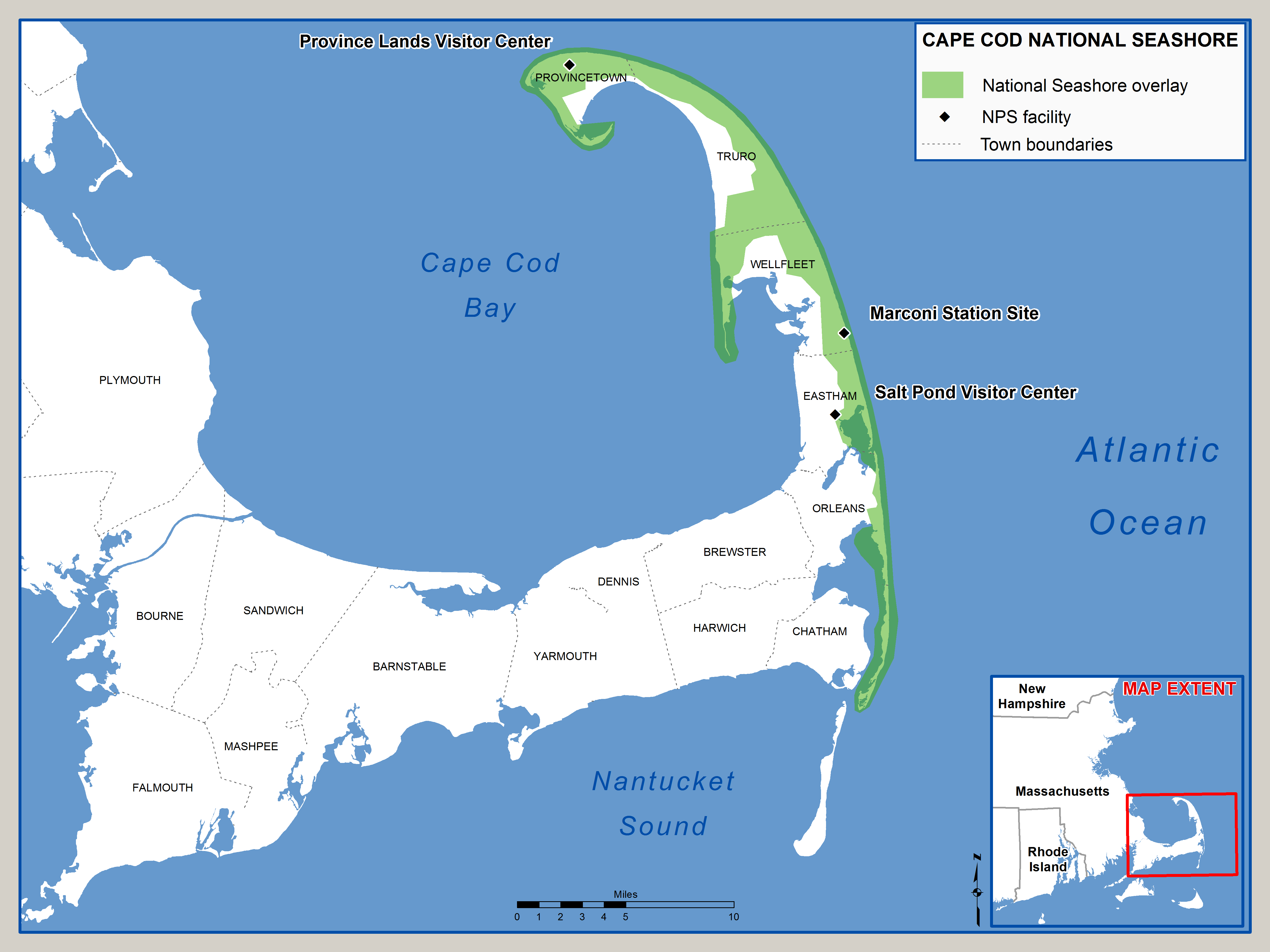
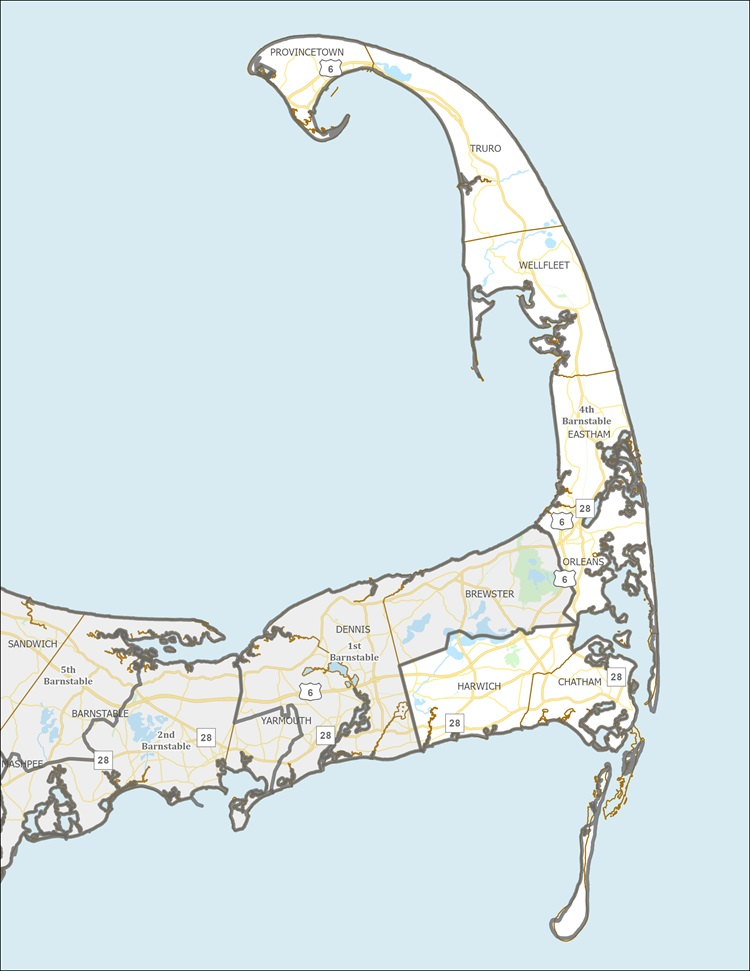
This nonbinding initiative, which was reportedly the work of an individual wind advocate, was a surprise addition to the ballot for residents of the 4th Barnstable District of the Massachusetts House. That district includes the Outer Cape towns of Chatham, Eastham, Harwich, Orleans, Provincetown, Truro, and Wellfleet (see map above).

While nonbinding, the ballot initiative was intended to demonstrate support among Outer Cape residents for offshore wind development. However, perhaps unexpectedly, the initiative failed with 52.4% voting against (graphic below). It’s noteworthy that 82% of South Shore (Massachusetts) voters supported offshore wind development when a similar initiative was on the ballot in 2008. That’s a massive decline in support albeit in a different coastal area of the state.

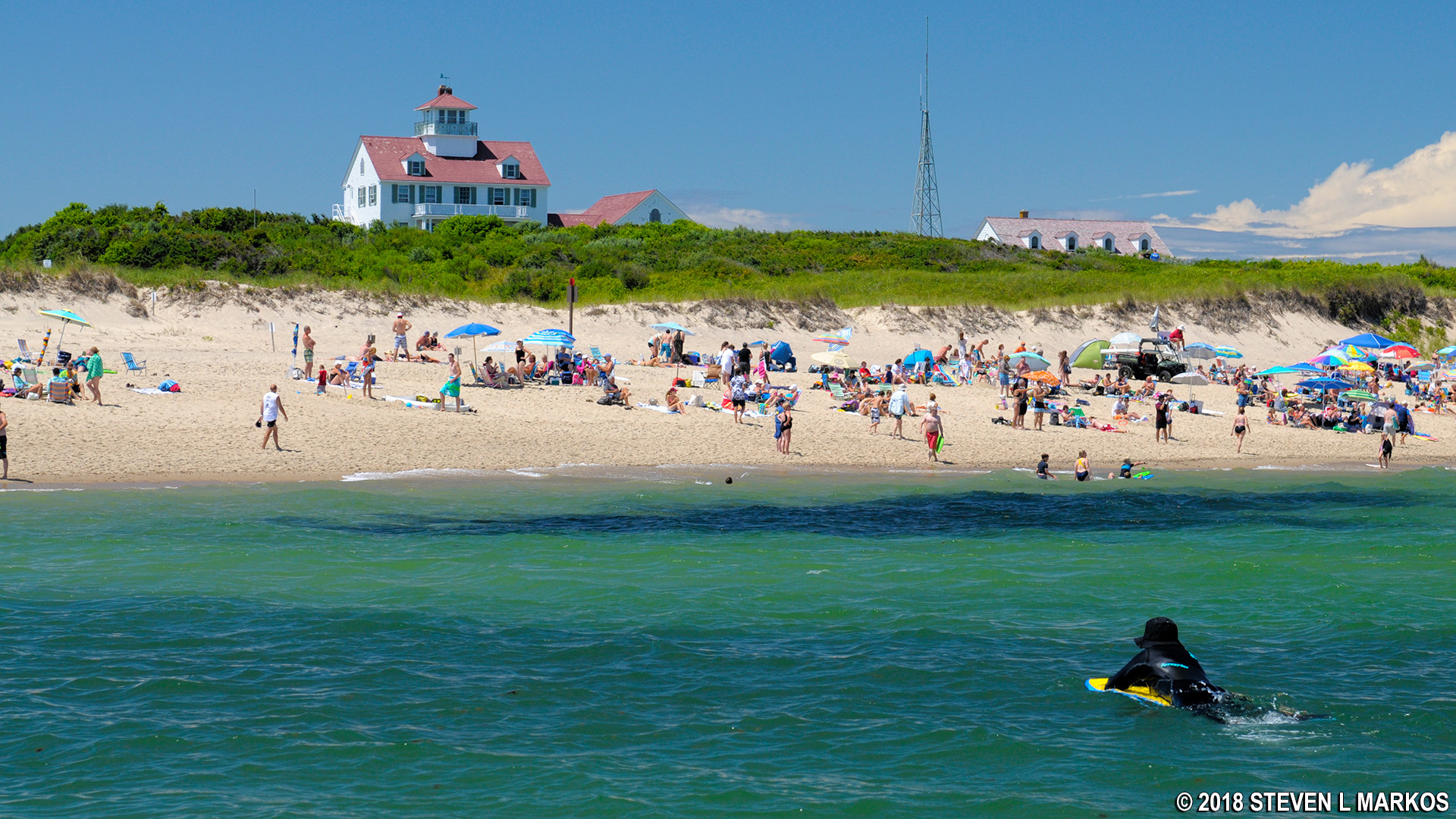
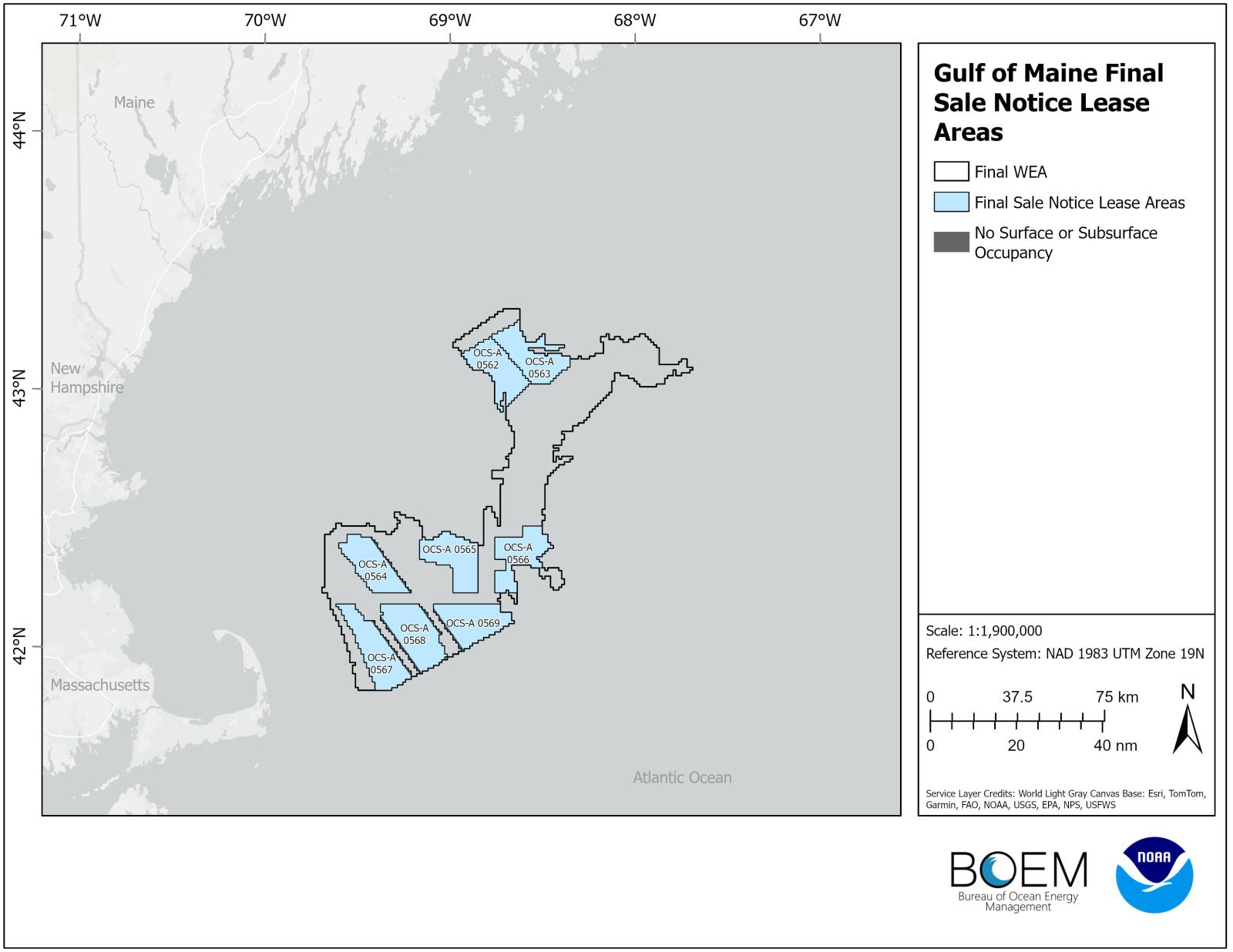
The opinion of Outer Cape residents is important because their towns are the closest to 3 of the 4 leases (0564, 0567, and 0568 in the graphic below) receiving bids at the Gulf of Maine sale. Those leases are directly offshore from the Cape Cod National Seashore.

Interest in the Gulf of Maine sale was weak. All bids were for the minimum allowable amount of only $50/acre.

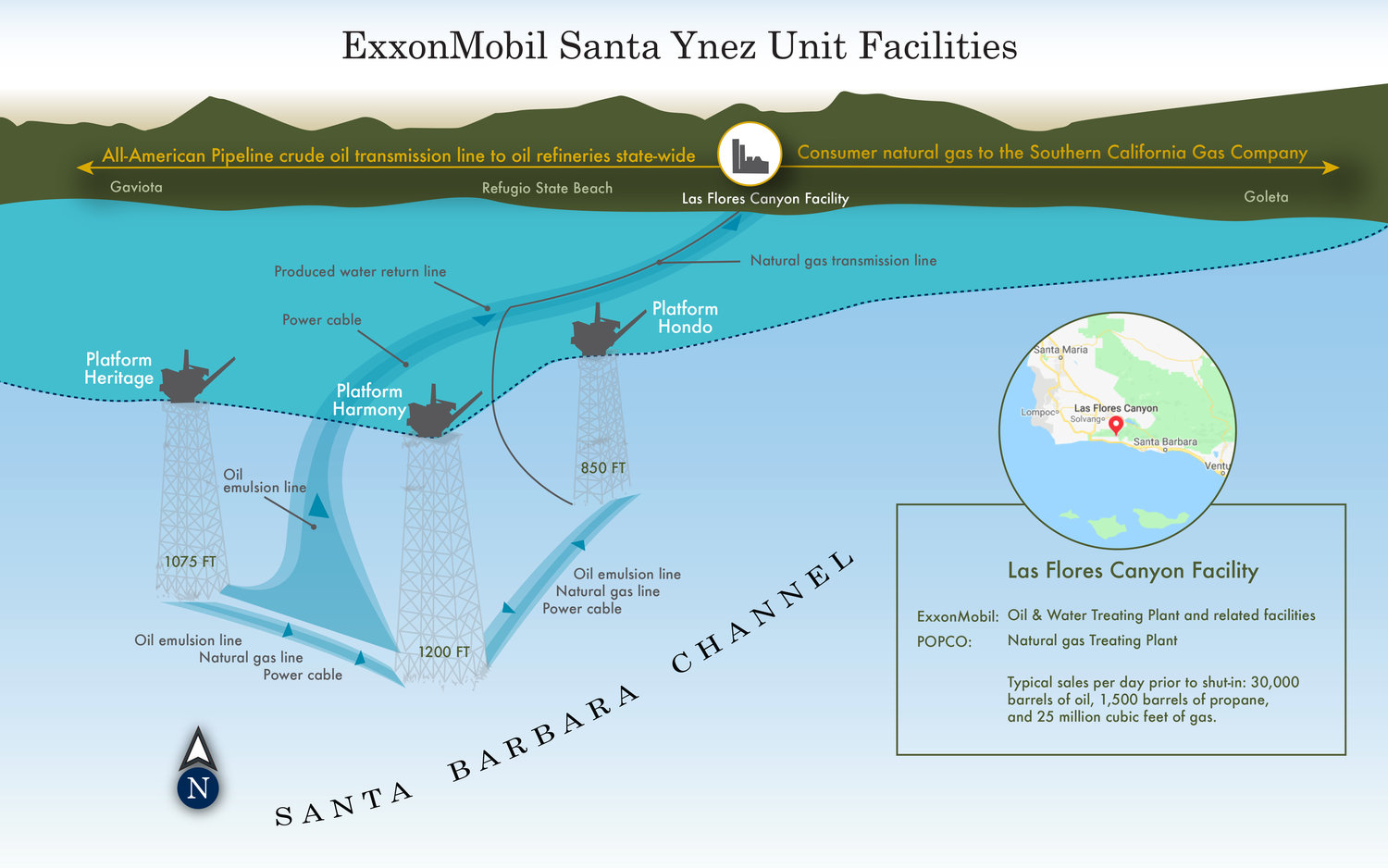
The Santa Barbara County Planning Commission has approved the transfer of the onshore pipeline from Exxon to Sable Offshore. Although the Environmental Defense Center (EDC) is appealing that decision to the Board of Supervisors, the Board’s vote will likely be a 2-2 tie. Supervisor Hartmann’s property is close to the pipeline and she has recused herself from votes on the matter. A 2-2 vote would be a win for Sable, because a tie vote means the planning commission decision stands.

As an investment, Sable is a “pure California permitting play,” which means the risks are high. The company’s chances for success are almost entirely dependent on receiving the necessary approvals from State and local agencies.

If Sable is able to navigate the permitting gauntlet, the company’s prospects are good. The Santa Ynez Unit, Sable’s only asset, has substantial oil and gas resources and well-maintained production facilities.

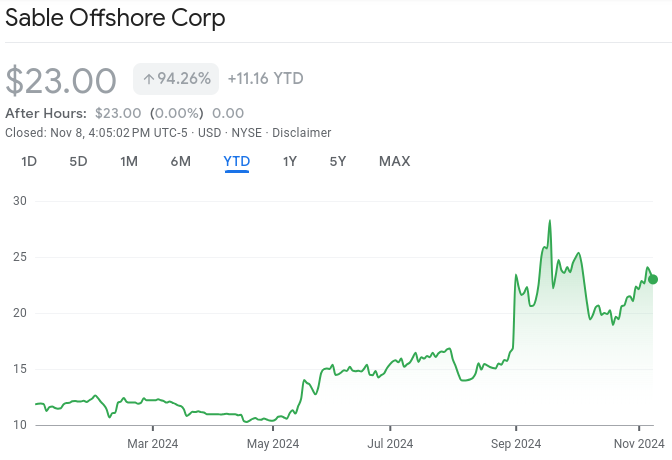
Sable’s share price soared to $23.43 on 9/3 after the company reached agreement with Santa Barbara on the installation of required pipeline valves. The price bounced further to $28.30 on 9/19 before falling sharply to $19.43 on 10/9 after being cited for failing to get California Coastal Commission approval to install the required valves. The price rebounded to $24 following the County Planning Commission’s approval of the transfer from Exxon to Sable before settling at $23 on Friday, the date of the EDC appeal.

Expect the financial and psychological roller coaster ride to continue.

See the translated excerpts below from a Radio Gaspesie report. This is a massive scandal if true.

Yesterday, the vice-president of global operations at GE Vernova reportedly addressed all employees at the GaspΓ© plant to provide an update on the situation.

The investigation, led by GE Vernova’s lawyers, reportedly revealed that employees were asked by senior company executives to falsify quality control data. Data associated with a well-made blade was then associated with poorly made blades. Our sources indicate that this is a widespread practice in the industry.

The senior management of the GaspΓ© plant also allegedly implemented a points system that encouraged employees to skip verification steps, thus prioritizing production quantity over quality.

Our sources say the points system allegedly involved tight management oversight that bordered on intimidation of employees.

The oversized 107m blades that were produced in GaspΓ© for the construction of marine parks are said to be affected. The integrity of the entire production of the longest blades in America is currently being called into question.

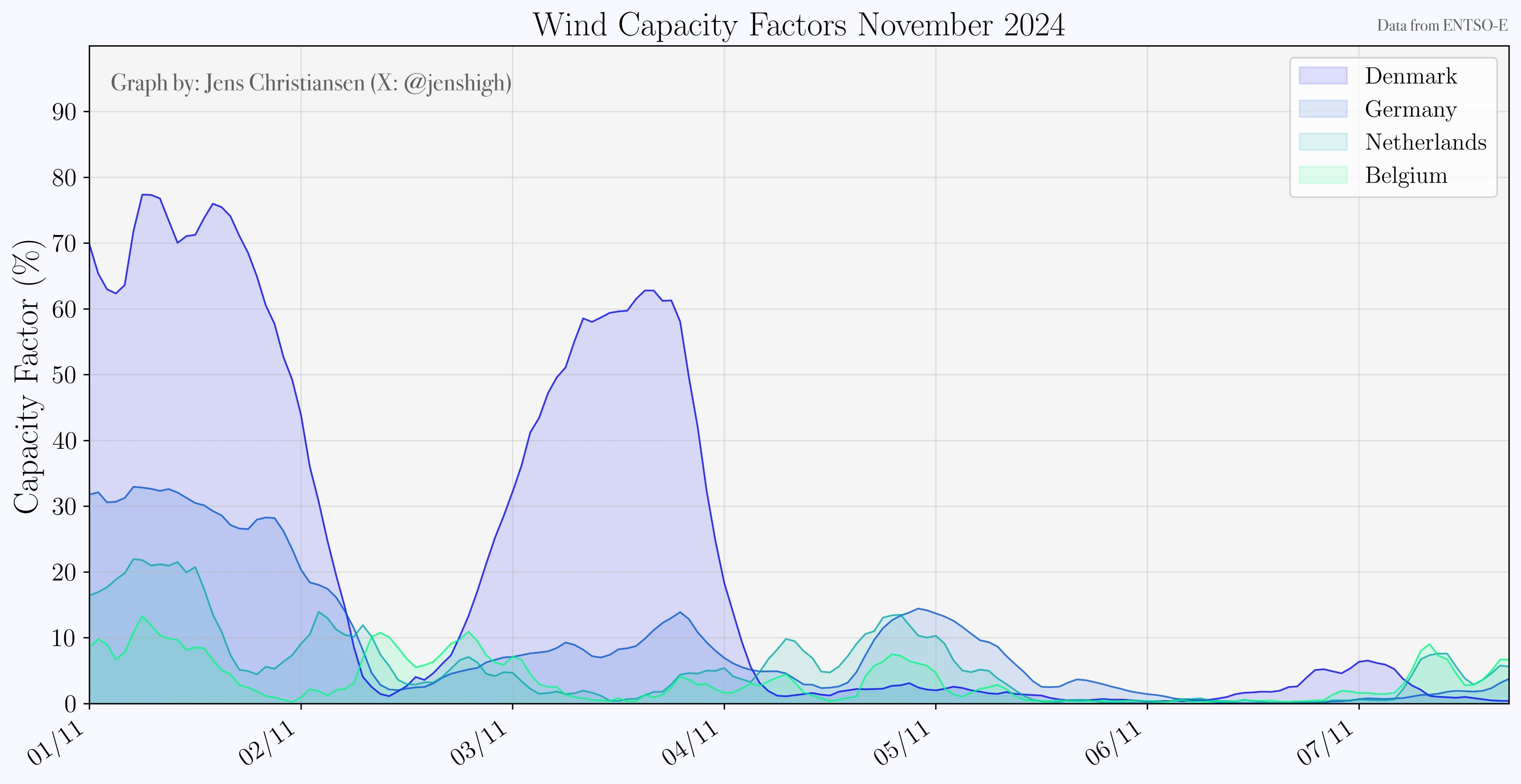
No wind November

Check out these capacity factors in Western Europe:

Die Dunkelflaute: wholesale electricity prices spiked to >€800 per megawatt hourβ€”10 times the usual avg.

On Sept. 16, 2024, a routine helicopter approach at an offshore facility nearly resulted in a serious accident due to a failure to follow proper helideck procedures. Before landing, the helicopter pilot visually confirmed that a nearby crane was securely stowed and stationary (Figure 1). However, as the helicopter neared the helideck, the crane operator unexpectedly raised the crane boom, bringing it alarmingly close to the landing area as the helicopter was 10 feet from touchdown. The pilots swiftly executed a go-around maneuver, successfully avoiding a collision and ensuring the safety of the crew and passengers onboard.”

Good work by BSEE in continuing to identify and address helideck safety issues. This is the 4th helideck safety alert issued in 2024.

Meanwhile, why are we still waiting for the final NTSB report on the tragic helideck crash that occurred 2 years ago?

Offshore oil and gas:

  • The current 5 year OCS oil and gas leasing plan, which provided for the fewest sales in history, will be rewritten.
  • The new program will include at least one Gulf of Mexico lease sale annually.
  • Where there is State support (e.g. Alaska), other offshore areas may be added to the program.
  • Reversal of the Beaufort Sea Presidential withdrawals, either by executive order or, if necessary, by congressional action, is a distinct possibility.
  • A Gulf of Mexico oil and gas sale will be held during the first half of 2025. This can be accomplished under the Biden administration’s 5 year plan.
  • Judge Boardman’s ruling requiring a new biological opinion under the Endangered Species Act (ESA) has created some uncertainty regarding the timing of a GoM sale. Her decision is being litigated and the effective date of her ruling is now 5/21/2024 (see attached). Congressional action could also reverse this decision.
  • Expect other litigation on NEPA and ESA grounds with the intent of stalling oil and gas leasing. Congressional action could reverse or limit such litigation.

Offshore wind:

  • Expect offshore wind leasing to be “paused.”
  • Current leaseholders are contractually entitled to continue developing and operating their leases. Expect construction and operation plans to be more closely scrutinized.
  • Expect BSEE’s report on the Vineyard Wind turbine blade failure to receive added attention and publicity.
  • Expect considerable tension between North Atlantic governors, strong supporters of offshore wind, and the new administration.

Expect less babble about absurd topics like “petro-masculinity.” πŸ˜‰

Mike Werth’s response to Jim Kramer’s question about US production leadership is spot-on (see the clip below).

Kudos to Kramer for visiting Chevron’s Anchor platform in the Gulf of Mexico. More business/energy reporters and government officials with energy responsibilities need to (1) learn more about offshore oil and gas exploration and development and (2) visit offshore facilities.

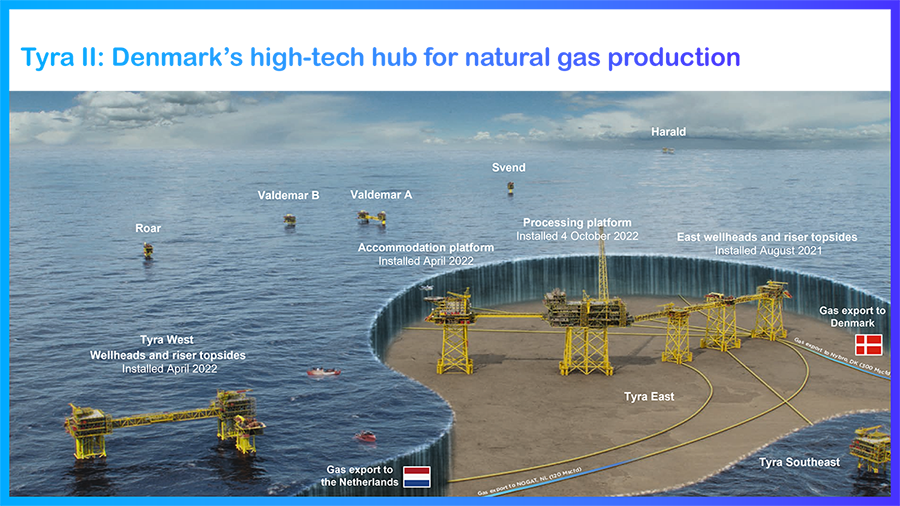
As the table below illustrates, Denmark’s highly publicized oil and gas exploration ban is more pragmatic than has been reported in the media. The expansion of production from existing fields is not restricted.

12/4/2020 policy announcement10/29/2024 discovery announcement
Denmark has brought an immediate end to new oil and gas exploration in the Danish North Sea as part of a plan to phase out fossil fuel extraction by 2050. TotalEnergies announces that the Harald East Middle Jurassic nearby exploration well (HEMJ-1X) has discovered additional gas condensate resources in the Harald field, in the Danish North Sea.β€œThe success of the Harald East Middle Jurassic well, nearby our Harald facilities in Denmark, demonstrates the strength of our Exploration strategy.” 

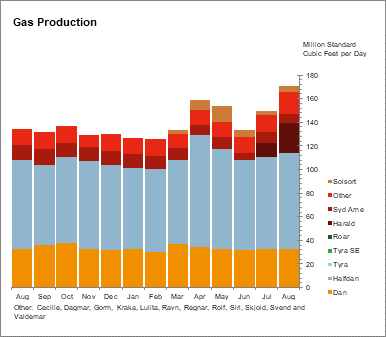
As a result of new exploration, Danish gas production is on the rise (graphic below) after two decades of decline. August 2024 production (165.8 MMCFD) was 21% higher than August 2023 production (136.9 MMCFD)

While Total has proven to be resourceful in sustaining North Sea gas production, Denmark’s refusal to hold new licensing rounds dooms their production over the longer term. This is consistent with Denmark’s intent to cease domestic production by 2050. (Those of you who are young enough can report on whether that deadline is met πŸ˜‰).

The demand for fossil fuels, which has yet to peak, will still be strong in 2050 and beyond. Phasing out domestic production may be Denmark’s choice, but it’s not a good choice for much of the world.

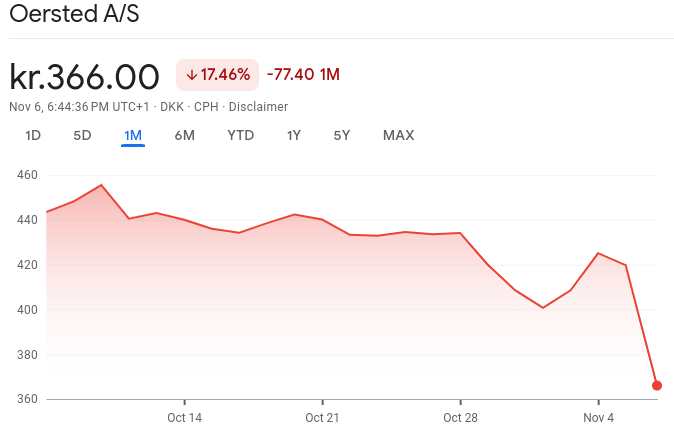
Denmark is a lovely country, but their rather smug commitment to “lead a global campaign on the role of fossil-fuel producing countries” is not universally welcome. Similarly, companies like Orsted (50.1% Danish govt ownership) are not always the best ambassadors for exporting Danish energy policy.

Other governments, including the US, are quite capable of risking their economic growth and energy security without Denmark’s help.

Related posts: