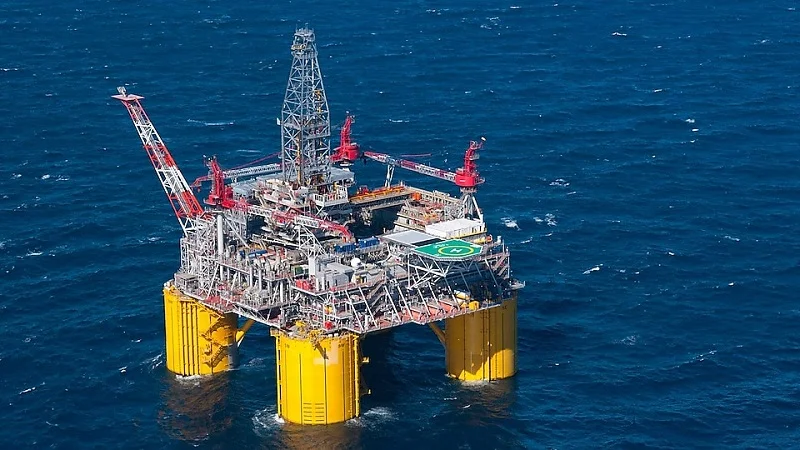
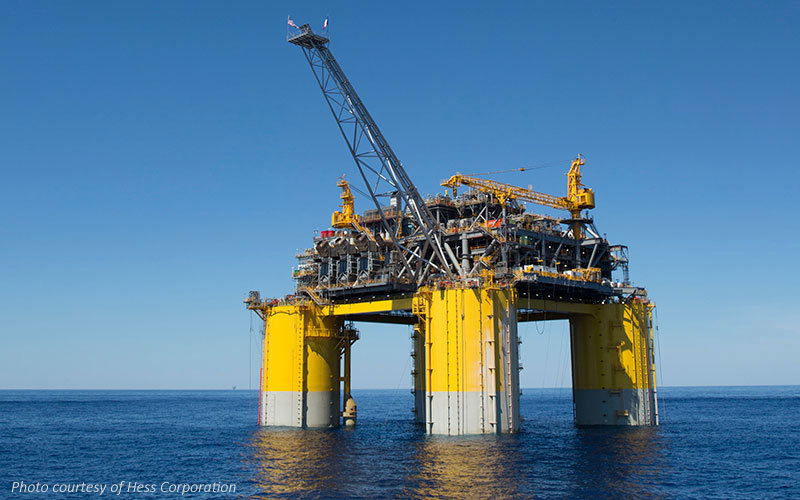
China National Offshore Oil Corp. (CNOOC) has surrendered its 21% interest in the Appomattox (Mississippi Canyon 391, 392, and 393) project and its 25% stake in Stampede (Green Canyon 468, 511, and 512). Those ownership positions were acquired in CNOOC’s takeover of Calgary-based Nexen in 2013.
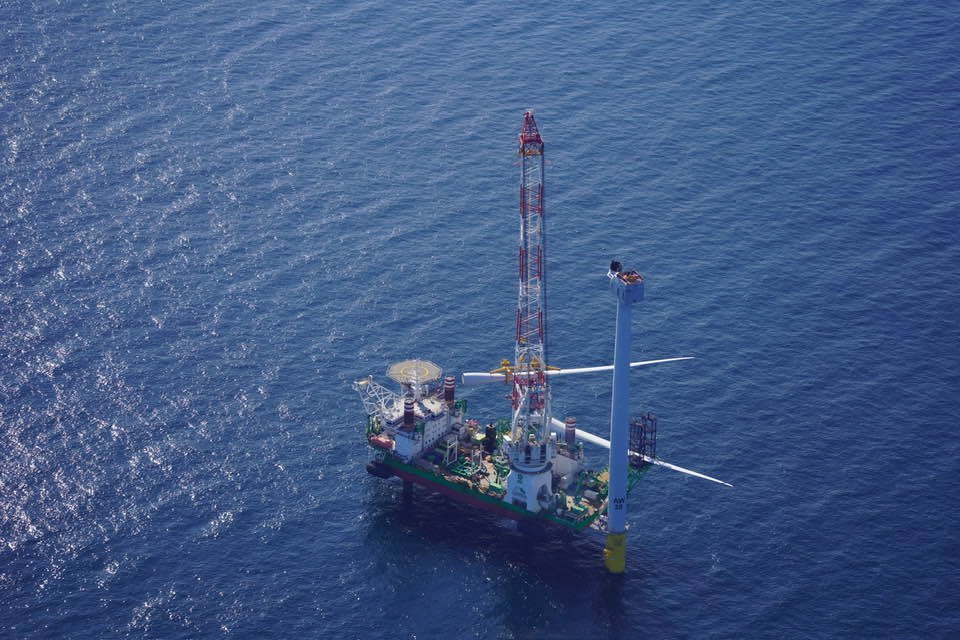
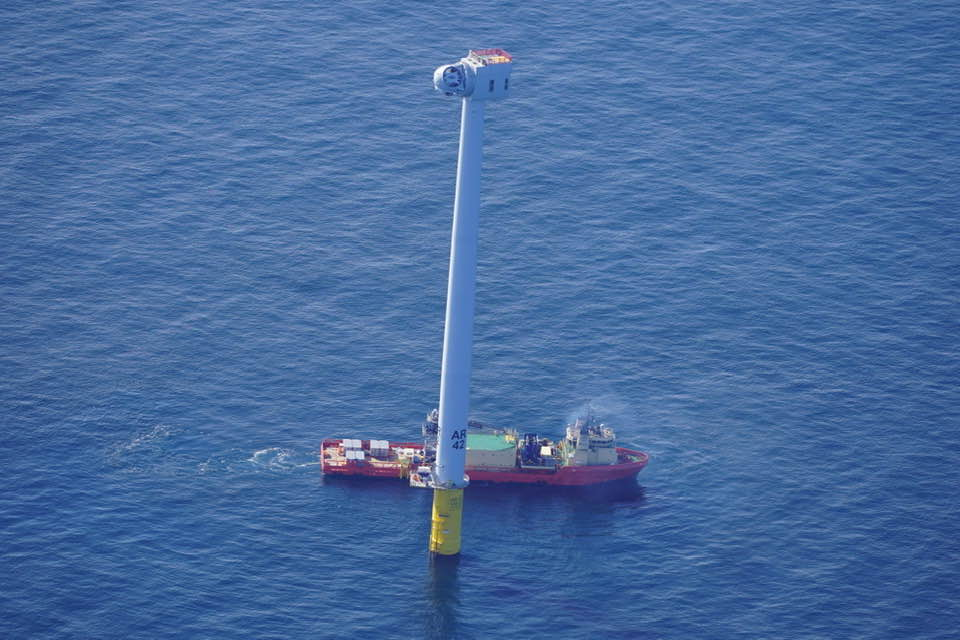
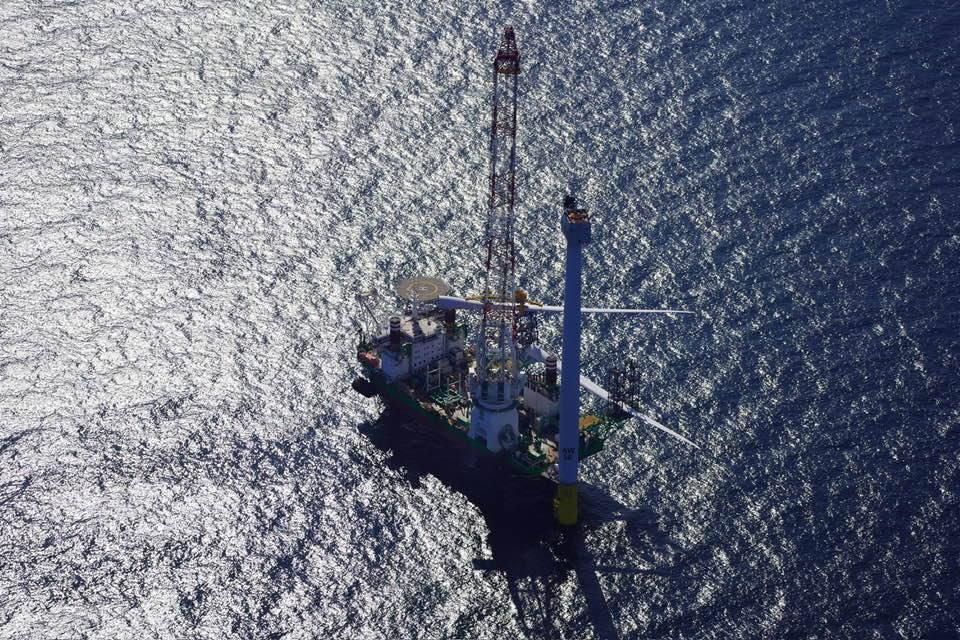
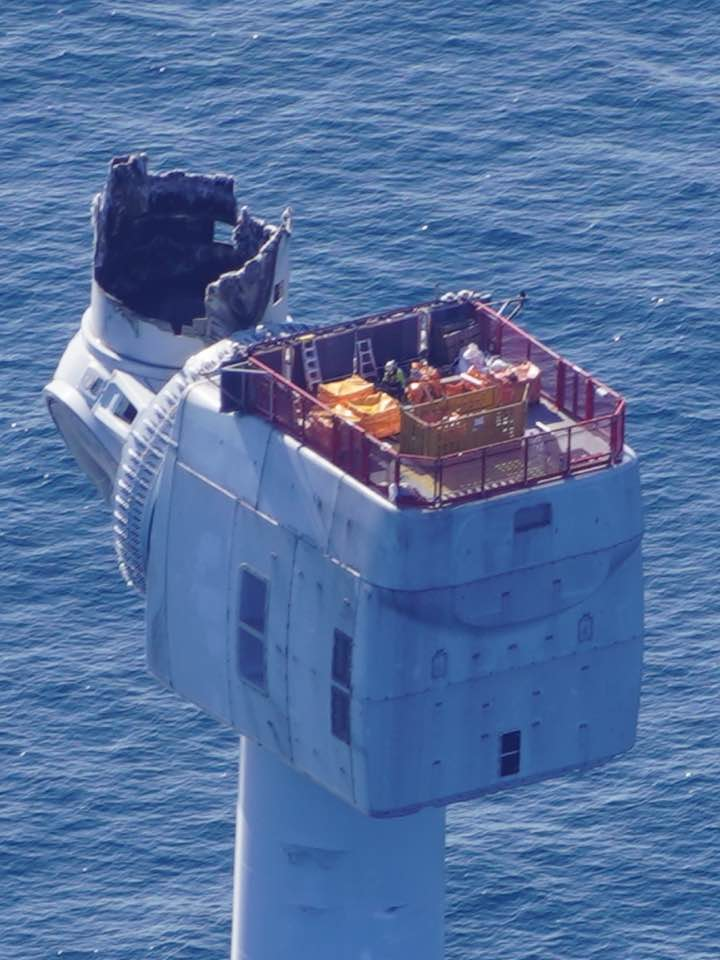
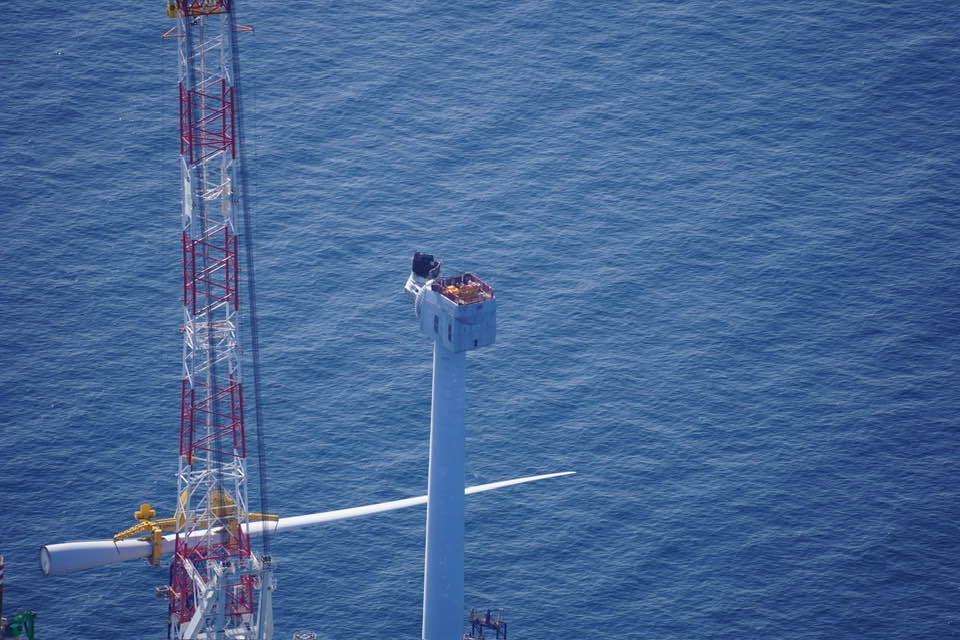
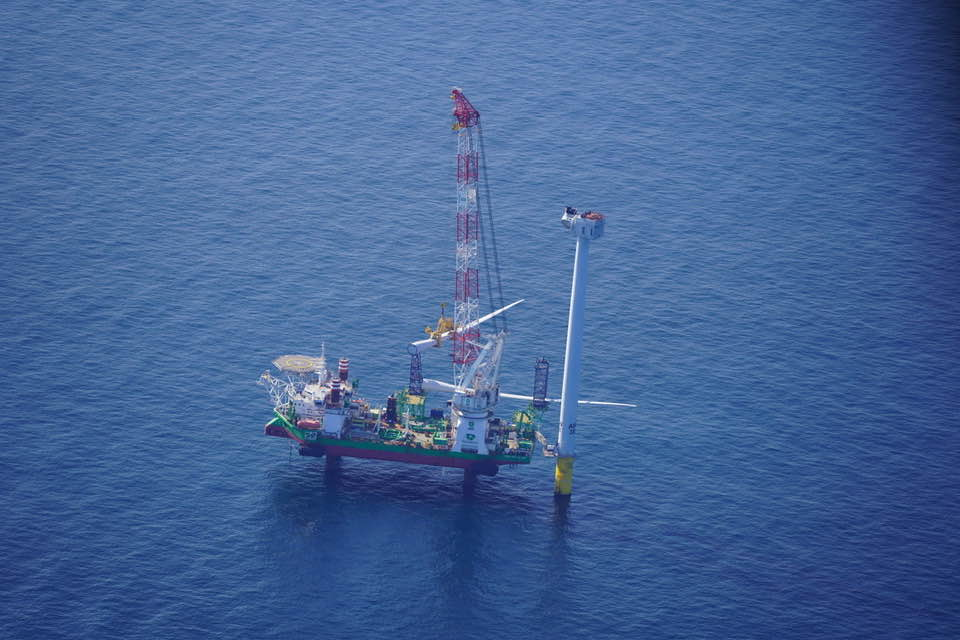
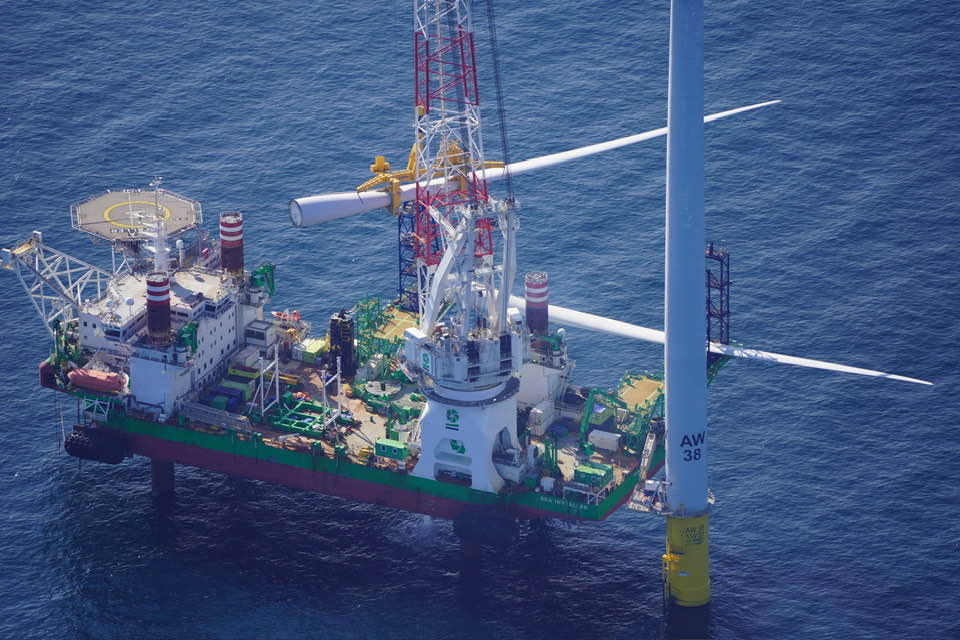
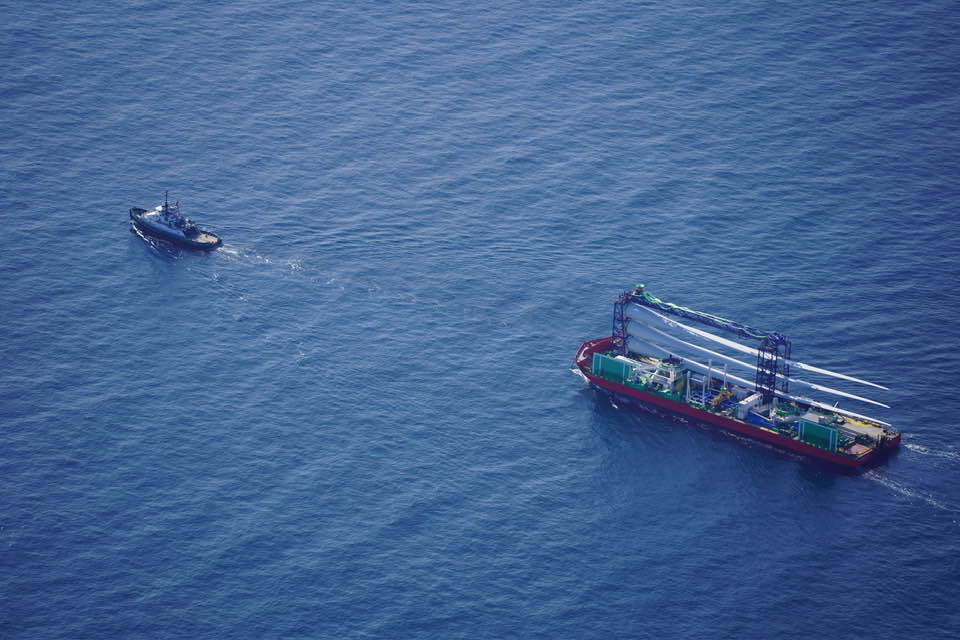
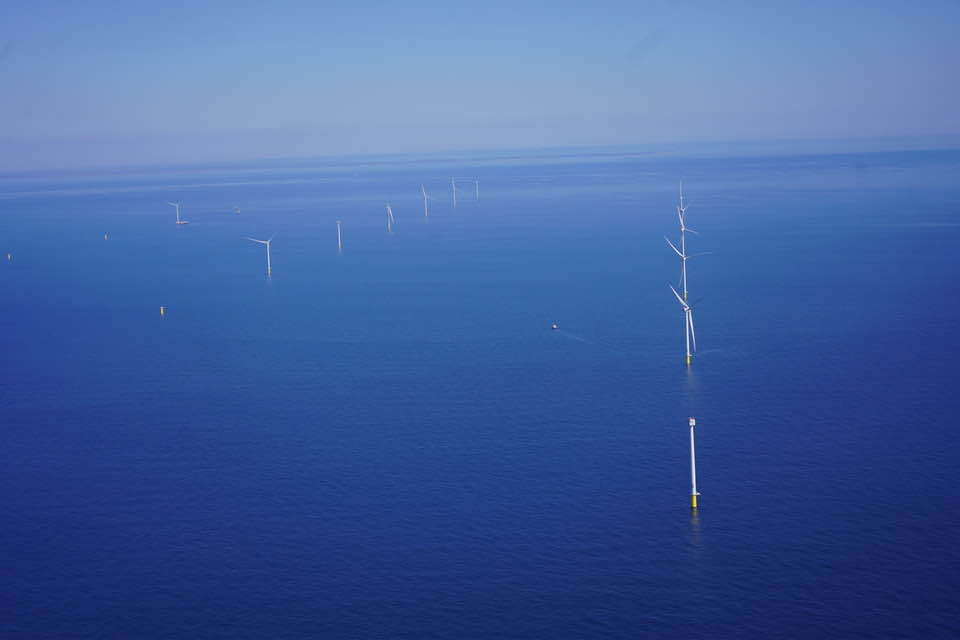
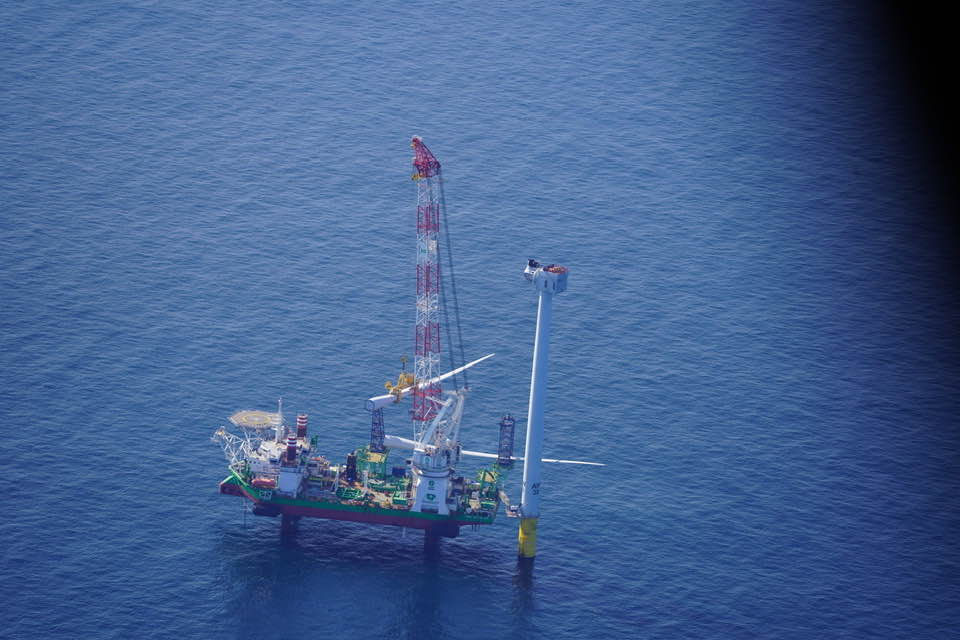
Below are interesting pictures of Vineyard Wind’s repair and installation activity taken today by Nantucket pilot Doug Lindley. He commented that only of the turbines was spinning.
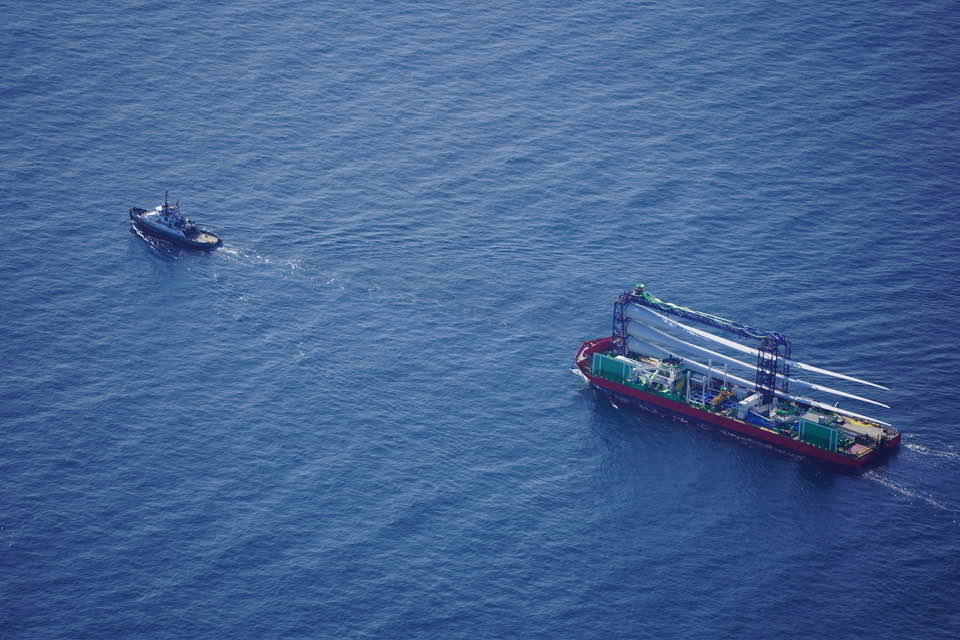
Also note the vessel transporting replacement blades.
It’s a bit difficult to rationalize all of this, but the Administration of Massachusetts Governor Maura Healey sees these projects as being critical to the Commonwealth’s energy future.
BSEE incident investigations are another window into OCS safety performance.
Panel reports are published for the most significant OCS incidents (e.g. fatalities, serious injuries, significant pollution). Unfortunately, these reports have been unacceptably delayed in recent years. Status reports are not provided leaving the public in the dark as to what is being investigated and why.
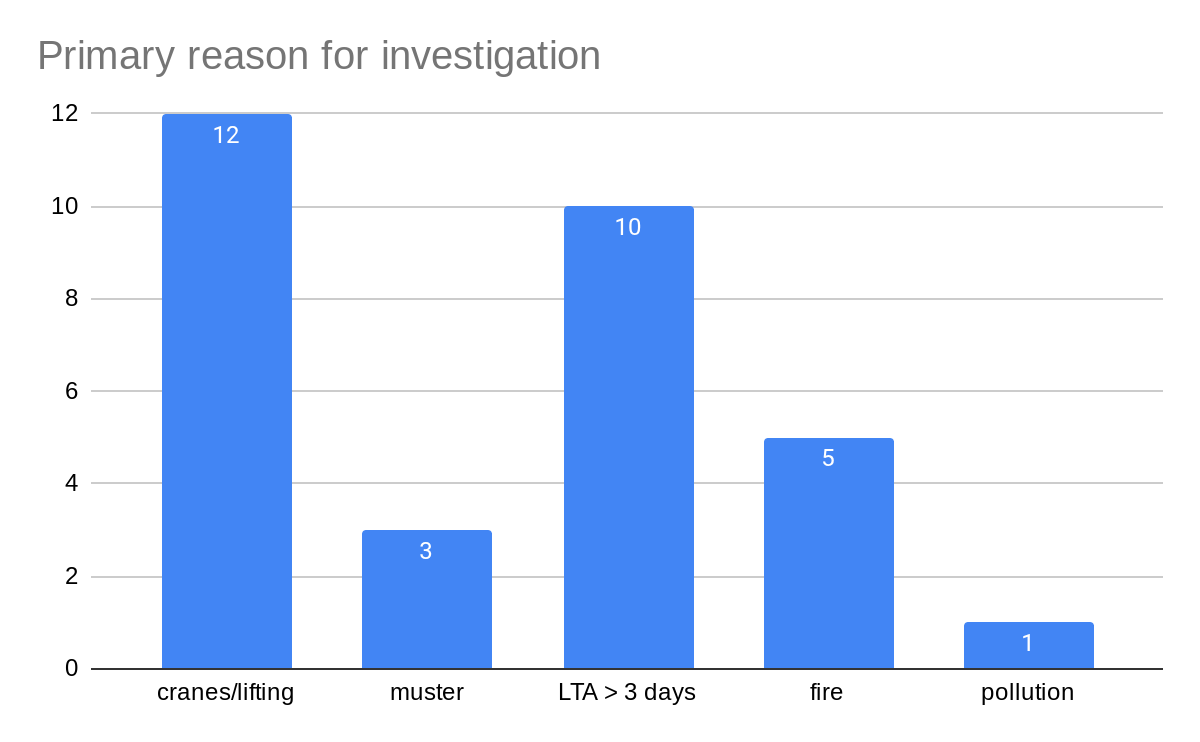
The more common investigations, conducted by BSEE’s district offices, are timely and informative. The Districts typically investigate lost time (>72 hours) injuries, crane and lifting equipment incidents, small fires, pollution events, property damage > $25k, gas releases, and other incidents requiring workers to muster for possible evacuation.
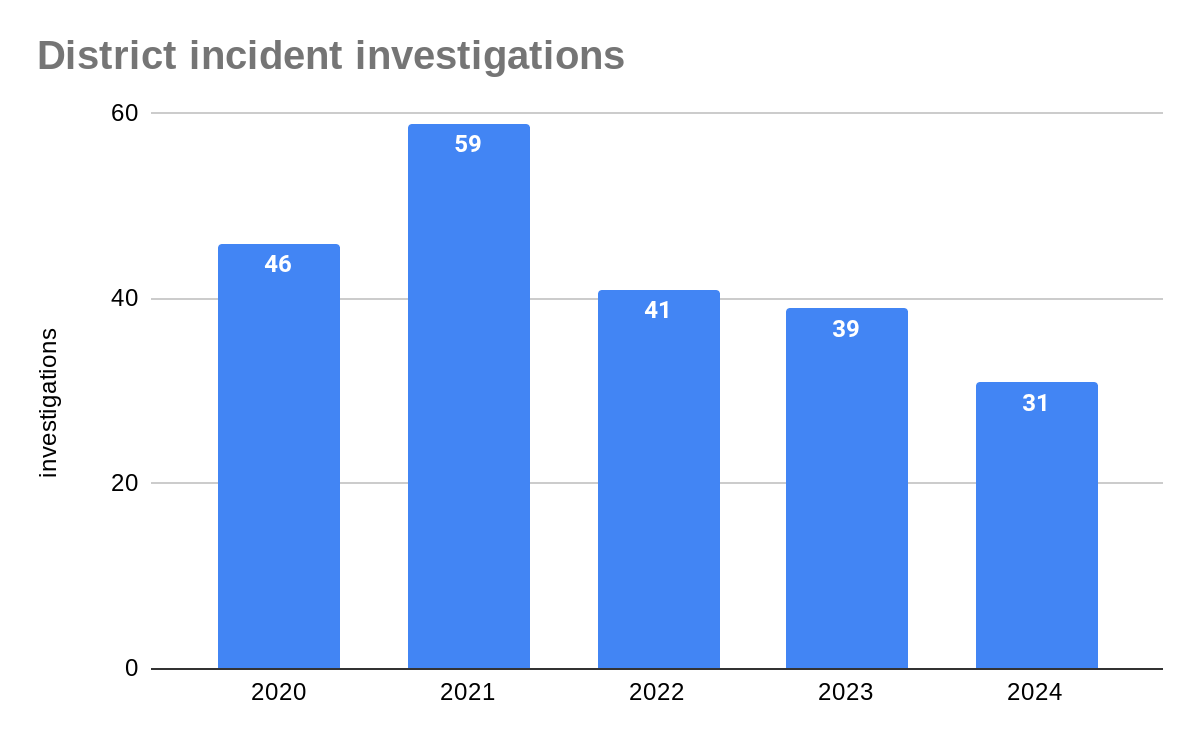
The number of District investigations in 2024 declined significantly to 31, one-third fewer than the average of 46.25 for the past 4 years.
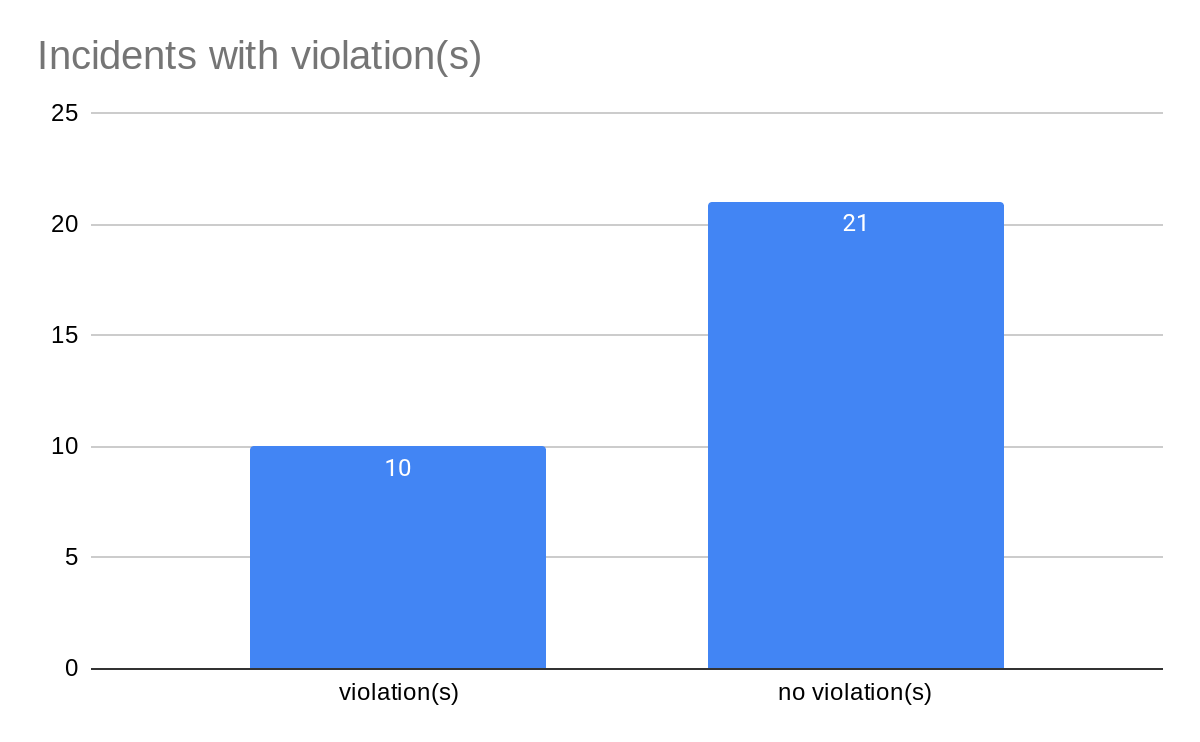
Violations were not identified for 2/3 of the incidents.
A complete list of the 2024 District investigations follows. Hyperlinks are provided for those who want to review the reports.
BOE contributor John Smith has shared (attached) his highlighted version of the 89 page California Coastal Commission staff report recommending imposition of a $15 million fine.
John finds it noteworthy that the report documents that Santa Barbara County did not concur with the CCC, and that the California State Lands Commission approved the span remediation work. John thinks this raises legitimate questions as to whether the CCC is overreaching in terms of asserting permitting authority for the repair and maintenance work.
John thinks it will be interesting to see how the Courts rule on this and expects an appeal regardless of the outcome. He points to the Court ruling against the CCC on Pismo Beach offroading case as being pertinent to the Sable-CCC dispute. (“Is the Friends of Oceano Dunes court victory a good omen for Sable?“)
In particular, note the text John has highlighted in green. These issues will likely be central to the Court deliberations.
The 2024 Gulf of America Safety Compliance Leaders are ranked below according to the number of incidents of non-compliance (INCs) per facility inspection. To be ranked, a company must:
operate at least 2 production platforms
have drilled at least 2 wells during the year
average <1 INC for every 3 facility inspections (0.33 INCs/facility inspection)
average <1 INC for every 10 inspections (0.1 INCs/inspection). Note that each facility inspection may include multiple types of inspections (e.g. production, pipeline, pollution, Coast Guard, site security, etc). In 2024, there were on average 3.4 inspections for every facility inspection.
District investigation reports are more timely and provide additional insights into safety performance. Impressively, Hess had no incidents warranting a District investigation, and was the only ranked operator with this distinction. I will comment more on the District reports in a future post
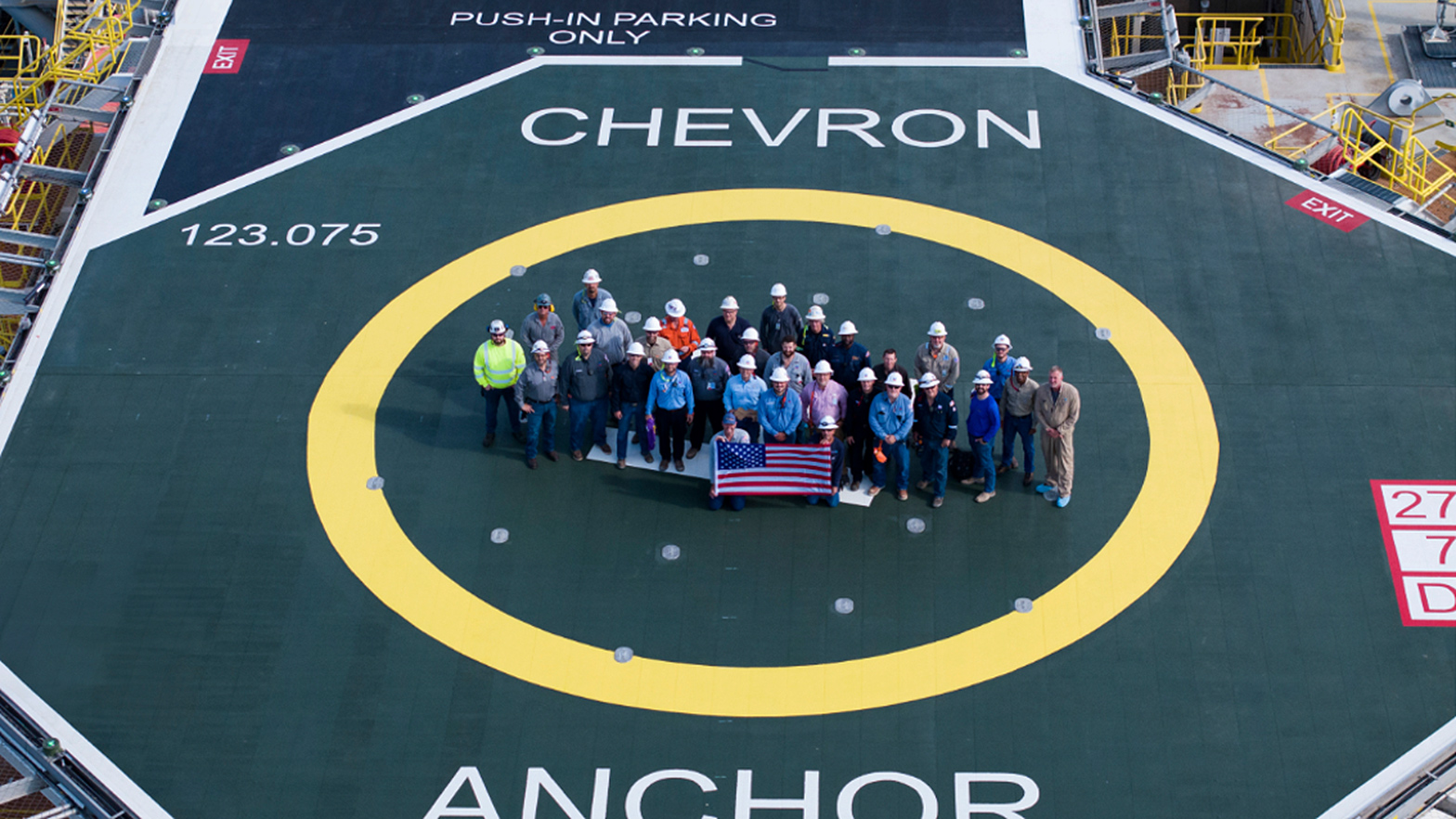
Chevron’s 2024 compliance record was among the best in the history of the US OCS oil and gas program. Was it the absolute best? Were it not for the FSI INC at a Unocal (Chevron) facility, one could unequivocally assert that it was. Further evaluation of that INC would be helpful. However, details on specific INCs are not publicly available, so the significance of that violation cannot be evaluated.
operator
W
CSI
FSI
total INCs
facility insp
INCs/ fac insp
insp
INCs/ insp
Chevron
1
0
1
2
117
0.02
311
0.006
BP
2
3
0
5
93
0.05
251
0.02
Anadarko
8
9
1
18
143
0.13
344
0.05
Hess
2
3
0
5
26
0.19
67
0.07
Walter
6
4
1
11
50
0.22
161
0.07
Shell
23
17
5
45
199
0.23
495
0.09
Cantium
24
8
0
32
123
0.26
537
0.06
Murphy
8
9
1
18
70
0.26
191
0.09
Arena
29
28
3
60
189
0.32
803
0.07
Gulf-wide
957
398
109
1464
3133
0.47
10664
0.14
Notes: Numbers are from published BSEE data; INC=incident of non-compliance; W=warning INC; CSI=component shut-in INC; FSI=facility shut-in INC; INCs/fac insp= INCs issued per facility inspection; each facility-inspection may include multiple types of inspections (e.g. production, pipeline, pollution, Coast Guard, site security, etc), in 2024, there were on average 3.4 inspections for every facility inspection
Not meeting the production facilities requirement to be ranked among the top performers, but nonetheless noteworthy, was the compliance record of BOE Exploration & Production (no relation to the BOE blog 😀). See their impressive inspection results below:
W
CSI
FSI
total INCs
facility insp
INCs/ fac insp
insp
INCs/ insp
BOE
1
1
0
2
21
0.1
48
0.04
Transparency on inspections and incidents is important for a program that is dependent on public confidence. For independent observers to better evaluate industry-wide and company-specific safety performance, publication of the following information should be considered:
quarterly updates of the incident tables, as was once common practice
posting of violation summaries for inspections resulting in the issuance of one or more INCs
In a peer reviewed paper, AI (Grok-3) debunks the man-made climate crisis narrative.
Doug Burgum: Hydraulic fracturing technology is “one of the reasons why the U.S. shale revolution is a miracle. But that miracle keeps on getting better and better. It’s the thing that has literally turned around the economy.” Posted here 15 years ago: Natural Gas Bonanza – Why Aren’t We Celebrating?
Every year since 1978, Safety in Seas Awards have been presented at NOIA’s Annual Meeting. This is the world’s oldest, and in my opinion, most prestigious safety award program for the offshore energy industry.
Last week NOIA presented the Safety Practices Award to Proceanic and the Culture of Safety Award to Seacor Marine. These comments from NOIA President Erik Milito sum up the selections nicely:
“The Safety in Seas awards spotlight an industry-wide truth: safety isn’t just a priority—it’s the heartbeat of what we do. SEACOR Marine and Proceanic exemplify this ethos with extraordinary resolve. SEACOR’s relentless safety culture, driven by innovative tools and a zero-incident vision, and Proceanic’s pioneering Mini-ROV inspections, safeguarding lives and assets with remarkable precision, reflect the best of our collective mission. Their leadership amplifies a broader tide of excellence, where every company, every worker, and every breakthrough pushes us toward a safer, stronger offshore future. We honor them, and we extend our deepest gratitude to all entrants—each one a vital contributor to a safer, more resilient offshore industry.”
As a Safety in Seas judge for many years, I can assure you that the selections are based solely on the award criteria and supporting data, and that the process is free from interference or campaigning. As is normally the case, there were many outstanding nominations.
I recommend that you review NOIA’s announcement for more information. You may also want to contact the companies directly to learn more about their safety programs. Industry adaptability is one of the selection criteria for both awards.
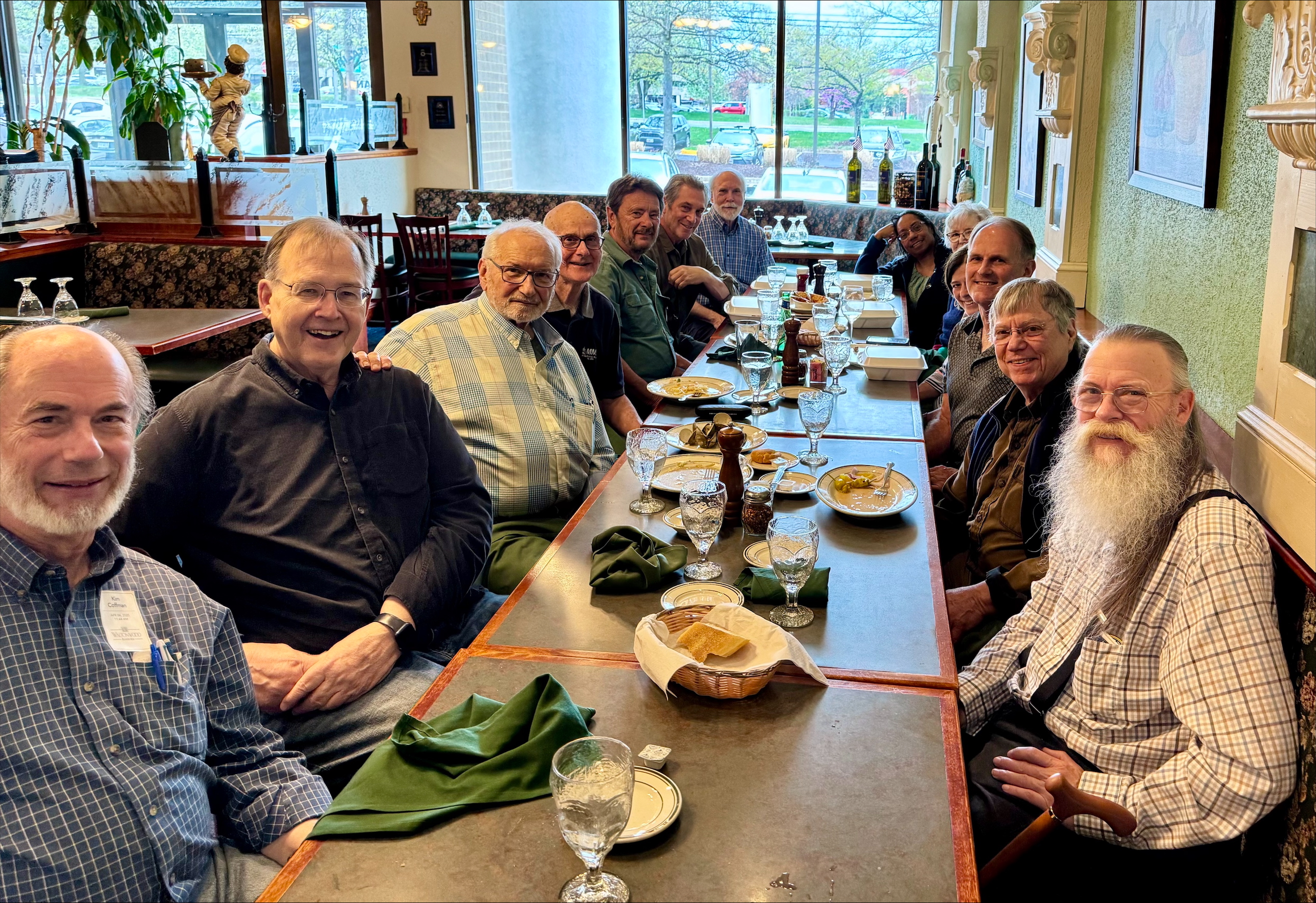
clockwise from the bottom left: Kim Coffman, Harold Syms, Gig Kocher, Bud, Bob LaBelle, Doug Siltor, Walter Johnson, Lennis Montague, Carol Hartgen, Judy Wilson, John Cushing, Kevin Spaner, Kelly Griggs. Not pictured: Norm Weaver and Jeri Bryant
Great people who were dedicated to the OCS program’s safety, environmental, and resource management missions! Much wisdom was shared! 😉