As posted in January, most analysts predicted that Chevron and Hess would prevail. Now that the arbitration panel has ruled, Chevron’s acquisition of Hess can be completed.
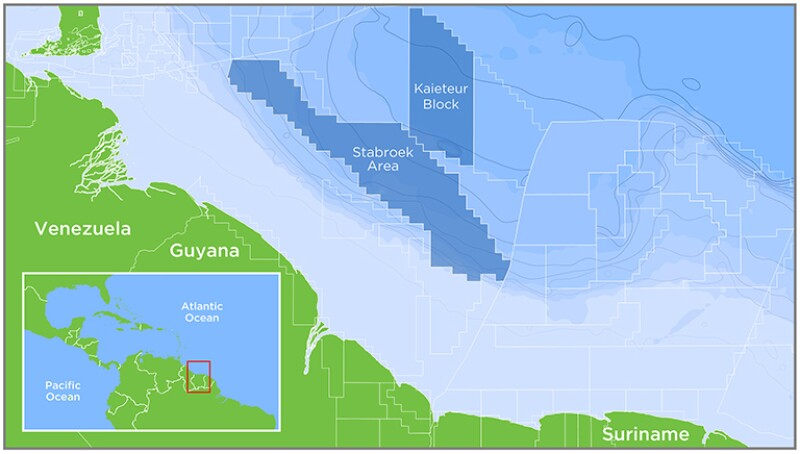
The position of Exxon and its partner, Chinese govt owned CNOOC, never made much sense given that Chevron was not buying the Stabroek share, they were buying the company that holds that share.
Not much attention has been paid to the importance of Chevron’s acquisition of Hess’s Gulf of America assets. The combined company will be the 3rd largest GoM oil producer (behind Shell and bp) and the second largest gas producer (behind only Shell). Hess acquired 20 GoA leases in Sale 261, ranking first in total high bids ($88 million) among all participants.
Drilling Safety Leaders Pilot Programto be proposed.
Comments on the Dept. of the Interior’s regulatory reform initiative are due by July 21.
DOI’s “Deregulation Suggestions” form implies that their review may be limited in scope. The form focuses solely on rescinding regulations. True regulatory reform requires a broader assessment of regulatory methods and strategies.
Offshore safety regulations address known or perceived operational risks. Deleting individual provisions without considering the effect on the regulatory objective could introduce new risks without reducing the burden on operators and regulators.
More meaningful regulatory reform, and the associated improvements in operator and regulator efficiency, can be achieved by addressing regulatory fragmentation and providing regulatory incentives for companies with outstanding safety and environmental performance records.
My comments to DOI will address fragmentation and the challenges associated with updating regulations and standards. A Drilling Safety Leaders Pilot Program will be proposed. This pilot program would offer a more flexible regulatory regime for operators with outstanding safety records.
The regulatory system can constrain leading operators and delay innovation. The top performers should be encouraged to stay ahead of the technology and management curves. Most of the requirements that were added after Macondo had been adopted by leading operators well before the blowout.
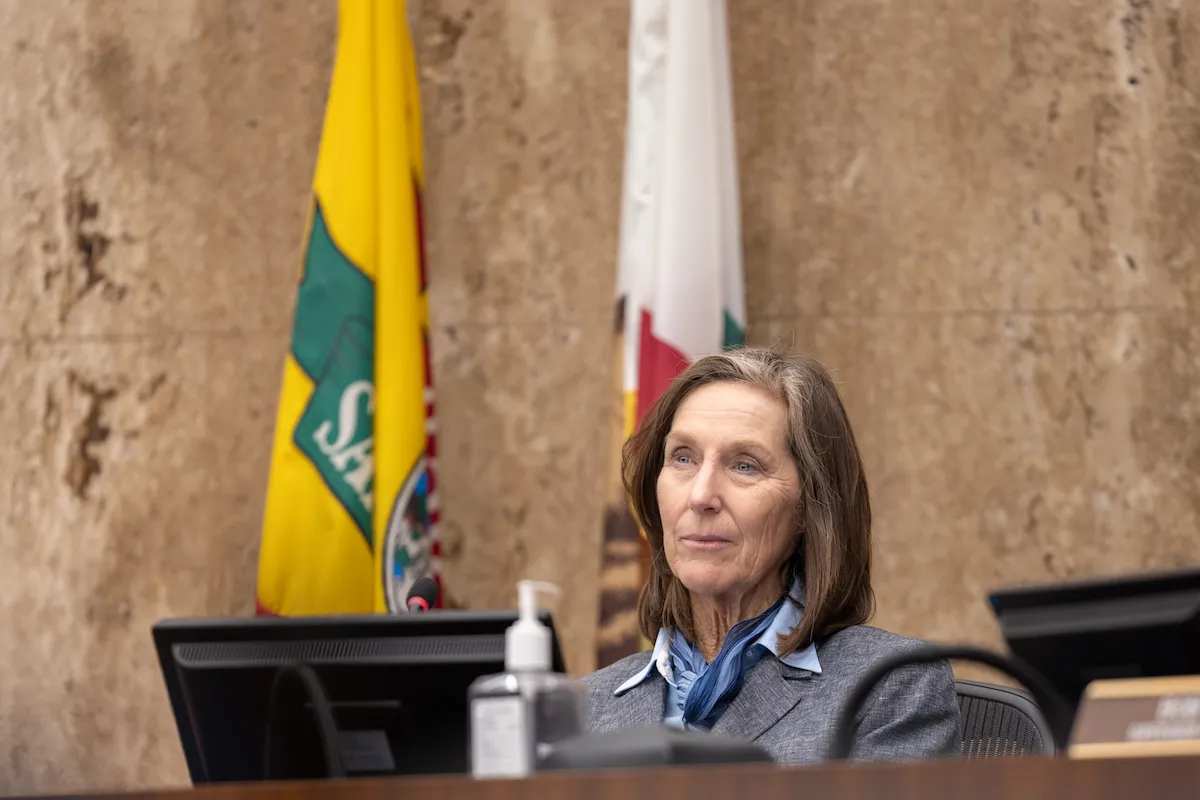
Per the Independent, the alleged conflict of interest that prevented County Supervisor Joan Hartmann from voting on Sable oil matters has been reevaluated. She is now legally permitted full voting rights.
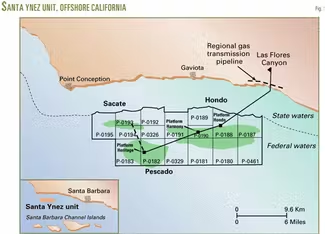
With Hartmann recusing herself, the supervisors had been deadlocked in a perpetual 2-2 tie when voting on issues concerning Sable. Supervisor Hartmann’s participation is not good for Sable given her public comments in opposition to the Santa Ynez Unit restart.
Danish Tax Minister Jeppe Bruus boasted that other countries will be inspired by the world’s first tax on livestock emissions.
Not so fast says the University of Nebraska; perhaps the cows deserve a tax credit! 😉
The University of Nebraska has called out the misleading narrative on cow burps & methane on climate change:
“They have not accounted for the capture part, they only account for methane being released. Carbon capture in soil and grass – helped out by cow grazing and manure – can… pic.twitter.com/FDpT4ZGnt0
— No Farmers, No Food (@NoFarmsNoFoods) July 17, 2025
Reuters and others report that zinc from a new Chevron well has contaminated oil production destined for an Exxon refinery via Shell’s Mars Pipeline System. Because contaminated crude may cause maintenance issues and reduces the quality of refined products, Exxon will not accept crude from the Mars system until the zinc issue has been resolved.
The Mars system delivers about 575,000 bopd raising concerns about supplies to Gulf Coast refineries. But fear not, DOE authorized the delivery of up to 1 million barrels of oil from the Strategic Petroleum Reserve to the Exxon’s Baton Rouge refinery.
(Ironically, yesterday’s post pointed to the importance of the SPR and questioned the decision to drastically reduce crude oil purchases. This zinc incident is likely to be minor, and Exxon will repay the SPR in kind. However, more serious regional, domestic, and international events could call for much greater SPR withdrawals.)
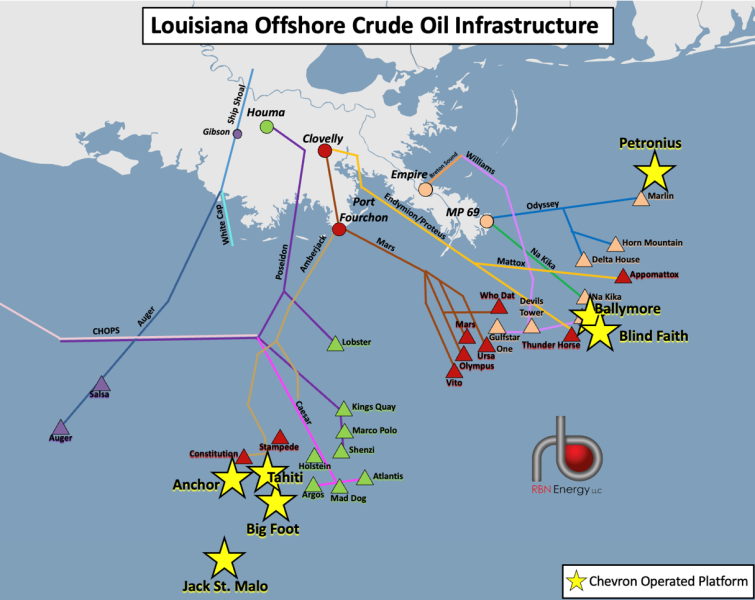
The above map shows Chevron platforms that connect with the Mars system at Port Fourchon.
Speculation/commentary:
The well/platform responsible for the zinc contamination has not been identified. Given that production is ramping up at Chevron’s Anchor facility, a new well on that platform may be the source of the zinc. Other Chevron platforms that connect to the Mars system are indicated in the diagram above.
Given that zinc in crude oil is rare, a well completion fluid containing zinc bromide may be the culprit.
Note the integration of offshore production streams, and the involvement of 3 industry super-majors. These companies are highly competitive, as evidenced by the Chevron-Exxon Stabroek dispute, but are also cooperative in producing, transporting, and refining oil and gas. However, they and other majors are restricted (rather illogically) from bidding jointly for leases.
During the 2024 presidential campaign and early in his second term, President Trump repeatedly pledged to “immediately refill” the Strategic Petroleum Reserve(SPR) to its maximum capacity, emphasizing its role in ensuring energy security and stabilizing oil markets during global supply disruptions.
The Big Beautiful Bill (BBB) sends a much different message, providing only $171 million for petroleum acquisition and $218 million for maintenance of SPR facilities through 2029. This is an 87% reduction in the acquisition funding from the House version that proposed $1.3 billion for crude oil purchases.
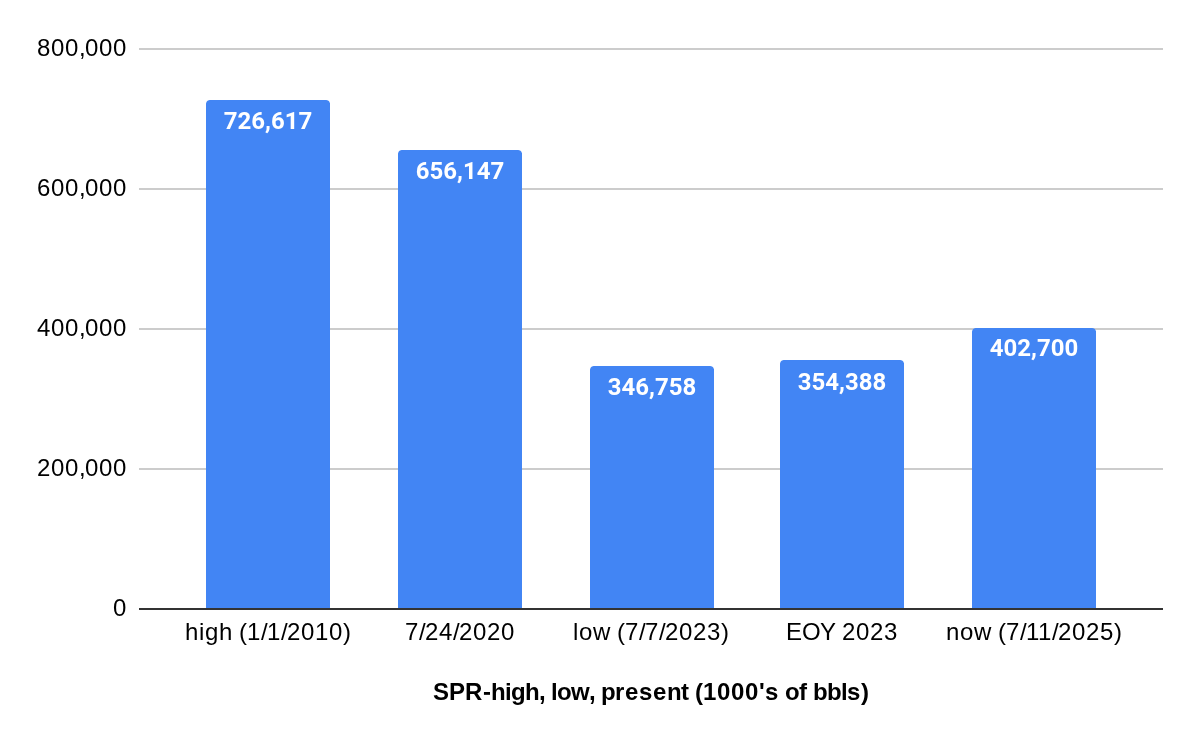
The Administration has offered no comment on the BBB’s surprise SPR language. Meanwhile, the SPR will likely remain at or near the current level, which is 324 million bbls below the 2010 high and only 56 million bbls above the 2023 low. (See the above chart.)
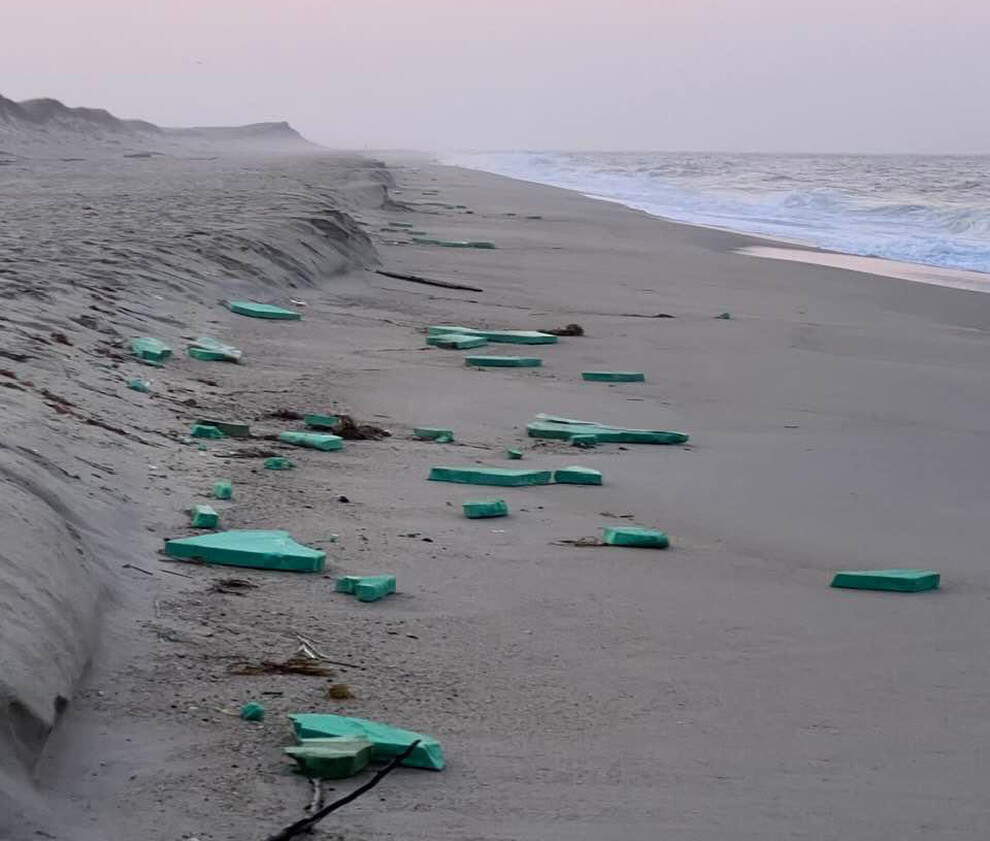
Debris from the failed Vineyard Wind blade littering the south shore of Nantucket in July 2024. Nantucket Current photo.
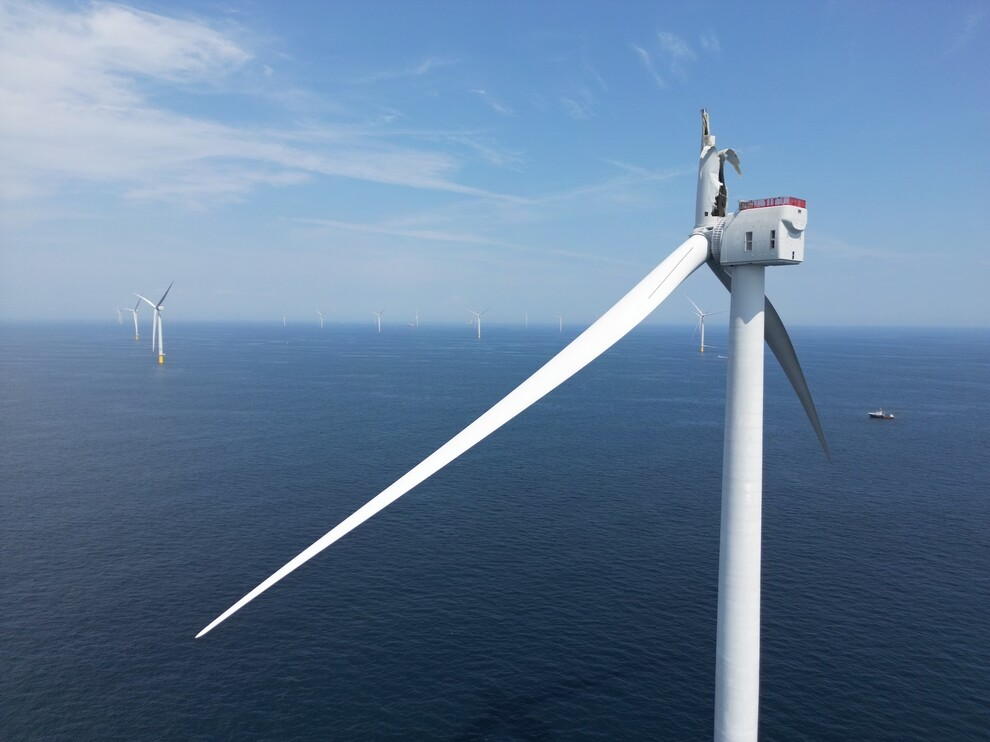
Nantucket reached a settlement agreement (attached) with turbine manufacturer GE Vernova (GEV), praising that company while criticizing Vineyard Wind (VW), the lessee and operator:
“The Town of Nantucket commends GE Vernova for its leadership in reaching this agreement. By contrast, the Town has found Vineyard Wind wanting in terms of its leadership, accountability, transparency, and stewardship in the aftermath of the blade failure and determined that it would not accept Vineyard Wind as a signatory to the settlement,”the town stated Friday morning.
Comments:
For a relatively modest sum ($10.5 million) paid by the contractor (GEV), the agreement further limits the Town’s ability to hold Vineyard Wind, the lessee and operating company, accountable. See sections 4, 5(a), and 9 of the agreement.
The Town’s ability to challenge the project was already compromised by their unpopular “Good Neighbor Agreement.”
What ever happened to operator responsibility? This fundamental tenet of the OCS oil and gas program also applies to offshore wind. Vineyard Wind should be the party that is fully accountable for the damages associated with their project. VW can seek compensation from GEV, but VW is the accountable party.
Can you imagine if BP had attempted to stay on the sidelines while Transocean and other contractors settled claims associated with the Macondo blowout? Unthinkable!
Nantucket should have insisted on VW’s participation, rather than excluding them.
What does the lessor, the Federal govt, have to say about damage compensation? Are civil penalties forthcoming? When will we finally see the BSEE investigation report!
Given the investigation’s significance, not only for Vineyard Wind, but for other offshore wind projects planned or under construction, how is the delay in issuing the report acceptable?
Keep in mind that the lengthy and complex National Commission, BOEMRE, Chief Counsel, and NAE reports on the Macondo blowout were published 6 to to 17 months after the well was shut-in.
Tariffs and their uncertainty “will certainly decrease expected investment activity in the energy sector,” says the new report. More than $50 billion of offshore investment this year has been deferred “with operators looking to wait out current market uncertainty before making significant final investment decisions,” Rystad notes.
Rystad estimates that tariffs will increase costs for offshore oil and gas projects by 8% year-over-year and 12% for onshore. “Most steel and raw material exposed cost categories are feeling the majority of the impact from tariffs and thus will take the biggest hit.”
Comment: At a glance, the number of 2025 well starts in the GOA appears to be down (more on this at a later date). While there are many factors affecting drilling decisions, lower oil prices and higher costs associated with tariffs are not compatible with a “drill baby drill” philosophy.