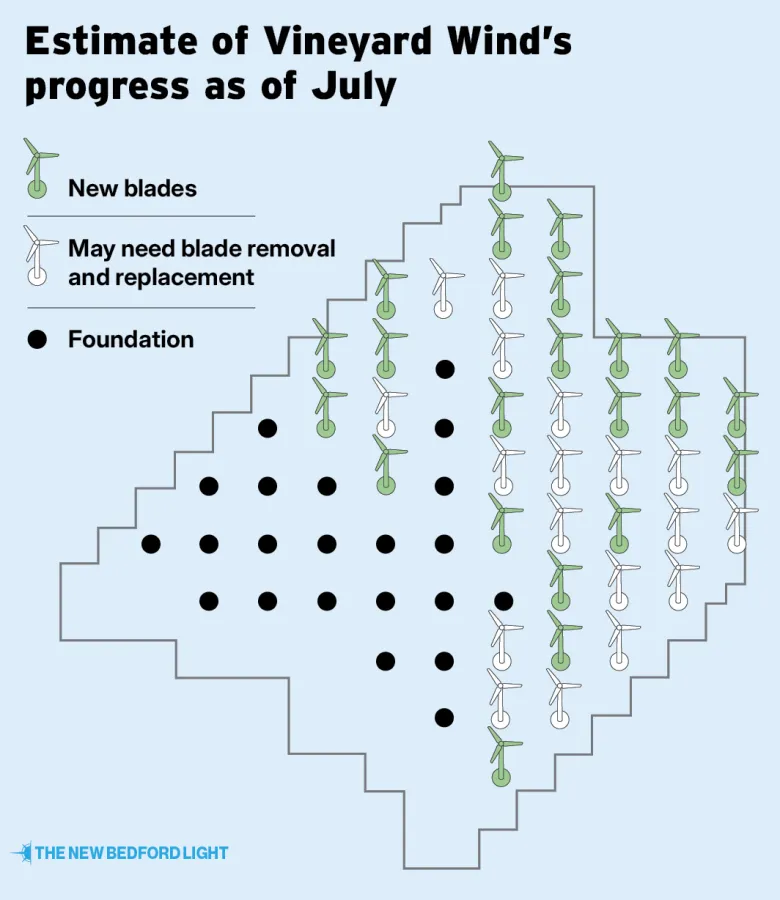
Vineyard Wind is now sending power from 17 turbines to the Massachusetts grid, up from four in May.
According to satellite images, it appears at least 40 of the project’s 62 turbines are in the water as of this month.
Can’t tell how many blades are from the Canadian plant that manufactured the blade that failed, and therefore need to be removed and replaced.
A cross-examination of past detailed maps from Vineyard Wind and new satellite images suggests that about 22 of the 40 seemingly installed turbines are likely complete.
A second turbine installation vessel, the new Danish jack-up Wind Pace, has arrived and is assisting the Sea Installer, the primary installation vessel.
Given the absence of updates from Vineyard Wind and its regulators, the excellent reporting by local media like the New Bedford Light and Nantucket Current is much appreciated.
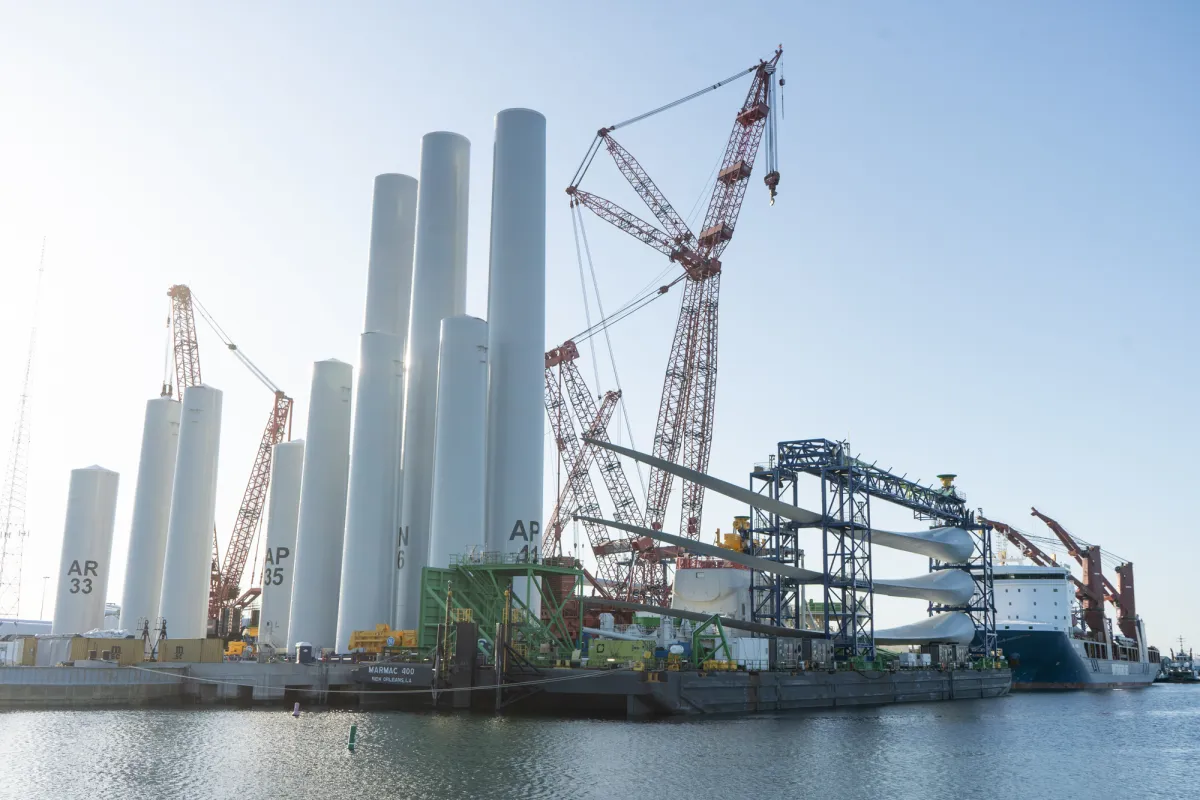
Turbine tower components stand tall at the New Bedford Marine Commerce Terminal in April 2025. Credit: Eleonora Bianchi / The New Bedford Light
Nantucket Current:Nantucket officials and attorneys will hold a press conference next Tuesday, July 29th, at 9:30 a.m. regarding “Vineyard Wind’s failure to meet its legal and public commitments to the community.”
“BSEE’s comprehensive and independent investigation is ongoing,” an agency spokesperson wrote in an email to the Current on Tuesday. “There is no timetable for the completion of the investigation, as BSEE focuses on ensuring that the investigation is thorough and complete.”
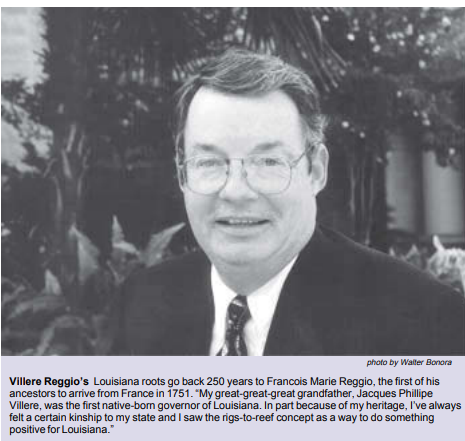
Not mentioned in the film are the extraordinary efforts of the Mineral Management Service’s Villere Reggio in establishing the Rigs to Reefs program. Villere (pictured below), has a most interesting family history as summarized in the caption. See p. 3 of this issue of MMS Today for the complete article.
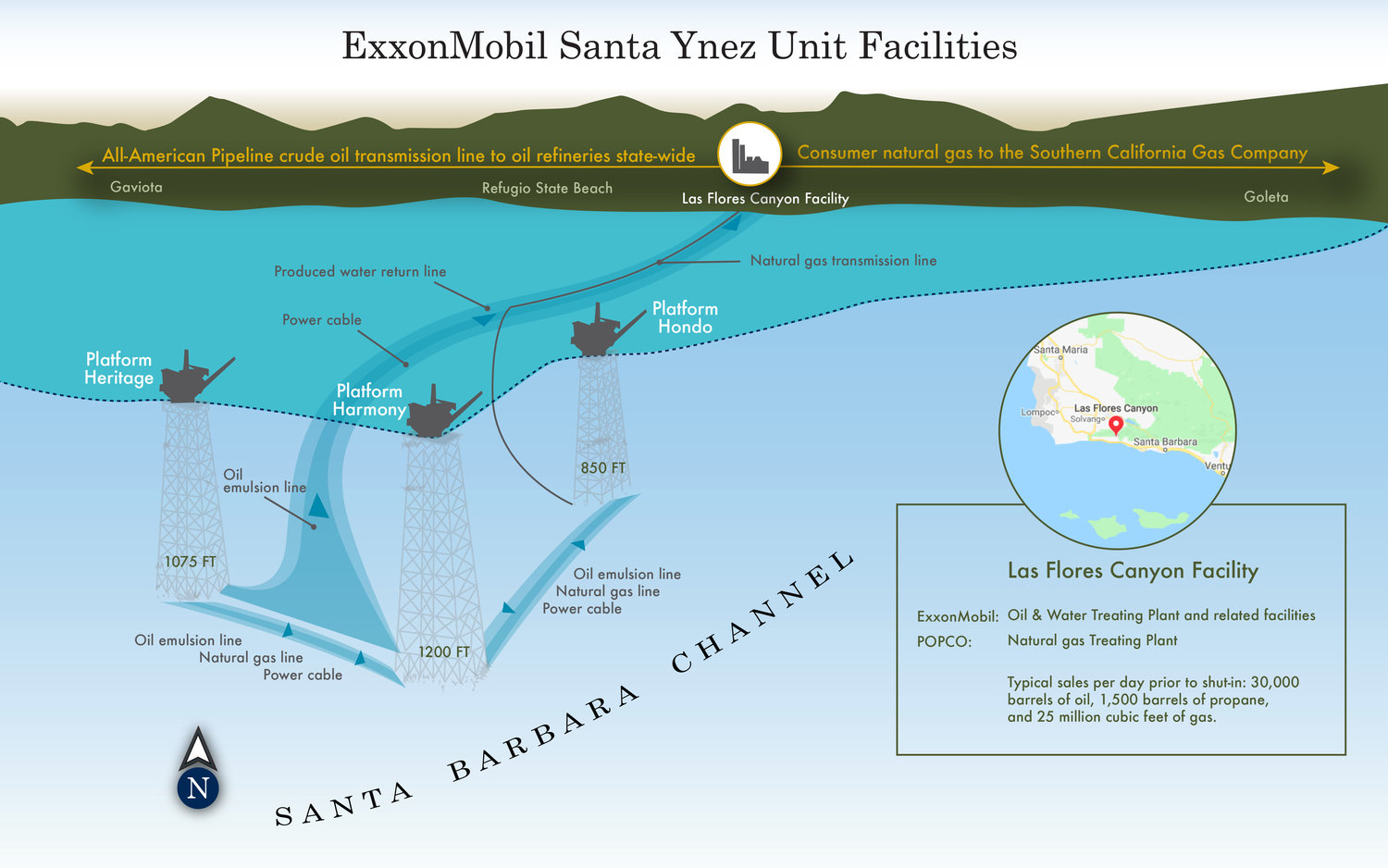
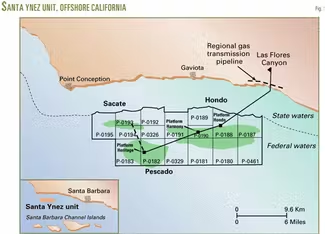
In the Independent, Nick Welsh aptly described the latest court decision in the long and winding road that Sable Offshore hopes will lead to Santa Ynez Unit production:
“When Judge Donna Geck got through ruling on the latest showdown between Sable Offshore Oil and Santa Barbara’s environmental establishment last Friday morning, it wasn’t clear if the no-nonsense judge cut the proverbial baby in half or kicked the can down the proverbial road.”
Bottom line: The judge will “continue to bar the Fire Marshal from taking any steps to process Sable’s restart application until 10 days after Sable had received all the necessary permits and approvals from the myriad of state, federal, and local agencies that enjoy some degree of regulatory oversight over the proposed project.” Does that mean any agency, even one with a minor or questionable role, can block the project?
As the author notes:
“As of this writing, it’s not entirely clear which of those agencies have yet to issue Sable the permits it needs to start the restart process and when they’re likely to do so, if at all. Even less clear is whether there’s any agreement among the dueling parties as to which agencies have standing to even weigh in.”
My comments in response to the Dept. of the Interior’s regulatory reform notice are attached. First and foremost, I believe these recommendations would reduce safety and environmental risks. Second, I am confident that they would also reduce governmental costs and the regulatory burden on industry.
The first attachment discusses regulatory fragmentation and recommends actions to reduce the complexity and redundancy of the offshore regulatory regime. The second attachment proposes a Drilling Safety Leaders Pilot Program as a means of evaluating a more adaptable framework regulatory framework for operators with outstanding performance records.
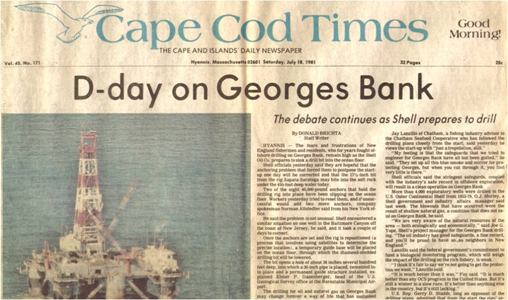
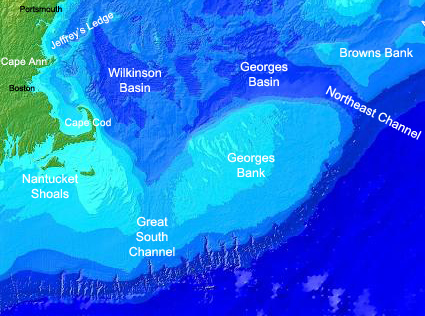
44 years ago today, drilling began on the first two exploratory wells on Georges Bank, the large seafloor feature that separates the Gulf of Maine from the Atlantic Ocean. The above Cape Cod Times headline attests to the drama that was unfolding 155 miles southeast of Nantucket.
After years of debate, oil embargoes, gas lines, and the threat of future supply disruptions tipped the political balance in favor of offshore leasing, and OCS Sale No. 42 (North Atlantic) was held one week before Christmas in 1979. Remarkably, only 19 months elapsed between the lease sale and the initiation of drilling.
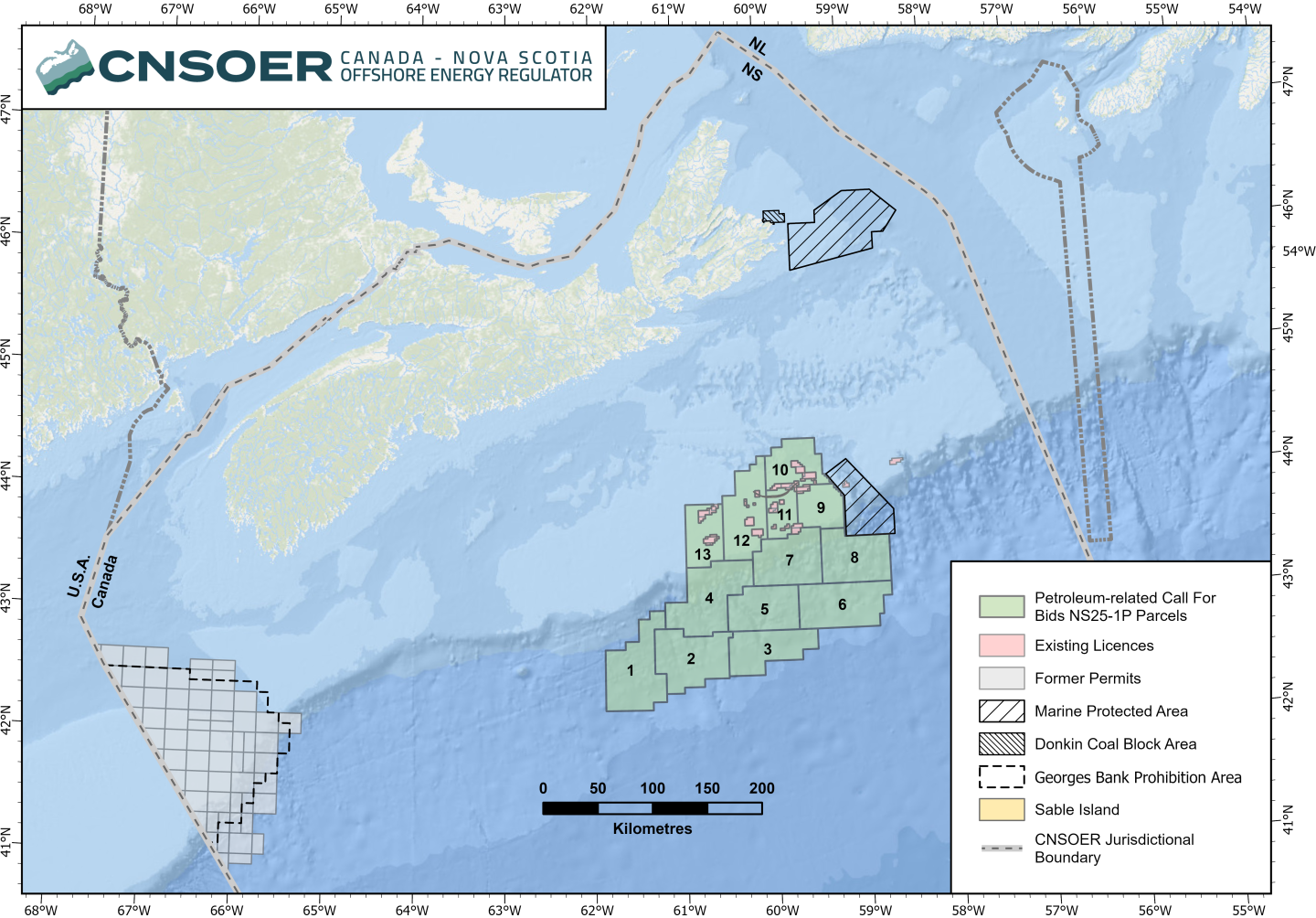
Scotian Shelf gas production ended in 2018, but Nova Scotia Energy Minister Trevor Boudreau (Acadian with many relatives in Louisiana?😉) says he is encouraged by preliminary expressions of industry interest in new licenses. The Provincial/Federal authority has issued a call for bids:
“The Canada-Nova Scotia Offshore Energy Regulator (CNSOER) has issued a petroleum-related Call for Bids NS25-1P, which includes 13 nominated parcels. Bids must be received by April 28, 2026, before 4:00 p.m. Atlantic Time. Successful bidder(s) may be awarded Exploration Licences (ELs), subject to the federal and provincial Ministerial review and approval process set out in legislation.”
“The petroleum-related Call for Bids NS25-1P nominated parcels are located on the central Scotian Shelf and Slope. Parcels 1 to 8 are located in deepwater on the Scotian Slope, in water depths from 200 to 4,300 metres. Parcels 9 to 13 are located on the Scotian Shelf, in water depths less than 200 metres, in the region where all historic gas, and to a lesser extent, oil production, has taken place. The shelf parcels are located near the Sable Island National Park Reserve and west of the Gully Marine Protected Area. No petroleum-related activity can take place within one nautical mile (or 1.85 kilometres) of the Sable Island National Park Reserve.“
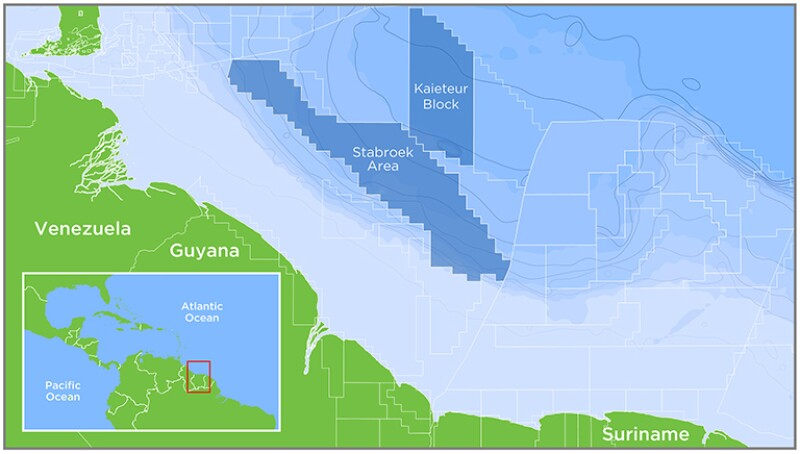
As posted in January, most analysts predicted that Chevron and Hess would prevail. Now that the arbitration panel has ruled, Chevron’s acquisition of Hess can be completed.
The position of Exxon and its partner, Chinese govt owned CNOOC, never made much sense given that Chevron was not buying the Stabroek share, they were buying the company that holds that share.
Not much attention has been paid to the importance of Chevron’s acquisition of Hess’s Gulf of America assets. The combined company will be the 3rd largest GoM oil producer (behind Shell and bp) and the second largest gas producer (behind only Shell). Hess acquired 20 GoA leases in Sale 261, ranking first in total high bids ($88 million) among all participants.
Drilling Safety Leaders Pilot Programto be proposed.
Comments on the Dept. of the Interior’s regulatory reform initiative are due by July 21.
DOI’s “Deregulation Suggestions” form implies that their review may be limited in scope. The form focuses solely on rescinding regulations. True regulatory reform requires a broader assessment of regulatory methods and strategies.
Offshore safety regulations address known or perceived operational risks. Deleting individual provisions without considering the effect on the regulatory objective could introduce new risks without reducing the burden on operators and regulators.
More meaningful regulatory reform, and the associated improvements in operator and regulator efficiency, can be achieved by addressing regulatory fragmentation and providing regulatory incentives for companies with outstanding safety and environmental performance records.
My comments to DOI will address fragmentation and the challenges associated with updating regulations and standards. A Drilling Safety Leaders Pilot Program will be proposed. This pilot program would offer a more flexible regulatory regime for operators with outstanding safety records.
The regulatory system can constrain leading operators and delay innovation. The top performers should be encouraged to stay ahead of the technology and management curves. Most of the requirements that were added after Macondo had been adopted by leading operators well before the blowout.
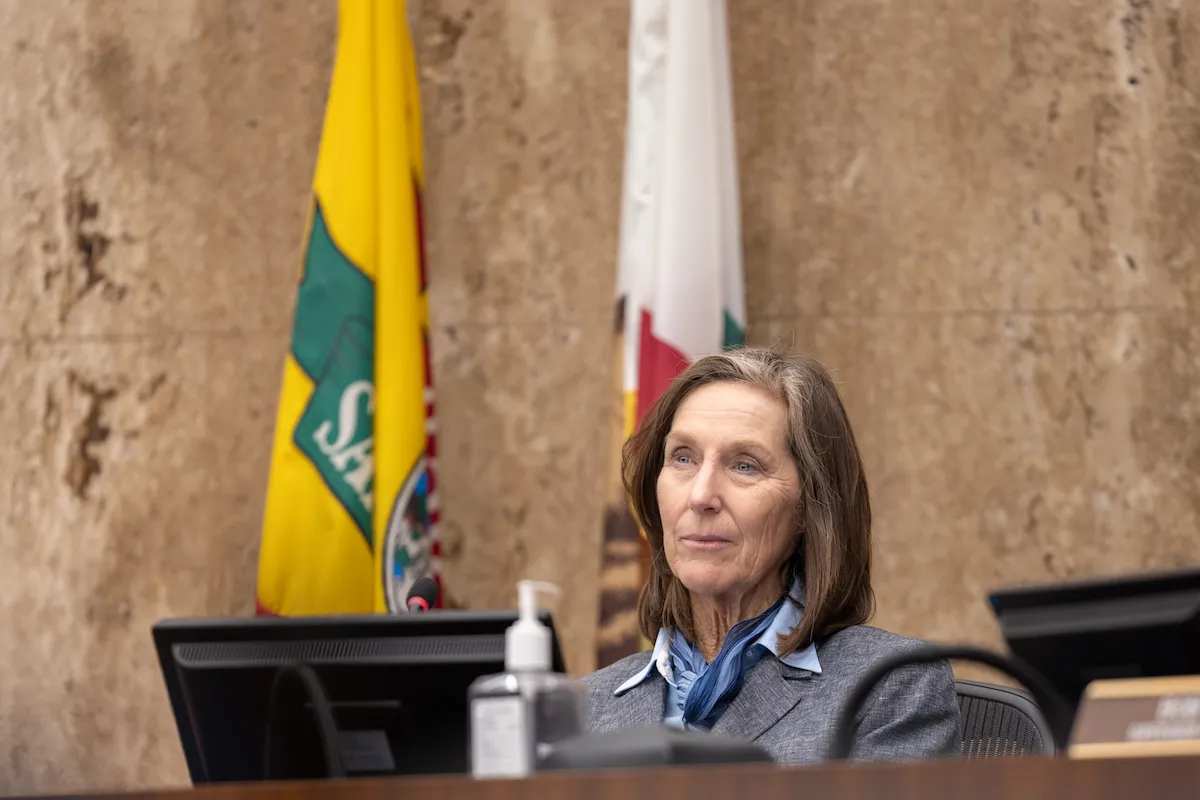
Per the Independent, the alleged conflict of interest that prevented County Supervisor Joan Hartmann from voting on Sable oil matters has been reevaluated. She is now legally permitted full voting rights.
With Hartmann recusing herself, the supervisors had been deadlocked in a perpetual 2-2 tie when voting on issues concerning Sable. Supervisor Hartmann’s participation is not good for Sable given her public comments in opposition to the Santa Ynez Unit restart.


 Bud's Offshore Energy (BOE)
Regulatory reform comments
July 23, 2025 by offshoreenergy
My comments in response to the Dept. of the Interior’s regulatory reform notice are attached. First and foremost, I believe these recommendations would reduce safety and environmental risks. Second, I am confident that they would also reduce governmental costs and the regulatory burden on industry.
The first attachment discusses regulatory fragmentation and recommends actions to reduce the complexity and redundancy of the offshore regulatory regime. The second attachment proposes a Drilling Safety Leaders Pilot Program as a means of evaluating a more adaptable framework regulatory framework for operators with outstanding performance records.
Posted in energy policy, Offshore Energy - General, Regulation | Tagged comments, Department of the Interior, drilling Safety leaders, pilot program, regulatory burden, regulatory fragmentation, regulatory reform | Leave a Comment »