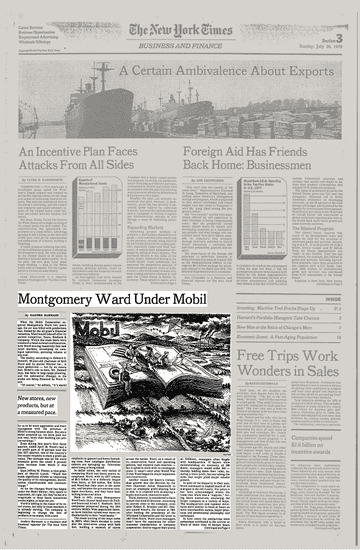
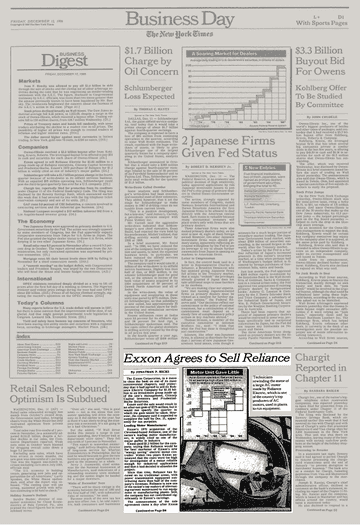
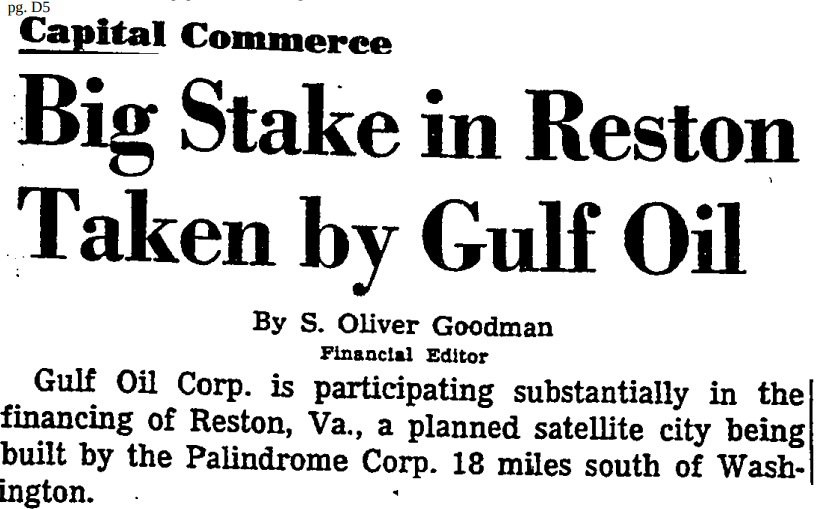
Farther in the past, there were noteworthy failures (below) like Mobil’s acquisition of Montgomery Ward, Exxon’s investment in Reliance Electric, and Gulf’s real estate ventures.
Mobil – Montgomery WardExxon – Reliance ElectricGulf Land – Reston
Finally, don’t expect the carbon sequestration boom that some are forecasting. As wind investors have discovered, industries dependent on mandates and subsidies are risky.
Not much unites climate activists and skeptics, but they are largely aligned in their opposition to carbon sequestration (euphemism for disposal), as are fiscal conservatives. The word chutzpah comes to mind when companies seek public funds to dispose of emissions associated with the combustion of their products.
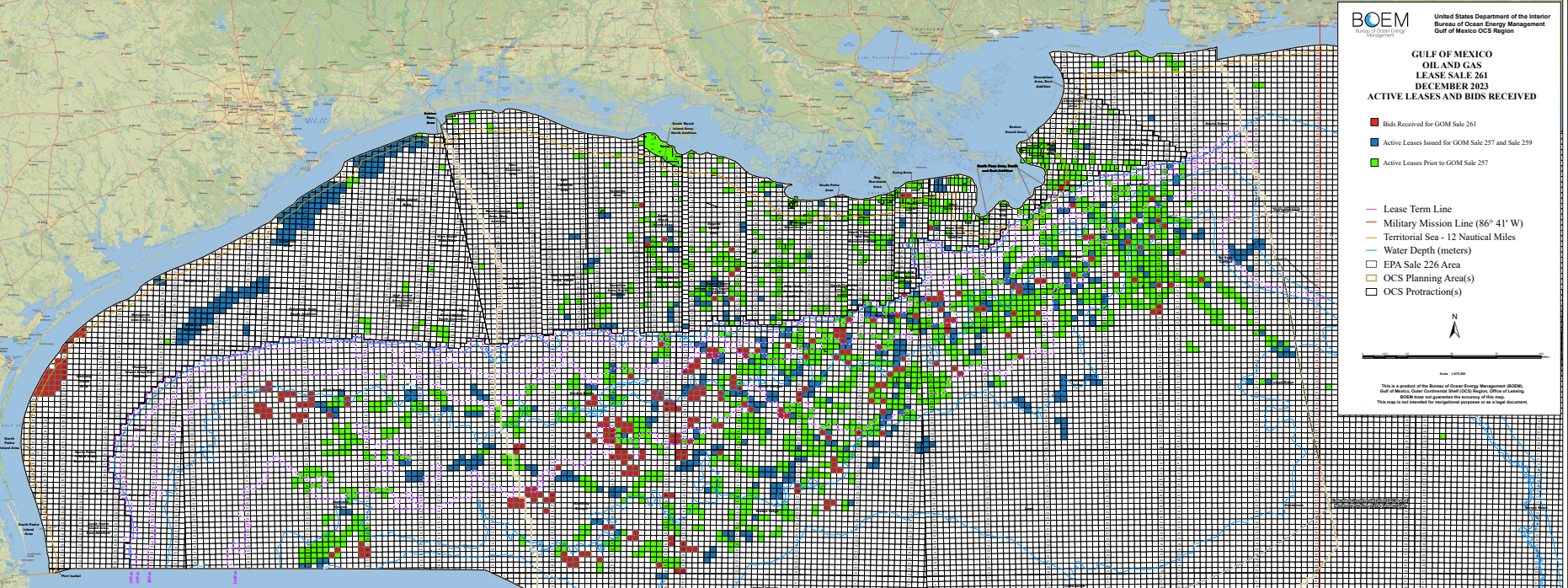
199 oil and gas leases were wrongfully acquired at Sales 257, 259, and 261 with the intent of developing these leases for carbon disposal purposes. Repsol was the sole bidder at Sale 261 for 36 nearshore Texas tracts in the Mustang Island and Matagorda Island areas (red blocks at the western end of the map above). Exxon acquired 163 nearshore Texas tracts (blue in map above) at Sales 257 (94) and 259 (69).
Die Dunkelflaute or dark lulls have drawn attention to the need for dispatchable power (typically from gas turbines or coal-fired power plants) when the weather isn’t cooperating.
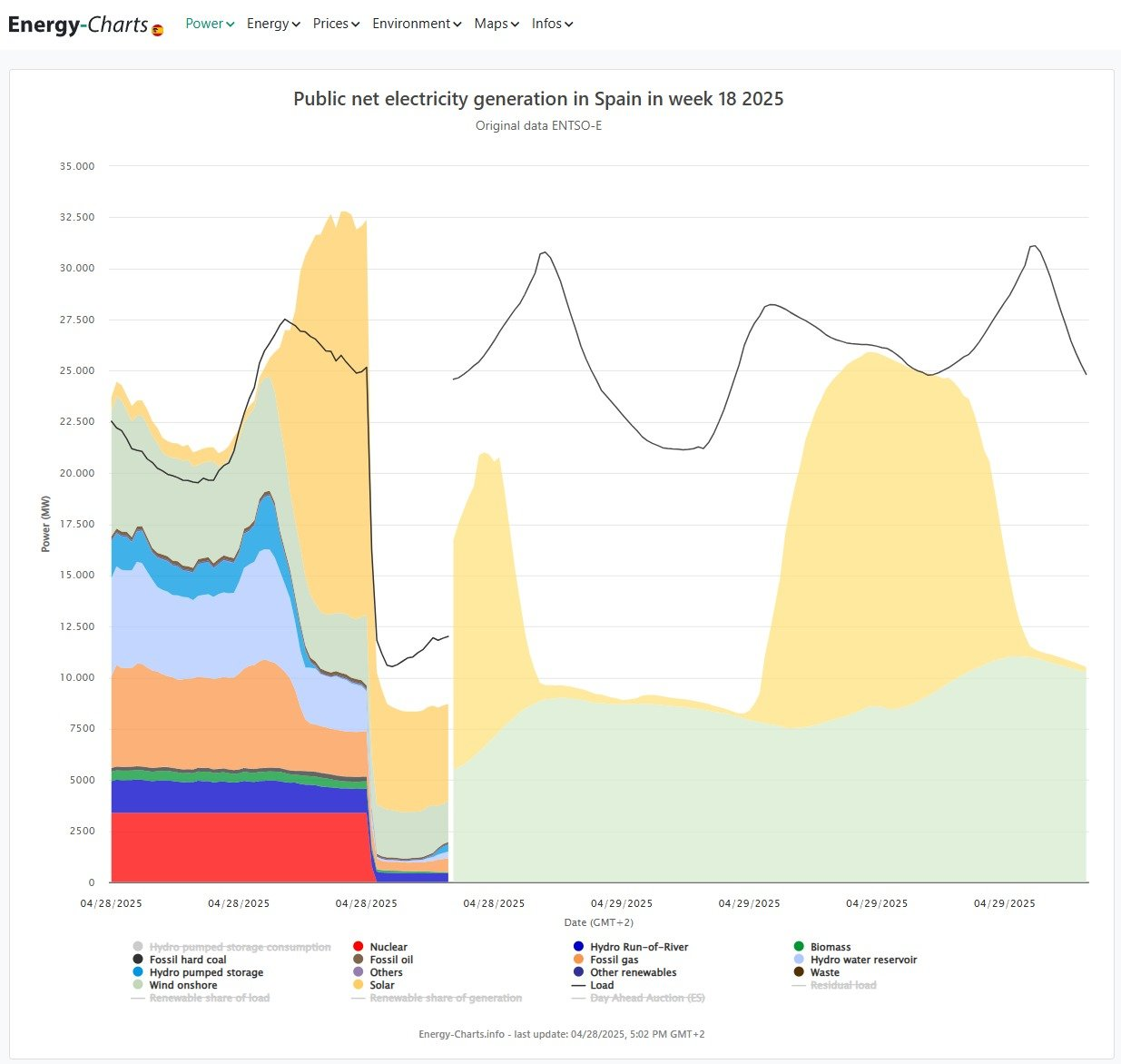
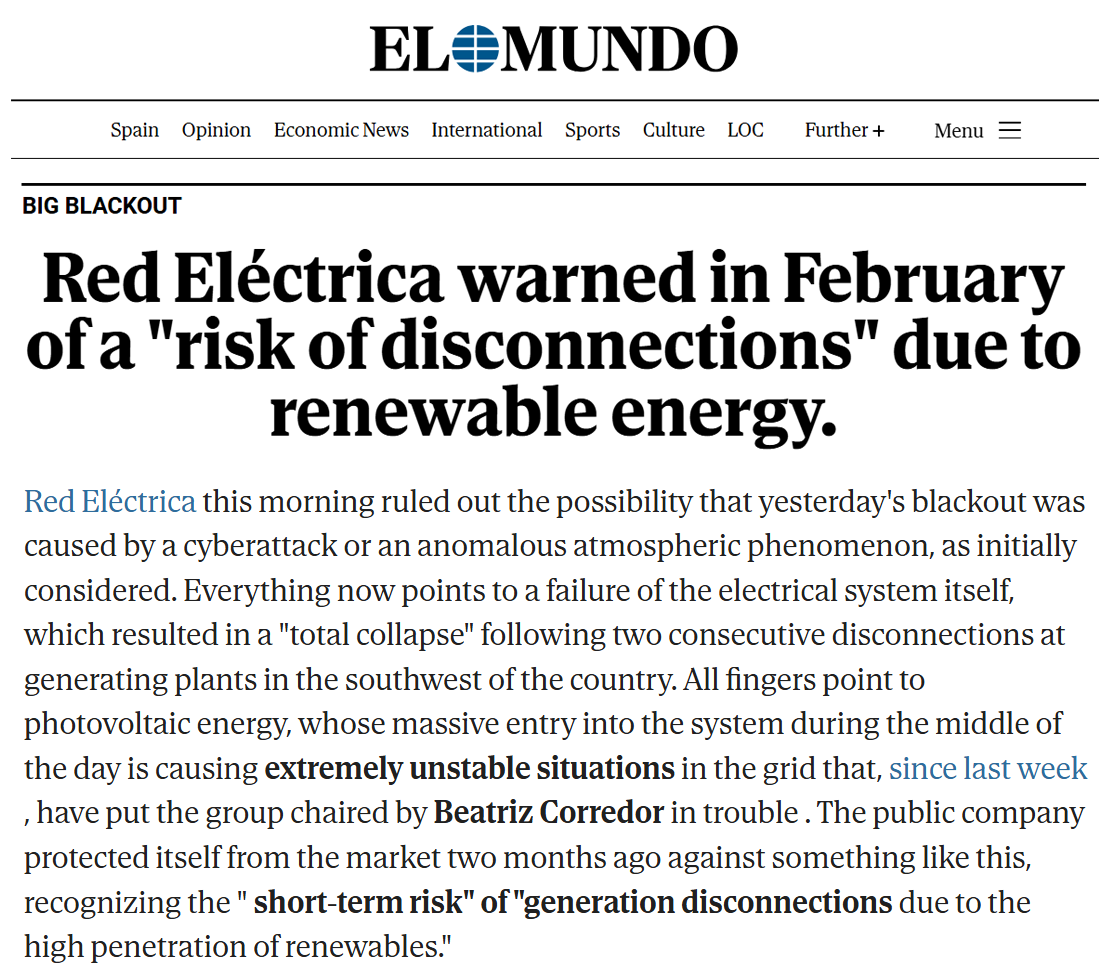
The massive power outage in Spain and Portugal on Monday may be the result of the opposite challenge – a surge in solar power supply greatly exceeding demand (dark line in chart below).
Note that no extreme weather events were reported in Spain on April 28, 2025. The Portuguese grid operator mentioned “extreme temperature variations” in Spain’s interior, possibly causing grid oscillations, but no storms or heatwaves were noted. Weather was typical for April, with mild temperatures (8-19°C) and some rain.
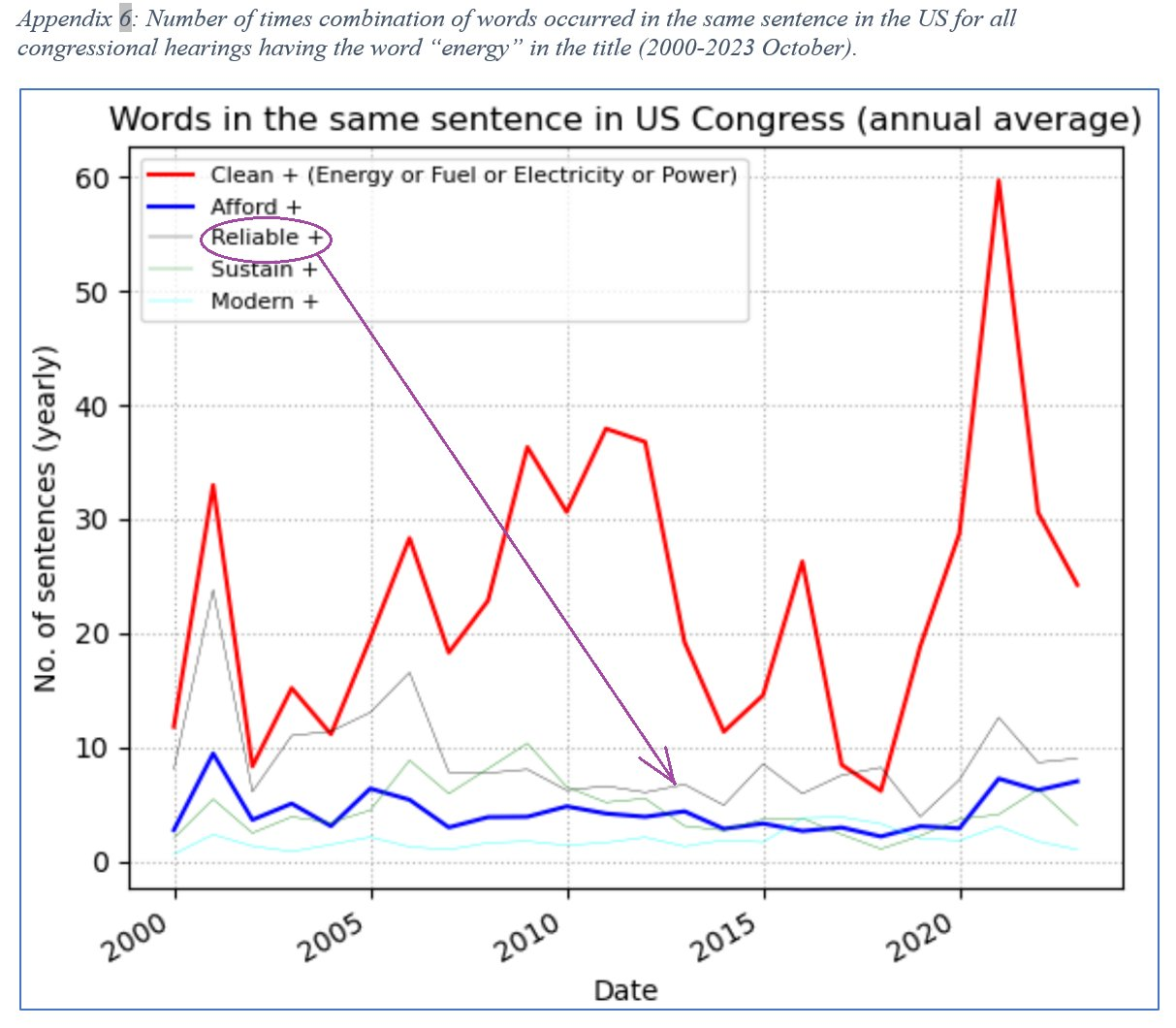
Meanwhile, the political focus in the US (chart below), and perhaps more so in Europe, had been on “clean” rather than reliable power.
Bottom line: Over-reliance on highly variable wind and solar power challenges grid management, putting supply reliability at risk.
Scotland Against Spin (SAS) continues to provide an important public service by compiling wind turbine incident data from press reports and official releases. Their updated table includes 327 pages of incidents.
Oregon Live found out about the state of industry and government data on wind turbine incidents while investigating a turbine blade failure in Biglow Canyon, Oregon:
“Accident and safety data is hard to come by for the wind industry.”
“There is no national database of incidents. Owners don’t publicize them. Vendors are reluctant to discuss it. And reporting rules vary by state, or even by county.”
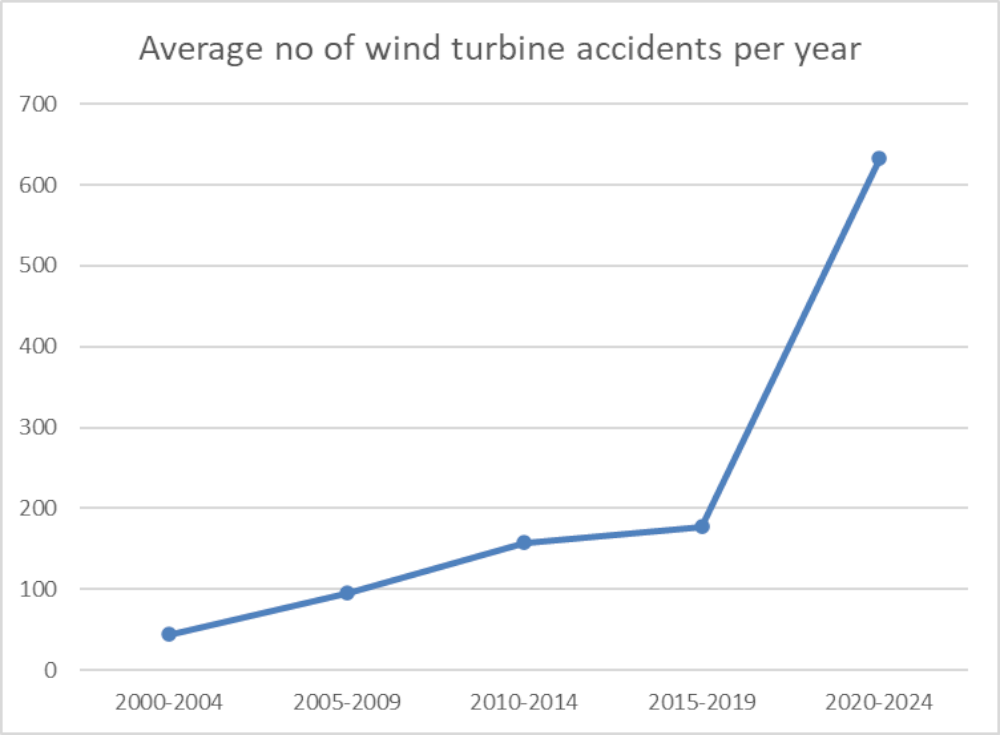
Thankfully, SAS diligently gathers publicly available reports and updates their tables in a timely manner. Their data indicate that the number of wind turbine incidents has risen sharply in recent years (see chart below). So, of course, has the number of turbines.
The World Wind Energy Assoc. reports an increase of ~60% in wind turbine capacity between 2019 and 2023. This capacity increase would only partially account for the recent tripling in annual incidents reported by SAS, and SAS believes their list is merely the “tip of the iceberg.”
A high priority for wind industry regulators in the US and internationally should be establishing a consistent wind energy incident reporting regime and making the data available to the public in a timely and organized manner.
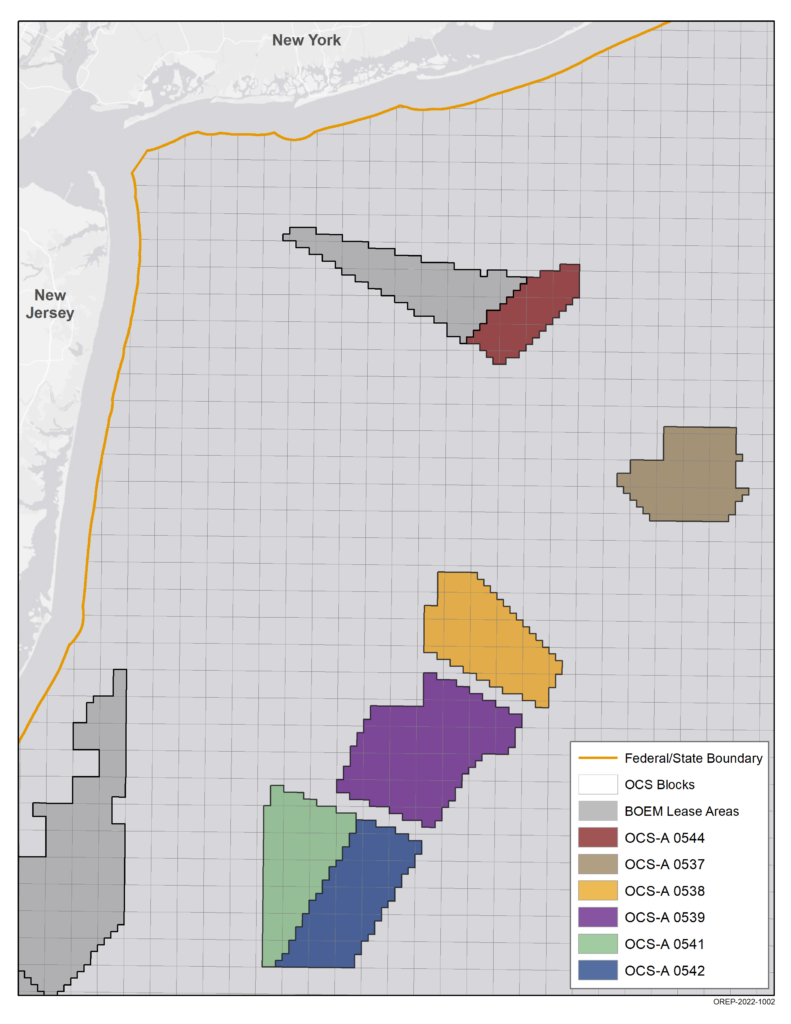
Bidding at the February 2022 Atlantic (NY/NJ) wind saleseemed incomprehensible given the economic and political uncertainties associated with offshore wind development.The 6 leases garnered bids ranging from $285 million to an astounding $1.1 billion, with total high bids of $4.37 billion! The Administration’s victory message correctly boasted that this was the “nation’s highest grossing competitive energy lease sale in history.”
The intense bidding was driven by the lure of subsidies, guaranteed power sales, unprecedented Federal and State promotion, peak climate activism, inattention to mounting public opposition, and irrational expectations regarding the role of offshore wind in powering the regional economy.
The table below summarizes the sale results and the current status for the 6 leasesissued following the 2/2022 sale. One lease has been essentially terminated by the partners and the State. The other leases are in holding patterns in the planning phases.
high bidder
lease #
acres
bid ($millions)
status
Bluepoint Wind (EDP, ENGIE, Global Infrastructure Partners)
The first US commercial offshore project, Vineyard Wind, has proven to be a major step backward for the wind industry. After being granted questionable financial and quality assurance waivers to reduce costs and “allow Vineyard Wind to adhere to its construction schedule,” the July 2024 turbine blade failure and subsequent lightning strike have raised new questions about the technology, industry, and regulatory regime. The report on the blade failure, which should arguably be a precursor to the resumption of Atlantic wind development, has yet to be released.
The one shining light, relatively speaking, for Atlantic wind development, has been Coastal Virginia Offshore Wind. That large project is on track to be completed at the end of 2026. Although the cost has risen about nine per cent, to $10.7 billion, that increase is understandable given the higher than anticipated costs for upgrading the onshore network.
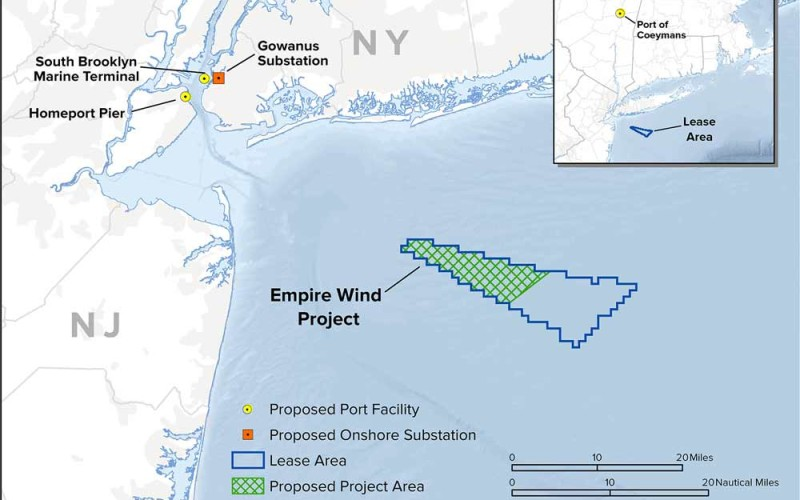
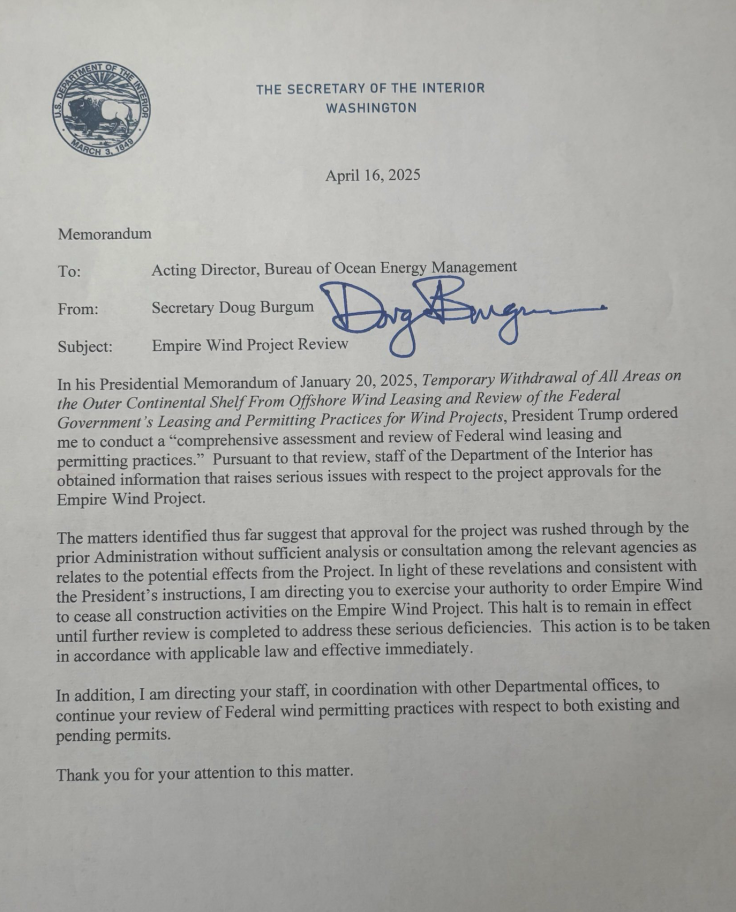
The Bureau of Ocean Energy Management (BOEM) is issuing this Director’s Order to Empire Offshore Wind LLC to halt all ongoing activities related to the Empire Wind Project on the outer continental shelf to allow time for it to address feedback it has received, including from the National Oceanic and Atmospheric Administration (NOAA), about the environmental analyses for that project. BOEM received this and other feedback regarding Empire Wind as an outgrowth of the review that the Department is engaged in related to offshore wind projects. See the President’s Memorandum of January 20, 2025. 90 Fed. Reg. 8363 (January 29, 2025).
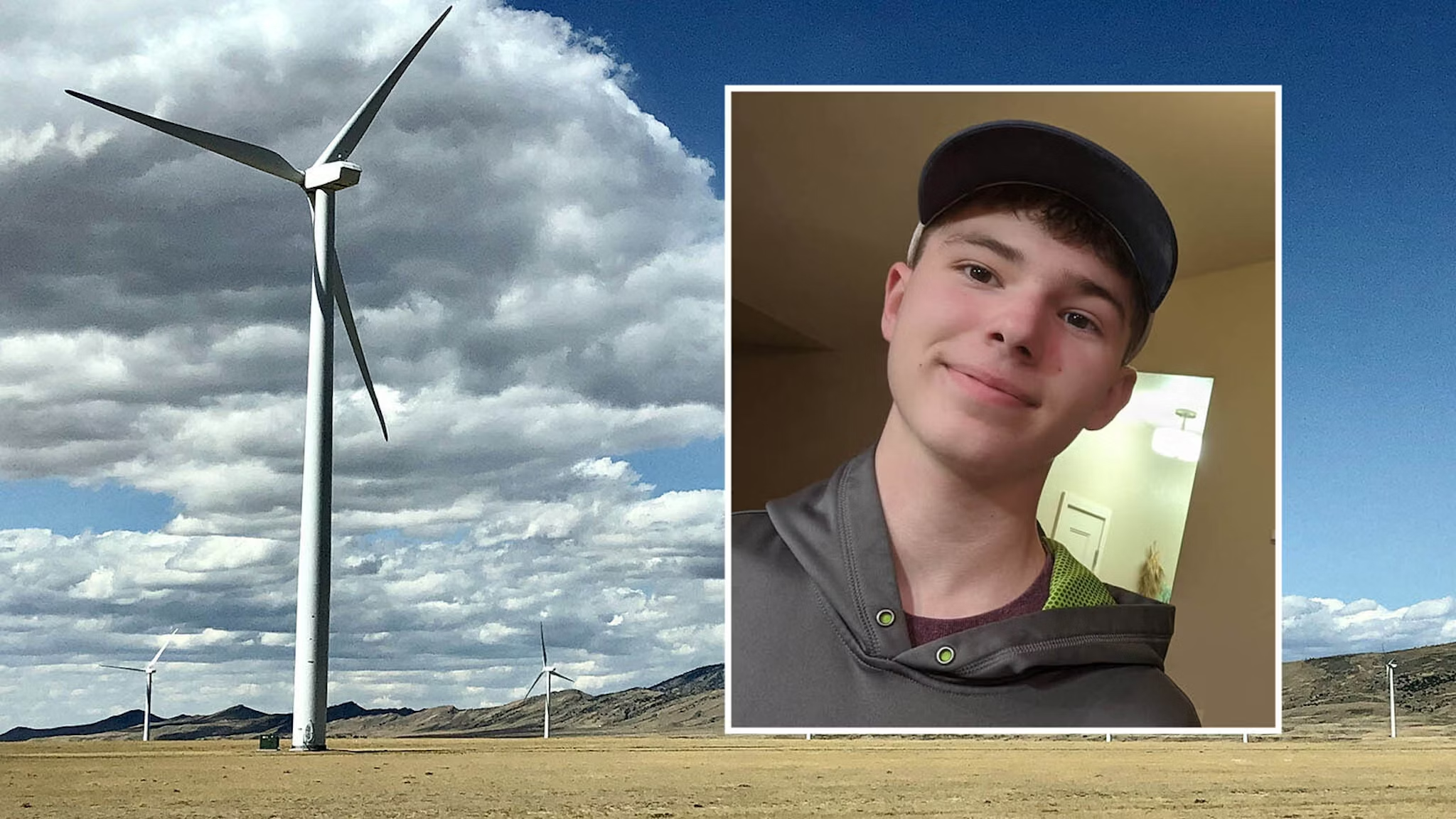
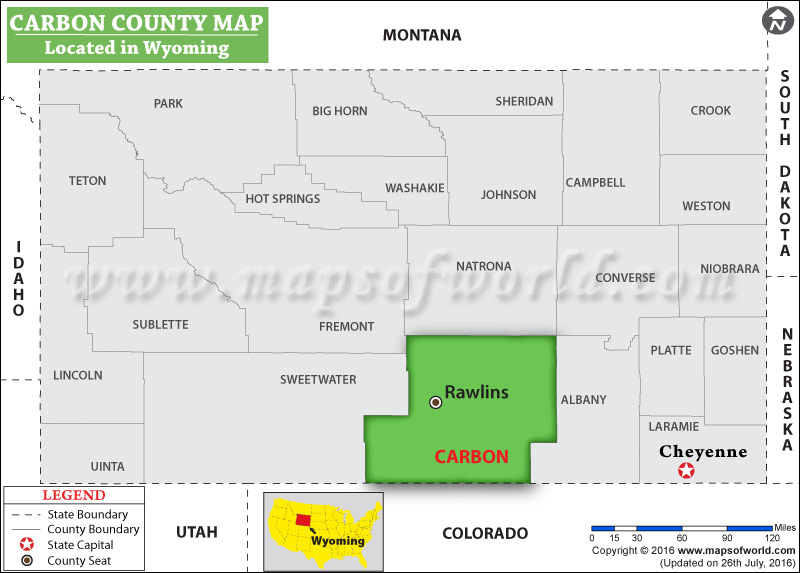
“Liam Cobb died Wednesday while working on a wind turbine near Medicine Bow in Carbon County. Anna Cobb said her nephew fell while working his job as a wind turbine technician.”
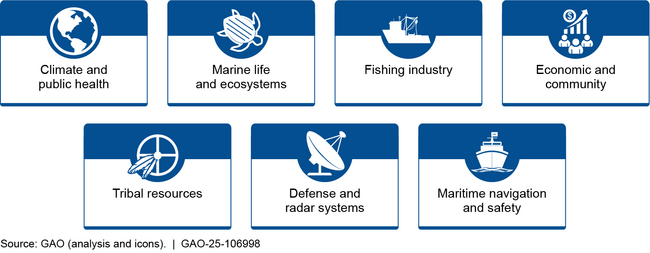
The Government Accountability Office report on Offshore Wind Energy (full report attached) does a good job of summarizing the potential impacts from offshore wind development. They are categorized in the report as follows:
Marine Life and Ecosystems (see table pasted below)
Fishing Industry and Fisheries Management
Economic Development and Community Impacts
Tribal Resources, Including Sacred Sites and Established Fishing Grounds
Defense and Radar Systems
Maritime Navigation and Safety
Unfortunately, GAO’s recommendations, which focus on consultation and staffing (perennial favorites), are rather meaningless. Does GAO really think more consultation will resolve the fundamental concerns of the tribes and fishing industry? Does GAO really think increasing BOEM/BSEE staff is a solution? Wind was the signature offshore energy program of the previous Administration, and it was well resourced.
When the legislation authorizing offshore wind energy development was drafted, we envisioned energy alternatives that could complement thermal energy sources like gas, coal, and nuclear plants. Natural gas plants are particularly important to intermittent energy sources, because their power can be readily dispatched on demand.
Never did we expect attempts to ban the dispatchable energy sources on which renewable energy goals were dependent. Policies that limit gas production, transportation, and consumption don’t boost offshore wind development, they doom it.
In a rush to achieve the Administration’s energy goals, the wind leasing program brushed aside important economic, safety, national security, and environmental issues. Coastal residents, tribes, fishing interests, power customers, and other affected parties have rebelled. Their concerns won’t be smoothed over by increasing consultation.
So now the wind program is in a dark and windless place (a regulatory dunkelflaute?). Five projects are under construction or in the early stages of operation. Construction has been authorized for 6 other projects. Five more projects are in various stages of permitting. What next?
Meanwhile, we still haven’t seen a report on the ugly and embarrassing Vineyard Wind blade failure offshore Nantucket last July. Shouldn’t that report be a precursor to further offshore wind development in the US Atlantic? Also of note, that same turbine was struck by lightning 2 months ago.
Should directed suspension orders be issued pending a complete review of the wind program? If so, for which leases and for how long? Suspension of projects still in the permitting phase would be relatively painless and maybe even attractive given the current state of the wind industry. However, financial impacts for projects in the construction phase would be significant. These important next-step decisions need to be made soon. Muddling along is not a strategy.
Construction and survey activities produce underwater noise that can disturb sensitive marine species. Offshore wind projects take measures to mitigate underwater noise, including the use of bubble curtains to dampen pile driving sound and pausing operations if protected species are sighted.
Changes to marine habitat
Installation of infrastructure, such as turbine foundations and transmission cables, introduces new structures and causes changes to the ocean floor that can alter marine habitat and affect the distribution, abundance, and composition of marine life in the area. These new structures can create artificial habitat that may benefit some species while displacing others and could affect bottom-dwelling species through disturbing the seabed. Artificial habitat effects of wind turbines are well documented, but research is ongoing to monitor and understand impacts on marine life.
Hydrodynamic effects
Operation of wind turbines can affect hydrodynamics and ocean processes such as currents and wind wakes, but little is known about regional effects of widescale deployment on ecosystems.
Vessel disturbance
Vessels can disturb some species and pose strike risks to large marine animals, but the increase in offshore wind vessels is projected to be small compared to the total volume of vessel traffic. Offshore wind vessels are required to take measures such as following speed restrictions and employing protected species observers.
Entanglement risk
Structures, such as mooring cables from floating wind turbines, could snag fishing gear and other marine debris and create entanglement risk to marine animals. Wind projects employ measures to minimize entanglement (e.g., mooring systems designed to detect entanglement), but there is uncertainty about the extent of the risk from floating turbines because of limited deployment.a
Collision risk to birds and bats
Turbine blades pose a collision risk to some sea birds, but little is known about offshore collision risk to bats. Research on collision risks and mitigation measures (e.g., lighting and curtailment) is ongoing.
 Bud's Offshore Energy (BOE)