Feeds:
Posts
Comments

Archive for the ‘Offshore Wind’ Category

The attached brief was filed in the Supreme Court today by the Aquinnah Wampanoag Tribe of Gay Head in support of the Nantucket group ACK for Whales petition that was previously posted.

Read Full Post »

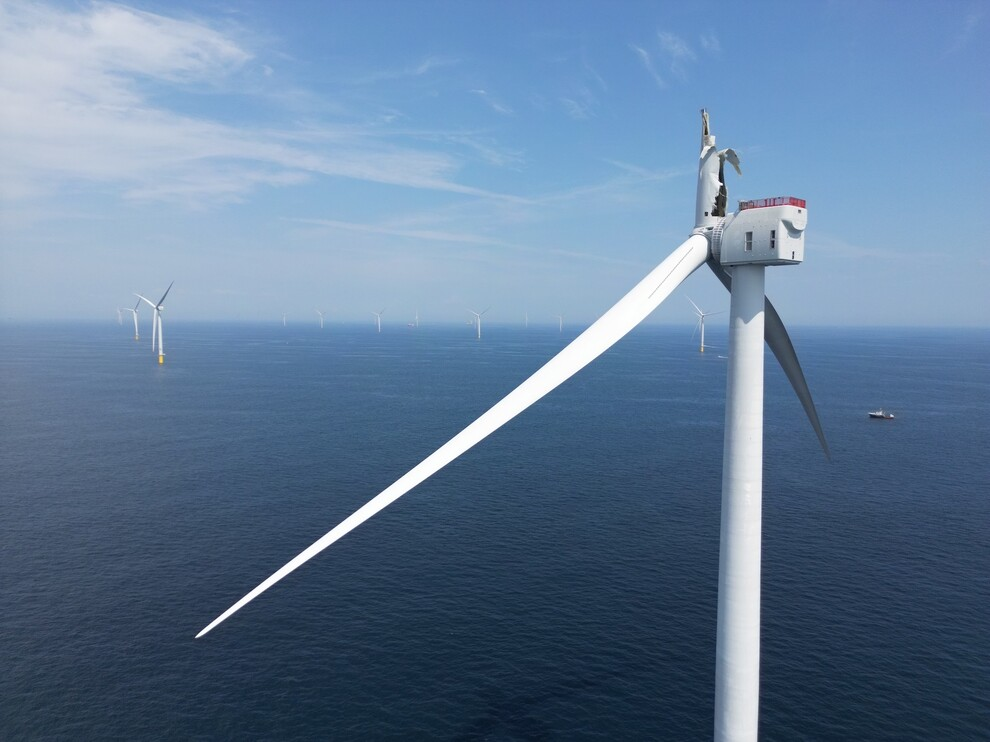
Damaged Vineyard Wind turbine; Kit Noble photo
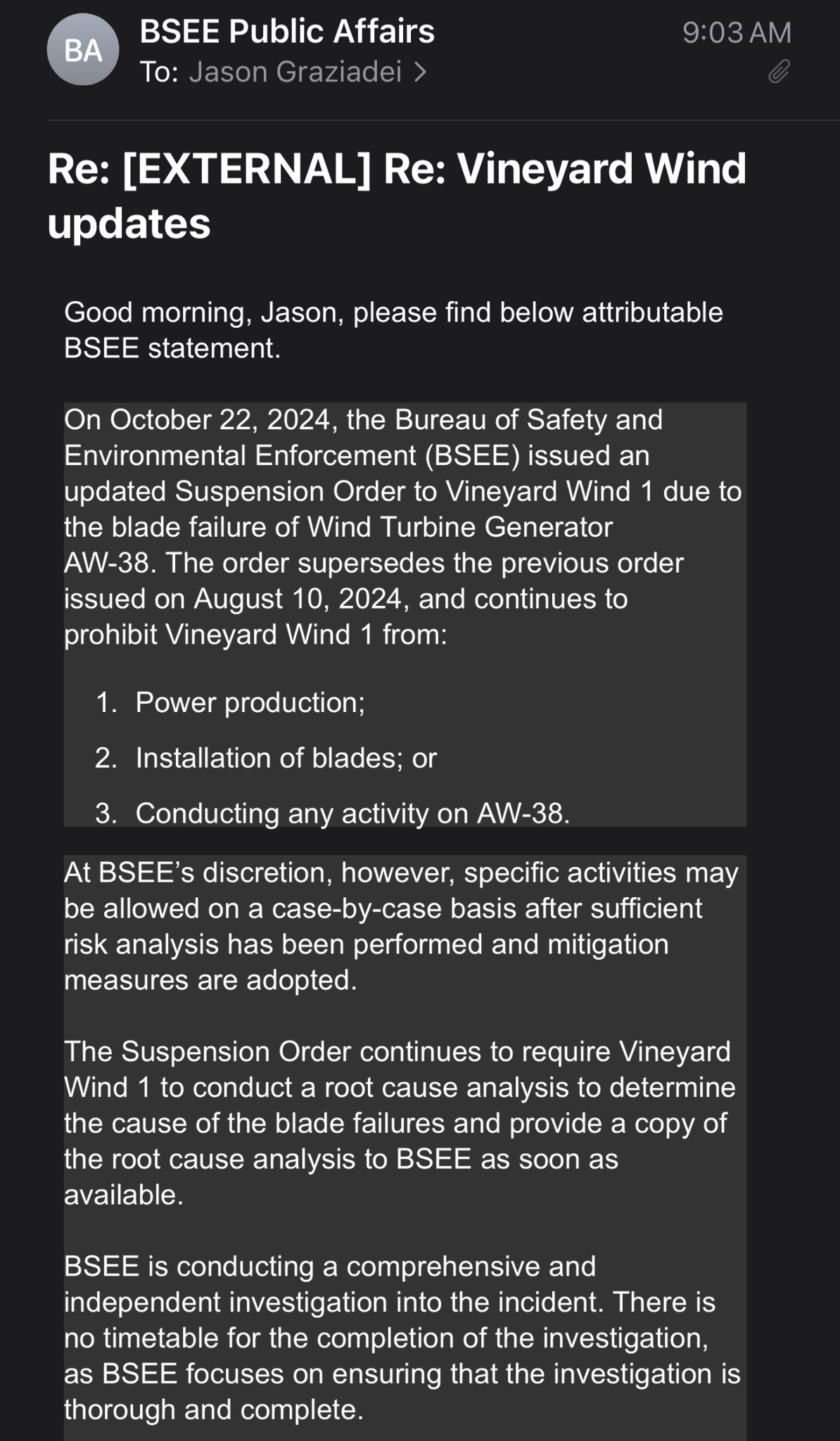
BSEE statement to the Nantucket Current

Comparing the above BSEE statement with recent GE Venova (GE) statements:

  • GE: We were “granted approval to return to installing new blades on turbines at the project once stringent safety and operational conditions are met.” (Positive spin of the BSEE statement implying that approval is assured.)
  • GE: “We have finalized root cause analysis and confirm the blade at issue at Vineyard Wind was caused by a manufacturing deviation from our factory in Canada.” (Then why doesn’t BSEE have the analysis? Is the Canadian plant being scapegoated?)

Finally, as expected, we can now conclude that the blades being shipped from New Bedford to France were defective.

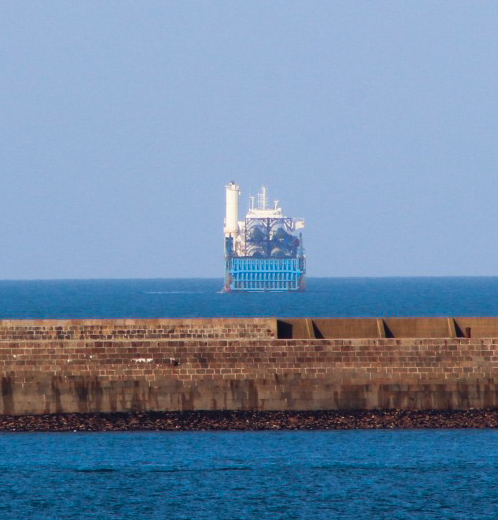
Rolldock Sun arriving in Cherbourg with defective blades

Read Full Post »

Breaking report from the Nantucket Current:

Read Full Post »

Hywind Scotland, Equinor

Equinor reports that all 5 Hywind turbines have been returned to service after being towed to Norway as part of a 4-month maintenance campaign.

Even though the turbines had only been in operation since 2017, Equinor puts a positive spin on the 4-month maintenance outage, declaring total victory:

“The successful completion of the maintenance campaign on Hywind Scotland is a testament to the collaborative efforts of our teams and partners. As the world’s first floating offshore wind farm, Hywind Scotland has demonstrated the immense potential of floating wind. Through this maintenance campaign, we’ve gained valuable insights that will help us refine maintenance practices and optimise this technology for the future. By sharing our learnings, we aim to contribute to the growth and development of the floating wind industry.”

Some of the folks in Scotland have a different take as evidenced in this video:

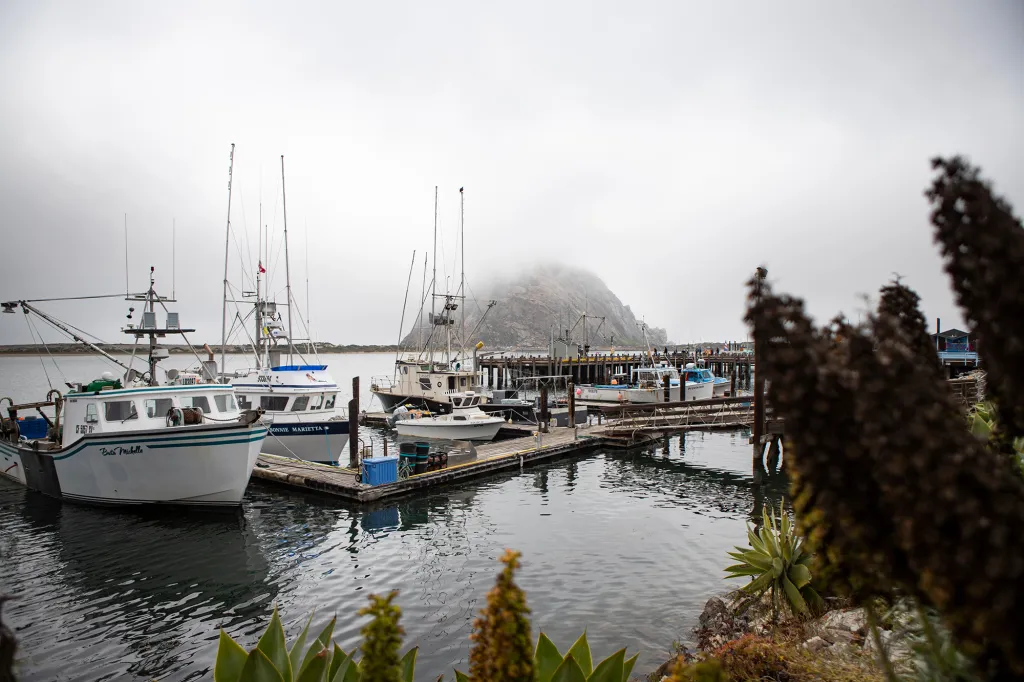
Meanwhile, the turbines planned for offshore Central California will also have to be towed to shore for major maintenance. Nearby harbor areas like Morro Bay (pictured below) would be overwhelmed by the large structures and the maintenance and repair operations. Central Coast residents are not enamored with “another attempt to industrialize the coast.” Towing the towers to LA/Long Beach, albeit rather distant from the leases, would seem to be the preferred option for such work.

Looking forward, the first power generation from floating wind turbines on the Central Coast is forecast for 2034. Betters may want to take the over!

Read Full Post »

The attached letter was obtained by the Nantucket Current through a FOIA request. Key points:

  • Vineyard Wind power generation and blade installation suspension order remains in effect.
  • Vineyard Wind directed to conduct a site-specific study that evaluates the environmental harm and other potential damage from the blade failure, and to identify potential mitigation measures.
  • Vineyard Wind was required to submit a plan for the study by Oct. 11. It’s not clear whether the plan was submitted.
  • The study must include a mass balance of unrecovered debris material based on the weight of debris recovered and the weight of the subsea debris retrieved.

Comments:

  • The study requirement is appropriate given the significance of the blade incident and the implications for offshore wind development.
  • Why was a FOIA request needed to learn about the study requirement?
  • What about the 6 turbine blades being returned to France? Were they defective?

Read Full Post »

The author of the New Bedford Light article about turbine blades being transported from New Bedford to Cherbourg posted (below) that there are six blades on the vessel.

It looks like she may get some help from French journalists who have picked up on this story. The Rolldock Sun is scheduled to arrive in Cherbourg on Oct. 16.

GE Vernova or Vineyard Wind could simplify things by explaining the shipment.

Read Full Post »

The New England Fishermen’s Stewardship Association (NEFSA) is sending the attached letter to Maine Gov. Janet Mills along with a petition with over 2,500 signatures urging her to halt the development of offshore wind farms in the Gulf of Maine.

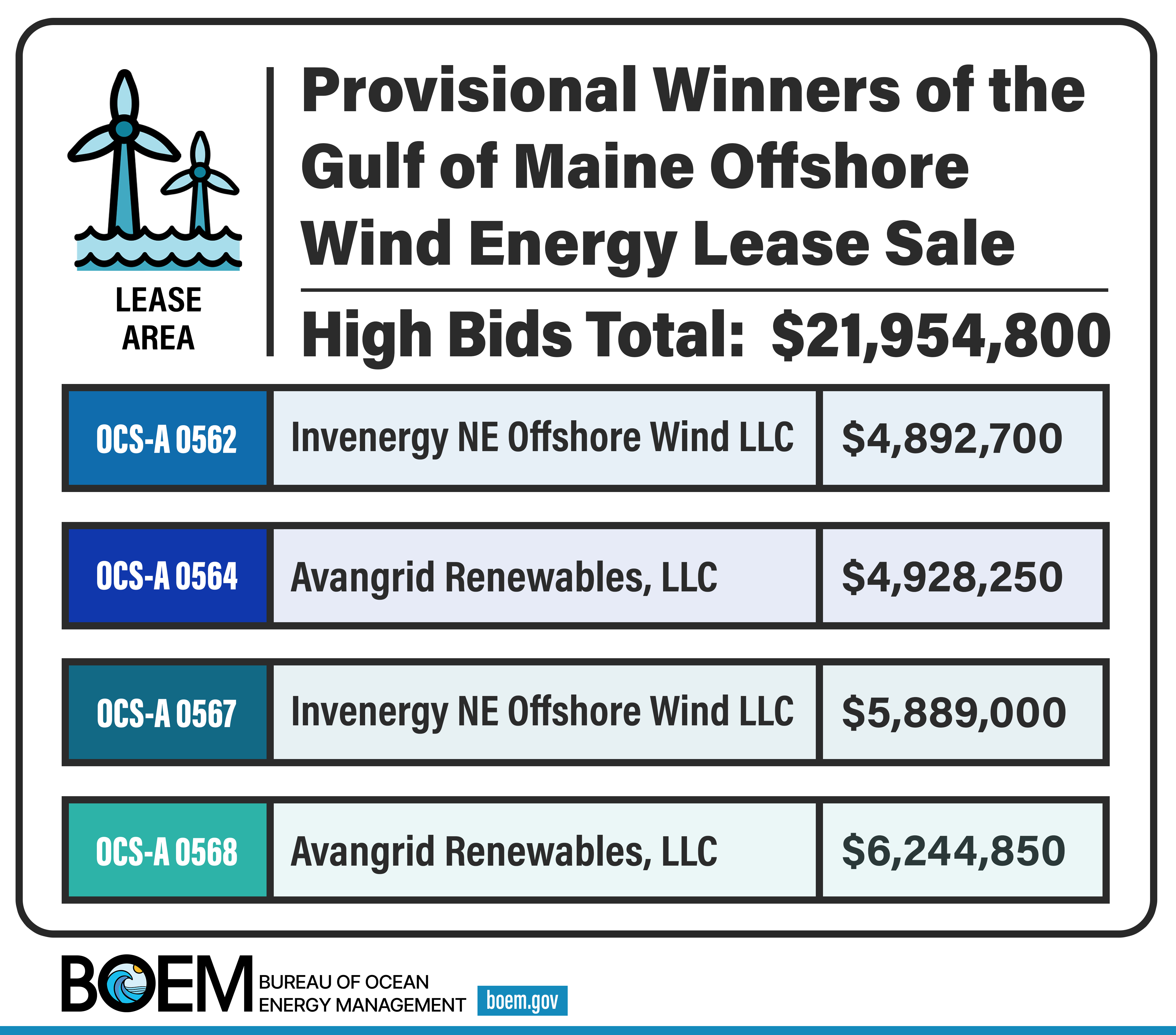
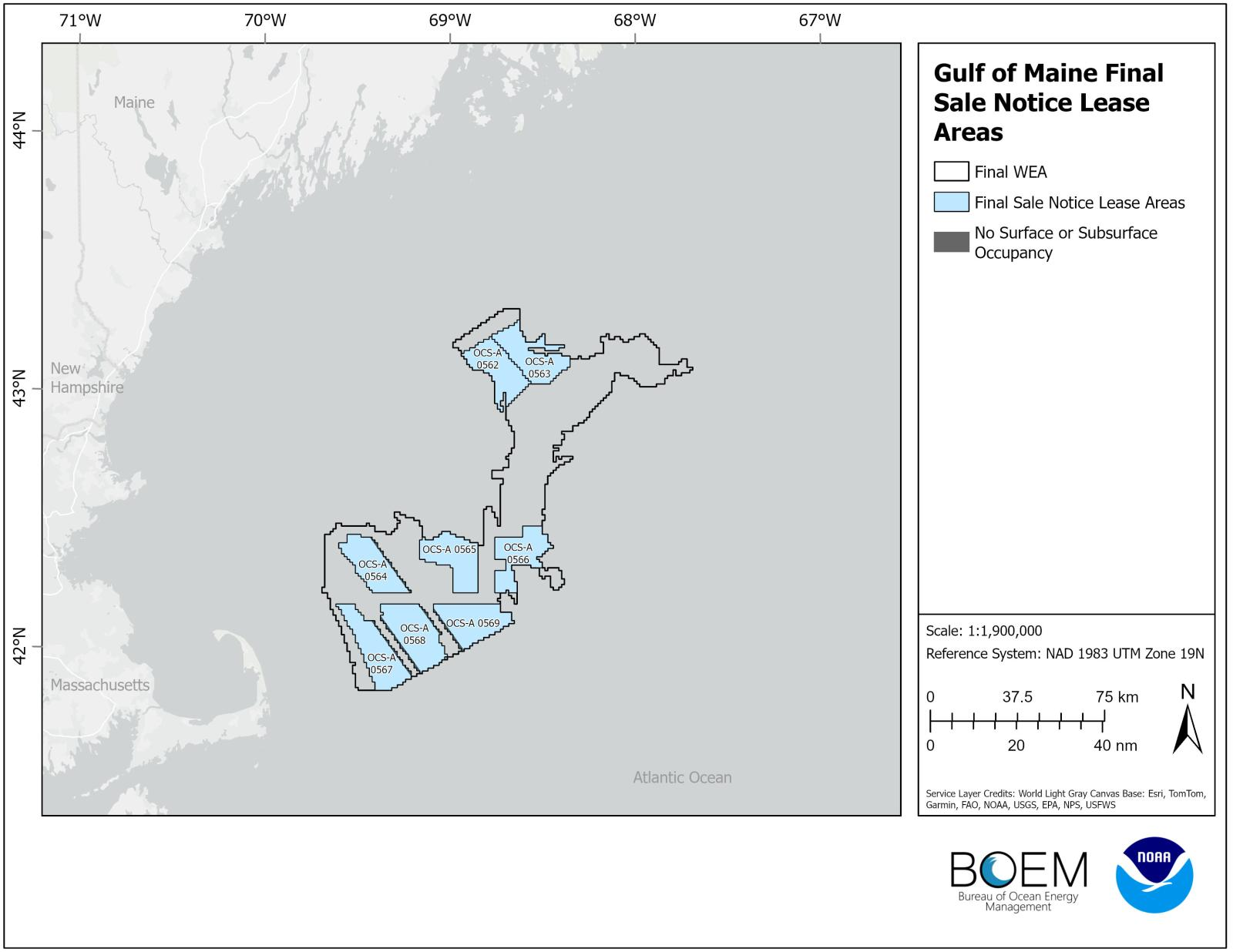
A Gulf of Maine wind lease sale is scheduled for Oct. 29.

The NEFSA cites the 9/27 letter from Oregon Governor Kotek that resulted in cancellation of the Oregon wind sale that had been scheduled for Oct. 15.

Read Full Post »

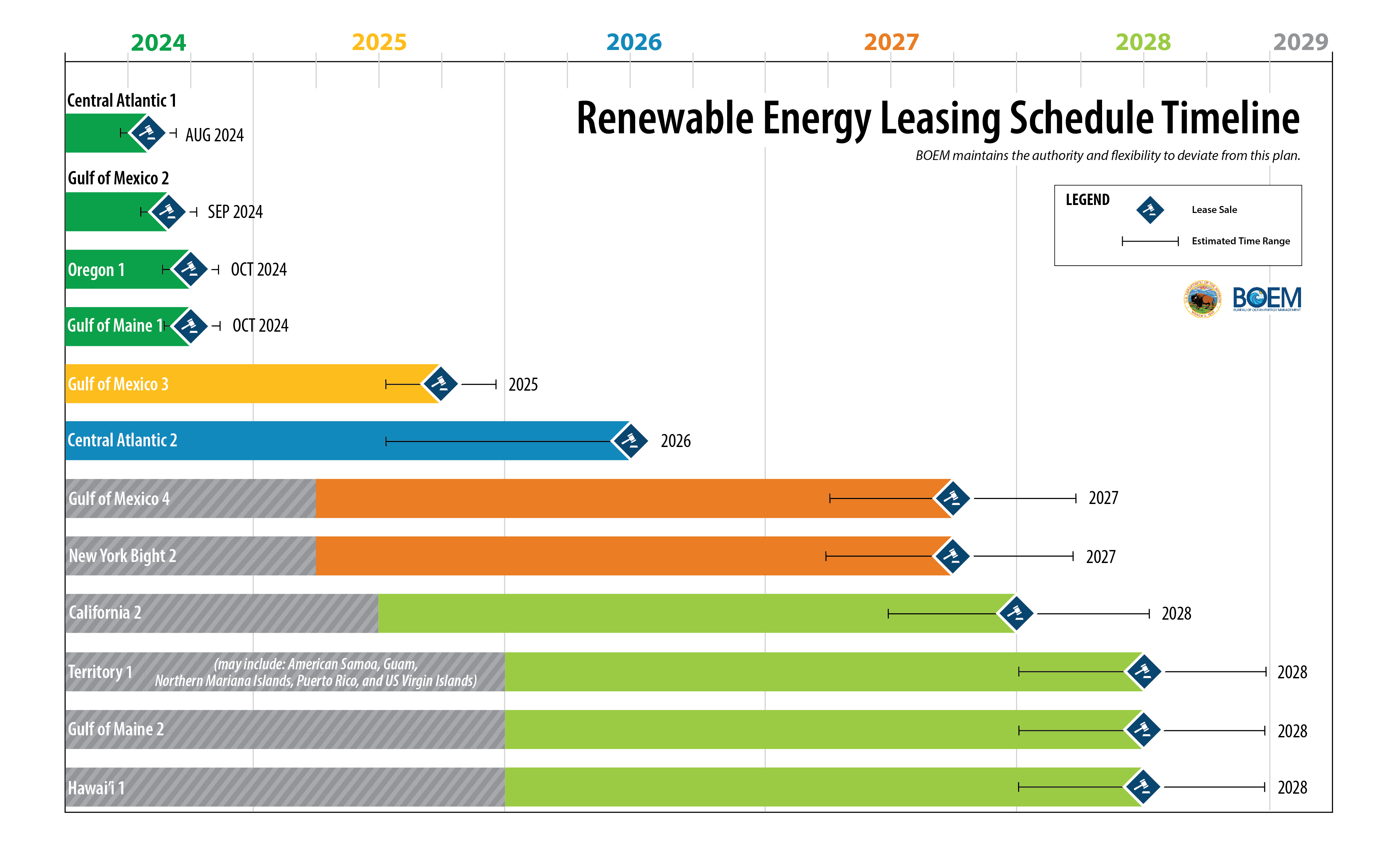
As indicated in the leasing schedule (above), a Hawaii offshore wind sale is scheduled for 2028. A recent article points to concerns from native Hawaiian communities about areas now under consideration. Presumably the concerns are with the potential for leasing in the Kaiwi (Molokai) Channel.

John Smith was the lead BOEM coordinator on the Hawaii task force before he retired in 2017. He is very familiar with the OCS wind potential offshore Hawaii. John worked with Progression, Alpha Wind and the Dept. of Defense on evaluating the best wind energy areas. 

John and others on the task force agreed that the best location by far for Hawaiian wind development is 20-30 miles south of Oahu. However, the US Navy strongly opposed leasing there for national security reasons. Alternative locations in the Kaiwi channel between Oahu and Molokai are okay with the USN, but are otherwise problematic.

An informed Hawaiian oceanographer and ocean policy expert offered the following:

“As the Kaiwi Channel is a sacred fishing ground for native Hawaiians, this (wind leasing in the channel) is never going to happen. Sad to waste so much money on it.”

Translated as “the bone,” Kaiwi recalls Hawaiians’ reverence for human bones as objects of great spiritual significance and symbols of connection. The word is used to fondly describe such concepts as homelife, family, and growing older. The saying “ho‘i hou i ka iwi kuamo‘o”—which literally translates to “return to the backbone”—expresses the joy of coming back to one’s family or homeland after being away.

During the 19th and 20th centuries, the Kaiwi Coast on O‘ahu’s southeast side provided thriving Native Hawaiian communities that called it home with abundant fishing, farming, ranching, and recreation. Maunalua Bay, which fronts the modern town of Hawai‘i Kai on the coast’s southern end, once housed the 523-acre Kuapā fishpond, the largest fishpond in Hawai‘i and the site of a massive annual migration and regeneration of mullet fish.

Read Full Post »

New Bedford Light: The Rolldock Sun leaves New Bedford on Friday with two blades visible. Credit: Courtesy of West Island Weather

Per the New Bedford Light, the turbine blade delivery vessel Rolldock Sun was seen on Friday carrying at least two blades out of New Bedford. It was not headed for the Vineyard Wind site. According to vessel tracking websites, the Rolldock Sun was en route to the Port of Cherbourg, where GE Vernova has a blade manufacturing facility. 

The most likely explanation for returning the blades to Cherbourg is that defects were detected or suspected. The blade that failed, reportedly as a result of a manufacturing issue, is probably not the only one that was defective.

The New Bedford Light asked GE Vernova, Vineyard Wind, and the Federal regulator BSEE why the blades were being transported to Cherbourg. They received the following responses (my comments in parentheses):

GE Vernova: “No comment on this matter.” (This is the worst possible response. In the absence of information, people are left to speculate. If there was no problem with the blades, why wouldn’t GE simply provide an explanation? Their non-response simply reinforces suspicions that the blades were defective. If that is the case, why not take credit for procedures that identified the suspect defects, albeit belatedly?

Vineyard Wind: “The weekend has gotten in the way of the information flow,” and they would share information should they hear anything. Another request for information was not answered as of noon Monday. (Not exactly confidence inspiring from the company whose blade failure littered beaches and the offshore environment. They are deservedly being watched, and need to be more transparent and responsive.)

BSEE: A BSEE spokesperson did not answer questions and said by email that the agency has no new information. (Disappointing, but not surprising.)

Read Full Post »

Equinor, which is 2/3 owned by the Norwegian government, has purchased a nearly 10% stake in offshore wind giant Orsted (50.1% Danish govt ownership).

With bp and Shell reducing their wind energy investments, Equinor’s Orsted acquisition is a contrarian move. Equinor is also the only major oil company that is still in the market for new US offshore wind leases.

While the Orsted acquisition does not appear to have been directed by the Norwegian government, the State’s 2/3 ownership of the company no doubt influences renewable energy targets and broader corporate strategy.

The initial market reaction to the Orsted purchase was negative (see chart below). On a day when most oil companies’ share prices rose in response to the jump in oil prices, Equinor shares opened sharply lower.

Read Full Post »

« Newer Posts - Older Posts »