Feeds:
Posts
Comments

Archive for the ‘rigs-to-reefs’ Category

USS Oriskany (CV-34) holds the distinction of being the final Essex-class aircraft carrier ever completed. Instead of being decommissioned and scrapped, the ship was intentionally sunk approximately 25 miles south of Pensacola, Florida. This unique decision transformed the USS Oriskany into the largest ship ever used to create an artificial reef. Due to this extraordinary use, the carrier has earned the affectionate nickname “The Great Carrier Reef.” from Military Tactics

Read Full Post »

See the Block Island Wind Farm’s reef environment in the BOEM video below.

Read Full Post »

This CBC story, which includes excellent video interviews, was brought to my attention by Newfoundlander Howard Pike, an engineer and offshore safety leader.

Rigs-to-Removal (carbon)?

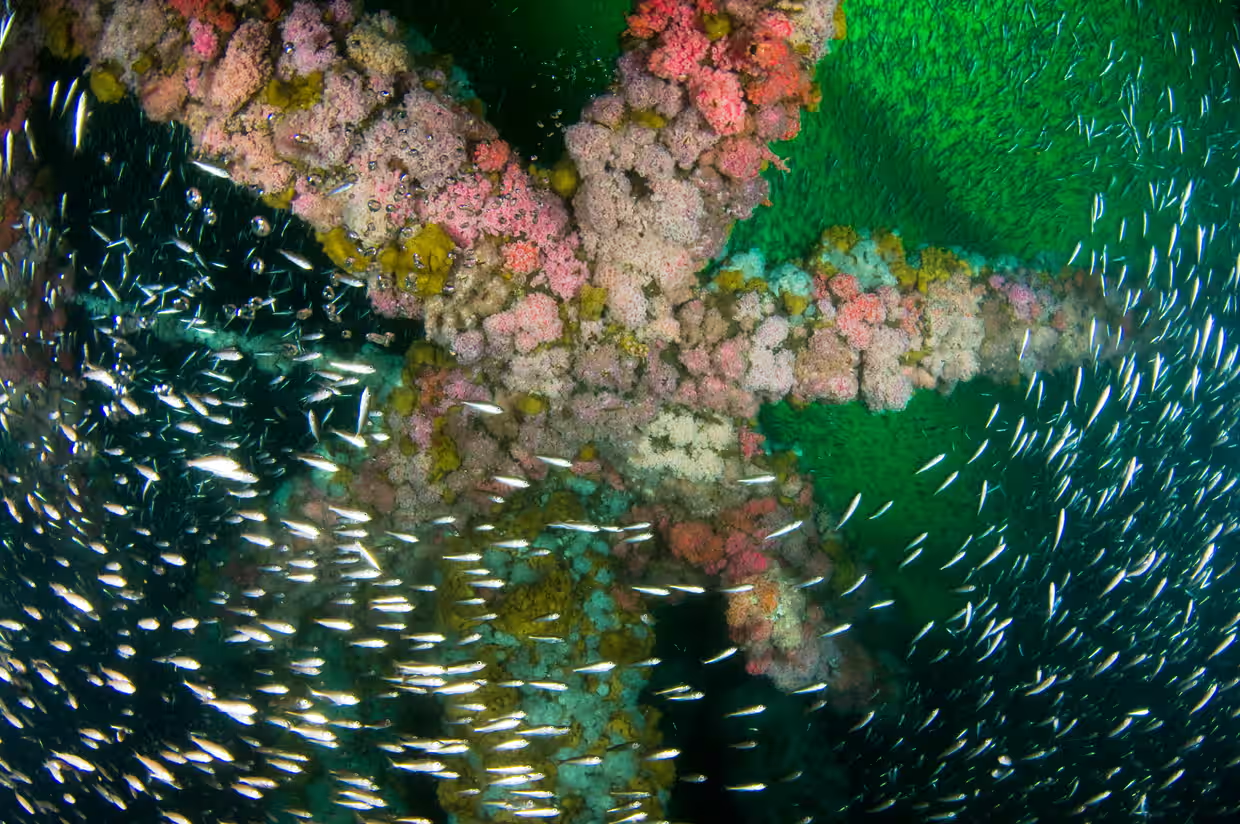
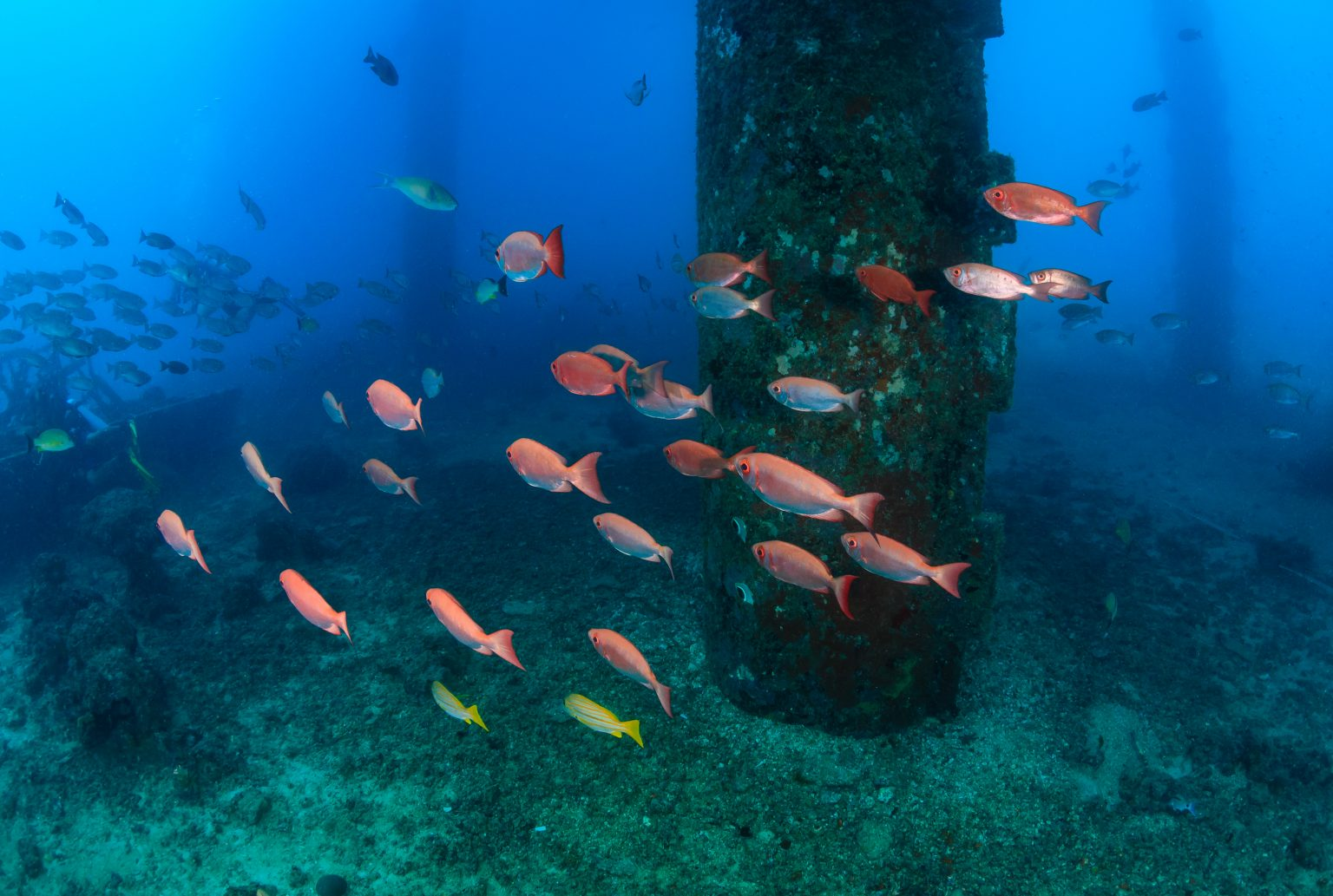
We know a lot about Rigs-to-Reefs, and the importance of active and reefed platforms in providing the habitat, shelter, and food that is necessary to increase biodiversity and productivity. However, the carbon reduction potential of artificial reefs has received little attention.

The linked CBC story is particularly interesting in that it includes interviews with artificial reef researchers who are assessing the carbon capture aspects. To date the results are encouraging:

As for the impact on climate change, the researchers say they have found some evidence that an artificial reef could hold more carbon compared to a natural reef.

Read Full Post »

A new addition to our Rigs-to-Reefs+++ page courtesy of MaritimePhoto.

“Blue Marlin” – sea based X-Band radar on board a heavy lift and transport vessel
Photo: U.S. Navy / Journalist 2nd Class Ryan C. McGinley

Read Full Post »

The 23 platforms in Federal waters offshore California are from 33 to 55 years old. Most are no longer producing and 8 are on terminated leases. Some of the platforms are massive structures in water depths up to 1200′ (list of platforms and map below).

BOEM’s draft programmatic EIS evaluates 4 decommissioning alternatives, none of which appear to be workable for a combination of economic, environmental, and legal reasons:

  • Alternative 1 involves the complete removal of platforms and pipelines. This alternative is cost prohibitive and environmentally unfavorable.
  • Alternatives 2 and 3 evaluate prudent and environmentally responsible partial removal options. Unfortunately, partial removal and reefing are not feasible under the California Resources Legacy Act (AB 2503). This legislation holds the donating company perpetually liable for any damages associated with the reef structure. While not assuming any liability, the State nonetheless collects 80% of the savings (reefing vs. complete removal). As a result, it’s no surprise that no company has applied to participate in the State’s program.
  • Alternative 4 calls for leaving platforms and pipelines in place after emptying tanks and flushing pipelines. This “no action” baseline alternative violates the lease agreement and 30 CFR 250.1725, and would only be permissible if an alternate use was approved for the platforms per 30 CFR Part 585.
  • The EIS, with minimal discussion and no supporting data, rules out alternate uses at any of the 23 platforms. This exclusion would seem to be premature given the win-win-win opportunities for industry, government (Federal, State, and local), and academia. These include deferred decommissioning liabilities, a wide range of research opportunities, security and defense applications, weather observation and climate studies, maritime communications support, education programs, marine seismicity studies, and hydrokinetic energy projects. With proper maintenance, platforms can continue to provide social benefits long after all wells are plugged and production equipment is removed. However, once removed, replacement costs would be prohibitive.
  • Lastly, the EIS avoids the thorny financial responsibility issues that will complicate decommissioning decisions. Note the questions raised in the “troubling case of platforms Hogan and Houchin.
  • Those wishing to comment on the draft EIS should follow the posted instructions.

Read Full Post »

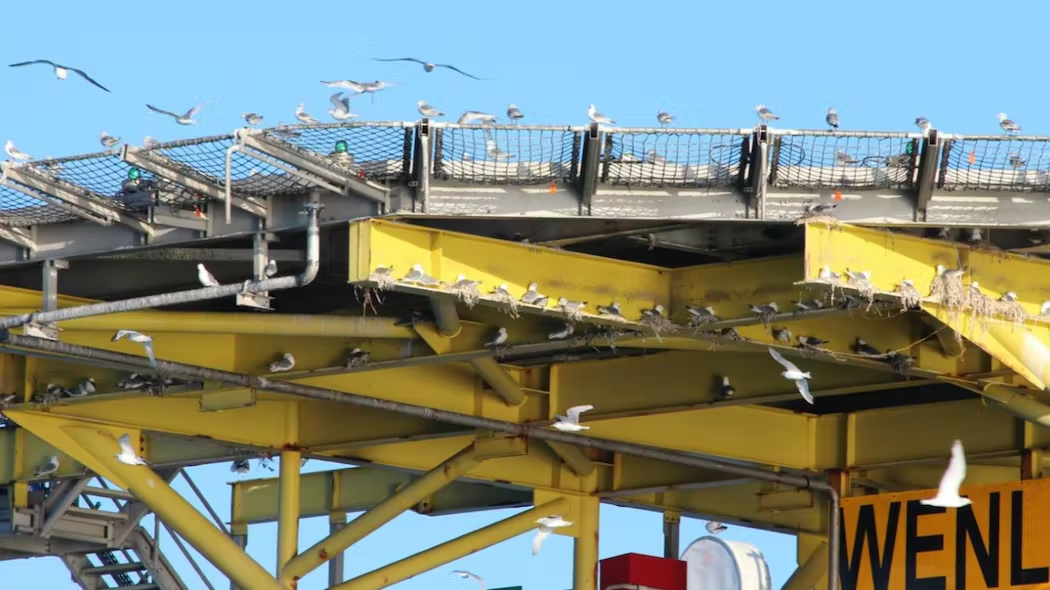
GUILDFORD, UK — Alpha Petroleum Resources, Energean UK and Orsted Hornsea Project Four will consider repurposing the Wenlock gas platform in the UK southern North Sea, which is nearing the end of its productive life.

One possibility is to reuse the facility as an artificial nesting site to offset the impact on certain bird species of offshore wind developments in the area.

Black-legged kittiwakes have set up nests on various North Sea platforms, according to Orsted’s recent surveys. Repurposing an existing platform as an artificial nesting structure is seen as an alternative to building a new artificial nesting structure to support the local development of the Hornsea Four offshore wind farm.

Offshore Magazine

See our Rigs-to-Reefs+++ page!

Read Full Post »

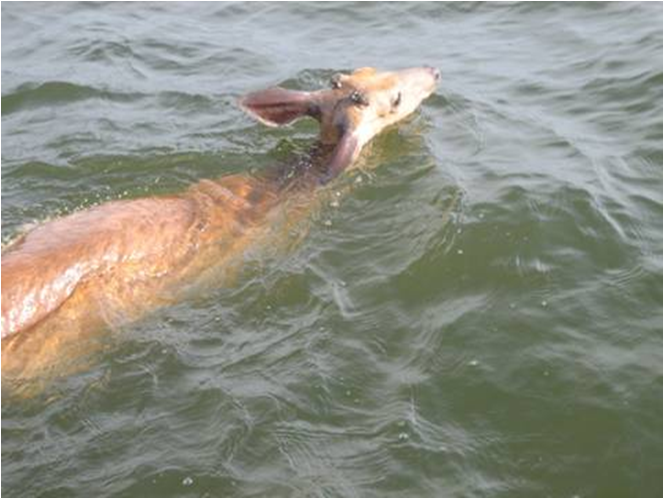
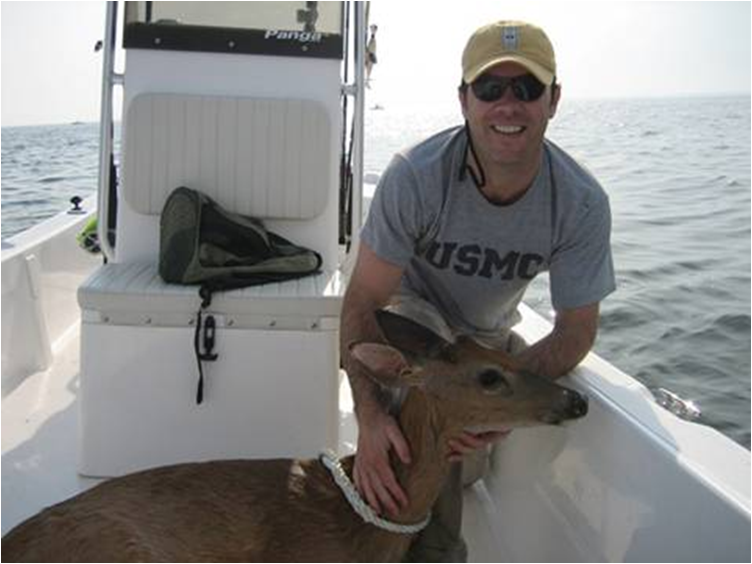
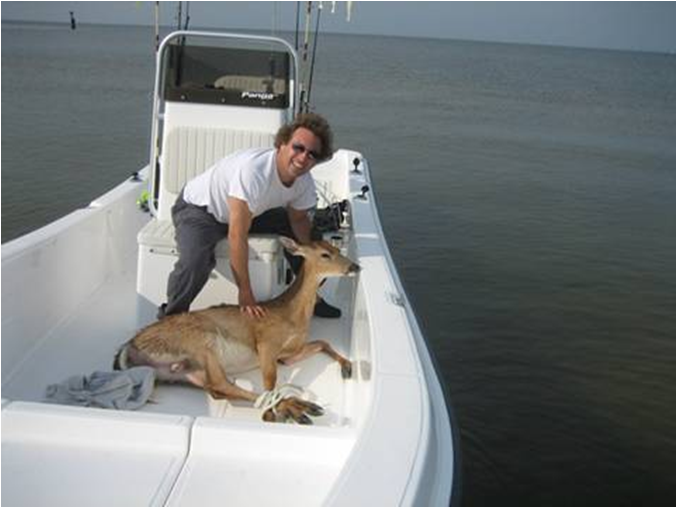
This deer was encountered 1.5 miles offshore during a fishing trip. The deer was brought to shore and released. Happy ending!

Read Full Post »

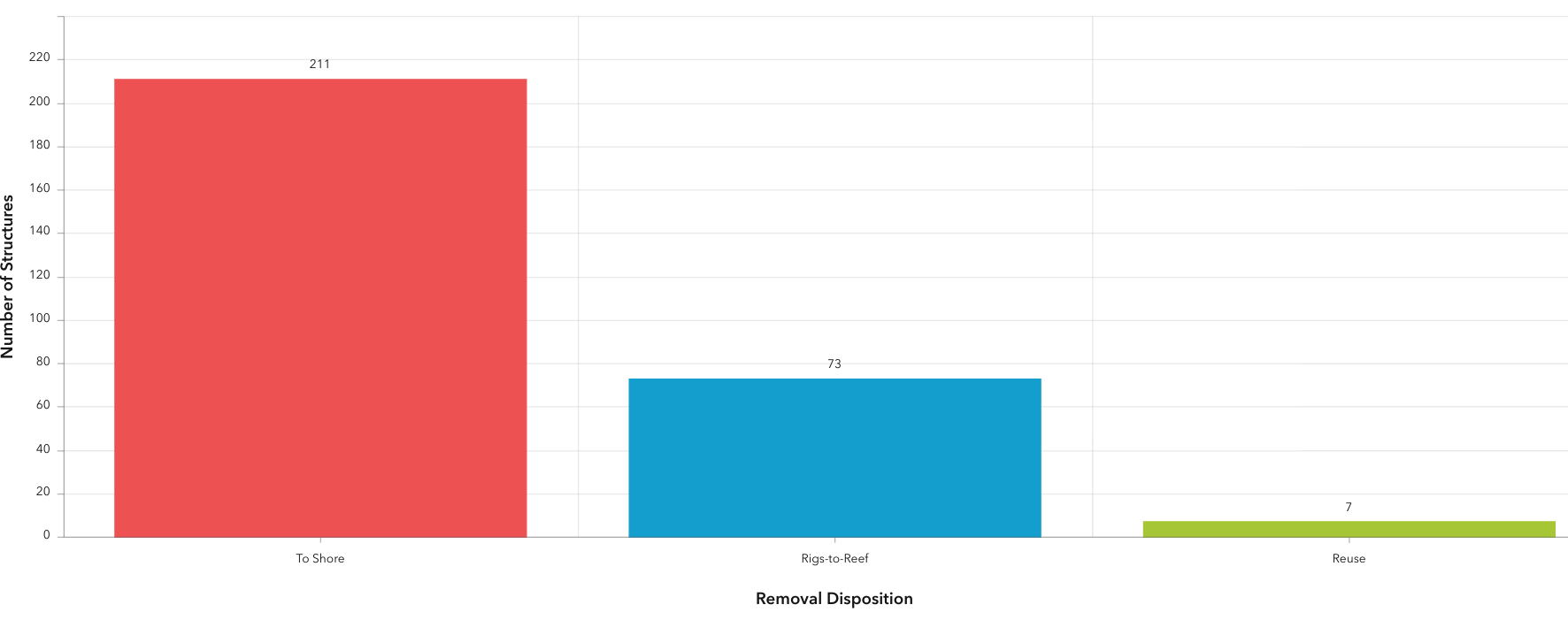
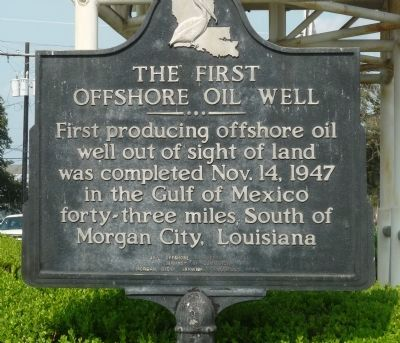
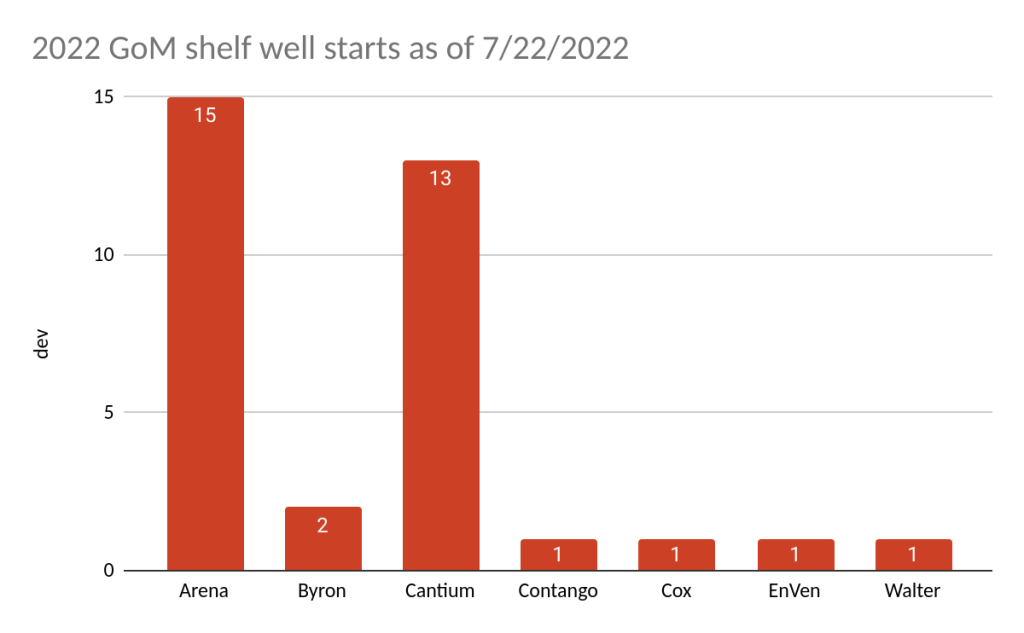
While 93% of GoM oil and 76% of the natural gas is now produced on deepwater leases, successful operations on the shallow waters of the shelf continue 75 years after the first OCS platform was installed. Three of our compliance honor roll companies, Arena, Cantium, and Walter, have successful shelf operations. Arena and Walter are top ten gas producers and top twenty oil producers. Cantium also has solid production numbers and along with Arena is the leading 2022 development well driller on the shelf (see chart below). Other shelf operators like Cox Operating LLC are significant shelf producers.

Without much hype, shelf operators continue to find and extract oil and gas from beneath the shallow waters of the GoM. The 1700 shelf platforms that remain provide energy for our economy and important hardbottom substrate for marine life. Keep it going! Only 25 more years until the 100th anniversary! 😀

Read Full Post »

SEE MONSTER is due to arrive by sea into Weston-super-Mare on Tuesday, 12 July. The transformation of this decommissioned North Sea offshore platform is a world first that is set to become one of the UK’s largest public art installations, aiming to inspire global conversations about the repurposing of large industrial structures and design-led solutions to sustainable futures.

Learn more about See Monster. Were they inspired by our Rigs-to-Reefs +++ page? 😀

Read Full Post »

Rigs-to-Range

As is the case every 5 years or so, there is another aquaculture push within the Federal government. It looks like this will be a very process-rich endeavor (check out the list of “Scoping Information Needs“), so don’t expect much soon.

NOAA Fisheries is conducting public scoping for a programmatic environmental impact statement to consider identifying one or more AOAs in federal waters of the Gulf of Mexico. The programmatic environmental impact statement will evaluate the impacts and benefits associated with siting aquaculture in those locations, which could occur through future proposals and project level review. Public scoping is an opportunity for the public to provide input on the range of issues to be addressed in the programmatic environmental impact statement. This is a planning effort and no specific aquaculture-related activities or individual aquaculture projects are being proposed at this time.

NOAA FIsheries

Rigs-to-Roe (Redfish, Rockfish)

Read Full Post »

« Newer Posts - Older Posts »