Feeds:
Posts
Comments

Archive for the ‘Regulation’ Category

For decades, Gulf of Mexico operators have reported facility evacuation and production curtailment data to MMS/BSEE as tropical storms or hurricanes approached. Requirements for this reporting are found in the regulations (30 CFR 250.192(a)) supplemented by NTL 20I5-G02.

Operators must submit reports by 11:00 a.m. (CT) daily throughout the period of evacuation and shut-in with the understanding that BSEE will post the compiled data by 1 pm CT. This reporting has been diligently accomplished for decades and MMS/BSEE posted the data each day, including weekends and holidays, without fail. Everyone in industry and government understood the importance of safely evacuating personnel, shutting down production, and ensuring that these hurricane data were made available to the public each day. (All of the daily updates for 2011 onward can be found here.)

On Wednesday, July 3, Shell informed the media that they had begun evacuating non-essential personnel and shutting-in production at certain facilities. Both Shell and Chevron issued general statements on the status of their operations on Thursday, July 4. Both companies no doubt submitted the required reports to BSEE, as did other companies with operations near the projected path of the storm.

BSEE failed to post any evacuation and shut-in data on any date from July 3 through today (July 8).

Beryl missed the heart of the Gulf of Mexico basin, but Shell and other companies with facilities in the more westerly areas evacuated personnel and curtailed production. BSEE’s unprecedented failure to post this information needs to be addressed before more significant storms threaten offshore personnel and production in the Gulf.

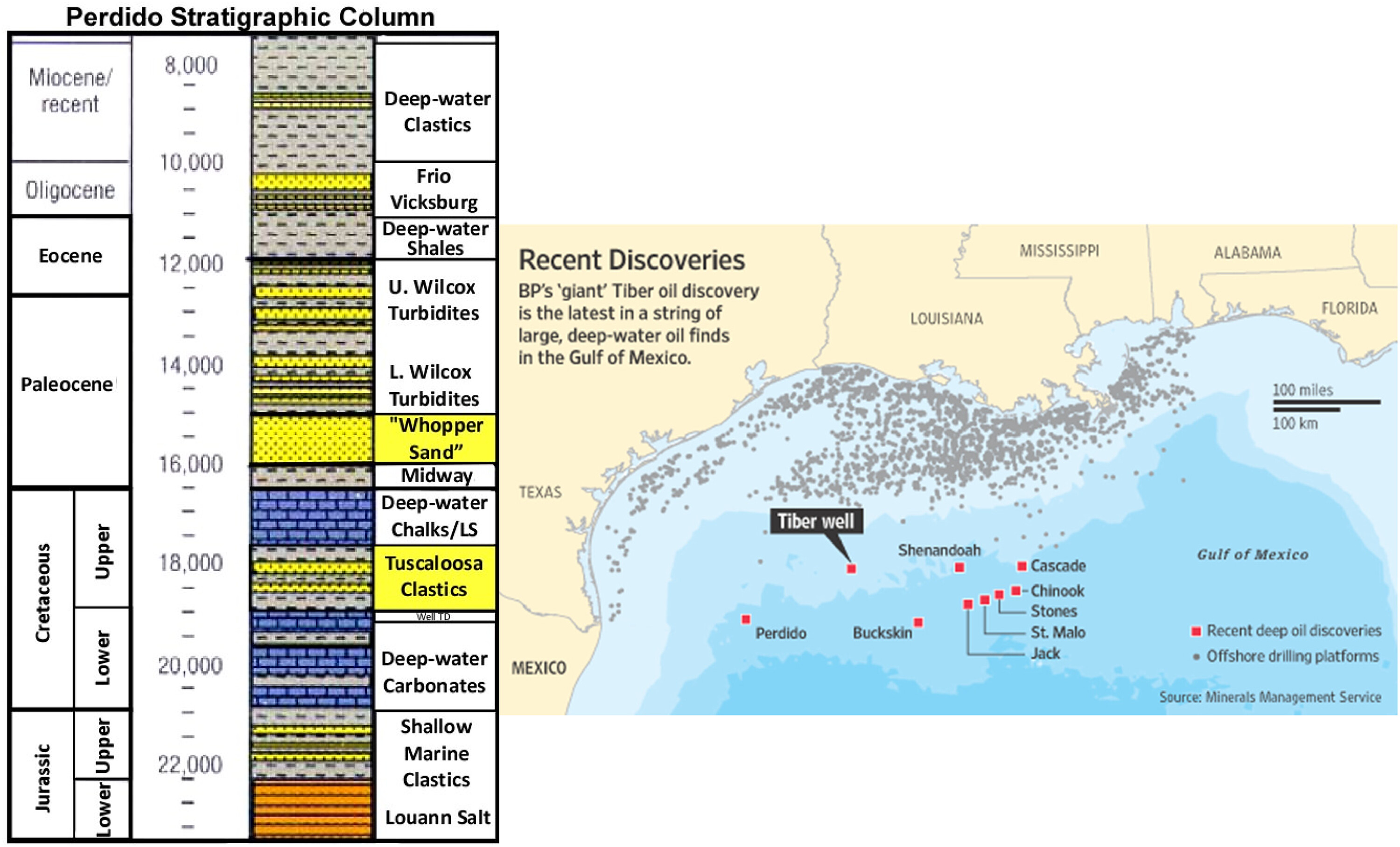
Shell evacuated non-essential personnel and shut-in production at Perdido (pictured)

Read Full Post »

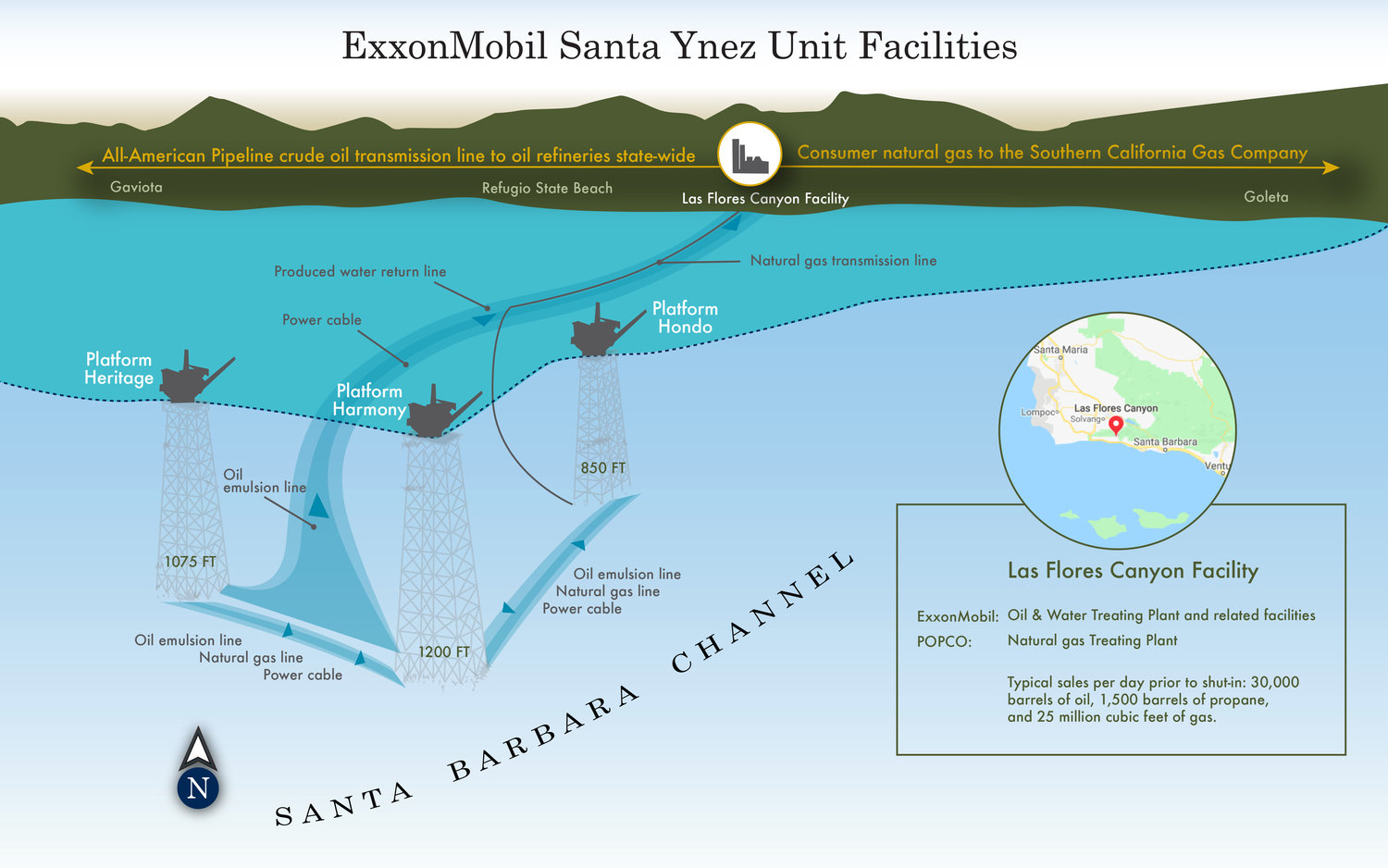
Followers of the US OCS oil and gas program have observed some impressive chutzpah over the years, but a new law suit challenging the extension of Santa Ynez Unit leases raises the bar.

Groups that helped block every attempt to resume production in the Santa Ynez Unit are now suing to terminate the leases for non-production. Brilliant!🥇

Without these extensions, each of the leases would have expired and ExxonMobil would have been required to permanently cease its oil and gas operations, plug its wells, and decommission its other infrastructure.” See the full text of the law suit.

More posts on the Santa Ynez Unit saga.

Read Full Post »

In a major decision, the Supreme Court overturned the Chevron doctrine, which for four decades led judges to defer to how federal agencies interpreted a law when its language wasn’t clear. In a later post, we will speculate on how this ruling could affect the offshore regulatory program.

About the Chevron doctrine:

One of the most important principles in administrative law, the “Chevron deference” was coined after a landmark case, Chevron U.S.A., Inc. v. Natural Resources Defense Council, Inc., 468 U.S. 837 (1984). The Chevron deference is referring to the doctrine of judicial deference given to administrative actions. In Chevron, the Supreme Court set forth a legal test as to when the court should defer to the agency’s answer or interpretation, holding that such judicial deference is appropriate where the agency’s answer was not unreasonable, so long as Congress had not spoken directly to the precise issue at question. 

previous post on the Chevron doctrine

Read Full Post »

Carbon sequestration (i.e. subsurface disposal) is a controversial and divisive topic, and important questions regarding the costs and benefits remain. Nonetheless, the Infrastructure Bill of 2021 authorized the disposal of CO2 on the OCS, and stipulated that the Secretary of the Interior promulgate regulations for that purpose. However, that major task cannot be completed without a better understanding of the potential environmental impacts.

BOEM has announced a study (see attached pages from their new Environmental Studies Plan) to consider the potential for CO2 leakage and related environmental concerns. A few excerpts from BOEM’s summary follow:

Problem:  Potential CO2 leakage from carbon sequestration (CS) project activities could occur via a number of pathways. Few studies model and/or measure CO2 leakage, transport, dispersion, attenuation, and environmental impacts in the offshore environment, and those that do exist are preliminary. 

Intervention:   BOEM needs more information about the dynamics, fate, transport, and potential environmental impacts of CO2 leakage under various scenarios, including worst-case, on the OCS to inform the new nationwide CS Program and to protect the environment from CO2 leakage. 

Comparison:   The study will model CO2 leakage under various scenarios, including worst-case scenarios, using the GOM OCS Region as a case-study and can be applied to all OCS regions. Outcome The leakage and worst-case scenario modeling will aid BOEM’s ongoing rulemaking efforts, program development and implementation, and future operational needs including NEPA analyses, lease planning, lease stipulations, consultations, plan and permit approvals, mitigation measures, risk assessment and monitoring requirements, etc. Study results will also provide direction for future studies to include field and/or laboratory analyses.

The performance period for this important study extends through 2027, so it’s hard to envision final CS regulations prior to that date. You can’t issue regulations without first assessing the potential harm that could result from their promulgation (as required by NEPA).

BOEM’s summary mentions “the anticipation of a CS lease sale in the GOM after final regulations are published.” Hopefully, this also means that BOEM will not permit improperly acquired oil and gas leases (Sales 257, 259, and 261) to be converted to CS leases.

Read Full Post »

None of the plaintiffs issued a press release or otherwise announced the lawsuit on their websites.

How often do Attorneys General from 3 States sue the Federal government without broadly publicizing their actions? Neither the AG for Louisiana, Texas, nor Mississippi issued a press release to announce their suit to block BOEM’s financial assurance rule.

The limited media coverage of the lawsuit originated from a single Reuters article. Apparently Reuters learned about the suit and reached out to the litigants. Their article quoted Louisiana Attorney General Liz Murrill as follows:

This is a really egregious direct assault on intermediate level producers of oil and gas, and that affects a lot of business in our state,” Murrill told Reuters in an interview.

That quote is all we have from the AGs. Why the absence of announcements:

State of Louisiana et al v. Deb Haaland et al

Plaintiff:State of Louisiana, Louisiana Oil & Gas Association, State of Mississippi, State of Texas, Gulf Energy Alliance, Independent Petroleum Association of America and U S Oil & Gas Association
Defendant:Deb Haaland, U S Dept of Interior, Bureau of Ocean Energy Management, Elizabeth Klein, Steve Feldgus and James Kendall
Case Number:2:2024cv00820
Filed:June 17, 2024
Court:US District Court for the Western District of Louisiana
Presiding Judge:James D Cain
Referring Judge:Thomas P LeBlanc
Nature of Suit:Other Statutes: Administrative Procedures Act/Review or Appeal of Agency Decision
Cause of Action:28 U.S.C. § 2201 Constitutionality of State Statute(s)
Jury Demanded By:None

Read Full Post »

What’s their solution?

Since the States don’t seem to think there is much risk, perhaps they would like to guarantee decommissioning expenses. Have they looked into the Cox bankruptcy? How about Platforms Hogan and Houchin and the complex decommissioning challenges in the Pacific. Are they comfortable with taxpayer funding for offshore decommissioning?

BOE recently defended the new BOEM rule. If anything, the rule is too lax in that compliance and safety records are not considered in determining financial assurance requirements and lessees may use reserve estimates to reduce supplemental assurance amounts.

Read Full Post »

In the attached supplement to his comments on BOEM’s financial assurance rule for offshore oil and gas facilities, decommissioning specialist John Smith raises concerns about reliance on cost data submitted by operators. John contrasts operator estimates for platforms in California state waters with estimates provided by independent consultants.

As summarized below and explained in the attachment, the more realistic independent estimates were 2-3 times higher than the operators’ “high end” estimates.

Read Full Post »

BSEE has a very good Safety Alert program that merits close attention. However, this amusing entry doesn’t qualify. Perhaps this alert was issued in response to a government-wide anti-scamming directive.

Safety Alert No. 483 (plus a few comments in parentheses):

Scam Alert: Suspicious Requests for Payment
The Bureau of Safety and Environmental Enforcement (BSEE) is issuing this Safety Alert to inform users about possible scams requesting payment of fines for violations. Be aware the documents you receive may appear to be printed on official government letterhead and could be used to justify requests for payments or loans. BSEE does require payment of fines for certain violations, but BSEE will never:

  • Request payment via phone or through any social media platforms.
  • Require a payment from an individual to exit an offshore facility. (Huh? How would this work? Would a BSEE inspector stand at the helideck and require payment before a worker boarded the helicopter? Seriously?)
  • Request any payment using a gift card. (“You violated an OCS safety regulation. Please make payment with a Target gift card.” 😀)
  • Demand any payment without prior notification.
  • Send letters containing spelling, grammar, and punctuation errors. (Yes, all regulations, notices, and other correspondence are in “plain English” and perfectly understandable. 😀 😀 😀)
  • Should BSEE require a payment for a civil penalty or a fine, the fine will be paid by the operator, not by an individual. BSEE will always send an initial notice to the operator and provide them the opportunity to engage with the BSEE Civil Penalty team.

Read Full Post »

“Exxon Mobil has led a persistent and apparently successful lobbying campaign behind the scenes to push the US federal government to adopt rules that would allow the conversion of existing oil and gas leases in the Gulf of Mexico into offshore carbon capture and storage (CCS) acreage, according to documents seen by Energy Intelligence and numerous interviews with industry players.” Energy Intelligence

The Energy Intelligence article documents the ongoing carbon disposal lobbying by Exxon and others. Those meetings are okay prior to publishing a Notice of Proposed Rulemaking (NPRM) for public comment. However, the article implies that the next step is a final rule: “Whether or not Exxon succeeds will become fully clear when the US issues final rules guiding CCS leasing, expected sometime this year.”

A final rule this year is unlikely, because an NPRM has to be published first for public comment. The only exception would be if BOEM was able to establish “good cause” criteria for a direct final or interim final rule in accordance with the Administrative Procedures Act. Such an attempt at corner cutting seems unlikely, especially in an election year when all regulatory actions are subject to additional scrutiny.

Exxon must have thought they had a clear path forward after 11th hour additions to the “Infrastructure Bill” authorized carbon disposal on the OCS, exempted such disposal from the Ocean Dumping Act, and provided $billions for CCS projects. Keep in mind that the Infrastructure Bill was signed just two days before OCS Oil and Gas Lease Sale 257, at which Exxon acquired 94 leases for carbon disposal purposes.

What the Infrastructure Bill did not provide is authority to acquire carbon disposal leases at an oil and gas lease sale. Now the lobbyists are apparently scrambling to overcome that obstacle administratively.

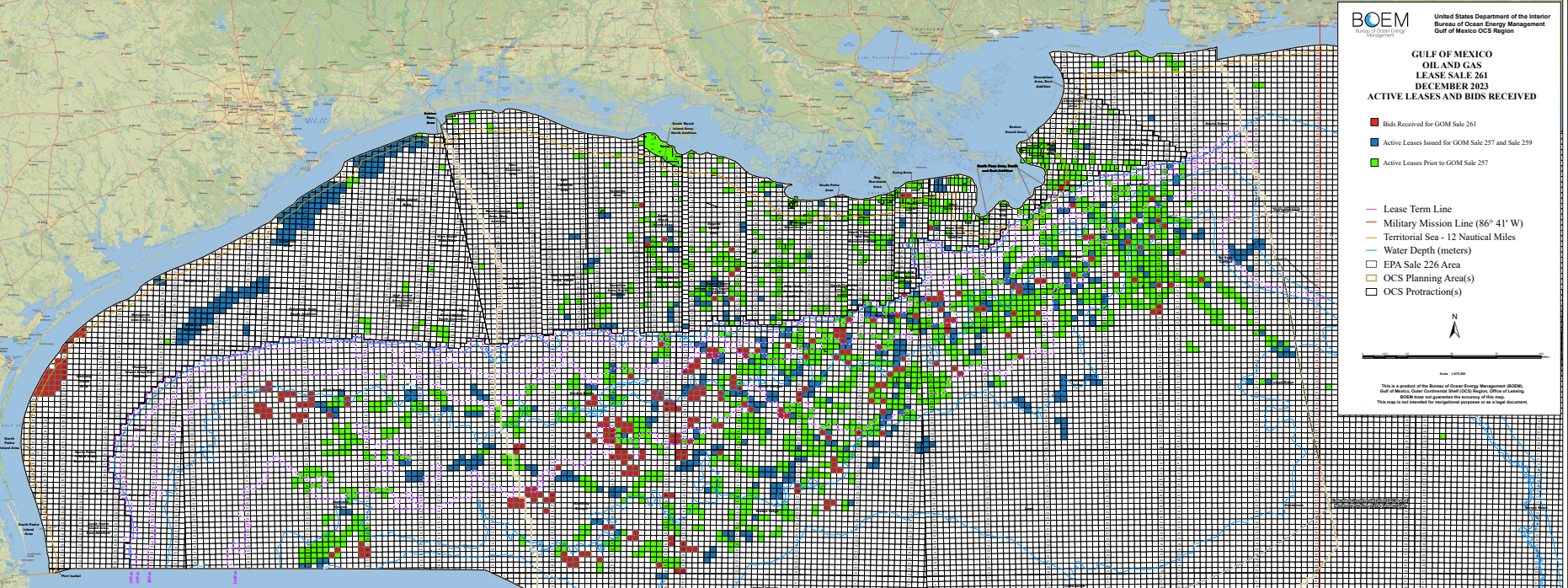
BOEM, which arguably made a mistake in accepting irregular carbon disposal bids at the last 3 oil and gas sales, should not amplify Exxon’s unfair advantage (also Repsol at Sale 261) by allowing the conversion of these leases (map below). This is not a small matter given that Exxon has publicly projected that carbon disposal is a $4 trillion market opportunity.

A single company or small group of companies should not be dictating the path forward for the Gulf of Mexico. Super-major Exxon is a relative minnow in the Gulf of Mexico OCS. They have not drilled an exploratory well since 2018, not drilled a development well since 2019, operate only one platform (Hoover, installed in 2000), ranked 11th in 2023 oil production, and ranked 29th in 2023 gas production.

Lastly, and most importantly, public comment on the myriad of technical, financial, and policy issues associated with GoM carbon disposal is imperative. That input is essential before final regulations are promulgated.

At Sale 261, Repsol was the sole bidder for 36 nearshore Texas tracts in the Mustang Island and Matagorda Island areas (red blocks at the western end of the map above). Exxon acquired 163 nearshore Texas tracts (blue in map above) at Sales 257 and 259.

Read Full Post »

Decommissioning specialist John Smith has summarized the major provisions of BOEM’s decommissioning financial assurance rule for OCS oil and gas operations. He has highlighted his comments in red.

Previous post on this final rule: “BOEM’s decommissioning financial assurance rule is arguably a step backward in protecting the public interes

Read Full Post »

« Newer Posts - Older Posts »