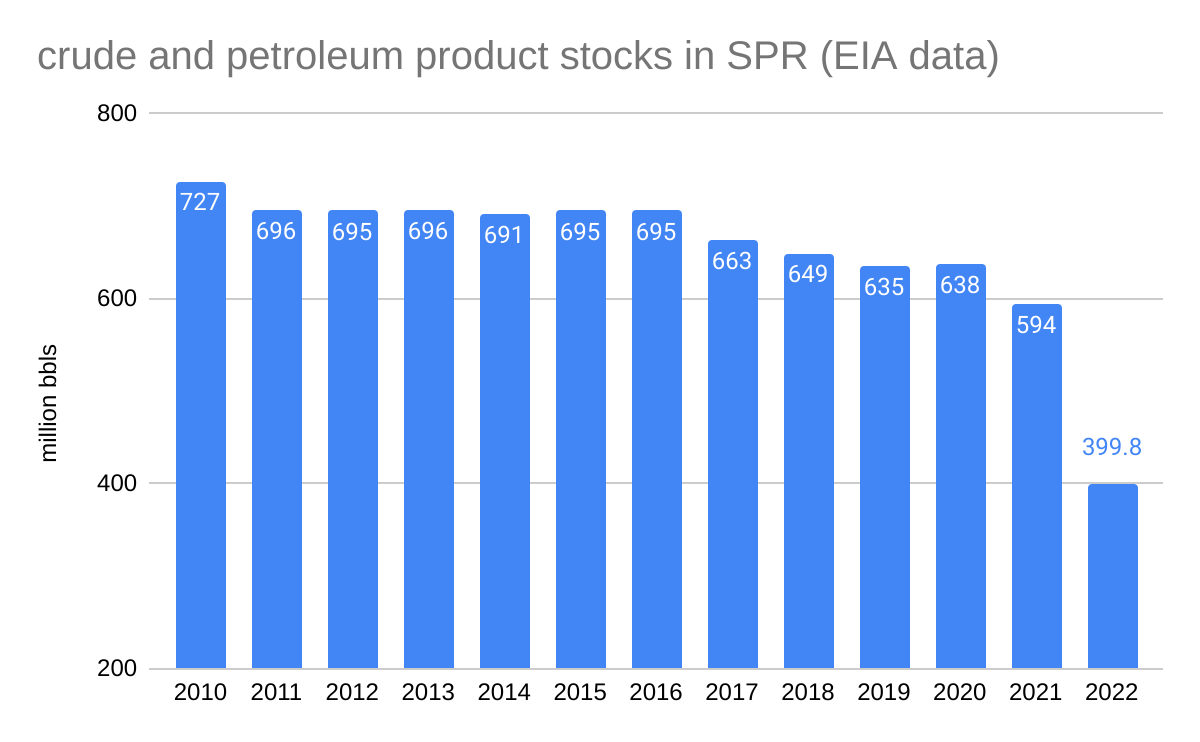
For the first time since May 18, 1984, when the SPR was being filled, the reserve has fallen below 400 million barrels.
Posted in energy policy, tagged SPR, SPR depletion, Strategic Petroleum Reserve on November 1, 2022| Leave a Comment »
For the first time since May 18, 1984, when the SPR was being filled, the reserve has fallen below 400 million barrels.
Posted in energy policy, Offshore Wind, tagged Commonwealth Wind, PPA, suspension, viability on November 1, 2022| Leave a Comment »
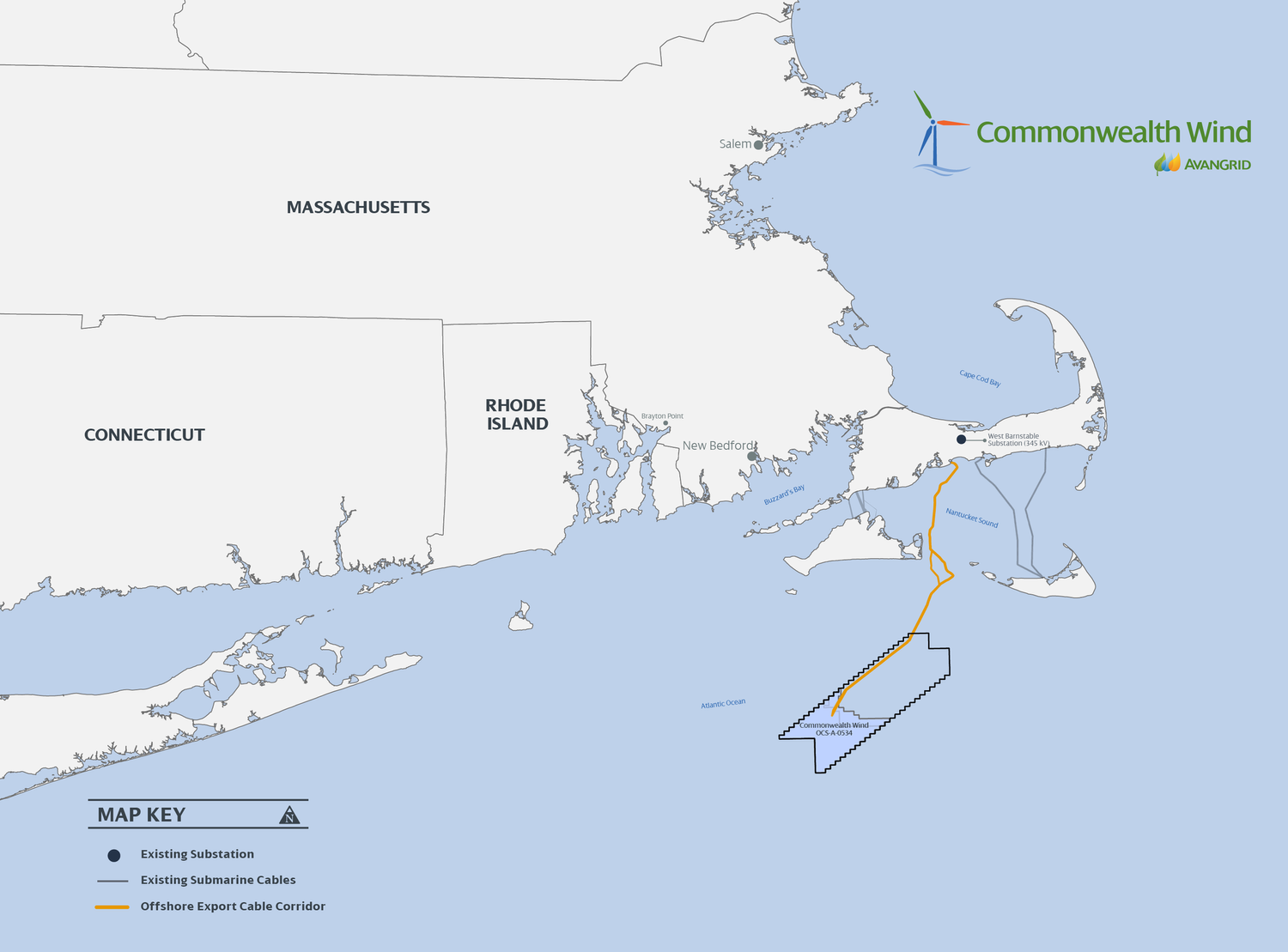
In their filing with the Massachusetts Dept. of Public utilities, Commonwealth Wind has requested a one month suspension in the review of the power purchase agreements:
In particular, this suspension would allow the parties to examine the effect of unprecedented commodity price increases, interest rate hikes, and supply shortages on the overall viability of Commonwealth Wind’s offshore wind generation project that is the subject of the PPAs (the “Project”), including whether it remains economic and whether it can be financed under the current terms of the PPAs. A one-month suspension would also enable the parties to consider potential approaches to restore the Project’s viability – including cost saving measures, tax incentives under the newly enacted Inflation Reduction Act, an increase in the PPA prices, and improvements to Project efficiencies – and to determine whether additional time, beyond the period requested in this Motion, is needed to resolve the appropriate path forward or provide a complete record.
At a minimum, the expected commercial operation date, already more than 5 years into the future (2028), would seem to be threatened.
Posted in energy policy, Offshore Energy - General, Uncategorized, tagged 5 year leasing plan, Halloween, spooked by energy policy, withes hex on October 31, 2022| Leave a Comment »


More Halloween horror reported by our friends in Wyoming:
The supply of diesel in the United States has dropped to its lowest seasonal level since 1945, according to federal data, meaning there’s less than a month of the fuel stockpiled in the country.
Posted in energy policy, tagged SPR depletion, Strategic Petroleum Reserve on October 19, 2022| Leave a Comment »
As of 10/14/2022, the SPR inventory was 405.1 million barrels.
President Biden will announce on Wednesday that he is releasing 15 million more barrels of fuel from the Strategic Petroleum Reserve, a move aimed at easing gas prices three weeks before voters anxious over rising costs head to the polls as Democrats have been battered by GOP attacks on the economy.
WP
One objective is to support domestic drillers😀😀😀
The administration is also expected to release further details on timing for refilling the stockpile, reflecting its desire to combat rising pump prices while also supporting domestic drillers with future demand for their oil, they said.
Reuters
Posted in energy policy, pipelines, tagged Denmark, Nord Stream, pipeline leaks, Sweden on October 19, 2022| Leave a Comment »
Posted in climate, energy policy, Offshore Energy - General, UK, Uncategorized, tagged anti-oil activism, Sunflowers, Van Gogh, Vandalism on October 17, 2022| Leave a Comment »

Two supporters of Just Stop Oil have thrown soup over Vincent Van Gogh’s Sunflowers, as actions in the capital roll into the 14th day. They are demanding that the UK government halts all new oil and gas projects.
Just Stop Oil
Why these stunts will continue in Europe and N. America:
Posted in energy policy, Offshore Energy - General, Wind Energy, tagged alternate use, Barbara Cubin, Energy Policy Act of 2005, Johnnie Burton, OCS wind, OCSLA on October 14, 2022| Leave a Comment »
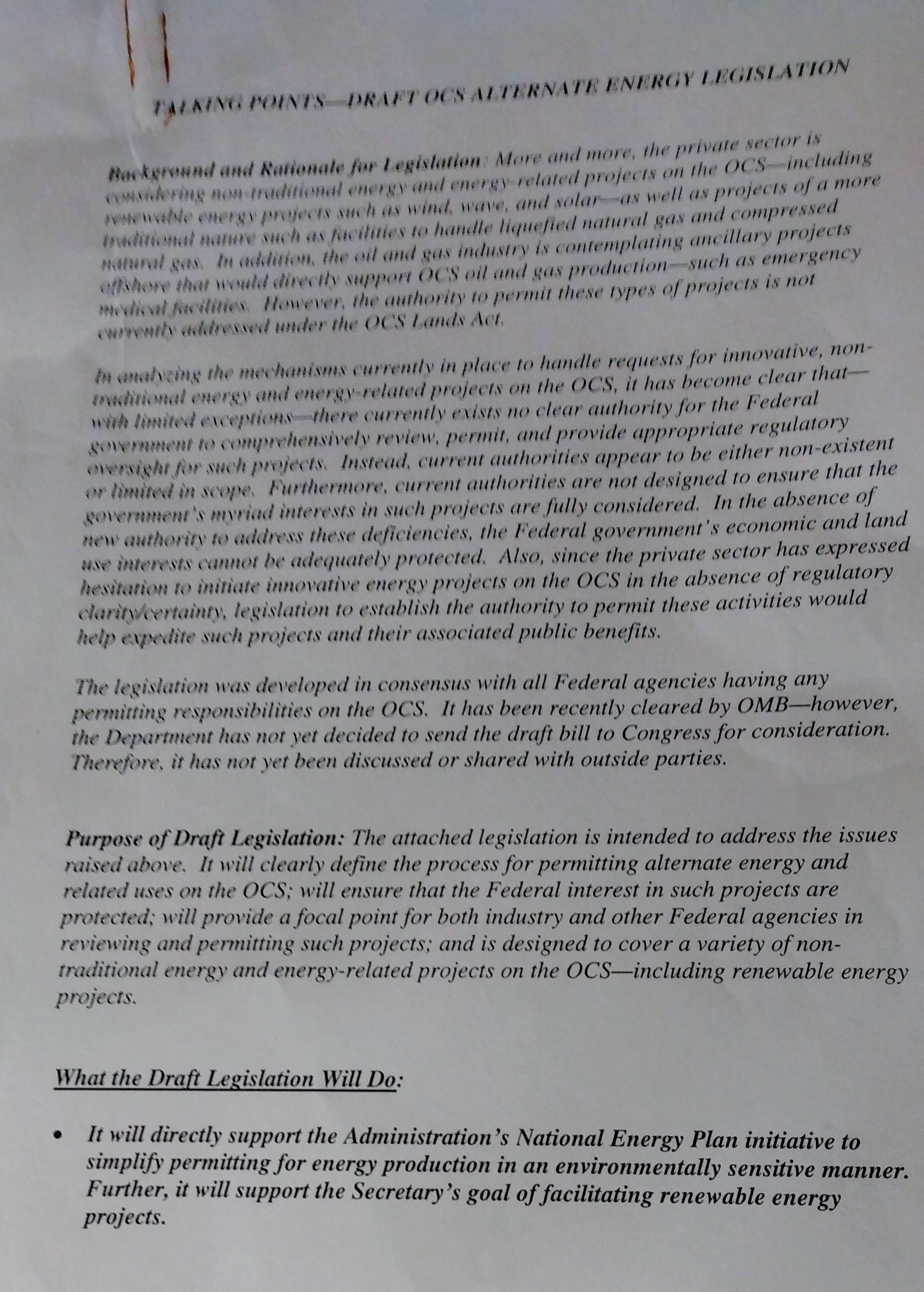
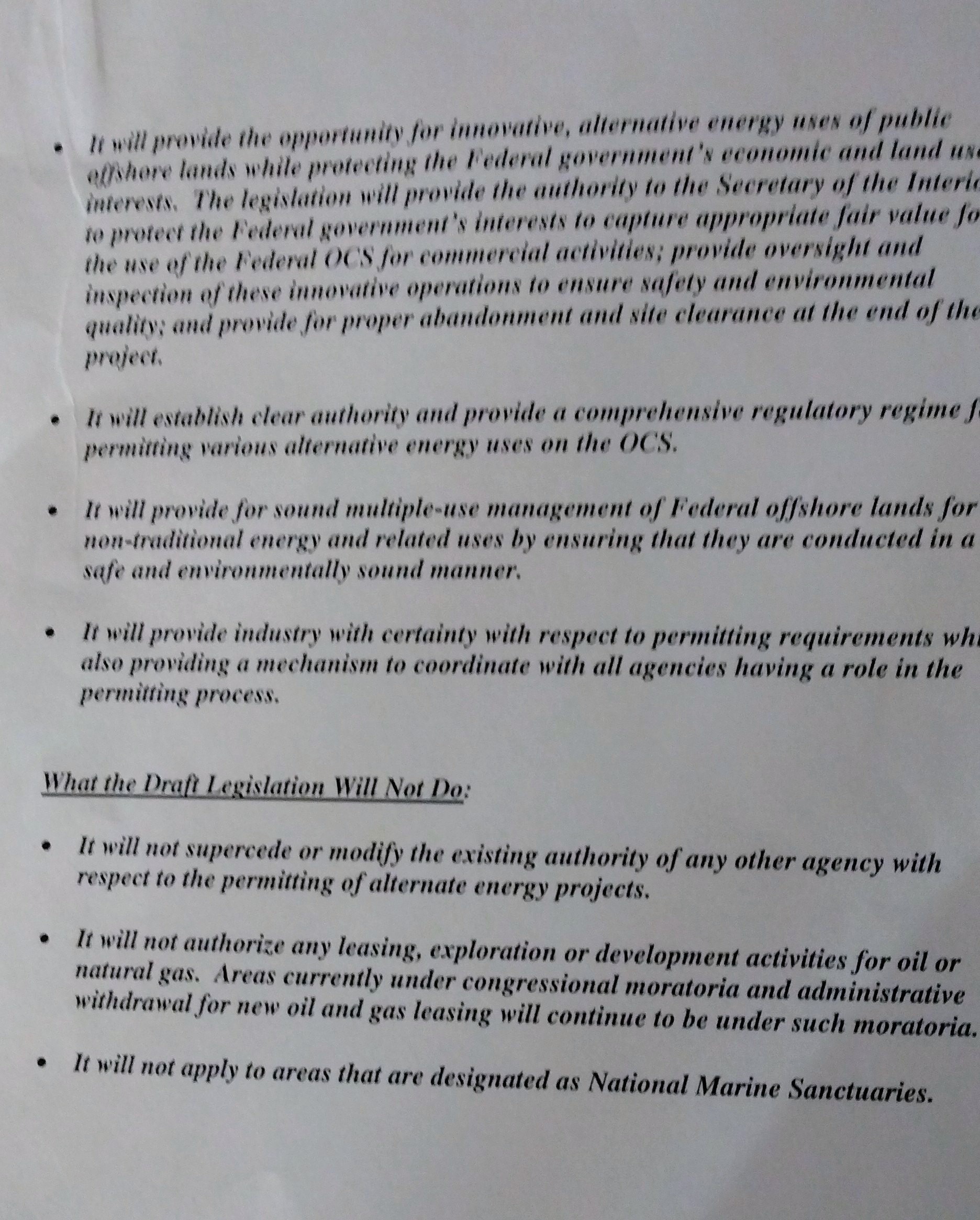
The need for alternate energy/use legislation was obvious to Minerals Management Service (predecessor of BSEE and BOEM) personnel decades ago given the growing interest in renewable energy projects and the reuse of offshore platforms. Twenty years ago, MMS staff took the initiative to draft alternate use amendments to the OCS Lands Act that MMS Director Johnnie Burton and the congressional liaison office worked closely with Congresswoman Barbara Cubin of Wyoming to gain support for the amendments and they were adopted as part of the Energy Policy Act of 2005
Attached below are the talking points used by MMS in briefing congressional staff and other agencies. These talking points were spot-on and have endured the test of time.
Posted in energy policy, tagged SPR depletion, SPR milestones, Strategic Petroleum Reserve on October 13, 2022| Leave a Comment »
SPR “Milestones” update:
Don’t forget that in the spring of 2020 the previous administration proposed to refill the SPR to maximum capacity of 727 million barrels at $24 per barrel, but Congress failed to authorize the purchase.

Posted in energy policy, Offshore Energy - General, tagged 5 year leasing plan, BOEM, Jamie Dimon, JPMorgan on October 12, 2022| 1 Comment »
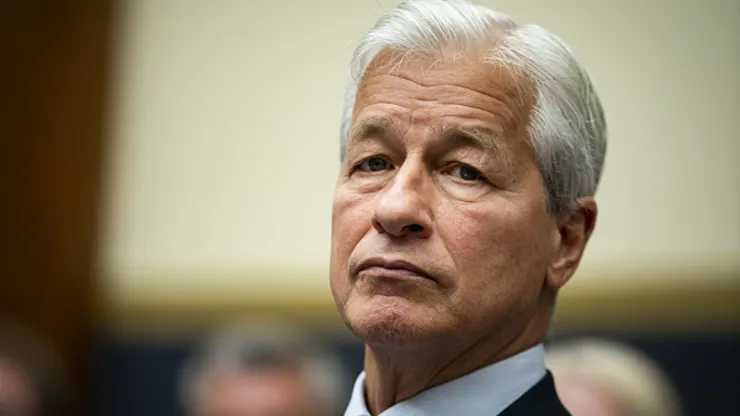
“In my view, America should have been pumping more oil and gas and it should have been supported,” Dimon told CNBC’s Julianna Tatelbaum at the JPM Techstars conference in London.
“We have a longer-term problem now, which is the world is not producing enough oil and gas to reduce coal, make the transition [to green energy], produce security for people,” he said.
“I would put it in the critical category. This should be treated almost as a matter of war at this point, nothing short of that,” he added.
“This is the chance to get our act together and to solidify the Western, free, democratic, capitalist, free people, free movements, freedom of speech, free religion for the next century,” he continued.
“Because if we don’t get this one right, that kind of chaos you can see around the world for the next 50 years.”
Jamie Dimon, CEO, JPMorgan Chase,
Posted in climate, energy policy, tagged BlackRock, Jeff Landry, John Schroder, Louisiana on October 6, 2022| Leave a Comment »
Louisiana treasurer John Schroder said Wednesday he would pull $794 million of state money from BlackRock Inc. funds.
“Your blatantly anti-fossil fuel policies would destroy Louisiana’s economy,” Mr. Schroder wrote.
WSJ
Here is the pertinent guidance from Louisiana Attorney General Jeff Landry:

