
Per the LA Times, a DCOR pipeline has been identified as the source of a sheen in California State waters near Bolsa Chica State Beach. The pipeline transports oil from Platform Eva. All platform and pipeline operations in the vicinity have ceased.
Posted in California, Offshore Energy - General, pipelines, tagged California, pipeline spill, Platform Eva on December 27, 2021| 2 Comments »
Per the LA Times, a DCOR pipeline has been identified as the source of a sheen in California State waters near Bolsa Chica State Beach. The pipeline transports oil from Platform Eva. All platform and pipeline operations in the vicinity have ceased.
Posted in accidents, California, pipelines, tagged anchor dragging, Beta Unit, Huntington Beach, leak detection, pipeline spill on December 16, 2021| Leave a Comment »
This will be an interesting case given that the root cause of the leak appears to be anchor dragging and the responsible shipping company has yet to be identified. Also, these informed quotes about leak detection from a previous post are highly pertinent:
“My experience suggests this would be a darned hard leak to remotely determine quickly,” said Richard Kuprewicz, a private pipeline accident investigator and consultant. “An opening of this type, on a 17-mile-long (27-kilometer) underwater pipe is very hard to spot by remote indications. These crack-type releases are lower rate and can go for quite a while.”
The type of crack seen in the Coast Guard video is big enough to allow some oil to escape to potentially trigger the low pressure alarm, Kuprewicz said. But because the pipeline was operating under relatively low pressure, the control room operator may have simply dismissed the alarm because the pressure was not very high to begin, he said.
ABC News
Posted in accidents, California, Offshore Energy - General, pipelines, tagged Amplify, Beta Unit, Huntington Beach, NTSB, pipeline spill, US Coast Guard on December 9, 2021| Leave a Comment »
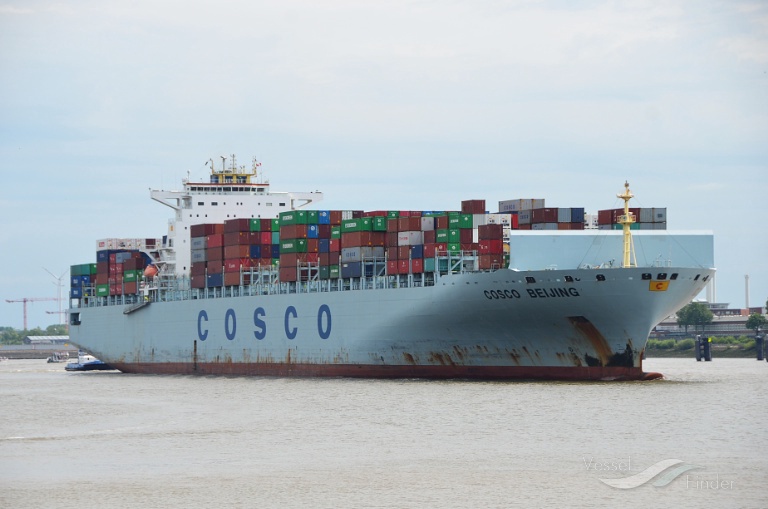
According to the Coast Guard, investigators determined the ship “was involved in an anchor dragging incident on Jan. 25, 2021 during a heavy weather event that impacted the Ports of L.A. and Long Beach.” The anchor- dragging occurred “in close proximity” to an underwater pipeline later determined to be the source of the October leak that spilled thousands of gallons of oil into the ocean, forcing the closure of beaches and harbors across Orange County.
CBS-LA
The hearings and the liability battles that follow will be most interesting. Those lined up to sue the pipeline operator (Amplify), such as this Huntington Beach disc jockey, may have difficulties.
Posted in accidents, California, Uncategorized, tagged Platform Harvest, Titan explosion, Vandenberg on December 1, 2021| Leave a Comment »
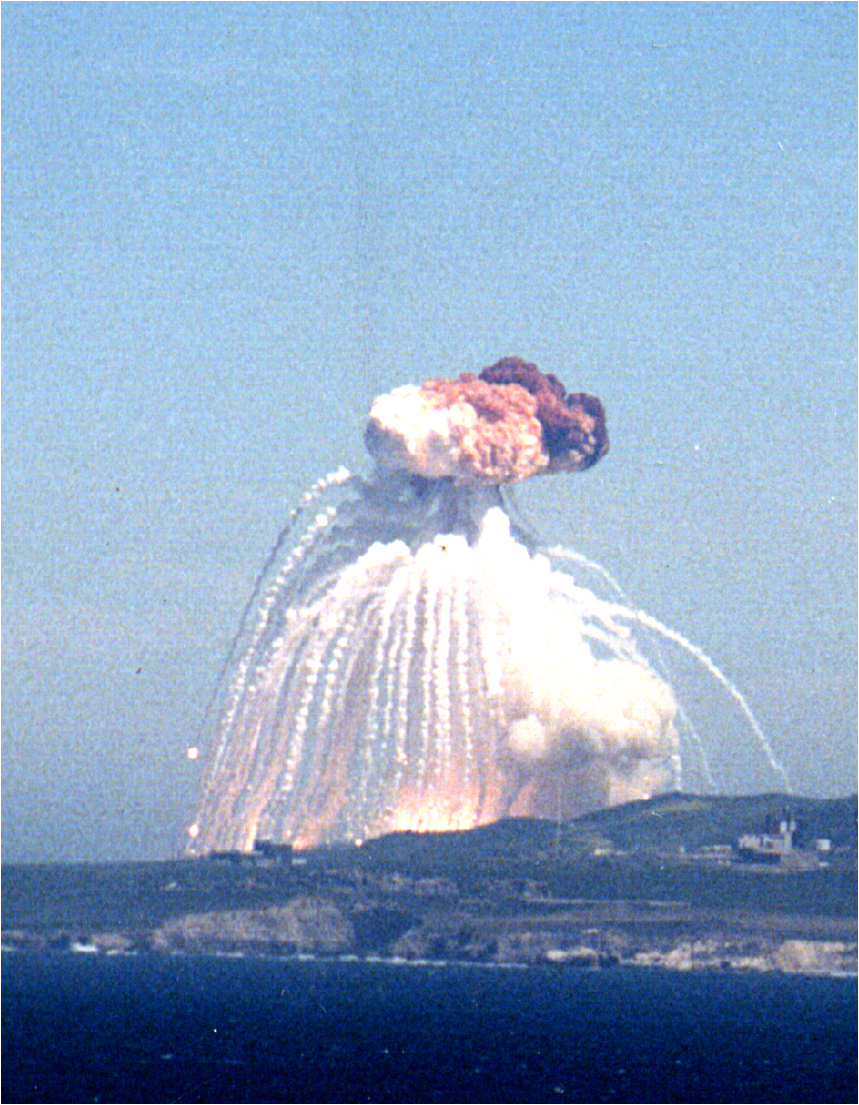
Last week’s successful Falcon 9 launch from Vandenberg Space Force Base (formerly Air Force Base) brought back memories of a less successful Vandenberg launch on April 18, 1986. I was just offshore from the base on Texaco’s Platform Harvest at the time. That is where the photo below was taken.
The Titan rocket carrying a secret spy satellite exploded in a huge orange cloud seconds after the launch. Because this was a classified mission, few residents knew that a launch was occurring. Fifty-eight people were treated for skin and eye irritation. Not a shining moment for the space program, particularly given the Titan failure the previous August and the tragic Challenger disaster earlier in 1986.

Posted in California, decommissioning, energy policy, rigs-to-reefs, tagged California, decommissioning, rigs to reefs on November 30, 2021| Leave a Comment »
Despite scientific support, California’s “rigs to reefs” program has made little progress. Comments in yesterday’s LA Times article help explain why:
Fed by concerns from some environmental advocates and a skepticism about the motives of California’s billion-dollar oil industry, the Rigs to Reefs program that passed in 2010 was so complicated by political compromise that the permitting process became almost unworkable, (State Sen.) Hertzberg said.
Not a single oil company has applied in the history of the program, according to the State Lands Commission, which has jurisdiction over state waters.
LA Times
“Oil companies want a clear path to compliance,” he said. “They’re operating in many cases at a loss, but it’s cheaper to operate at a loss than it is to face millions for decommissioning.”
Gary Brown, Orange County Coastkeeper
Posted in California, decommissioning, Gulf of Mexico, Offshore Energy - General, tagged Chevron, Lease 0450, Lease Sale 257, Lease Sale 53, Platform Hidalgo, Pt. Arguello Field on November 23, 2021| Leave a Comment »
Were it not for the surprising CCS bidding, which was accomplished without public notice, last week’s Gulf of Mexico sale would have been pretty ordinary – $177 million on 214 tracts.
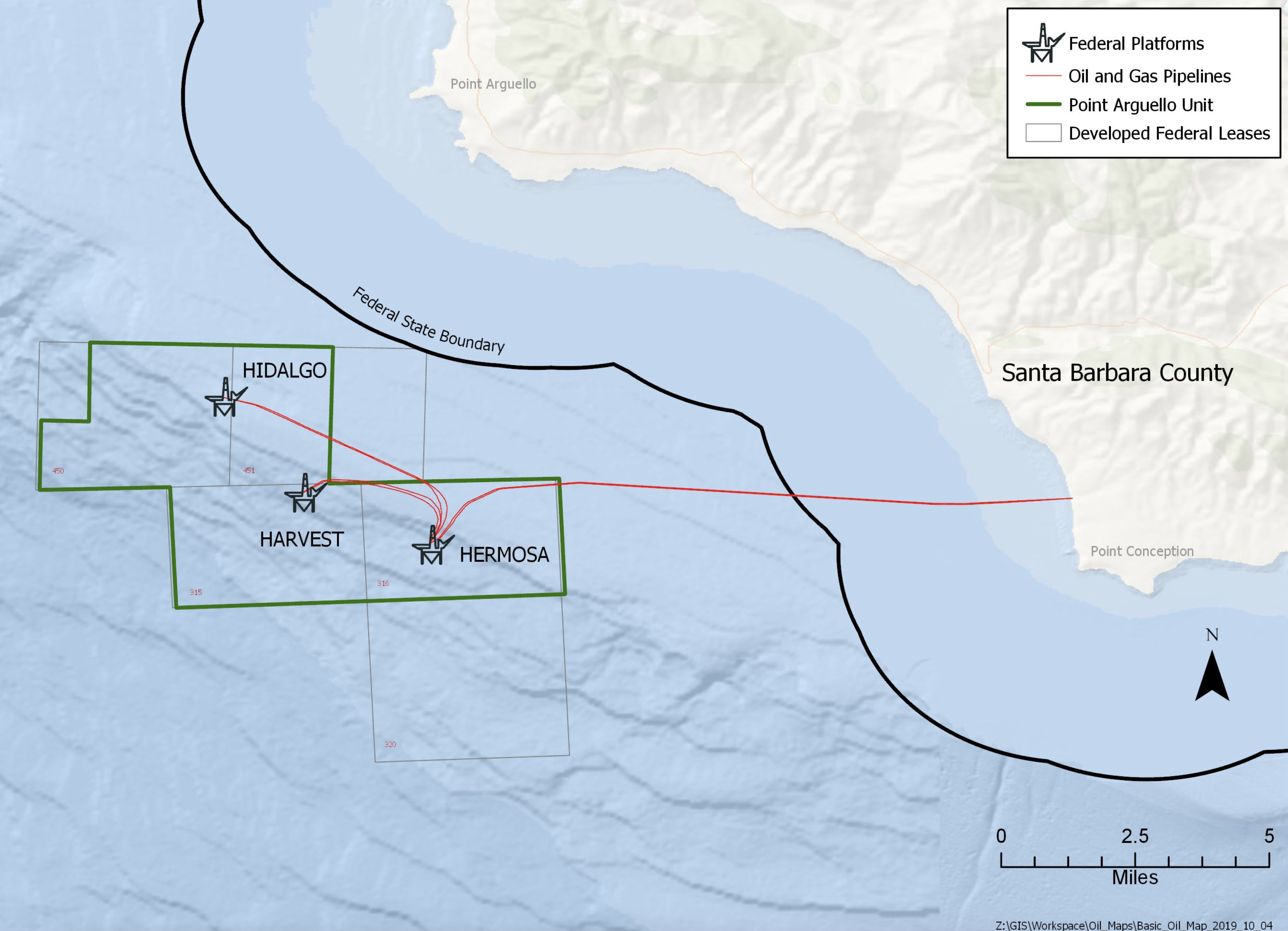
A 1981 lease sale offshore California was quite another matter. That sale (no. 53) set records that will never be surpassed. A single lease (OCS-P 0450) encompassing a little more than 5000 acres was sold to Chevron and Phillips for an astounding $333 million. This equates to $1.013 billion in 2021 dollars. That single bid (in 1981 dollars) exceeds the total high bids for any Gulf of Mexico sale since 2015.
High bids for Sale 53 totaled $2.3 billion ($7.0 billion in 2021 dollars!) for only 81 tracts. A GoM sale in 2008 received $3.7 billion in high bids, but that was for 603 tracts.
Unfortunately, production from lease 0450 never met expectations. Platform Hidalgo (0450) and the other two Pt. Arguello field platforms (Harvest and Hermosa) are no longer producing and are in the process of being decommissioned. An interesting criminal case involving Platform Harvest, then operated by Texaco, will be discussed at a later date.
John Smith’s Pacific decommissioning update
Posted in California, decommissioning, energy policy, Offshore Energy - General, rigs-to-reefs, tagged California, decommissioning, Jerry Schubel, rigs-to-reefs on November 2, 2021| Leave a Comment »
Veteran marine science advocate Jerry Schubel, former president of Long Beach’s Aquarium of the Pacific, is among those pushing for offshore oil platforms to be transformed for new ocean uses. He points out that the underwater portion of the structures already are a boon to marine life.
“They have enormous value as ecosystems because of the life that has grown on and around them,” he said.
He points out that other states have rigs-to-reefs programs — and California does as well, though it needs funding before it can function. Once the ball gets rolling, oil companies could be tapped to cover costs with fees drawn from the money they would save by not having to haul dismantled rigs ashore. Schubel estimated that turning platforms into reefs could cut decommissioning costs in half.
But Schubel says artificial reefs should be just the beginning. How about fish farms? Research labs? Windmills? Hotels for divers?
“The uses,” he said, “are limited only by our imagination.”
Orange County Register
Well said Dr. Schubel! For a full list of alternative uses for offshore platforms see the official Rigs-to-Reefs+++ page.
Posted in accidents, California, Offshore Energy - General, oil, pipelines, tagged Coast Guard, Huntington Beach, pipeline spill, spill response on October 27, 2021| Leave a Comment »
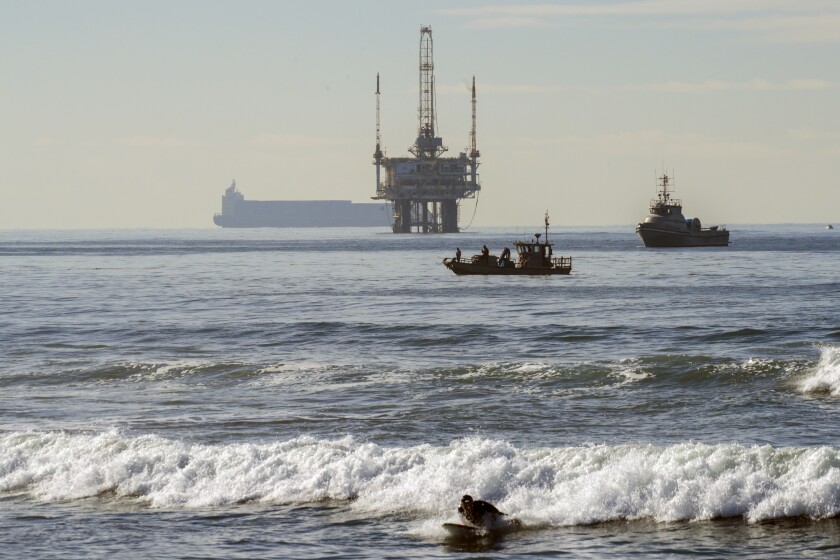
Due to water currents and a robust emergency clean-up effort, local beaches and ocean were re-opened on Oct. 11. By mid October, walking along the wide, sandy beaches there’s no sign of the spill as dolphins and surfers share the waves against a backdrop of cargo ships, oil rigs and the soft silhouette of Catalina Island.
Santa Cruz Sentinel
Further confirmation of the lower spill volume:
“Right now, there’s high confidence that the spill was approximately 24,696 gallons. The exact number won’t be able to be verified until the investigation has been completed. But there’s high confidence in that number,” Shaye said.
LCDR Shaye to the Sentinel
“Our world environment is very resilient, which is a positive thing,” Shaye said. “As far as the birds and wildlife; there have been some deaths, as happens in this kind of situation. But quite a few have been rehabilitated and released back into their environment.
LCDR Shaye to the Sentinel
Kudos to the responders. The training and response exercises worked!
Posted in accidents, California, Offshore Energy - General, pipelines, tagged Beta Unit, California, lease cancellation, pipeline spill on October 22, 2021| Leave a Comment »

A group of environmental organizations demanded Wednesday that the Biden administration suspend and cancel oil and gas leases in federal waters off the California coast after a recent crude oil spill.
NBC LA
While not the disaster that some had predicted, this spill is another setback for California offshore production. However, cancellation of the remaining producing leases would be a very difficult and costly proposition for the Federal government. At this time, the Beta Unit operator appears to be minimally responsible for the spill, so what would be the basis for cancelling those leases? Cancelling other producible leases would be even more problematic.
Posted in accidents, California, energy policy, pipelines, tagged age, INGAA, pipelines on October 18, 2021| Leave a Comment »

A: Not according to this 2012 INGAA study:
 Bud's Offshore Energy (BOE)