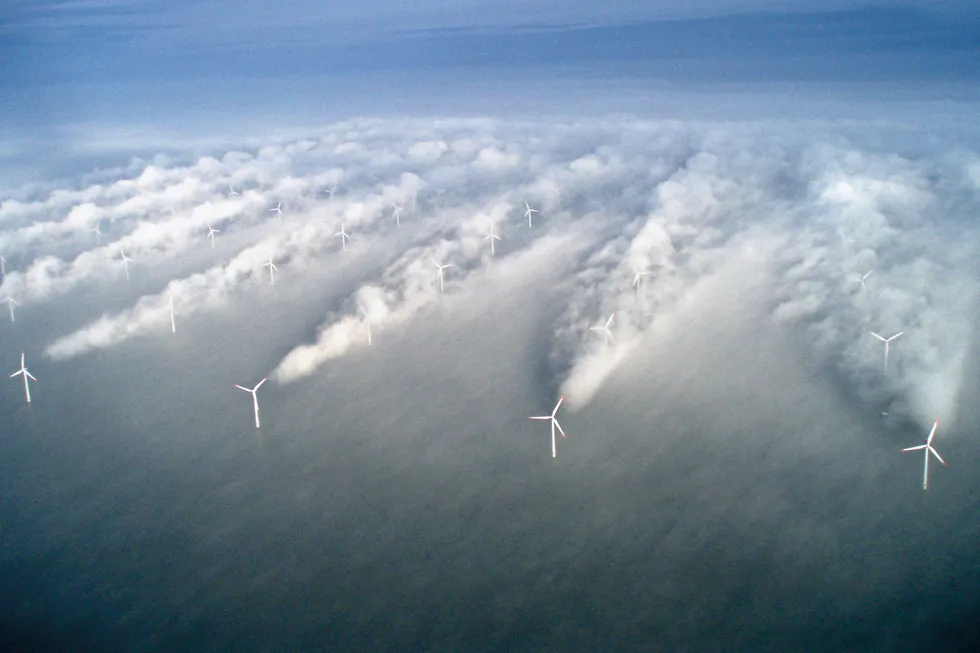
A previous post on wind theft and a recent BBC article point to the rather limited understanding that wind developers and govt land managers have about wind resource management including optimal turbine spacing and protection of correlative rights. Wind is considered a renewable energy resource, but the energy lost through inefficient operating practices is not renewable.
Given that the wake effect can extend for more than 100 km, reduce downwind energy production by >10%, and affect biological productivity, a better understanding of this phenomenon should have preceded the installation of thousands of turbines.
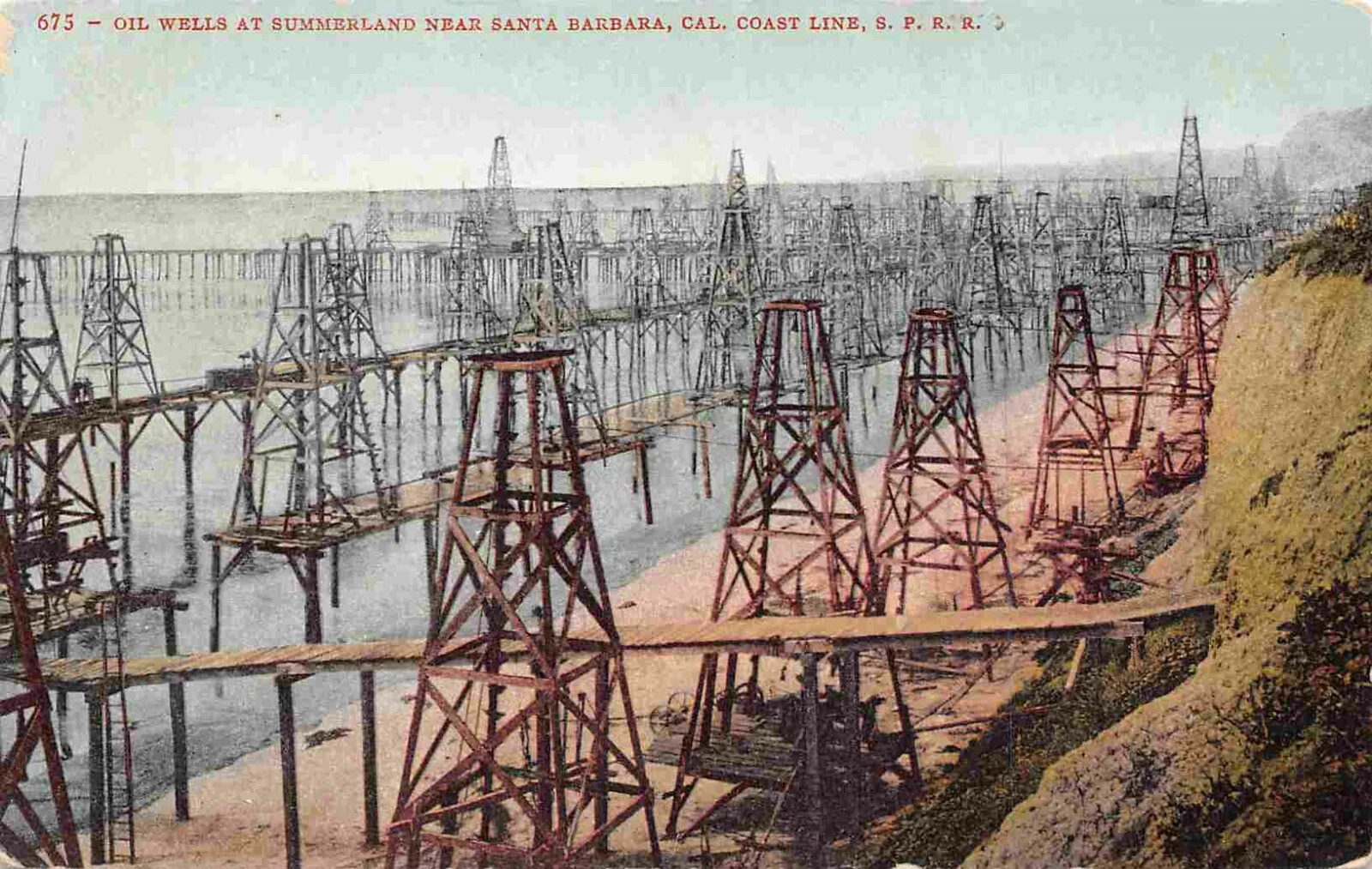
high density, low ultimate recoverycirca 1910modern deepwater production, few facilities, high oil recovery
Wind resource management is reminiscent of the early years of oil production when the “law of capture” reigned supreme and wasteful production practices were a self-defense mechanism.
Colette Hirstius, currently Executive Vice President, Gulf of America, will take on the responsibility of President, Shell USA, in addition to her current role as Executive Vice President, Gulf of America, effective August 1, 2025.
In a city where high school ties tend to be strong and enduring, Ms. Hirstius is a graduate of St. Mary’s Dominican HS. Supreme Court Justice Amy Coney Barrett, whose father was an attorney for Shell, and my former Minerals Management Service colleague Kathy Swiler, are also St. Mary’s Dominican graduates.
Ms. Hirstius stayed in New Orleans as an undergraduate, receiving a B.S. degree in geology from Tulane.
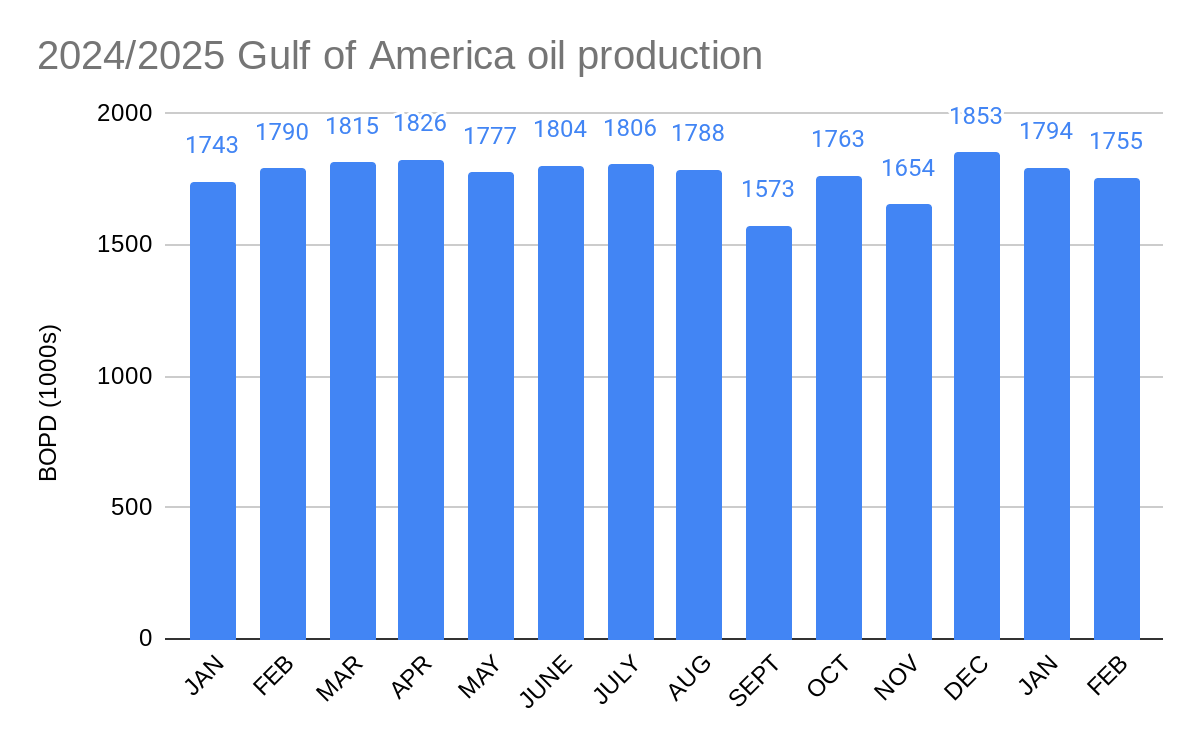
Shell is the no. 1 oil and gas producer in the Gulf of America. In 2024, the company produced 171.7 million bbls of oil (26.2% of the GoA total) and 167.4 bcf of gas (24.4% of the GoA total).
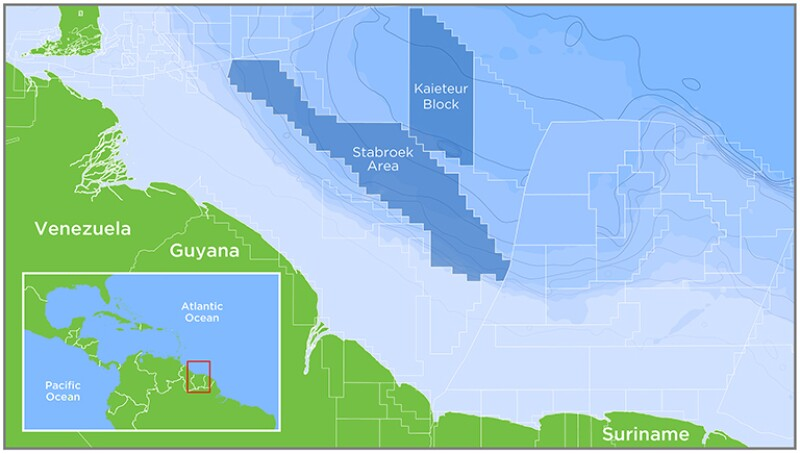
On May 26 in London a three-judge International Chamber of Commerce panel will finally begin considering the Exxon claim that the Stabroek joint operating agreement grants them the right-of-first-refusal in Chevron’s acquisition of Hess’s 30% share of the massive field (>11 billion boe) offshore Guyana.
Exxon’s rather unlikely ally in this case is state-owned China National Offshore Oil Corp. How did CNOOC get a stake in Stabroek and why is their position on the Hess acquisition hypocritical?
CNOOC became a 25% Stabroek partner by acquiring Canadian Nexen in 2013. Their Nexen acquisition, which included Canadian, US, and international assets, was only reluctantly approved by the Canadian and U.S. governments, and probably would not be approved today.
CNOOC’s Stabroek acquisition is thus very similar to Chevron’s. In both cases, the entire company, not just the Stabroek asset, was acquired.
The Stabroek acquisition has proven to be most fortuitous for CNOOC, not only because of the oil and gas resources, but also through the deepwater development expertise that has been gained. Now CNOOC is trying to further leverage their Stabroek position by joining Exxon in challenging the Chevron acquisition.
It would be great if the arbitration proceedings were streamed, but that will not be the case. It also appears unlikely that media will be allowed to attend or that transcripts will be made available.
As previously noted, I would have liked the Guyanese government to be more assertive in this dispute. Stabroek is Guyana’s offshore gem, their most important economic asset. This lengthy dispute has to affect partner teamwork and communication. From safety, environmental, and production standpoints, do you want feuding partners managing such an important national asset?
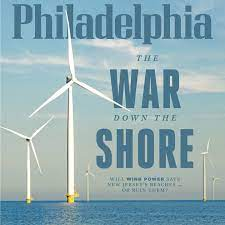
“You cannot make this stuff up. The Murphy administration already burned through billions of your tax dollars on offshore wind projects that never worked. They pushed it on us even when towns were saying no, fishermen were saying no, and the tourism industry was saying no. They looked the other way while whales washed up on our beaches. They ignored the Pentagon when it said it was a national security risk. The NJ Ratepayer Advocate said it would raise utility bills. The Government Accountability Office (GAO) said the cons outweighed the pros. They did not listen to anyone. And now, after all that, they want to throw even more taxpayer dollars at it in court. It truly is a slap in the face to every taxpayer and every family struggling to pay their energy bill.”
“David is small, semi-nomadic and works across a vast sea area; Goliath is massive and growing rapidly.”
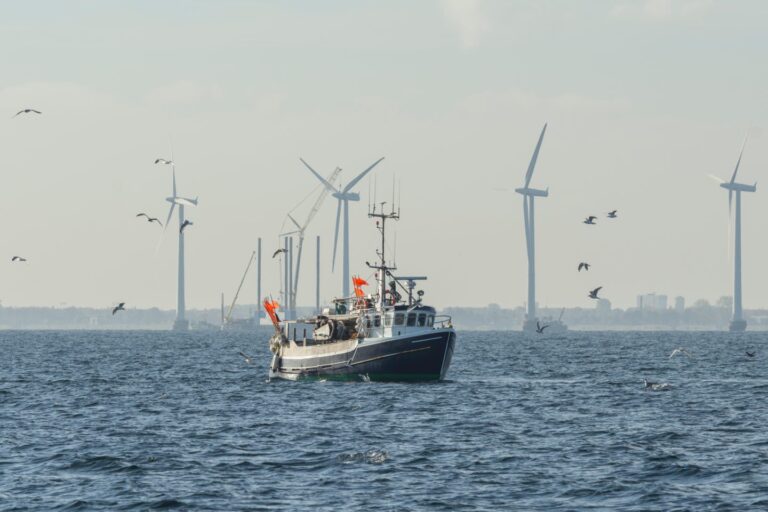
Energy Voice describes the challenges offshore wind poses for the small but culturally important UK commercial fishing industry, highlighting the findings of a fisheries research lab report.
Per Elspeth Macdonal of the Scottish Fishermen’s Federation:
“How it often feels to us is that government says all the right things, has this blue economy vision and all of those great things but, at the end of the day, it actually feels like government is picking winners and losers and, at the moment they seem unable to see past the wind industry as the only game in town.“
This comment on the evolution of the relationship between the fishing and oil industries in the North Sea also aptly describes the US offshore experience:
“The fishing industry eventually learned to live with Big Oil, which is now on the wane, but living with territory-guzzling offshore wind farms – fixed and floating – may prove a lot more challenging.”
All 17 of the States that filed the offshore wind law suit have Democrat governors. However, 6 States with Democrat governors are not parties in the suit (see table below). Two of those governors, Andy Breshear, and Josh Shapiro, are leading moderates within the Democrat party.
John Smith shared an outstanding paper (attached) that was presented by co-author Robert Byrd at the SPE Regional Meeting in Garden Grove, CA last week.
John Smith: “My objective in writing the paper is to hopefully spur legislators to recognize the benefits of reefing and the legislative fixes required to facilitate reefing and the removal of aging infrastructure. The California Department of Fish and Wildlife Habitat Lead was very complimentary of the paper and has distributed it to the Interagency Team which is developing a California Artificial Reefing Plan.”
John adds: “They are in the process of creating a statewide artificial reef plan and you can sign up for updates and get more information. The California Artificial Reef Program (CARP) Plan won’t discuss the specifics of Rigs-to-Reefs but will be compliant with the National Fisheries Enhancement Act and National Artificial Reef Plan and meet the BSEE requirement of having an adopted state artificial reef plan. The intent is to add an addendum to the plan when resources become available to move Rigs-to-Reefs forward in California. You can check out the latest program update that further discusses the CARP Plan and Rigs-to-Reefs.”
Unsurprisingly, 17 States (plus DC) filed the attached lawsuit in Massachusetts federal court asserting that the directive to suspend offshore wind activities is illegal.
This will be interesting given that the OCS Lands Act grants broad authority to the Secretary of the Interior to suspend activities when necessary to ensure safety, protect the environment, or allow for further study of potential impacts.
Those who are familiar with the administration of the OCS Lands Act know that there is really no such thing as a “fully permitted project.” The Secretary can call for further review whenever concerns are raised and there is a need for further investigation.
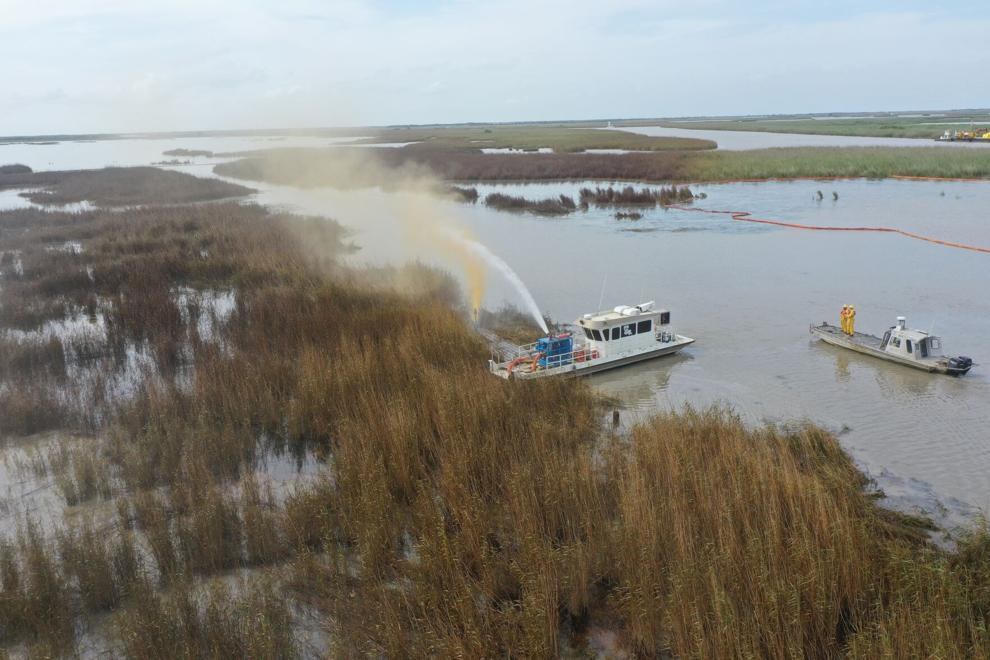
Coast Guard photo. Thanks to Lars Herbst for bringing this incident to my attention.
In what the Coast Guard is describing as an “uncontrolled discharge” (euphemism for blowout), an 82-year-old oil well has been spewing oil, gas, and water into the coastal marshes of southern Plaquemines Parish, Louisiana, for more than a week.
In hopes of future production, prior and current owners had elected not to permanently plug the well, apparently with the State’s acquiescence.
The Coast Guard has taken over the response and has accessed the Oil Spill Liability Trust Fund.
We don’t need relaxed decommissioning and financial assurance requirements. We need a cooperative Federal, State, and industry effort to ensure that wells are plugged in a timely manner and that financial assurance is provided to protect the public interest.


 Bud's Offshore Energy (BOE)