Feeds:
Posts
Comments

Archive for August, 2024

The Town of Nantucket would like to provide you with an important update regarding the controlled detachment of the Vineyard Wind turbine blade and the ongoing efforts to manage any resulting debris.

August 11, 8:00 PM – Early this morning, portions of the remaining hanging sections of the Vineyard Wind turbine blade detached from the hub. The controlled detachment follows a series of exercises conducted late last week to pitch the blade, which, in combination with storm winds, led to the safe separation of the sections below the root of the blade.

Vineyard Wind and GE Vernova are currently assessing the situation to determine if any remaining sections pose a risk of detachment. The root of the blade, still attached to the turbine, is being monitored, and we are informed that plans are in place for its removal. Vineyard Wind has maritime crews on site to secure and contain any debris immediately.

The U.S. Coast Guard continues to enforce a 500-meter safety exclusion zone around the turbine. Vineyard Wind is utilizing ocean current and wind pattern models to predict potential debris movement. Depending on wind direction, more debris could potentially arrive on Nantucket beaches over the next hours or days. The Town of Nantucket will provide updates when necessary.

Under a federal preservation order, Vineyard Wind is responsible for retaining all debris, and only their employees, contractors, or those appointed by town officials are authorized to handle and recover debris materials. We urge the public to avoid handling any debris.

REMINDER TO THE PUBLIC 

  • DO NOT put any debris in your home garbage. 
  • DO NOT bring the debris to the landfill. 
  • DO notify the proper authorities immediately if you have debris so they can remove it for analysis and proper disposal.

Only trained employees or contractors are responsible for collecting and removing the debris. To report any remaining debris, please contact:

  • Phone: 833-609-5768 
  • Reports of debris can also be sent to the cleanup contractor here. 

Read Full Post »

Marine artwork by JL Daeschler and Karen Danenberger:

Pockets of Light at Dawn by JL Daeschler
Isle of May in the Sky by JL Daeschler
Provincetown Pier by Karen Danenberger
Evening Calm, Boat Meadow by Karen Danenberger

Read Full Post »

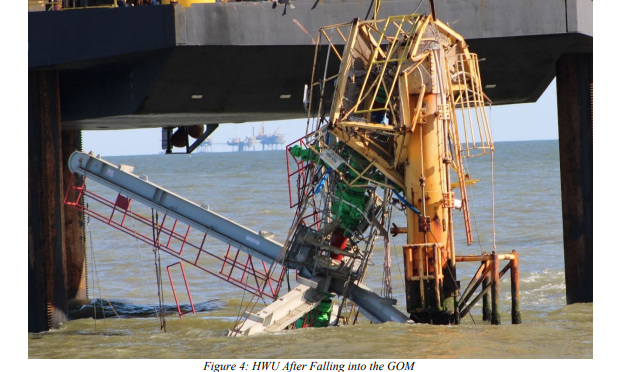
2 sentence summary: The well’s degraded 20″ structural casing could not support the hydraulic workover unit (HWU), which included an oversized BOP stack. The HWU began to sway and fell into the water with the victim attached by his fall protection to the top of the unit.

The full report is attached. The report is quite good, but something is seriously amiss when it takes 28 months to finalize a panel report. I suspect that the work of the panel and the regional reviewers was completed in a fraction of that time. Where are the bottlenecks?

Read Full Post »

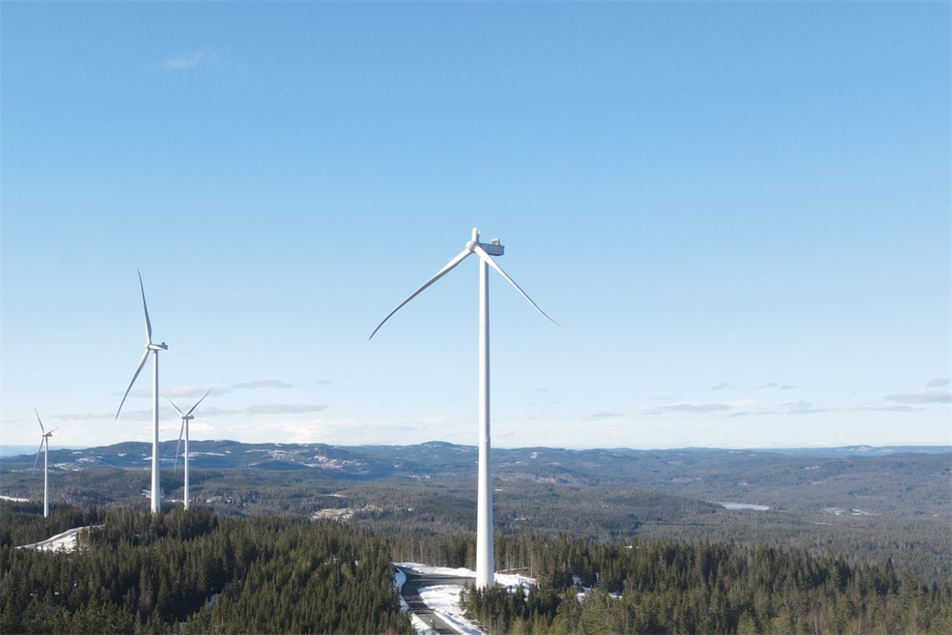
In April 2024, a 72 meter, 22 ton blade from a turbine at the Odal onshore wind farm in Norway fell to the ground. 15 of the wind turbines at the facility were already out of operation, 13 due to blade defects. In 2023, Siemens Gamesa warned of quality problems at its onshore unit.
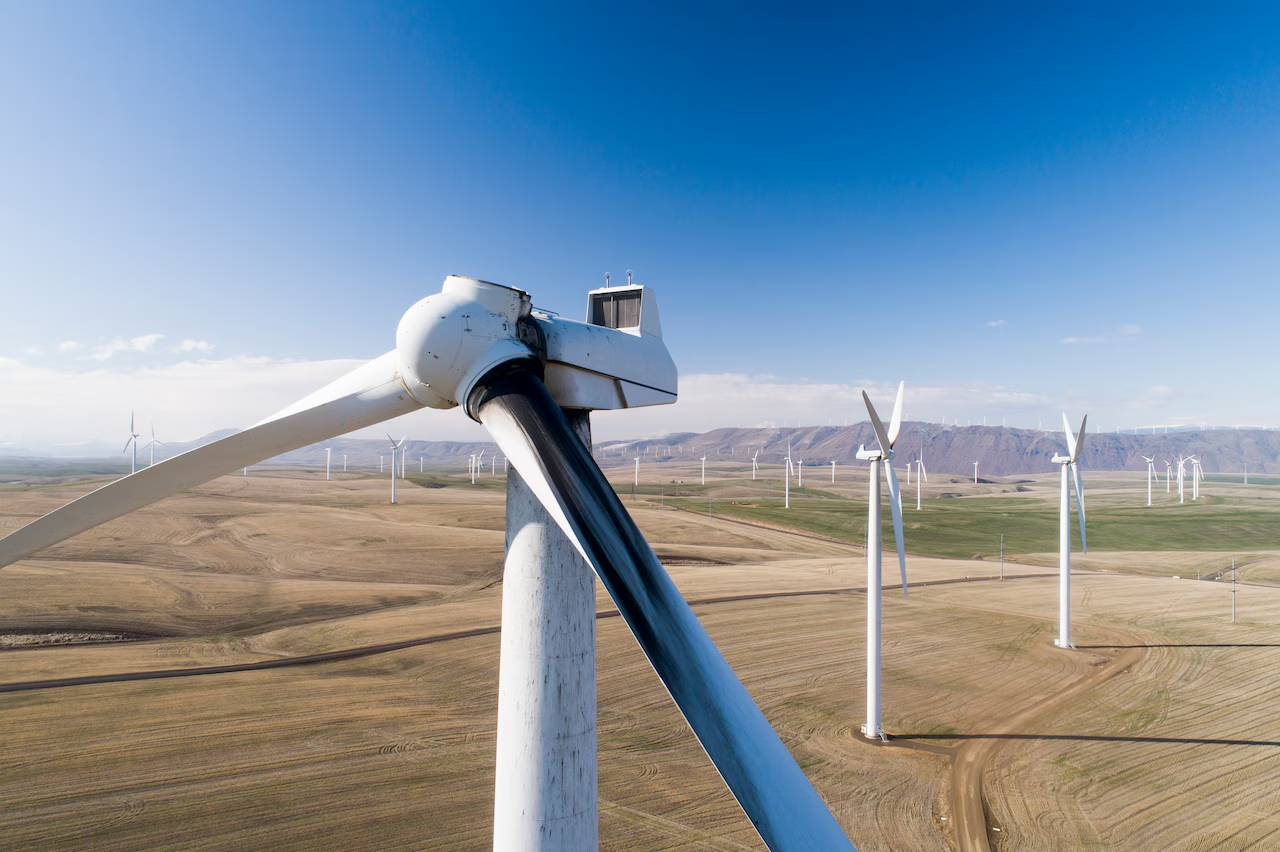
A Vestas turbine launched a a 7 ton blade and a shower of bolts amidst agricultural farmland at Portland General Electric’s Biglow Canyon wind farm.

As the above examples illustrate, turbine blade failures, like the Vineyard Wind incident near Nantucket, are not unique to GE Vernova. GE’s rivals, Siemens Gamesa and Vestas, have also experienced serious quality control issues.

Per ReviewEconomy (2023), “Unexpected and increasing wind turbine failure rates, largely in newer and bigger models, are savaging the profits of some of the world’s biggest manufacturers, as Siemens Gamesa, GE and Vestas report heavy repair and maintenance losses.”

All 3 manufacturers will be providing turbines for US Atlantic wind development. The table below lists the manufacturers for active projects with approved Records of Decision (RODs).

In light of the manufacturing challenges, all 3 companies report increased emphasis on quality control. Why has quality control to date been inadequate and how will the past problems be corrected?

Has the wind industry’s sense of entitlement, as evidenced in their tax credit, rate increase, and departure expectations, affected their safety and quality culture? Has industry and governmental wind energy promotion rushed development and compromised design and fabrication decisions? It’s time for wind developers, manufacturers, and regulators to make sure their priorities are in order.

projectturbine towersmanufacturer
Coastal VA Offshore Wind202Siemens Gamesa
Revolution Wind100Siemens Gamesa
Sunrise Wind94Siemens Gamesa
Atlantic Shores South200Vestas
Ocean Wind 198GE Vernova
Vineyard Wind 1100GE Vernova
Empire Wind 1 & 2147Vestas
New England Wind (phases 1&2)150Vestas

Read Full Post »

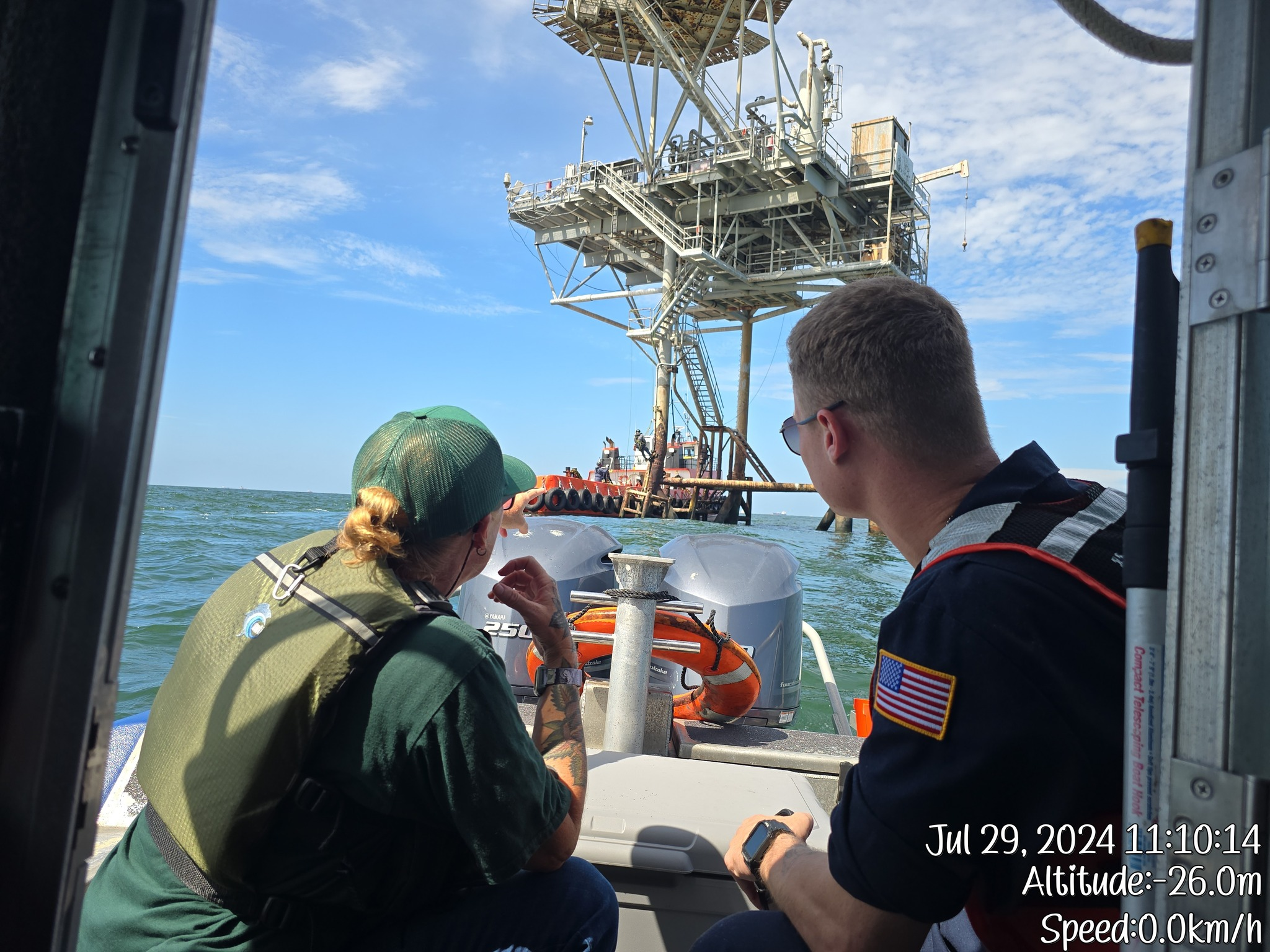
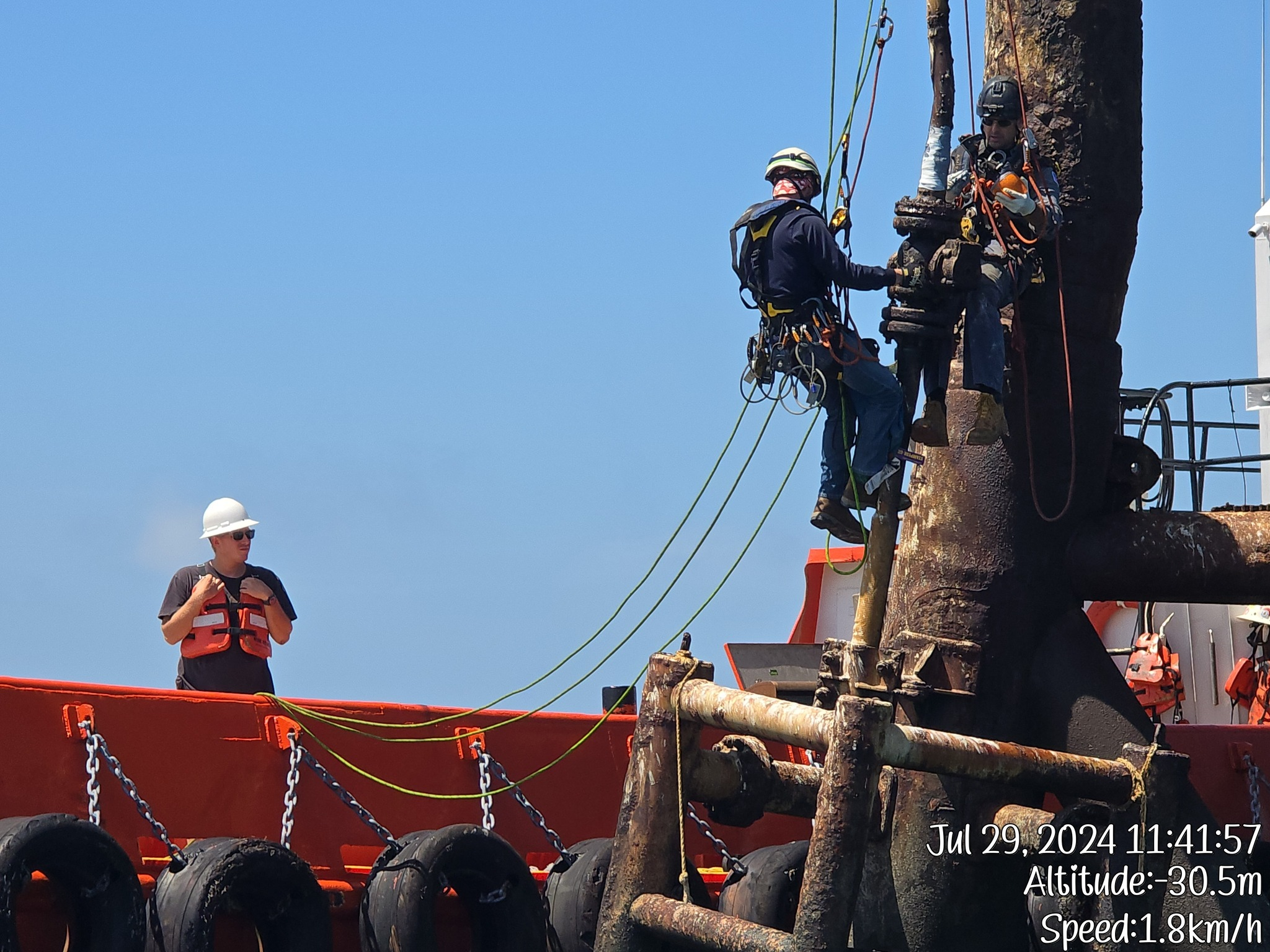
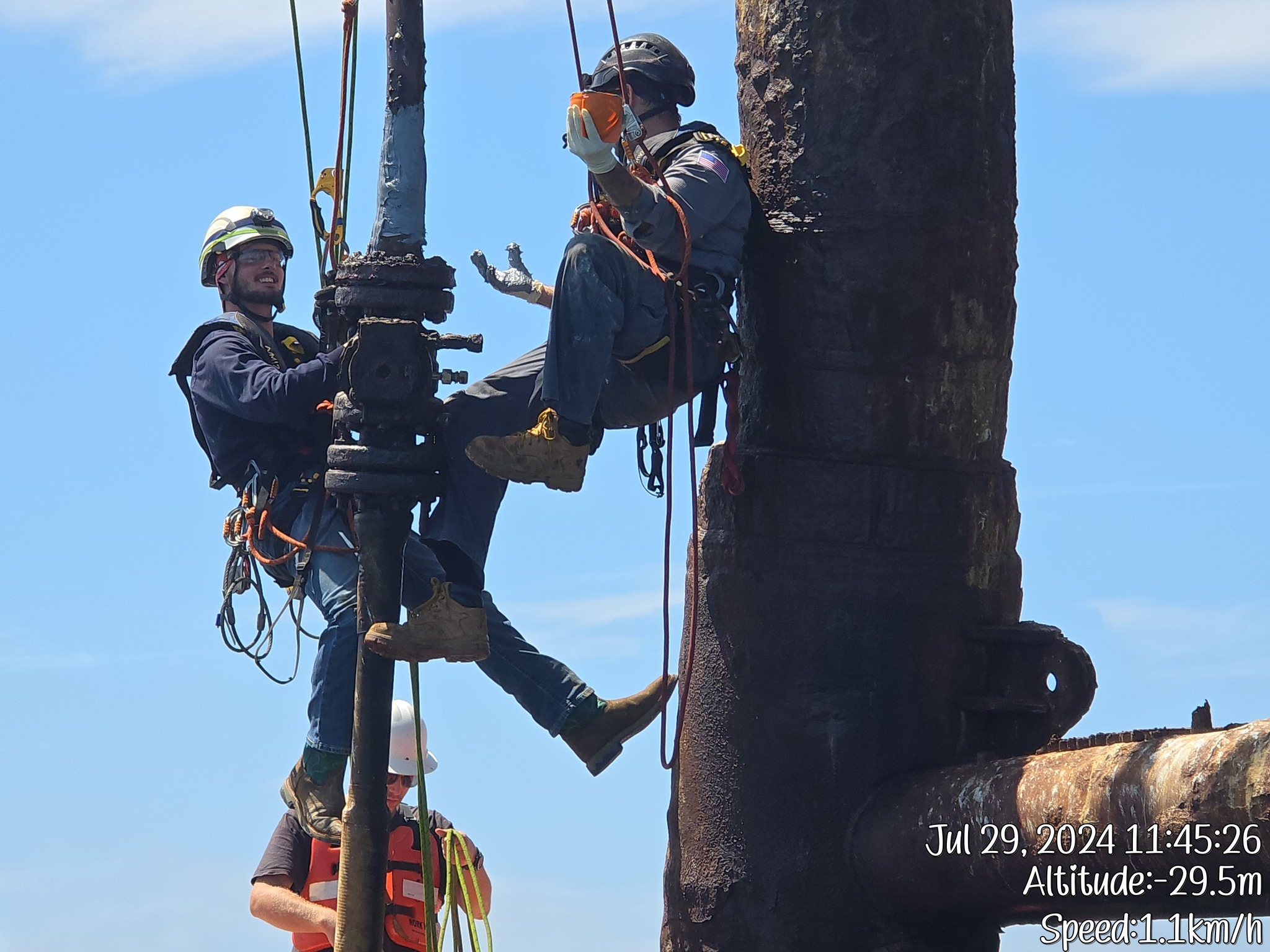
According to the Texas General Lands Office, which provided the above photos, a patch has been applied to the leaking pipeline riser on an abandoned platform in High Island Block 98-L. The gas condensate spray has been stopped.

Crews from the U.S. Coast Guard, Texas General Land Office, and the Texas Railroad Commission monitored the operation. It’s unclear who the responsible party is and who funded and performed the work.

Read Full Post »

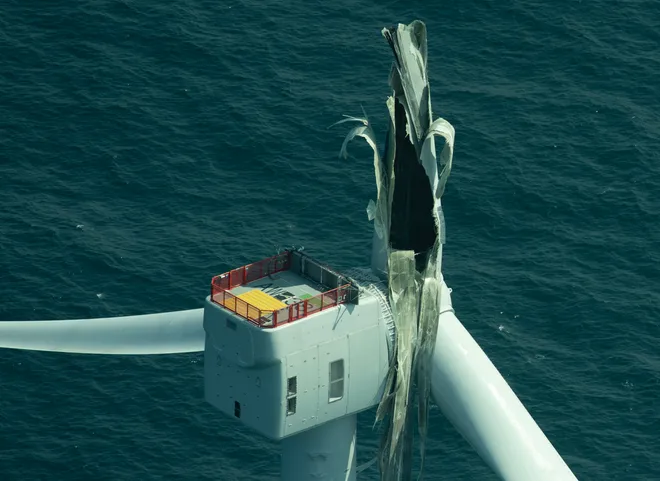
damaged Vineyard Wind turbine – Cape Cod Times photo

BOEM’s long list of approved departures from the renewable energy regulations includes the eyebrow-raising approval of Vineyard Wind’s request to shortcut the review of design, fabrication, and installation reports.

Contrary to the regulations, Vineyard Wind was authorized to begin the fabrication of facilities before BOEM “received and offered no objections to the their Facility Design Report (FDR) and Fabrication and Installation Report (FIR).” The approval letter is attached, and excerpts (emphasis added) are pasted below. [Note: The requirement that was then at §585.700(b) is found at §585.632 in the current regulations.]

Vineyard Wind requests a regulatory departure from §585.700(b) requiring that fabrication of approved facilities not begin until BOEM provides notification that it has received and has no objections to the submitted Facility Design Report (FDR) and Fabrication and Installation Report (FIR). Vineyard Wind proposes to fabricate, but not install the following project elements:
1) Monopile foundations;
2) Electrical service platform;
3) Export cable;
4) Inter-array cables; and
5) Wind turbine generator facilities.

….allowing these fabrication activities to take place earlier in time would allow Vineyard Wind to adhere to its construction schedule, maintain its qualification for the Federal Investment Tax Credit, and meet its contractual obligations under the Power Purchase Agreements with Massachusetts distribution companies.

30 cfr 585.103 requires that a departure provide safety and environmental protection equal to or greater than the provision in the regulations that is waived. BOEM’s letter fails to explain how allowing fabrication to begin before fundamental design and fabrication reports are submitted and reviewed meets this test.

It’s noteworthy that GE Vernova has attributed the Vineyard Wind turbine blade failure to a fabrication issue. The FIR is thus particularly pertinent, because it addresses quality assurance measures, significant factors in the Vineyard Wind blade failure.

Perhaps even more troubling is BOEM’s response to subsequent requests by other companies to waive the FDR and FIR requirement (example). In these responses, BOEM asserts that their “current interpretation” is that no departure is needed because “the regulation prohibits only fabrication and installation activities on the Outer Continental Shelf (OCS) itself.” How does that make sense given the important activities, including the fabrication of turbine blades and other turbine components, that take place onshore?

In their letters approving the Vineyard Wind and other departures, BOEM implies that their review of these reports is unnecessary because “the design and fabrication of these components would occur under the supervision of the approved CVA” (Certified Verification Agent). That assertion misconstrues the role of the CVA. These agents, nominated and funded by the operator, provide third party oversight that is complementary to, not a substitute for, BOEM/BSEE project reviews.

According to this memo, DNV was the CVA for Vineyard Wind. Their insights on the turbine blade failure will presumably be included in BSEE’s investigation report.

The Vineyard Wind and other departures reinforce concerns that BOEM’s commitment to promoting offshore wind and accelerating development influenced their regulatory decisions. This concern, along with the division of responsibilities between BOEM and BSEE, should be part of the Vineyard Wind investigation. Hopefully, the investigation panel will be accorded a high degree of independence.

Read Full Post »

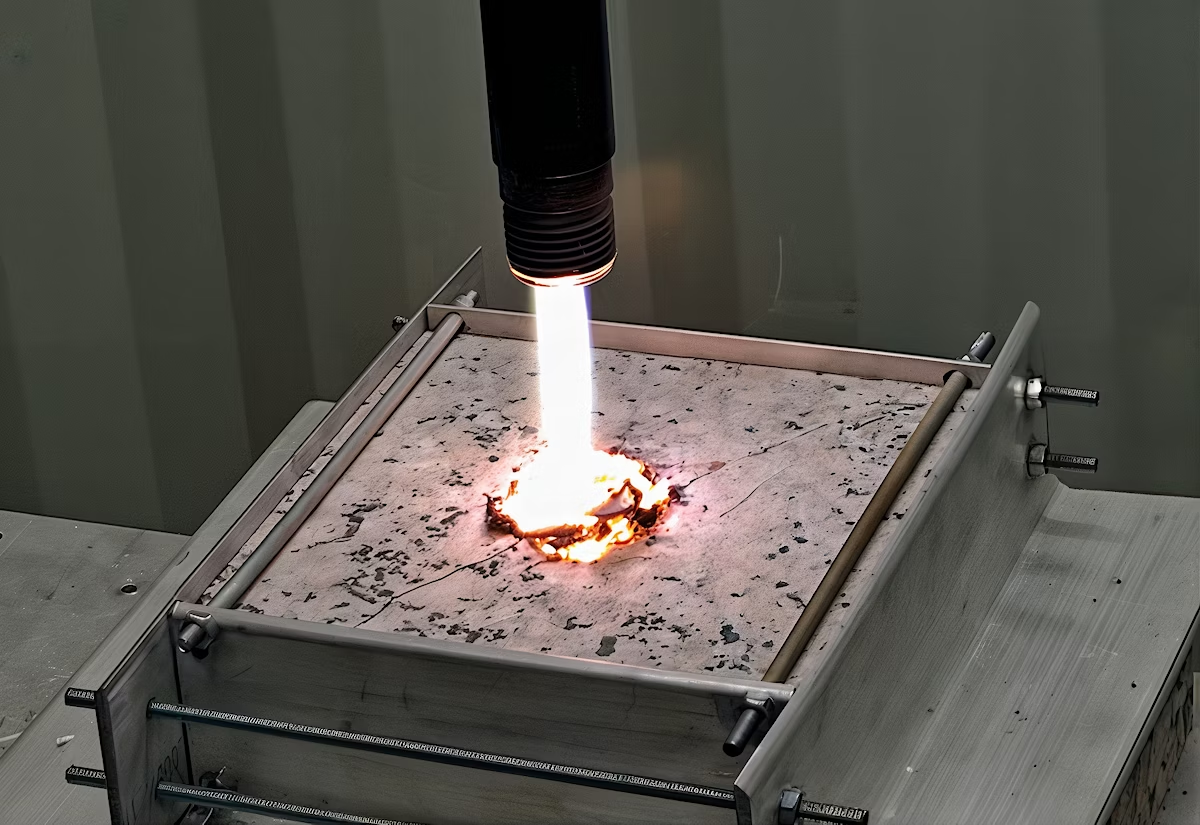
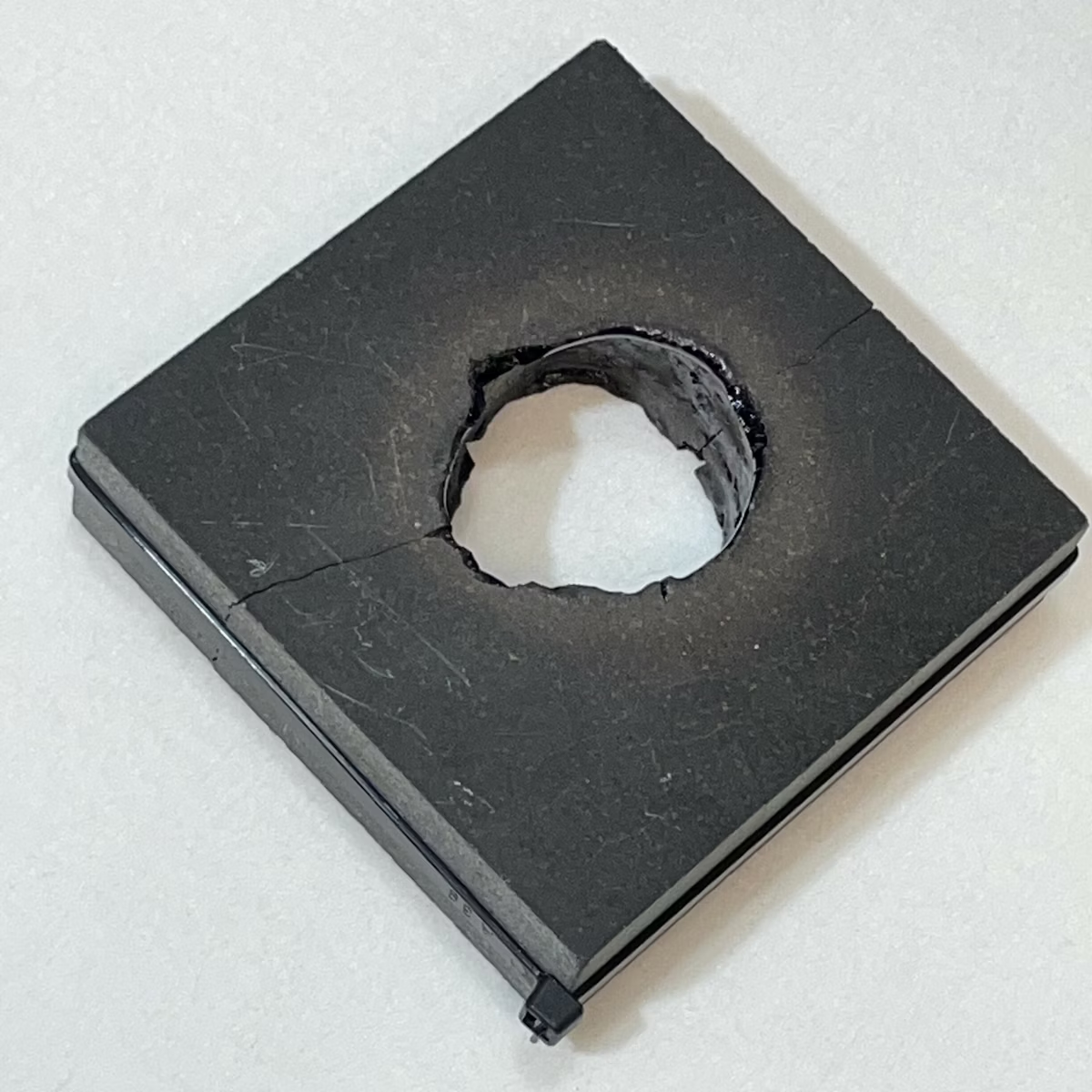
A recent millimeter wave drilling test conducted at the Quaise laboratory, in preparation for upcoming field demonstrations

Ultradeep geothermal has enormous potential for power generation without being handicapped by the intermittency, space preemption, aesthetic, and wildlife protection challenges inherit in wind and solar projects.

Quaise Energy is an exciting company, not only because of ultradeep geothermal’s unlimited energy potential, but also because of their fascinating gyrotron technology that vaporizes hard rock and could enable drilling to depths of 20-30 km and temperatures of >1000° C.

Quaise Energy’s latest update includes some good photos of laboratory tests of their drilling technology. The first field tests of their drilling technology are supposed to be conducted later this year, but no details have been provided.

Quaise describes millimeter waves (MMWs) as follows: “… a portion of the electromagnetic spectrum between microwaves and infrared. Named for their wavelength measuring 1-10 millimeters, MMWs are everywhere yet invisible to the naked eye. The fingerprints of the Big Bang still linger as MMWs all around us in the cosmic microwave background. And if you’re reading this on a phone, chances are it was transmitted by 5G using MMWs.”

The plan is to drill through sedimentary rocks with conventional technology and use MMWs to vaporize basement rock with dielectric heat. There are many hurdles to clear, starting with the field tests, but the enormous energy potential is undeniable.

drilled through basalt in lab

Read Full Post »

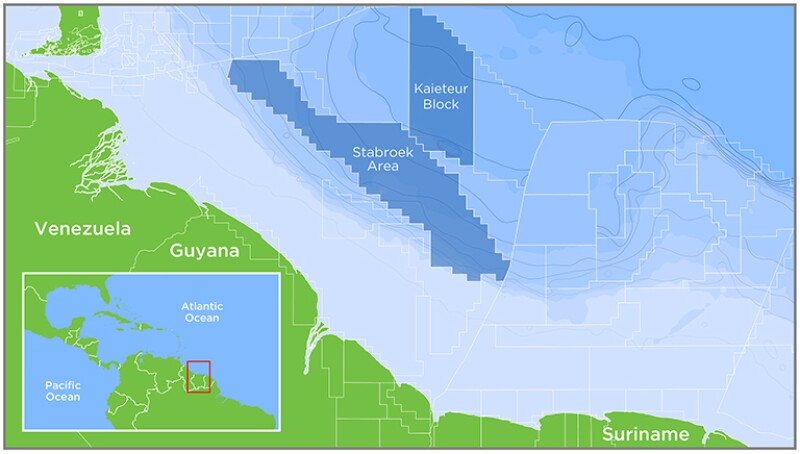
An International Chamber of Commerce panel has set a May 2025 date for the hearing on the dispute over Chevron’s acquisition of Hess’s share of Guyana’s Stabroek field. This is a massive delay considering the impact of this arbitration case on Chevron’s purchase of Hess.

The matter also has significant international intrigue given that (1) Exxon’s Stabroek partner is state-owned China National Offshore Oil Corp, which ironically acquired their 25% Stabroek share when they purchased Nexen (sound familiar?), and (2) Chevron continues to operate in neighboring Venezuela where the Maduro regime has claimed much of Guyana’s offshore resources.

As noted in a previous post, the Exxon/CNOOC position seems to be a stretch. Chevron did not buy the Stabroek share; they bought the company that holds that share. Hess is to be part of Chevron and there would be no change of control from the standpoint of the partnership. The panel will decide, but given the May 2025 hearing date, we probably won’t know the outcome for a year.

The Guyanese government has not taken a position in this dispute, but in my opinion, there are reasons for them to be concerned. Stabroek is Guyana’s offshore gem, their most important economic asset. The dispute has to affect teamwork and communication.

From safety, environmental, and production standpoints, do you want feuding partners managing such an important national asset? Those are Guyanese resources that the Stabroek partners are licensed to produce. I would have liked to have seen the government tell them to get this resolved in 30 days or we’ll resolve it for them.

Read Full Post »

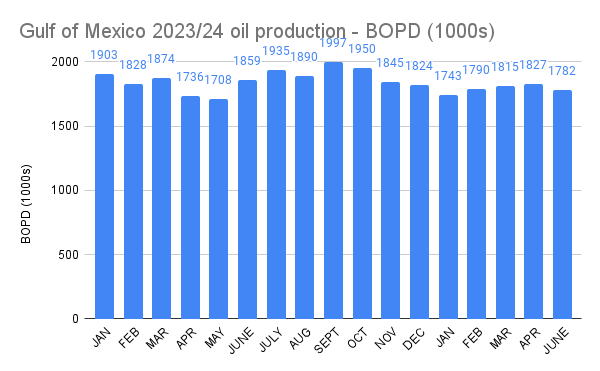
May Gulf of Mexico production fell 55,000 bopd from April. BOEM’s 2024 production forecast of 2.013 million bopd will likely be more than 200,000 bopd too high. Their forecast of >2 million bopd through 2027 is increasingly doubtful. Leasing policies intended to prevent production from rising too high do not bode well for the longer term.

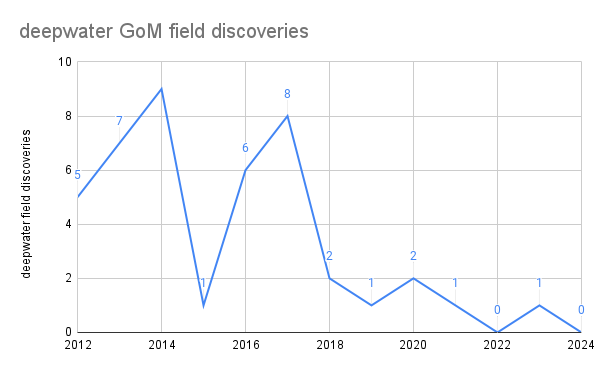
The dearth of deepwater discoveries over the past 6 years (chart below derived from BOEM data) should be a major concern to those engaged in energy policy. Technical innovation has facilitated simpler, safer, and greener deepwater development. However, most of those discoveries were made 7-15 years ago.

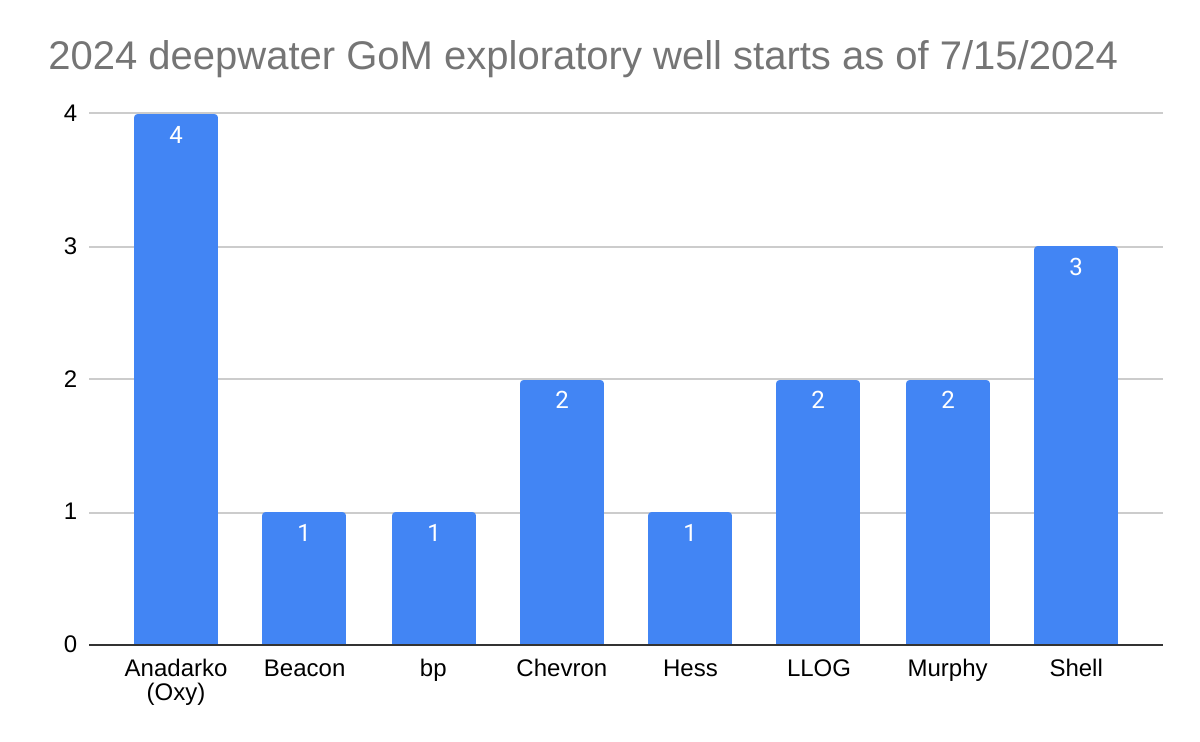
The decline in discoveries is no surprise given the decline in deepwater exploratory drilling documented by Lars Herbst in Dec. 2022. That trend continues, and the BSEE data summarized below indicate that deepwater exploratory drilling has remained at historically low levels.

Onshore oil and gas production, mostly from private lands, has responded to growing US demand, but the offshore sector could be contributing more and offers some important advantages:

The Deepwater Advantage: fewer facilities + fewer wells + high production rates + efficient power generation + advanced processing + restricted flaring + pipeline transportation = fewer environmental impacts and low GHG intensity production

Read Full Post »

« Newer Posts