Feeds:
Posts
Comments

Posts Tagged ‘Vineyard Wind’

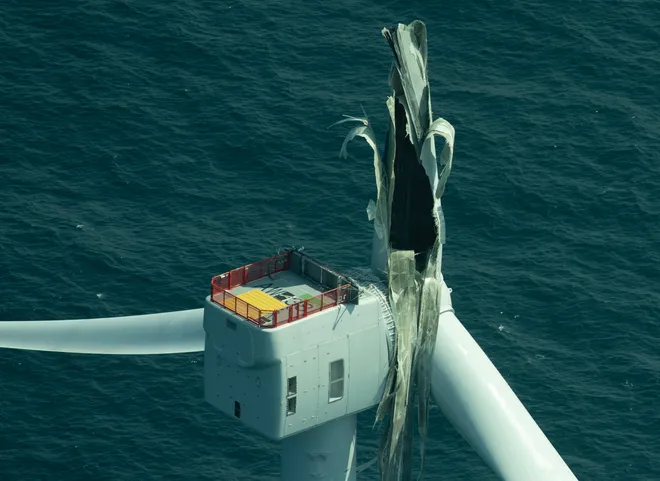
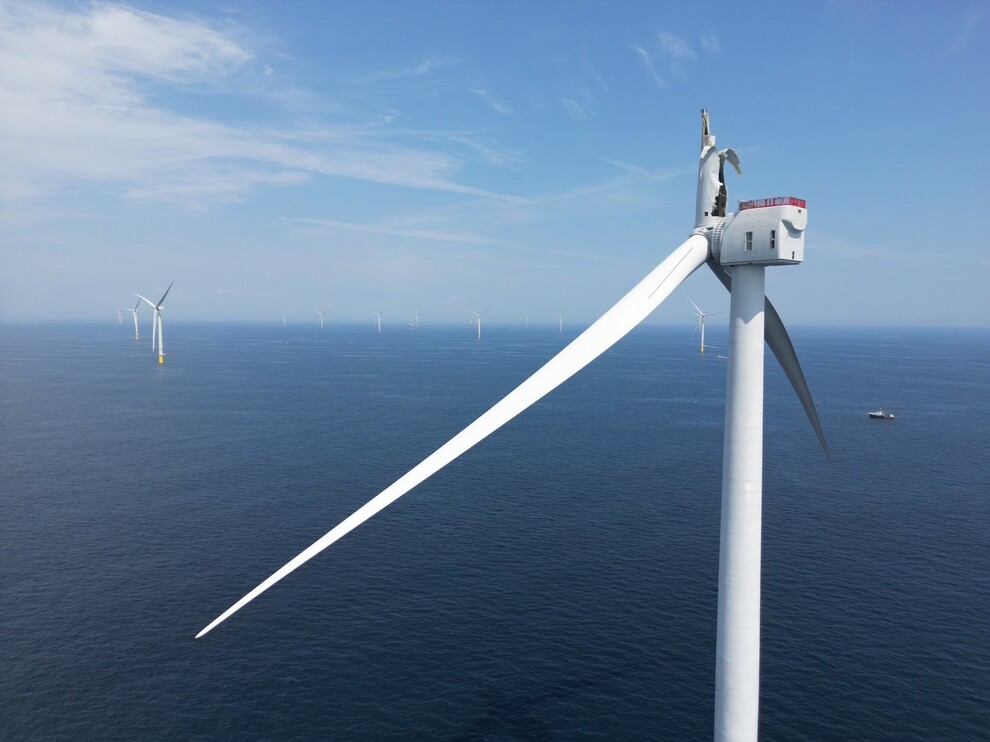
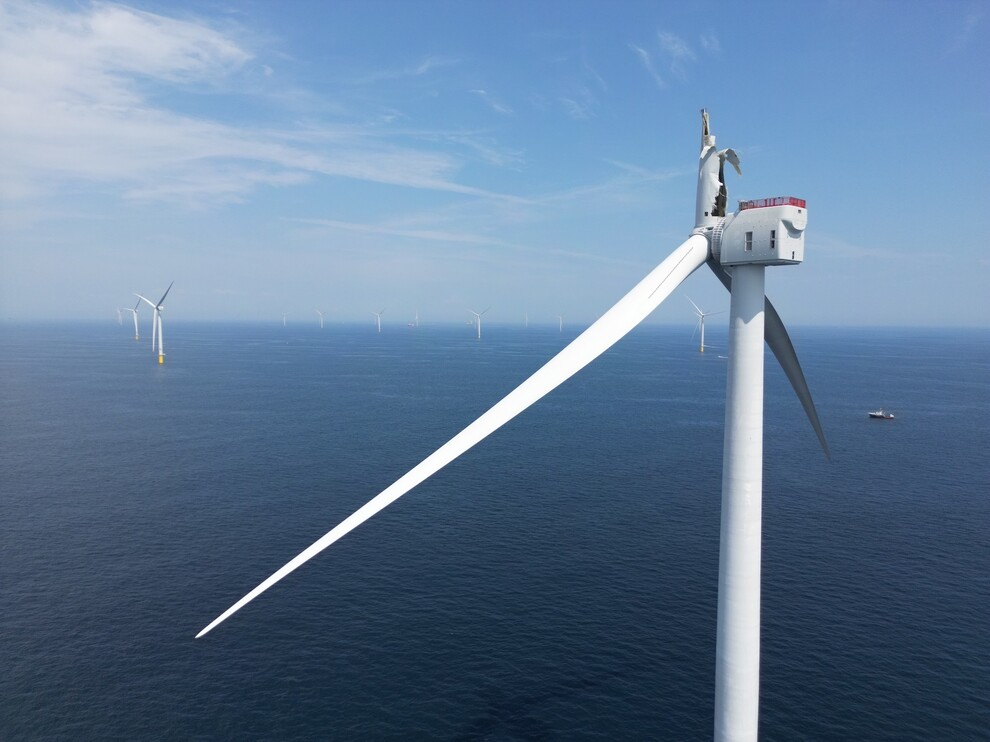
7/13/2024 Vineyard Wind turbine blade failure offshore Nantucket

The attached Memorandum of Understanding between Vineyard Wind (VW) and the Town of Nantucket is long on bureaucratic procedures and short on risk mitigation and penalties.

The agreement details requirements for monthly reports, liaisons, written correspondence, plan reviews, and participation on incident management teams, but excludes any monetary penalties for past or future incidents. (With regard to penalties, should BSEE have assessed civil penalties for the 2024 turbine incident in accordance with 30 CFR § 285.400 (f)? This was a major pollution event.)

This MOU provision gives the impression that the Town is subordinate to VW:

“The Town will provide Vineyard Wind 1 up to 4 business days, if required, to identify and correct errors in the Town’s intended public communications about the Project.”

The responsible party should not be exercising oversight over the communications of an affected local government. Can you imagine Santa Barbara County reaching such an agreement with Sable Offshore?

Finally, the MOU further establishes the Town as a de facto partner in the project. VW, not the Town, is the responsible party and must be held fully accountable for project performance.

Read Full Post »

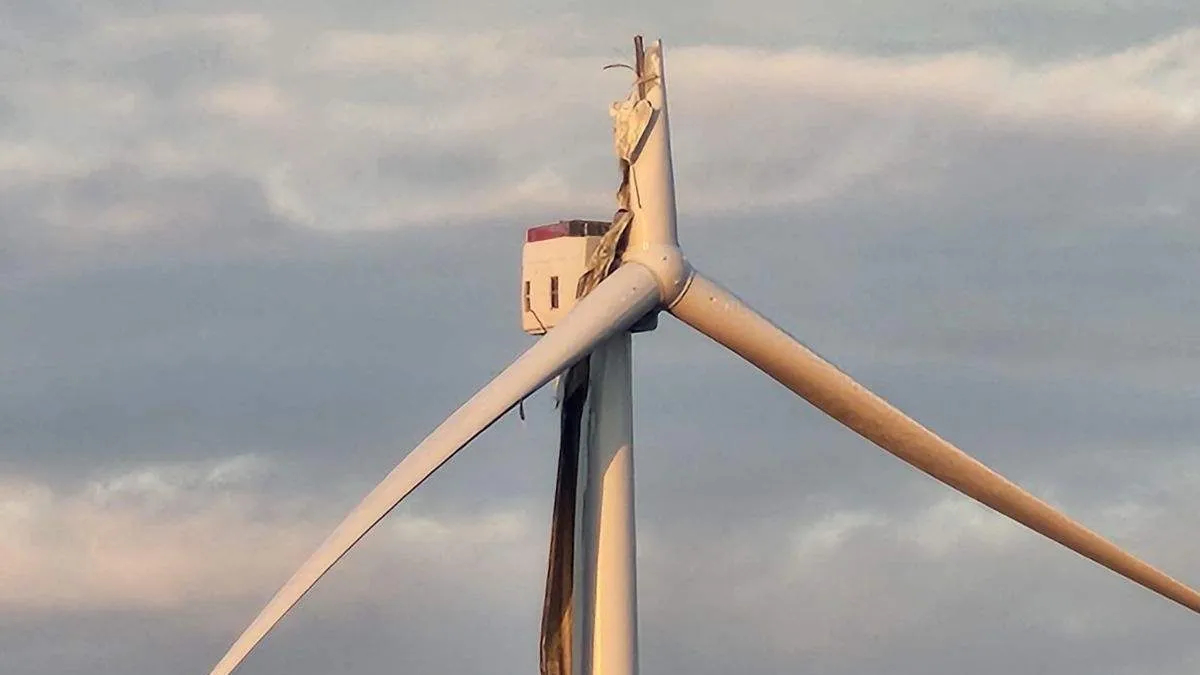
Vineyard Wind turbine blade that was damaged on July 13, 2024, captured by a New Bedford commercial fisherman. Photo courtesy of Anthony Seiger

Excellent New Bedford Light piece on the unacceptable delay in completing the blade failure investigation report.

The Town of Nantucket’s attorney, Greg Werkheiser of Cultural Heritage Partners, told The Light last month that “it’s taken far too long” to get a final report on the blade failure. 

It’s noteworthy that there have also been unacceptable delays in issuing panel reports for serious offshore oil and gas incidents:

ncident datereport dateelapsed time (months)incident type
5/15/202110/31/202329.5fatality
1/24/20217/24/202330fatality
8/23/20202/15/202330fatality
7/25/20202/15/202331spill

Read Full Post »

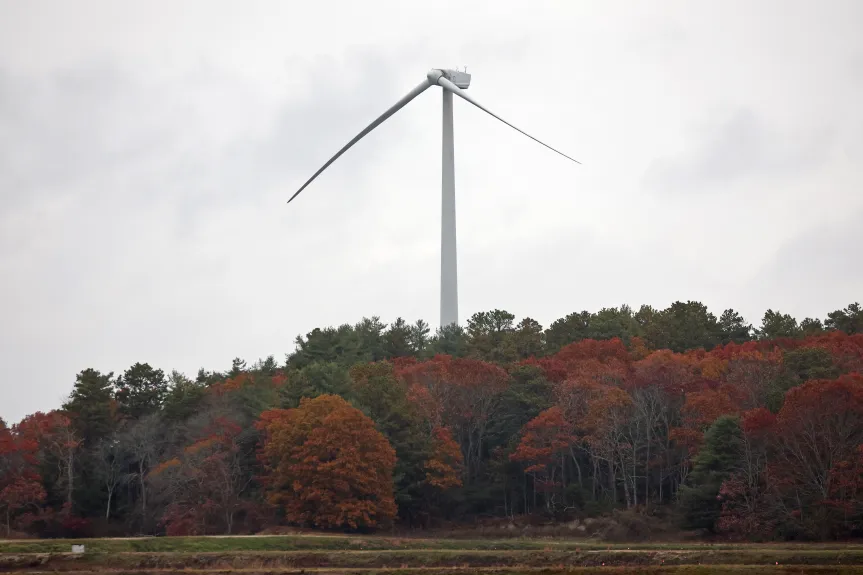
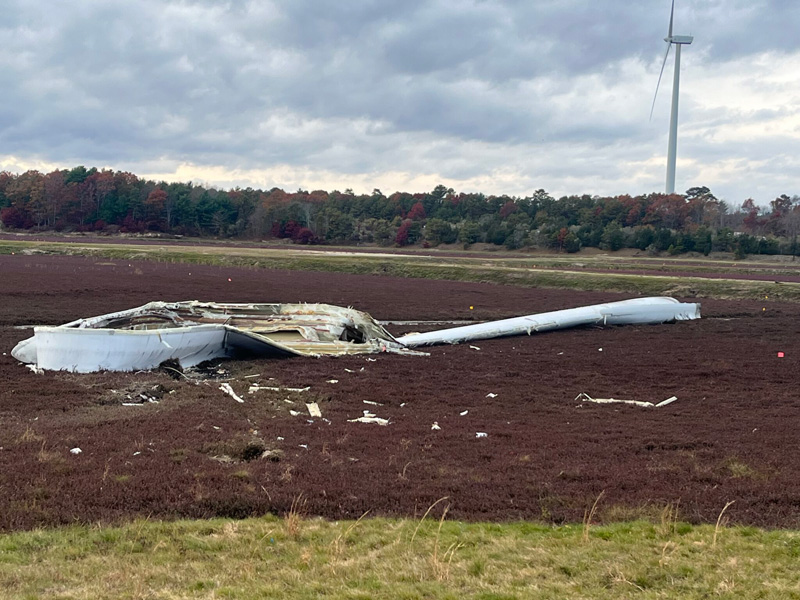
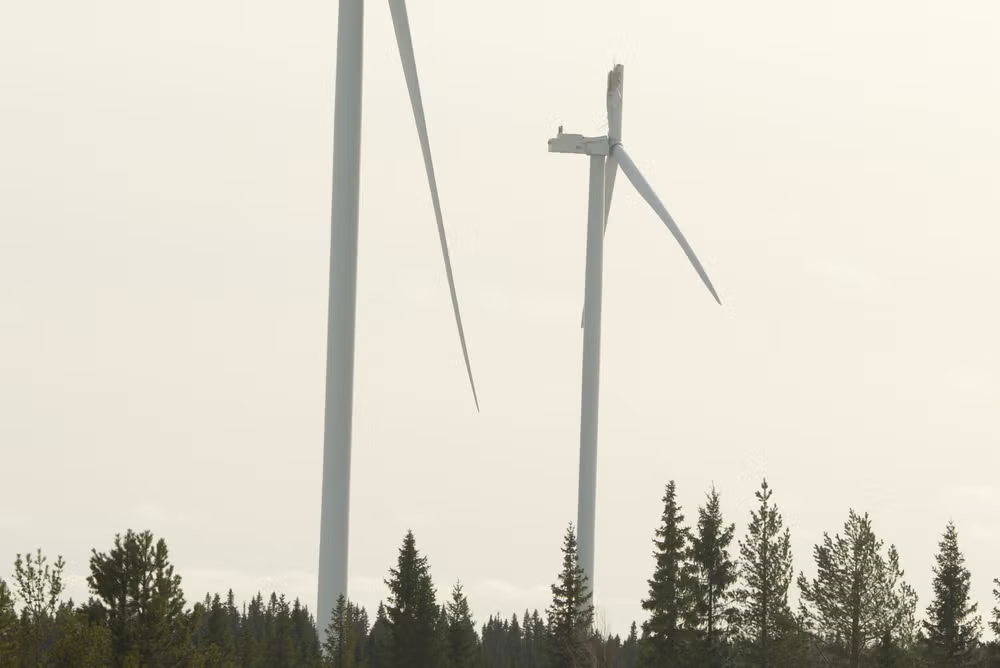
Plymouth MA wind turbine that lost a blade. (Stuart Cahill/Boston Herald)

Friday’s turbine blade failure in Plymouth MA is perhaps getting added attention given its proximity to the 7/13/2024 Vineyard Wind blade failure offshore Nantucket. The Plymouth blade landed in a nearby cranberry bog (video and picture below).

Per the MV Times, the turbines for the Plymouth project were manufactured by Gamesa, which is now part of Siemens Gamesa. Both the South Fork Wind and Revolution Wind projects off the coast of the Martha’s Vineyard are being developed by Ørsted using turbines from Siemens Gamesa. Coastal Virginia Offshore Wind, the largest offshore wind project in the United States, is also being developed with Siemens Gamesa turbines. This is not to imply a higher degree of risk for those turbines. Vineyard Wind, where the only US offshore failure has occurred to date, is using GE Vernova turbines.

Unfortunately, turbine blade failures are much too common. Last October, Lars Herbst reported, based on a Wind Power article, that “with an estimated 700,000 blades in operation globally, there are, on average, 3,800 incidents of blade failure each year.” Lars noted that the annual blade failure rate of about 0.5% translates to 1.5% of all operating wind turbines experiencing a blade failure every year, a remarkably high failure frequency.

Scotland Against Spin data indicate that blade failure is the second most common accident type in the wind industry, and the most common cause of accidents at operational wind turbine sites. SAS reports further that pieces of blade are documented as travelling up to one mile, and have gone through the roofs and walls of nearby buildings.

Lastly, we are still awaiting BSEE’s report on the Vineyard Wind failures so we can better understand what happened and why.

Read Full Post »

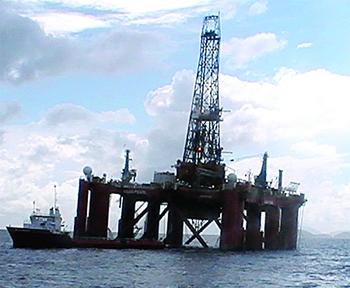
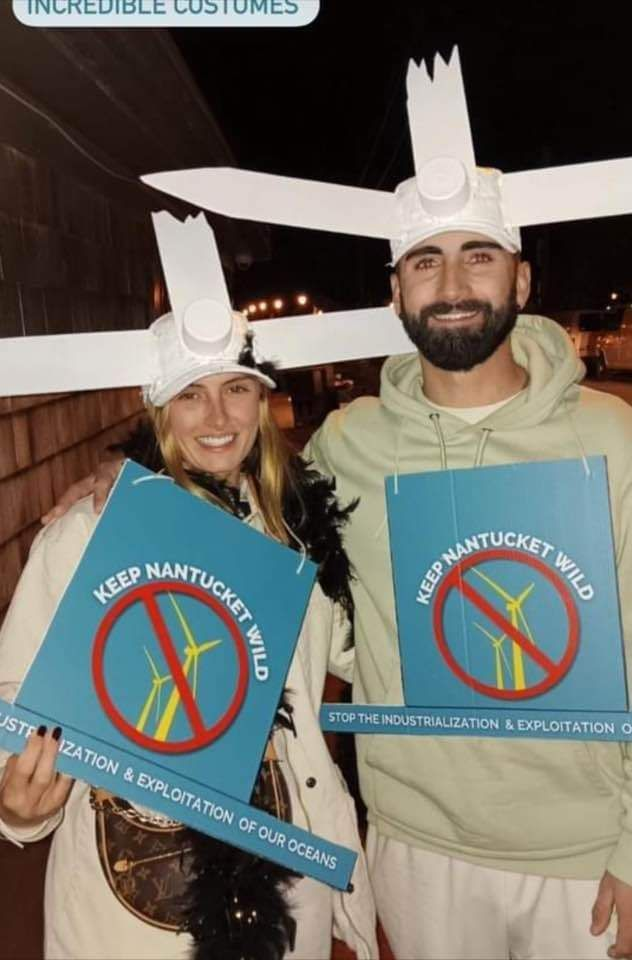
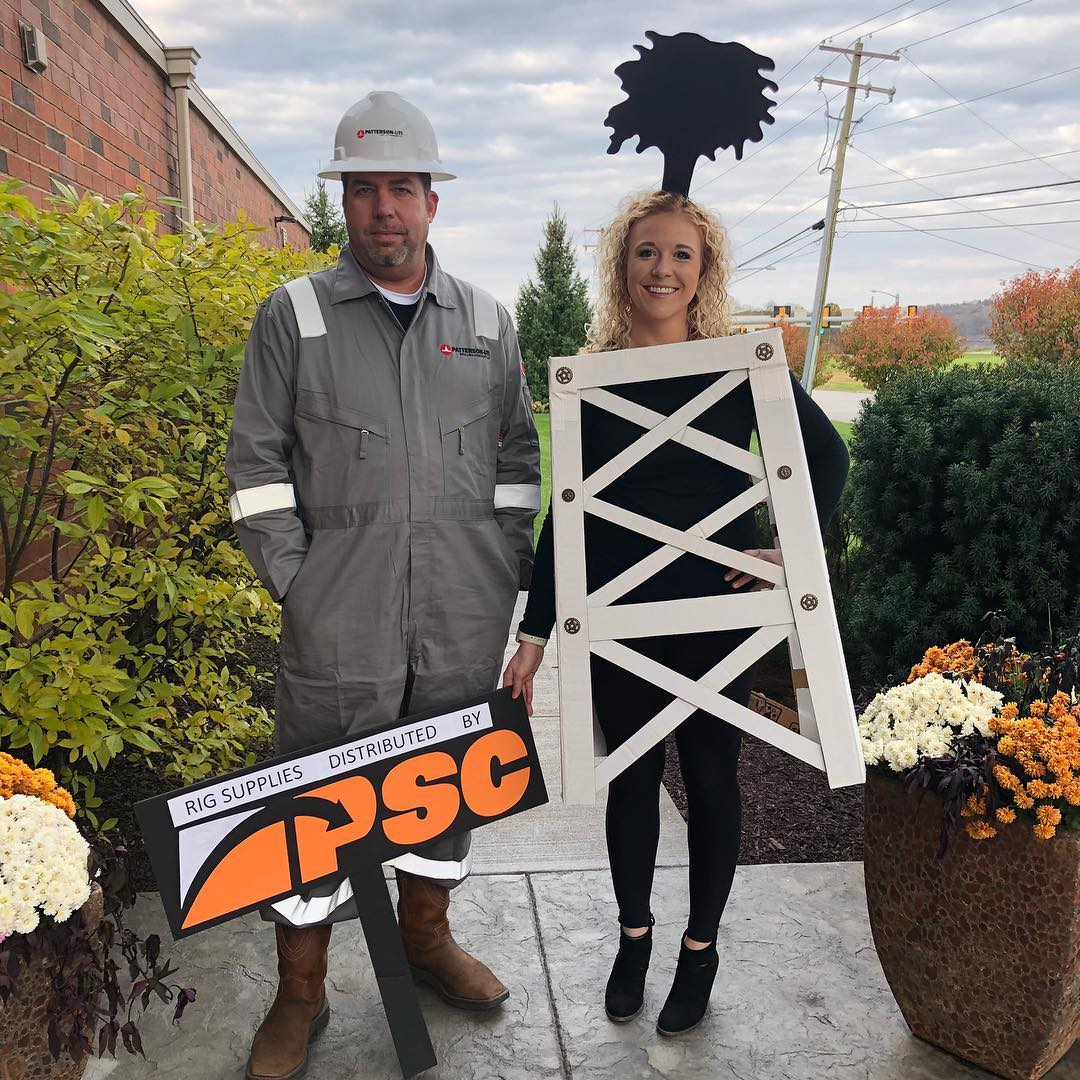
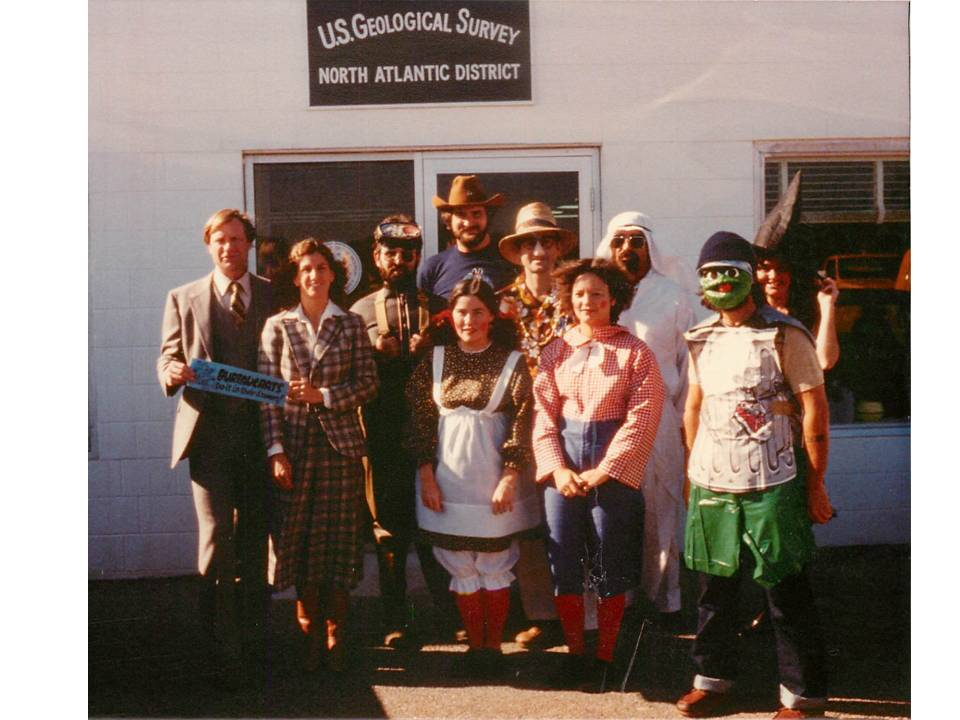
(from the BOE archives)

Vineyard Wind’s finest! Note the blade failures!

Wild Well Control!

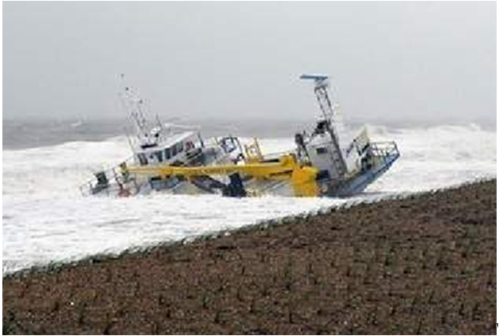
Our North Atlantic District crew, Hyannis, Halloween 1981 <sigh>

Read Full Post »

Read Full Post »

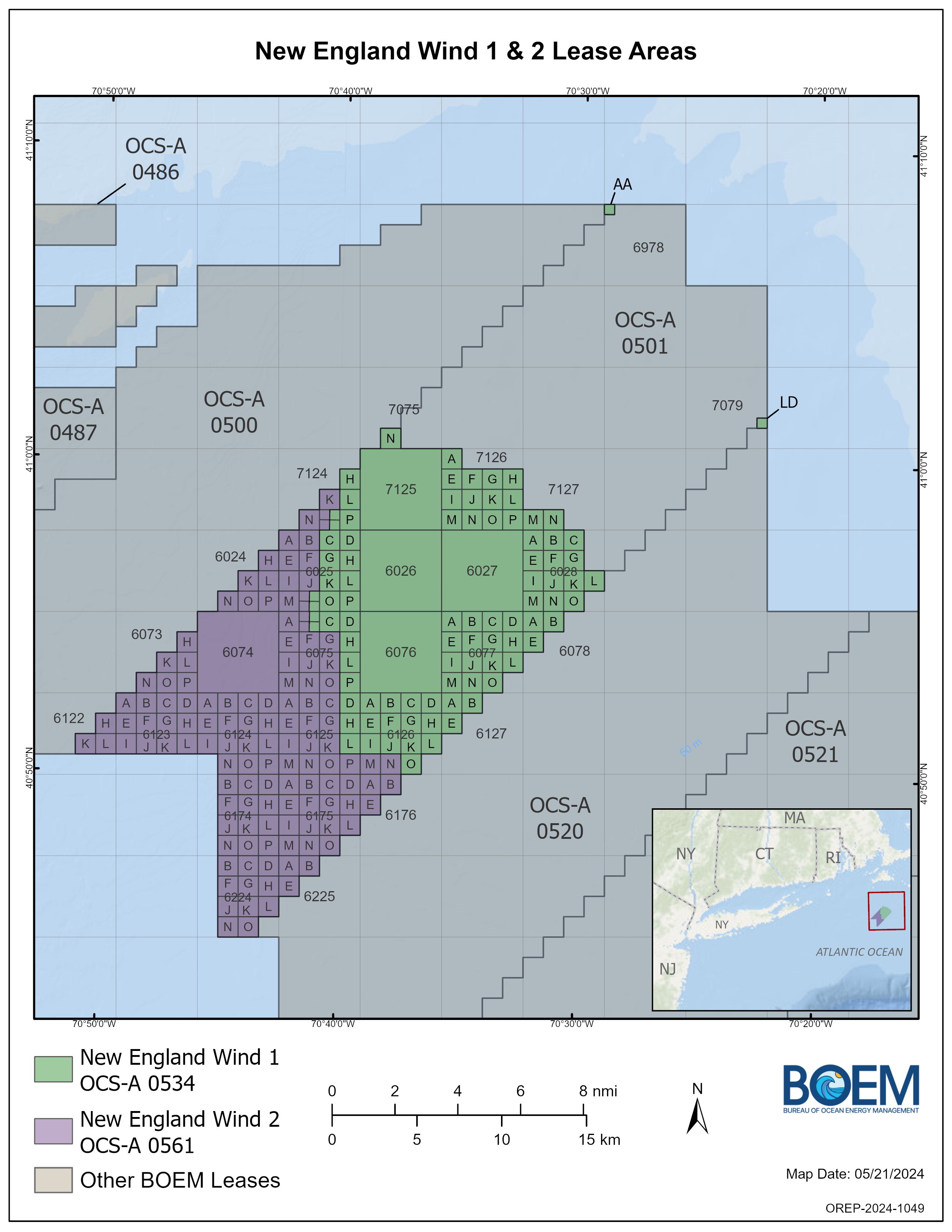
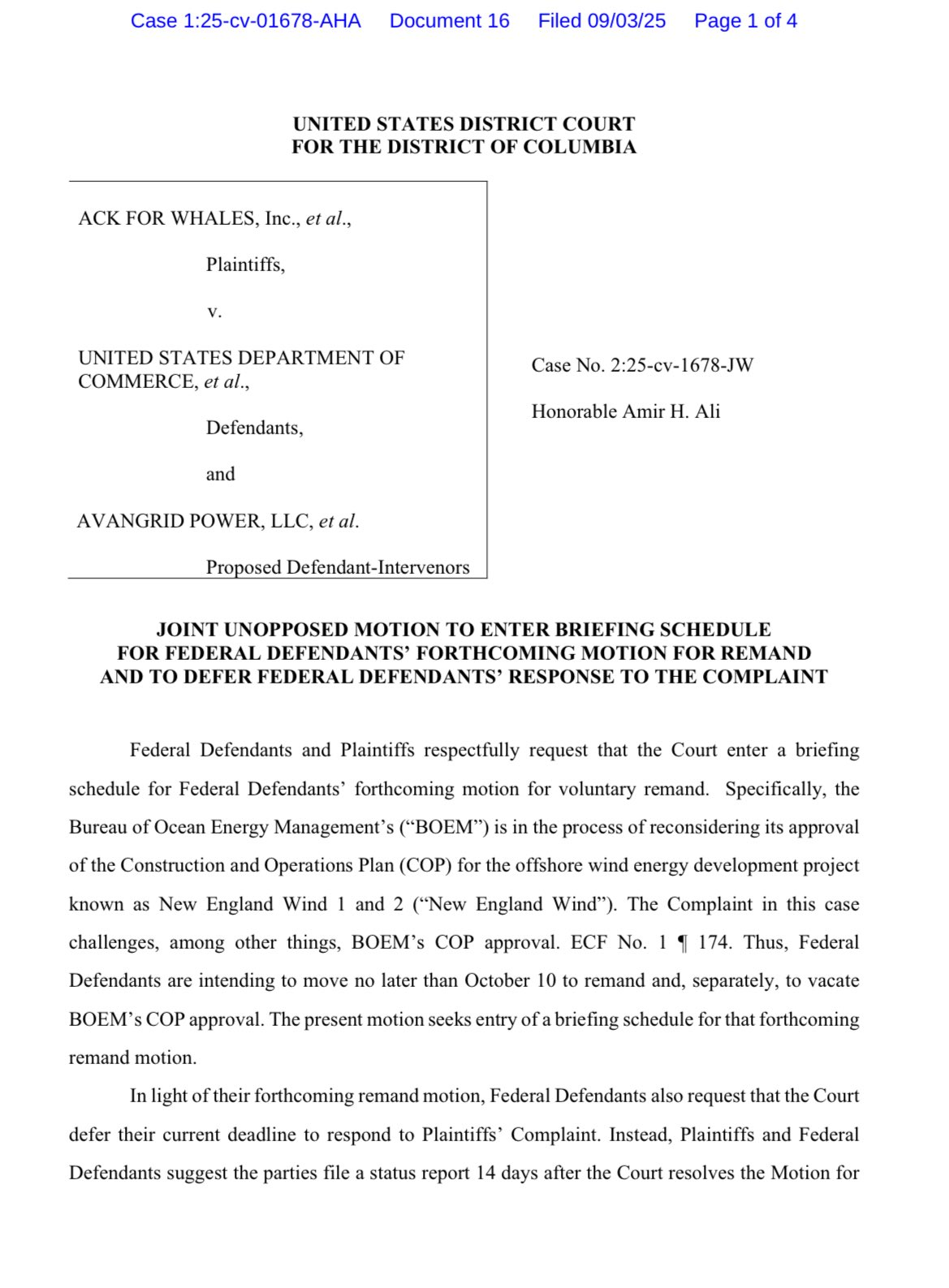
See below. BOEM is reconsidering its approval of the Construction and Operations Plan (COP) for New England Wind 1 and 2. The operator, Avangrid (Spain), is also a partner in the troubled Vineyard Wind project.

If you are keeping score, the approval of these COPs is being reconsidered:

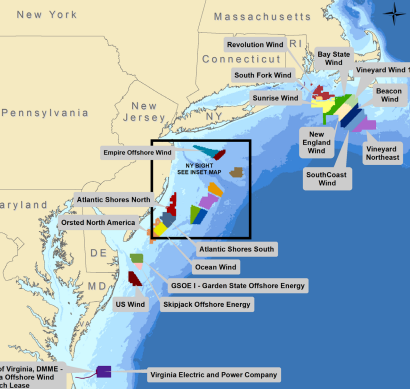
Other projects: Work has been stopped on the Revolution Wind project. Work was previously halted on the Vineyard Wind and Empire Wind projects, but has been allowed to resume. BSEE has still not published its report on the Vineyard Wind turbine blade failure that occurred on 7/13/2024. Other projects have been suspended by the owners at their own initiative (e.g. Atlantic Shores South, Gulf of Maine, Starboard Wind, Vineyard Wind 2, Beacon Wind). Meanwhile, litigation abounds!
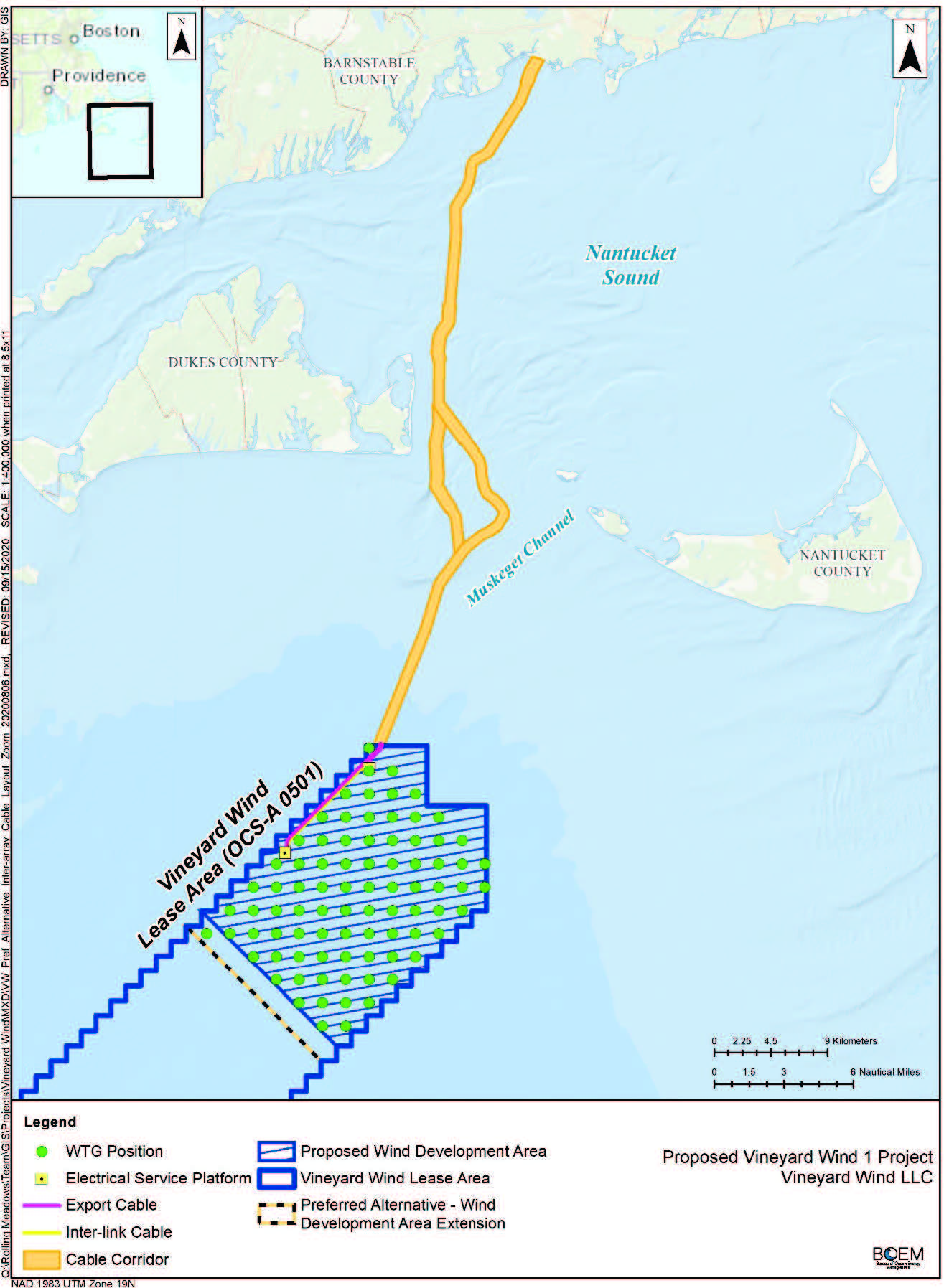
Coastal Virginia Offshore Wind is the project with the most assured long-term future.

Read Full Post »

The Dept. of the Interior is reviewing offshore wind regulations including “the Renewable Energy Modernization Rule, as well as financial assurance requirements and decommissioning cost estimates for offshore wind projects…”

Concerns about offshore wind financial assurance were first raised on this blog in response to a precedent setting waiver of the “pay as you build” requirement. Vineyard Wind was authorized to defer providing the full amount of required decommissioning financial assurance until year 15 of actual operations.  The waiver request, which had been denied in 2017, was resubmitted in 2021 and approved. This questionable decision was consistent with the administration’s enthusiastic promotion of accelerated offshore wind development.

BOEM’s streamlining rule codified the deferred financial assurance option. The rule authorizes the transfer of decommissioning risks from developers to taxpayers and consumers by (1) not requiring any additional supplemental financial assurance at the Construction and Operations Plan (COP) approval stage, (2) not requiring supplemental assurance at the installation stage, and (3) providing for incremental supplemental assurance post-installation (e.g. for Vineyard Wind, the full amount is not due until 15 years after installation). See the rule’s previous and current language in the table below (emphasis added).

30 CFR 585.516 – What are the financial assurance requirements for each stage of my commercial lease?

financial assurance required before BOEM will: language prior to 4/24/2024 “modernization” rulecurrent language
Approve your COPA supplemental bond or other financial assurance, in an amount determined by BOEM based on the complexity, number, and location of all facilities involved in your planned activities and commercial operation. The supplemental financial assurance requirement is in addition to your lease-specific bond and, if applicable, the previous supplement associated with SAP approval.There is no supplemental bond requirement at the COP approval stage.
Allow you to install facilities approved in your COPA decommissioning bond or other financial assurance, in an amount determined by BOEM based on anticipated decommissioning costs. BOEM will allow you to provide your financial assurance for decommissioning in accordance with the number of facilities installed or being installed. BOEM must approve the schedule for providing the appropriate financial assurance coverage.A supplemental bond or other authorized financial assurance in an amount determined by BOEM based on anticipated decommissioning costs of the proposed facilities. If you propose to incrementally fund your financial assurance instrument, BOEM must approve the schedule for providing the appropriate financial assurance.

The current financial assurance language is fuzzy enough that BOEM could deny deferred funding requests and require full financial assurance at the time facilities are installed. However, revising the language to clearly require that assurance be fully demonstrated prior to installation would provide clarity and eliminate the deferral option going forward.

The more difficult challenge may be adjusting financial assurance requirements for the projects already under construction. It’s also important to ensure that parent corporations are not shielded from decommissioning and other liability risks.

Read Full Post »

Victoria Bonnet’s piece in the Nantucket Current challenges certain assertions made at the Select Board’s July 29 press conference. Key points:

The government documents for ALL the Atlantic projects make it clear that there will be no benefit to climate change from implementing wide scale offshore wind.”

And how is it possible that an attorney representing an island that is receiving the full brunt of the environmental impacts from this massive industrial project is lecturing the press that historic preservation can co-exist with offshore wind? The sight of just the first 40 towers from Vineyard Wind makes it clear they can’t.”

Blindly following public relations statements about offshore wind as a critical solution to climate change that must be implemented immediately is how we got here in the first place. It has become clear that Nantucket receives no benefits from, but is significantly harmed by, Vineyard Wind. Our Select Board’s role should not be to advocate for any energy source that harms Nantucket.”

Dawn Hill, a signatory to the Good Neighbor Agreement and the current Select Board Chair, was a bright spot in the meeting. Her acknowledgment that the project is way more impactful than communicated at the time the Good Neighbor Agreement was signed gives hope that more rational thinking and action is on the way.

Read Full Post »

MV Times -blade replacement continues

MV Times: “The recent site visit raised questions on the production of the wind farm. The Times has been able to neither verify the report independently nor confirm disparities between visuals on the ground and the Iberdrola report.”

  • Avangrid, an Iberdrola subsidiary and one of Vineyard Wind’s developers, reported that 17 out of 62 turbines were currently sending power to the Massachusetts grid.
  • The MV Times counted between five and nine turbines spinning at different points, and for different intervals, in their two hour visit.
  • BOE comment: Although there are many possible reasons for this discrepancy, it’s reasonable to question the absence of turbine output data. Developers assert that generator specific data are sensitive and could have market implications. However, these turbines are operating on public lands and were in part publicly funded. Output data and other performance metrics clearly have policy implications.
  • Note that Iberdrola “expect[s] no impact from new federal budget legislation, as it doesn’t impact 1,000 megawatts under construction.”

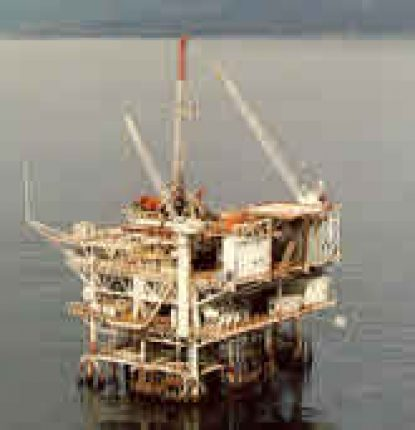
An MV Times photo of a Vineyard Wind substation is pasted below. These substations are large structures. Per the Construction and Operations Plan (COP) for Vineyard Wind, the topsides for a conventional electrical service platform (ESP) (also known as an offshore substation or OSS) are 45 x 70 x 38 m, which is larger in surface area than a typical 6-pile oil and gas platform (~30 x 30 m), and is comparable in size to a large jackup drilling rig.

Decommissioning financial assurance requirements were relaxed to reduce development costs, thus increasing taxpayer liability risks. This policy decision should be reviewed.

Vineyard Wind substation

Read Full Post »

On Tuesday morning, the Nantucket Select Board blasted Vineyard Wind and gave the company 2 weeks to respond to their 15 demands. The Nantucket Current provides good coverage of the press conference. The specific demands are listed below.

  1. Text emergency notifications to designated Town officials within 1 hour.
  2. Alert the same officials when blade monitors detect anomalies.
  3. Share with Nantucket the content of any written communications with or from federal agencies regarding project failures that have impacts on Nantucket.
  4. Email detailed monthly project updates to the Select Board and Town Manager.
  5. Present updates and take public questions at Select Board meetings upon request and no less than quarterly.
  6. Respond to written questions from the Select Board within three business days.
  7. Provide relevant project reports within 1 week of submission to any agency.
  8. Share all studies or data reports on adverse effects within five business days of receipt.
  9. Disclose correspondence with regulatory agencies within 15 business days.
  10. Notify the Town if the company is asserting any confidentiality claims to shield public disclosure of reports or data in regulatory filings.
  11. Pay liquidated damages ($250,000) per violation of the above communication protocols.
  12. Pay liquidated damages ($25,000) per turbine per day) for each day that turbine lights are on without the Aircraft Detection and Lighting System (ADLS) being active.
  13. Within 2 months, initiate a process to seek public input on new emergency response plans—including blade failure scenarios.
  14. Establish and maintain a $10 million escrow fund to ensure coverage of cleanup costs from future failures.
  15. Permanently suspend new projects if any future incident forces beach closures or shellfish harvesting bans for seven consecutive days or 14 total days in any 6-month period.

I observed the press conference on the Town’s YouTube channel, and my sense is that this may be Vineyard Wind’s last chance to amicably resolve these issues. Board member Dawn Hill, who now regrets signing the increasingly unpopular Good Neighbor Agreement with Vineyard Wind, didn’t hold back when she said:

“These wind turbines are bigger, brighter, and much more impactful than we ever thought, and not to mention the environmental hazard from failures. But my choice would be with our new, federal administration to really wake up and try and put an end to these things, because they’re not worth it to the coast of the United States.”

Read Full Post »

Older Posts »