GUILDFORD, UK — Alpha Petroleum Resources, Energean UK and Orsted Hornsea Project Four will consider repurposing the Wenlock gas platform in the UK southern North Sea, which is nearing the end of its productive life.
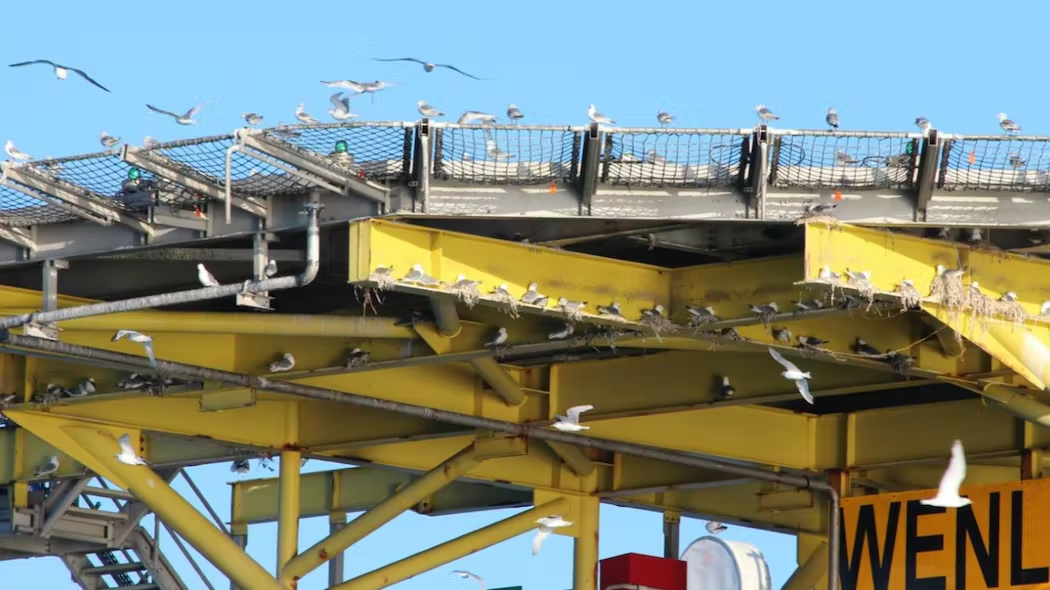
One possibility is to reuse the facility as an artificial nesting site to offset the impact on certain bird species of offshore wind developments in the area.
Black-legged kittiwakes have set up nests on various North Sea platforms, according to Orsted’s recent surveys. Repurposing an existing platform as an artificial nesting structure is seen as an alternative to building a new artificial nesting structure to support the local development of the Hornsea Four offshore wind farm.
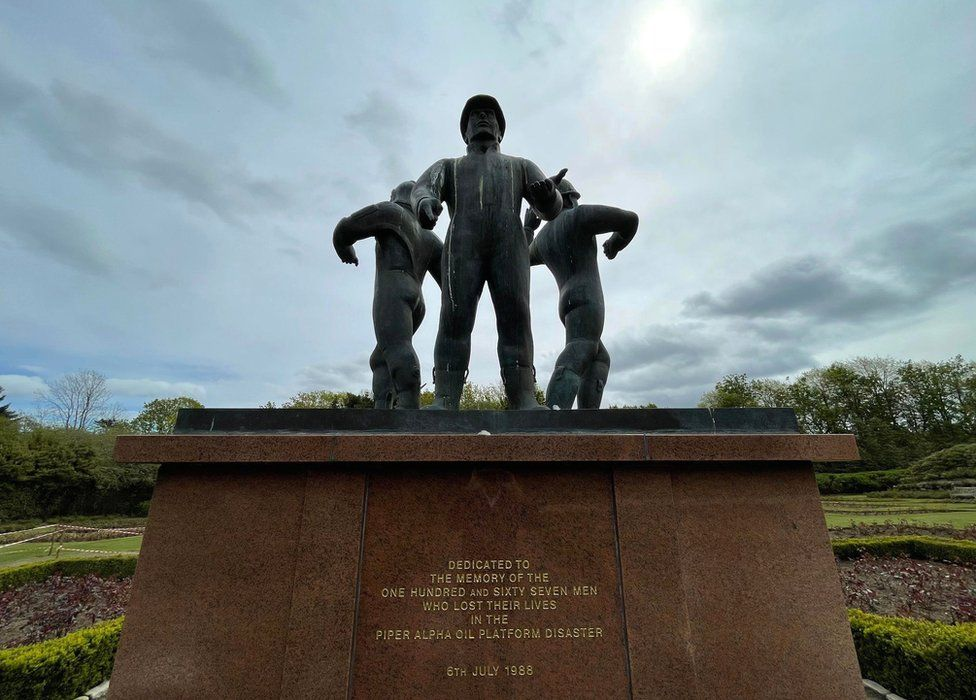
In terms of the total number of fatalities, the Piper Alpha fire was the worst disaster in the history of offshore oil and gas operations and sent shock waves around the world. Eight months later another interactive pipeline-platform fire killed 7 workers at the South Pass 60 “B” facility in the Gulf of Mexico. A US Minerals Management Service task group reviewed the investigation reports for both fires and recommended regulatory changes with regard to:
the identification and notification procedures for out-of-service safety devices and systems,
location and protection of pipeline risers,
diesel and helicopter fuel storage areas and tanks,
Lord Cullen’s comprehensive inquiry into the Piper Alpha tragedy challenged traditional thinking about regulation and how safety objectives could best be achieved, and was perhaps the most important report in the history of offshore oil and gas operations. Per Cullen:
“Many current safety regulations are unduly restrictive because they impose solutions rather than objectives. They also are out of date in relation to technological advances. Guidance notes lend themselves to interpretations that discourage alternatives.There is a danger that compliance takes precedence over wider safety considerations and that sound innovations are discouraged.“
Cullen advocated management systems that describe the safety objectives, the system by which those objectives were to be achieved, the performance standards to be met, and the means by which adherence to those standards was to be monitored. He called for safety cases that describe major hazards on an installation and provide appropriate safety measures. Per Cullen, each operator should be required in the safety case to demonstrate that the safety management systems of the company and the installation are adequate to assure that design and operation of the platform and its equipment are safe.
Tiå går og di seie tiå lege adle sår Men ein mista bror e sår som aldri gror Kanskje vil dårr gå vinter og vår Sei oss klart kor dokker står Håpte på at han sko komma At han sko komma hjem igjen
Time is gone, they said; time would heal all wounds But to lose a brother is a wound that will never heal It could take as long as the never-ending winter and spring [i.e., never] I hope that he should come That he should come home again
Britain sees a “good, solid” future for the North Sea’s oil and gas industry and will issue new licences to expand output in the future, Energy Minister Greg Hands said on Tuesday.
“We need continued investment into the North Sea,” Hands told the International Energy Week online conference.
Meanwhile, the US government seems intent on supporting legal and administrative actions that stymie offshore exploration and development. The US is sanctioning its own offshore industry during an international crisis centered around energy.
2021 was the first year in the history of the US offshore program dating back to the passage of the OCS Lands Act in 1953 without a single oil and gas sale, and there is no lease sale on the horizon.Most years have had multiple sales, regardless of the party in power. The only attempted 2021 sale (no. 257) was required by a Federal Court decision in Louisiana. That sale was annulled by a questionable DC court decision that the Federal government chose not to appeal.
European power prices have spiraled to multi-year highs on a variety of factors in recent weeks, ranging from extremely strong commodity and carbon prices to low wind output.
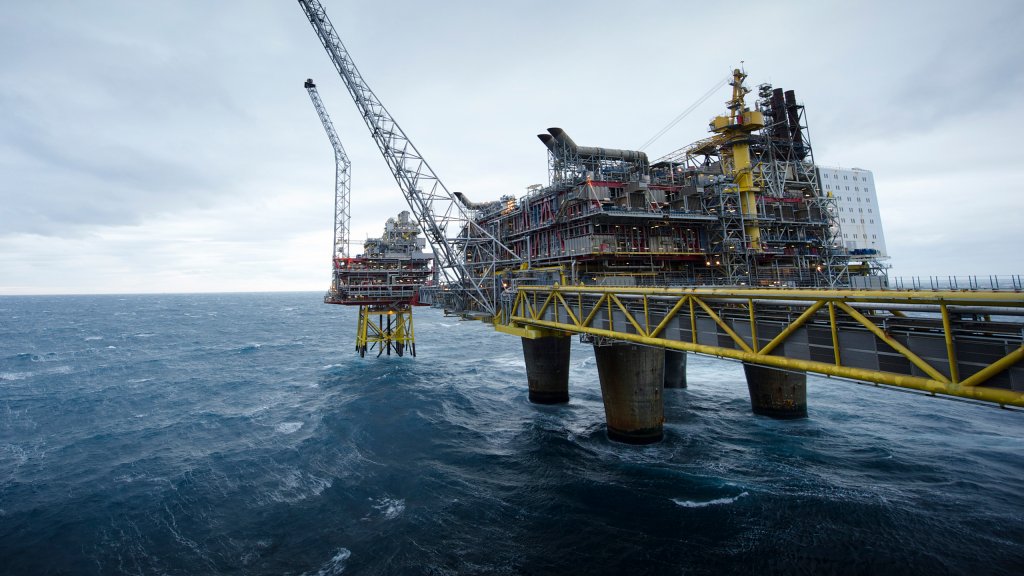
Equinor and its partners have received permission to increase gas exports from two fields on the the Norwegian continental shelf to supply the tight European market. Production permits for the Oseberg and Troll fields have each been increased by 1 billion cubic meters (bcm) for the gas year starting 1 October.
Figures from the Health and Safety Executive (HSE) show that there were 73 major or significant hydrocarbon releases associated with offshore installations in 2010/11, compared with 85 the previous year. There were 61 recorded in 2008/09 – the lowest since HSE began regulating the industry. Overall, there continues to be a downward trend in the total of all reported hydrocarbon releases offshore.
For the fourth year running, no workers were killed during offshore activities regulated by HSE and 2010/11 also saw a fall in the number of major injuries. There were 42 reported compared with 50 the previous year, bringing the total in line with the average of the previous five years.
A fire at BP’s Valhall oil platform off Norway in the southern part of the North Sea forced the UK supermajor to halt production and evacuate the facility today.
A Maersk Oil-owned FPSO which was damaged during heavy storms in the North Sea in February will be out of action for another year as it heads for drydock repairs. Upstream
Surprisingly, the post-Macondo discussion about regulatory approaches has been largely devoid of value and cost-benefit assessments. While PSA has been praised for Norway’s outstanding offshore safety record, little attention has been paid to their relatively low regulatory costs.
According to data in the 2010 Annual Report, PSA has 161 employees, and had total operating expenses of NOK 202,762,689 ($US 38.1 million) for 2010. These modest cost and staffing numbers are particularly impressive when the magnitude and complexity of Norwegian offshore operations are considered. In March 2011, Norwegian oil production averaged 2.017 million barrels per day (no. 2 offshore oil producer slightly behind Brazil) and gas production averaged 11.6 billion cubic feet per day (world offshore leader). PSA is also responsible for onshore processing facilities.
PSA’s costs are relatively modest for the same reason that their regulatory program is successful. They hold companies responsible for managing their operations and conducting inspections. They don’t approve every detail of every operation, but focus on ensuring that the company management systems are effectively implemented. They identify risks and insist that industry address them. As Magne Ognedal said in his interview with BOE:
Our regulatory philosophy is indeed firmly based on the legislated expectation that those who conduct petroleum activities are responsible for complying with the requirements of our acts and regulations. Furthermore, our regulations require that they employ a management system that systematically probes and ensures such compliance at any time. The approach to achieving this should be risk-based. So, ensuring compliance with rules and regulations is the operator’s job – not ours.
Proposal: Let’s make April 20th International Offshore Safety Day to honor those who have been killed or injured, to recognize the many workers who provide energy for our economies and way of life, and to encourage safety leadership by all offshore operators, contractors, and service companies.
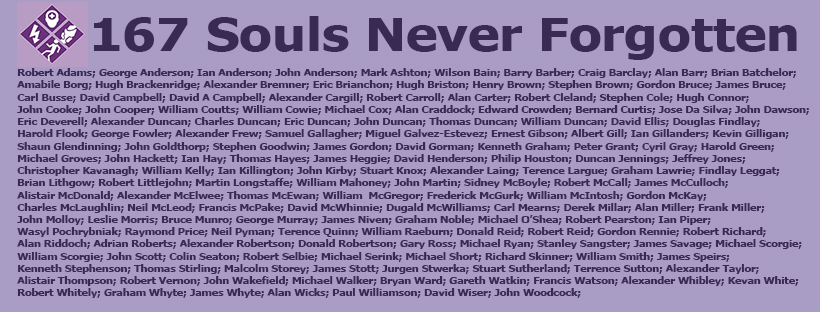
Discussion: April 20th is, of course, the anniversary of the Macondo tragedy in the Gulf of Mexico. Eleven men died on the Deepwater Horizon that day. Many other offshore workers have died or been injured exploring for and producing offshore energy. 167 workers were killed when Piper Alpha exploded in 1988, 84 died when the Ocean Ranger sank in 1982, 123 perished when the Alexander Kielland capsized in 1980, 17 died in a helicopter crash off Newfoundland in 2009, 11 died when the Petrobras 36 sank in the Roncador field in 2001, and many others have been killed working offshore. Some of these accidents, like last summer’s fatality on the Jack Ryan offshore Nigeria, receive no public notice. Others like the fall in the Gulf on Monday or the recent diver fatality in the North Sea receive just a brief mention.
In addition to honoring those killed or injured, Offshore Safety Day would draw attention to the importance of offshore workers, their dedication and commitment, progress that is being made in addressing offshore safety risks, and the outstanding safety management efforts of leading companies around the world. It’s time for a day to honor offshore workers!


 Bud's Offshore Energy (BOE)