
Feeds:
Posts
Comments

Posts Tagged ‘Minerals Management Service’

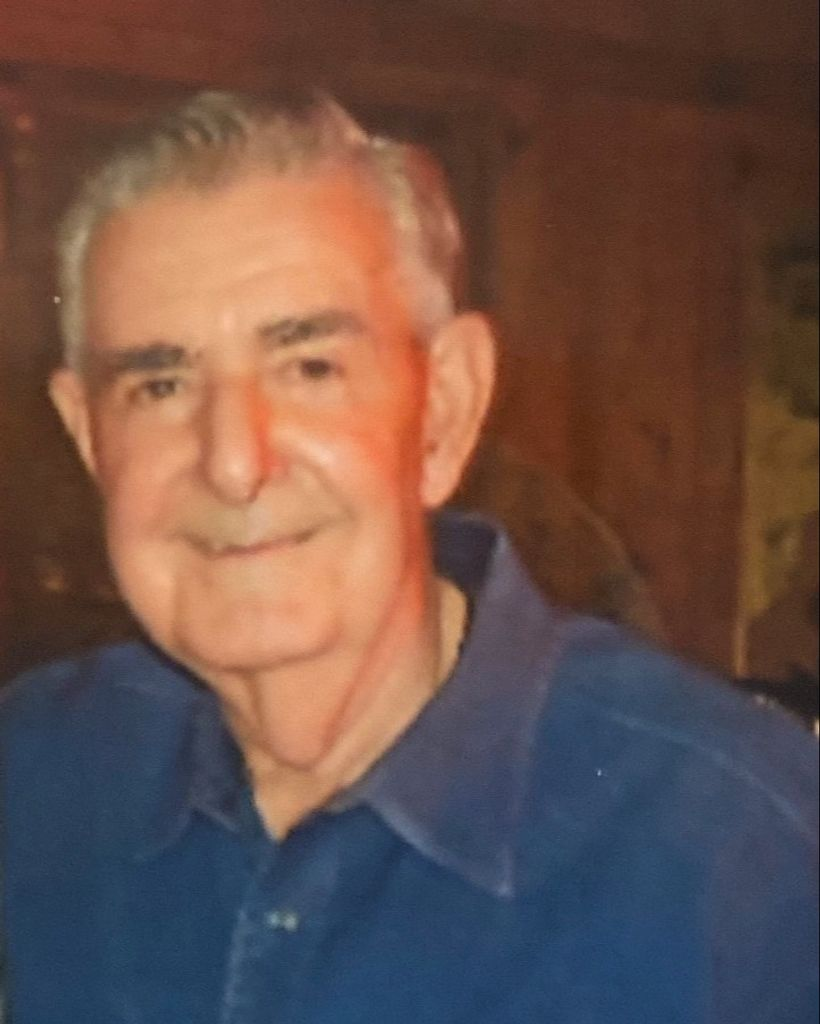
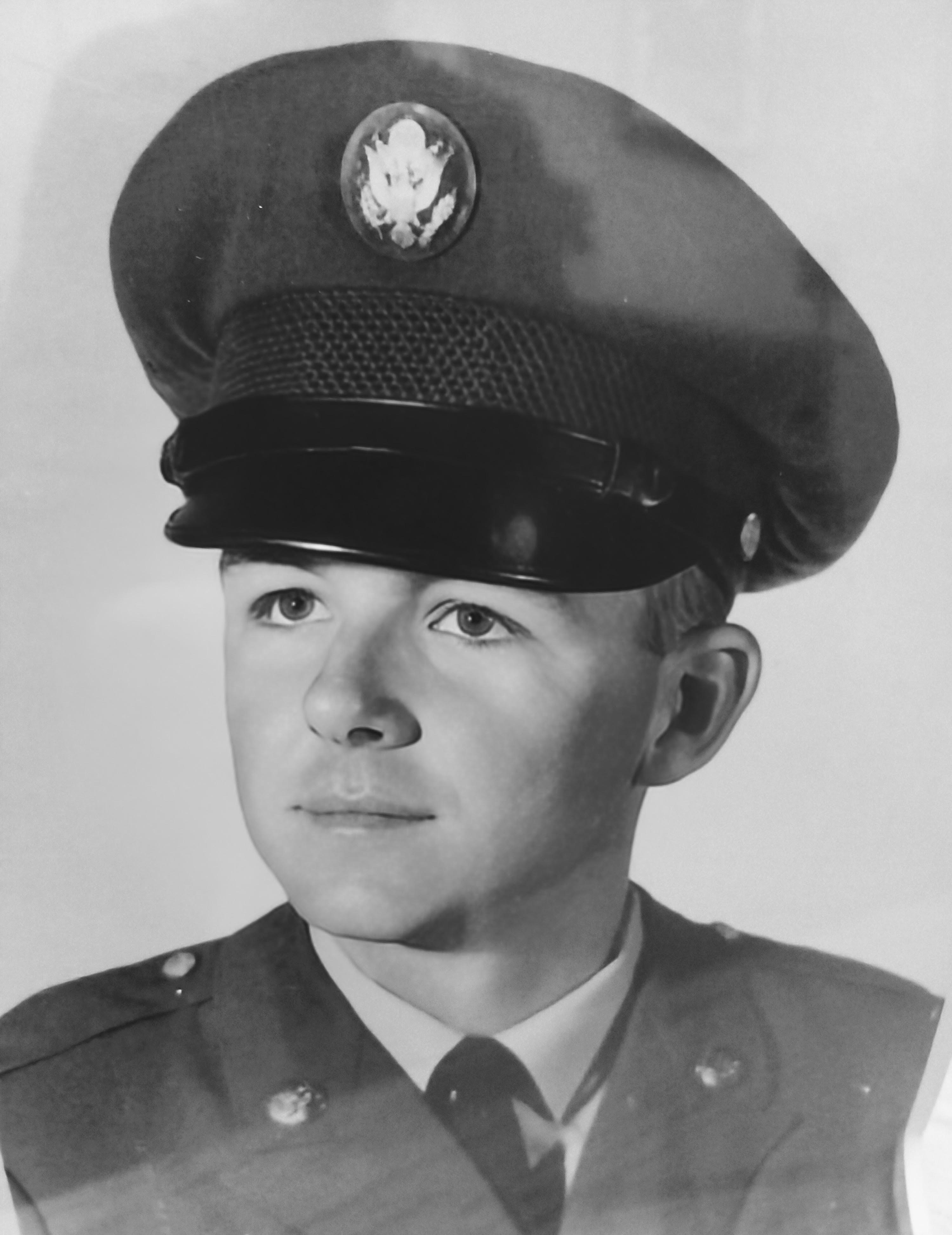
John Borne was an exceptional engineer and offshore safety leader in our OCS oil and gas program during the US Geological Survey (Conservation Div.) and Minerals Management Service (MMS) eras.

Some thoughts on John’s leadership followed by tributes from distinguished colleagues:

  • John’s Houma District office was a model for the rest of the OCS program. Houma was the program’s busiest district in terms of operational activity, and the most effective in meeting permitting, inspection, and investigation targets.
  • The few serious accidents that occurred in the District were carefully investigated and the findings were shared in a timely manner with the goal of preventing their recurrence. If John signed a report, you knew it was complete and accurate.
  • John was knowledgeable about the complex offshore oil and gas operations he regulated, and was an outstanding teacher and mentor.
  • John treated all companies the same from the super-majors to the small independents – no biases, no favors, and no ethics issues.
  • John expected companies to fully comply with the regulations. Any departures had to be clearly in the best interest of safety and the environment.

From Ken Arnold (ex-Shell engr, Paragon Engineering President, NAE): As part of the Shell Training program in 1964 I was assigned to trail John in East Bay for a week.  One night I was talking to another trainee on a logging barge tied up to a posted barge rig in SP Blk 24.  John was also on the barge.  Without warning the barge started pulling away from the rig.  The three of us jumped from the barge to the rig but I slipped and fell in the canal.  I don’t think I was in the water long enough to get wet, when John and a rig hand fished me out.  Unfortunately my glasses fell off and were in the mud.  John got a scissors device and retrieved my glasses in a matter of minutes.

I greatly appreciated my week with John.  What he took the time to teach me about field work was critical to my subsequent successful career in Shell and in Paragon.  He was a gentleman and a first class teacher.  I was lucky to have known him.

Jodie Connor (founder and retired President of J. Connor Consulting): John was an excellent representative of the MMS, always fair in his decision-making and approvals. I endearingly called him “By the Book Borne”. He enforced the regulations as they were written, which was fair to all operators. Always kind and willing to explain MMS policies. 

Lars Herbst (retired MMS/BSEE Regional Director, Gulf of Mexico): What a legend at MMS! A testament to his leadership are the number of Regional leaders that came out of Houma District. Just to name a few: Mike Saucier, Bryan Domangue, Troy Trosclair, and even Jack Leezy! That work ethic that John instilled has continued even to the next generation of leadership! I was fortunate that John let me act as Drilling Engineer when Saucier went hunting each December. My career at MMS was never the same after that opportunity!

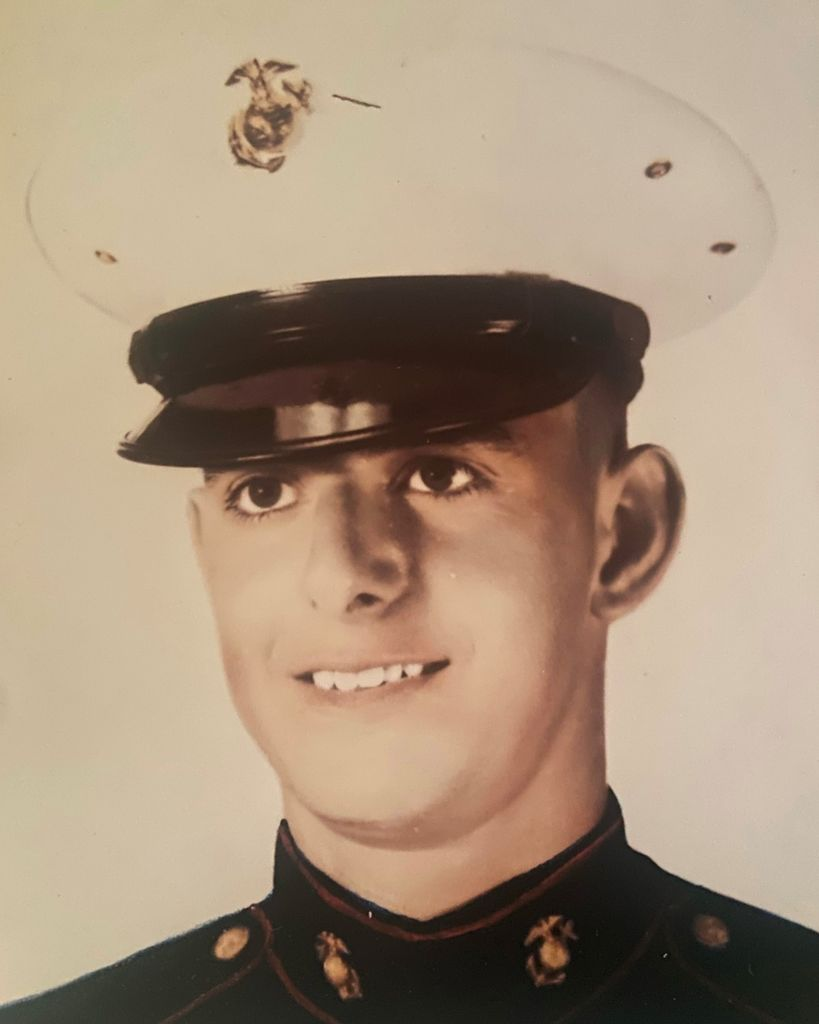
Jack Leezy: (President, Avenger Consulting, retired MMS): John served in the Marine Corp during the Korean war.  Upon discharge from the Marine Corp John attend the University of Lafayette and earned a BS degree in Petroleum Engineering.  John started his oilfield career when he went to work for Shell Oil in 1960 until 1970 as a Petroleum Engineer.

John joined U.S.G.S. In 1970 as a Petroleum Engineer in the Lafayette District.  John accepted a promotion in 1972 in the Regional office and was selected as the first District Supervisor in the newly formed Houma District office in October1974.  John remained as the District Supervisor until his retirement in 1995.  John was instrumental in developing Bureau policies of which some are still in place as of today.  John served on countless MMS and industry committees alike during his career.  John was looked upon as professional and highly respected by MMS and industry alike.  He performed is duties in such a way that even if you may not have liked his decision, you respected it.  John’s demeanor never changed as he never lost his composure and worked evenly though all the trials and tribulations during his career at MMS.  John even won MMS’s Engineer of the Year award.  I owe a lot to John in helping me form my career at MMS as I tried to handle my supervisory duties in the same manner in which John did.

RIP John. You were a superstar! As an engineer, regulator, leader, teacher, and colleague, no one did it better!

Read Full Post »

Linked below is a new Rigs to Reefs film (“Steel to Sanctuary”). Note the commentary on permitting complexity and regulatory fragmentation.

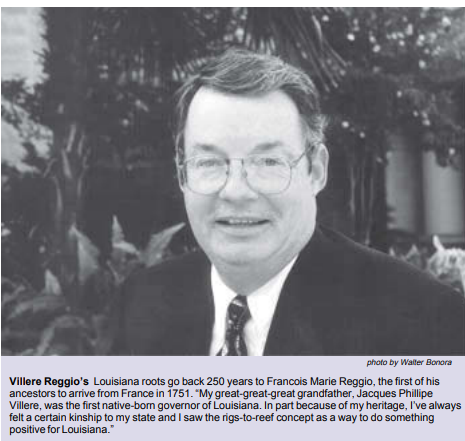
Not mentioned in the film are the extraordinary efforts of the Mineral Management Service’s Villere Reggio in establishing the Rigs to Reefs program. Villere (pictured below), has a most interesting family history as summarized in the caption. See p. 3 of this issue of MMS Today for the complete article.

Read Full Post »

Congratulations to Walter Cruickshank on his retirement from the U.S. Dept. of the Interior!

Walter’s policy acumen, in depth understanding of the offshore program, and balanced perspective on energy development earned him the respect of the political leadership from both parties, a rare achievement. As a result, Walter served more time as Director and Deputy Director of both the Minerals Management Service and Bureau of Ocean Energy Management than any other individual. He also served as Acting Secretary of the Interior during the latest transition, a first for a career offshore program employee.

Walter earned a Bachelor of Arts in Geological Sciences from Cornell University and a Doctorate in Mineral Economics from the Pennsylvania State University (We Are!). Although his Federal career spanned more than 40 years, he has rather remarkably retained his intellect and sanity! 😉

Best wishes to Walter going forward. I hope he finds time to root for his Harwich Mariners in the Cape Cod Baseball League!

Consistent with the proud tradition of the OCS program, I am posting the masterpiece “Rig at Sunset” in Walter’s honor.

“Rig at Sunset” was painted 50 years ago by a US Geological Survey (USGS) employee who chose to remain anonymous. The masterpiece was presented to USGS (later MMS) engineers and scientists who had made important contributions to the offshore oil and gas program. Understandably, the intended recipients were so humbled by the magnificence of the painting that they could not accept it. As the painting grew in value and international prominence, framed copies were presented to retirees and the original painting was kept at a secure, undisclosed location. More on the painting’s important symbolism at a later date. 😉

Read Full Post »

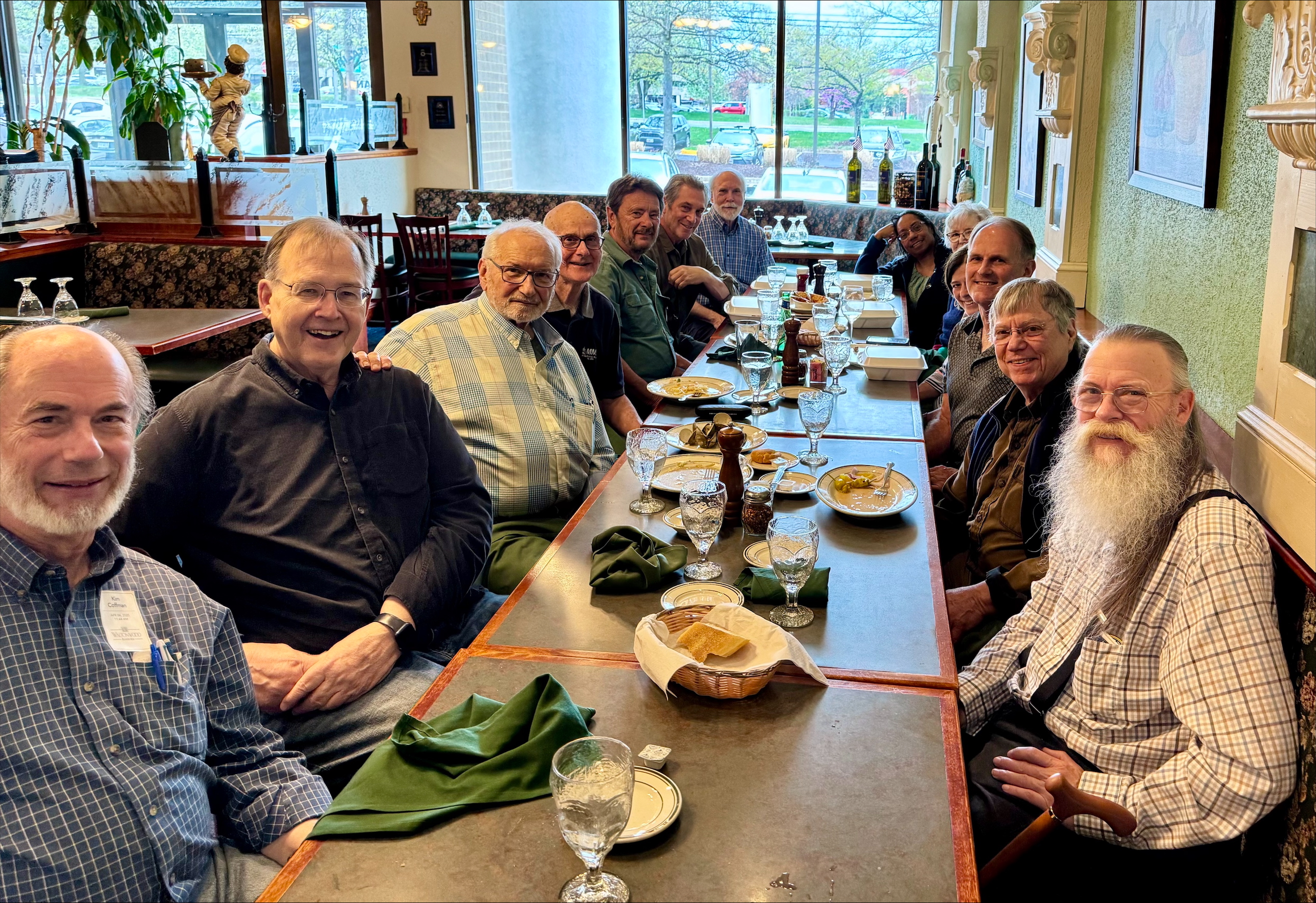
Great people who were dedicated to the OCS program’s safety, environmental, and resource management missions! Much wisdom was shared! 😉

Read Full Post »

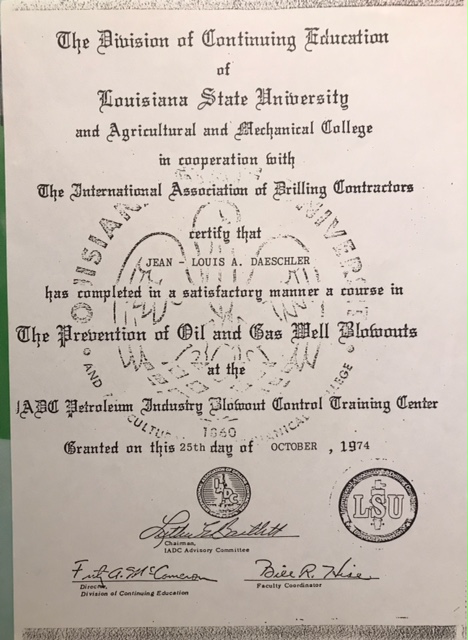
Pioneering offshore engineer J.L. Daeschler, a Frenchman who lives in Scotland and has worked on drilling rigs worldwide, shared his 1974 training certificate signed by Bill Hise, the first director of the Blowout Prevention and Well Control Training Center at LSU. JL recalls his training:

The LSU well control course was new and very well organized. Training options were limited at that time. LSU took a step forward and incorporated equipment donated by Cameron Iron Works, Armco Steel /National, VETCO, and others.

The course was split between indoor class room style and outdoor training on a live well to remind us of the real things, like hard hats, tally books, and safety shoes.

LSU had a 1200 ft vertical well and a small 2″ diameter gas injection line to create a bottom hole gas kick, using a nitrogen truck as the supply. (note: the live well was a first for any well control school.) You had a choice of several manual chokes.  I selected the Cameron Willis choke to circulate the gas kick out with no increase in mud weight (drillers method).

The mud return level, kick detection, and general management of the operation were realistic as if on a rig. The gas would whistle and escape thru a vent line.

The training was simple and effective in that proper well control procedures were learned. In the process, there were many errors. Mud was seen flying out of the mud shaker/pits. School management would bring things under control and explain the errors that were made !!!

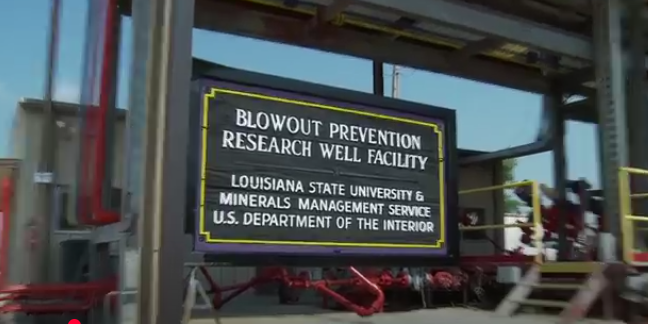
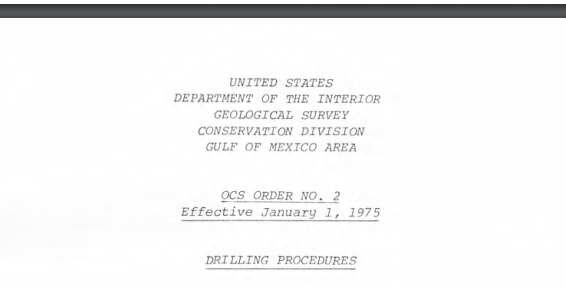
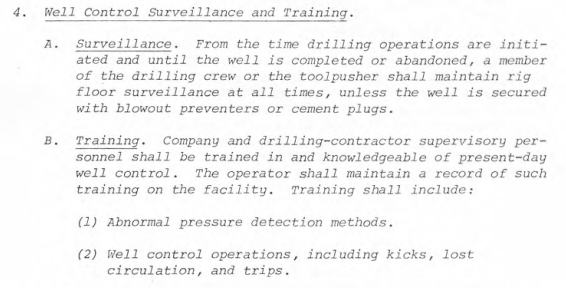
Given the importance of minimizing drilling risks, the Minerals Management Service (MMS) was the primary funder of the LSU facility. MMS predecessor, the Conservation Division of USGS, first established well control training requirements in 1975 (pasted below).

LSU’s well control center video:

Read Full Post »

33 years before Elon and Vivek’s DOGE, there was the Clinton-Gore Government efficiency initiative known as the National Performance Review, aka the National Partnership for Reinventing Government (NPR).

President Clinton (March 3, 1992): “Our goal is to make the entire federal government less expensive and more efficient, and to change the culture of our national bureaucracy away from complacency and entitlement toward initiative and empowerment.” 

Al Gore led this effort with gusto. While not revolutionary, the NPR was quite successful in streamlining government programs. VP Gore presented symbolic and prestigious “Hammer Awards” (image above) to initiatives that were judged to have accomplished the NPR objectives:

  • put customers first
  • cut red tape
  • empower employees
  • get back to basics

My Division in the Minerals Management was one of the few government offices to be honored with two hammers. Kudos to Bill Hauser and Kumkum Ray for leading these two efforts:

  • reducing the pressure test frequency for blowout preventers after completing a detailed statistical analysis demonstrating that there would be no increase in failure risk.
  • simplifying the operating regulations and rewriting the text in plain, easy-to-understand English.

Who would have thought Al Gore, Elon Musk, and Vivek Ramaswamy had so much in common? 😉

Read Full Post »

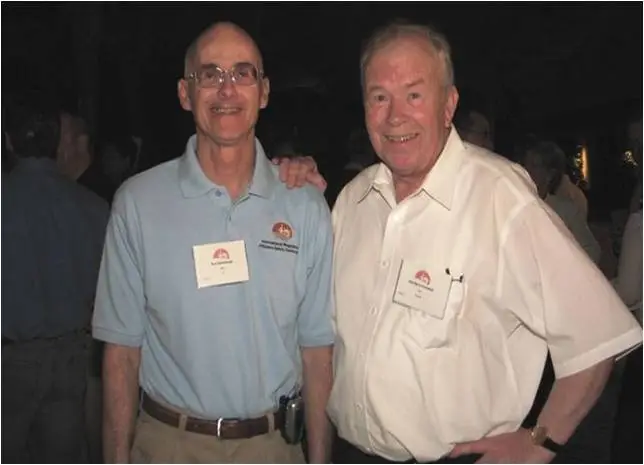
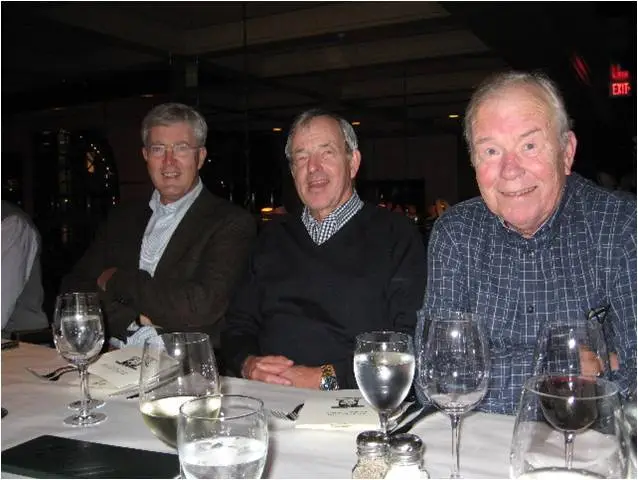
Bud and Odd (2008 photo)
L to R: Jan de Jong (Inspector General, State Supervision of Mines, the Netherlands), Max Ruelokke (CEO, Canada – Newfoundland and Labrador Offshore Petroleum Board), and Odd FInnestad

Yesterday, I learned that Odd Bjerre Finnestad passed away on Christmas Eve, 2021. Odd was an international safety leader, a founder of the International Regulators’ Forum (IRF), and a driving force behind the IRF book, “A legacy of safety.”

In 2003, the US Minerals Management Service honored Odd, two other Norwegians, Magne Ognedal and Gunnar Berge, and Taf Powell from the UK, with International Leadership Awards for their outstanding leadership in facilitating the exchange of information among offshore regulatory agencies, encouraging cooperation on offshore safety and pollution prevention issues, coordinating participation in the development of international standards, cooperating on safety audits and research projects, compiling incident data, exchanging training information and discussing materials and equipment issues.

Odd was also an important contributor to this blog during the difficult times following the Montara and Macondo blowouts in 2009 and 2010.

Pasted below is the English language version of the excellent obituary that appeared in the Stavanger Aftenblad. RIP Odd; your impressive contributions to offshore safety are greatly appreciated.

Memorial: Odd Bjerre Finnestad died on Christmas Eve 2021, aged 79.
Odd was employed by the Norwegian Petroleum Directorate (OD) in 1980, later the Petroleum Safety Authority (Ptil) when resource and safety management was divided into two agencies in 2004. He worked there until his retirement in 2013.

Born in the maritime city of Stavanger, he chose a maritime career. As a young naval officer, he met his Anna Dorothy in Londonderry in Northern Ireland. They married in 1967, and our thoughts go out to her and the rest of the family today.
His maritime education and experience led Odd to a scholarship position at the Norwegian Institute of Maritime Research and a research program focusing on personal safety at sea. This was an important experience as head of the Section for Worker Protection and the Working Environment in NPD.

Even though most of the Working Environment Act had been applied to permanent installations on the Norwegian continental shelf as early as 1977, demands for employee participation and tripartite cooperation met resistance in parts of the industry.

Odd took on the big challenges with great commitment. On the drilling deck there was still something of the cowboy culture, where safety and the working environment had poor conditions. Several of the residential quarters appeared to be barrack-like accommodation and little had yet been arranged for women in the new industry.

He was concerned that the professional environment should have professional diversity, and that the work should be anchored in research and development. At a time when the share of women offshore was minimal, he was a driving force behind realizing the film project “Norwegian continental shelf – also for women”.

The major accidents with the Bravo blowout in 1977 and the Alexander L Kielland disaster in 1980 had documented the risks in the business in the worst possible way. With these as a backdrop, he participated in the work to develop a new supervision scheme with subsequent information work. This laid the foundation for a three-year engagement at the International Labor Organization (ILO) in Geneva from 1989, where he worked on a global study on various inspection regimes related to the working environment.

For the rest of his professional life, Odd was closely linked to international cooperation at government level. The most important arena was the International Regulators ́ Forum (IRF) where the Ptil director represented the Norwegian authorities. The forum meets annually, but much of the work takes place through ongoing contact between the participating countries. This is where Odd’s ability to see connections and make strategic contacts came in handy. He actively contributed to the IRF developing a culture for rapid and effective exchange of information on risk levels, regulations and supervision.

Odd monitored all channels almost around the clock, in order to convey news of interest. Often before these were picked up by the world press. He thereby also became an important contributor to Ptil’s information environment.

It is a pioneer in Ptil’s role as watchdog and promoter of safety and the working environment in the petroleum industry who has now passed away. We will remember Odd as a committed colleague and friend.

Read Full Post »

The civil penalties provision in the 1978 OCS Lands Act (OCSLA) Amendments was flawed in that it stipulated that operators must be given time to take corrective action before a civil penalty could be assessed. The “time to take corrective action” requirement was confirmed by a 1983 Federal Court decision in Louisiana:

The Court agrees with Chevron’s construction of Section 24(b) and holds that civil penalties may only be imposed under Section 24(b) for violations which continue after the violator has been notified of the breach and has failed to correct it within a reasonable period allowed. This conclusion is based primarily upon a careful review of the pertinent statute. The first sentence sets forth the conditions of liability:

If any person fails to comply with any [provision of the Act] after notice of such failure and expiration of any reasonable period allowed for corrective action, such person shall be liable for a civil penalty of not more than $10,000 for each day of the continuance of such failure.

The court decision gutted the Minerals Management Service (MMS) civil penalties program. Civil penalties could no longer be assessed until the operators had been given time to correct their violations, even those that endangered workers and the environment.

Ironically, Congressman George Miller (D-CA), an ardent opponent of the offshore oil and gas program, proved to be an important MMS ally by adding language to the Oil Pollution Act of 1990 that amended the OCSLA civil penalties provision. The first draft of that language expanded the civil penalties authority to include violations that may constitute a threat of serious, irreparable, or immediate harm or damage to life, property, or the environment.

We were able to revise that draft by adding the words “or constituted” after “constitute” to cover situations where the threat was no longer present. For example, if an inspector found that a well had been drilled without required elements of the well control system in place, the threat may no longer be present at the time the violation was detected but it certainly was when the well was drilled.

The revived MMS civil penalties program was fair and effective, and BSEE seems to be administering the program in a similar manner. Civil penalties data for the past 4 years will be posted next week.

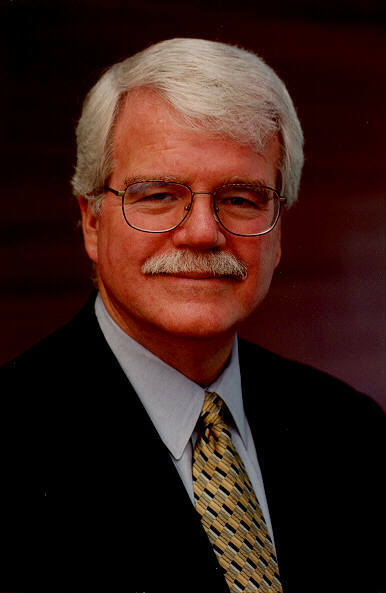
Congressman George Miller (CA)

Read Full Post »

Lawrence Livermore is receiving attention for concluding that the Covid pandemic most likely arose from a laboratory leak in Wuhan.

This reminded me of an important Lawrence Livermore project that was funded by the Minerals Management Service in 1995. The study considered seismic hazard criteria for offshore platforms on the California OCS. My colleague Dr. Charles Smith, a structural engineer, had an important role in this research. Charles had been instrumental in the establishment of an earthquake measurement network in the Pacific Region. The measurement system at Platform Grace in the Santa Barbara Channel  successfully recorded 5 earthquakes and the structural responses at multiple locations on the platform.

Lawrence Livermore and the other national laboratories have many outstanding scientists and engineers. The national labs do excellent work, although their studies are a bit pricey 😉

Platform Grace

Read Full Post »

Cheryl Anderson

Cheryl Anderson, the world’s leading authority on offshore oil spill occurrence rates and causes, has retired from the US Department of the Interior after an exceptional career. Cheryl developed and maintained comprehensive oil spill data bases, and authored numerous reports on spill risks and occurrence rates.

Because of her meticulous attention to detail and unbiased analyses, both supporters and opponents of offshore oil and gas operations trusted Cheryl’s data.  Her reports have been widely referenced in energy policy documents, environmental reviews, and professional papers published in the US and around the world.  Lease sale areas were revised and operating regulations were updated as a result of Cheryl’s statistics and analyses.

In recent years, Cheryl’s leadership in improving the accuracy and credibility of hurricane spill statistics was particularly noteworthy. She developed a process for gathering information on the amount of stored oil that could have been lost when platforms were toppled and pipeline segments were damaged. Previously, only spills that appeared on the water surface were included, which meant that total hurricane spillage volumes were significantly understated.

Cheryl worked for the Minerals Management Service since its inception in 1982. Given the sensitivity of oil spill statistics, there was a tendency on the part of some officials to want to “spin” Cheryl’s statistics. Cheryl had the highest professional standards, and firmly resisted such attempts. Her only concern was the accuracy of the data and the credibility of the reports. For this she was greatly respected by all of her MMS colleagues. She received numerous honors, most notably the Distinguished Service Award, the Department of the Interior’s highest honor award.

Cheryl was universally admired by her MMS colleagues and was a great friend to all. She warmed hearts with the charming trinkets that she would distribute on holidays and helped everyone stay healthy with the wonderful apples that she would bring to the office (in great quantities) from the orchards west of the metropolitan Washington DC area.  BOE wishes Cheryl great success in her future endeavors. No matter what she chooses to do, we know she will do it with great integrity, commitment, and enthusiasm.

All the best to Cheryl!

Read Full Post »

Older Posts »