Per the BSEE presentation attached below:
Slide 13: “In 2022, the rate of occupational fatalities, reported for activities on facilities where BSEE has primary investigation authority, decreased to being near the historical national average of approximately 0.9 fatalities per 25,000 full time equivalent workers per year. However, considering all offshore risk factors, including helicopter transportation, diving, marine transfer, and COVID-19 exposures, the occupational fatality rate for all OCS activities has remained high since 2019.“
Slide 15: “In 2022, the TRIR for both production and construction operations increased to the highest levels recorded since 2010 and remained high even after discounting the impact of COVID-19 illnesses. The TRIR for drilling and well operations, however, remained near their historical lows.“
Comments:
- These charts and tables are helpful for assessing trends.
- The data raise concerns that merit further analysis. Absent the specific incident summaries, which have yet to be updated for 2022, it’s difficult to assess the nature and extent of the issues.
- The parsing of fatality data according to regulatory jurisdiction adds to previously expressed concerns about regulatory fragmentation and its implications for offshore safety.
- We are still awaiting the final NTSB report on the worst 2022 incident, the crash on the helideck at West Delta 106 A. Note that the most recent Coast Guard – BSEE MOA for fixed platforms assigns decks and fuel handling to BSEE and railings and perimeter netting to the Coast Guard. This would seem to be the antithesis of holistic, systems-based regulation.
- We continue to have concerns about the high number of “natural cause” fatalities at offshore facilities in 2022. These 6 fatalities are not included on slide 13, and would increase the total number of 2022 fatalities to 12.
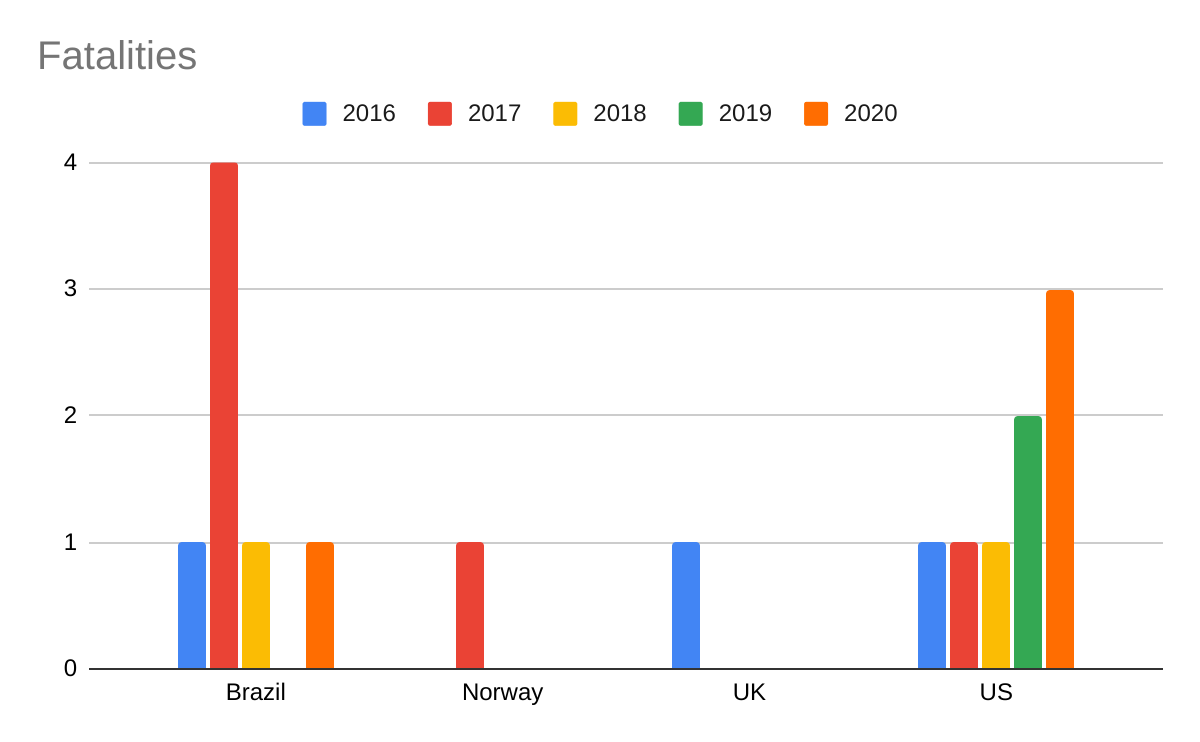
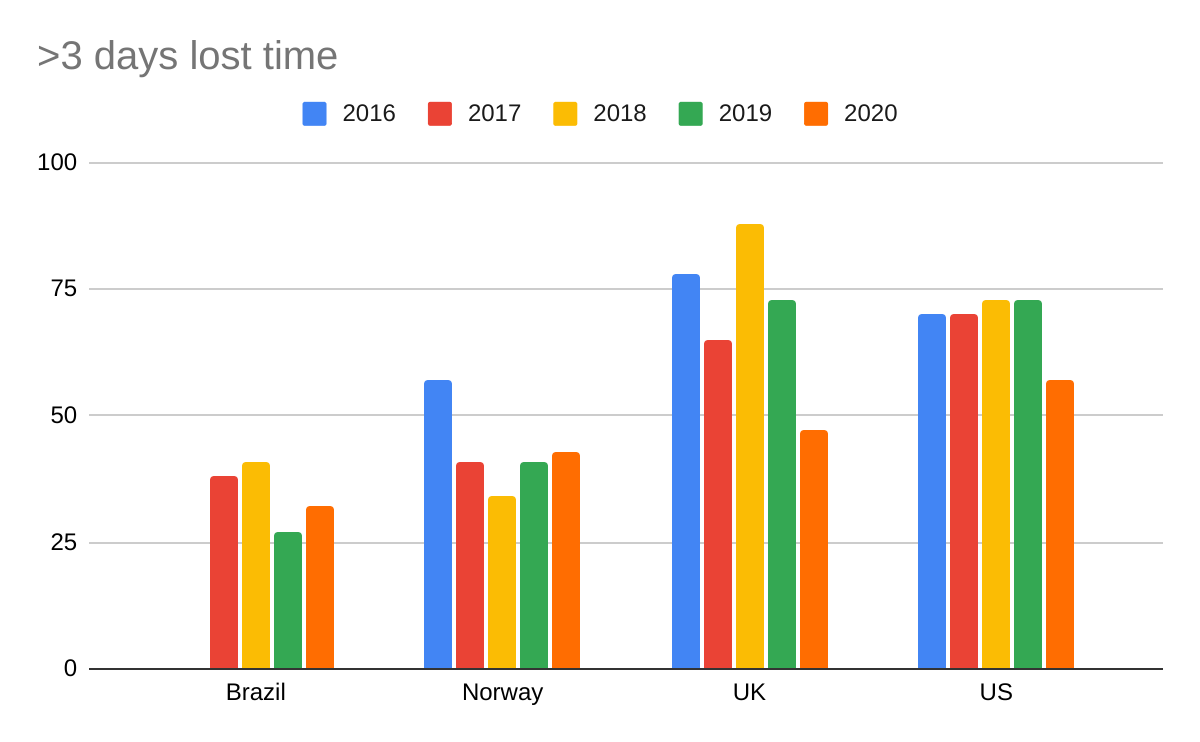
- The latest International Regulators’ Forum country performance data are for 2020. The absence of regular, timely updates makes international comparisons difficult and limits the value of what is arguably the most important IRF workstream.



 Bud's Offshore Energy (BOE)