Feeds:
Posts
Comments

Posts Tagged ‘Gulf of Mexico production’

See the video embedded below or view it here.

Some of us are long-time observers of North Sea operations. Others like JL Daeschler are pioneers who were involved with North Sea exploration and development from the outset. It’s sad to see what is happening to the UK offshore industry.

And for what purpose? Virtue signaling by politicians? Pandering to the international climate cartel? Shutting down North Sea production will have no measurable effect on our climate.

Now that the entire U.S. Atlantic and Pacific, and nearly all of offshore Alaska, are closed to oil and gas leasing, the goal of some is to shut down the Gulf of Mexico. That intent is clear in the 5 year leasing plan that provides for a maximum of 3 sales, the fewest of any 5 year plan in the history of the US offshore program. This is really a 5 year moratorium, not a 5 year leasing plan.

As noted in the post below, GoM production is 1.8 million bopd. BOEM’s reasonable forecast of >2 million bopd through 2027 will not be achieved because of policy decisions, not resource limitations or technical capabilities.

And shame on those who are attributing Hurricane Helene’s destruction to GHG emissions. This is uninformed opportunism at its worst.
Read Full Post »

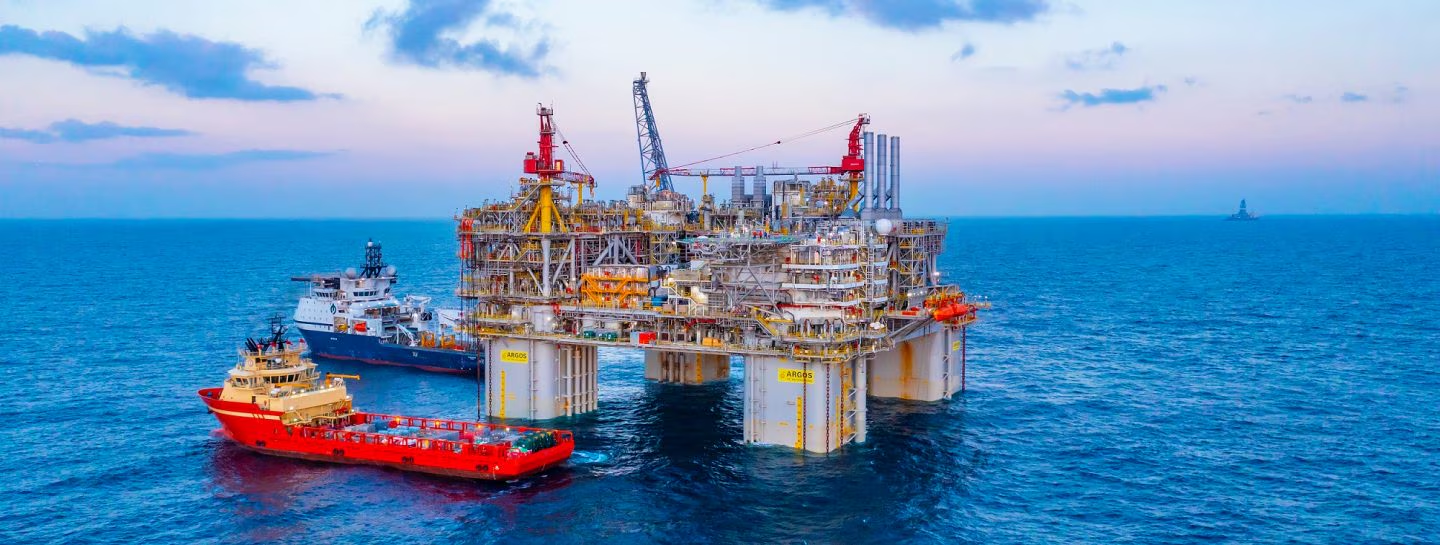
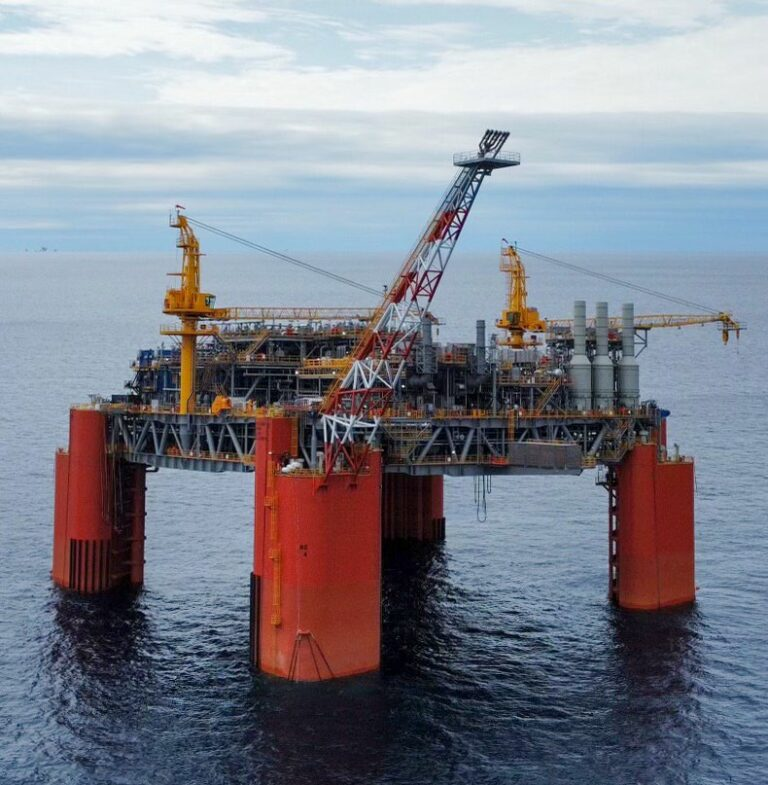
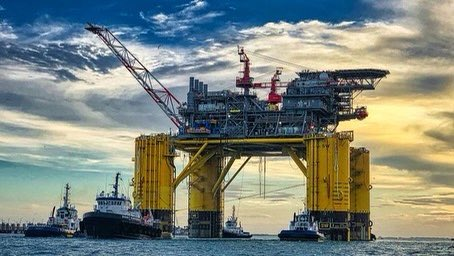
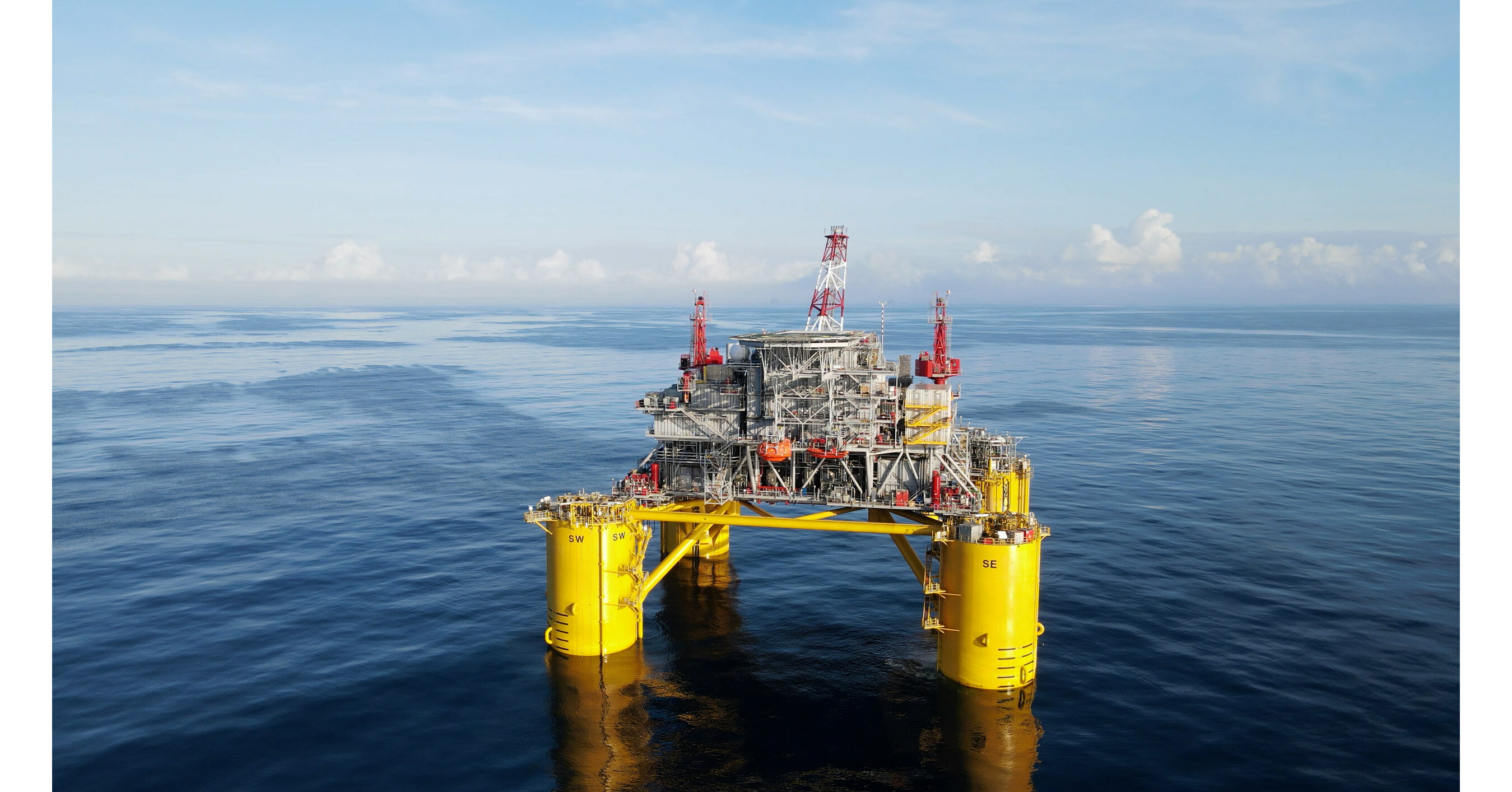
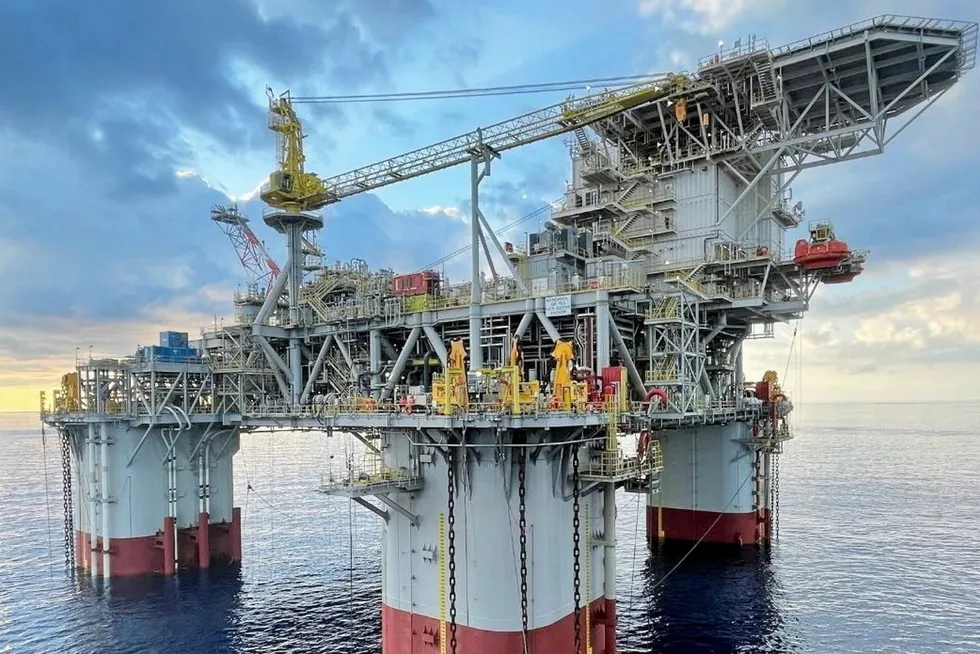
Four of the five simpler, safer, greener deepwater platforms featured on this blog are now producing. The 5th platform (Whale) is on location and scheduled to begin production later this year.

platformoperatorfirst production
King’s QuayMurphyApril 2022
VitoShellFeb 2023
ArgosbpApril 2023
AnchorChevronAug 2024
WhaleShelllate 2024

These platforms are in 4000 to 8600′ of water, are expected to reach peak production rates of 100-150,000 boe/day, and have favorable emissions characteristics on a per barrel basis.

This is all good, but what is next? Will technological advances once again sustain GoM production? The short answer appears to be yes!

The efficiencies achieved with the simpler platform designs combined with the high pressure (>15,000 psi) technology developed over the past 2 decades will facilitate production from the highly prospective Paleogene (Wilcox) deepwater fans. (For those interested in learning more about the geology, see the excellent presentation by Dr. Mike Sweet, Univ. of Texas, that is embedded below.)

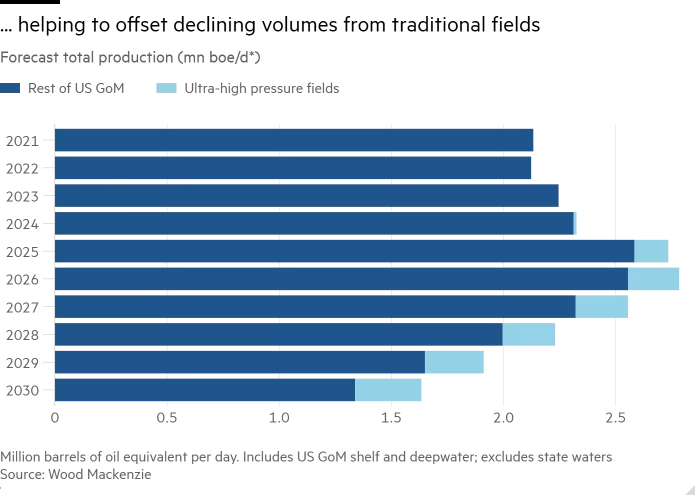
Chevron’s Anchor is the first deepwater, high-pressure development. Three similar deepwater hub platforms (table below) will begin production over the next 5 years. These host platforms will also facilitate additional production from nearby fields. Each will have production capacities of approximately 100,000 boe/day. Note the long lead times in achieving first production given the technological issues that had to be evaluated and addressed.

platformoperatordiscovery datefirst production
Kaskidabp20062029
SpartaShell20122028
ShenandoahBeacon20092025

Wood Mackenzie sees these high pressure projects as the key to sustaining GoM production rates. Their projections for 2024 and 2025 seem optimistic based on 2024 YTD data, which adds to the importance of the projected new production.

Related: Movin’ on up to 20,000 psi BOP equipment

Read Full Post »

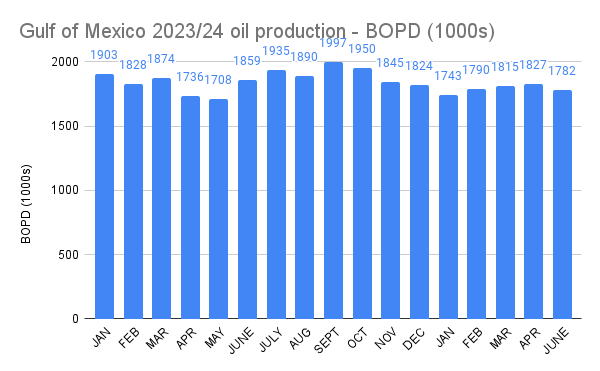
May Gulf of Mexico production fell 55,000 bopd from April. BOEM’s 2024 production forecast of 2.013 million bopd will likely be more than 200,000 bopd too high. Their forecast of >2 million bopd through 2027 is increasingly doubtful. Leasing policies intended to prevent production from rising too high do not bode well for the longer term.

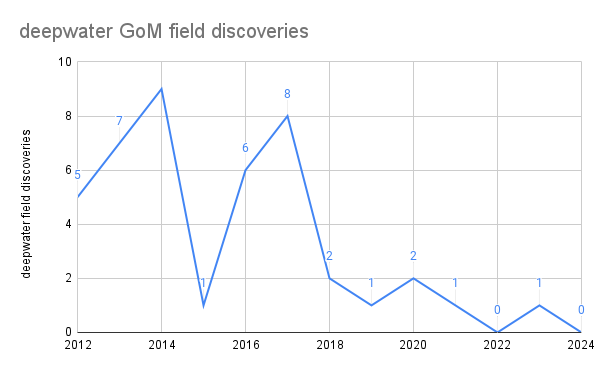
The dearth of deepwater discoveries over the past 6 years (chart below derived from BOEM data) should be a major concern to those engaged in energy policy. Technical innovation has facilitated simpler, safer, and greener deepwater development. However, most of those discoveries were made 7-15 years ago.

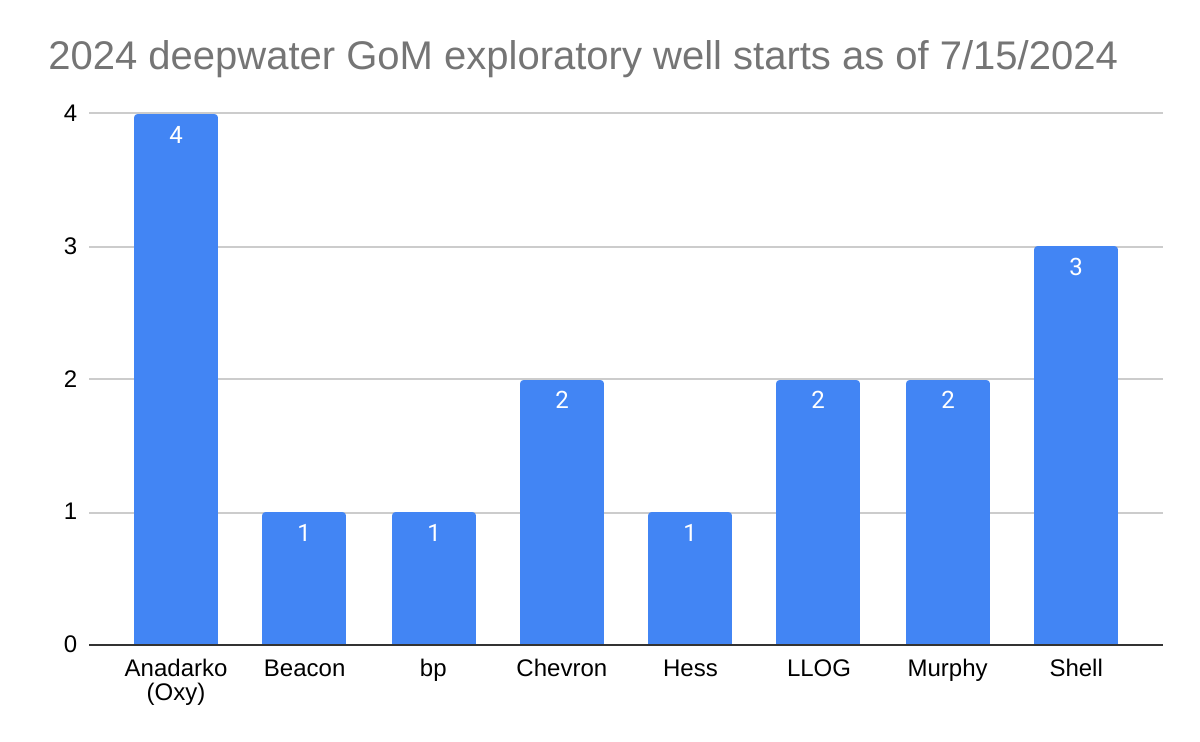
The decline in discoveries is no surprise given the decline in deepwater exploratory drilling documented by Lars Herbst in Dec. 2022. That trend continues, and the BSEE data summarized below indicate that deepwater exploratory drilling has remained at historically low levels.

Onshore oil and gas production, mostly from private lands, has responded to growing US demand, but the offshore sector could be contributing more and offers some important advantages:

The Deepwater Advantage: fewer facilities + fewer wells + high production rates + efficient power generation + advanced processing + restricted flaring + pipeline transportation = fewer environmental impacts and low GHG intensity production

Read Full Post »

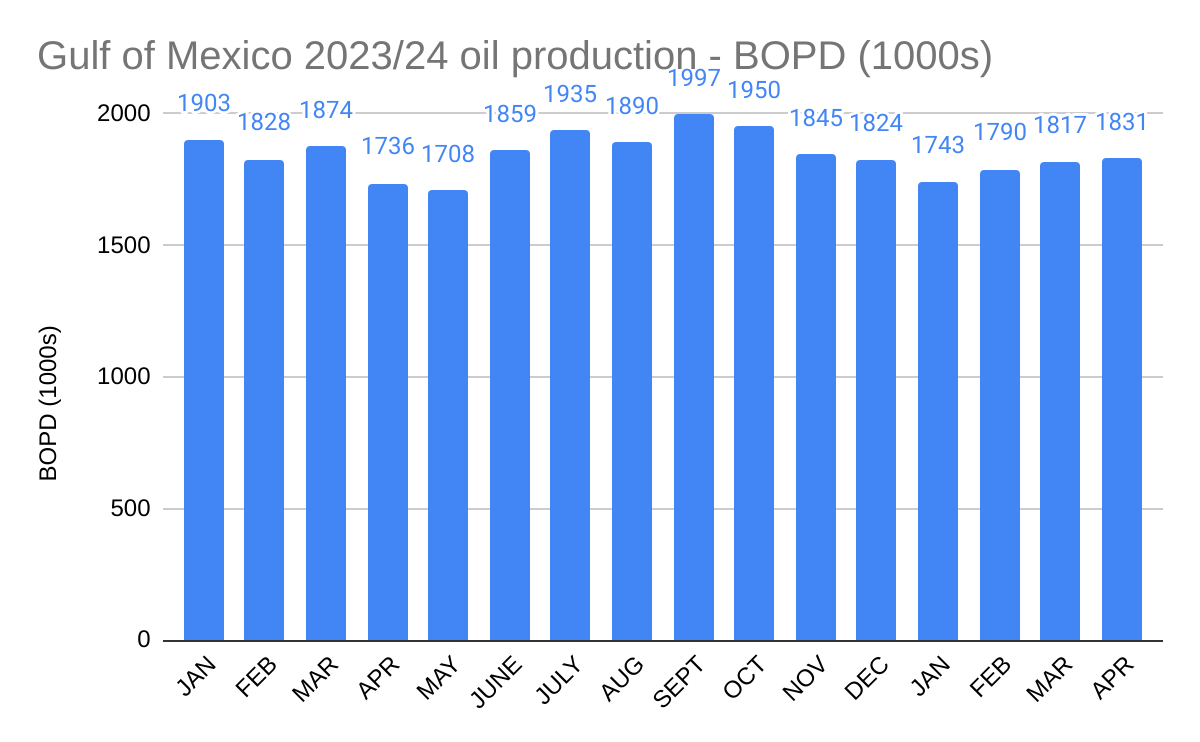
EIA has released the April oil production data. The Federal waters of the Gulf of Mexico produced 1.831 million BOPD in April, which is essentially level with corrected March production (1.817 million).

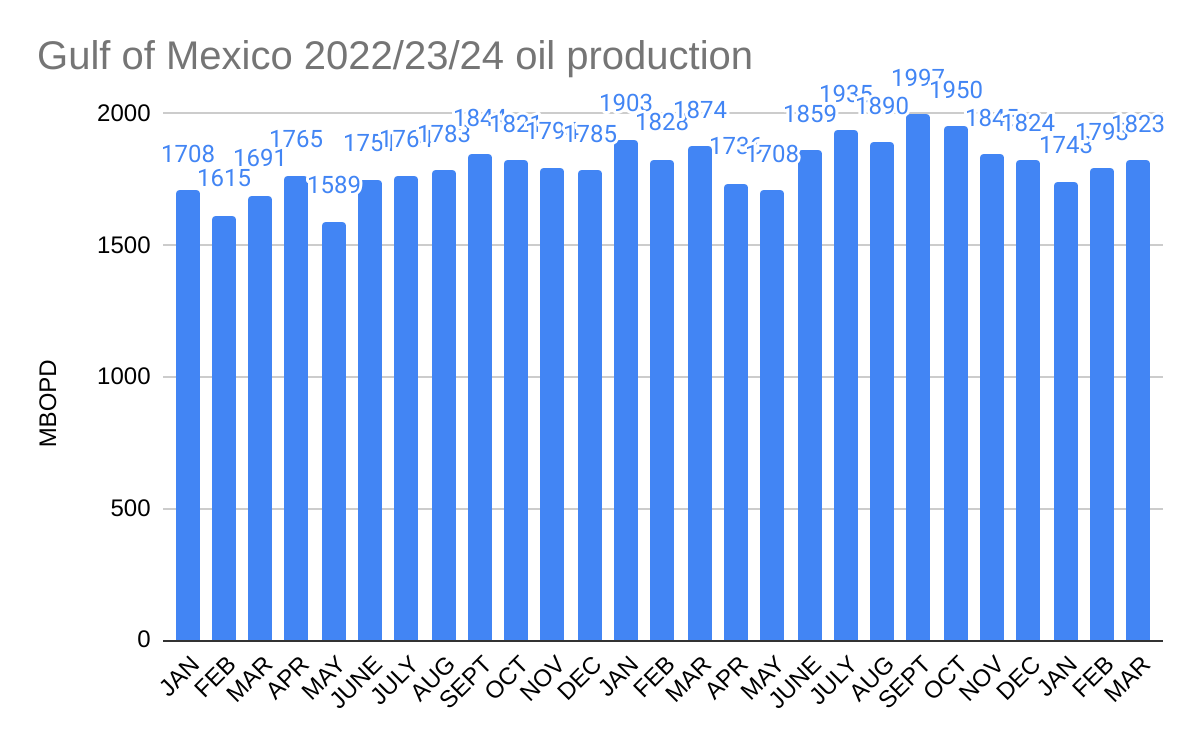
GoM production fell more than 12% from nearly 2 million BOPD in September 2023 to 1.743 million BOPD in January 2024 before climbing back to 1.8 million BOPD over the past 3 months (see chart below). What’s up?

Read Full Post »

March production (1823 MBOPD) has been added to the GoM summary chart (below).

The Main Pass Oil Gathering (MPOG) system reportedly remained shut-in until early April. We should learn more about the impact of that shut-in when the EIA releases the April production figure at the end of June. Meanwhile, we are still waiting for information from the NTSB on the MPOG incident. To date, the NTSB has only posted a short summary

Note that BOEM’s 2024 forecast called for production to average 2,013 MBOPD, which is above the 2023 peak of 1,997 MBOPD in September.

Most forecasts call for an active 2024 hurricane season, so interruptions in production are likely. There were no production shut-ins from tropical storms in 2023.

Read Full Post »

To what extent was the Main Pass Oil Gathering (MPOG) system shut-in responsible for the Nov. to Feb. production decline (chart below)? The MPOG wasn’t cleared for production until earlier this month, so we may not know until the investigation report is published and the EIA posts April 2024 production data (2 month lag).

The NTSB is leading the investigation on the MPOG spill. This short summary is all they have posted so far, but we should see a preliminary report soon. The NTSB’s final reports are frequently delayed. They still haven’t finalized their report on the Dec. 2022 Gulf of Mexico helicopter crash.

Read Full Post »

This is presumably due to the new production at Vito and Argos. Will we see 2 million bopd again? Perhaps later this year or next, but production increases are unlikely beyond that given the current state of the offshore leasing program. You can’t efficiently develop and supplement new discoveries without consistent, predictable leasing.

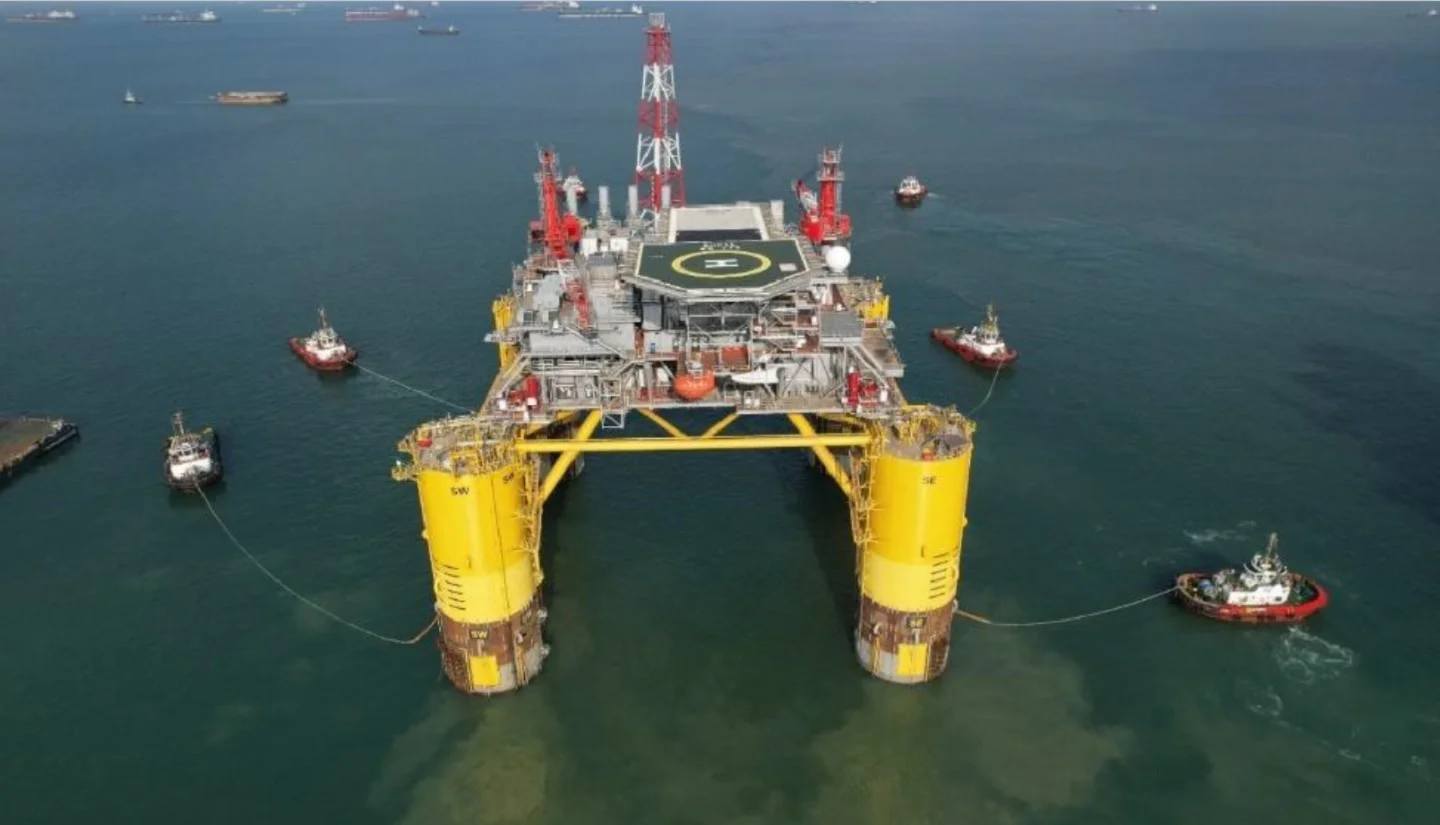
Shell Vito under tow to the Mississippi Canyon area of the Gulf of Mexico.

Read Full Post »

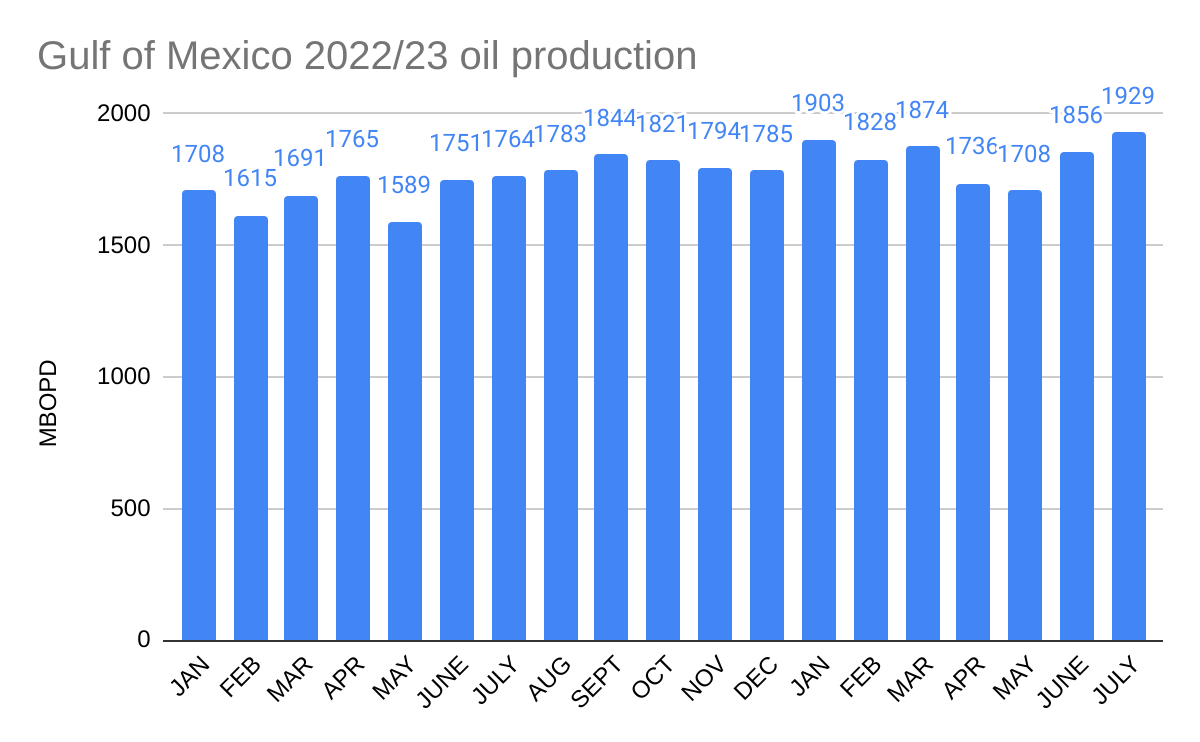
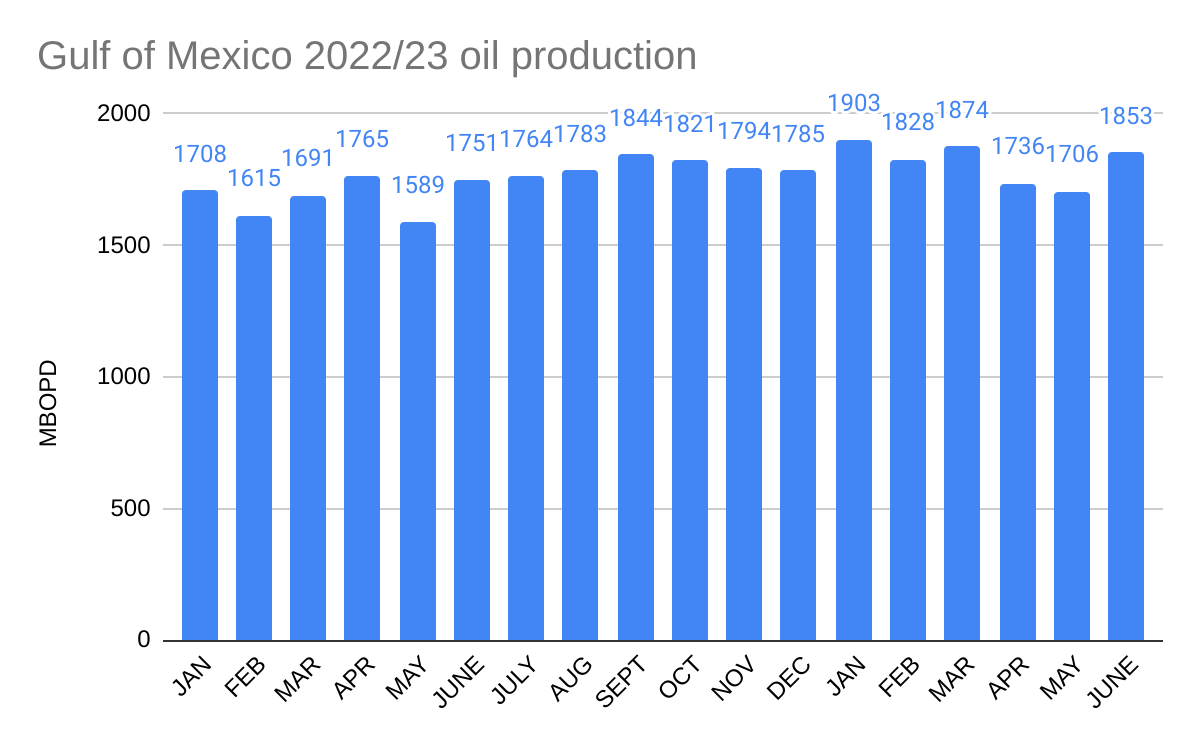
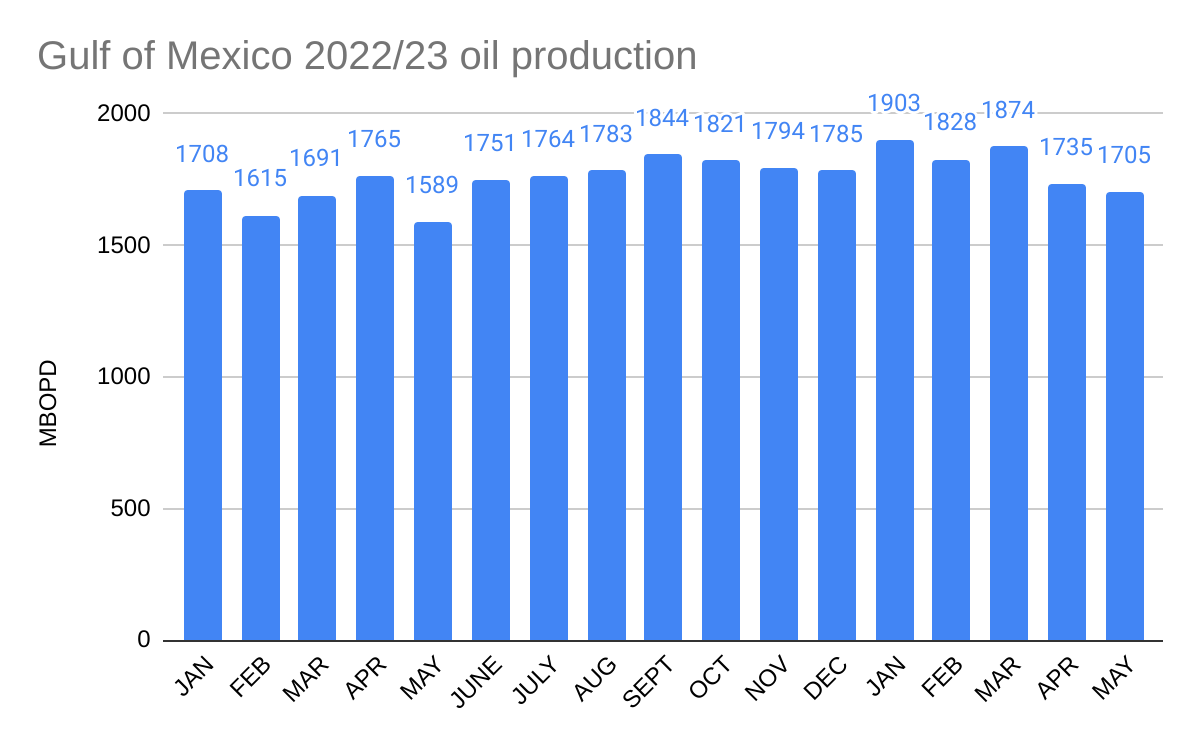
Gulf of Mexico oil production increased to 1.853 bopd in June which is more in line with production at the beginning of the year and the EIA 2023 forecast. Production remains well below BOEM’s 2.0 million bopd forecast for 2023.

Read Full Post »

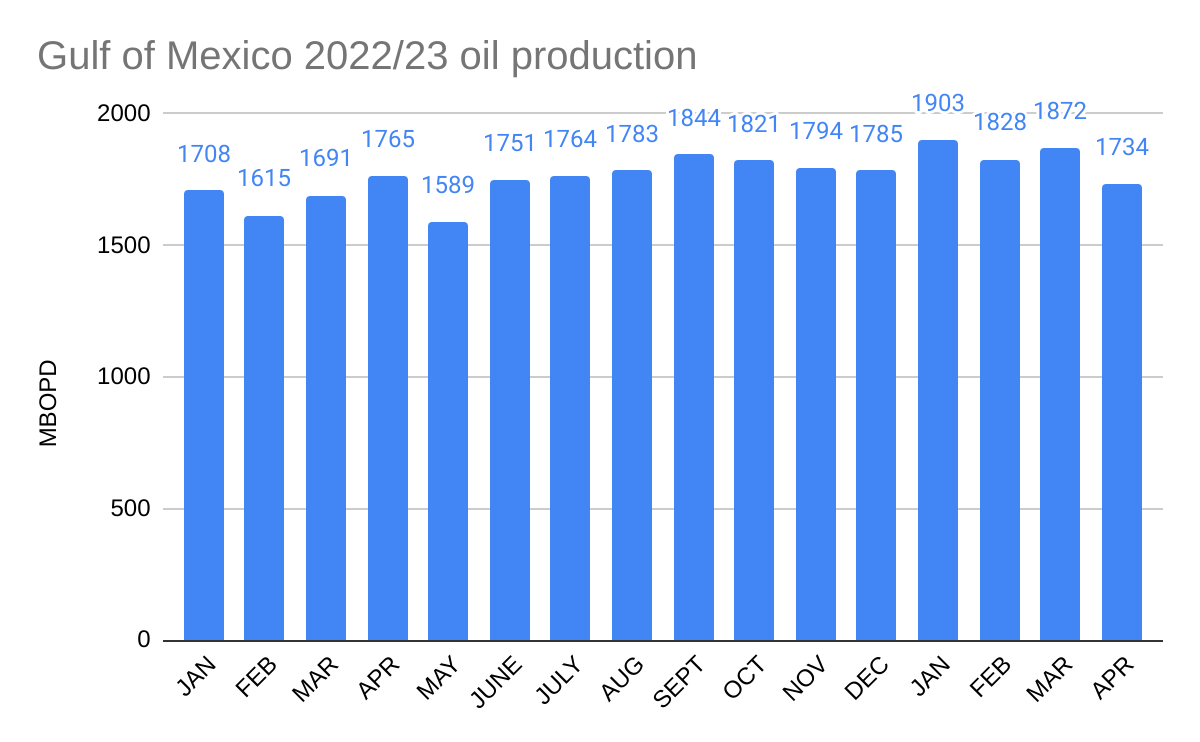
Gulf of Mexico 2023 oil production has dipped over the past 2 months, and is down 10% since January.

2023 production is reasonably well aligned with the EIA forecast which shows new production being offset by declines in existing fields.

Last year, BOEM forecast that production would average 2.0 million bopd in 2023. That forecast was justification for curtailing BOEM’s Proposed 5 Year Leasing Program. For the first time in the history of the OCS program, the primary concern of the program managers was that production might be too high for too long! This stunning quote from the 5 year leasing plan explains why so few lease sales were proposed:

BOEM’s short-term (20-year) production forecast for existing leases shows steady growth from 2022 through 2024 and declining thereafter (see Section 5.2.1)The long-term nature of OCS oil and gas development, such that production on a lease can continue for decades makes consideration of future climate pathways relevant to the Secretary’s determinations with respect to how the OCS leasing program best meets the Nation’s energy needs.

5 Year Leasing Program, p. 3

Read Full Post »

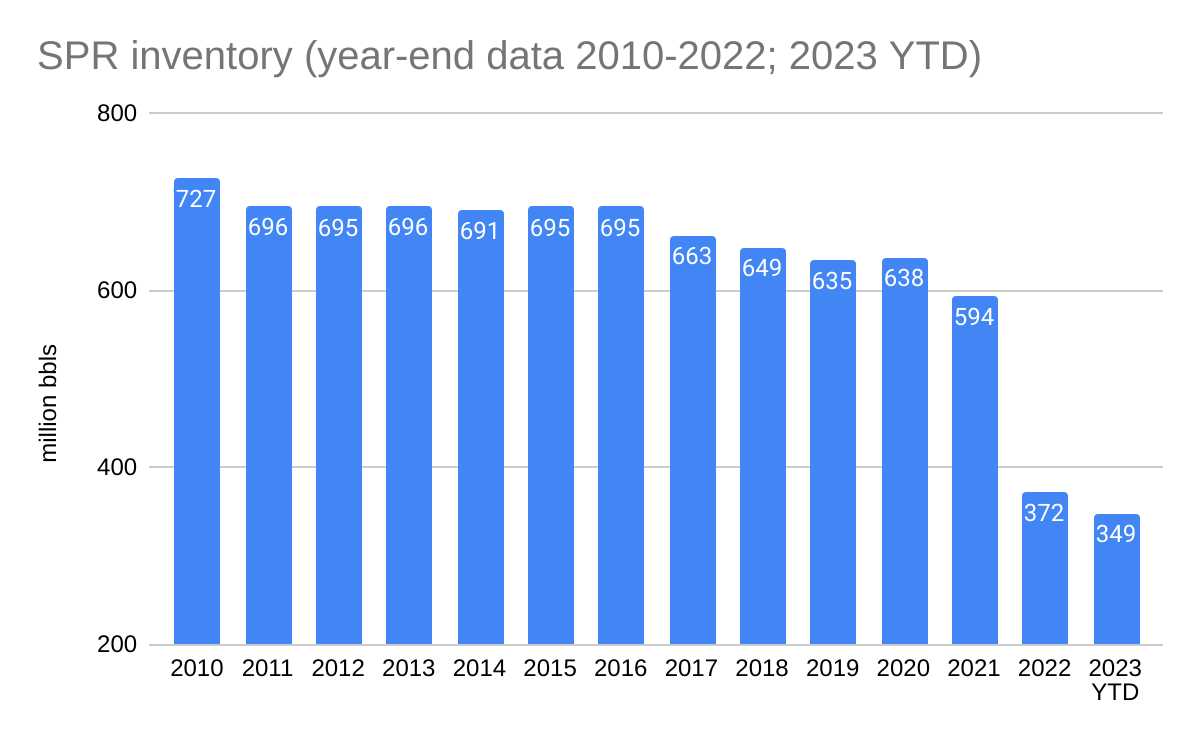
Meanwhile, the Strategic Petroleum Reserve is down to 348.6 million barrels as of June 23, but 6 million barrels, a relative drop in the bucket, are to be added in the fall.

Read Full Post »

Older Posts »