BSEE’s risk-based inspection and safety alert programs have effectively drawn attention to grating risks. Attached is a recent alert describing a grating incident that could have been fatal.
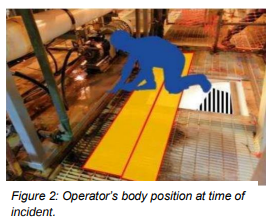
A worker installing a pump in a skid above unsafe grating was kneeling on scaffolding boards. The tip of his boot was on the corroded grating when it suddenly gave way. The worker was able to grab a nearby section of piping to support himself. The 36″ x 36″ piece of grating collapsed and fell into the water.
The oil industry has a long history of dealing with the correlative rights issues associated with oil drainage from competitive reservoirs. Similar issues are arising in the offshore wind industry.
Orsted claims that four nearby wind farms in the Irish Sea could result in a drop in Orsted’s annual energy production of up to 5.34%, and is seeking mitigation or compensation.
This is all rather familiar to the oil industry and its regulators, particularly the call for compensation!
“The California Coastal Commission is simply out of control and has veered far from its purpose of protecting the coast,” said Rep. Kiley. “From blocking SpaceX rocket launches to obstructing fire prevention projects, the Commission has repeatedly threatened the safety of Californians and weakened our national defense, while needlessly undercutting innovation and economic progress. The need to rein in the Commission has become urgent as we face the challenge of rebuilding Los Angeles following the fires. ”
The bill (attached), introduced by Kevin Kiley (CA), would amend the Coastal Zone Management Act (CZMA) to expedite important coastal activities, including national security initiatives, critical infrastructure development, and disaster mitigation and recovery efforts. Key provision:
‘‘(2) LIMITATION ON OBJECTION.—An objection or other challenge by a coastal state to an activity subject to a conclusive presumption of concurrence under paragraph (1) may not delay or otherwise prevent the activity from proceeding.”
While perhaps unlikely to be enacted, the bill addresses regulatory authority that many perceive to be unchecked and abusive. Congressional attention is clearly warranted.
Is Germany taking energy masochism to a new level?:
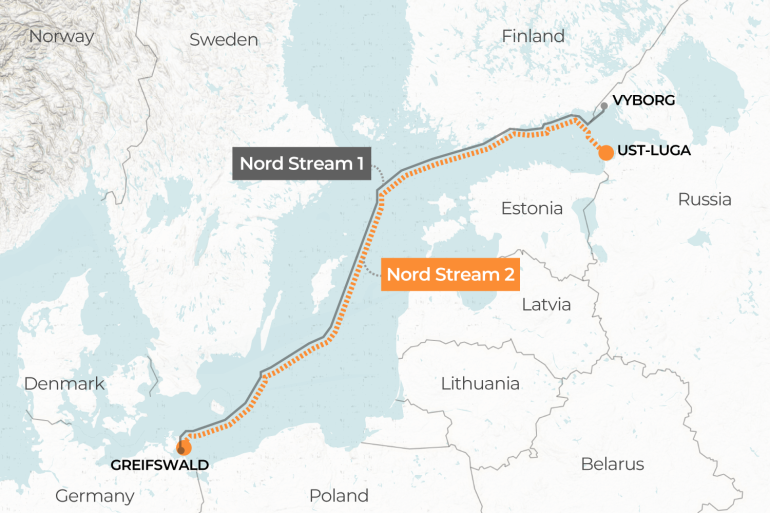
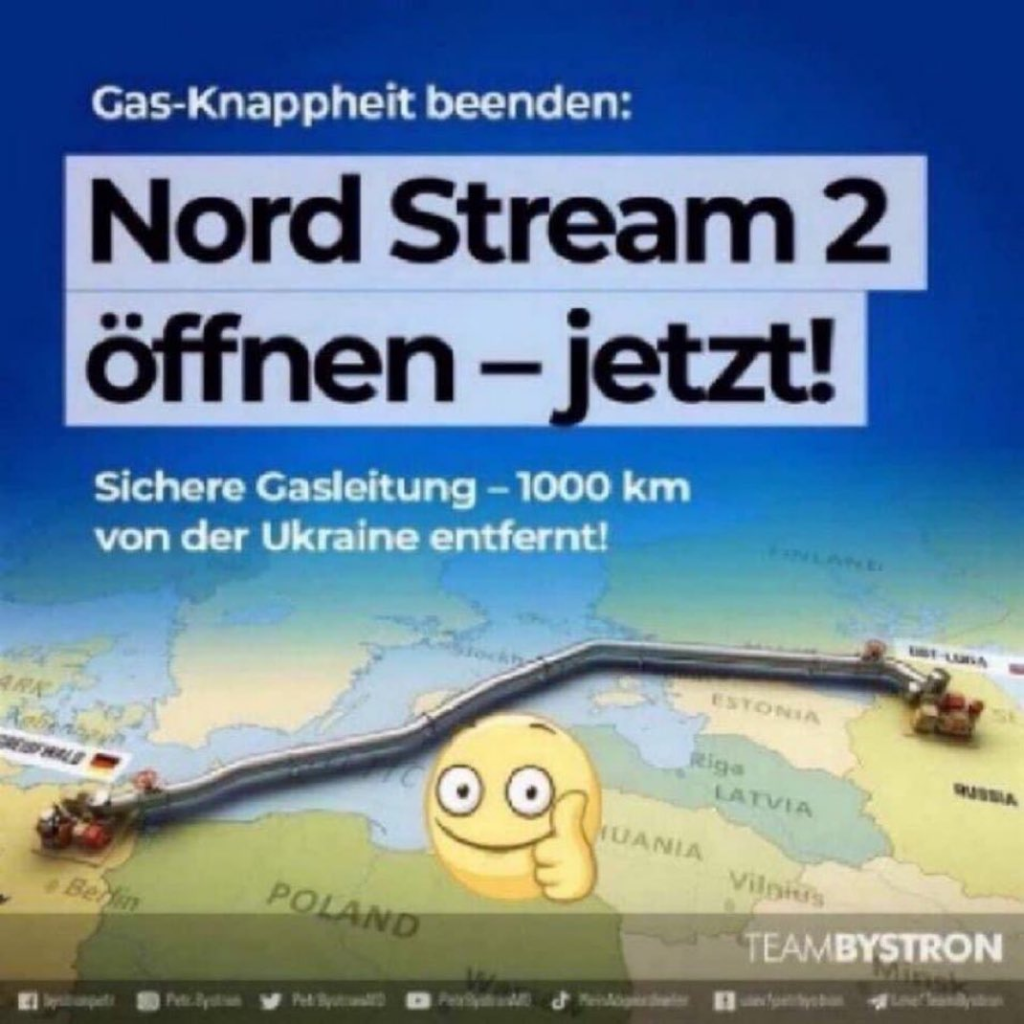
MSN: “Germany is exploring levers to prevent the resumption of Nord Stream 2. The pipeline may allegedly be restarted under an agreement between the US and Russia as part of the settlement of the war in Ukraine, Bild reports.“
“According to Bild and the Financial Times, secret talks have been going on between representatives of Russia and the United States for several weeks now about American investors buying the damaged Nord Stream 2 pipeline in the Baltic Sea.“
Good questions by Swedish engineer and independent Nord Stream investigator Erik Andersson:
“Wow! Why on earth would Germany stop gas through Nord Stream 2 if the war ends and USA approves it?“
“Richard Grenel who was involved in sanctioning NSP2 in 2019 is mentioned as a player in the article. After the explosions 2022, Grenel said the first Trump admin was against NS2 but not NS1 which was delivering an acceptable amount of gas without making Germany too dependent on Russia. I wonder if the current Trump admin still think that two out of the four Nord Stream pipelines could be opened without creating a dangerous dependency on Russia?“
The Alternative für Deutschland (AfD) party, supports a Nord Stream restart. Despite the AfD’s strong second place finish in the recent national elections, the leading CDU party is trying to keep the AfD out of the governing coalition.
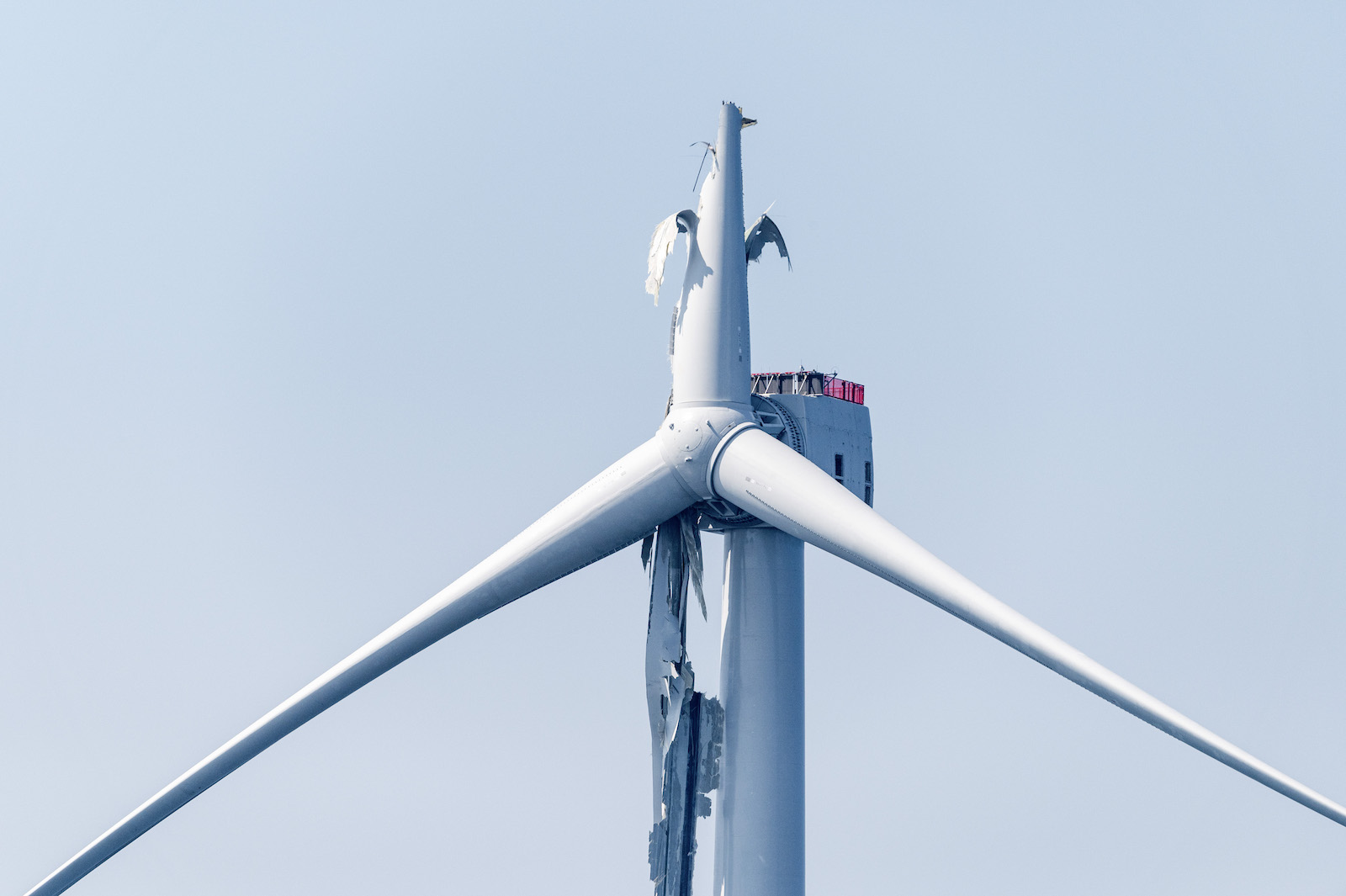
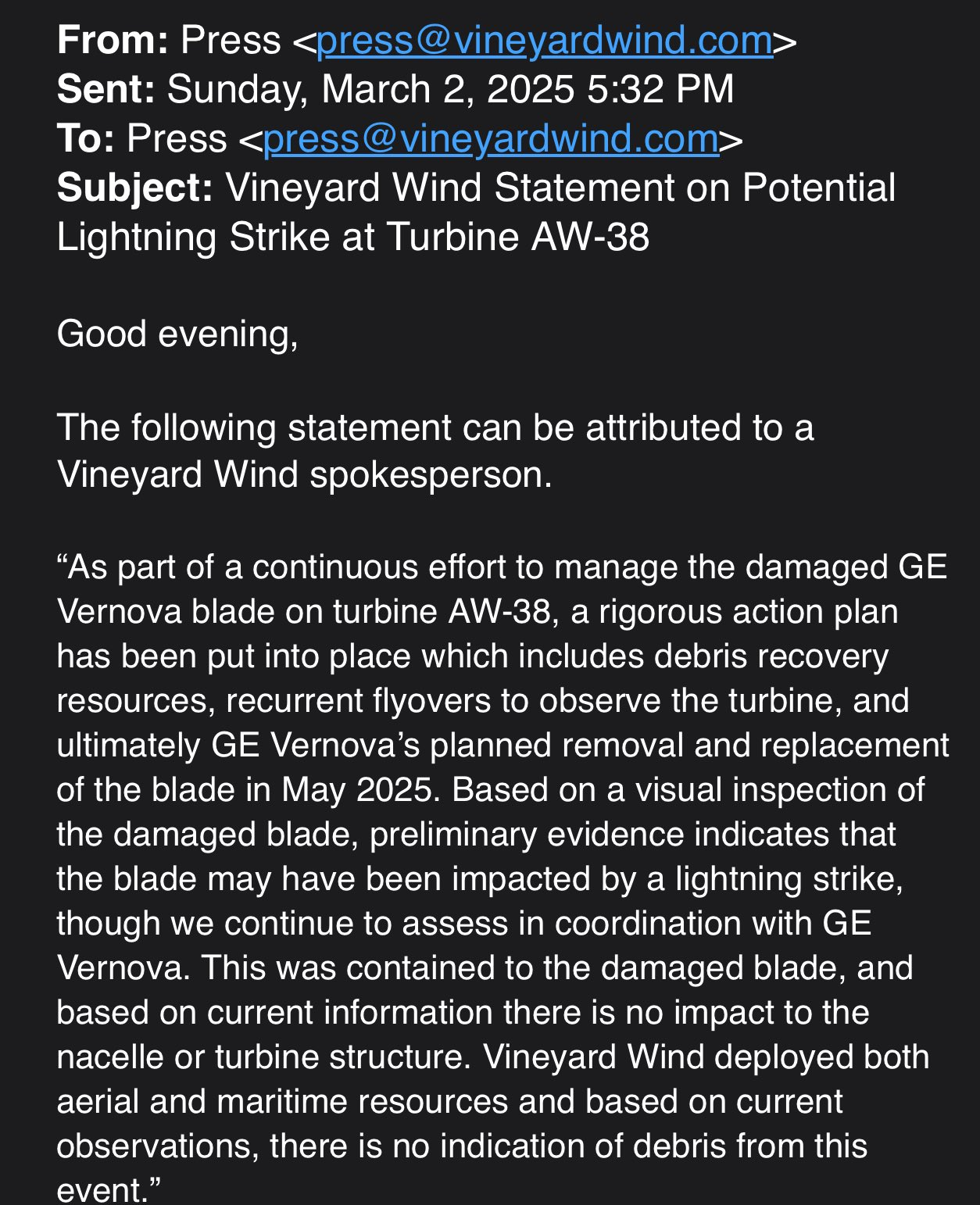
The same Vineyard Wind turbine blade that failed last summer has now been struck by lightning:
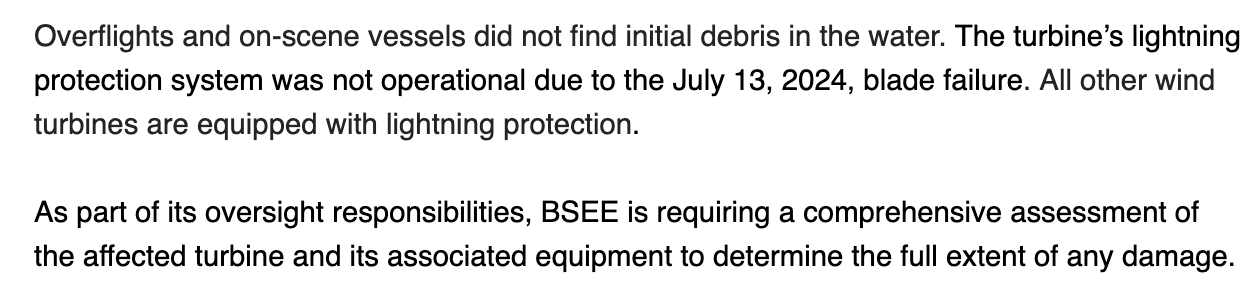
“Lightning struck the fractured stub of Vineyard Wind’s broken turbine blade in the early morning hours on Friday (2/27), according to representatives from Vineyard Wind and the Coast Guard. It was the remnants of the broken blade that snapped this July that were still attached to the turbine.”
“It appears the town (Nantucket) was not informed of the lightning strike by Vineyard Wind until it received media inquiries about it, over 48 hours after it happened.”
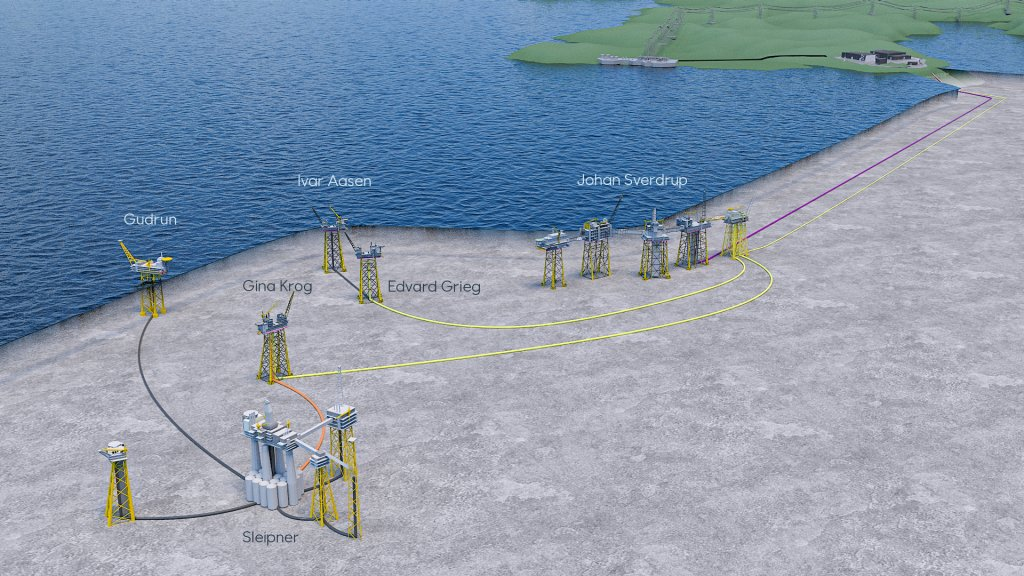
Politico.EU: “NATO will send around 10 ships to guard important underwater infrastructure in the Baltic Sea by the end of the week, Finnish newspaper Yle reported on Tuesday.
Why increase operating costs and expose platform operations to power disruption risks when there is no net environmental benefit?
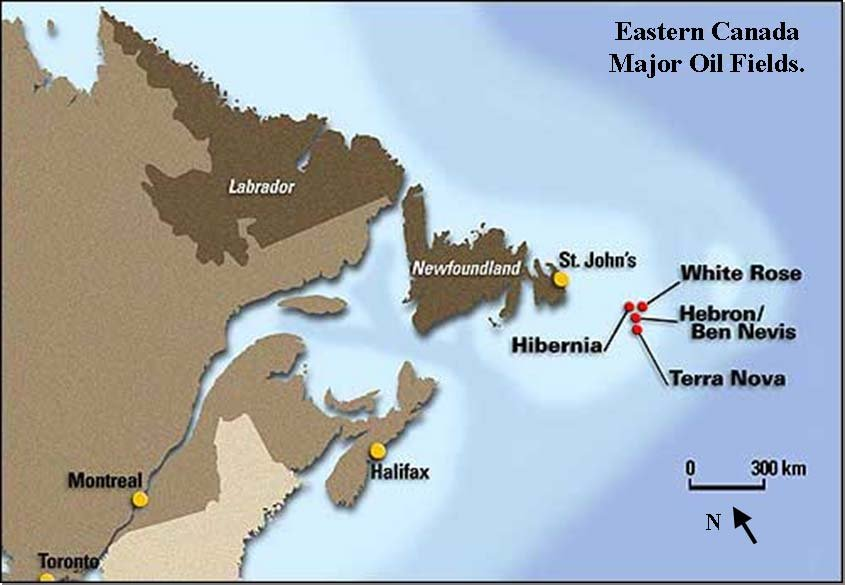
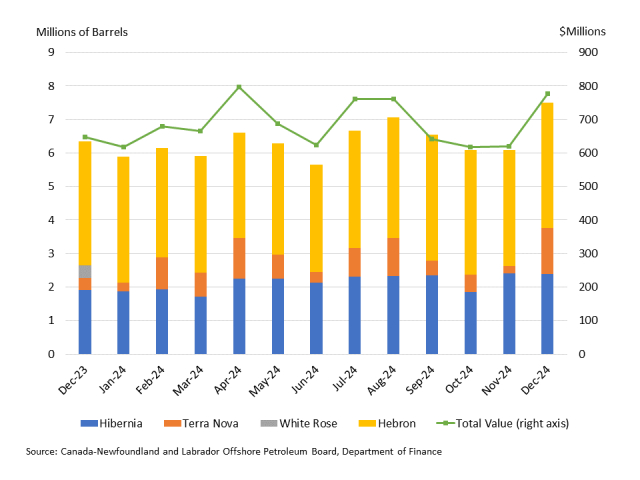
Offshore Newfoundland, a particularly hostile operating environment (“North Sea plus icebergs“), continues to be the only producing area in the North American Atlantic, a distinction that is unlikely to change for at least the next decade.
Production is holding firm and there was a nice bounce in December when 7.5 million barrels were produced (242,000 bopd ave.). December’s production was the highest since May 2022 and and was a respectable 57% of the May 2007 peak.
Most impressively, according to CNLOPB data, no fatalities or significant injuries occurred over the past 3 years.
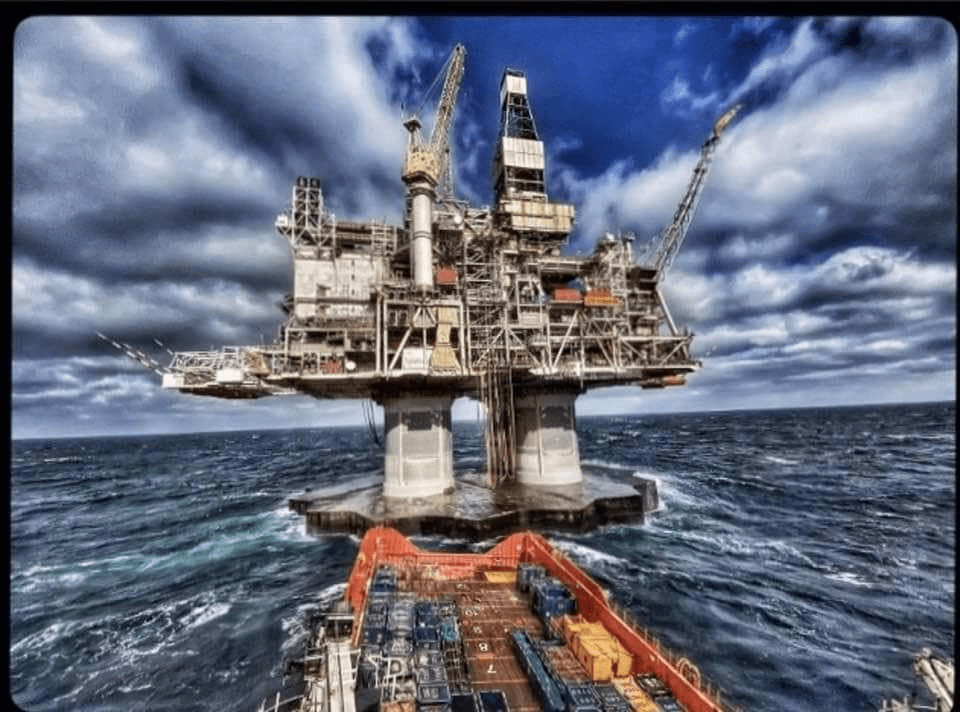
The pioneering Hibernia platform (pictured above), where Newfoundland offshore production began in Nov. 1997, keeps chugging along at 60 to 80,000 bopd. The Hibernia field has produced more than double the original resource estimate of 520 million barrels. Very impressive!
Hebron, the current top producer, continues to produce 100,000+ bopd
The Terra Nova field contributed ~40,000 bopd in Dec., the highest output since production resumed in late 2023 after extensive downtime to refurbish the FPSO.
“Last month, we demonstrated millimeter wave drilling outside of the lab for the very first time.“
“Millimeter wave drilling is the keystone of superhot geothermal. It’s the only way to access the resource at scale while reaching economic and power parity with fossil fuels. Over the coming months, two more drilling field tests will pave the way to our first commercial developments.”



 Bud's Offshore Energy (BOE)