Comments on BSEE’s proposed revisions to the Well Control Rule are due in 27 days (by Nov. 14). Given the fundamental importance of well control to offshore safety and pollution prevention, all interested parties are encouraged to comment. Although some of the proposed revisions are rather nuanced, the document is neither long nor complex.
My completely independent comments are being drafted and will be posted here after they have been submitted to Regulations.gov.
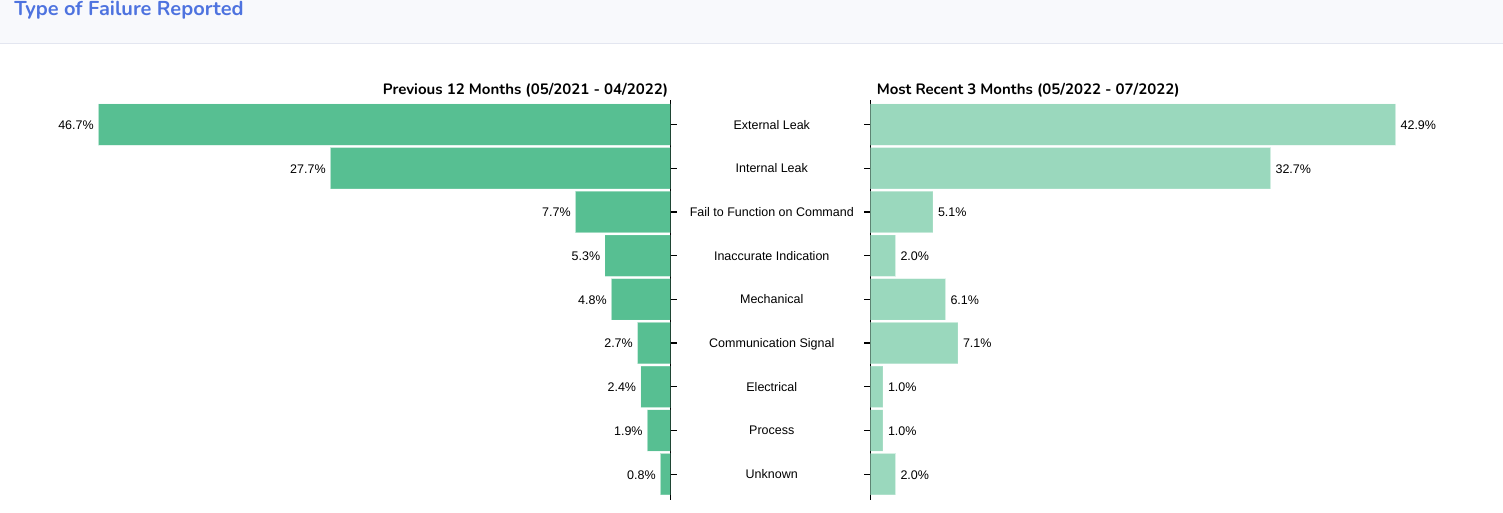
My comments will explain why the proposal may reduce the rigor of the BOP system performance standard and will address a related shear ram issue. The comments will also discuss the management of BOP equipment failure and other safety data, the use of independent third parties and standards development organizations, dual shear rams on surface BOP stacks, ROV intervention capabilities, and BOP test data reporting and management.
Two supporters of Just Stop Oil have thrown soup over Vincent Van Gogh’s Sunflowers, as actions in the capital roll into the 14th day. They are demanding that the UK government halts all new oil and gas projects.
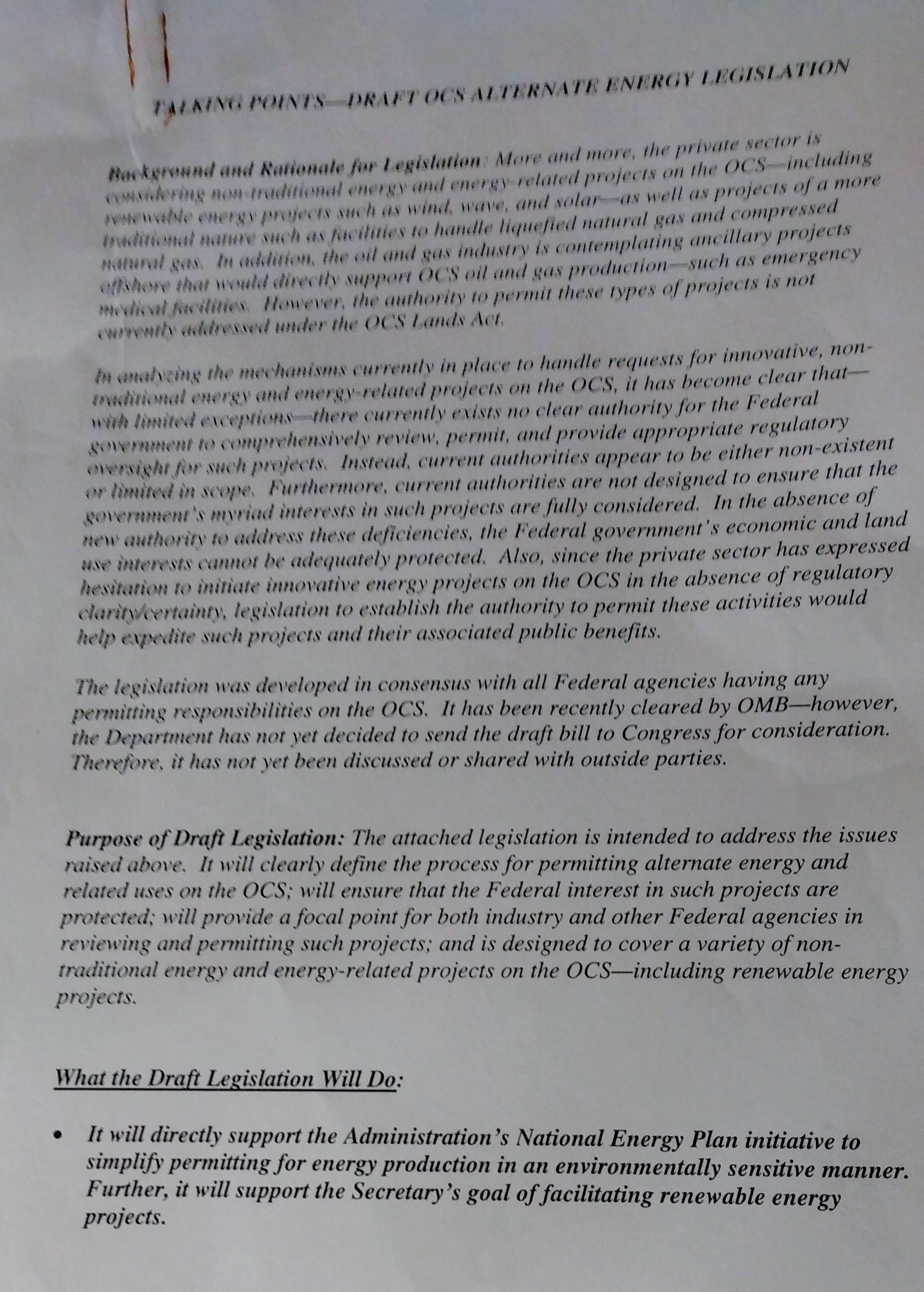
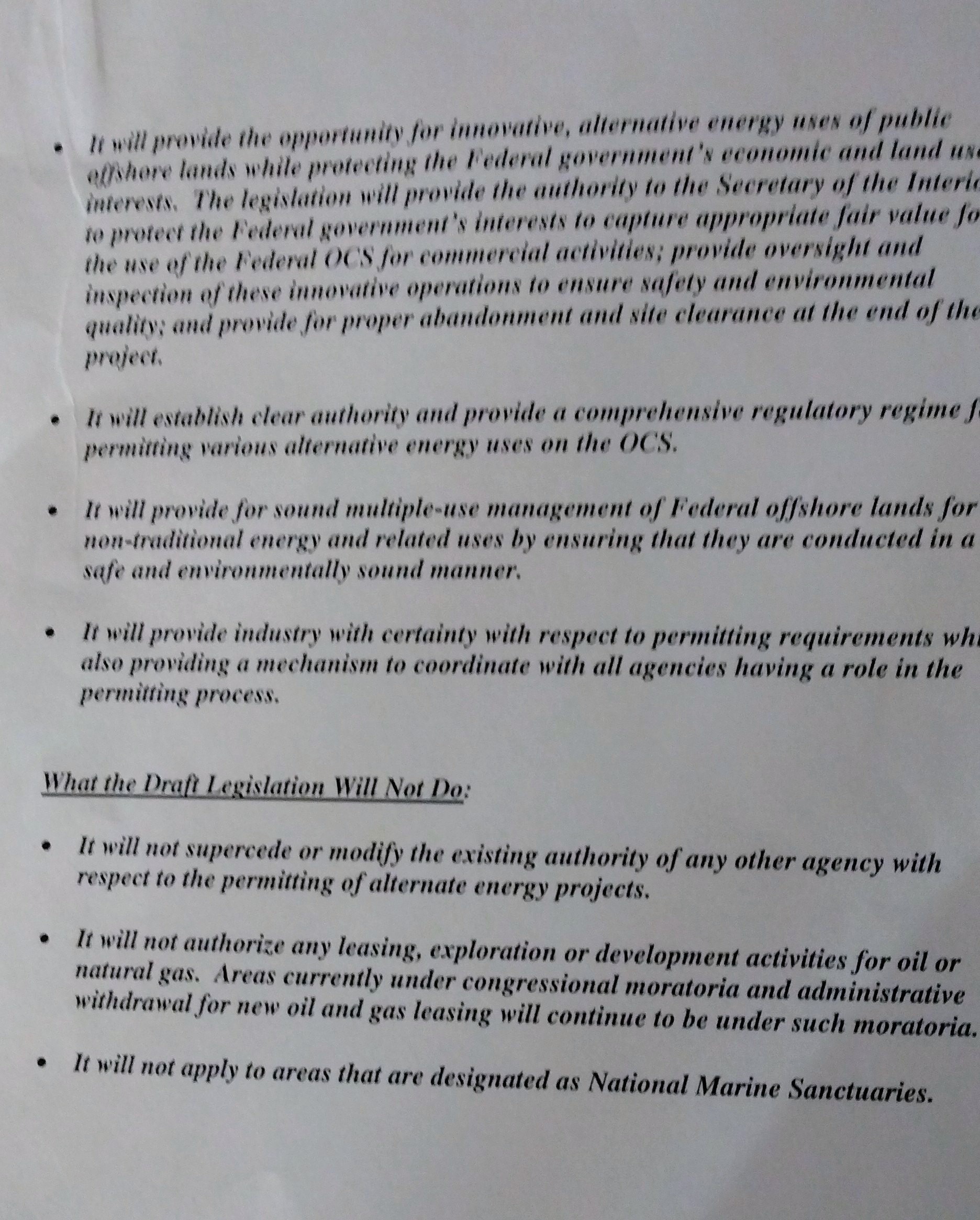
The need for alternate energy/use legislation was obvious to Minerals Management Service (predecessor of BSEE and BOEM) personnel decades ago given the growing interest in renewable energy projects and the reuse of offshore platforms. Twenty years ago, MMS staff took the initiative to draft alternate use amendments to the OCS Lands Act that MMS Director Johnnie Burton and the congressional liaison office worked closely with Congresswoman Barbara Cubin of Wyoming to gain support for the amendments and they were adopted as part of the Energy Policy Act of 2005
Attached below are the talking points used by MMS in briefing congressional staff and other agencies. These talking points were spot-on and have endured the test of time.
“In my view, America should have been pumping more oil and gas and it should have been supported,” Dimon told CNBC’s Julianna Tatelbaum at the JPM Techstars conference in London.
“We have a longer-term problem now, which is the world is not producing enough oil and gas to reduce coal, make the transition [to green energy], produce security for people,” he said.
“I would put it in the critical category. This should be treated almost as a matter of war at this point, nothing short of that,” he added.
“This is the chance to get our act together and to solidify the Western, free, democratic, capitalist, free people, free movements, freedom of speech, free religion for the next century,” he continued.
“Because if we don’t get this one right, that kind of chaos you can see around the world for the next 50 years.”
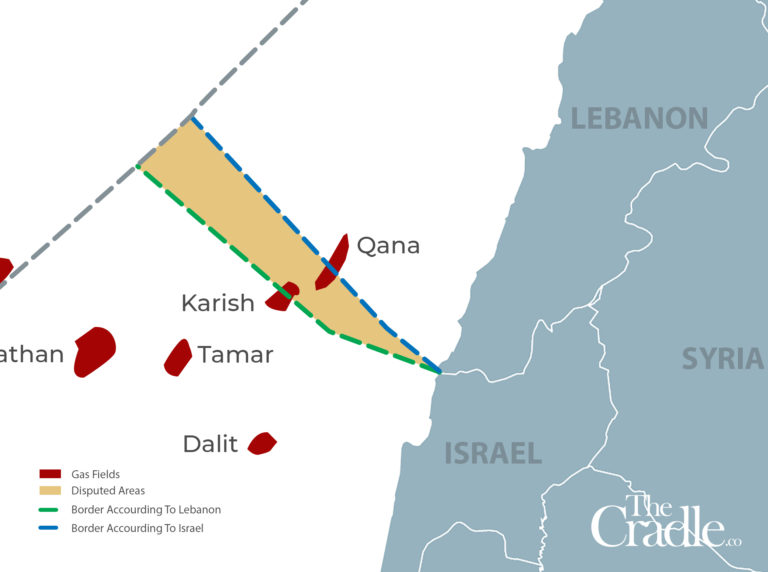
In a world where diplomacy seems to be lacking, it’s nice to learn that Israel and Lebanon have reached an agreement on their maritime boundary, and that both countries are satisfied. Based on press reports, it appears that the Qana gas field will fall under the control of Lebanon and that Israel will control the Karish field. Good for Lebanon, good for Israel, and good for energy!
Hopefully, the attached response is indicative of the quality of comments BSEE will receive on their proposed WCR revisions.
The comments, which were submitted by a retired engineer (always the best commenters 😉), express the opinion that BSEE should not remove the option for submitting failure data to BTS. While my comments will express a somewhat different opinion, I thought he made good arguments in support of his position.





Comments on BSEE’s proposed Well Control Rule are due by Nov. 14
October 18, 2022 by offshoreenergy
Comments on BSEE’s proposed revisions to the Well Control Rule are due in 27 days (by Nov. 14). Given the fundamental importance of well control to offshore safety and pollution prevention, all interested parties are encouraged to comment. Although some of the proposed revisions are rather nuanced, the document is neither long nor complex.
My completely independent comments are being drafted and will be posted here after they have been submitted to Regulations.gov.
My comments will explain why the proposal may reduce the rigor of the BOP system performance standard and will address a related shear ram issue. The comments will also discuss the management of BOP equipment failure and other safety data, the use of independent third parties and standards development organizations, dual shear rams on surface BOP stacks, ROV intervention capabilities, and BOP test data reporting and management.
Posted in drilling, Offshore Energy - General, Regulation, well control incidents | Tagged BOP, BSEE, comments, Well Control Rule | Leave a Comment »