Feeds:
Posts
Comments

Archive for the ‘Offshore Wind’ Category

The diligent folks at Scotland Against Spin (SAS) have already updated their turbine incident data through the end of 2025. Their latest summary is attached, and their detailed historical table (342 pages) is linked.

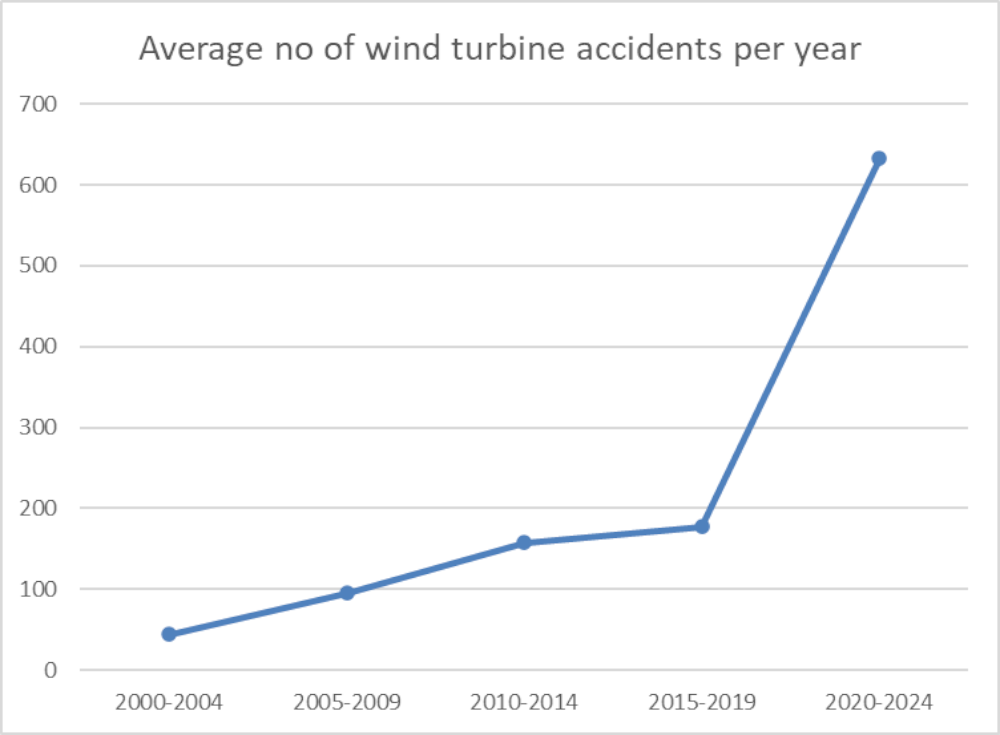
The SAS data indicate that the number of wind turbine incidents has risen sharply in recent years (see chart below). The increased number of turbines worldwide, and perhaps better news coverage of incidents, presumably contributed to the sharp increase. Nonetheless, the growing number of incidents is disconcerting, as is the absence of industry and government summaries and reports.

SAS acknowledges that their list, which is dependent on publicly available reports, is merely the “tip of the iceberg.” For example, the list does not include the June 2, 2025, Empire Wind project fatality.

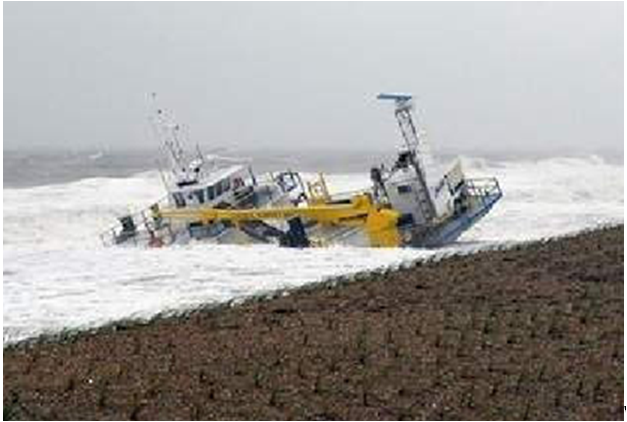
The SAS list does capture the 2008 collapse of the Russell Peterson liftboat, which was collecting data offshore Delaware for a wind project. One worker died and another was rescued. The Coast Guard never issued a report on this tragic incident. Serious questions remain about the positioning of a liftboat in the Mid-Atlantic for several months beginning in March when major storms are likely, the liftboat’s failure mechanisms, the operator’s authority to be conducting this research, and the actions that were taken in preparation for storm conditions.

The Russell Peterson toppled in May 2008 while gathering data for a proposed offshore wind project.

Read Full Post »

BOE is pleased to report that there were no occupational fatalities during oil and gas operations on the US OCS in 2025!

There were also zero fatalities in 2023. Two of the past three years were thus fatality free. One fatality occurred during decommissioning operations in 2024.

One fatality was associated with US offshore wind development in 2025. A crew member died while conducting vessel maintenance on a ship working for Equinor on the Empire Wind project.

Read Full Post »

Attached is the supplemental complaint in the lawsuit Revolution Wind, LLC v. United States Department of the Interior, Case No. 1:25-cv-02999-RCL, filed in the U.S. District Court for the District of Columbia.

Brief history:

Read Full Post »

District Judge Jamar Walker rejected Dominion Energy’s request for an immediate temporary restraining order (TRO) that would allow work on the suspended offshore wind projects to resume immediately.

The December 28 court ruling is consistent with the Department of the Interior’s position that the TRO request be converted to a request for a preliminary injunction. Interior had argued that a preliminary injunction motion could likely be resolved by mid-to-late-January.

The Government also asserted that more time is needed to submit the classified information that is central to the dispute.

Thoughts on this case: A respected colleague recalled this advice from Don Hodel, a widely admired Secretary of the Interior during the Reagan administration: “For all its faults, a contract is a contract, great men and great nations keep their word.”

Another colleague reminded me of the offshore North Carolina oil and gas leases that were suspended in the 1990s. The companies sued the Federal government for breach of contract, and the U.S. Supreme Court ruled 8-1 on June 26, 2000, in Mobil Oil Exploration & Producing Southeast Inc. v. United States, that the government must repay the lessees.

If the suspended Atlantic wind leases are cancelled, the govt would presumably have to compensate lessees for lease purchase and development expenditures. The costs to the Federal govt would be enormous – in the tens of $billions.

Read Full Post »

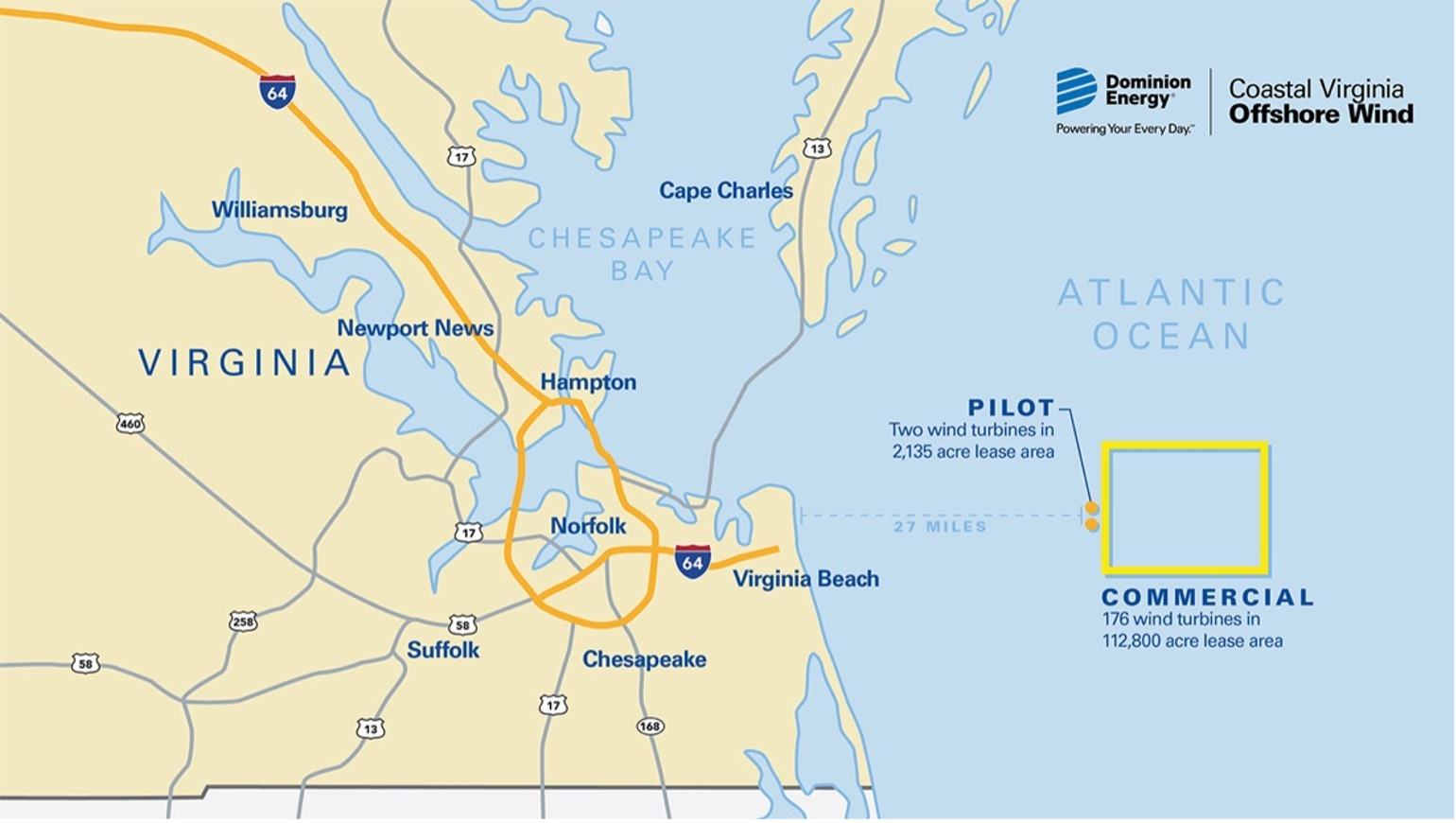
Dominion’s suit challenging the Coastal Virginia Offshore Wind suspension order is attached.

Summary: “BOEM’s order sets forth no rational basis, cannot be reconciled with BOEM’s own regulations and prior issued lease terms and approvals, is arbitrary and capricious, is procedurally deficient, violates the Outer Continental Shelf Lands Act (“OCSLA”), and infringes upon constitutional principles that limit actions by the Executive Branch. This Court must therefore vacate the Order and enjoin BOEM from taking further action with respect to that Order.”

Key points raised by Dominion:

  • Dominion Energy Virginia (DEV) has spent approximately $8.9 billion to develop CVOW to date, which is over two-thirds of the total projected cost of $11.2 billion.
  • BOEM and Interior afforded DEV no advance warning or due process regarding the Order for CVOW.
  • The Order alleges no CVOW violation or deficiency.
  • The Order points to unnamed “national security threats” based on a November 2025 “additional assessment regarding the national security implications of offshore wind projects” by DoD, “including the rapid evolution of relevant adversary technologies and the resulting direct impacts to national security from offshore wind projects” generally.
  • The Order deems this information “new” and “classified” without any justification or detail. Moreover, as BOEM and DoD should know, certain DEV officials have security clearances to receive and review classified information, yet never were afforded such an opportunity prior to issuance of the Order.
  • DEV is suffering more than $5 million per day in losses solely for costs relating to vessel services associated with the Order. DEV is also incurring losses related to additional storage costs for the significant amount of equipment, idle workforce, contractual penalties, and additional costs.
  • BOEM’s Order comprises a single page, identifies no specific concerns, and provides no supporting documentation.
  • Agencies are required to consider costs and benefits in their decision-making
  • Agencies are required to consider alternatives in their decision-making.
  • The CVOW Order unlawfully deprives DEV of a property interest without due process.

    Dominion’s weakest argument follows (bad State legislation shouldn’t dictate Federal energy policy):

    CVOW is critical to Virginia’s legislative clean energy directive and DEV’s commitment to achieving net-zero emissions. The VCEA requires the transition of Virginia’s electric grid to 100 percent non-carbon producing energy generation by 2045. Va. Code § 56-585.5. The VCEA also states that the construction of Virginia offshore wind facilities is in the public interest. Va. Code § 56-585.1:11 (C)(1).

      Read Full Post »

      Attached is the letter sent to operators of the 5 projects that have been suspended. The cited regulation reads as follows:

      § 585.417 When may BOEM order a suspension?

      BOEM may order a suspension under the following circumstances:

      (a) When necessary to comply with judicial decrees prohibiting some or all activities under your lease; or

      (b) When the suspension is necessary for reasons of national security or defense.

      Read Full Post »

      Excerpts from an excellent opinion piece by Derrick Max of the Thomas Jefferson Institute for Public Policy:

      Coastal Virginia Offshore Wind (CVOW) is no ordinary renewable project. It was created by legislative command. The 2020 Virginia Clean Economy Act (VCEA) declared Dominion’s 2.6-gigawatt wind farm “in the public interest,” effectively tying the hands of the State Corporation Commission and guaranteeing Dominion full cost recovery and profit. The risk doesn’t sit with shareholders — it sits with Virginia’s ratepayers.

      The Thomas Jefferson Institute opposed that structure from the start. We warned that forcing captive customers to underwrite an unproven, high-cost project located in a hurricane prone region would expose Virginians to escalating bills with little accountability. Yet when a group recently asked the federal government to shut CVOW down, we declined to join. Why? Because government shouldn’t pick winners and losers — not when it mandates projects, and not when it stops them. Especially when a project is in its final stretch and no economic analysis of such a decision has been completed (or shared). 

      Virginia’s offshore wind story shows how risky it is when government drives energy decisions by decree. One administration mandates a massive buildout; the next halts it over security fears. Businesses can’t plan around that. Ratepayers shouldn’t have to pay for it.

      Read Full Post »

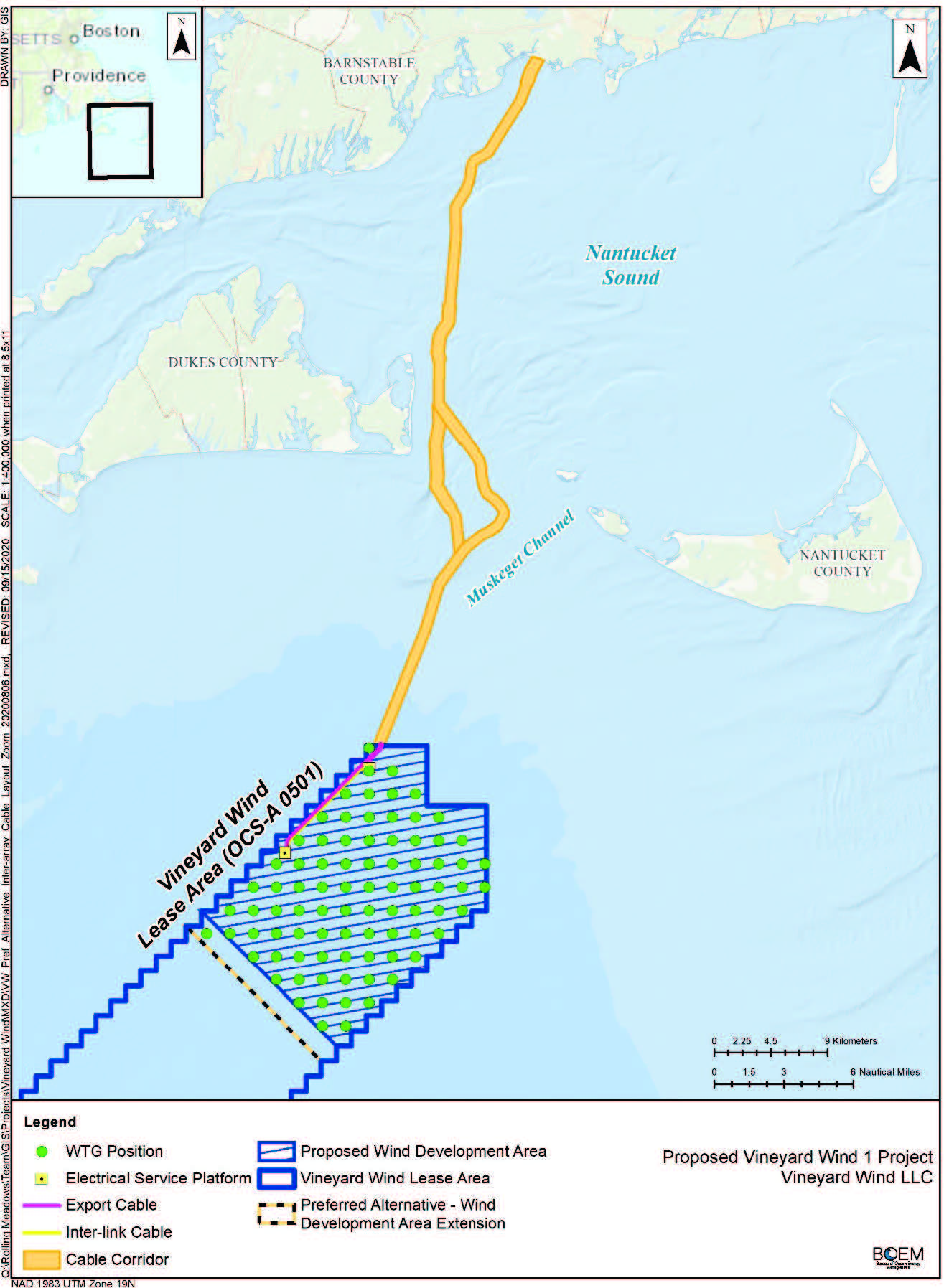
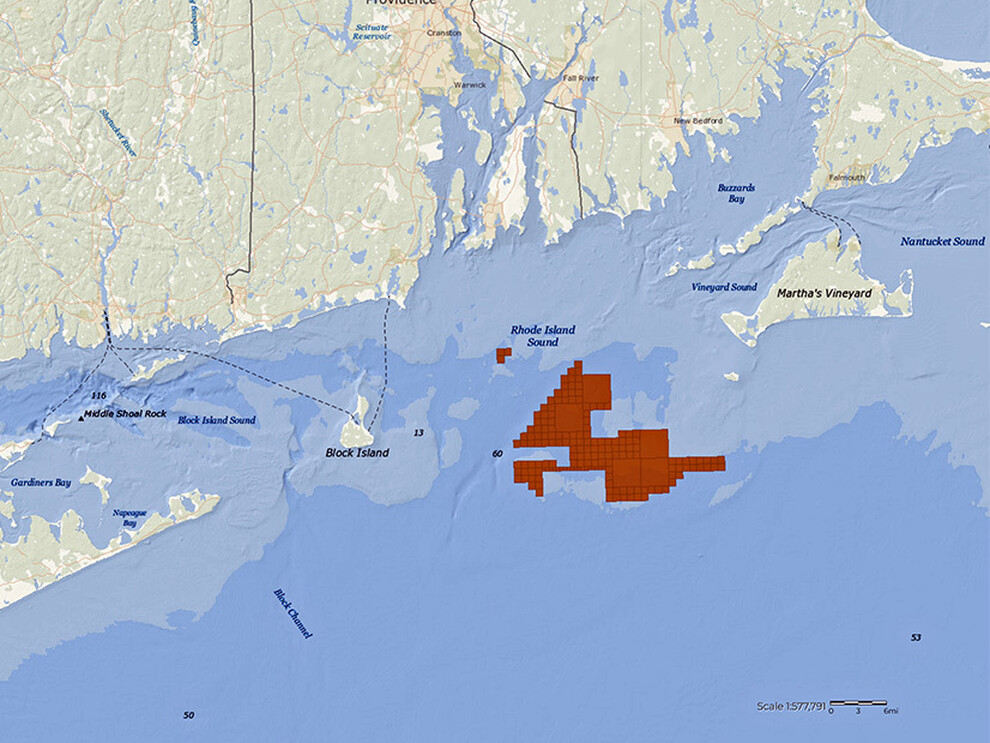
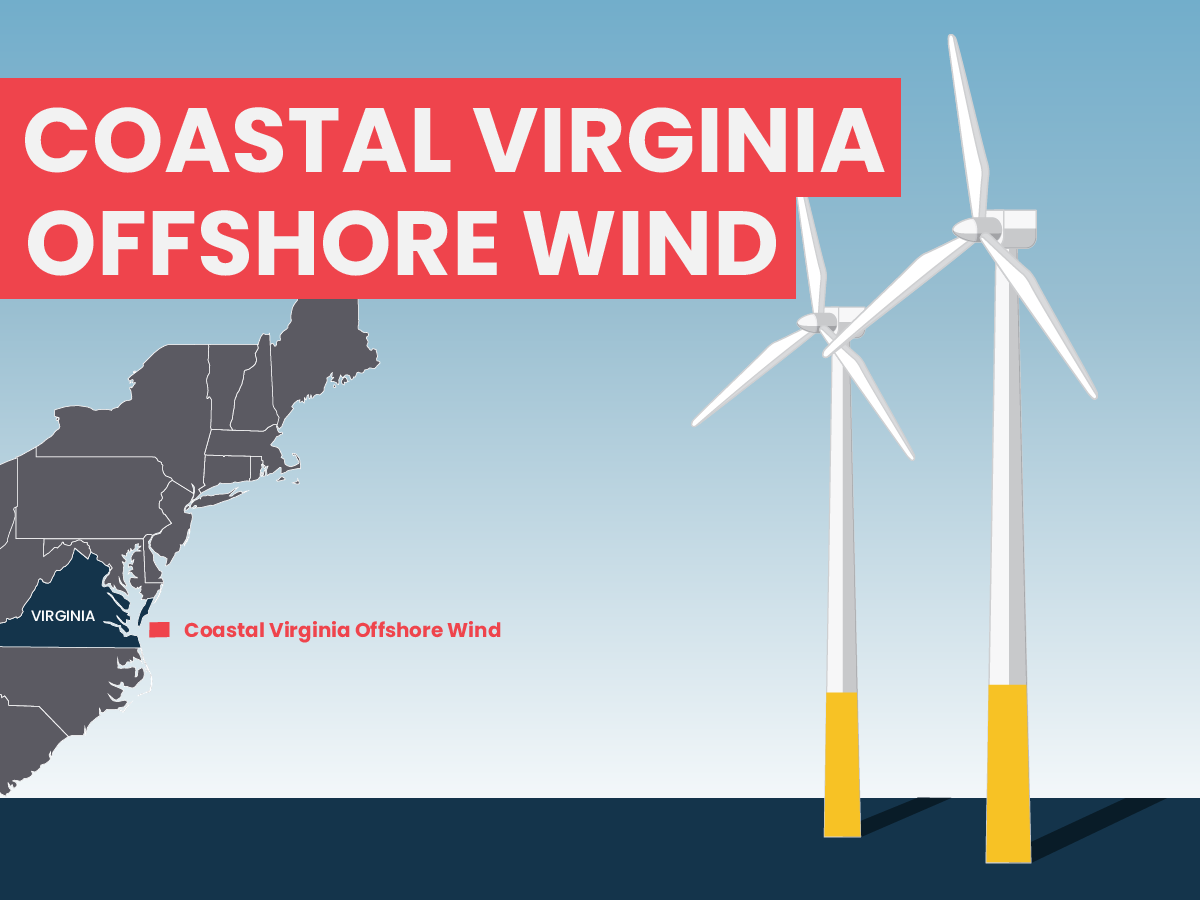
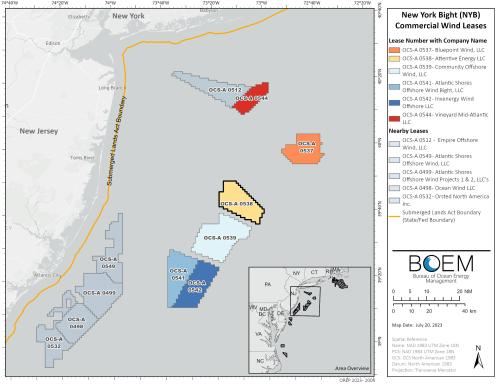
      The suspended leases are for Vineyard Wind 1, Revolution Wind, Sunrise Wind, Empire Wind, and Coastal Virginia Offshore Wind. (See the map below).These are the only Atlantic Wind projects under construction.

      Given the $billions in expenditures to date and coastal State support for these projects, expect negotiated mitigations or litigation.

      Read Full Post »

      Read Full Post »

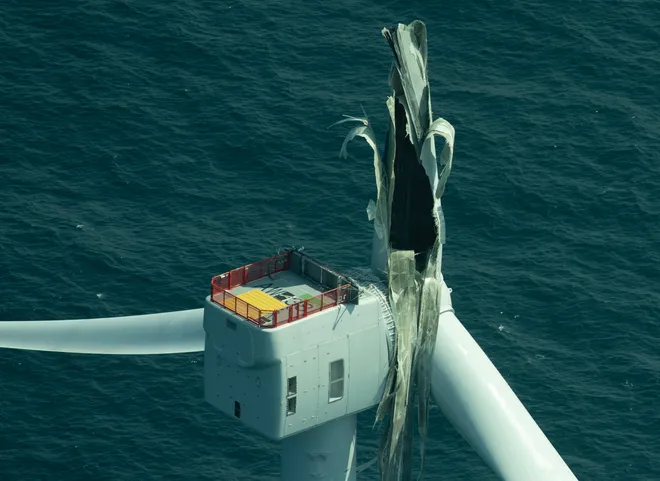
      7/13/2024 Vineyard Wind turbine blade failure offshore Nantucket

      The attached Memorandum of Understanding between Vineyard Wind (VW) and the Town of Nantucket is long on bureaucratic procedures and short on risk mitigation and penalties.

      The agreement details requirements for monthly reports, liaisons, written correspondence, plan reviews, and participation on incident management teams, but excludes any monetary penalties for past or future incidents. (With regard to penalties, should BSEE have assessed civil penalties for the 2024 turbine incident in accordance with 30 CFR § 285.400 (f)? This was a major pollution event.)

      This MOU provision gives the impression that the Town is subordinate to VW:

      “The Town will provide Vineyard Wind 1 up to 4 business days, if required, to identify and correct errors in the Town’s intended public communications about the Project.”

      The responsible party should not be exercising oversight over the communications of an affected local government. Can you imagine Santa Barbara County reaching such an agreement with Sable Offshore?

      Finally, the MOU further establishes the Town as a de facto partner in the project. VW, not the Town, is the responsible party and must be held fully accountable for project performance.

      Read Full Post »

      Older Posts »