Feeds:
Posts
Comments

Archive for the ‘rigs-to-reefs’ Category

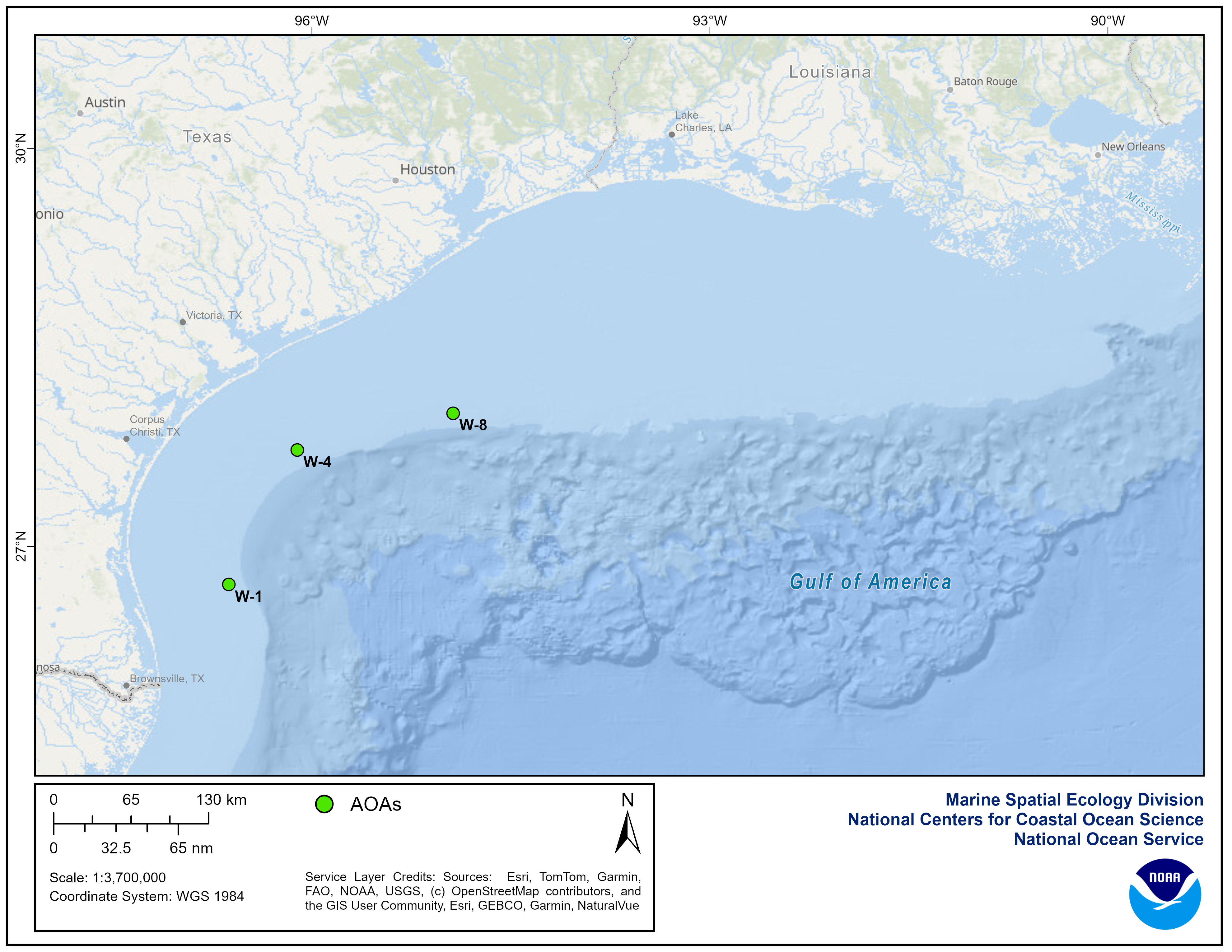
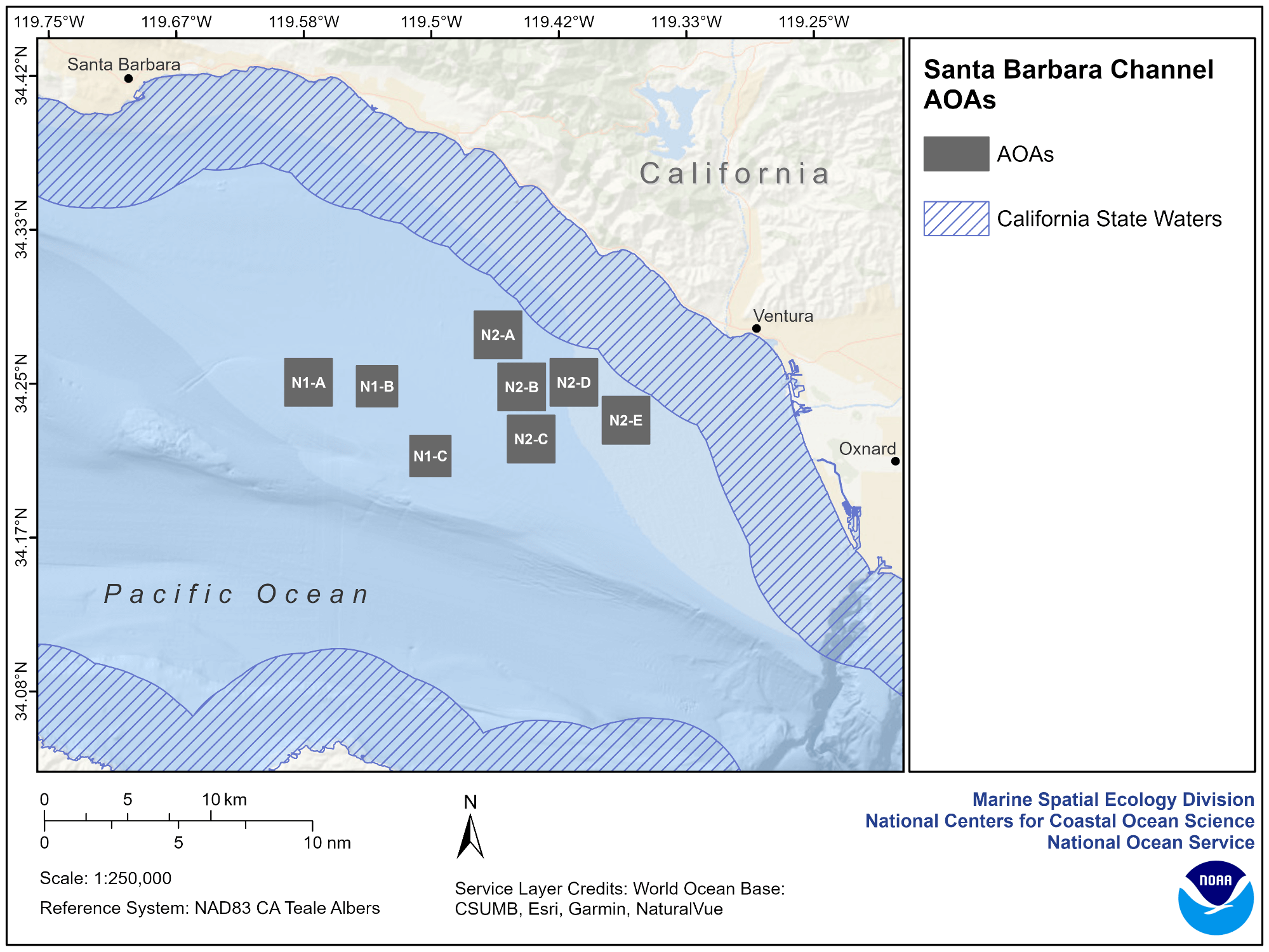
NOAA is touting marine aquaculture and has published Programmatic Environmental Impact Statements for Aquaculture Opportunity Areas (AOAs) in the Gulf of America and offshore Southern California. This is a positive step.

While the focus of these EIS documents is on distinct AOAs separated from oil and gas facilities, NOAA might also have discussed the potential for synergy with existing platforms. The reef effect of platforms can be sustained and new fishery ventures supported by converting older platforms to aquaculture facilities (Rigs-to-Roe/Redfish/Rockfish) rather than decommissioning them.

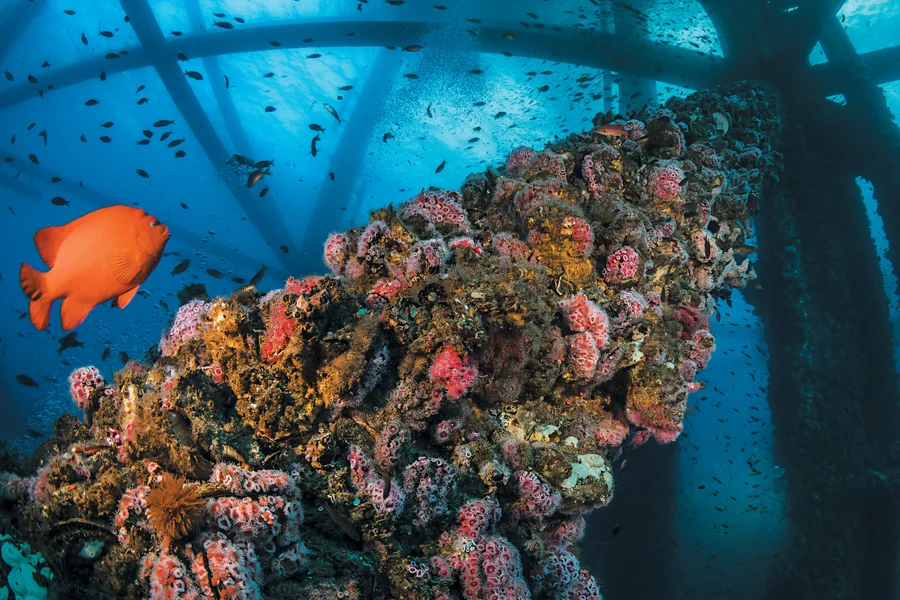
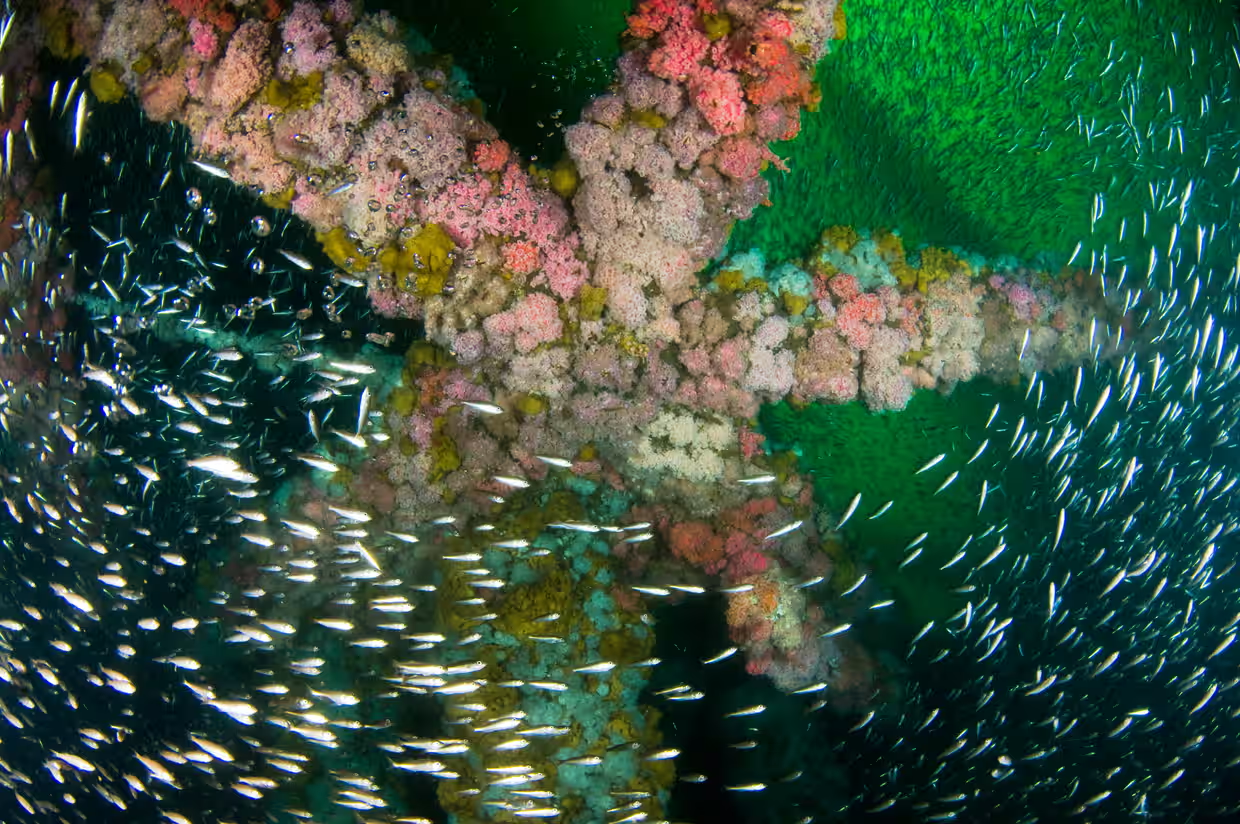
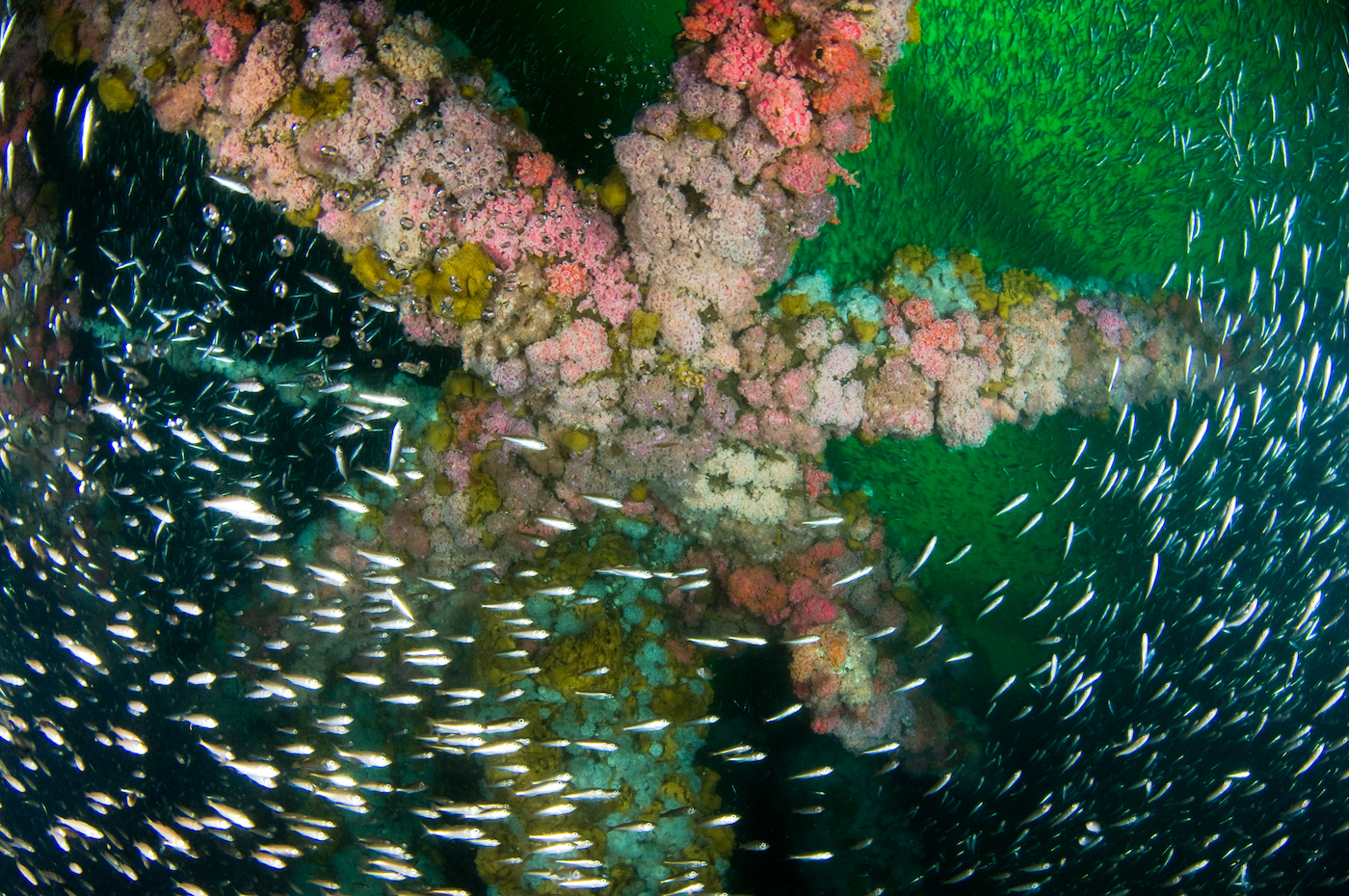
The ecological importance of offshore platforms has been well documented in both the Gulf and Santa Barbara Channel Channel area.

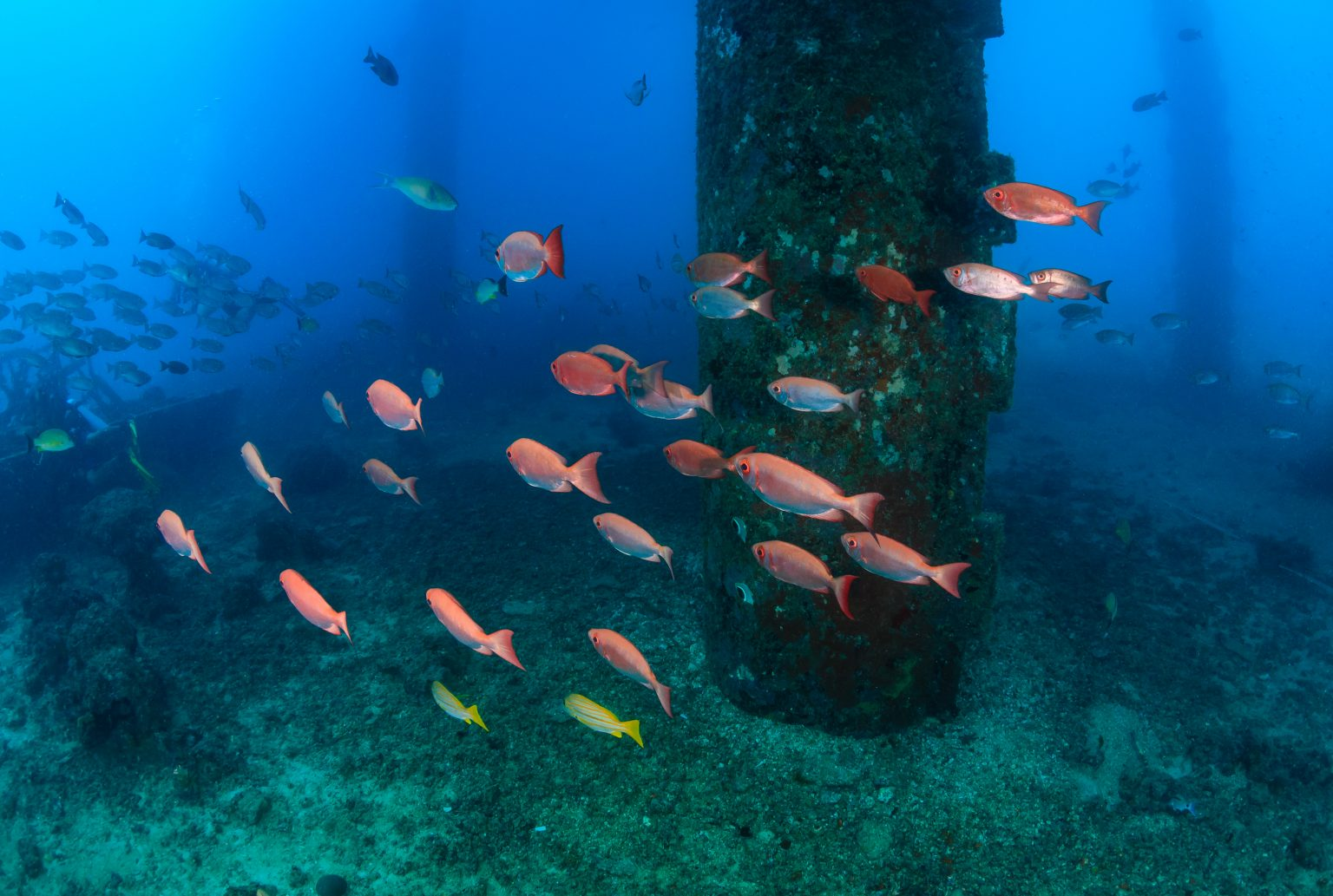
According to a paper published in 2014 by marine ecologist Dr. Jeremy Claisse of Cal Poly Pomona, the oil and gas platforms off the coast of California are the most productive marine habitats per unit area in the world. “Even the least productive platform was more productive than Chesapeake Bay or a coral reef in Moorea,” said Dr. Love. (Milt Love, UCSB biologist)

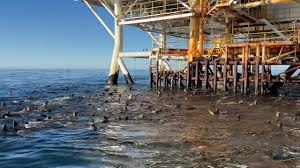
beneath Platform Gilda, Santa Barbara Channel

Read Full Post »

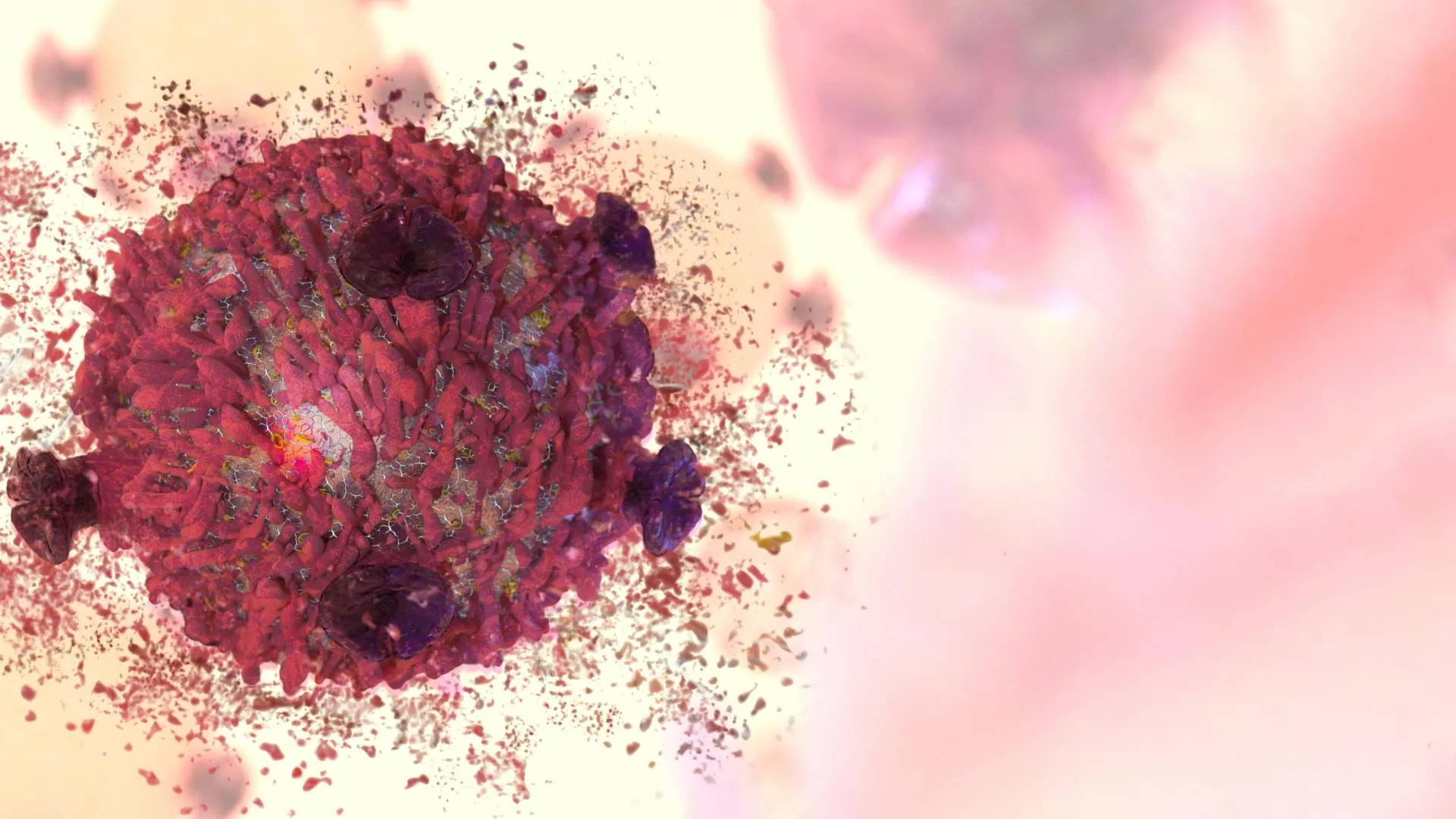
A sugar made by ocean bacteria has been found to trigger a powerful form of cell death that destroys cancer cells.

We have a new addition to the World Famous Rigs-to-Reefs +++ listRigs-to-Remission.

Scientists have discovered a sugar compound from deep-sea bacteria that can destroy cancer cells in a dramatic way. This natural substance, produced by microbes living in the ocean, causes cancer cells to undergo a fiery form of cell death, essentially making them self-destruct. In lab tests and in mice with liver cancer, the compound not only stopped tumors from growing, but also activated the immune system to fight back. This finding could pave the way for entirely new cancer treatments based on sugars from marine organisms.

Deepwater production platforms would be excellent bases for further studying and recovering these microbes.

Read Full Post »

Linked below is a new Rigs to Reefs film (“Steel to Sanctuary”). Note the commentary on permitting complexity and regulatory fragmentation.

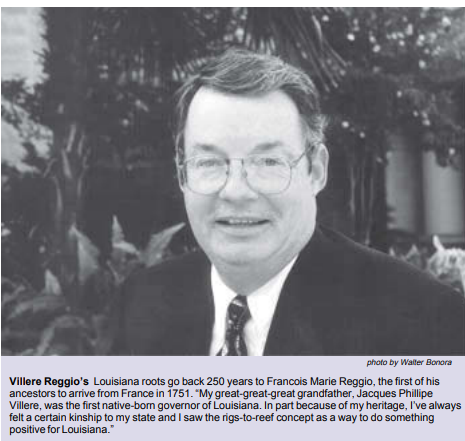
Not mentioned in the film are the extraordinary efforts of the Mineral Management Service’s Villere Reggio in establishing the Rigs to Reefs program. Villere (pictured below), has a most interesting family history as summarized in the caption. See p. 3 of this issue of MMS Today for the complete article.

Read Full Post »

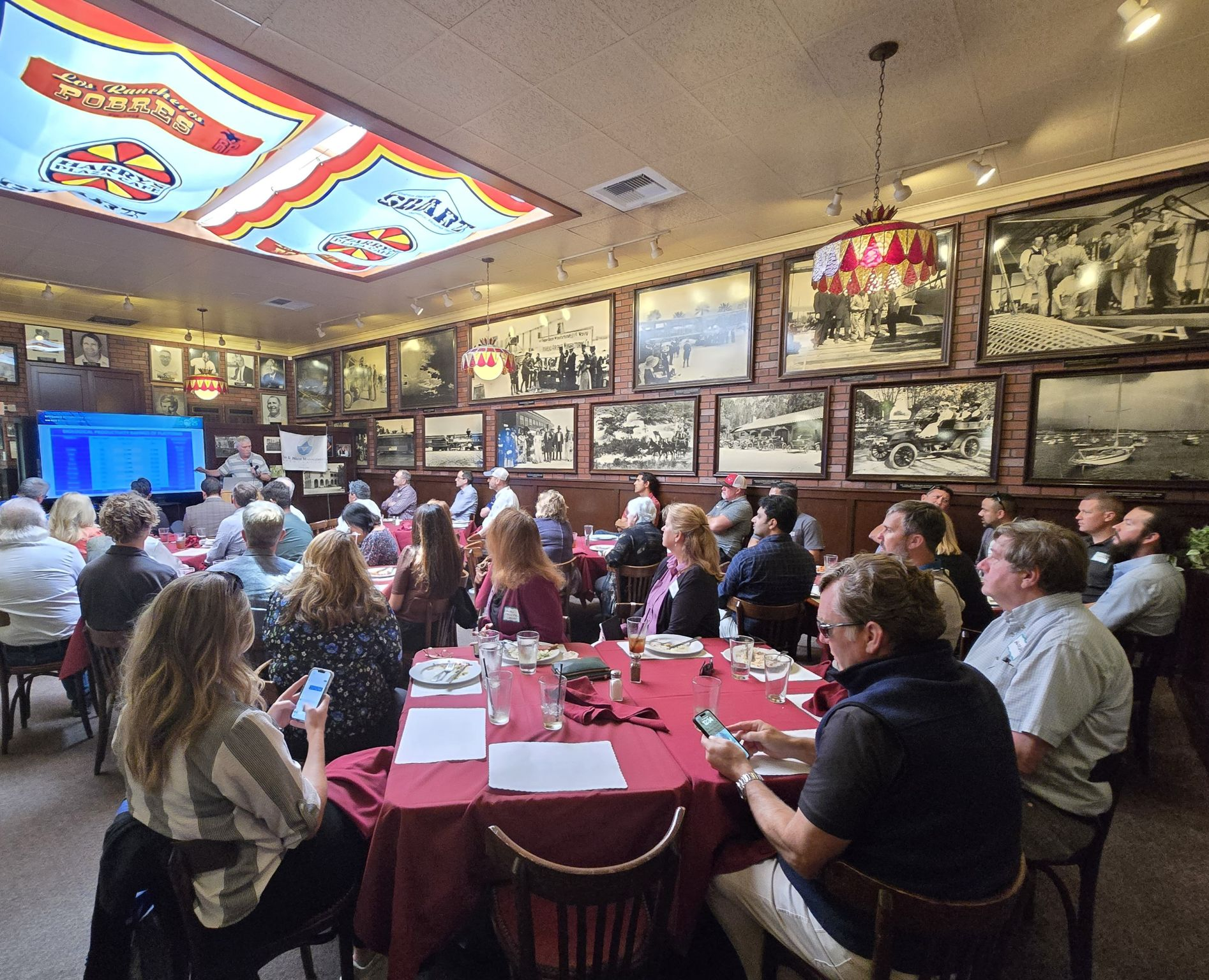
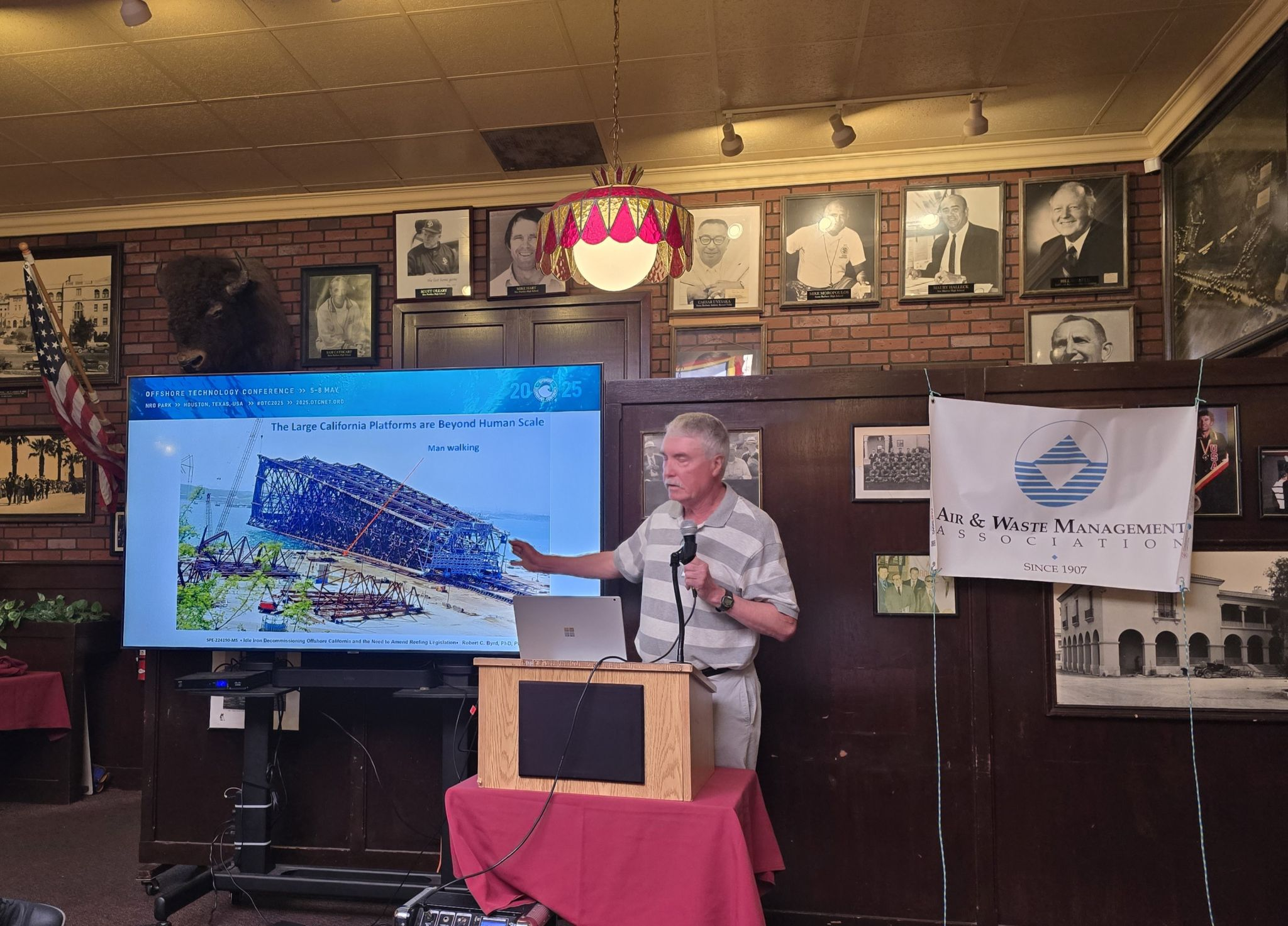
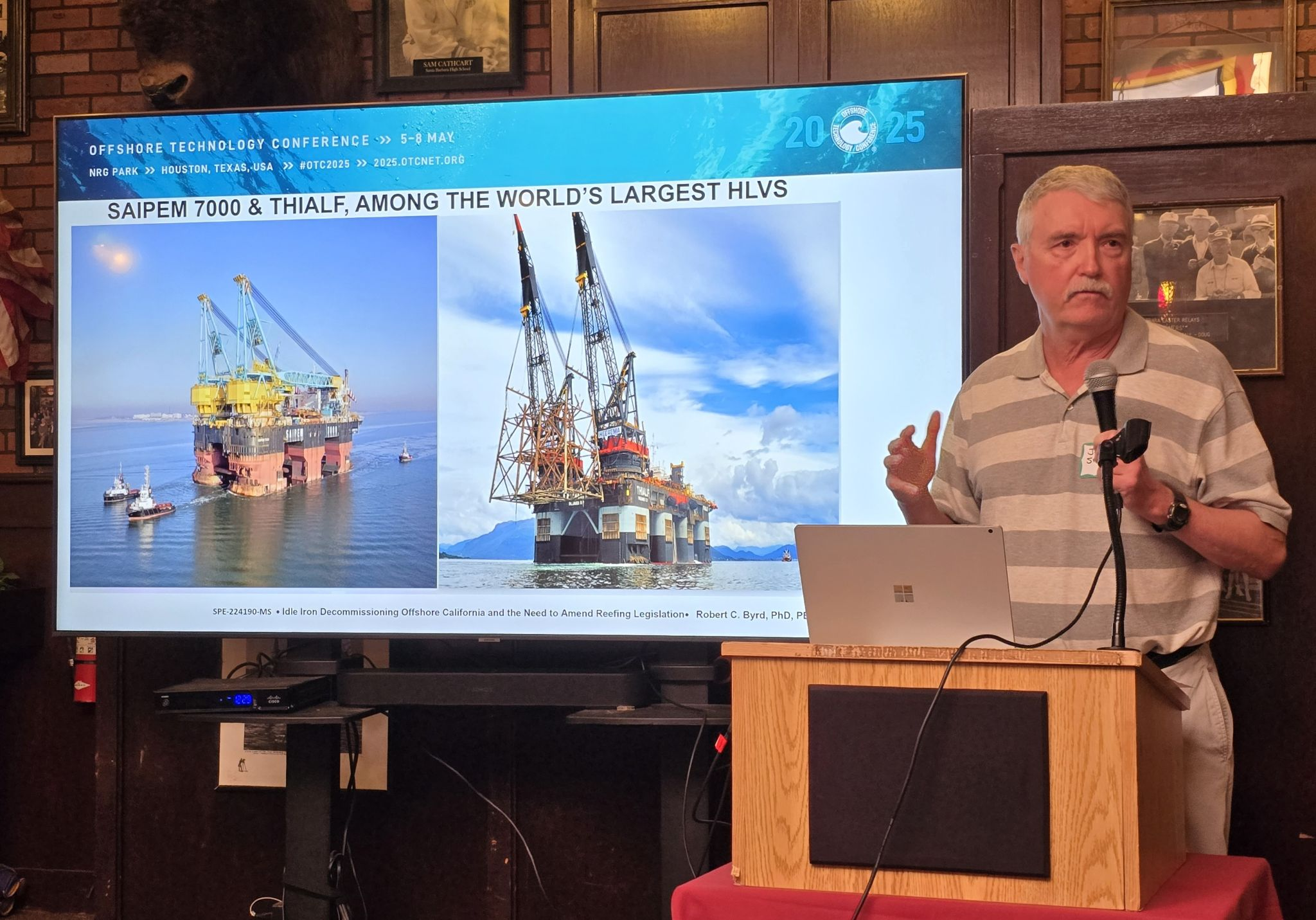
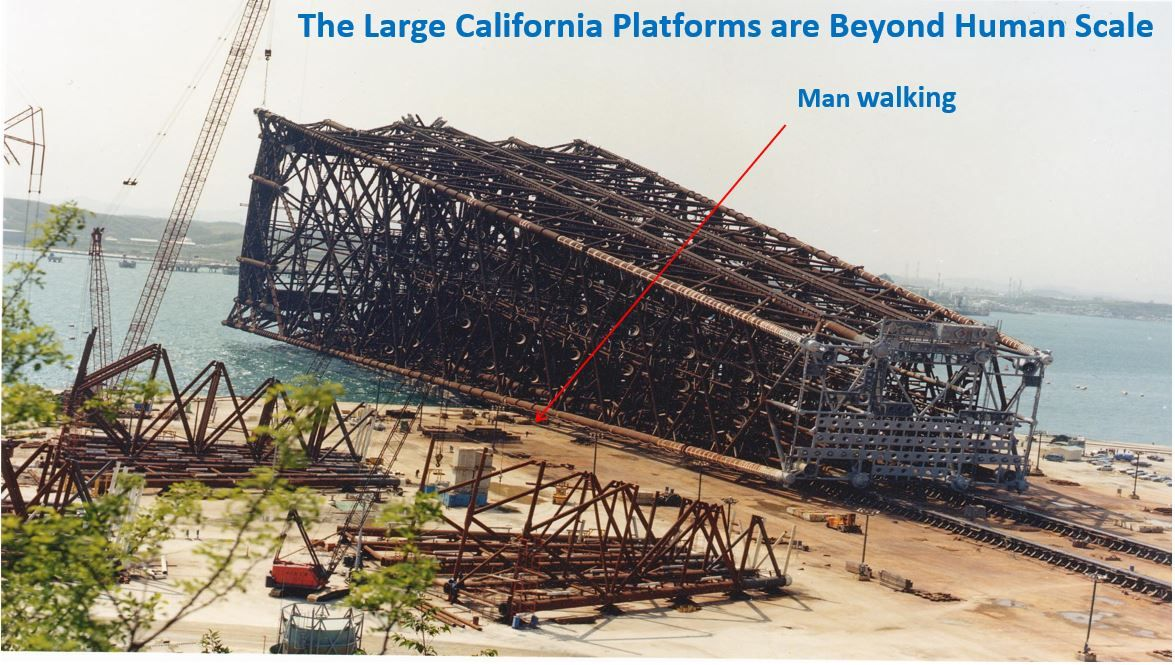
Sharing pictures from John Smith’s excellent decommissioning presentation at the Western States Petroleum Assoc. luncheon in Santa Barbara in May. You can view or download the presentation here.

Read Full Post »

During a recent dive survey at Platform Holly off California’s coast, scientists from the University of California, Santa Barbara (UCSB) had to pause fieldwork because dozens of sea lions took shelter around the structure.

The reason? A pod of killer whales had been spotted hunting near another offshore platform in federal waters.

These real-time encounters reveal more than marine drama. They highlight the ecological role that offshore platforms can play as part of the seascape. UCSB’s work is part of our ongoing study, Understanding Biological Connectivity Among Offshore Structures and Natural Reefs, which explores how marine life moves among natural and manmade habitats.

See Rigs-to-Reefs+++

Read Full Post »

Attached is an excellent Scientific American article featuring BOE contributor and decommissioning specialist John Smith, former colleague and marine biologist Dr. Ann Bull, and Dr. Milton Love, the leading authority on California’s offshore platform ecosystems.

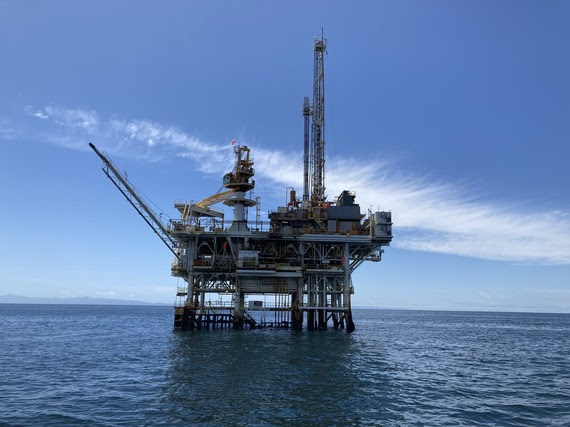
I had the pleasure of taking a highly informative boat tour around Platform Holly with Dr. Love and a group of international visitors. Holly, which is pictured at sunset in the BOE header, is among the platforms awaiting decommissioning.

Dr. Love on the total removal of California offshore platforms:

“As a biologist, I just give people facts,” he says. “But I have my own view as a citizen, which is: I just think it’s criminal to kill huge numbers of animals because they settled on a piece of steel instead of a rock.”

Read Full Post »

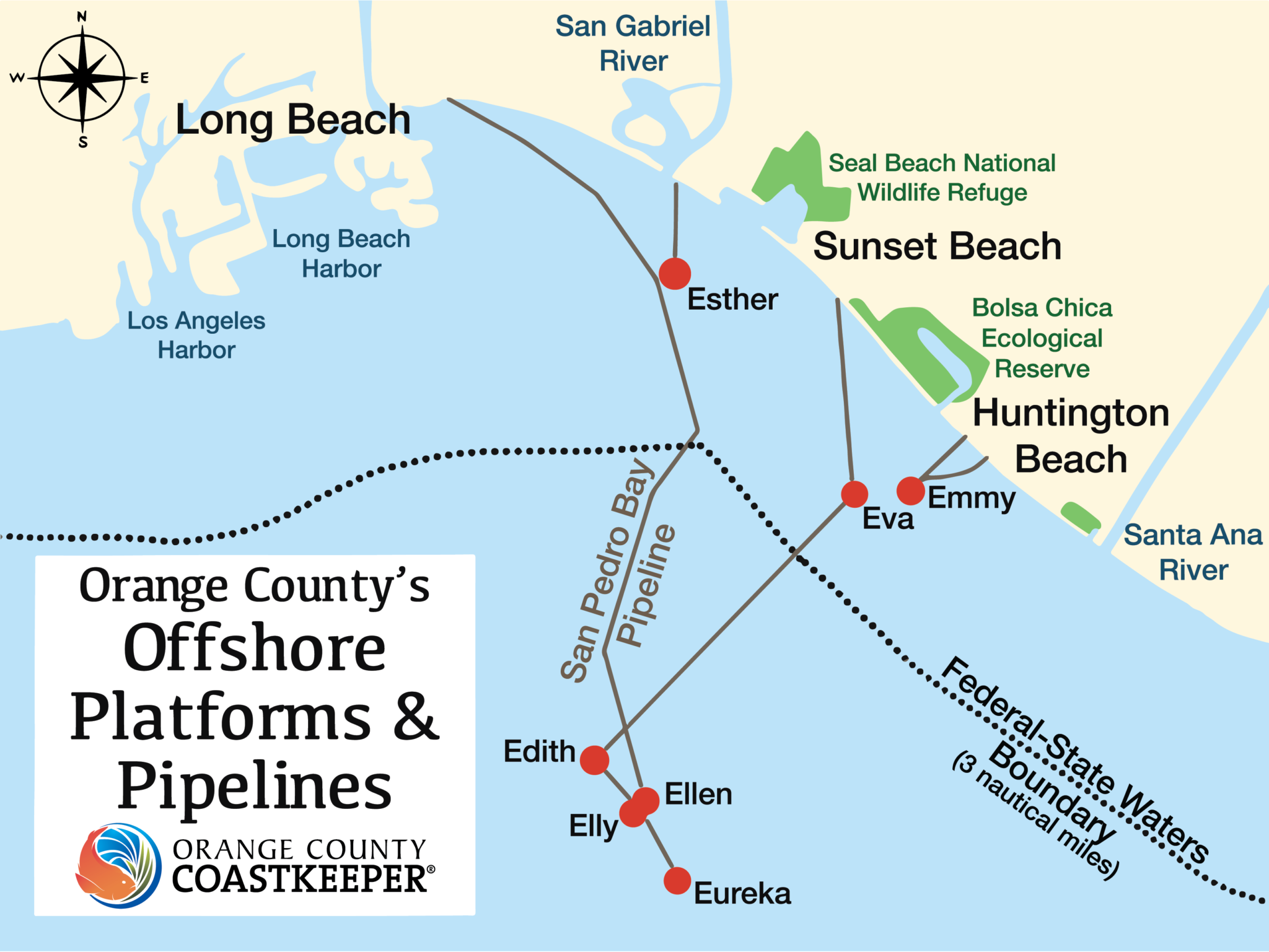
A mile offshore during the big year-end swell (map below). Rigs-to-Rides!

Read Full Post »

“Under the sea, under the sea, darling it’s better down where it’s wetter, take it from me”

Read Full Post »

BSEE’s Facility Infrastructure Dashboard is a useful tool for tracking decommissioning activity in the Gulf of Mexico. A few numbers from the dashboard:

  • Current structure count:1438 (Per BSEE’s platform structures online query, the number of non-removed structures is 1554. The reason for the discrepancy is unclear; perhaps the dashboard number is more current.)
  • Structures with decom application submittal: 291
  • Total structures on terminated leases: 318
  • Structures on terminated leases with decom application submittal: 196

Planned disposition of the 291 pending removals (25% of the structures to be reefed):

Read Full Post »

Guardian: Juvenile rockfish seen on an oil platform off the coast of Santa Barbara. For the scientists who study them, preserving these accidental marine ecosystems has become a moral issue. Photograph: Scott Gietler

Excellent Guardian article featuring my former colleague Dr. Ann Bull and Dr. Milton Love from the University of California at Santa Barbara.

According to a 2014 study they (Bull and Love) co-authored, the rigs were some of the most “productive” ocean habitats in the world, a term that refers to biomass – or number of fish and how much space they take up – per unit area. The research showed the rigs to be about 27 times more productive than the natural rocky reefs in California.

Guardian

More on decommissioning platforms offshore California.

Read Full Post »

Older Posts »